June in Books

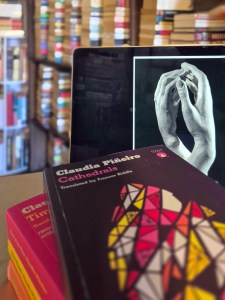
My favorite Rodin masterpiece is not The Thinker. It is a lesser-known work called The Cathedral, which looks nothing at all like a cathedral. It’s a sculpture of two expressive right hands lightly grazing at the fingertips, in anticipation of a universe of possibility. I love it for its elegance, for its nuance, for what it suggests; and for the thought that the sculptor understood that a place of worship is not confined to temples made with hands, but that he also had humor enough to convey the message with hands. 

Claudia Piñeiro’s Cathedrals delivers the same message but not in the way Rodin does. She does it with mystery, disquiet, brutality, and revolting revelations, while indicting the hypocrisies of society’s sacred institutions. She is an author not everyone can stomach, but one does not have to consistently agree with, or relate to, her characters to recognize that Piñeiro is a force in literature. 

Cathedrals was my last book for June. In contrast, Lyse Doucet’s The Finest Hotel in Kabul was my first.

What does Victor Hugo’s Notre-Dame de Paris and Ivo Andric’s Bridge on the Drina have in common with Doucet’s The Finest Hotel in Kabul? All have immortalized an architectural edifice as the main character to tell the story of a people.

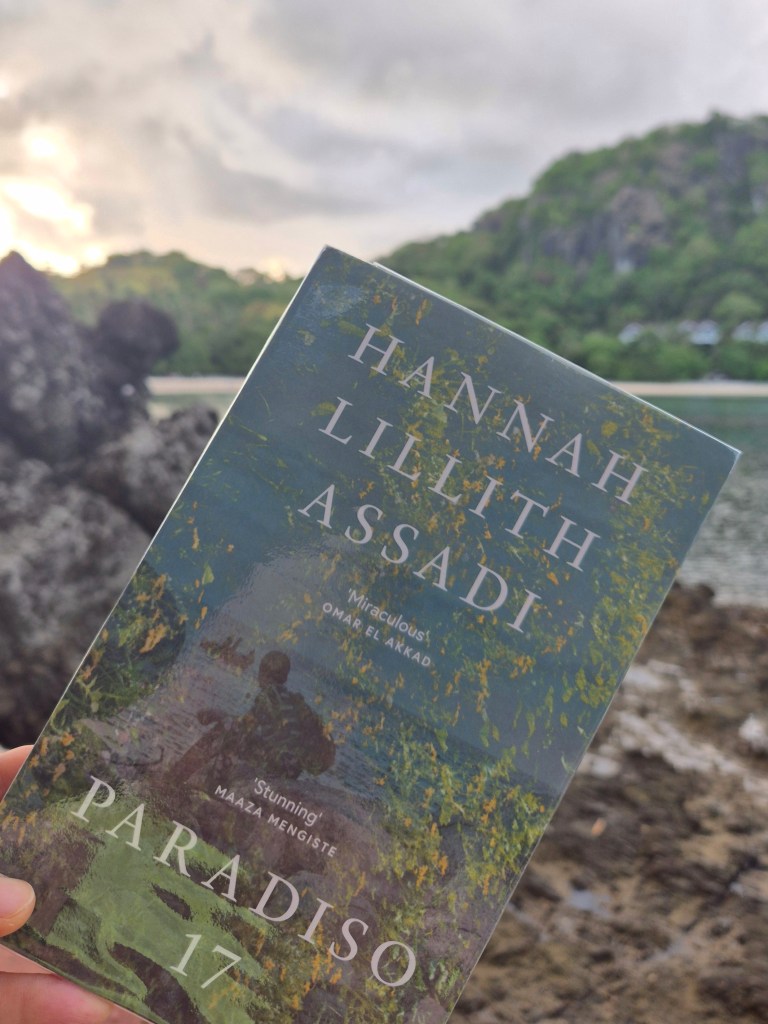
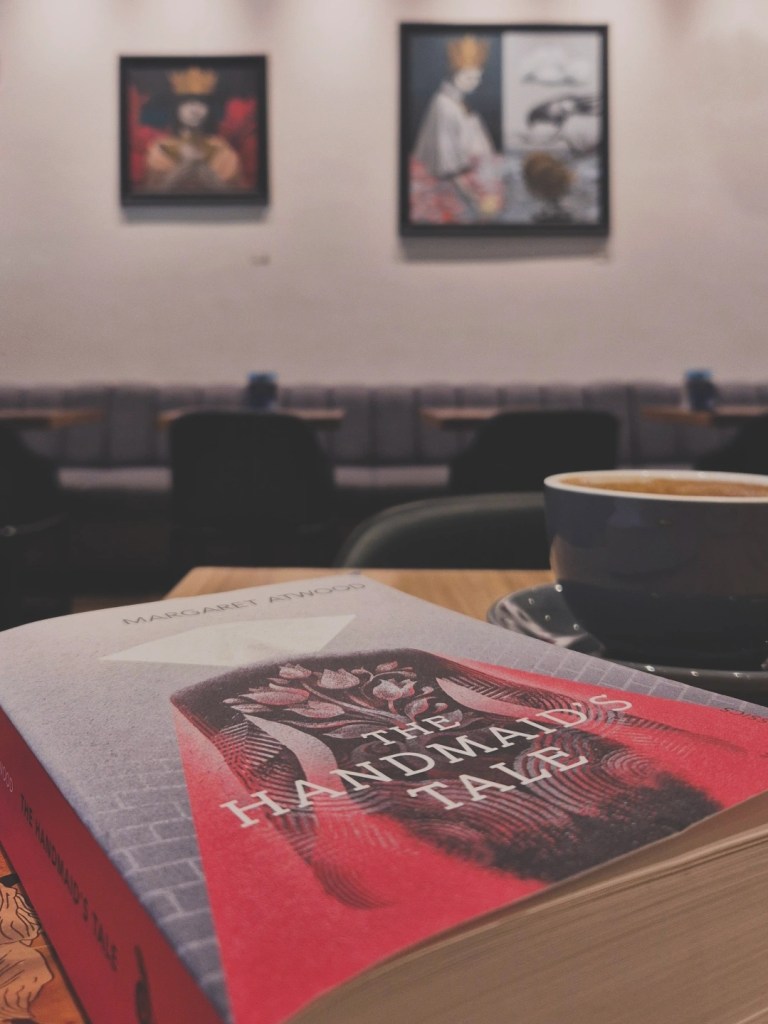
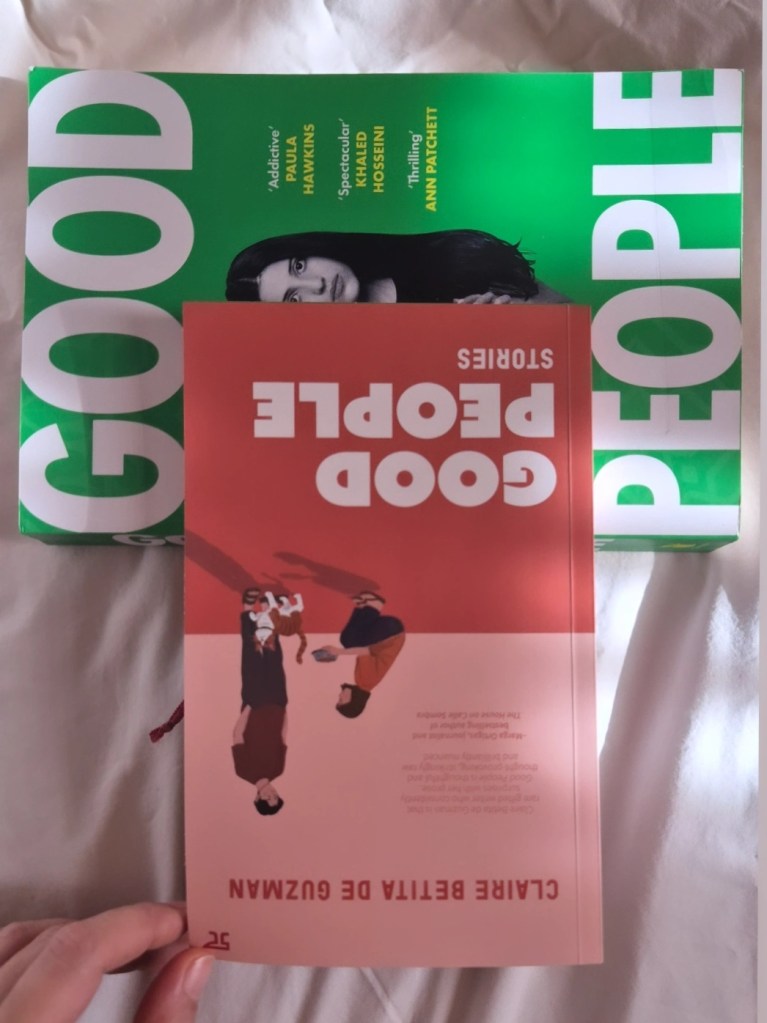
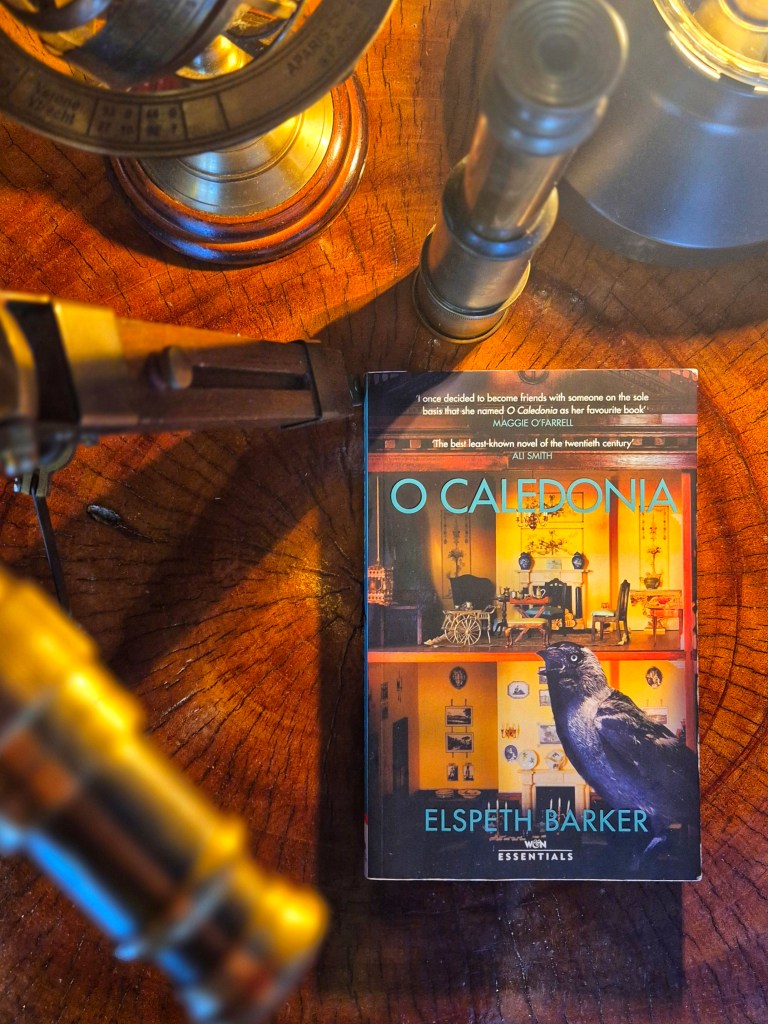
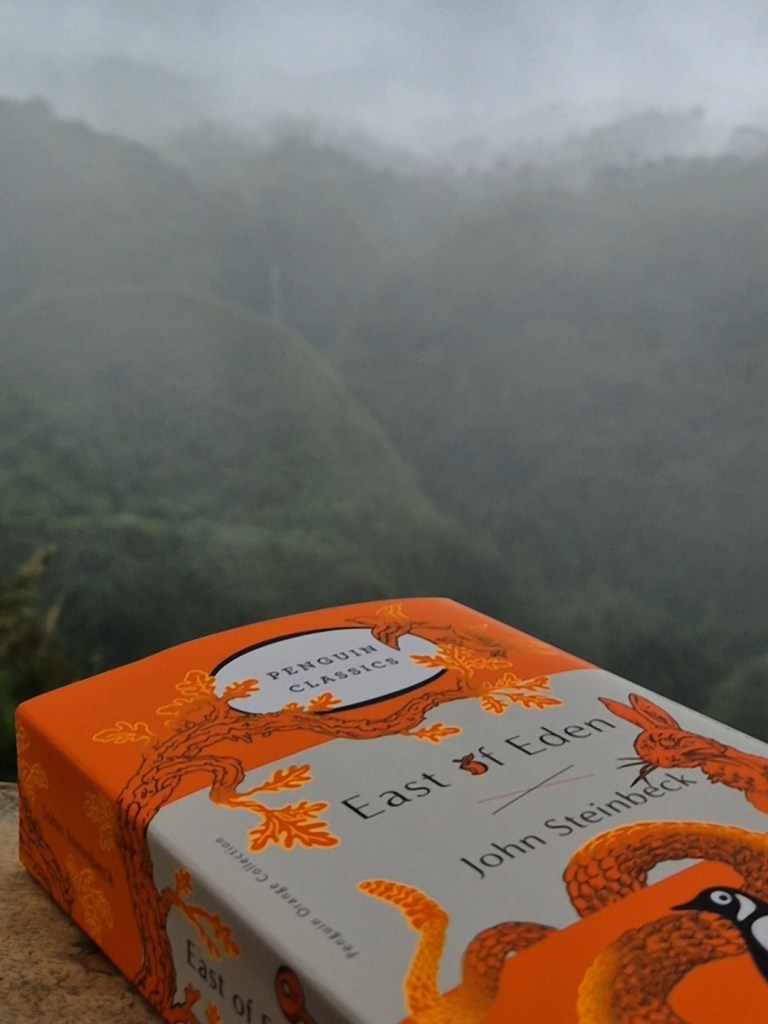
Sandwiched between these two books that touch on what humans build and destroy: O Caledonia, a pasalubong from a friend’s trip to Scotland, a parable about what happens to a girl when she is pressured to fit in and forced to become someone other than herself; two books with the same title — Good People — that speak less of good people and perhaps more about the judgments we cast on those different from us; and East of Eden, a book one cannot really move on from, because it’s a book you carry with you for eternity.

Piñeiro has a character whose cathedral is built with books. I can’t say I’ve built a cathedral with my books, but at this point, it sure looks like I have built a life with them. 

John Steinbeck: East of Eden

“Samuel rode lightly on top of a book and he balanced happily among ideas the way a man rides white rapids in a canoe. But Tom got into a book, crawled and groveled between the covers, tunneled like a mole among the thoughts, and came up with the book all over his face and hands.”

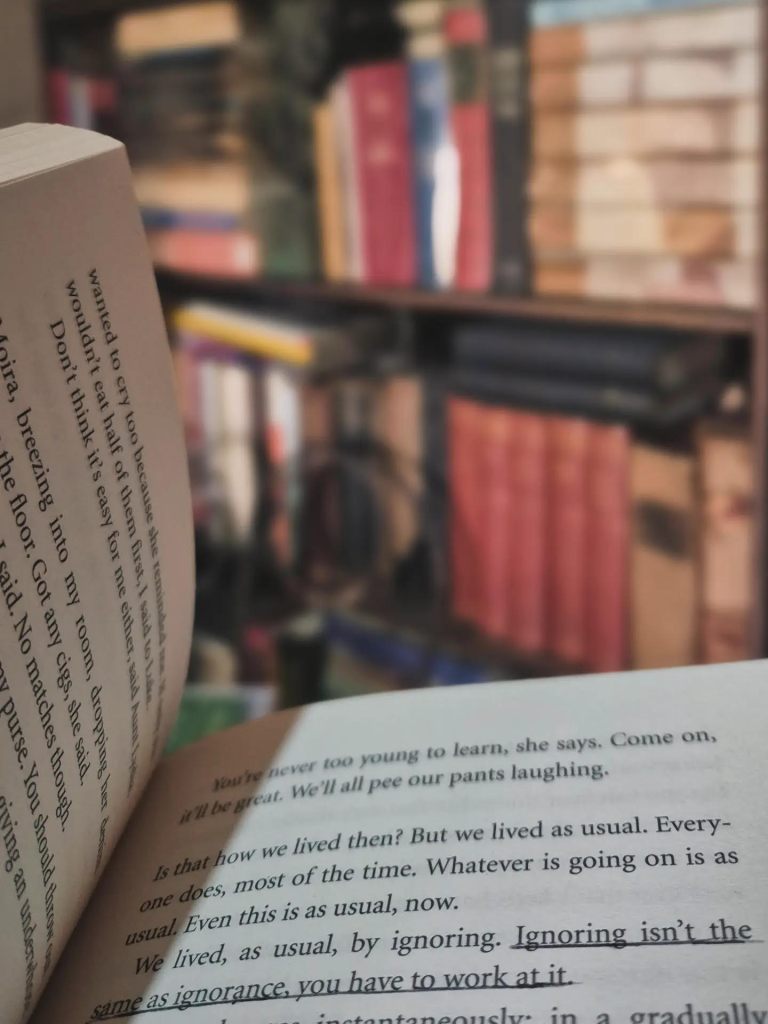
Steinbeck creates a magnificent image of a reading Samuel, but leaves a reader with little choice but to be a Tom. Is it even possible to read such a novel without being a Tom? We are all of us Tom in the face of a Steinbeck.

East of Eden is all over my face, my hands, and it has rendered me incapable of expressing the immensity of feeling and thought. It’s been over twenty-four hours since I turned the last page, and the sharp wit is still on my mind. My heart still aches, not from the tragedy that I expected, but because of its penetrating wisdom.

A reader may fool themselves into thinking that they are far removed from the dark experiences that the characters endure. But as the wisest man in the book says, “No story has power, nor will it last, unless we feel in ourselves that it is true of us.”

Steinbeck knew what he was up to. He knew that Lee, especially Lee and his dream of a bookstore, Samuel and his wonderful contentiousness, naive Adam, imperfect Cal, and fragile Aron would be etched on our souls by weaving them in one achingly beautiful story that is true for all of us: a story about the longing to be accepted and loved, fear of rejection, the weighty responsibility that comes with being a person, the internal struggle of doing what’s right and the consciousness of a choice no matter how difficult, finding the comfort in being reminded that we do not have to be perfect, we just have to be good.

Take away the philosophizing and this story thrusts upon us the epiphany that being good is almost never about the self, but how one lives for others. And when one attains goodness, that goodness endures in the lives of others. “Maybe that’s what immortality is.”

May Days, May Days!

Rain has come to portend the end of summer in my part of the world, and the skies are mirroring our dispiriting political climate.

Cheering myself up by looking back at some of this month’s colorful days and satisfying literary adventures — it was, after all, a month when Mei Mei the Bunny hopped into Harana Music Studio’s library! So here they are, in the words of John Ruskin, “To scatter perfumes in the path of June.”


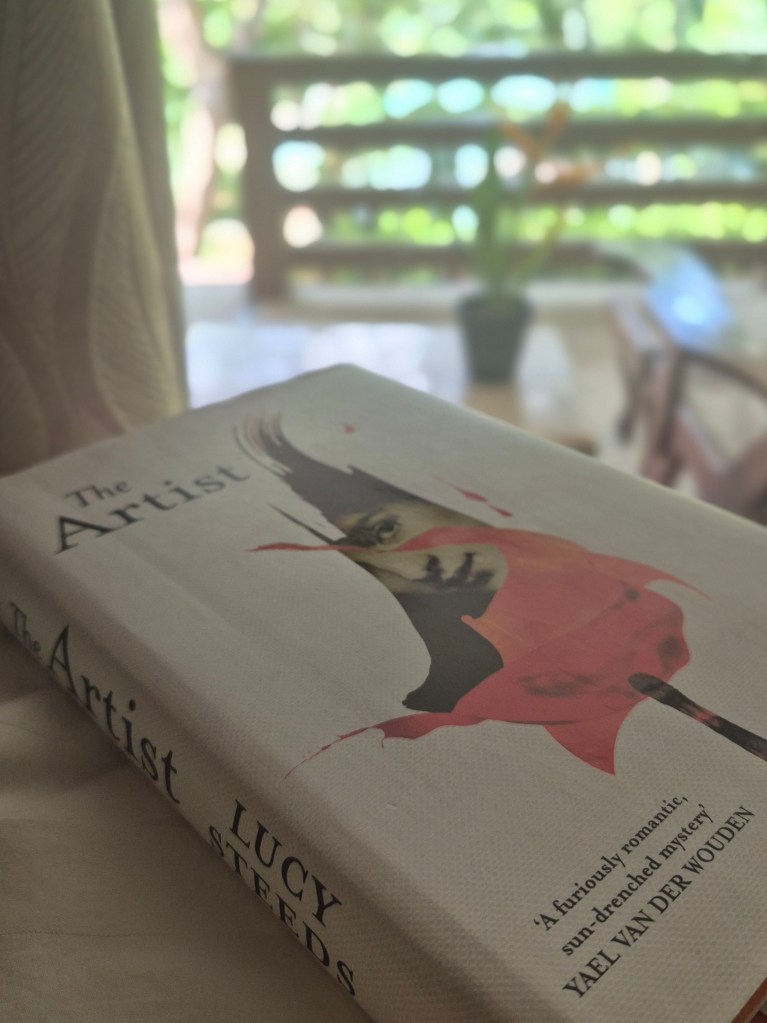
The Artist, Lucy Steeds 05/10/2026

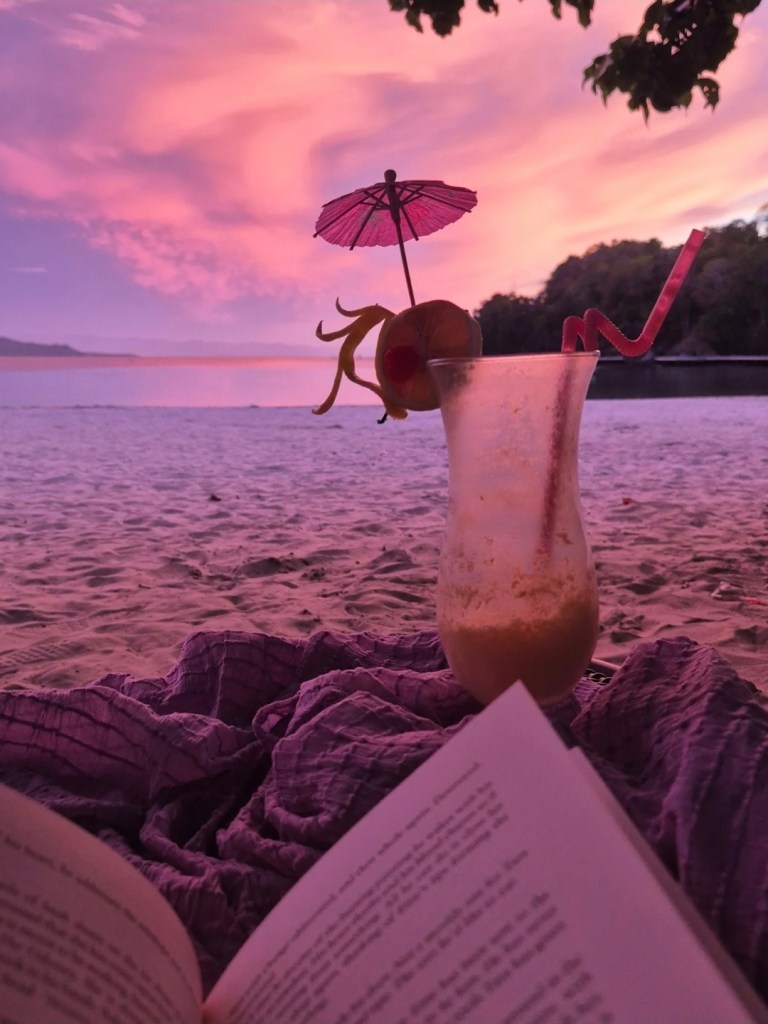
When I read with my toes digging into white sand, piña colada within reach until the sunset turned into “a riot of color,” as Lucy Steeds would write, I was happy to momentarily leave behind war-torn milieus, ambiguous plots, dystopias, or sentences that needed multiple re-readings to be deciphered.

Part mystery, part lure to Provence, mainly art lesson on light and color, part romance, part statement on the discrimination of women in art and women’s contribution to the art world, part anti-war declaration, and a reflection on our Odysseys and our Ithacas, The Artist was the perfect beach read for me a week ago.

If you’re wondering what qualifies as a “beach read,” it’s pretty much the same thing as a “beach body”; it’s the one that you carry with you to the beach… this one simply had the bonus of being informative and entertaining while being, at least by the end of the book, gentle on the mind and heart.


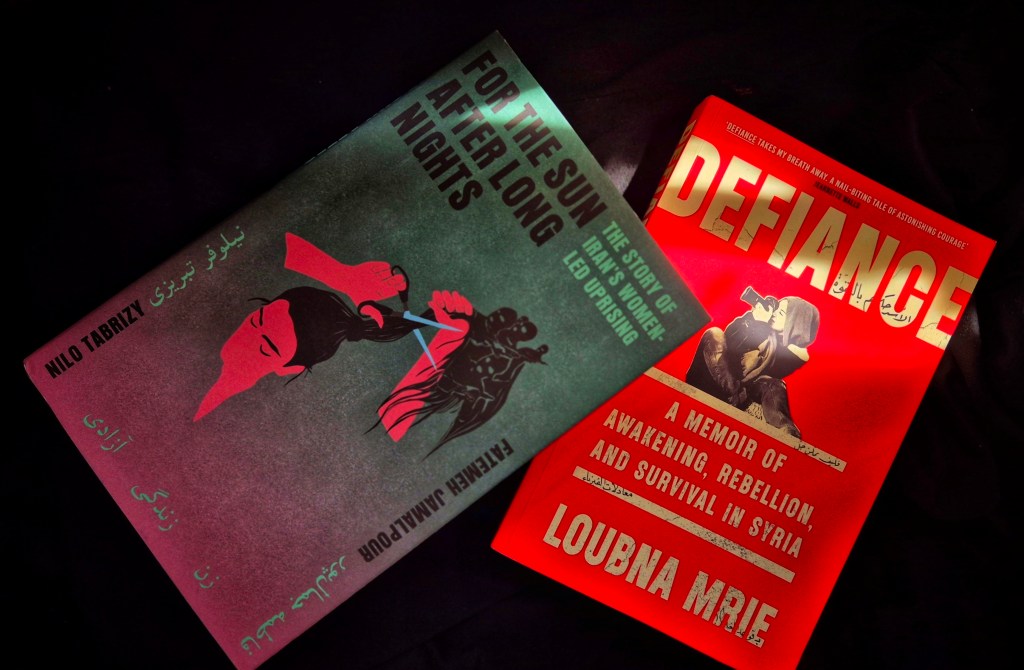
For the Sun After Long Nights | Defiance

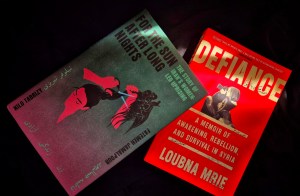
The two books I read in succession for the first week of May.

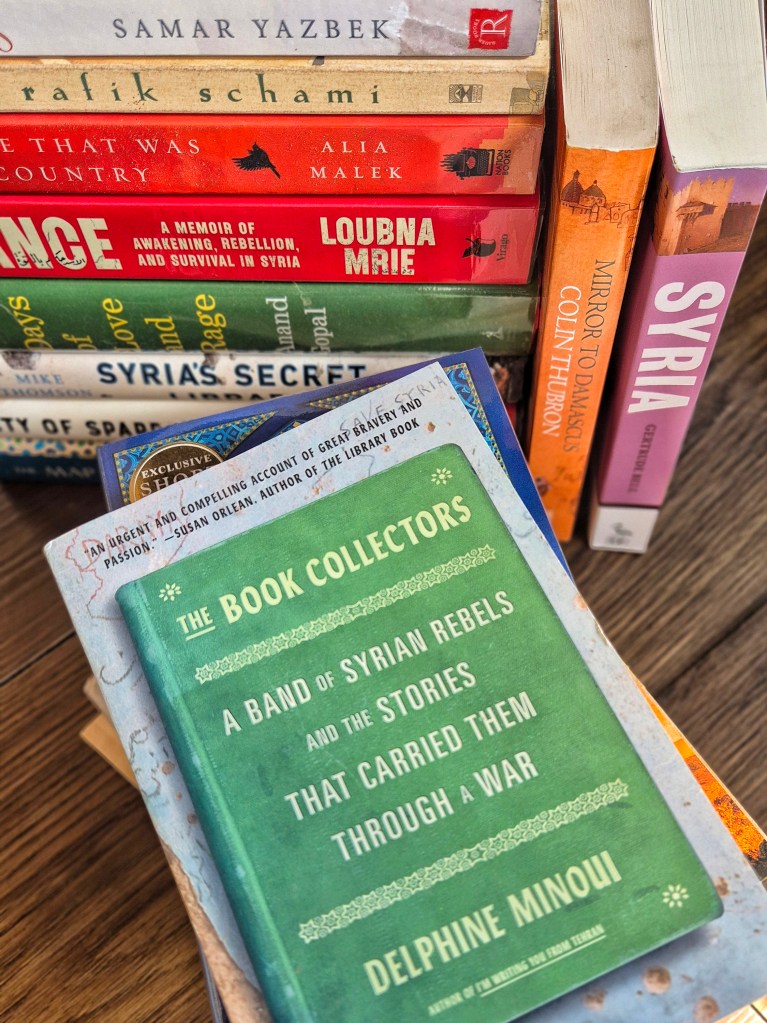
Defiance is the first book I’ve read about Syria that was written and published after the fall of the Assad regime. Striking not only for its incredibly human and candid account, but also for the fact that it is written by someone whose father led Bassel al-Assad’s security team, and whose American boyfriend’s public execution at the hands of the Islamic State the world witnessed.

For the Sun After Long Nights is the first book I’ve read about Iran that veers away from the 1979 Iranian Revolution and focuses on the Woman, Life, Freedom movement (ignited by the death of Mahsa Amini, who was detained and beaten for not wearing her hijab according to the imposed religious dress code, and who died in state custody in 2022). In this collaboration between two Iranian journalists, chapters alternate between the points of view of Fatemeh Jamalpour, who joined and covered the protests in Iran, and Nilo Tabrizy, who reported from overseas on the violence and injustices committed by the Iranian government.

The books are remarkable works of journalism written by young women, but this is not the only similarity they share. Read full entry here.


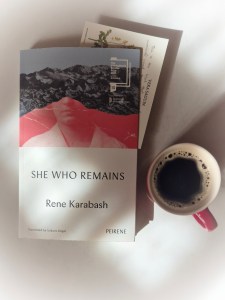
She Who Remains, Rene Karabash 05/13/2026

In the lands of the Kanun, the Kanun is law. The Kanun is above all else. The Kanun is not fictional; the Kanun is ancient, and it is real. 

And perhaps this book was written not as a historical record of a disappearing traditional customary law, but as a poetic missive to tell us that the whole concept of the Kanun is not limited to the Balkans, that the Kanun still exists in more subtle ways in modern societies, that women still have to “man up” to survive and afford certain rights, that women are still often collateral damage to men’s laws.


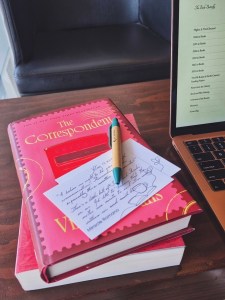
The Correspondent, Virginia Evans 05/15/2026

Can one simply read this epistolary novel and not be compelled to write to a friend afterwards? 

On the other hand, it does not escape me that the message it carries is not exactly about letter-writing, but about communication. We often pride ourselves on our voice and how we brandish our opinions whenever we can, as Sybil does, but the story asks us to examine the injustice we do by shirking from communication at crucial moments. This book essentially asks us to ponder the legacy of communication that we leave behind in this life.

“I believe one ought to be precious with communication. Remember: Words, especially those written, are immortal .”


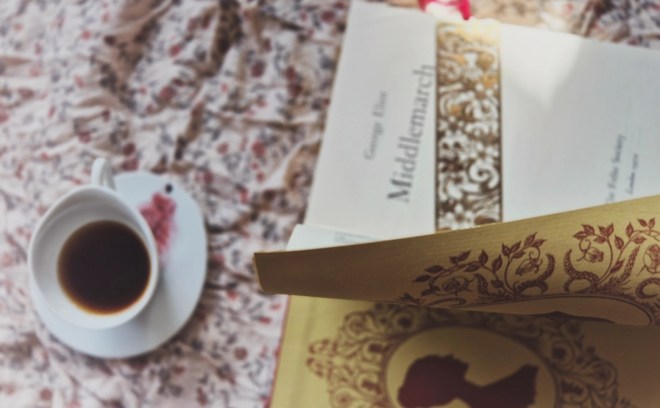
Middlemarch, George Eliot 05/28/2026

A more mature reader will often return to the classics with a reformed insight that the classics are not necessarily meant to be venerated but to be re-examined. Such a reader would trudge through old-fashioned language and time-consuming lengths to defy modern man’s preference for instant gratification and to seek resonance in the historical, intellectual, and emotional bulk. More often than not, the willing seeker finds — and finds more than they set out to find.

To read Middlemarch in a 21st century small town in the Philippines, and be transported to an early 19th century English rural community and notice the same players in society, espy similar outlooks that should be outdated by now but which still exist, and observe national political ferment trickling into daily lives to color preconceptions about other people, makes one marvel at the timelessness of George Eliot’s, or Mary Ann Evans’s, masterpiece. Read full entry here.


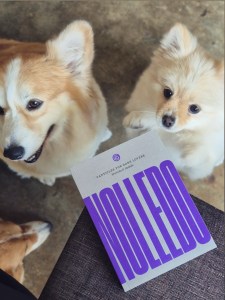
Canticles for Dark Lovers, Wilfrido D. Nolledo 05/31/2026

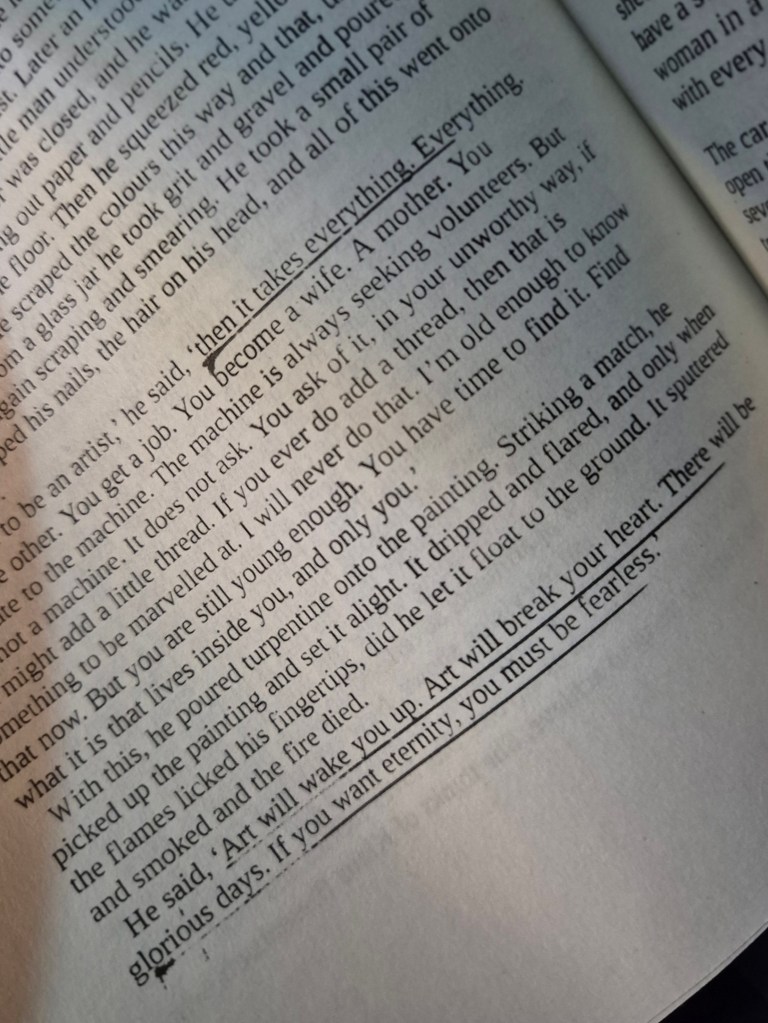
Art, I once told someone, is like someone ripping their heart off their chest and saying, “Behold, my heart.”

It is terrifying. The artist suffers in the process. It is terrifying because the artist knows that some will look away and find the act too violent. It is terrifying because the artist never knows beforehand if someone will ever get it. But no matter how terrifying it is, an artist rips their heart out anyway because they cannot help it. Nolledo could not help it. Behold, his heart.


George Eliot: Middlemarch

A more mature reader will often return to the classics with a reformed insight that the classics are not necessarily meant to be venerated but to be re-examined. Such a reader would trudge through old-fashioned language and time-consuming lengths to defy modern man’s preference for instant gratification and to seek resonance in the historical, intellectual, and emotional bulk. More often than not, the willing seeker finds — and finds more than they set out to find.

To read Middlemarch in a 21st century small town in the Philippines, and be transported to an early 19th century English rural community and notice the same players in society, espy similar outlooks that should be outdated by now but which still exist, and observe national political ferment trickling into daily lives to color preconceptions about other people, makes one marvel at the timelessness of George Eliot’s, or Mary Ann Evans’s, masterpiece.

The cracked spine of an old paperback that I’ve given away testifies to the struggle I had with this classic over two decades ago. Virginia Woolf thankfully absolves the young reader by deeming the novel “magnificent… which with all its imperfections is one of the few English novels written for grown-up people.”

Indeed, a younger reader would, perhaps, only register who marries whom and mistake that for the plot and find it wanting. Middlemarch is, to this older reader, a rich study in, and of, character: “Character is not cut in marble—it is not something solid and unalterable. It is something living and changing, and may become diseased as our bodies do.” 

It is also a look into the inherent goodness in people: “I must observe that goodness is of a modest nature, easily discouraged, and when much elbowed in early life by unabashed vices, is apt to retire into extreme privacy…”

And while it is consistent about how character and goodness can be bettered, it serves as an admonition of how it can be lost.

Middlemarch, above all, exhibits that it is character and goodness that is at stake in daily living, and it is what should be constantly guarded and cultivated. Most of the characters in the novel fail miserably as humans, but as Lydgate says in earnest, “What I want, Rosy, is to do worthy the writing,” or in Ladislaw’s religion, “To love what is good and beautiful when I see it.”

Literature has been accused of being the most solitary of arts, and a thick tome like this can be rather demanding in 21st century fast-paced living. Grateful to my friend, Vera, for buddy-reading this with me and making 837 pages fun, enriching, less solitary, and totally worth it. As Dorothea puts it, “What do we live for if not to make life less difficult to each other?” True in reading, true in life.

Defiance | For the Sun After Long Nights

The two books I read in succession for the first week of May.

Defiance is the first book I’ve read that was written and published after the fall of the Assad regime. Striking not only for its incredibly human and candid account, but also for the fact that it is written by someone whose father led Bassel al-Assad’s security team, and whose American boyfriend’s public execution at the hands of the Islamic State the world witnessed.

For the Sun After Long Nights is the first book I’ve read about Iran that veers away from the 1979 Revolution and focuses on the Woman, Life, Freedom movement (ignited by the death of Mahsa Amini, who was detained and beaten for not wearing her hijab according to the imposed religious dress code, and who died in state custody in 2022). In this collaboration between two Iranian journalists, chapters alternate between the points of view of Fatemeh Jamalpour, who joined and covered the protests in Iran, and Nilo Tabrizy, who reported from overseas on the violence and injustices committed by the Iranian government.

The books are remarkable works of journalism written by young women, but this is not the only similarity they share: 

Both shed light on the ethnic minorities of their respective countries, and reveal how these communities on the fringes of society are prone to abuse from the government because they do not get media exposure. Both books also emphasize how economic sanctions seldom achieve their goals and only affect those who do not have foreign bank accounts;

Both countries have had uprisings that were hijacked by Islamists, teaching their people tough lessons on revolutions that not everyone participating share the same idea of a nation’s future, but on the other hand, through a movement like Woman, Life, Freedom — the largest and most widespread uprising in Iran since the 1979 Revolution — learn that it is possible for everyone to come together for the same cause to shake up a regime and give it reason to be fearful of its demise.

The women in both books undergo rude awakenings to how oppression, especially towards women, trickles down from governments to communities and family units.

Most of all, the accounts are written because their writers believe in the power of documentation despite brutal consequences, and cling to the hope that documenting a government’s injustices is the first step towards ending it.

This made me ponder on our own country. This is what our journalists did during the Martial Law era when they defied censorship. But what did we do with those records? How easily we dismissed them during the last presidential election! Have we learned our lesson yet?

A Highly Recommended April

If books are the calendars we keep for the days that elapse, it has to be recorded on this reading journal that I finished reading Project Hail Mary on the day Artemis II was launched. “Amaze, amaze, amaze!”

To expand my literary horizon and push myself to read beyond the familiar zone of my TBR stack or outside the often commercially driven influence of bookstagram, April was devoted to books recommended by friends (2 of whom are not on IG, and 2 of whom do not post their reading exploits on their IG feed).


04/01/2026 Project Hail Mary (recommended by Christian who had me at, “The alien’s language is music!”)

And that’s why, even though most of my friends know that this is not my usual genre, I found it quite entertaining! It was a “light” and welcome break from my usual fare. (You can tell the world’s in a pretty bad state when an apocalyptic bestseller can be labelled “light”.)

Andy Weir’s casual prose exudes a deep but playful enchantment for science, and chapter after chapter reveals an author having fun while taking the reader for a ride! And who wouldn’t enjoy those puns and Beatles references?

I have yet to watch the movie, but I hope they included Ryland Grace and Eva Stratt’s conversation circa page 429 when Stratt discloses that she was a history major. The dialogue that ensues suggests that, despite the exceeding heights of technology and engineering that man achieves, it is still history that puts science into perspective. 


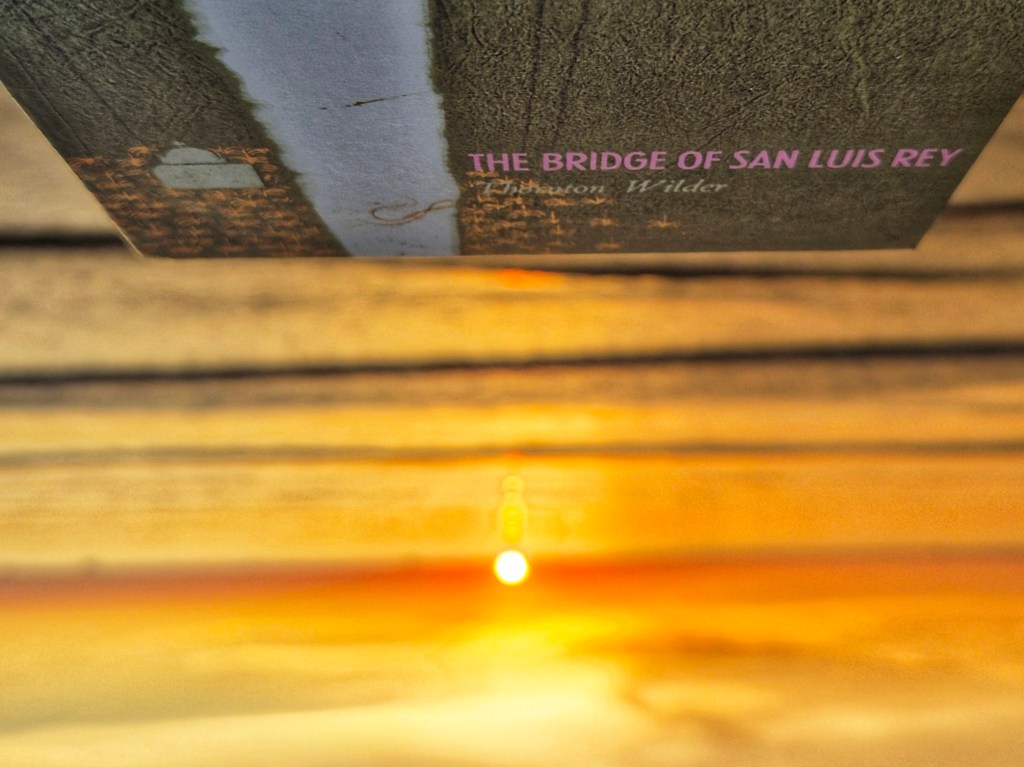
04/05/2026 The Bridge of San Luis Rey (recommended by Yuri) imparts a line that carries our whole argument against AI in literature.

Click Here to read full entry.


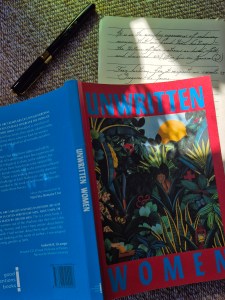
04/08/2026 Unwritten Women (recommended by Gabi)

“It is in the everyday experiences of ordinary women that we find true history—the texture of our nation as lived, felt, and dreamed.” – Zea Asis

At last, a book that looks beyond the men of Philippine history and, “Beyond the official portraits and the hagiographic accounts,” as Zea Asia writes. At last, a book that celebrates the women on whose shoulders this nation stands.

Click here to read full entry.


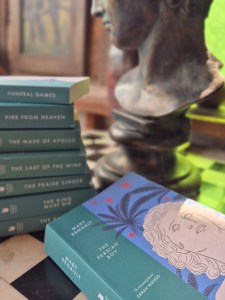
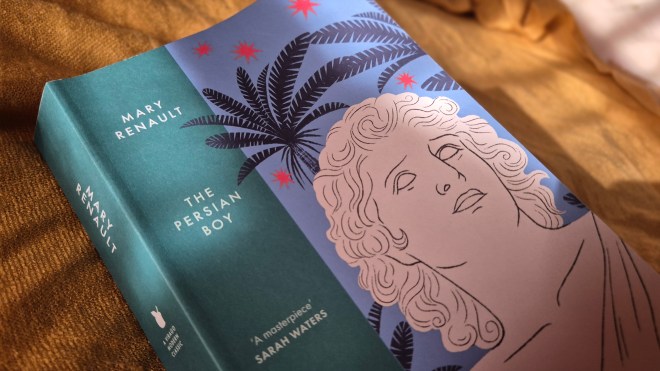
04/16/2026 The Persian Boy (recommended by Gabi and Anna)

Mary Renault does not so much bother with dates as open one’s perception of the classical world beyond textbook language and to a nuanced observation of the collision between a highly civilized East and an ambitious West. She does not so much bombard the reader with history as open one’s heart to the depth and texture of feeling, of longing, of belonging. Her musical prose is the novel’s epic cinematic soundtrack. Renault wins one over, heart and mind, the same way only the greatest conquerors knew that winning hearts and minds is the ultimate siegecraft.

Click here to read full entry.


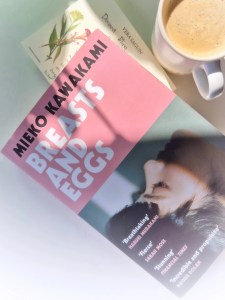
04/21/2026 Breasts and Eggs (recommended by Vera)

This book leaves one, especially a woman, with so much to chew on. It is probably the most existentialist contemporary novel I have encountered so far. A revelatory work of which the main subject is still too personal for me to discuss on social media.

But it is also revelatory in a sense that it sees through the cracks of Japanese society, which, as Filipino tourists in Japan, we tend to envy and glorify, but it is truly through reading that we get a glimpse beyond the surface.


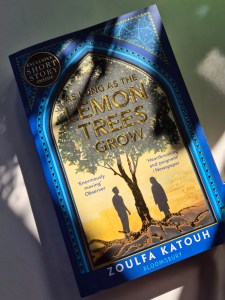
04/25/2026 As Long as the Lemon Trees Grow (recommended by Anna who was right when she said that the gut punch in this book is everything).

When Assad fled Syria in 2024, my initial reaction was, “What? Just like that?!”

I corrected myself immediately. No, not “just like that,” rather, finally. The long-drawn-out revolution had finally concluded. 

And it’s interesting how characters in this book correct each other if what has been happening in Syria is referred to as a war. “It’s not a war, Salama. It’s a revolution.”

This was published two years before the Assad regime fell, but it informs an outsider’s view of how the collapse wasn’t “just like that” — and in simple language. Simple enough for an early teen, but straightforward enough for the reader to make the daily struggle, the fear, the trauma, and the humanity tangible. Although it isn’t without heartwarming moments, too. 

I thought I knew what was coming, and there was a point when I underestimated this book after I encountered several clichéd lines. But somewhere in these pages, was a gut punch like no other book I’ve read recently has delivered (hint: it’s not exactly at the moment when someone dies) — and that’s coming from someone who has a steady literary diet of stories from places of conflict.

No, it’s definitely not War and Peace. But these books, they carry their own childlike wisdom, too, and add to our understanding of Syria, less from a geopolitical perspective but more from a human one.


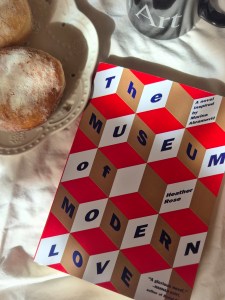
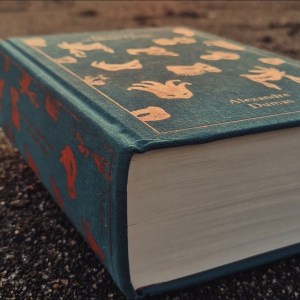
04/28/2026 The Museum of Modern Love (recommended by Anna) is highly original and uniquely structured with a title that is clearly a play on Love and Art, cunningly asking, what’s the point of art if we don’t realize their interchangeability?

“Art did not stop, that’s what Marina had said. Art did not get to five o’clock and say, ‘That’s it, the day is done, go think about TV or making dinner.’ It wasn’t like that. It was there all the time: when you were chopping vegetables, talking with a friend, reading a newspaper, listening to music, having a party. It was always there offering suggestions, wanting you to go write or draw, sing or play. Wanting you to imagine big things, to connect with an audience, to use energy, to find energy. It wasn’t ready when you were, it didn’t come when you wanted it or leave when you were done. It took its time.” — Heather Rose, The Museum of Modern Love

Click here to read full entry.


April was a special reading month, thanks to books and friends. How dreary life would be without you!
Heather Rose: The Museum of Modern Love

“Art did not stop, that’s what Marina had said. Art did not get to five o’clock and say, ‘That’s it, the day is done, go think about TV or making dinner.’ It wasn’t like that. It was there all the time: when you were chopping vegetables, talking with a friend, reading a newspaper, listening to music, having a party. It was always there offering suggestions, wanting you to go write or draw, sing or play. Wanting you to imagine big things, to connect with an audience, to use energy, to find energy. It wasn’t ready when you were, it didn’t come when you wanted it or leave when you were done. It took its time.” — Heather Rose, The Museum of Modern Love


For most of us who are not au courant with the Modern Art scene, Marina Abramović probably entered our consciousness with the same video clip. 

That video in which we were given a background of her twelve-year relationship with fellow artist, Ulay, and how they exhibited the most dramatic break-up in 1988 by standing 5,955 kilometers apart, each from one end of the Great Wall of China, and walking to each other — for ninety days, exposed to wind, rain, and sun, even through disintegrating parts of the Wall in Mongolia’s Gobi desert — for one last embrace… 

…Only for Ulay to show up unannounced at her 2010 MoMA retrospective where The Artist is Present entailed Abramović gazing into the eyes of each stranger who sat in front of her while sharing a moment of silent connection. We held our collective breath when she opened her eyes and found herself face to face with the former lover she had not seen for twenty-two years, we wept quietly as she did, and all we could do was collect ourselves when Ulay stood and walked away when his turn was over, replaced by the next stranger, leaving us with a host of questions whilst being deeply affected by the emotionally-charged encounter.

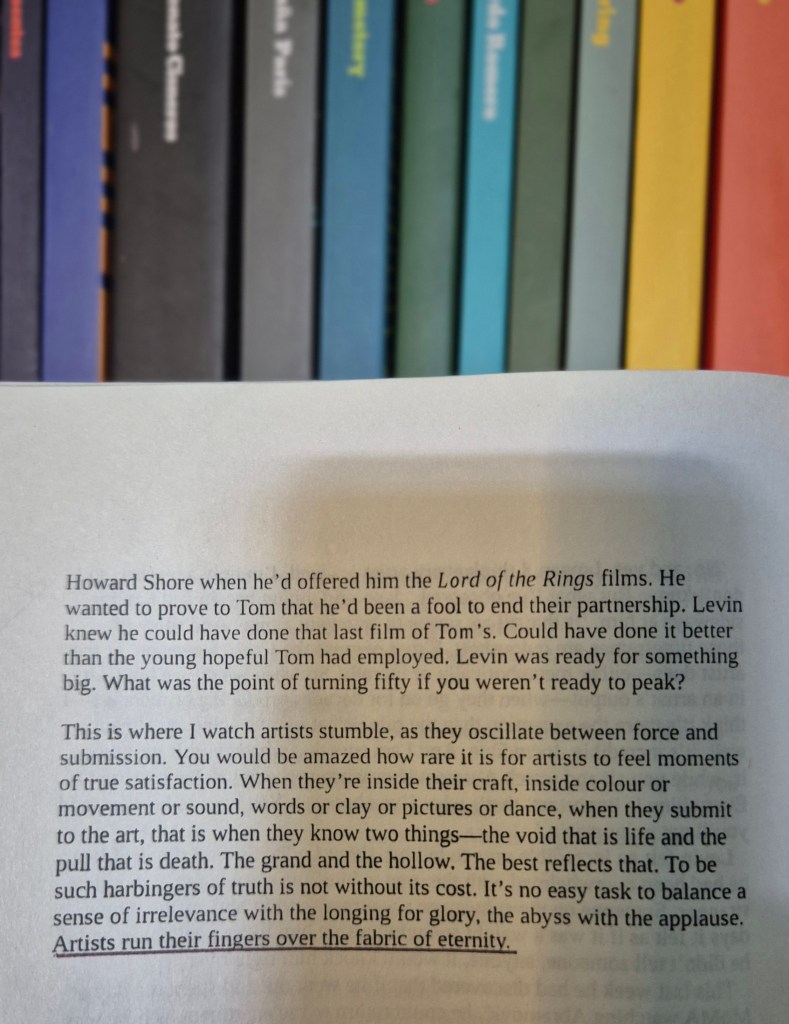
Given the title, I expected this book to focus on that renowned relationship. Heather Rose is original and evades predictability, however. It is, instead, a uniquely structured novel built around imagined characters who attend as audience or participate and sit still with Abramović throughout the 75-day run of The Artist is Present in New York. 

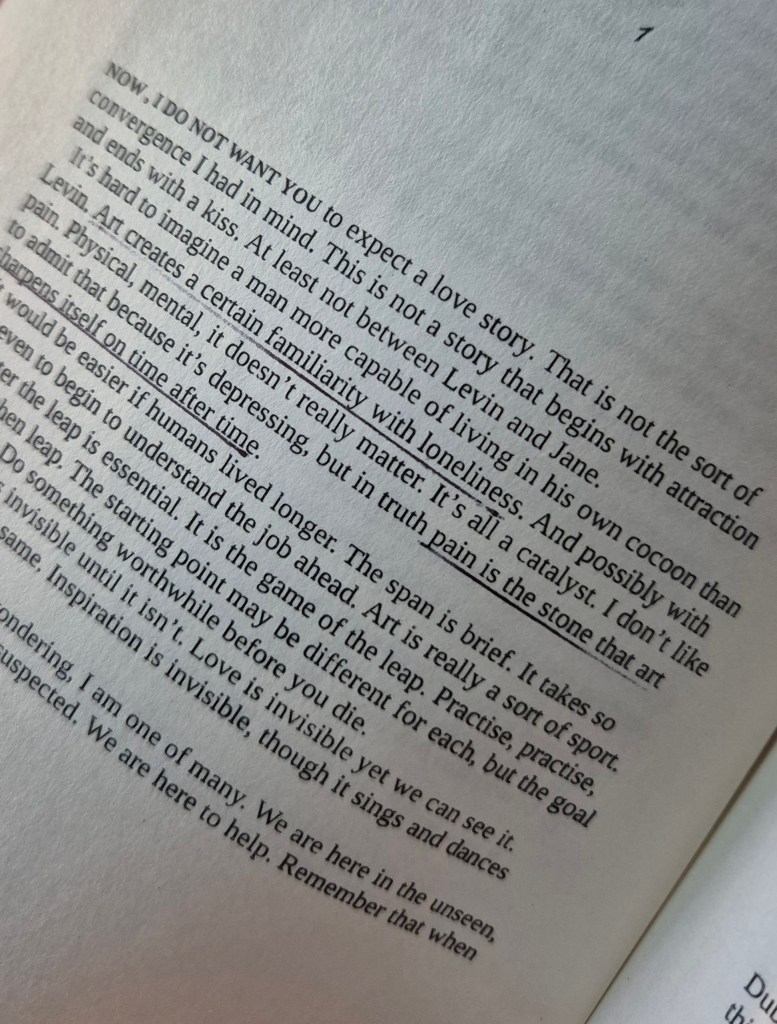
The book begins with a wise and omniscient narrator who retreats when bringing the characters to the forefront, but immediately becomes captivating whenever it speaks beautifully about art. With another clever creative decision, Heather Rose leaves us guessing about the enigmatic narrator’s identity until the end.

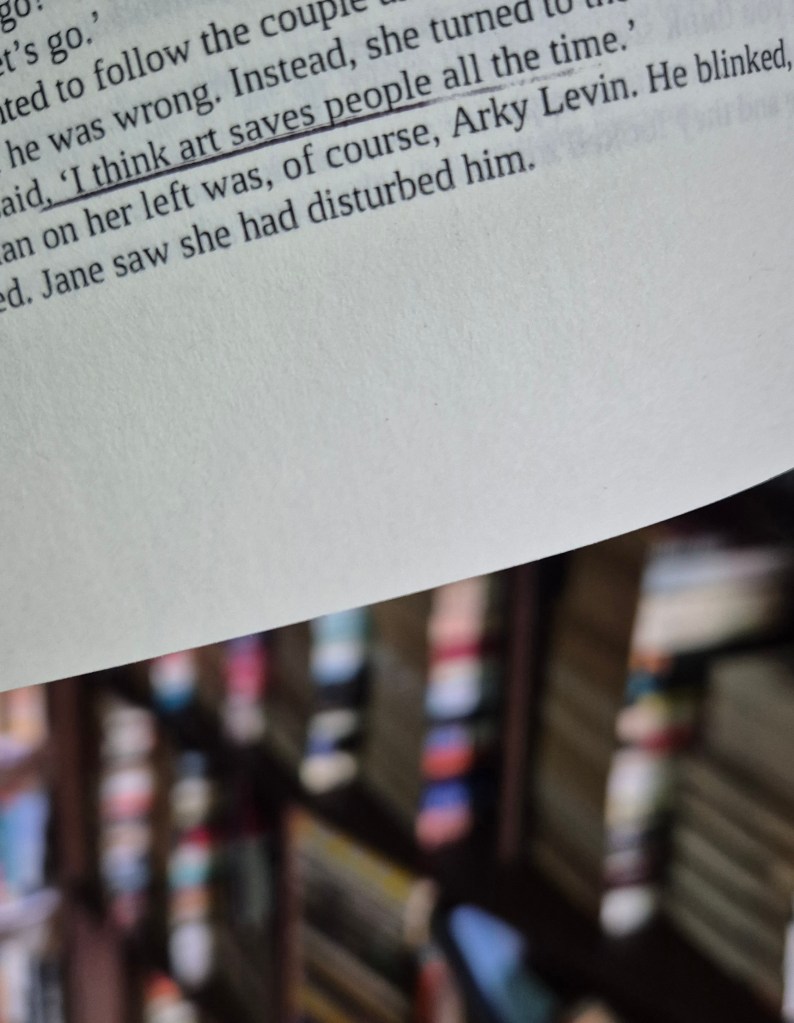
One of the main characters, Arky Levin, is a pianist and film composer, married to Lydia Fiorentino, an architect. (Ironically, this reading pianist found herself identifying with the self-sufficient woman in the architect while having little sympathy for the indecisive pianist who seems to be more committed to his work than their relationship.) We are also introduced to recently widowed Jane, an art teacher; Healayas Breen, art critic and journalist; and Brittika, a graduate student writing a thesis on Abramović — all realistic and flawed people who, while struggling with individual grief or internal conflict, find themselves drawn to Abramović’s art and roused by the deep introspection induced by the artistic experience.

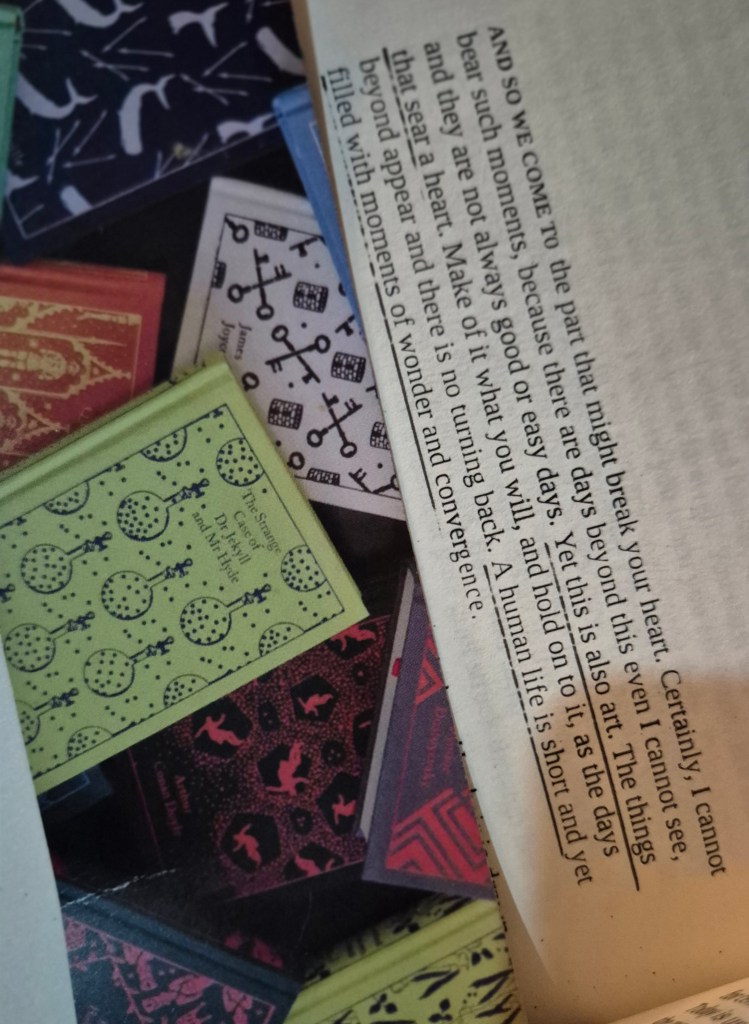
It is ultimately a novel about art and connection for which the author found a fresh and imaginative way of expressing. The title is clearly a play on Love and Art, cunningly asking, what’s the point of art if we don’t realize their interchangeability?


Mary Renault: The Persian Boy

From approaching this as someone who has held the belief that Alexander was not so great, to weeping and mourning Alexander’s death by the end of the novel, speaks volumes of Mary Renault’s prowess.

One can tell that this reading choice was not borne out of admiration for a legendary military commander, who, despite his formidable feats, part of this reader still sees as a nepo-baby that merely inherited his father’s experienced army, who had the Greek historians on his side to deify him, and who seized a Persia that had already conquered the world.

Skipping the first and going straight to the second volume of Renault’s Alexander Trilogy seemed imperative because, once again, Persia is besieged by the West. And when the future is uncertain, we search for clues in the past.

The Persian Boy is narrated through the eyes of Bagoas, a real character who can be found in Persian history and in the writings of Plutarch. Plucked from his home and his childhood, he is sold and is made a eunuch against his will, and ends up as a courtier for Darius III, the king who lost the Achaemenid Empire. The empire was not the only thing that was surrendered to the Macedons after the Battle of Gaugamela. Bagoas, too.

Earning Alexander’s trust, Bagoas becomes his companion, a witness to the conquests and to the life that humanizes the godhead. We are introduced to an Alexander who is well-read, and who gently tells Bagoas, “It’s a great loss to you, not to read.” He was the student of Aristotle, after all.

Most interestingly, we learn of a king who sought out the writings of Herodotus and Xenophon to learn more about Cyrus the Great (“Kyros” in the novel), first of the Achamenids, who raised an empire with clemency and respect, a dominion that was by far the greatest the world had ever seen, and whom Alexander greatly admired and wished to emulate.

Of Cyrus, Alexander says, “He did not make subject peoples; he made a greater empire. He chose men for what each man was in himself, not from hearsay and old wives’ tales… Well, I don’t suppose he found it hard to persuade the conquered. To persuade the victors, that’s the thing.” To which Bagoas wondered, “He wants to follow Cyrus even in this.”

Returning to Persepolis after the Indian campaign, Bagoas muses, “I should have known these places, the royal heartland of my country. It was Alexander who knew them.” 

Then came the lines uttered by Alexander that made my heart beat fast: “Macedon was my father’s country. This is mine… They told me so often I’m Persianised.”

It isn’t necessarily Bagoas to whom the title refers as The Persian Boy!
How ingenious, Mary Renault! What a brilliant writer! She does not so much bother with dates as open one’s perception of the classical world beyond textbook language and to a nuanced observation of the collision between a highly civilized East and an ambitious West. She does not so much bombard the reader with history as open one’s heart to the depth and texture of feeling, of longing, of belonging. Her musical prose is the novel’s epic cinematic soundtrack. Renault wins one over, heart and mind, the same way only the greatest conquerors knew that winning hearts and minds is the ultimate siegecraft.

Thornton Wilder: The Bridge of San Luis Rey

04/05/2026 | Concerned about the rise of books adulterated by AI, our book club’s aim for our April session was to present a book that could not have been written by AI. 

First published 99 years ago, and awarded the Pulitzer the following year, it makes one certain that The Bridge of San Luis Rey could not have been written by AI. Let people say what they want to say about classics, but the rise of AI has only increased the value of literary works written prior to its advent.

My pick was rather redundant, for it was already chosen by another Ex Libris member for our February session when we were asked to present a book that talked of love in any form. That same recommendation led me to read it, and reading it made me realize how it was the most clever pick for the theme of Love. Despite such a slim volume, it unexpectedly contains and expresses the Four Loves (Storge, the love we have for family; Philia, the love between friends based on shared values and interests; Eros, romantic love; Agape, the altruistic and self-sacrificing kind of love) with an understated brilliance.

How the story is framed is impressive. The chapters end with the bridge collapsing, but it is a different character’s backstory that’s introduced in each one. How Wilder ties these different characters together conveys how everything is connected, and how our actions create ripple effects that are broader than we think.

And yet, the story or the publishing date is not the reason why I chose this. It is because this book contains a line that, for me, hits the bullseye as to why AI should have no place in literature. In a long sentence from the early part of the novel, Thornton Wilder writes, “…the whole purport of literature, which is the notation of the heart.”

And here lies our whole argument against AI in literature: Why entrust it to something that does not have a heart?

Unwritten Women

Unwritten Women is something I intended to read for Women’s Month, but shipping took a while. That’s how this celebration of the Filipina Woman has also become my celebration of National Literature Month.

But there is never a wrong time to read this compilation of essays about eight fascinating Filipina women, written mainly by Filipina women.

The essay on Gregoria de Jesus gently exhorts the reader for esteeming the Lakambini ng Katipunan as merely a “muse” of the Katipunan (“a disservice, a diminution of its meaning… Lakambini is a female lakan, a lord paramount over other lords, a chief among chiefs”) and tells us the story of why she is deserving of the full meaning of the word.  

The second chapter, featuring Teodora Alonso, Aurora Quezon, and Aurora Aquino, narrates how these three women were so much more than their appellation as mother of a national hero, wife of the first president of the Commonwealth of the Philippines, and mother to a murdered son.

Another section highlights Rosa Sevilla Alvero, who was a vanguard of women’s education in the country, and who, as early as 1916, led a movement for Filipino women to exercise the right to vote; Maria Y. Orosa, chemist, who literally fed our starving and war-torn nation, and whose contribution to food technology we continue to benefit from; Carmen Rosales, singer and actress turned guerrilla fighter who fought against the Japanese when circumstances demanded it. 

The final piece shines a spotlight on Letty Jimenez-Magsanoc whose courage as a journalist helped overthrow a dictatorship.

At last, a book that looks beyond the men of Philippine history and, “Beyond the official portraits and the hagiographic accounts,” as Zea Asia writes. At last, a book that celebrates the women on whose shoulders this nation stands.

“It is in the everyday experiences of ordinary women that we find true history—the texture of our nation as lived, felt, and dreamed.” – Zea Asis


exlibrisphilippines.com has an official review that beautifully expresses everything I wish to say about this book. Head over to our site to read it and to know more about the book.

As for parents and students of Harana Music Studio, a copy of Unwritten Women is available on the small shelf of Philippine essays that I curated for you to read while waiting. Happy National Literature Month!