Thornton Wilder: The Bridge of San Luis Rey

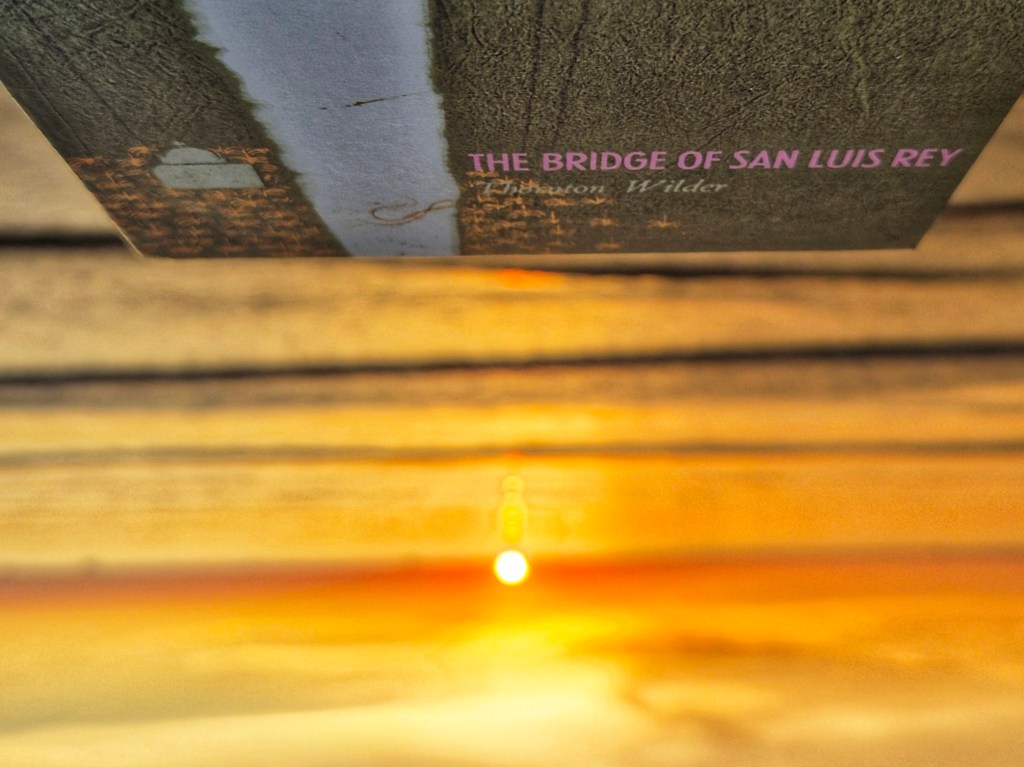
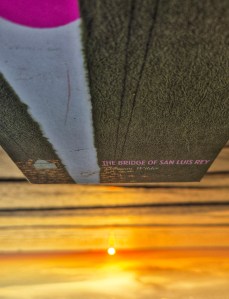
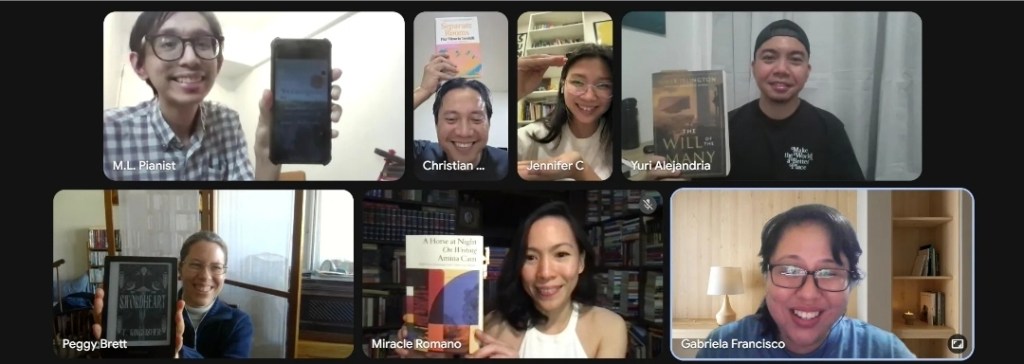
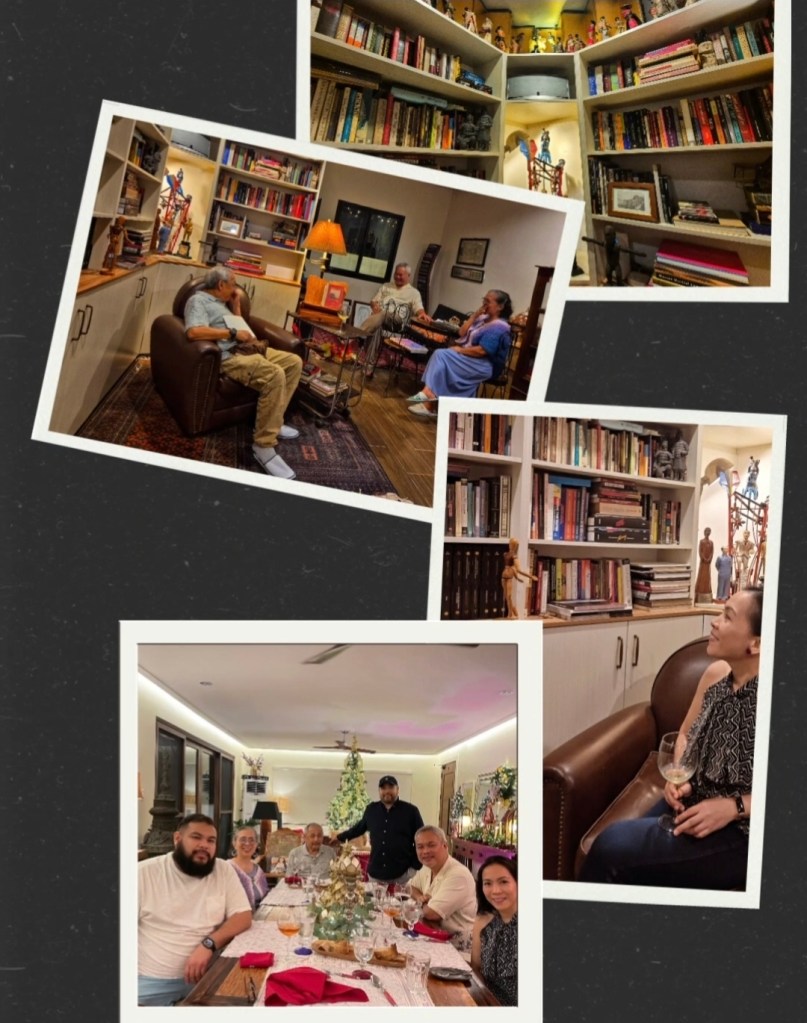
04/05/2026 | Concerned about the rise of books adulterated by AI, our book club’s aim for our April session was to present a book that could not have been written by AI. 

First published 99 years ago, and awarded the Pulitzer the following year, it makes one certain that The Bridge of San Luis Rey could not have been written by AI. Let people say what they want to say about classics, but the rise of AI has only increased the value of literary works written prior to its advent.

My pick was rather redundant, for it was already chosen by another Ex Libris member for our February session when we were asked to present a book that talked of love in any form. That same recommendation led me to read it, and reading it made me realize how it was the most clever pick for the theme of Love. Despite such a slim volume, it unexpectedly contains and expresses the Four Loves (Storge, the love we have for family; Philia, the love between friends based on shared values and interests; Eros, romantic love; Agape, the altruistic and self-sacrificing kind of love) with an understated brilliance.

How the story is framed is impressive. The chapters end with the bridge collapsing, but it is a different character’s backstory that’s introduced in each one. How Wilder ties these different characters together conveys how everything is connected, and how our actions create ripple effects that are broader than we think.

And yet, the story or the publishing date is not the reason why I chose this. It is because this book contains a line that, for me, hits the bullseye as to why AI should have no place in literature. In a long sentence from the early part of the novel, Thornton Wilder writes, “…the whole purport of literature, which is the notation of the heart.”

And here lies our whole argument against AI in literature: Why entrust it to something that does not have a heart?

Unwritten Women

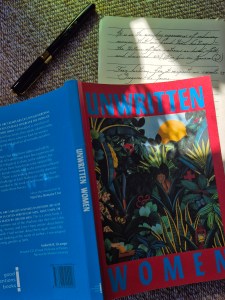
Unwritten Women is something I intended to read for Women’s Month, but shipping took a while. That’s how this celebration of the Filipina Woman has also become my celebration of National Literature Month.

But there is never a wrong time to read this compilation of essays about eight fascinating Filipina women, written mainly by Filipina women.

The essay on Gregoria de Jesus gently exhorts the reader for esteeming the Lakambini ng Katipunan as merely a “muse” of the Katipunan (“a disservice, a diminution of its meaning… Lakambini is a female lakan, a lord paramount over other lords, a chief among chiefs”) and tells us the story of why she is deserving of the full meaning of the word.  

The second chapter, featuring Teodora Alonso, Aurora Quezon, and Aurora Aquino, narrates how these three women were so much more than their appellation as mother of a national hero, wife of the first president of the Commonwealth of the Philippines, and mother to a murdered son.

Another section highlights Rosa Sevilla Alvero, who was a vanguard of women’s education in the country, and who, as early as 1916, led a movement for Filipino women to exercise the right to vote; Maria Y. Orosa, chemist, who literally fed our starving and war-torn nation, and whose contribution to food technology we continue to benefit from; Carmen Rosales, singer and actress turned guerrilla fighter who fought against the Japanese when circumstances demanded it. 

The final piece shines a spotlight on Letty Jimenez-Magsanoc whose courage as a journalist helped overthrow a dictatorship.

At last, a book that looks beyond the men of Philippine history and, “Beyond the official portraits and the hagiographic accounts,” as Zea Asia writes. At last, a book that celebrates the women on whose shoulders this nation stands.

“It is in the everyday experiences of ordinary women that we find true history—the texture of our nation as lived, felt, and dreamed.” – Zea Asis


exlibrisphilippines.com has an official review that beautifully expresses everything I wish to say about this book. Head over to our site to read it and to know more about the book.

As for parents and students of Harana Music Studio, a copy of Unwritten Women is available on the small shelf of Philippine essays that I curated for you to read while waiting. Happy National Literature Month!

Reading and Marching On

A reader’s response to uncertainty, war, misogyny, grief, or happiness, is to read, to carry on with purpose, and to hold those dearest to them closer. March did not lack in any of these, and so this reader read, worked, and spent more time with those dearest to her.

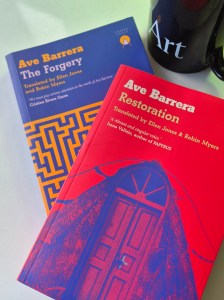
Restoration, Ave Barrera 03/04/2026

Misogyny has roots in the foundations of society, it escapes through the cracks of our country’s great houses, and cultivated inside rooms where women are not supposed to enter.

Misogyny is perpetuated in careless conversation and by those who laugh in response to what some presidents, law makers, and important men consider funny or normal. It is also perpetuated by women who allow it.

“We all know what happens in stories to women who open doors that men have forbidden them from opening,” Jasmina says, in Restoration.

If the forbidden room in this novel feels like a metaphor for the Epstein Files… it is. Because such rooms have always existed. 

And if there’s one thing I know about Ave Barrera, it’s that she doesn’t hand the story on a silver platter. Harnessing her knowledge of art and architecture, she asks you to confront rooms, hunt for symbols, open locked doors, and lead you to the dark labyrinths of the male gaze. 


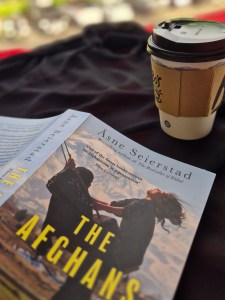
The Afghans, Asne Seierstad 03/08/2026

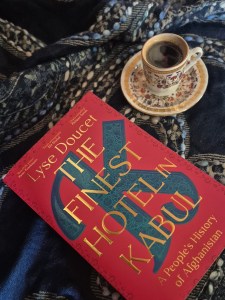
Here’s a journalist at the peak of her prowess, one who doesn’t draw attention to herself but brings her subjects at the forefront while encapsulating one of the world’s most complex histories in 428 pages; from the monarchy in the 1920s, to its courtship with the Soviets, to the abolishing of its monarchy, to the numerous transitions of power in the 70s, to the Soviet withdrawal, to the civil war, to the rise of the Taliban, the arrival of Bin Laden, to defining the difference between al-Qaeda, the mujahideen, and the Taliban, through Afghanistan’s unfortunate role as chessboard under different US presidents, to the Taliban takeover in 2021.

In a rare insider view across Afghanistan’s social strata, Seierstad takes us right to the heart of a Taliban commander’s home, where women in the family are active participants in jihad, making explosives and suicide vests, and serving the fighters. She also acquaints us with Ariana, a law student whose studies were severed after the Taliban takeover, but who devotes her time home-schooling children in her community. In a place where girls and women are not supposed to desire anything, especially education, this book introduces us to Jamila, a hero for women’s education who persevered through disability, war, and terror, and who is as remarkable as Malala in continuing the fight for girls’ rights to education. 

After carefully studying the Quran, Jamila realized that she could use it as a tool for women’s emancipation, so that no one could dismiss it as a Western idea. Nowhere in the Quran does it forbid women from participating in society or getting an education: “When it said ‘Read!’, it was to all. When it said ‘Write!’, it was to all. To men and women. This was a revelation.” How beautiful that their holy book opens with the word “Iqra!” (Read!)

That is a command I can rally behind. 


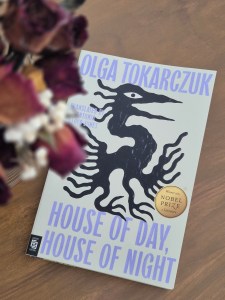
House of Day, House of Night, Olga Tokarczuk 03/12/2026

Olga’s Empusium would have been a more fitting novel to read this Women’s Month, given that it is a work that rightly identifies misogyny as an illness. But reading House of Day, House of Night, written way earlier than her initial works that were translated into English, is like discovering the fount from which all of the other books that we’ve already enjoyed flow.

The mushrooms in Empusium? There’s more here! Fragments of Flights and Yente’s out-of-body experience in Books of Jacob? Present! Here we’ll find the signature literary mischief accompanied by that unique eeriness that lingers in the borderlands of dreams and reality, of history and fiction, borderlands geographical and metaphysical. 

Not my favorite Tokarczuk, but a vital piece in her oeuvre. 


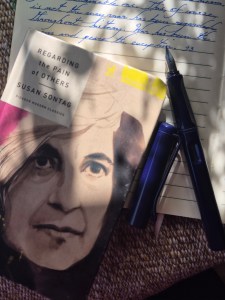
Regarding the Pain of Others, Susan Sontag 03/16/2026

“Is there an antidote to the perennial seductiveness of war? And is this a question a woman is more likely to pose than a man? (Probably yes.)”

Fourth consecutive year of reading my favorite essayist during Women’s Month, and once again, she turns my perspective on its head while tackling the most relevant topics. At times when the first impulse is to disagree with her, I end up conceding that the view I hold of the world and of politics is such a naive one.

Regarding the Pain of Others is known for being a contemplation on contemporary man’s response to, and relationship with, images of war and violence, and how being a witness to the sufferings of others has become a “quintessential modern experience.”

And unless we learn from this constant barrage of other people’s sufferings through various media, we are really just voyeurs.


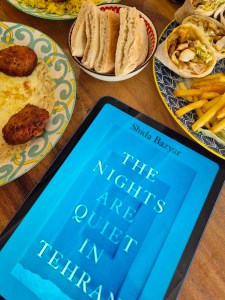
The Nights are Quiet in Tehran, Shida Bazyar 03/20/2026 (Nowruz)

The irony of reading this at a time when the nights are NOT quiet in Tehran does not escape me.

For someone who has an ample Iranian section in her library, I can attest that this one does not fall among those novels about the Revolution that bend toward the sentimental and the cliché. 

This book does not offer a rewarding story, but it lends deeper insight and understanding. Do not let the lack of a satisfying ending distract you from its clever device of having a different family member narrate one chapter, each set ten years apart. It is a brilliant tool that subtly reveals how the years and the distance alter the way the Iranian diaspora reflects on the Revolution and how every generation carries hope differently, how differently they choose their battles, and how differently they hold on to memory. If there is one thing the characters agree with, it is this: The real Revolution is not over. 

Free Iran (from anyone trying to delegitimize the Iranian people’s struggle, from within or from without)!


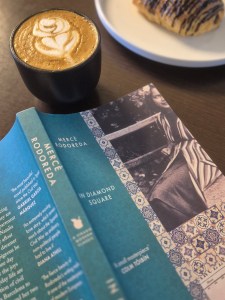
In Diamond Square, Mercè Rodoreda 03/24/2026

“And between gulps of coffee he told me it was better to read about history in books than write it with bullets.”
February Between and Beyond Book Covers

This was February:

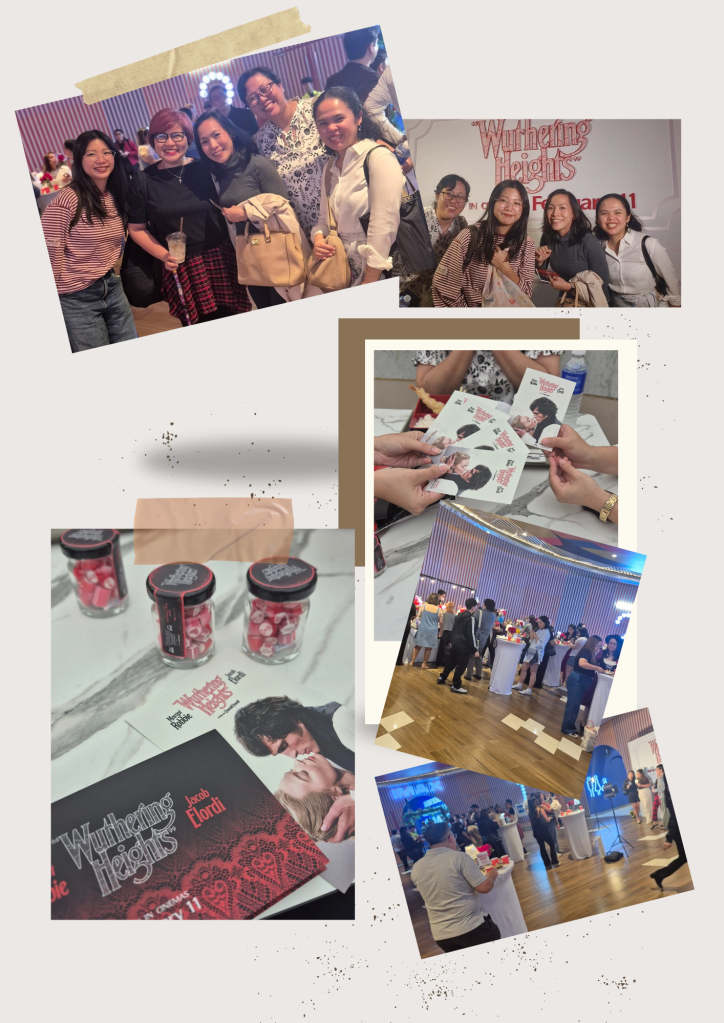
Getting “wuthered” by Jacob Elordi, a shared experience with Ex Libris friends and some of the country’s celebrity book people in a special screening of Wuthering Heights;

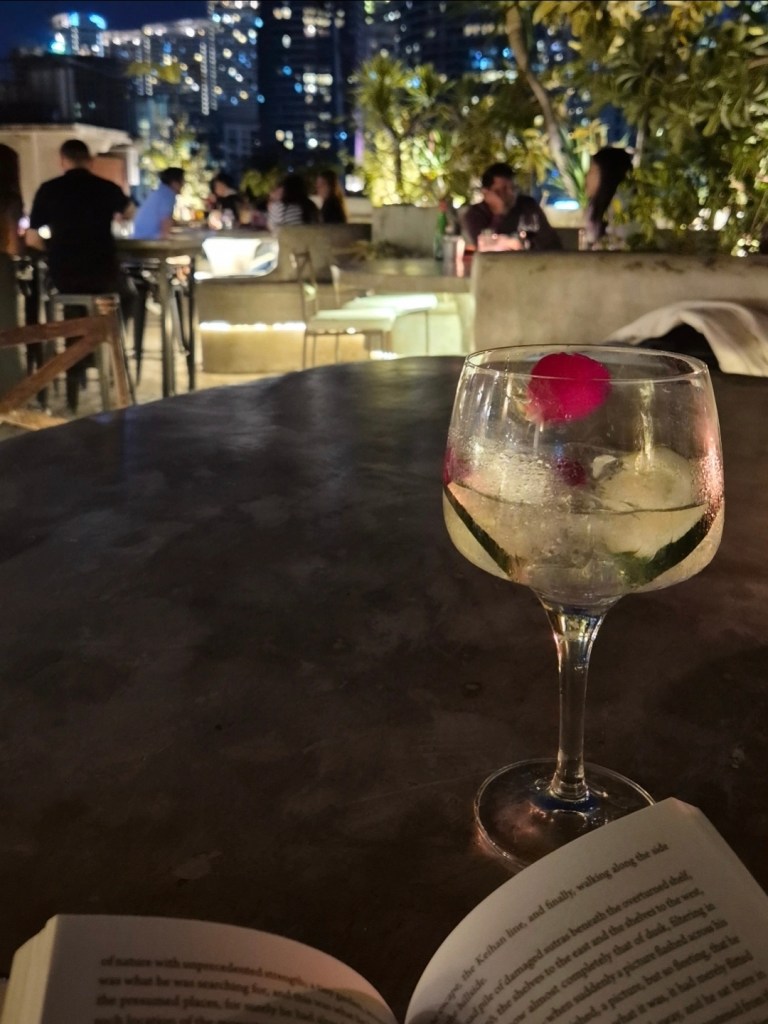
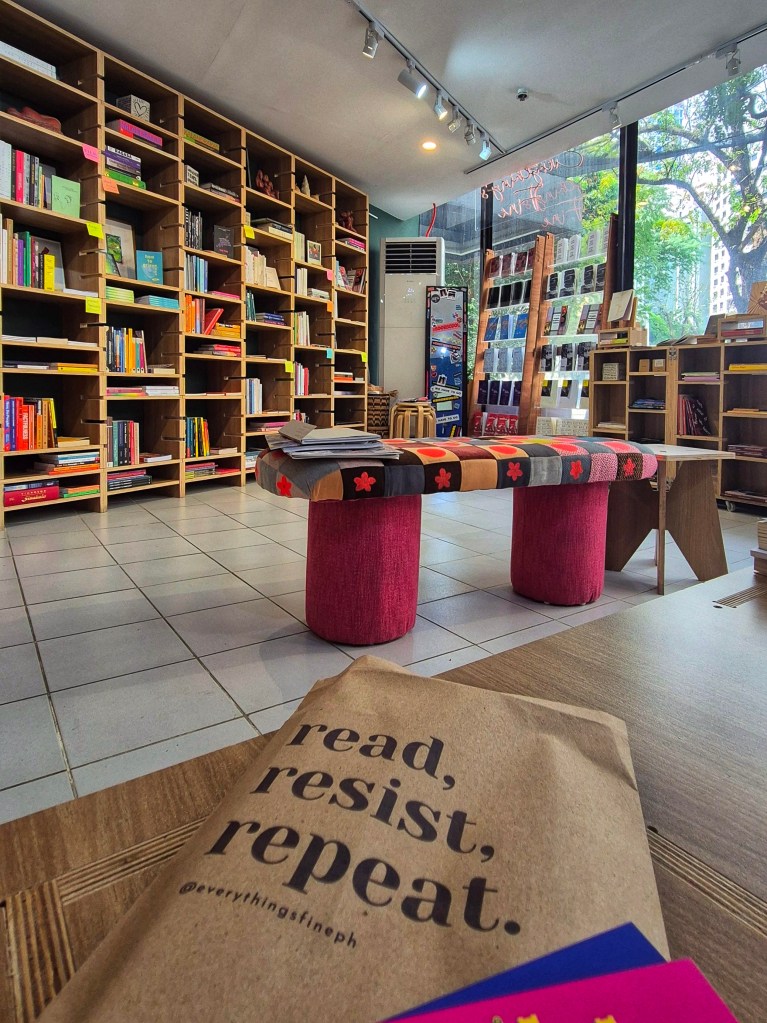
reading, drinking, eating, and book-buying my way through Makati;

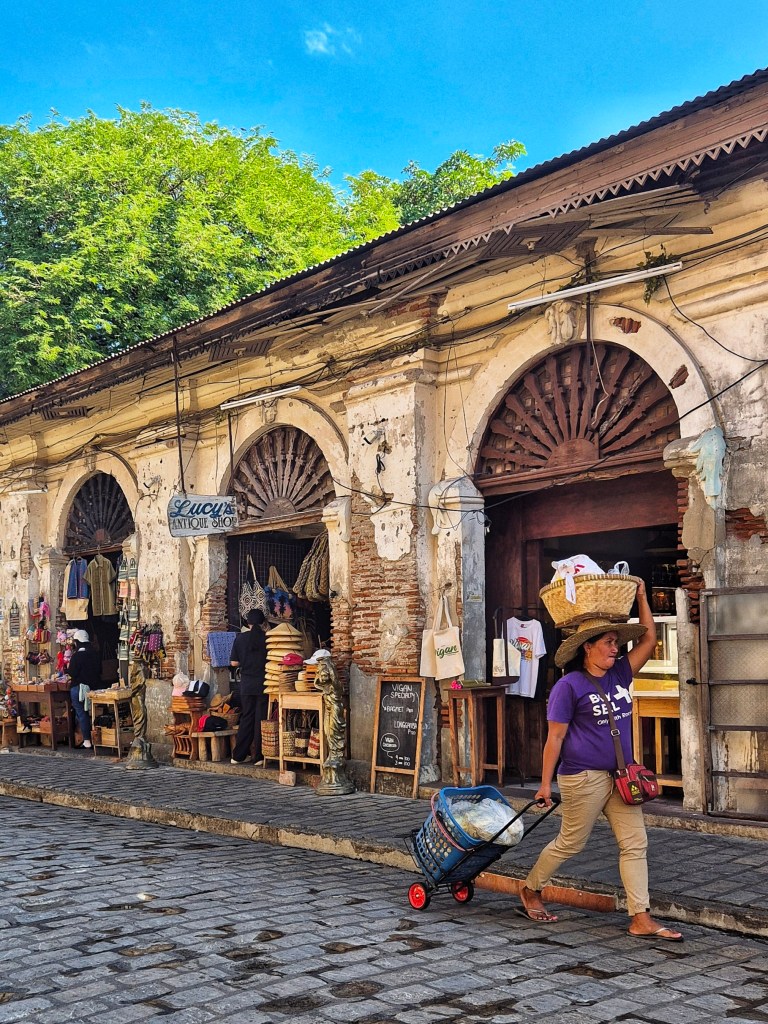
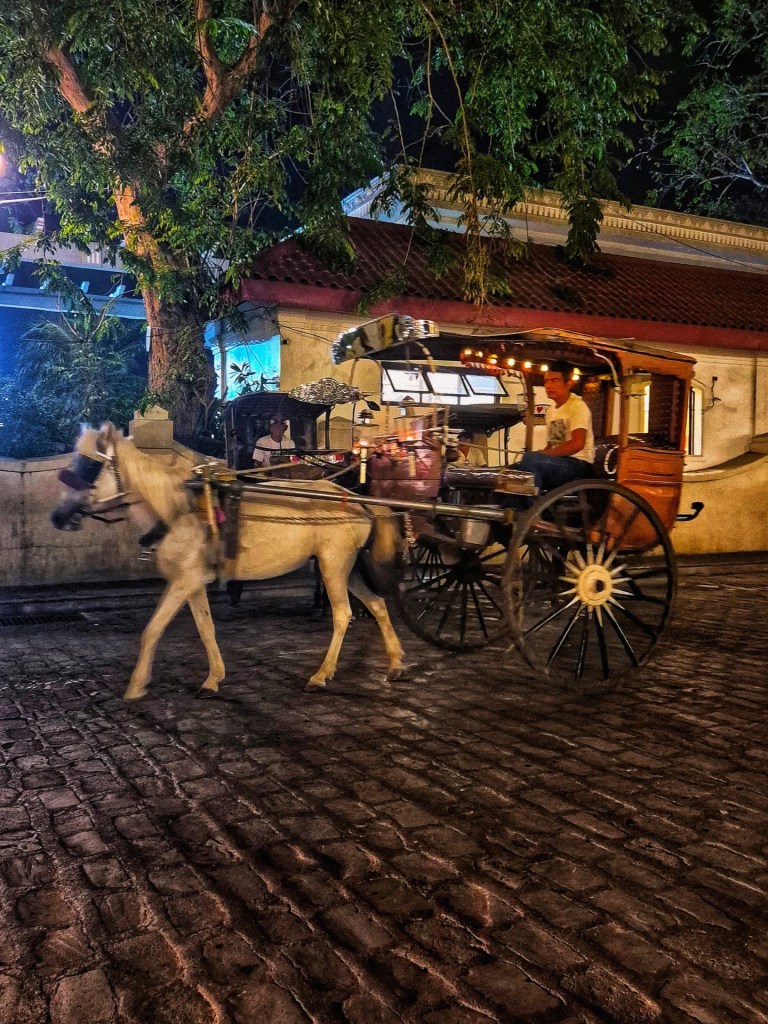
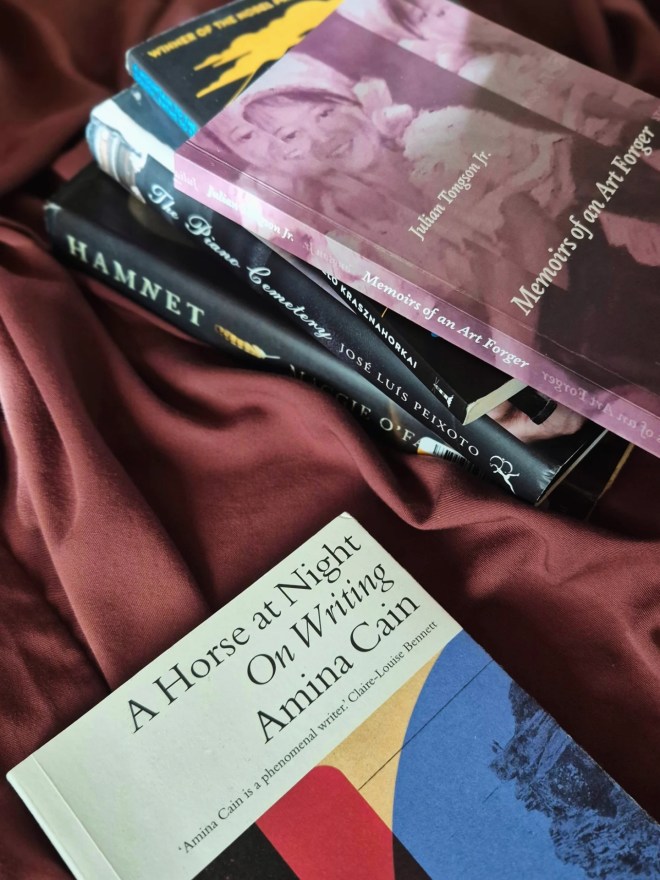
Vigan, whose “heart attack food” often comes up in Memoirs of an Art Forger. The book’s premise, intriguing; the opening passages, captivating; the sociocriticism, on point; the bits on art and architecture, fascinating; yet some elements did not seem to work for me. But kudos on being the only work of fiction I’ve read that mentions the Basi Revolt of 1807, an uprising led by Ilocano peasants against the Spanish monopoly on basi (sugarcane wine) in Ilocos Norte. Visiting Vigan also acquainted me with Leona Florentino, “Mother of Philippine Women’s Literature”. Now there’s a story; and what a family tree!

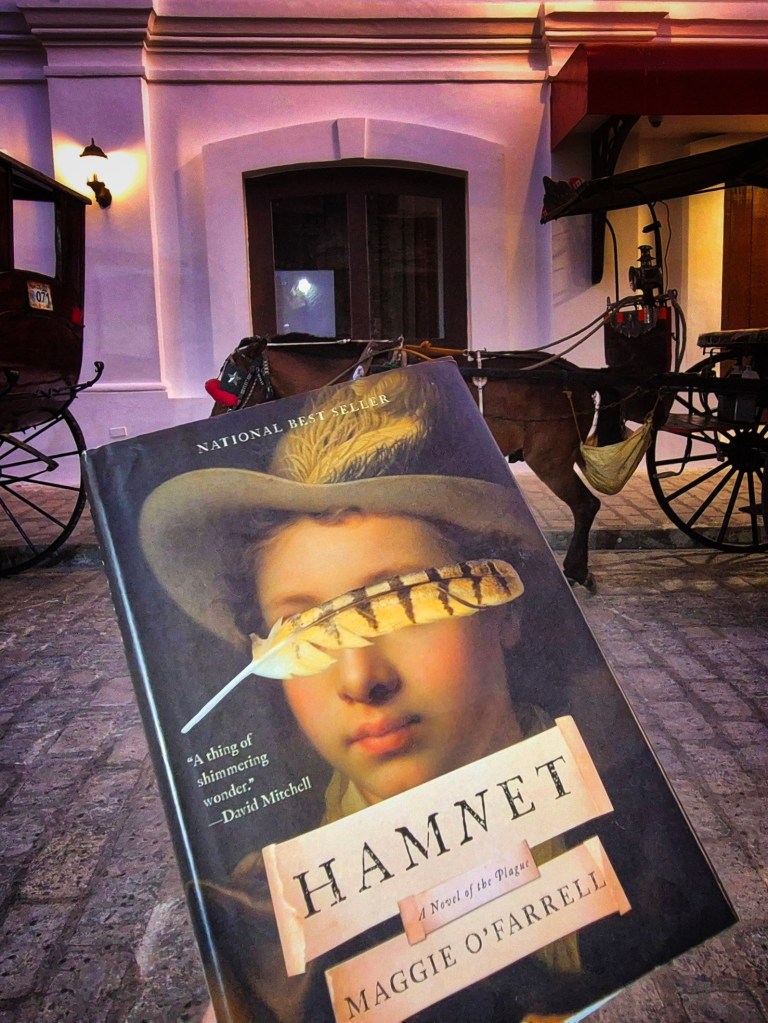
Also, Hamnet, at last. A book I stayed away from because I knew it would be painful. But my ego wouldn’t let me watch the movie without having read it. But now that I’ve read it, I’m asking how I’ll survive the movie. We, readers, are a crazy lot, no?

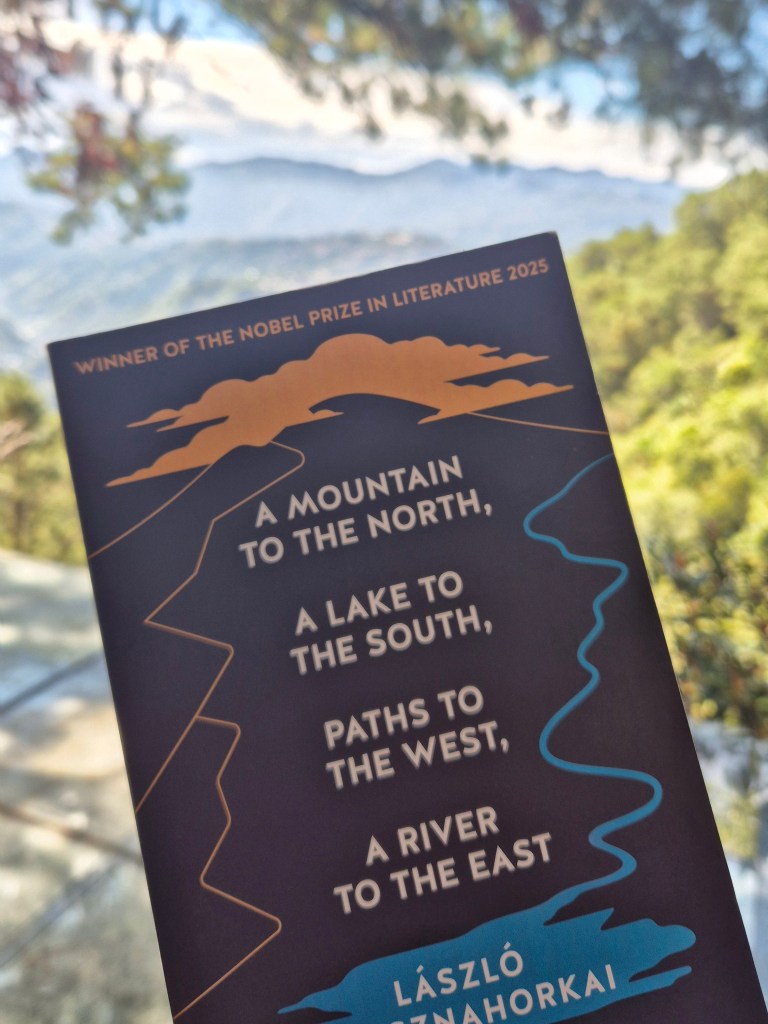
And then, Baguio, a mountain in the north where they put strawberries in everything, and where I read Krasznahorkai’s A Mountain to the North. This one came with a note saying: “Dear Mira, I realize in retrospect that I loved this book the way I love park benches. It is an ode to tranquility, to beauty, and to meaning. With the rush of the years, I am more and more convinced that one only needs these three. To me they are the intertwining gusts from the same cool breeze that commands a pause to take in.” Who needs my review after such an utterly beautiful musing?

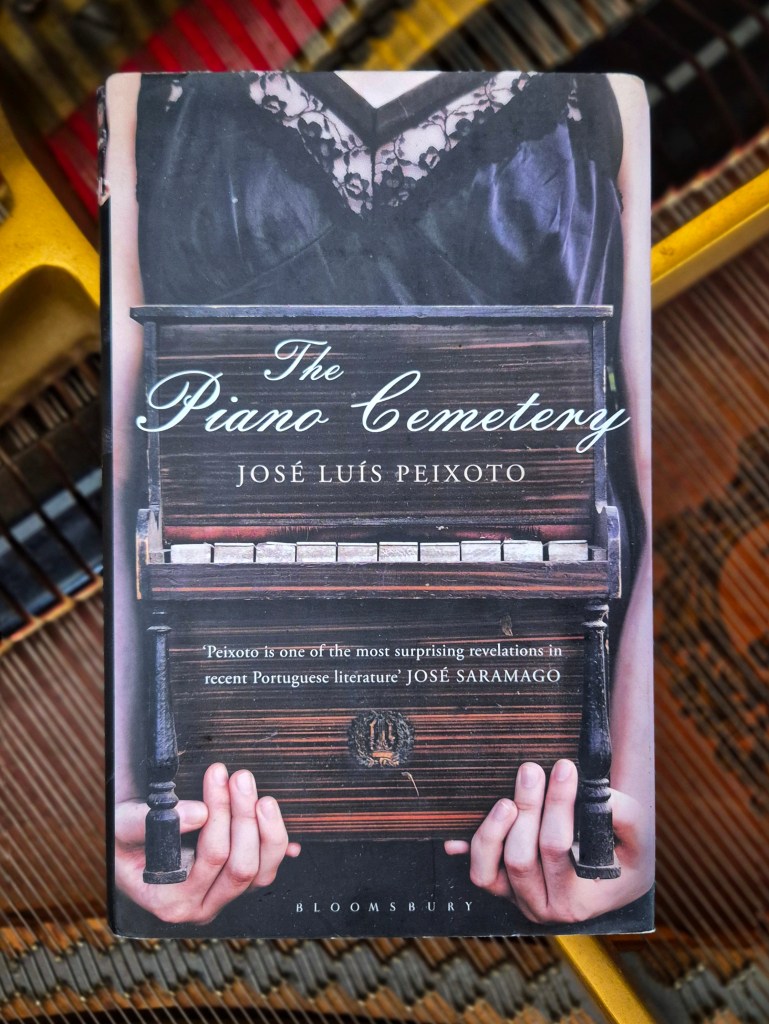
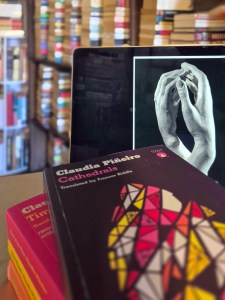
Afterwards, home: Home is… where the bookmail is sent, and where The Piano Cemetery was waiting. If not for the Saramago blurb, I would have ignored this. I’ve found that it’s something I would read on a trip to Lisbon, a book keenly aware of the city’s soundscape.

But when asked about what I read this month that talked of love in any form, I answered with Amina Cain’s A Horse at Night. It’s about the love for reading, writing, and hence, the love for freedom. It affirms that reading is where we are most unrestrained. It is where we are most free.

January in Books

“No books!” I exclaimed.“How do you contrive to live here without them? …take my books away, and I should be desperate!”

(This line is found toward the end of Wuthering Heights, and for once, I agreed with something that a character from the novel had said.)


A little late in posting, but this was January — a beautiful reading month ripe for the picking — in books:

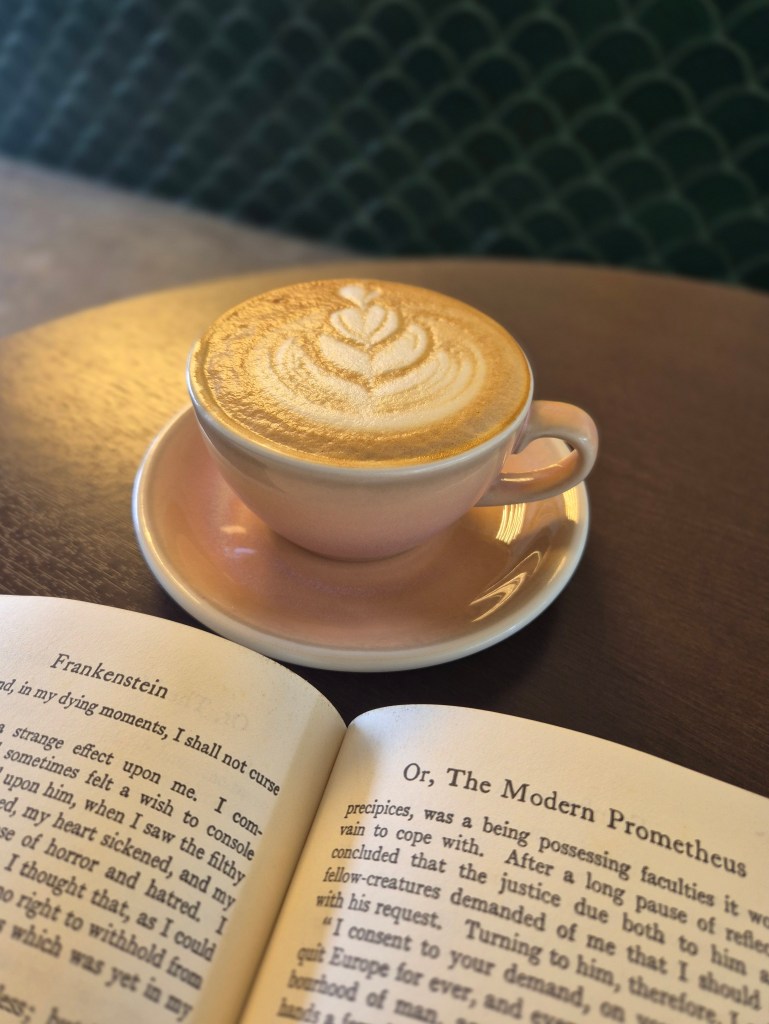
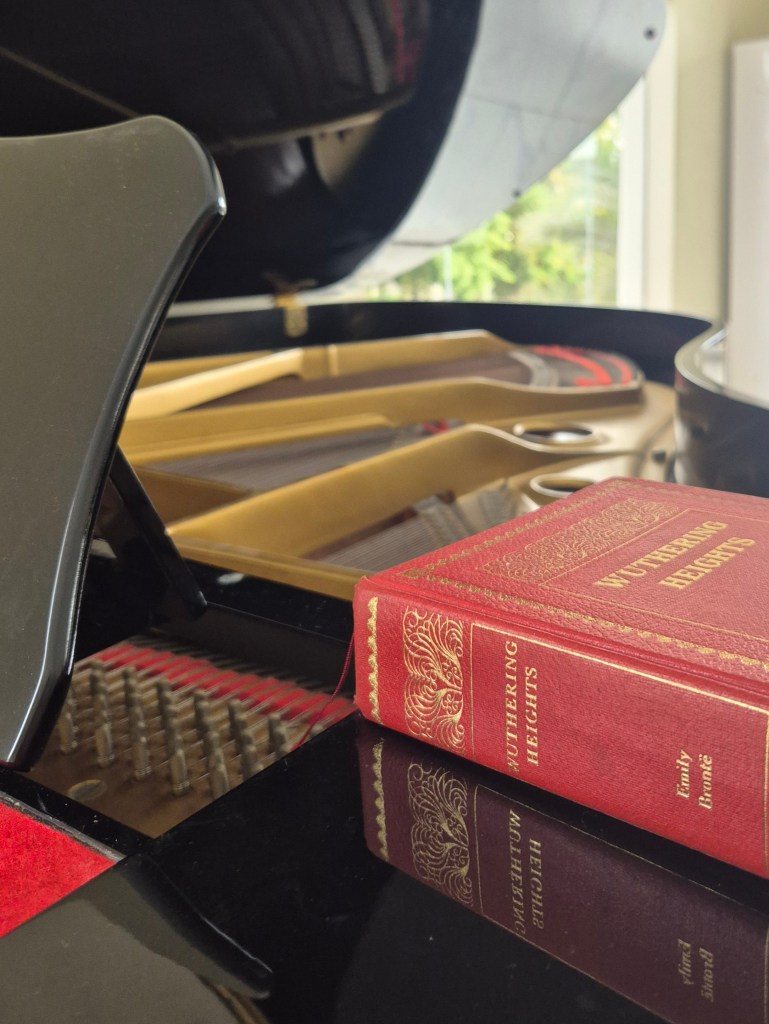
Frankenstein, of which I wrote at length in a separate post, was a wonderful way to ignite yet another year of reading, followed by the literary experience that is Wuthering Heights, which convinced me that any screen adaptation will forever be unnecessary. Sufficient unto the novel is the intensity, the complexity, and the viscerality thereof.

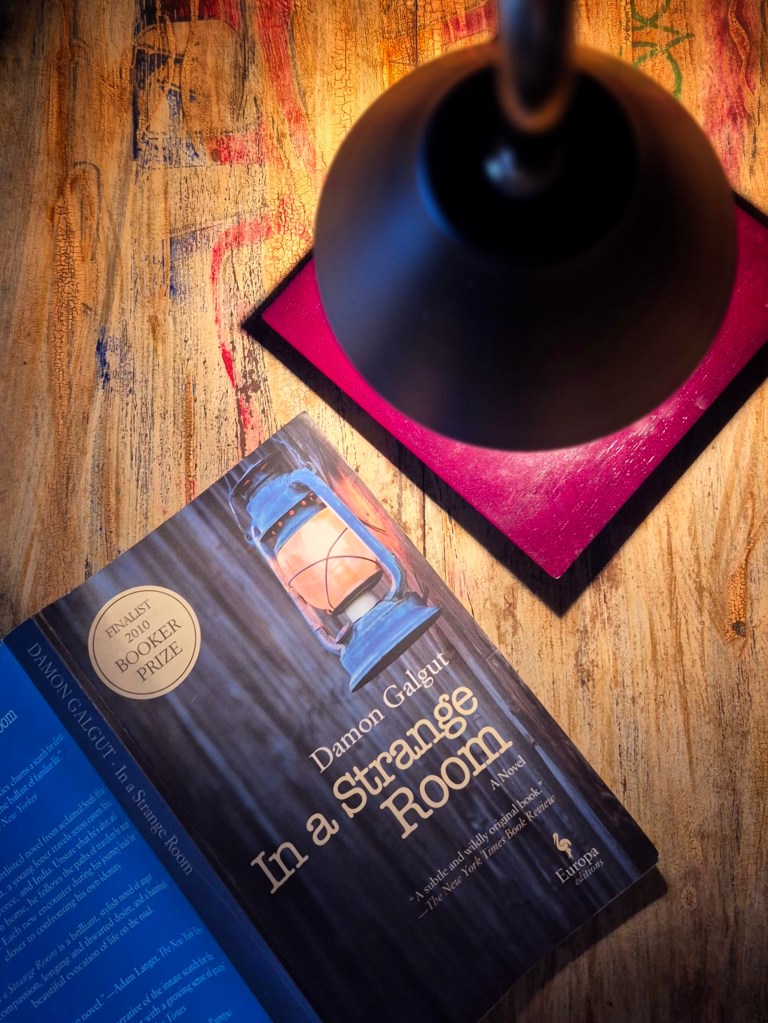
A Strange Room, given to me as a Christmas present, strangely seems to converse with Emily Brontë. “Nothing fuels revenge as grief does,” Damon Galgut says, as if writing of Heathcliff. To which Brontë replies, “Proud people breed sad sorrows for themselves.”
“Without love nothing has value, nothing can be made to matter very much.” Maybe Brontë, maybe Galgut. Guess?
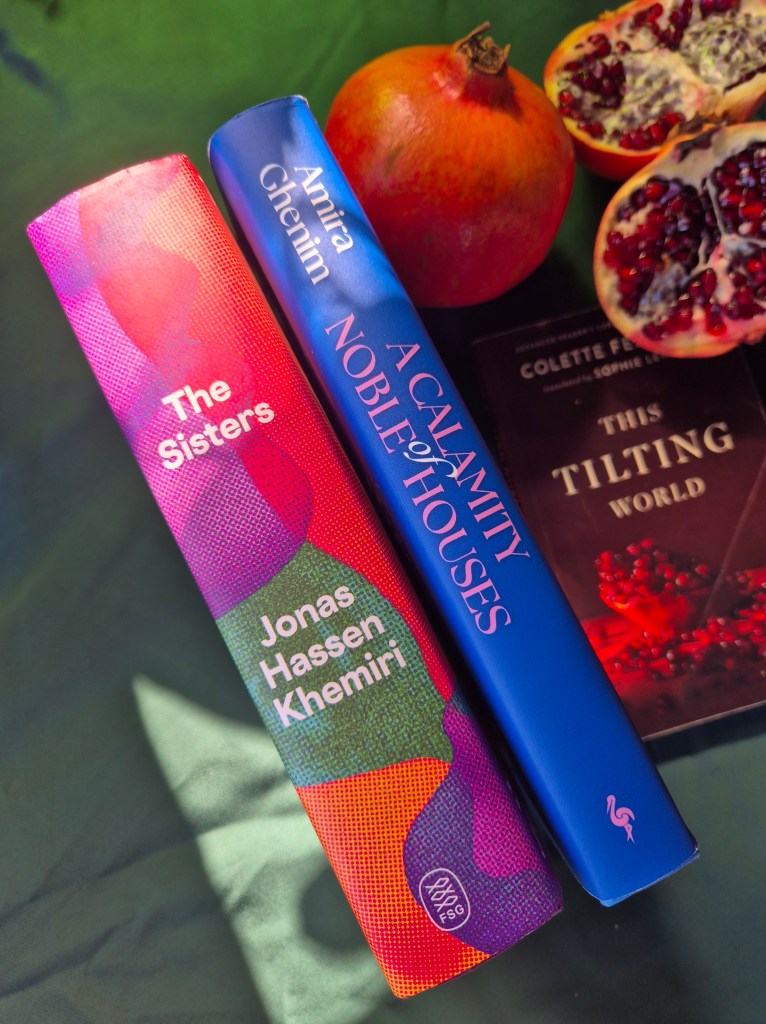
From Galgut’s South Africa to North Africa. People ask how I pick my travel destinations. It usually starts with a section of this library that’s mostly arranged by political geography. And it seems like a Tunisian section is born: A Calamity of Noble Houses, an intriguing peek into the historical and social mosaic of Tunis; The Sisters, a 656-page glimpse of the diaspora. The books decide for me.

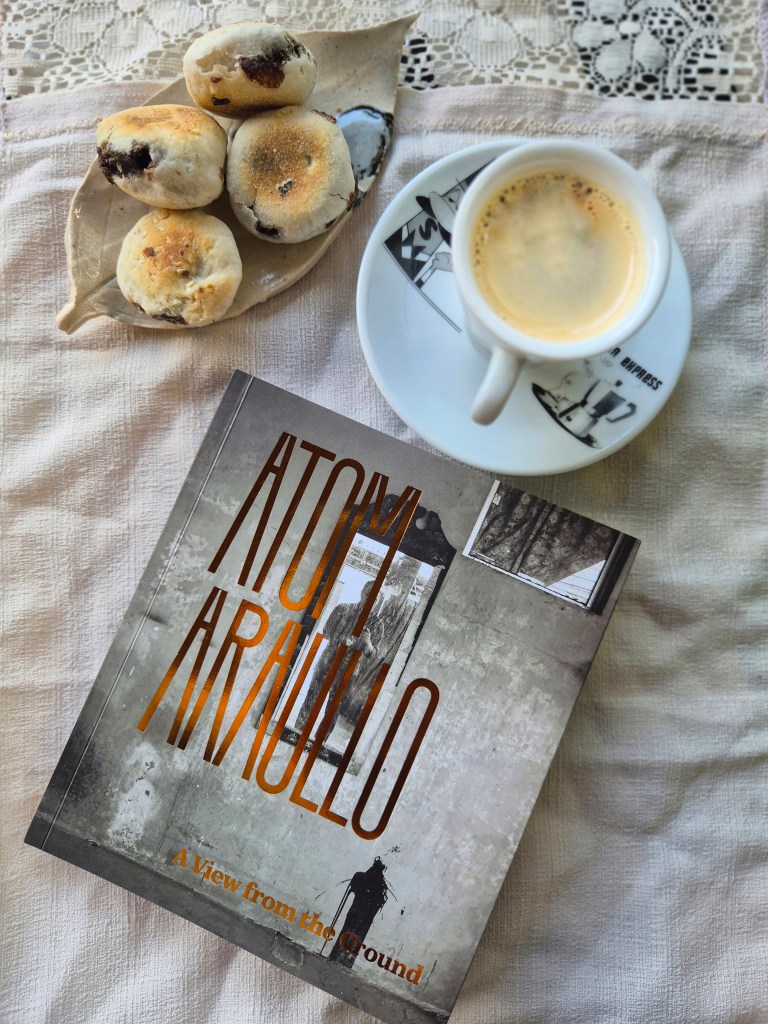
Atom Araullo’s A View from the Ground to drive me home. The one that hits closest to home, the one that dusts the sugarcoating off of being Filipino. A book that not only deserves to be put on the altar of Filipino essays, but to be taken, deeply, to heart.

Speaking of home, a January highlight was an invitation to Balay Tawhay in my hometown. In that house by the sea, delightful conversations and original artworks by Arturo Luz, BenCab, Abdulmari Imao, Borlongan, et al, serve as appetizers for lovingly prepared feasts.

And they have books. Lots of books! Because really, how does one contrive to live without them?

December in Books

“Sonia’s heart was a Hopper painting.” The title is blunt about Sonia and Sunny’s loneliness, but it’s this Hopper line that makes one grasp how lonely: A profound loneliness that has something to do with a vulnerable and fluctuating selfhood, an abstract loneliness that is tied to urban and modern life, an existential loneliness craving real connection that cannot be quenched by mere companionship. Lonesomeness was Edward Hopper’s leitmotif, and Kiran Desai weaves this theme into an unfolding raga… Read full entry here.
The Woman from Tantoura was my pick for #ReadPalestine week. Radwa Ashour’s best work, if you ask me. Started 2025 with Edward Said and ended it with something a bit less intellectually demanding, albeit informative and genuinely affecting. Why #ReadPalestine? Until we know enough to be able to call a spade a spade.

Brightly Shining by was my hope for a more festive read, and my first Dua Lipa recommendation. Surprisingly, all three books touch on immigrant life, and two have Filipino minor characters. But this one broke my heart.

It makes me extra grateful to have been able to squeeze in Tethered on the last day of 2025. Not because it helped me achieve my goal of reading at least one Filipino author a month, but primarily because this book is a gift. Grace is a multifaceted word, but even when I contemplate its various meanings, this book still embodies all of its definitions. Read full entry here.

That’s my December in books. The 2025 reading wrap-up will have to wait. It’s a wonder I was able to read at all with all the season’s bustle while caring for a loved one who was ill for most of the month, leaving me to (wo)man the fort. But we said goodbye to 2025 on a healthier and happier note. Gave and received bookish presents. Attended the last Ex Libris session of the year and felt revitalized. BFF paid us an impromptu visit: We attended a Rizal Day literary event and said goodbye to the old year / welcomed the new year reading quietly… and it was precious.

Wishing all my reading friends a happy new reading year! 

Tracy Anne Ong: Tethered

Grace is a multifaceted word, but even when I contemplate its various meanings, this book still embodies all of its definitions.

The parcel containing Tethered arrived many months ago as I was on my way out to the airport, and I gladly welcomed an additional book in my carry-on luggage.

Dear Mira,

I hope this book transports you to where you need to be.

Tracy

An apt dedication for a book-butterfly. I turned to the sky and the clouds framed by the plane window, and smiled at the perceptive mind behind the message. A page turn revealed a Rabindranath Tagore quote about a violin string that could only be free to sing once bound to the violin. Even the epigraph felt personal, and I paused to ponder its deeper meaning.

Soon enough, the plane landed in the capital. The urban bustle was not conducive to the stillness and attention that this book required, seeing that the initial passages already felt like the beginnings of an intimate conversation with a friend. Thus, it was tucked away and saved for the reading environment it deserved.

Months passed, dozens of other books were read. But just as I was starting to see the light at the end of a mentally and physically exhausting three-week tunnel when a loved one fell ill, this book seemed to beckon. And sure enough, it transported me to a place where I needed to be — a place of faith and gratitude, and I cannot think of a better place to be. What a gift, this book.

Tethered is grace exemplified, the same way Tracy is grace personified. I’ve only exchanged a few messages with her through Blithe Books, but even electronic messages cannot dilute the light in her soul that shines through her words. Imagine an entire book of it!

This is described as an account of a remarkable journey of recovery from a brainstem stroke that attacked all bodily functions and left only the mind to operate; but more than that, it is a beautiful note of gratitude for life, and a celebration of the mind and the spirit. The author’s optimism is apparent, but as one reads on, one realizes that it is not optimism but faith. 

For the believer, faith is the thing that both tethers and liberates. Only when the strings are bound to a violin can they be free, for the first time, to sing.

Kiran Desai: The Loneliness of Sonia and Sunny

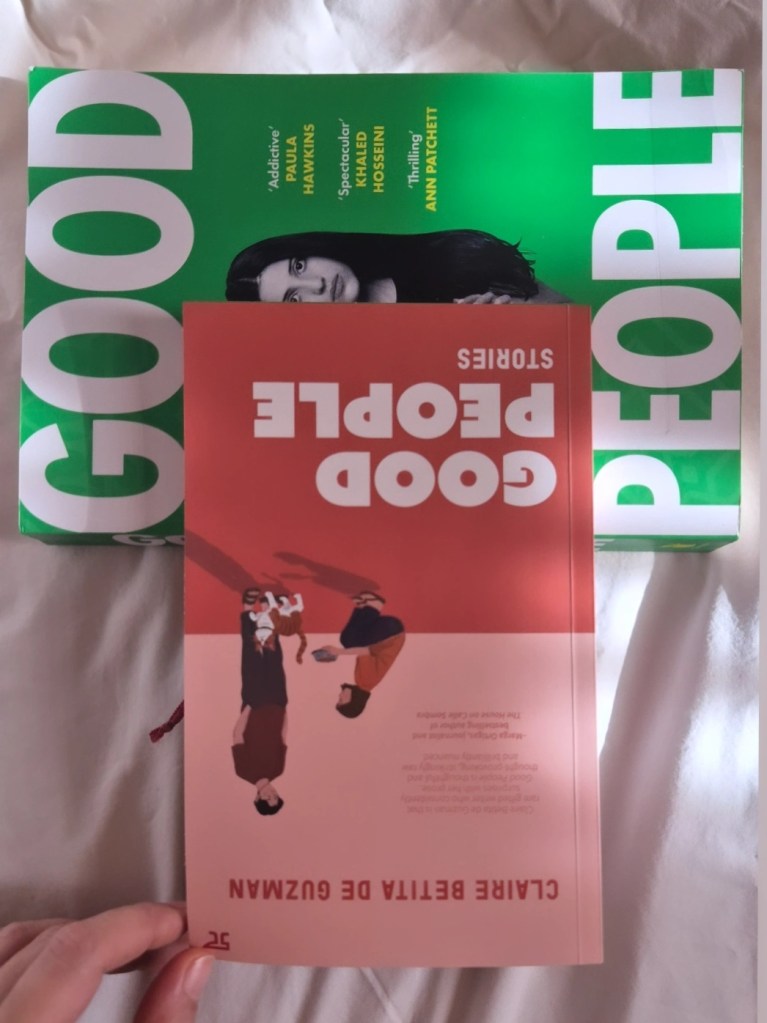
“Sonia’s heart was a Hopper painting.” The title is blunt about Sonia and Sunny’s loneliness, but it’s this Hopper line that makes one grasp how lonely: A profound loneliness that has something to do with a vulnerable and fluctuating selfhood, an abstract loneliness that is tied to urban and modern life, an existential loneliness craving real connection that cannot be quenched by mere companionship.

Lonesomeness was Edward Hopper’s leitmotif, and Kiran Desai weaves this theme into an unfolding raga: at times beautiful, at times disorienting, at times cruel and repulsive, at times disquieting, at times capriciously meandering.

I have no qualms with the length. Although considered massive in proportion to the contemporary reader’s short attention span, I imagine the typeface and the font size would make Tolstoy say, “Hold my vodka.” But the book often offers clues to Desai’s literary and artistic inspirations and subtly discloses why the author found its length necessary: “How many millions of observations and moments it had taken to compose this book!” Sonia thought about Anna Karenina.

It is not, however, “an unmitigated joy to read” as Khaled Hosseini claims in a blurb. Reading about Sonia’s toxic relationship with Ilan, the narcissistic artist, was nauseating to the point of causing an unpleasant physical reaction that made me want to give up one-third through the book. Although aghast, it was accompanied by the awe of how much the author fathoms an artist’s relationship with darkness. There is no question about this being a work of art, but I will admit that I hoped to love and enjoy this more than I did.

While Sonia and Sunny failed to endear me to them, I was drawn to Sonia’s mother, who kept company with books and understood that there are worse things than loneliness, and Sunny’s father, who desired to break free from the cycle of corruption in the family for the sake of his son, believing that to be honorable is to be free. While I was concerned that portrayals of men beyond the main characters would perpetuate stereotypes of Indian men, it was Desai’s keen eye for psychological and cultural detail, and her vast insight into the plight of the immigrant, that made me continue reading.

To paraphrase a memorable line from the novel: I knew when I saw this book that the story would not be simple. And simple it is not.

November 21, 2025  – Uralsk: Pushkin, Pugachev, Sholokhov Museums

The Pushkin Museum was my first stop, but no matter how the attendant and I tried to communicate regarding the entrance fee (signal was weak, Google Translate wouldn’t load), she would laughingly start with another stream of Russian, and I would answer in English. After a few minutes of the futile but funny exchange, she suddenly stopped when she saw me holding a Pushkin book. “Ah!!!” She nodded in recognition, gestured at the book with approval, waved me away, and signaled for me to enter without paying. (Kids, it’s true what they say: Books open doors for you! Haha)

Pushkin came to Uralsk in 1833 to do research and prepare for two significant works, The History of the Pugachev Rebellion and The Captain’s Daughter. The residence of the Cossack leader that hosted him now houses the Pushkin Museum.

Pugachev was a Cossack during the reign of Catherine the Great who led the largest peasant revolt in the history of the Russian Empire. Needless to say, the well-preserved Pugachev House Museum was my second stop.

Finally, the Sholokhov Museum in the village of Dariinsk, close to the Russian border — so close that the driver had to make sure I had my passport with me in case we encountered border patrol. This is where Sholokhov and his family spent the wartime years. It was also where Sholokhov received news that he was awarded the Nobel Prize in Literature.

It felt surreal being allowed to sit at his desk and play a Rachmaninoff passage on the broken piano.

There are a few things to note regarding museums in Uralsk: The captions are all in Russian; I was the only guest in the three museums that I visited; the museum attendants do not speak English, but they are all genuinely kind and warm, and try their best to communicate; these establishments remind you that one of the things that make Russian Literature great is that, whether political, spiritual, or existential, they stand for things that are eternally relevant. 

June in Books

Reading The Leopard is like viewing a portrait of a bygone monarch in a gallery. They mean nothing to you but notice how the brush strokes are skillfully done as it immortalizes a world that no longer exists; you acknowledge that it is important as a record… and then walk away and move on to the next portrait. But you retrace your steps, give it a tender, wistful gaze, and your eyes rest on Bendico, the Prince’s faithful Great Dane; the one detail that truly manages to tug at your emotions and whose fate emphasizes the vicissitudes of life and history.

Background for Love allowed me to lean back momentarily, put my feet up, and whisked me toward the sunlight despite the bittersweet awareness that darkness would soon descend on the sunlit Europe of this story. That darkness came for A Bookshop in Berlin, a true account of a bookseller’s incredible escape from Nazi-occupied Europe that eerily mirrors the current state of the world where prejudice and ignorance defy truth and multitudes are easily swayed by propaganda, but where hope also shines through in heroic acts of kindness.

Lawrence Ypil’s poetry served as punctuation marks between these novels. And Alba de Céspedes? The powerhouse that is Alba de Céspedes? She demands a separate post.

So that was June. It did not leave time or headspace for making concrete reading plans. While it started with that epitome of a retelling which is James, whenever there was a need to retreat in the solace of books, I’d instinctively pick up a volume from a stack of Pushkin Press Classics that hadn’t been assigned places on the shelf yet.

In the month wherein my heaviest schedule clamored to be felt and the risk of a WWIII threatened to make everything inconsequential, it somehow made sense to work harder, to live more, and to continue reading. Wait, is it really July already?