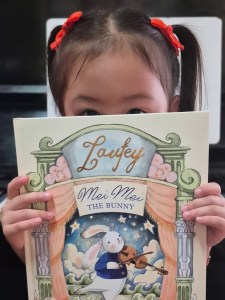
Rain has come to portend the end of summer in my part of the world, and the skies are mirroring our dispiriting political climate.
Cheering myself up by looking back at some of this month’s colorful days and satisfying literary adventures — it was, after all, a month when Mei Mei the Bunny hopped into Harana Music Studio’s library! So here they are, in the words of John Ruskin, “To scatter perfumes in the path of June.”
The Artist, Lucy Steeds 05/10/2026
When I read with my toes digging into white sand, piña colada within reach until the sunset turned into “a riot of color,” as Lucy Steeds would write, I was happy to momentarily leave behind war-torn milieus, ambiguous plots, dystopias, or sentences that needed multiple re-readings to be deciphered.
Part mystery, part lure to Provence, mainly art lesson on light and color, part romance, part statement on the discrimination of women in art and women’s contribution to the art world, part anti-war declaration, and a reflection on our Odysseys and our Ithacas, The Artist was the perfect beach read for me a week ago.

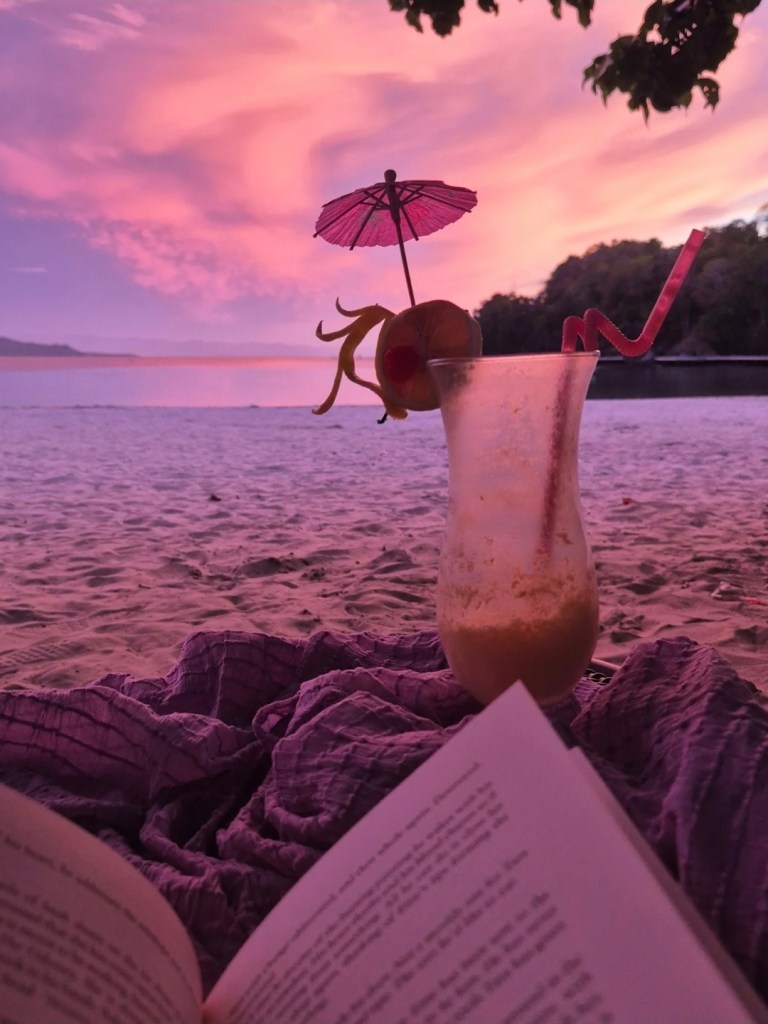
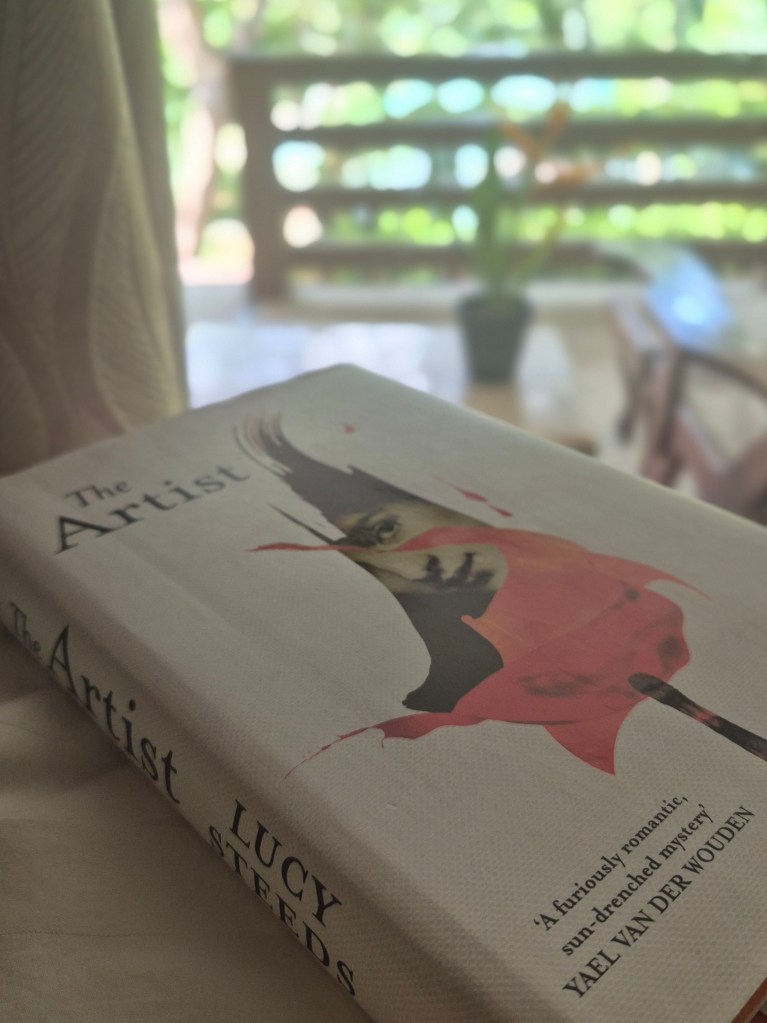

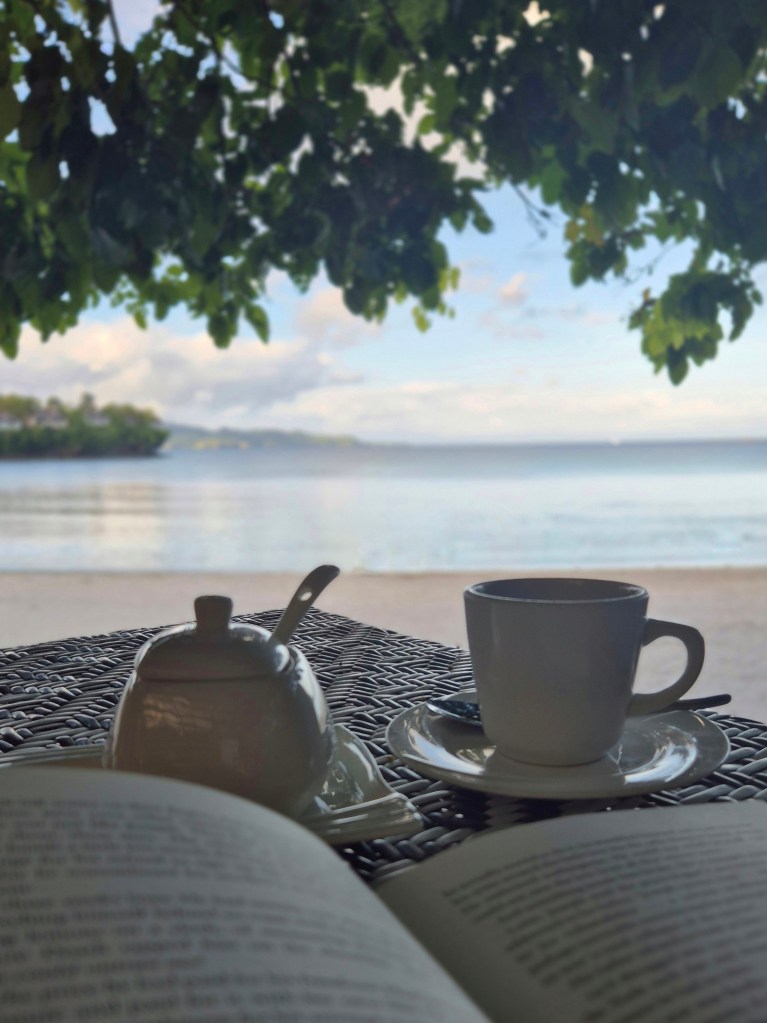
If you’re wondering what qualifies as a “beach read,” it’s pretty much the same thing as a “beach body”; it’s the one that you carry with you to the beach… this one simply had the bonus of being informative and entertaining while being, at least by the end of the book, gentle on the mind and heart.
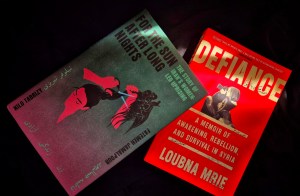
For the Sun After Long Nights | Defiance
The two books I read in succession for the first week of May.
Defiance is the first book I’ve read about Syria that was written and published after the fall of the Assad regime. Striking not only for its incredibly human and candid account, but also for the fact that it is written by someone whose father led Bassel al-Assad’s security team, and whose American boyfriend’s public execution at the hands of the Islamic State the world witnessed.
For the Sun After Long Nights is the first book I’ve read about Iran that veers away from the 1979 Iranian Revolution and focuses on the Woman, Life, Freedom movement (ignited by the death of Mahsa Amini, who was detained and beaten for not wearing her hijab according to the imposed religious dress code, and who died in state custody in 2022). In this collaboration between two Iranian journalists, chapters alternate between the points of view of Fatemeh Jamalpour, who joined and covered the protests in Iran, and Nilo Tabrizy, who reported from overseas on the violence and injustices committed by the Iranian government.
The books are remarkable works of journalism written by young women, but this is not the only similarity they share. Read full entry here.
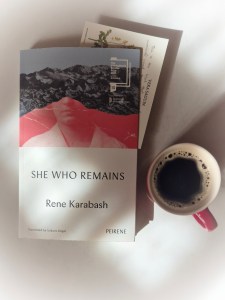
She Who Remains, Rene Karabash 05/13/2026
In the lands of the Kanun, the Kanun is law. The Kanun is above all else. The Kanun is not fictional; the Kanun is ancient, and it is real.
And perhaps this book was written not as a historical record of a disappearing traditional customary law, but as a poetic missive to tell us that the whole concept of the Kanun is not limited to the Balkans, that the Kanun still exists in more subtle ways in modern societies, that women still have to “man up” to survive and afford certain rights, that women are still often collateral damage to men’s laws.
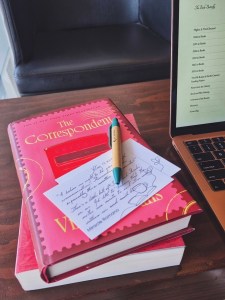
The Correspondent, Virginia Evans 05/15/2026
Can one simply read this epistolary novel and not be compelled to write to a friend afterwards?
On the other hand, it does not escape me that the message it carries is not exactly about letter-writing, but about communication. We often pride ourselves on our voice and how we brandish our opinions whenever we can, as Sybil does, but the story asks us to examine the injustice we do by shirking from communication at crucial moments. This book essentially asks us to ponder the legacy of communication that we leave behind in this life.
“I believe one ought to be precious with communication. Remember: Words, especially those written, are immortal .”
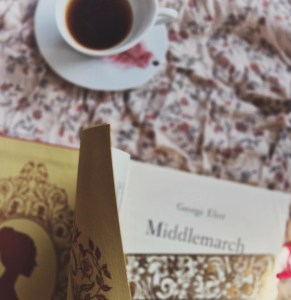
Middlemarch, George Eliot 05/28/2026
A more mature reader will often return to the classics with a reformed insight that the classics are not necessarily meant to be venerated but to be re-examined. Such a reader would trudge through old-fashioned language and time-consuming lengths to defy modern man’s preference for instant gratification and to seek resonance in the historical, intellectual, and emotional bulk. More often than not, the willing seeker finds — and finds more than they set out to find.
To read Middlemarch in a 21st century small town in the Philippines, and be transported to an early 19th century English rural community and notice the same players in society, espy similar outlooks that should be outdated by now but which still exist, and observe national political ferment trickling into daily lives to color preconceptions about other people, makes one marvel at the timelessness of George Eliot’s, or Mary Ann Evans’s, masterpiece. Read full entry here.

Canticles for Dark Lovers, Wilfrido D. Nolledo 05/31/2026
Art, I once told someone, is like someone ripping their heart off their chest and saying, “Behold, my heart.”
It is terrifying. The artist suffers in the process. It is terrifying because the artist knows that some will look away and find the act too violent. It is terrifying because the artist never knows beforehand if someone will ever get it. But no matter how terrifying it is, an artist rips their heart out anyway because they cannot help it. Nolledo could not help it. Behold, his heart.

