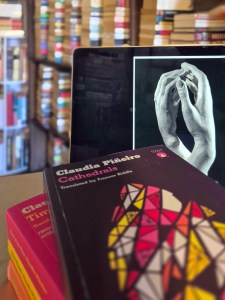
My favorite Rodin masterpiece is not The Thinker. It is a lesser-known work called The Cathedral, which looks nothing at all like a cathedral. It’s a sculpture of two expressive right hands lightly grazing at the fingertips, in anticipation of a universe of possibility. I love it for its elegance, for its nuance, for what it suggests; and for the thought that the sculptor understood that a place of worship is not confined to temples made with hands, but that he also had humor enough to convey the message with hands.
Claudia Piñeiro’s Cathedrals delivers the same message but not in the way Rodin does. She does it with mystery, disquiet, brutality, and revolting revelations, while indicting the hypocrisies of society’s sacred institutions. She is an author not everyone can stomach, but one does not have to consistently agree with, or relate to, her characters to recognize that Piñeiro is a force in literature.
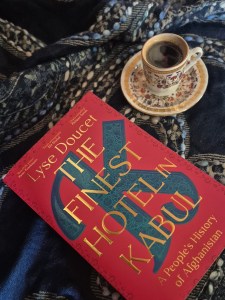
Cathedrals was my last book for June. In contrast, Lyse Doucet’s The Finest Hotel in Kabul was my first.
What does Victor Hugo’s Notre-Dame de Paris and Ivo Andric’s Bridge on the Drina have in common with Doucet’s The Finest Hotel in Kabul? All have immortalized an architectural edifice as the main character to tell the story of a people.
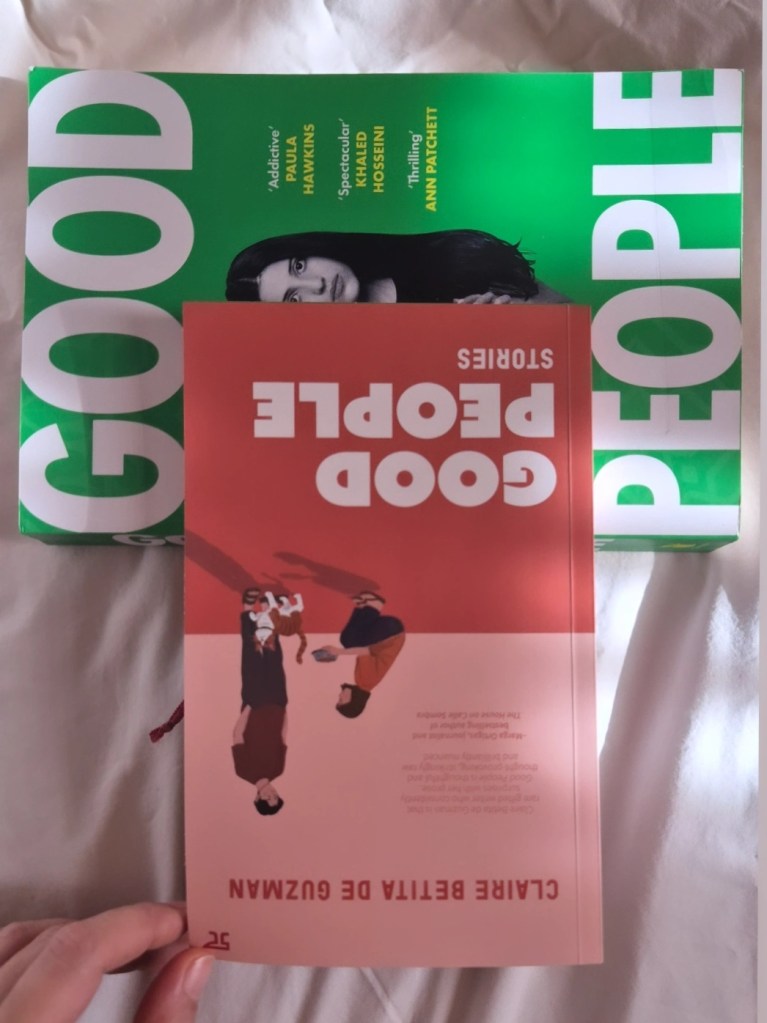
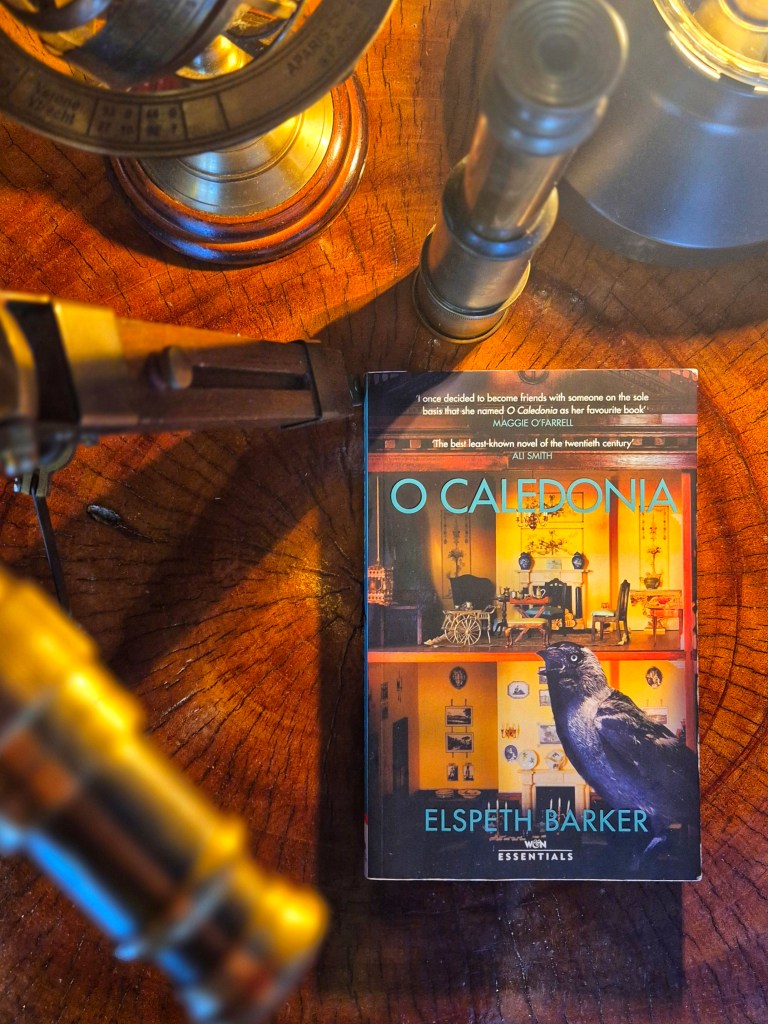
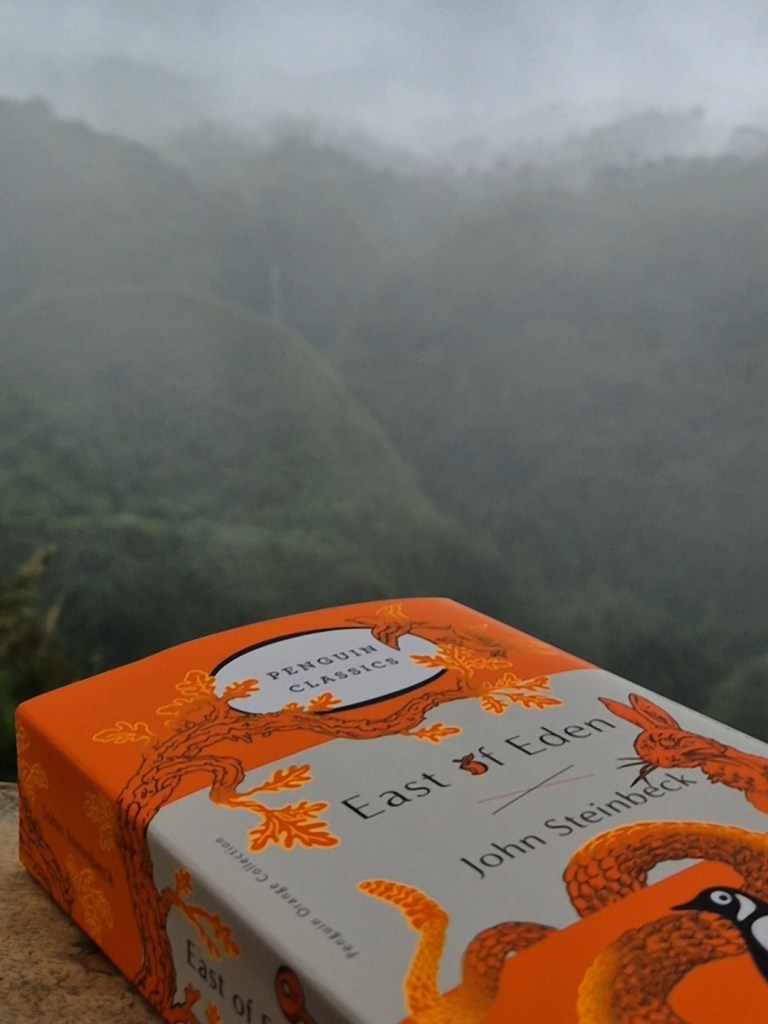
Sandwiched between these two books that touch on what humans build and destroy: O Caledonia, a pasalubong from a friend’s trip to Scotland, a parable about what happens to a girl when she is pressured to fit in and forced to become someone other than herself; two books with the same title — Good People — that speak less of good people and perhaps more about the judgments we cast on those different from us; and East of Eden, a book one cannot really move on from, because it’s a book you carry with you for eternity.
Piñeiro has a character whose cathedral is built with books. I can’t say I’ve built a cathedral with my books, but at this point, it sure looks like I have built a life with them.


 The Book-Butterfly
An interesting mix of books! And that reading spot view… just wow! X
LikeLiked by 1 person
I was about to say that I was too busy to make a cohesive reading plan for June and grabbed whatever was near, resulting in this interesting hodgepodge, but I realized… that’s exactly what happens every single month. 🤣
LikeLike