The silliest criticism I’ve heard of Nolan’s The Odyssey is of the movie being anti-war. Every war story is anti-war, if you’re mentally sound.
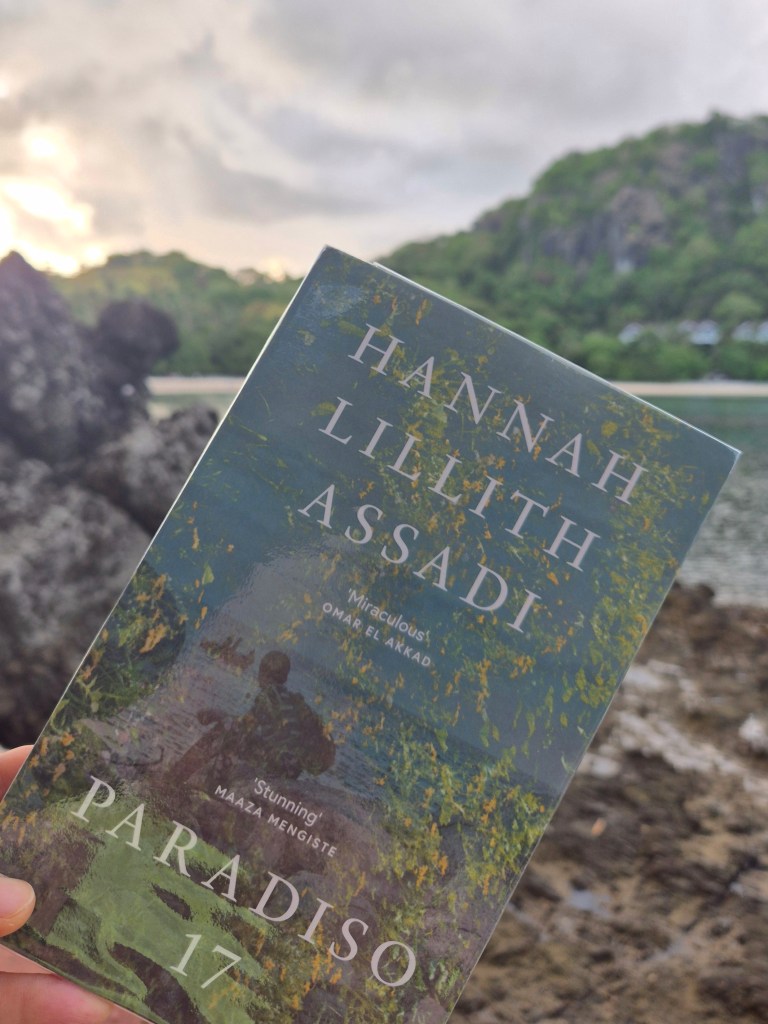
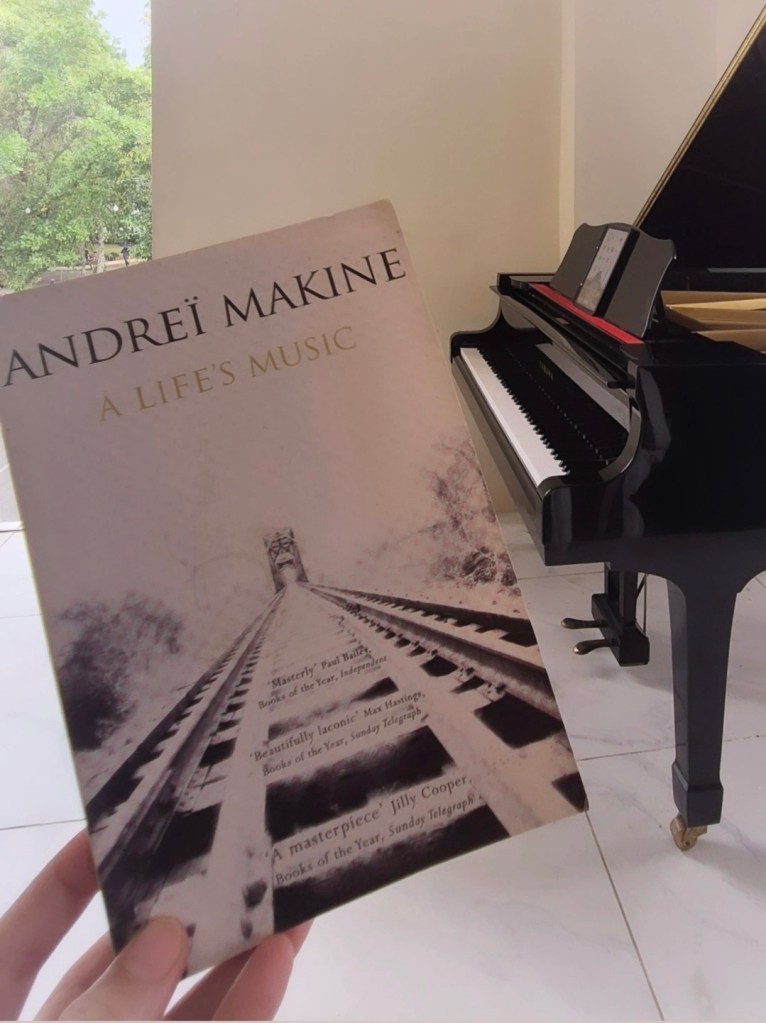
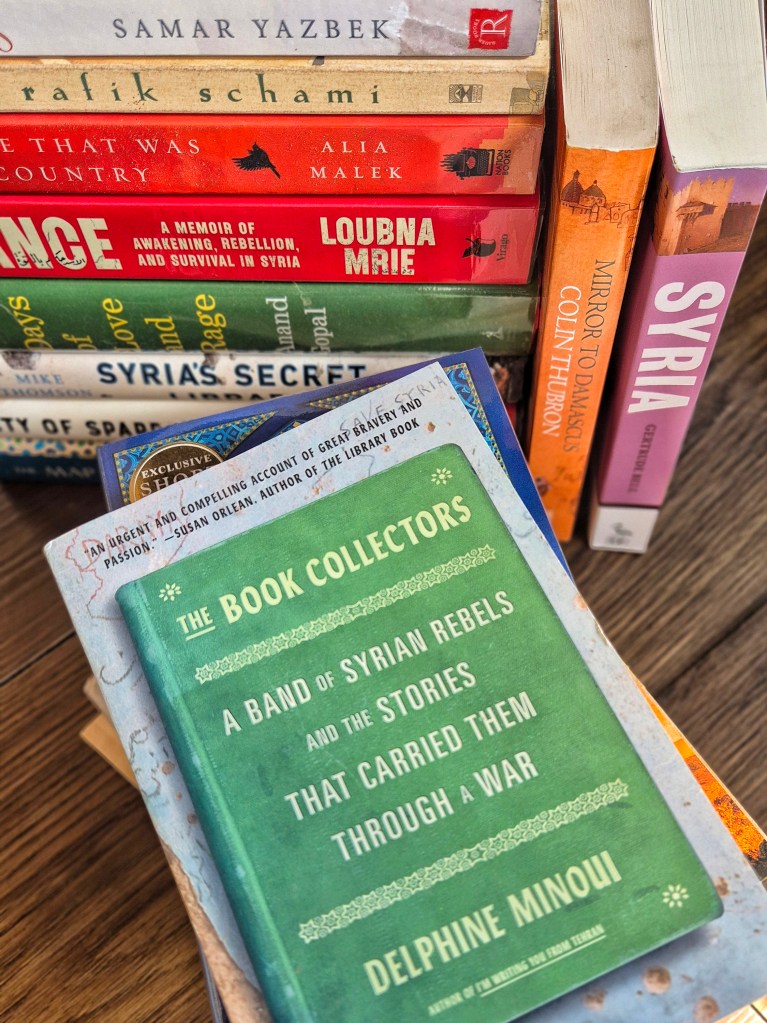
From the latest Pulitzer Prize winner in fiction to the last book I finished, four out of six books that I read in July tell of the senselessness of war:
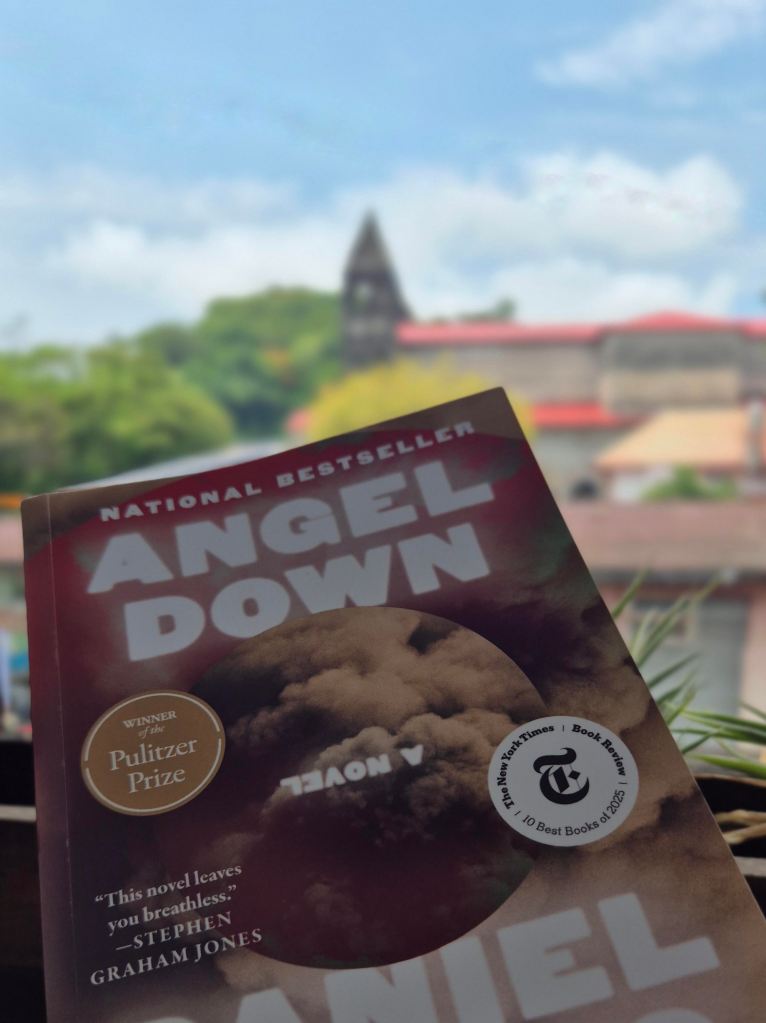
Although famed for being penned as a single unbroken sentence, Angel Down was not the first novel I read written in this manner. Before Kraus, there was Krasznahorkai and Énard’s Zone. There is a rhythm and informality in Kraus’s prose that makes it accessible; it was the bloodbath that I found too graphic, but it drives the point — the pointlessness and the obscenity of war. (Hot take: I would personally crown Énard the winner in this category.)
Paradiso 17 probably alludes to Canto 17 of Dante’s Paradiso as it focuses on the life of an exile. A Palestinian exile who asks, “Why do we need this war? Did I ever leave the war behind?” For exiles, it seems that one is only forced to leave the home, but never the war.
A Life’s Music is an elegy for wartime Russia and the musicians forced to abandon their careers under Soviet artistic repression. Makine writes beautiful prose, you could feel the cold and hear the music. I do wish he’d turn this novella into a novel. That Rachmaninoff scene remains vivid.
“What’s the point of saving books when you can’t even save lives?” Ahmad Muaddamani initially asks in The Book Collectors. Believing in “a revolution that was meant to build, not destroy,” Ahmad and a band of rebels against the Assad regime eventually realize how reading could keep them alive, thus assembling from the ruins Syria’s underground library in Daraya.
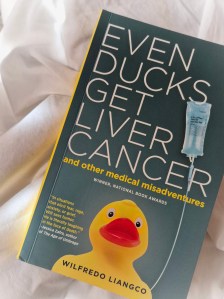
And while the author of Even Ducks Get Liver Cancer acknowledges that death is the one true outcome for all of us, he suggests we live and laugh; and by writing this book, I guess he suggests we read, too. He is so much wiser than he lets on in his essays, but I’m glad Dr. Will Liangco is not modest about being funny. Speaking of humor…
After a couple of decades, I’ve found that the best way for me to approach The Handmaid’s Tale is to disregard those who hail or criticize it as ideology canon and look at it as a missive written by a mischievous grand-aunt. Yes, it analyzes power and cautions about totalitarian states, but the humor in this book is something we don’t talk about enough! Also, don’t Offred’s flashbacks function as a double-edged sword that asks whether we really know what to do with freedom? However one views this novel, I can only imagine the mischievous grand-aunt rubbing her palms together, secretly thanking institutions that have banned it, knowing full well that they have only ensured its survival.
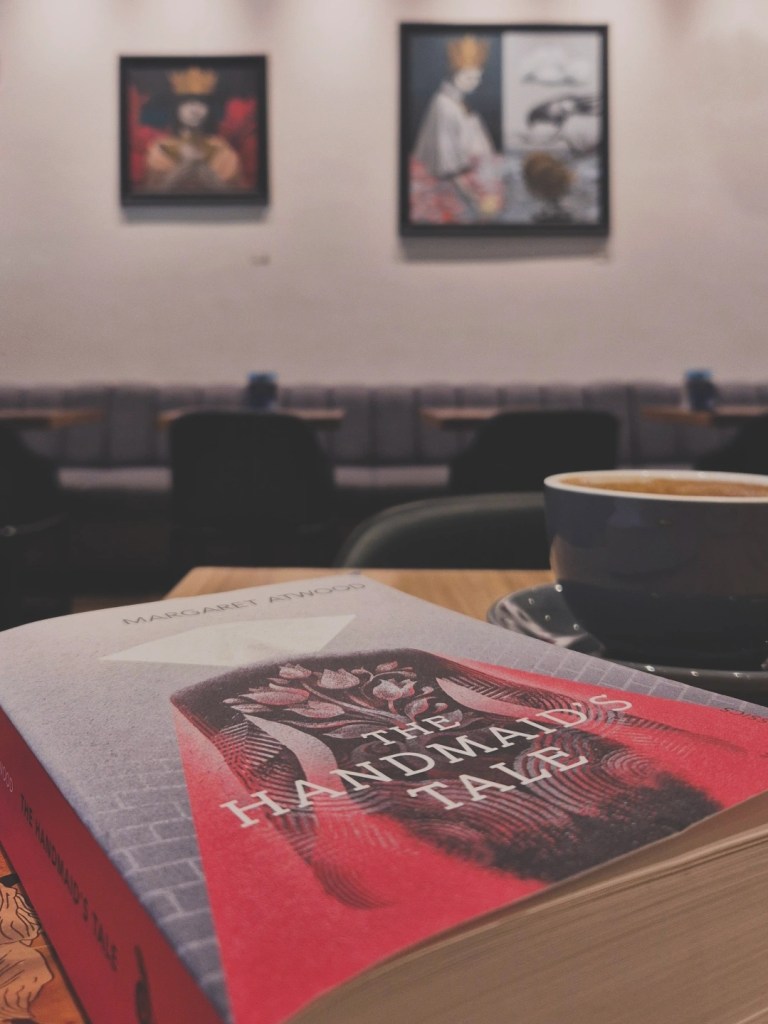
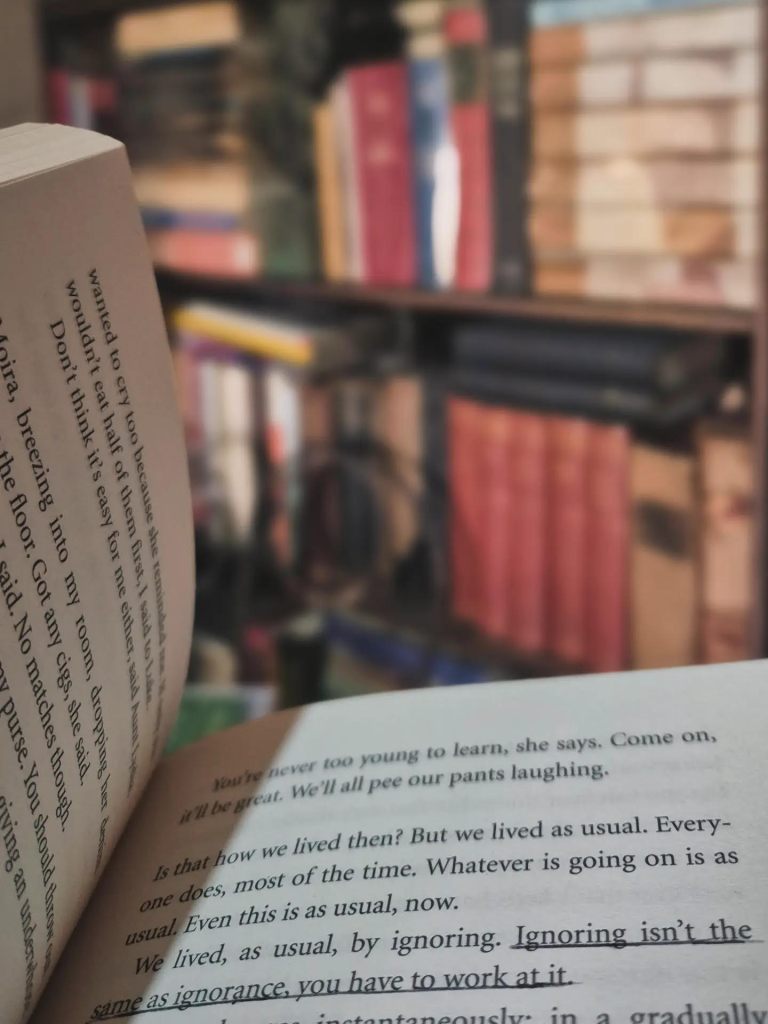
Anti-war or anti-totalitarianism, Atwood knows: “Whatever is silenced will clamor to be heard.”


An interesting mix this month! Grateful for your recommendation with Paradiso 17. X
LikeLiked by 1 person
Also grateful to have someone to whom I can recommend these kinds of books! ❤
LikeLike