Reading and Marching On

A reader’s response to uncertainty, war, misogyny, grief, or happiness, is to read, and March was not lacking in any of these.
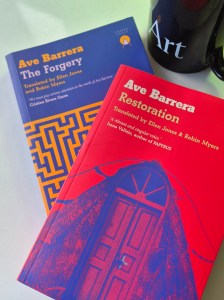
Restoration, Ave Barrera 03/04/2026

Misogyny has roots in the foundations of society, it escapes through the cracks of our country’s great houses, and cultivated inside rooms where women are not supposed to enter.

Misogyny is perpetuated in careless conversation and by those who laugh in response to what some presidents, law makers, and important men consider funny or normal. It is also perpetuated by women who allow it.

“We all know what happens in stories to women who open doors that men have forbidden them from opening,” Jasmina says, in Restoration.

If the forbidden room in this novel feels like a metaphor for the Epstein Files… it is. Because such rooms have always existed. 

And if there’s one thing I know about Ave Barrera, it’s that she doesn’t hand the story on a silver platter. Harnessing her knowledge of art and architecture, she asks you to confront rooms, hunt for symbols, open locked doors, and lead you to the dark labyrinths of the male gaze. 
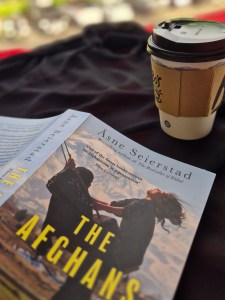

The Afghans, Asne Seierstad 03/08/2026

Here’s a journalist at the peak of her prowess, one who doesn’t draw attention to herself but brings her subjects at the forefront while encapsulating one of the world’s most complex histories in 428 pages; from the monarchy in the 1920s, to its courtship with the Soviets, to the abolishing of its monarchy, to the numerous transitions of power in the 70s, to the Soviet withdrawal, to the civil war, to the rise of the Taliban, the arrival of Bin Laden, to defining the difference between al-Qaeda, the mujahideen, and the Taliban, through Afghanistan’s unfortunate role as chessboard under different US presidents, to the Taliban takeover in 2021.

In a rare insider view across Afghanistan’s social strata, Seierstad takes us right to the heart of a Taliban commander’s home, where women in the family are active participants in jihad, making explosives and suicide vests, and serving the fighters. She also acquaints us with Ariana, a law student whose studies were severed after the Taliban takeover, but who devotes her time home-schooling children in her community. In a place where girls and women are not supposed to desire anything, especially education, this book introduces us to Jamila, a hero for women’s education who persevered through disability, war, and terror, and who is as remarkable as Malala in continuing the fight for girls’ rights to education. 

After carefully studying the Quran, Jamila realized that she could use it as a tool for women’s emancipation, so that no one could dismiss it as a Western idea. Nowhere in the Quran does it forbid women from participating in society or getting an education: “When it said ‘Read!’, it was to all. When it said ‘Write!’, it was to all. To men and women. This was a revelation.” How beautiful that their holy book opens with the word “Iqra!” (Read!)

That is a command I can rally behind. 
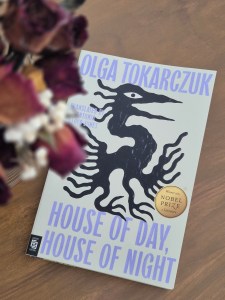

House of Day, House of Night, Olga Tokarczuk 03/12/2026

Olga’s Empusium would have been a more fitting novel to read this Women’s Month, given that it is a work that rightly identifies misogyny as an illness. But reading House of Day, House of Night, written way earlier than her initial works that were translated into English, is like discovering the fount from which all of the other books that we’ve already enjoyed flow.

The mushrooms in Empusium? There’s more here! Fragments of Flights and Yente’s out-of-body experience in Books of Jacob? Present! Here we’ll find the signature literary mischief accompanied by that unique eeriness that lingers in the borderlands of dreams and reality, of history and fiction, borderlands geographical and metaphysical. 

Not my favorite Tokarczuk, but a vital piece in her oeuvre. 
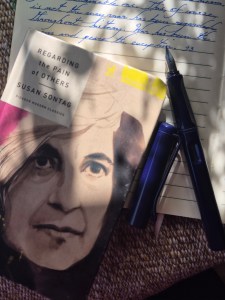

Regarding the Pain of Others, Susan Sontag 03/16/2026

“Is there an antidote to the perennial seductiveness of war? And is this a question a woman is more likely to pose than a man? (Probably yes.)”

Fourth consecutive year of reading my favorite essayist during Women’s Month, and once again, she turns my perspective on its head while tackling the most relevant topics. At times when the first impulse is to disagree with her, I end up conceding that the view I hold of the world and of politics is such a naive one.

Regarding the Pain of Others is known for being a contemplation on contemporary man’s response to, and relationship with, images of war and violence, and how being a witness to the sufferings of others has become a “quintessential modern experience.”

And unless we learn from this constant barrage of other people’s sufferings through various media, we are really just voyeurs.
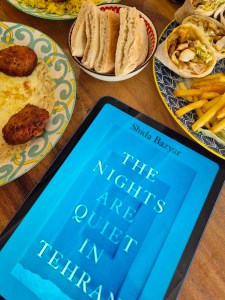

The Nights are Quiet in Tehran, Shida Bazyar 03/20/2026 (Nowruz)

The irony of reading this at a time when the nights are NOT quiet in Tehran does not escape me.

For someone who has an ample Iranian section in her library, I can attest that this one does not fall among those novels about the Revolution that bend toward the sentimental and the cliché. 

This book does not offer a rewarding story, but it lends deeper insight and understanding. Do not let the lack of a satisfying ending distract you from its clever device of having a different family member narrate one chapter, each set ten years apart. It is a brilliant tool that subtly reveals how the years and the distance alter the way the Iranian diaspora reflects on the Revolution and how every generation carries hope differently, how differently they choose their battles, and how differently they hold on to memory. If there is one thing the characters agree with, it is this: The real Revolution is not over. 

Free Iran (from anyone trying to delegitimize the Iranian people’s struggle, from within or from without)!
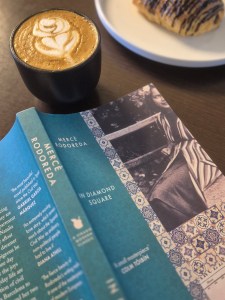

In Diamond Square, Mercè Rodoreda 03/24/2026

“And between gulps of coffee he told me it was better to read about history in books than write it with bullets.”
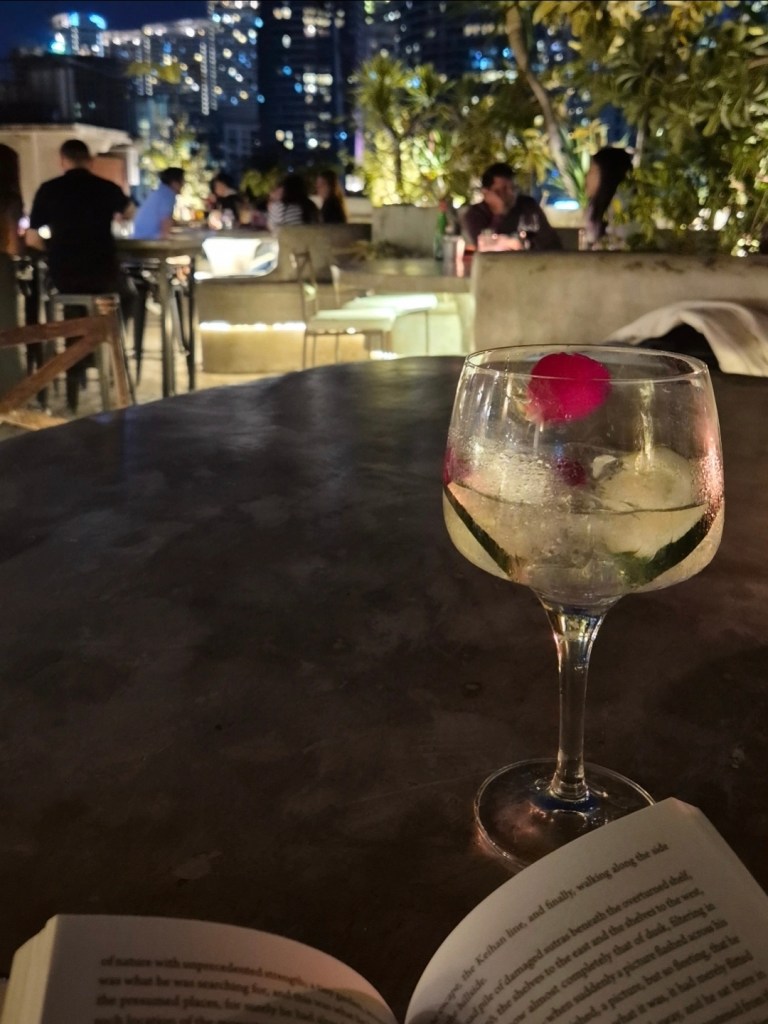

February Between and Beyond Book Covers

This was February:

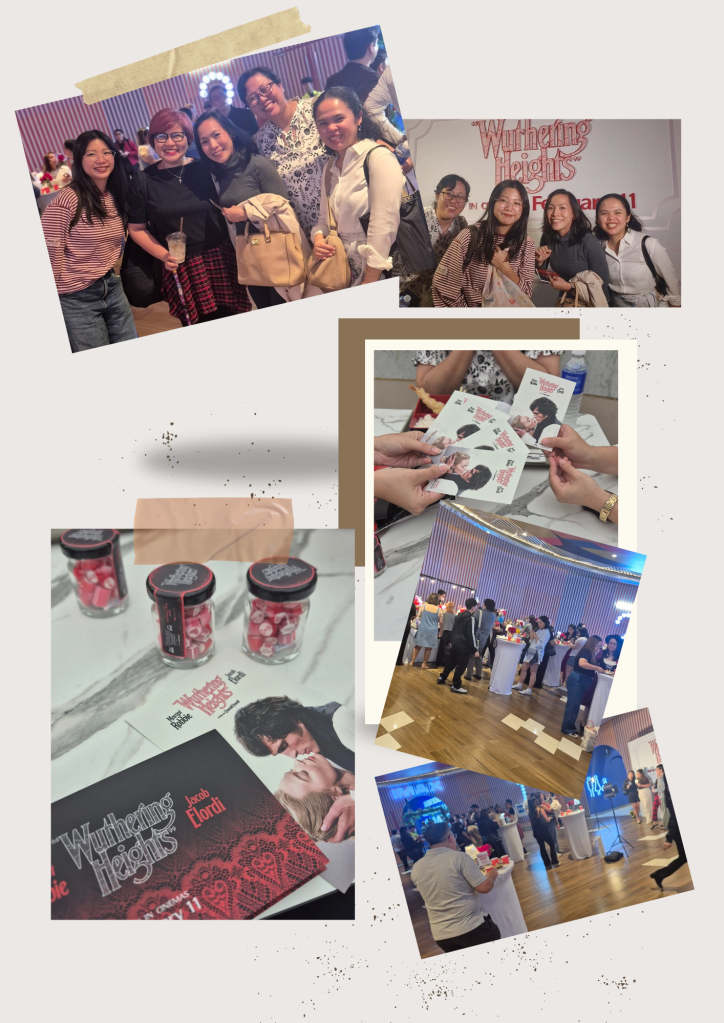
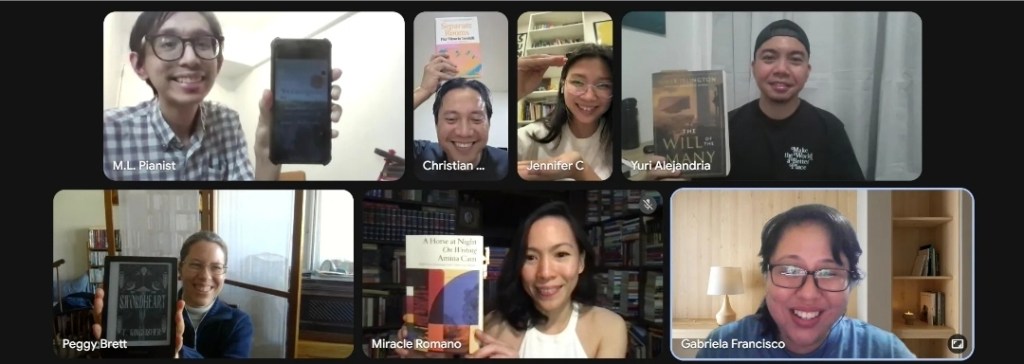
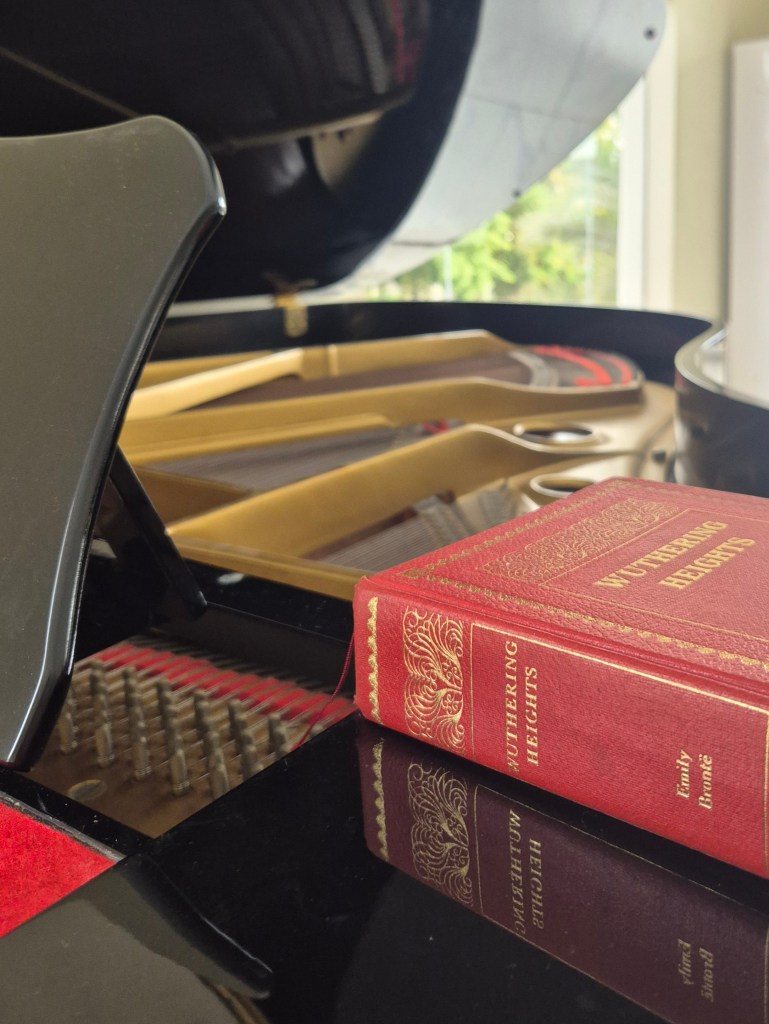
Getting “wuthered” by Jacob Elordi, a shared experience with Ex Libris friends and some of the country’s celebrity book people in a special screening of Wuthering Heights;

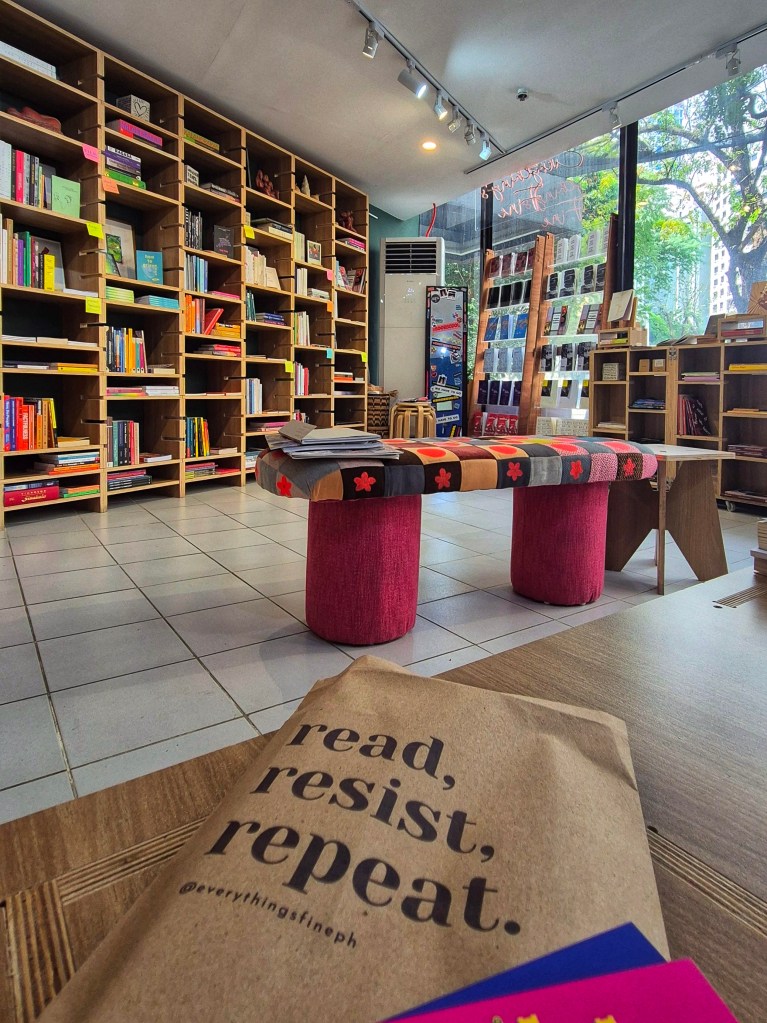
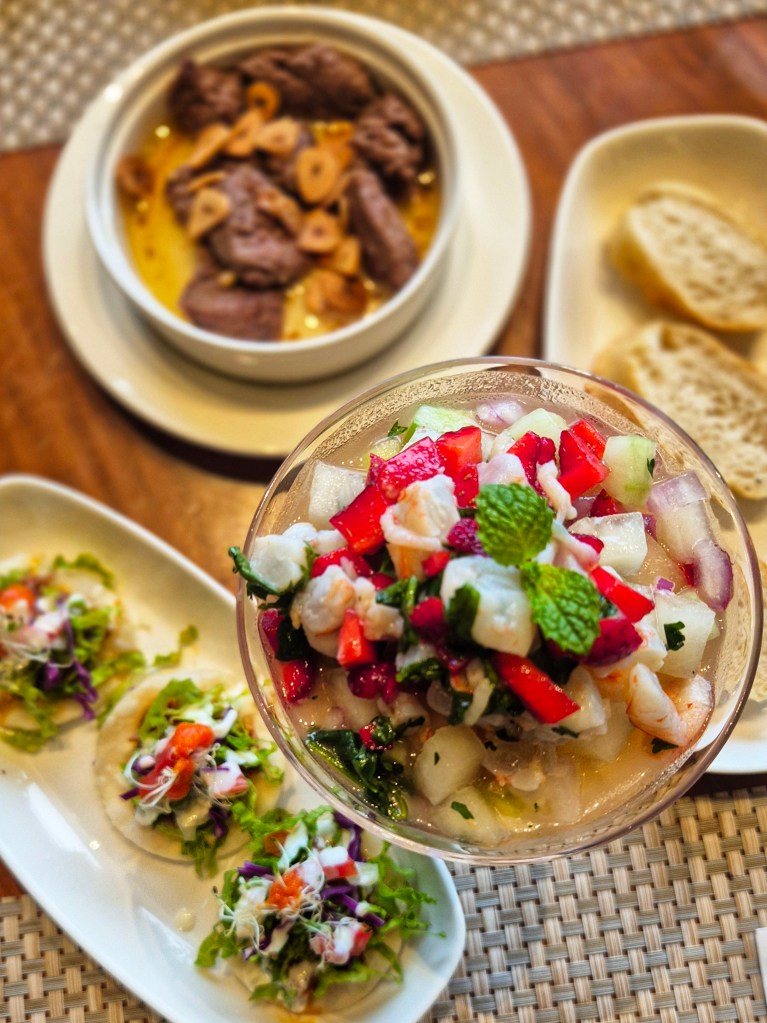
reading, drinking, eating, and book-buying my way through Makati;

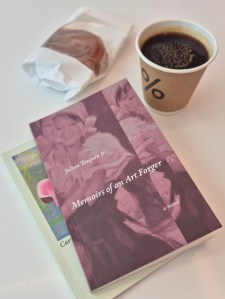
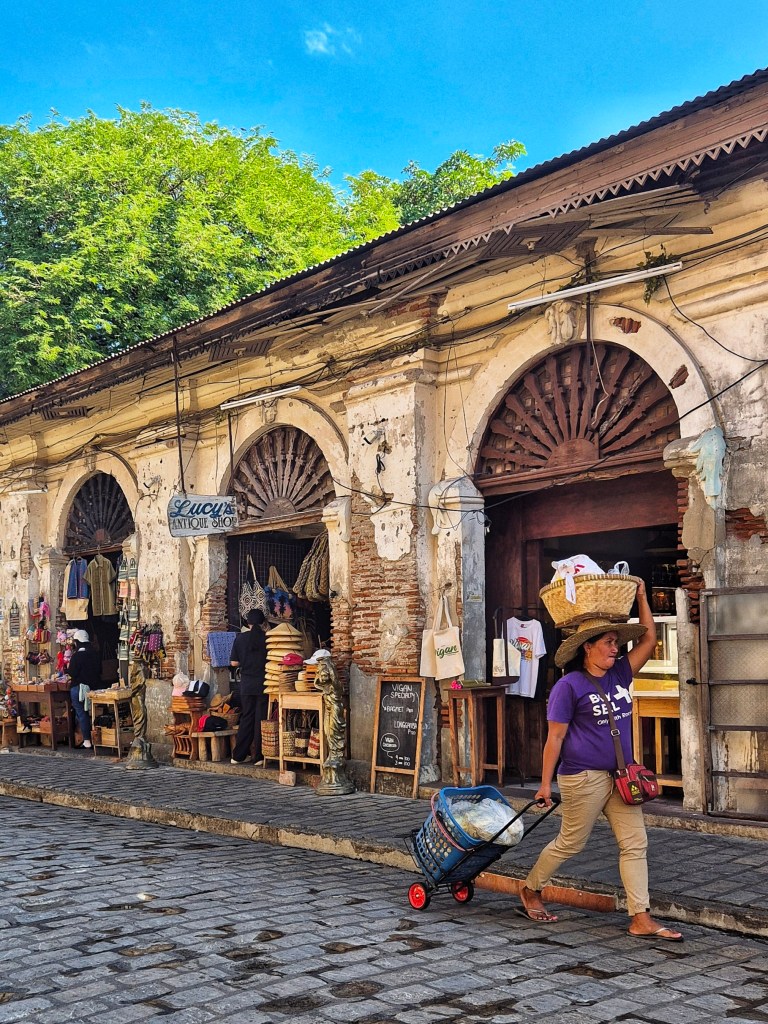
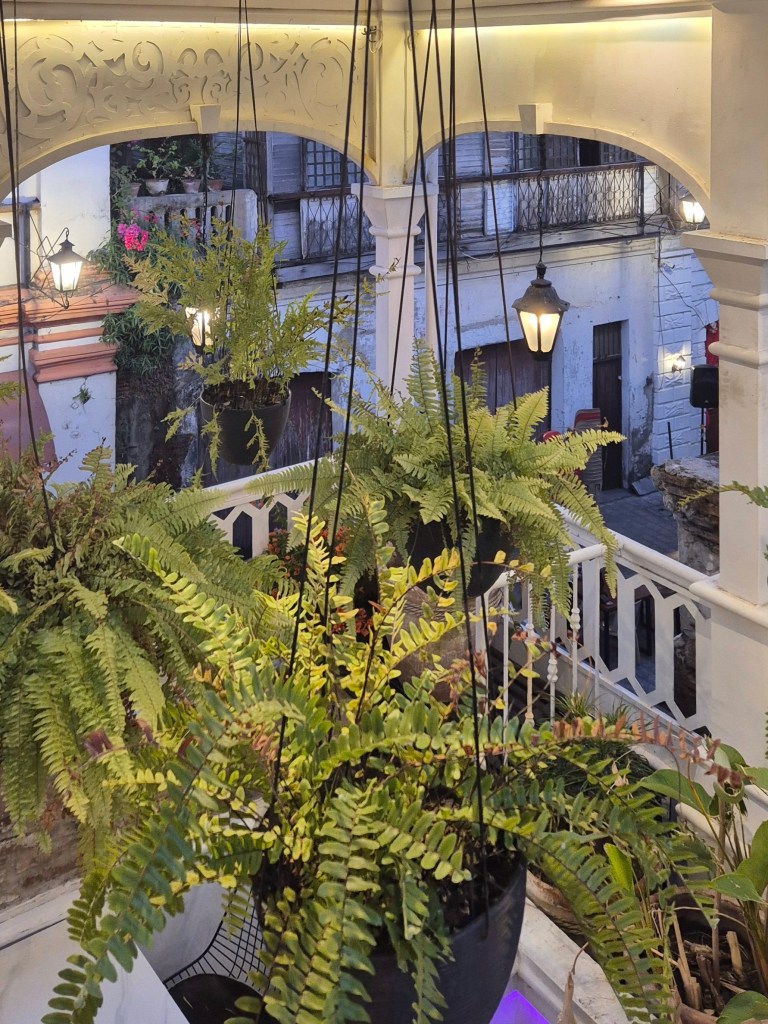
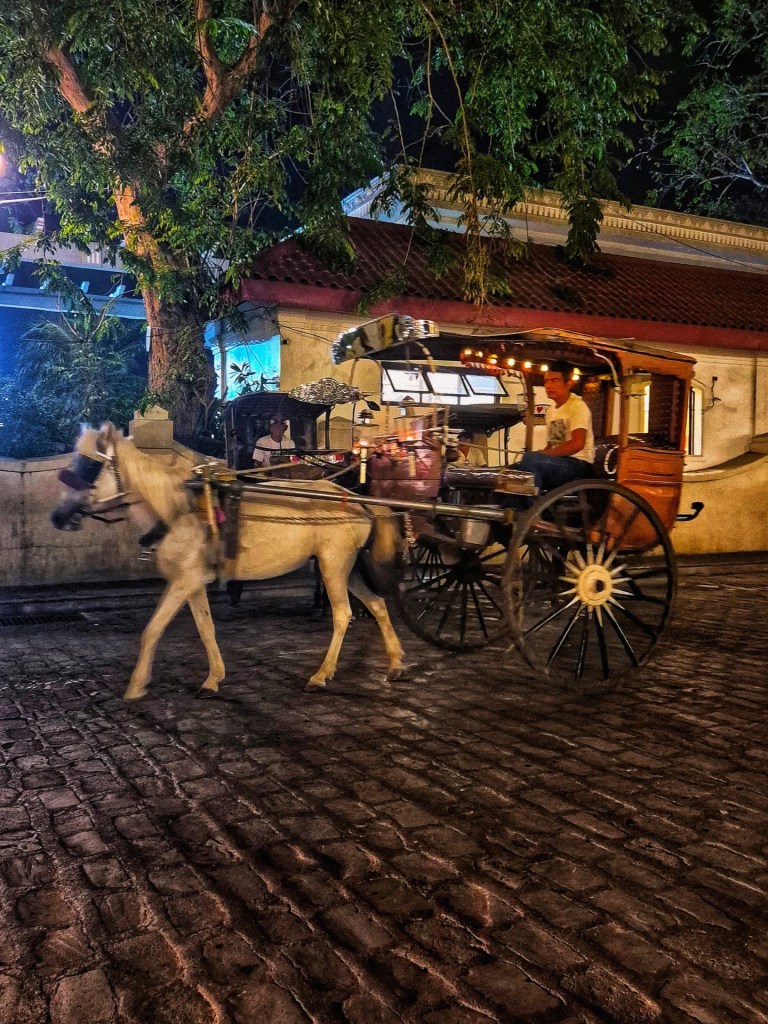
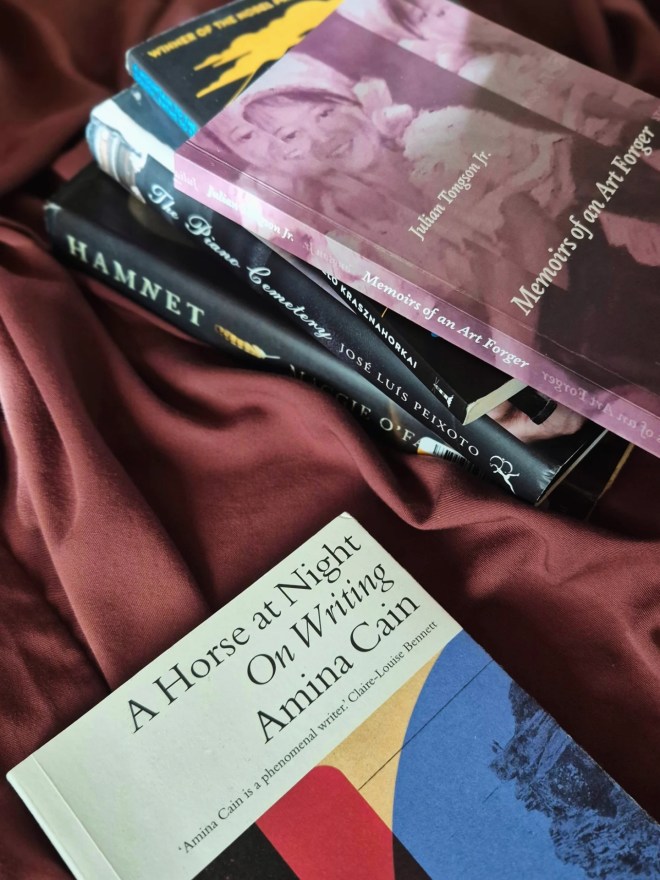
Vigan, whose “heart attack food” often comes up in Memoirs of an Art Forger. The book’s premise, intriguing; the opening passages, captivating; the sociocriticism, on point; the bits on art and architecture, fascinating; yet some elements did not seem to work for me. But kudos on being the only work of fiction I’ve read that mentions the Basi Revolt of 1807, an uprising led by Ilocano peasants against the Spanish monopoly on basi (sugarcane wine) in Ilocos Norte. Visiting Vigan also acquainted me with Leona Florentino, “Mother of Philippine Women’s Literature”. Now there’s a story; and what a family tree!

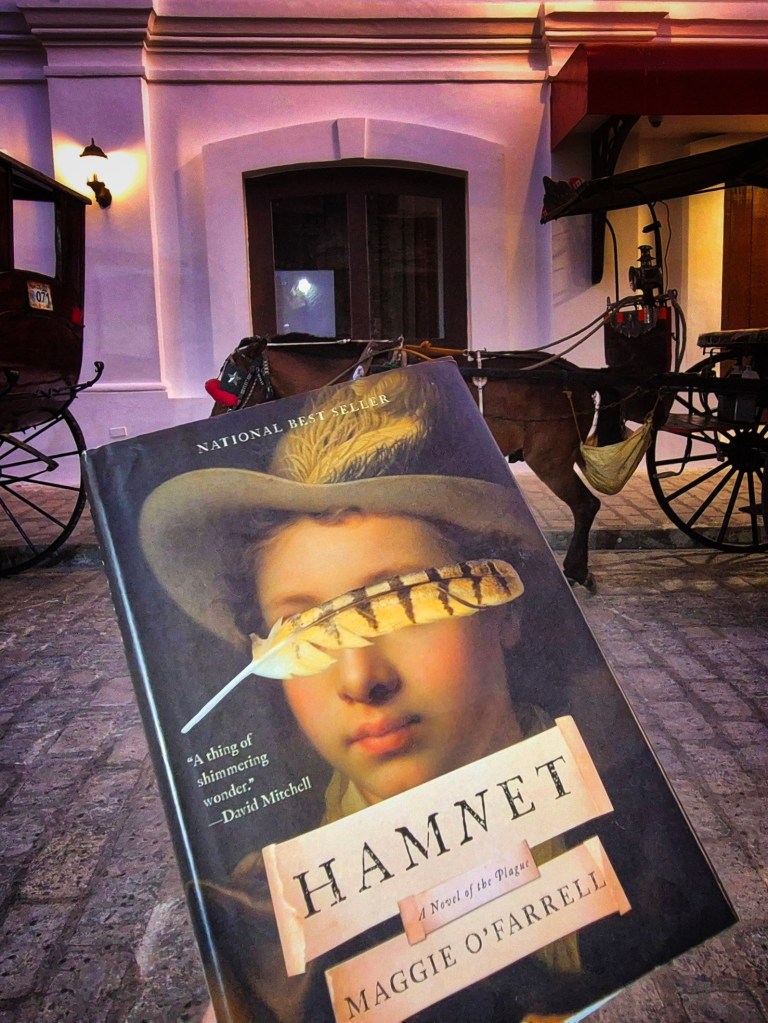
Also, Hamnet, at last. A book I stayed away from because I knew it would be painful. But my ego wouldn’t let me watch the movie without having read it. But now that I’ve read it, I’m asking how I’ll survive the movie. We, readers, are a crazy lot, no?

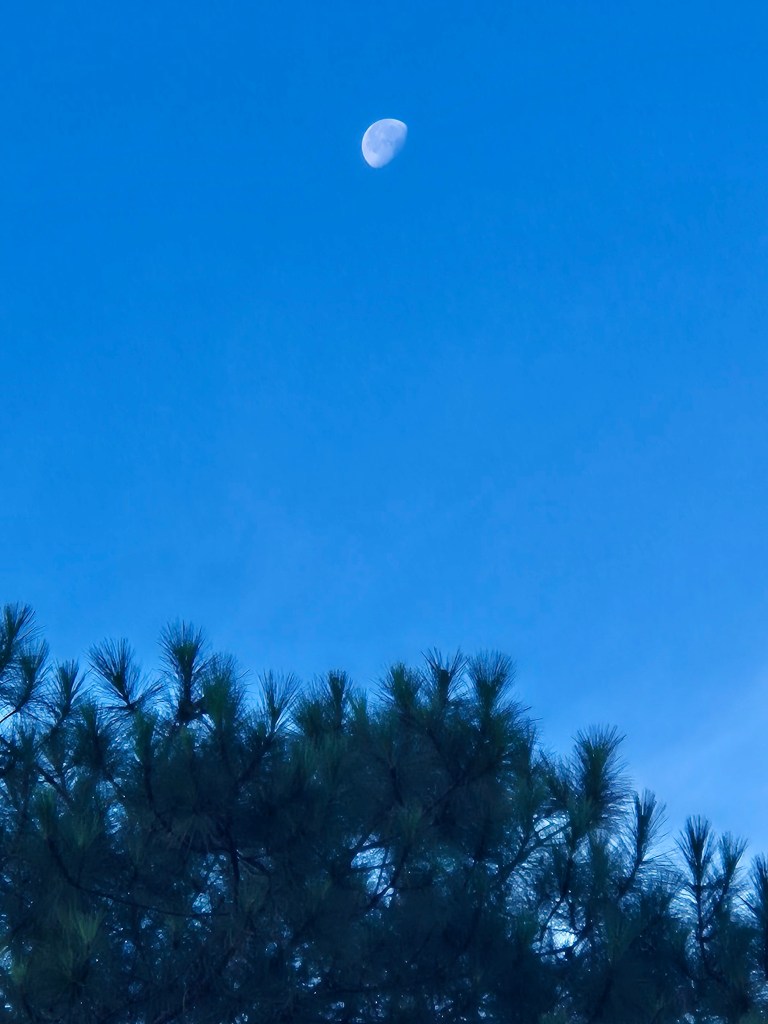
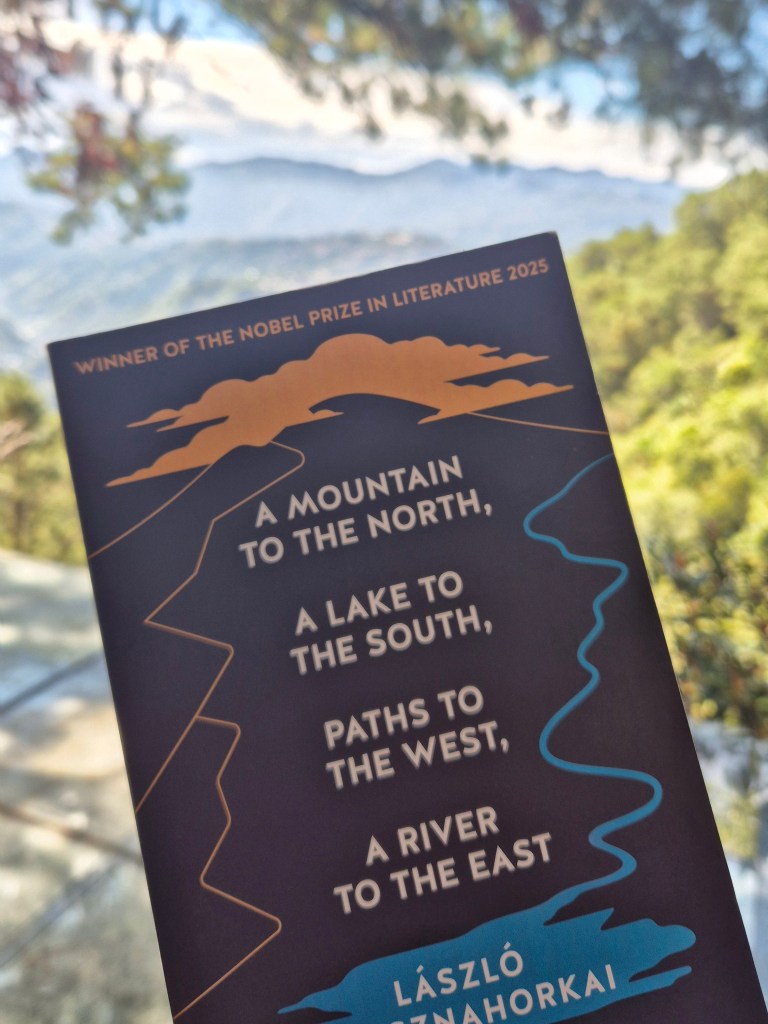
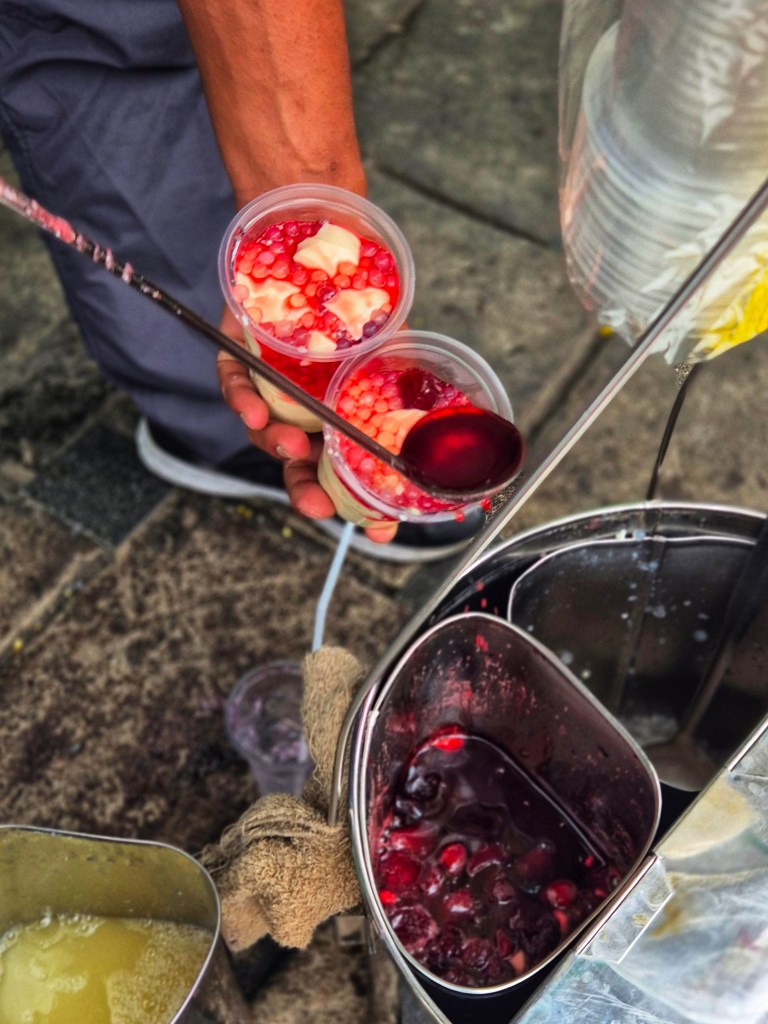
And then, Baguio, a mountain in the north where they put strawberries in everything, and where I read Krasznahorkai’s A Mountain to the North. This one came with a note saying: “Dear Mira, I realize in retrospect that I loved this book the way I love park benches. It is an ode to tranquility, to beauty, and to meaning. With the rush of the years, I am more and more convinced that one only needs these three. To me they are the intertwining gusts from the same cool breeze that commands a pause to take in.” Who needs my review after such an utterly beautiful musing?

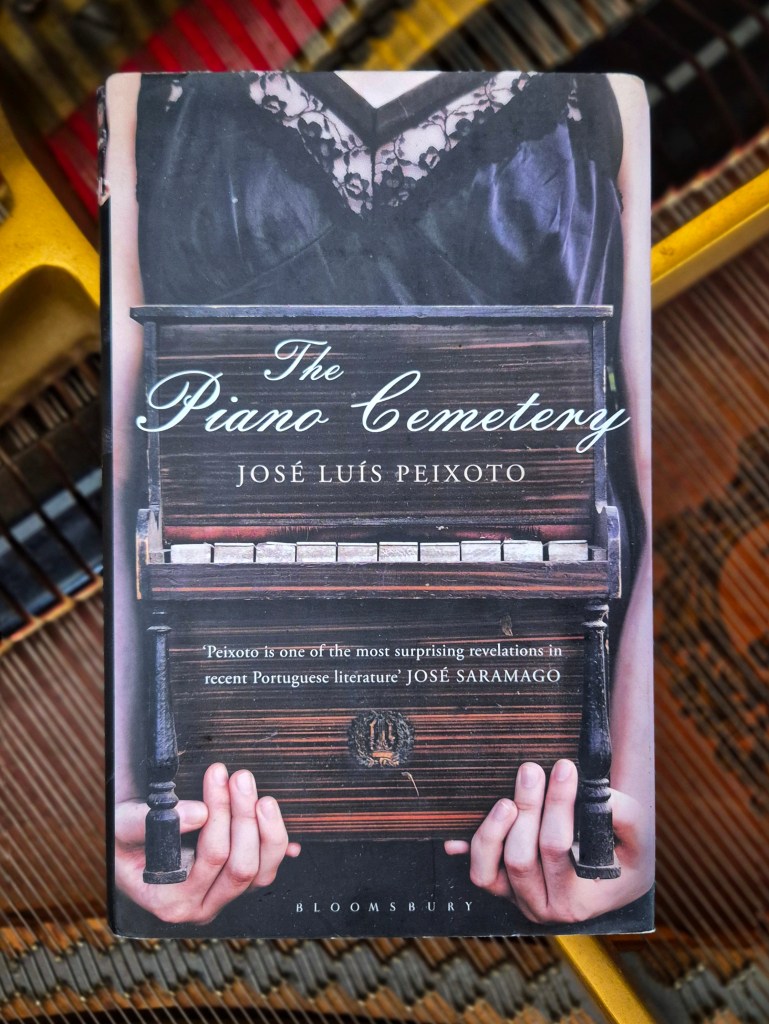
Afterwards, home: Home is… where the bookmail is sent, and where The Piano Cemetery was waiting. If not for the Saramago blurb, I would have ignored this. I’ve found that it’s something I would read on a trip to Lisbon, a book keenly aware of the city’s soundscape.

But when asked about what I read this month that talked of love in any form, I answered with Amina Cain’s A Horse at Night. It’s about the love for reading, writing, and hence, the love for freedom. It affirms that reading is where we are most unrestrained. It is where we are most free.

January in Books

“No books!” I exclaimed.“How do you contrive to live here without them? …take my books away, and I should be desperate!”

(This line is found toward the end of Wuthering Heights, and for once, I agreed with something that a character from the novel had said.)


A little late in posting, but this was January — a beautiful reading month ripe for the picking — in books:

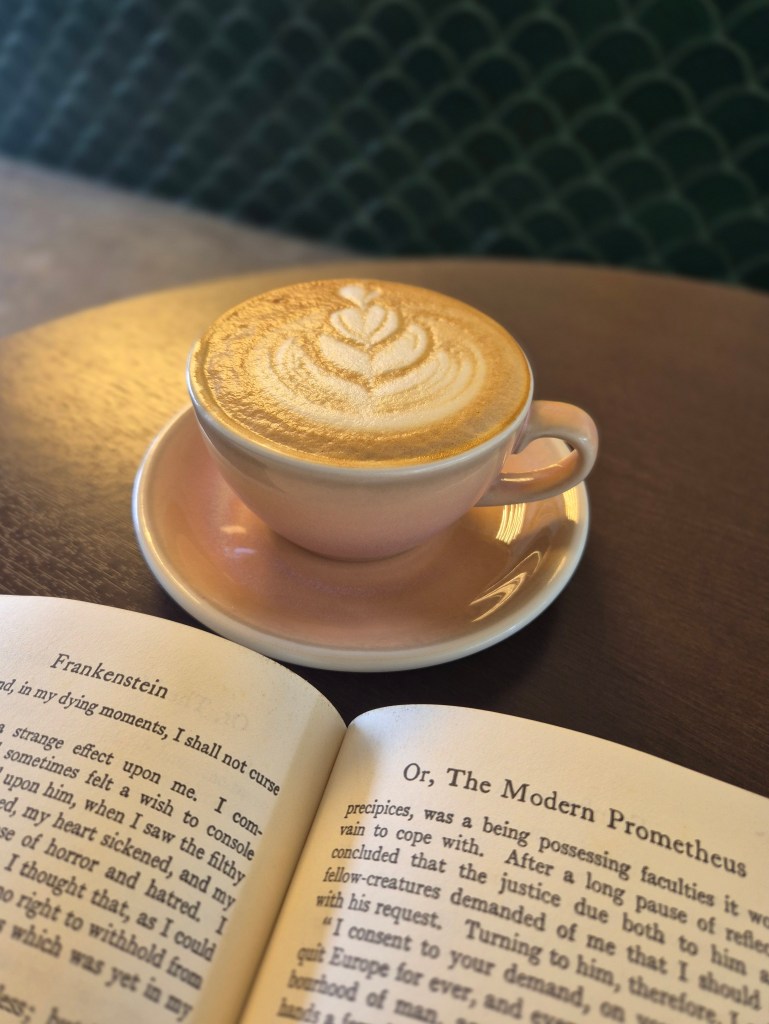
Frankenstein, of which I wrote at length in a separate post, was a wonderful way to ignite yet another year of reading, followed by the literary experience that is Wuthering Heights, which convinced me that any screen adaptation will forever be unnecessary. Sufficient unto the novel is the intensity, the complexity, and the viscerality thereof.

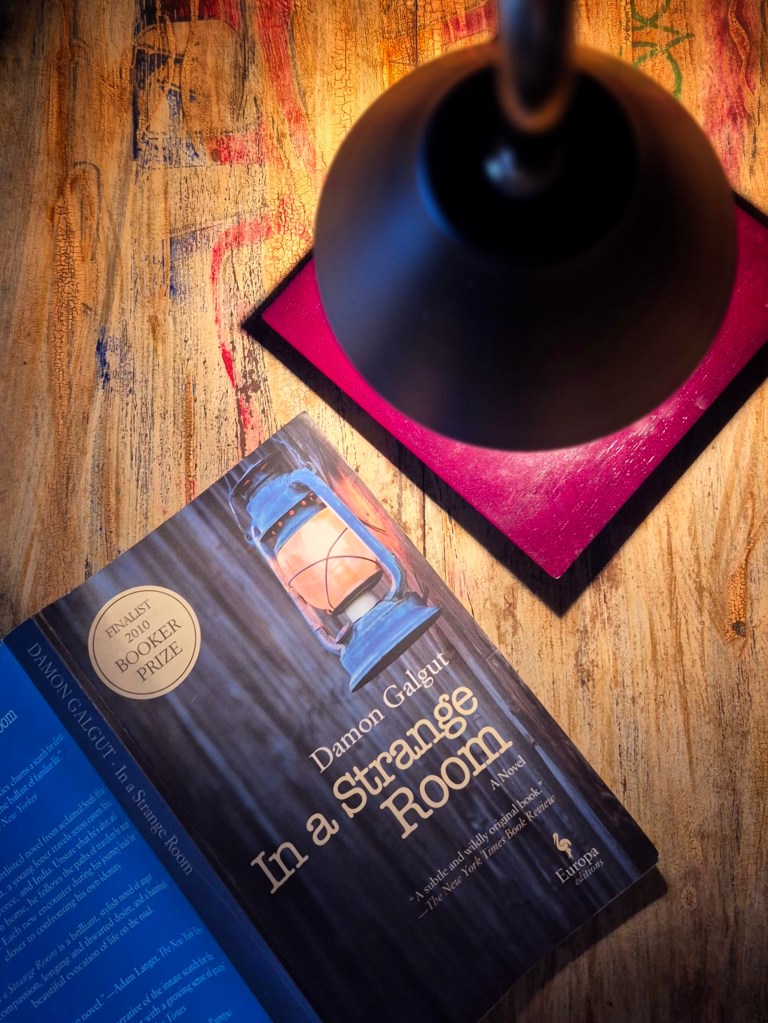
A Strange Room, given to me as a Christmas present, strangely seems to converse with Emily Brontë. “Nothing fuels revenge as grief does,” Damon Galgut says, as if writing of Heathcliff. To which Brontë replies, “Proud people breed sad sorrows for themselves.”
“Without love nothing has value, nothing can be made to matter very much.” Maybe Brontë, maybe Galgut. Guess?
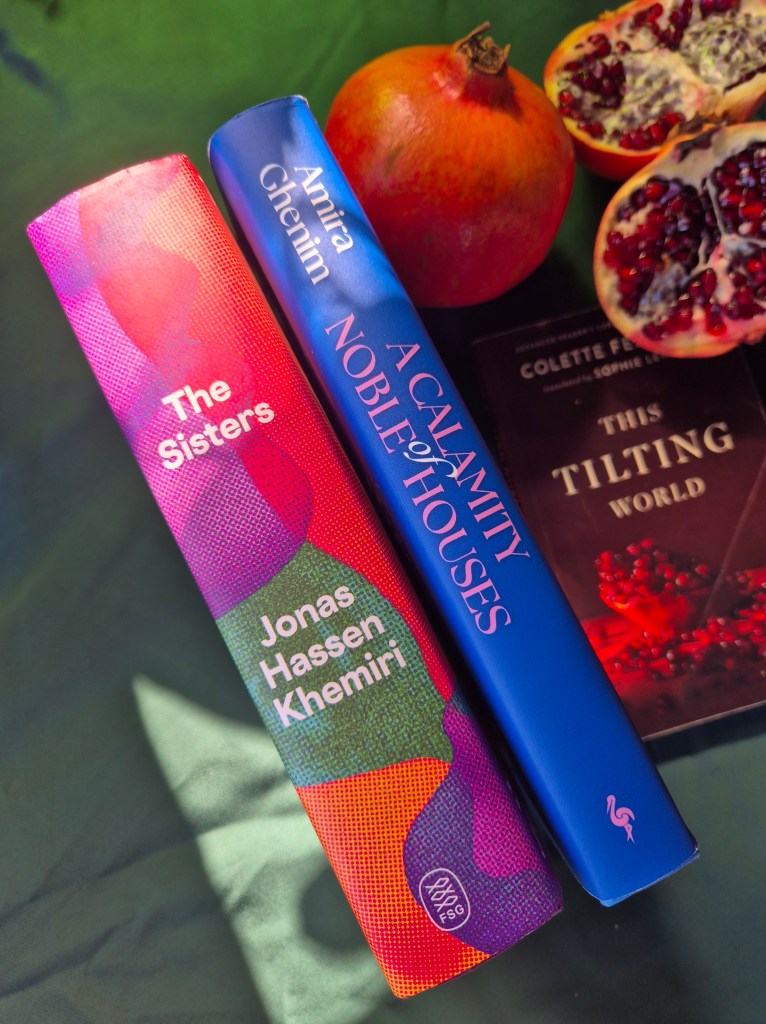
From Galgut’s South Africa to North Africa. People ask how I pick my travel destinations. It usually starts with a section of this library that’s mostly arranged by political geography. And it seems like a Tunisian section is born: A Calamity of Noble Houses, an intriguing peek into the historical and social mosaic of Tunis; The Sisters, a 656-page glimpse of the diaspora. The books decide for me.

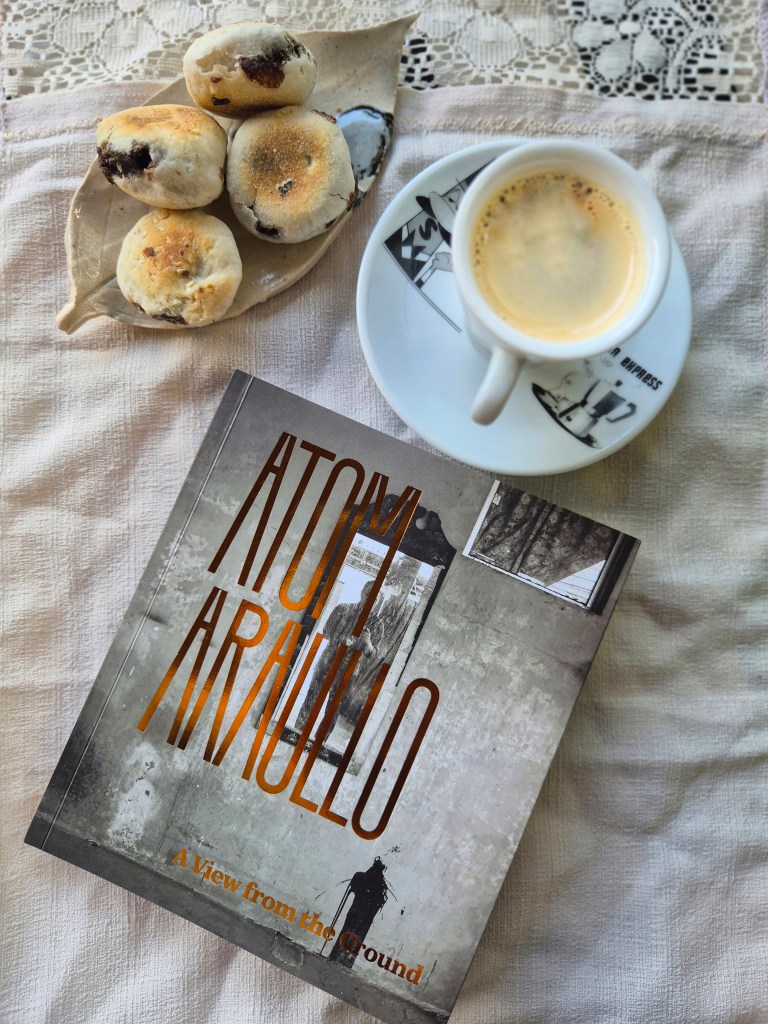
Atom Araullo’s A View from the Ground to drive me home. The one that hits closest to home, the one that dusts the sugarcoating off of being Filipino. A book that not only deserves to be put on the altar of Filipino essays, but to be taken, deeply, to heart.

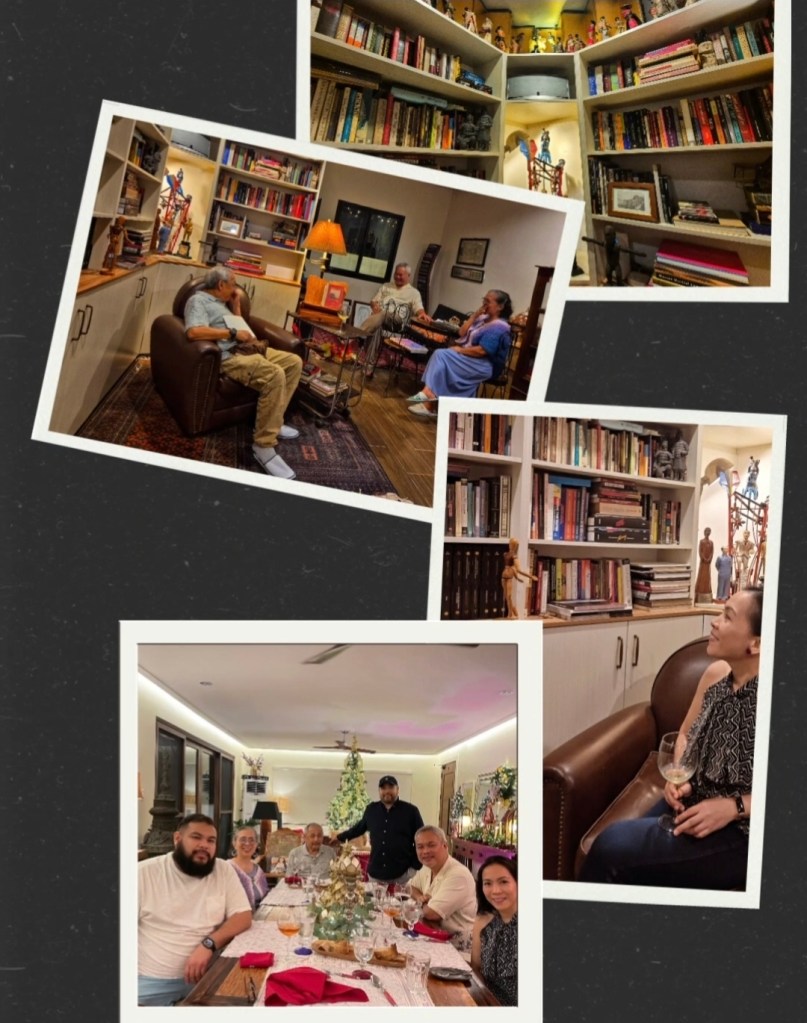
Speaking of home, a January highlight was an invitation to Balay Tawhay in my hometown. In that house by the sea, delightful conversations and original artworks by Arturo Luz, BenCab, Abdulmari Imao, Borlongan, et al, serve as appetizers for lovingly prepared feasts.

And they have books. Lots of books! Because really, how does one contrive to live without them?

Frankenstein | Wuthering Heights

There is a vague memory of my pre-teen self poring over a Signet Classic mass-market paperback edition of Frankenstein. I don’t think I was as interested in the first sci-fi novel as much as I was in the context in which it was written.

The scene in my mind’s eye mimics a Caspar David Friedrich painting: Three figures surrounded by snowcapped mountains on the shores of a lake in Switzerland, faces illuminated by warm firelight. Fire was the source of light, because though the century was already charged with scientific possibility, the world was dark then: The electric battery forged by Alessandro Volta was still nearly as young as the girl, and the light bulb had yet to be invented. The trio consisted of eighteen-year-old Mary, namesake of her mother the pioneering feminist; the poet that would become her husband, Percy Bysshe Shelley; and his best friend, Lord Byron. It was the latter who would suggest that each should come up with a story built on a supernatural theme, “As a source of amusement”.

Lord Byron penned a poem called Prometheus that year, and Percy Bysshe Shelley would author a lyrical drama called Prometheus Unbound four years later, but only Mary Shelley would complete a novel as an answer to the challenge raised on that consequential evening: Frankenstein; or, The Modern Prometheus.

Needless to recount the story of Prometheus, but one can see how this complex character associated with creation inhabited the greatest minds of the era. Even though I failed to recognize the significance of Frankenstein’s story as a pre-teen, maybe I acknowledged the value it would have to an older self when I replaced the paperback with a hardcover edition in my late teens. Thanks to Guillermo del Toro, the hardcover ceased to gather dust and was paired with the film.

Right from the beginning, one can immediately detect the drastic difference between book and movie, and somehow, I prefer it this way. I like a filmmaker who announces, right at the onset, that he is creating something entirely different in an adaptation, rather than one who copies most of the text and be unfaithful to some. The book introduces us to noble human characters, the film with sinister ones, and this is necessary in determining the course of its diverging narratives. The book puts emphasis on how man and his ambition creates its own monsters; in the film, man is the monster. 

If one wants a film that comes close to what Mary Shelley intended to say, there’s Oppenheimer, whose main character also becomes an “author of unalterable evils”. If one wants contemporary literature that reinforces her cautionary tale, there’s Benjamin Labatut’s books. 

But you know what the Frankenstein film beautifully captured from the novel? My favorite part. It’s when the Creature discovers reading. I loved that artistic choice of making him read Ozymandias — a fitting piece, but also a nod to Mary Shelley’s husband, who wrote the poem. In both art forms, we get a creature who is better-read than the average man. Let that sink in, says Mary Shelley and Guillermo del Toro. 


And what does Emily Bronte tell us in what seems to be another Elordi-instigated rereading? A screen adaptation of Wuthering Heights will forever be unnecessary, thank you. Sufficient unto the novel is the intensity, the complexity, and the viscerality thereof. 

December in Books

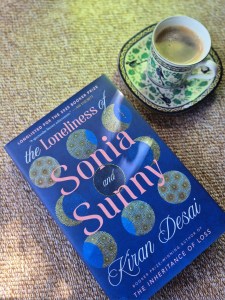
“Sonia’s heart was a Hopper painting.” The title is blunt about Sonia and Sunny’s loneliness, but it’s this Hopper line that makes one grasp how lonely: A profound loneliness that has something to do with a vulnerable and fluctuating selfhood, an abstract loneliness that is tied to urban and modern life, an existential loneliness craving real connection that cannot be quenched by mere companionship. Lonesomeness was Edward Hopper’s leitmotif, and Kiran Desai weaves this theme into an unfolding raga… Read full entry here.
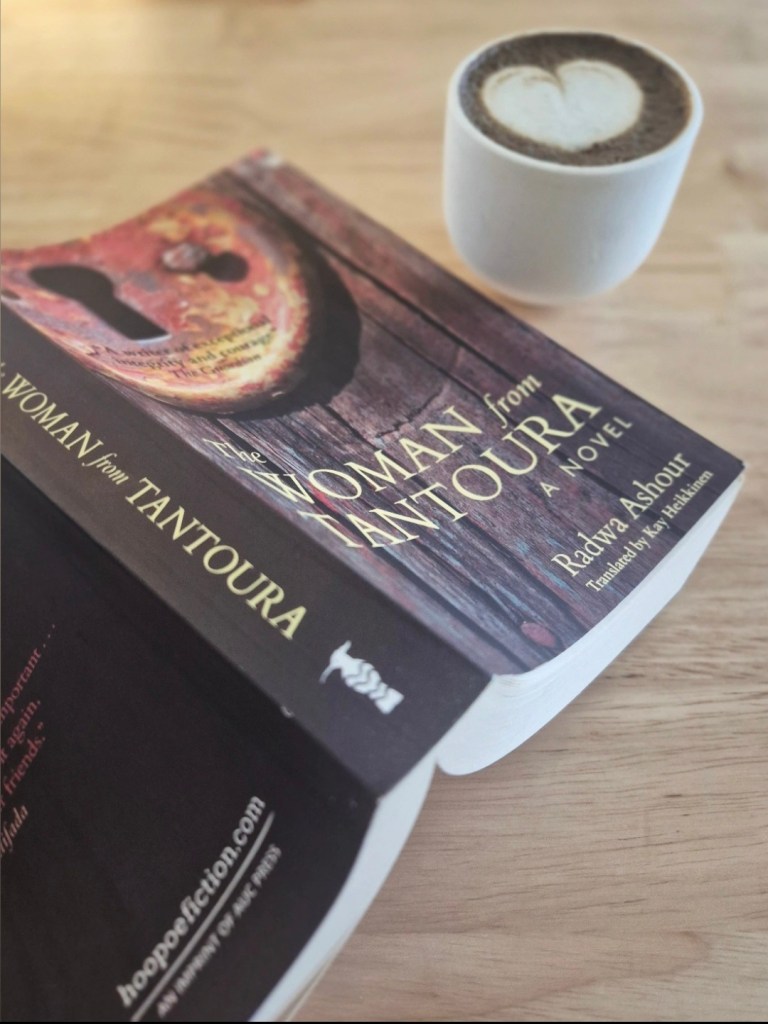
The Woman from Tantoura was my pick for #ReadPalestine week. Radwa Ashour’s best work, if you ask me. Started 2025 with Edward Said and ended it with something a bit less intellectually demanding, albeit informative and genuinely affecting. Why #ReadPalestine? Until we know enough to be able to call a spade a spade.

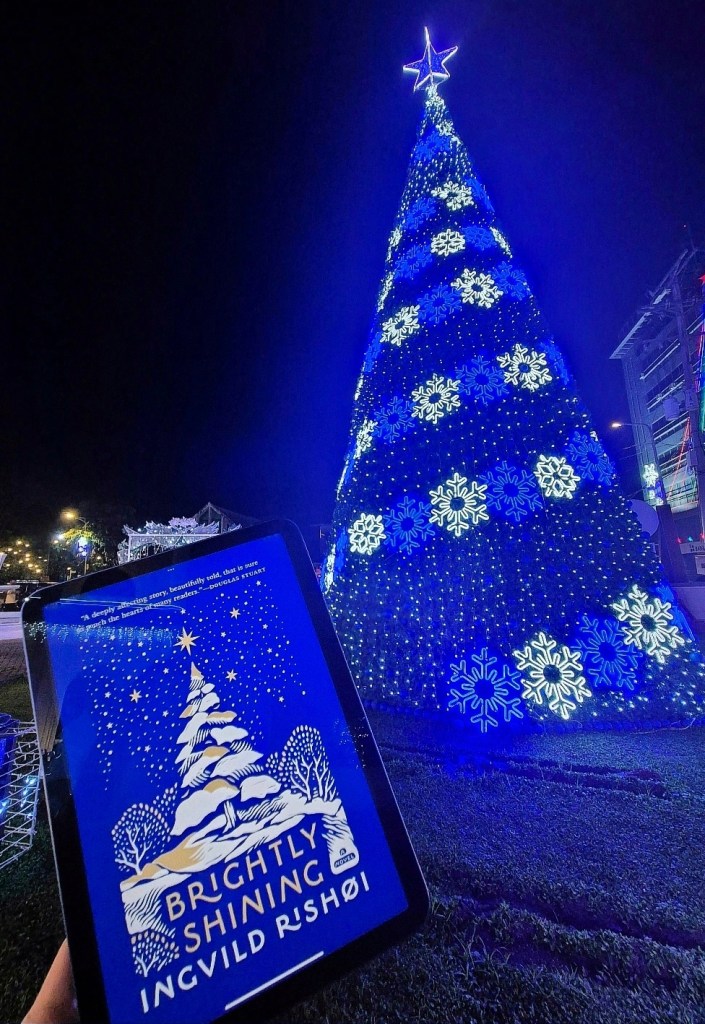
Brightly Shining by was my hope for a more festive read, and my first Dua Lipa recommendation. Surprisingly, all three books touch on immigrant life, and two have Filipino minor characters. But this one broke my heart.

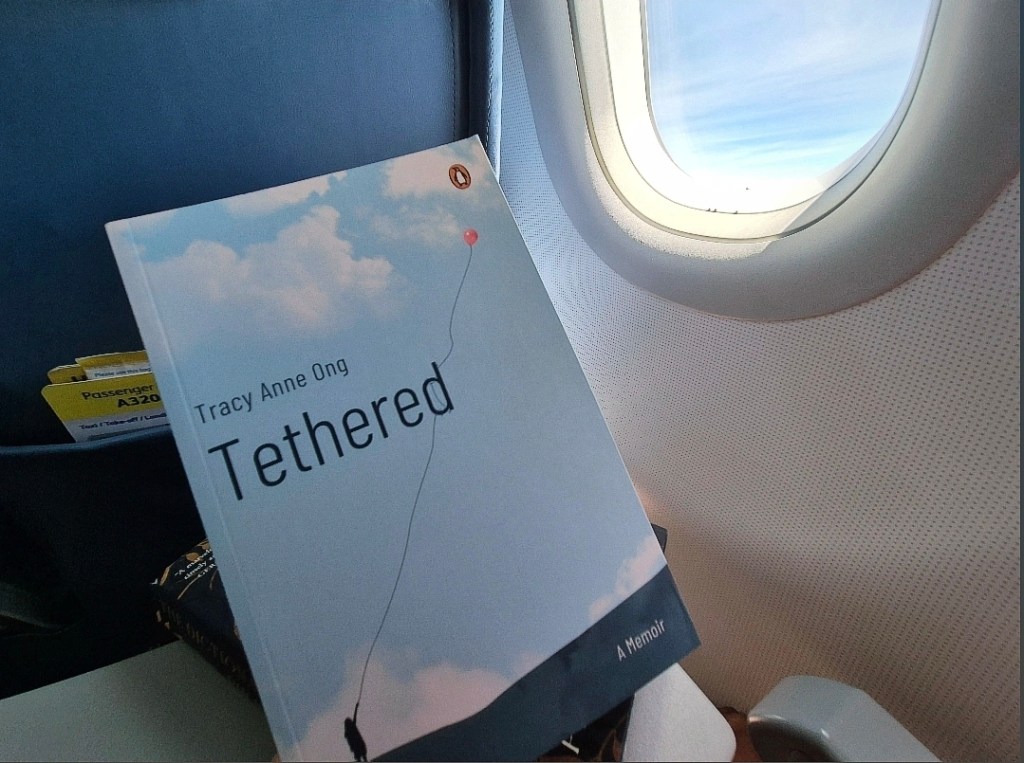
It makes me extra grateful to have been able to squeeze in Tethered on the last day of 2025. Not because it helped me achieve my goal of reading at least one Filipino author a month, but primarily because this book is a gift. Grace is a multifaceted word, but even when I contemplate its various meanings, this book still embodies all of its definitions. Read full entry here.

That’s my December in books. The 2025 reading wrap-up will have to wait. It’s a wonder I was able to read at all with all the season’s bustle while caring for a loved one who was ill for most of the month, leaving me to (wo)man the fort. But we said goodbye to 2025 on a healthier and happier note. Gave and received bookish presents. Attended the last Ex Libris session of the year and felt revitalized. BFF paid us an impromptu visit: We attended a Rizal Day literary event and said goodbye to the old year / welcomed the new year reading quietly… and it was precious.

Wishing all my reading friends a happy new reading year! 

Tracy Anne Ong: Tethered

Grace is a multifaceted word, but even when I contemplate its various meanings, this book still embodies all of its definitions.

The parcel containing Tethered arrived many months ago as I was on my way out to the airport, and I gladly welcomed an additional book in my carry-on luggage.

Dear Mira,

I hope this book transports you to where you need to be.

Tracy

An apt dedication for a book-butterfly. I turned to the sky and the clouds framed by the plane window, and smiled at the perceptive mind behind the message. A page turn revealed a Rabindranath Tagore quote about a violin string that could only be free to sing once bound to the violin. Even the epigraph felt personal, and I paused to ponder its deeper meaning.

Soon enough, the plane landed in the capital. The urban bustle was not conducive to the stillness and attention that this book required, seeing that the initial passages already felt like the beginnings of an intimate conversation with a friend. Thus, it was tucked away and saved for the reading environment it deserved.

Months passed, dozens of other books were read. But just as I was starting to see the light at the end of a mentally and physically exhausting three-week tunnel when a loved one fell ill, this book seemed to beckon. And sure enough, it transported me to a place where I needed to be — a place of faith and gratitude, and I cannot think of a better place to be. What a gift, this book.

Tethered is grace exemplified, the same way Tracy is grace personified. I’ve only exchanged a few messages with her through Blithe Books, but even electronic messages cannot dilute the light in her soul that shines through her words. Imagine an entire book of it!

This is described as an account of a remarkable journey of recovery from a brainstem stroke that attacked all bodily functions and left only the mind to operate; but more than that, it is a beautiful note of gratitude for life, and a celebration of the mind and the spirit. The author’s optimism is apparent, but as one reads on, one realizes that it is not optimism but faith. 

For the believer, faith is the thing that both tethers and liberates. Only when the strings are bound to a violin can they be free, for the first time, to sing.

Kiran Desai: The Loneliness of Sonia and Sunny

“Sonia’s heart was a Hopper painting.” The title is blunt about Sonia and Sunny’s loneliness, but it’s this Hopper line that makes one grasp how lonely: A profound loneliness that has something to do with a vulnerable and fluctuating selfhood, an abstract loneliness that is tied to urban and modern life, an existential loneliness craving real connection that cannot be quenched by mere companionship.

Lonesomeness was Edward Hopper’s leitmotif, and Kiran Desai weaves this theme into an unfolding raga: at times beautiful, at times disorienting, at times cruel and repulsive, at times disquieting, at times capriciously meandering.

I have no qualms with the length. Although considered massive in proportion to the contemporary reader’s short attention span, I imagine the typeface and the font size would make Tolstoy say, “Hold my vodka.” But the book often offers clues to Desai’s literary and artistic inspirations and subtly discloses why the author found its length necessary: “How many millions of observations and moments it had taken to compose this book!” Sonia thought about Anna Karenina.

It is not, however, “an unmitigated joy to read” as Khaled Hosseini claims in a blurb. Reading about Sonia’s toxic relationship with Ilan, the narcissistic artist, was nauseating to the point of causing an unpleasant physical reaction that made me want to give up one-third through the book. Although aghast, it was accompanied by the awe of how much the author fathoms an artist’s relationship with darkness. There is no question about this being a work of art, but I will admit that I hoped to love and enjoy this more than I did.

While Sonia and Sunny failed to endear me to them, I was drawn to Sonia’s mother, who kept company with books and understood that there are worse things than loneliness, and Sunny’s father, who desired to break free from the cycle of corruption in the family for the sake of his son, believing that to be honorable is to be free. While I was concerned that portrayals of men beyond the main characters would perpetuate stereotypes of Indian men, it was Desai’s keen eye for psychological and cultural detail, and her vast insight into the plight of the immigrant, that made me continue reading.

To paraphrase a memorable line from the novel: I knew when I saw this book that the story would not be simple. And simple it is not.

A Reading Girl in Kazakhstan

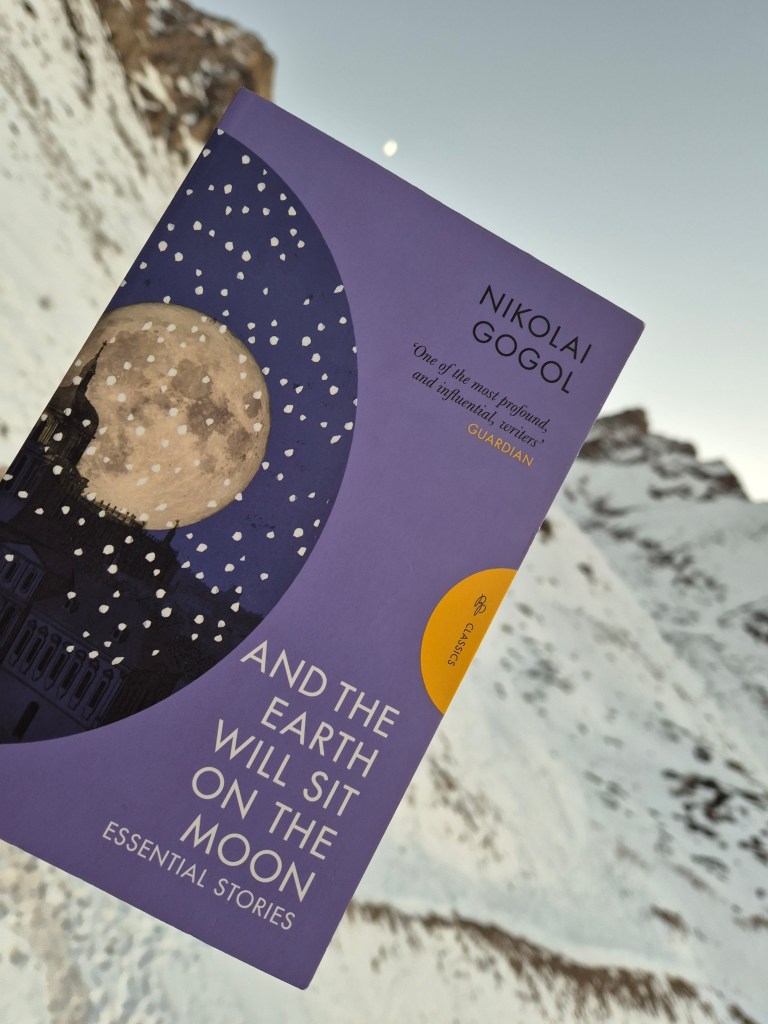
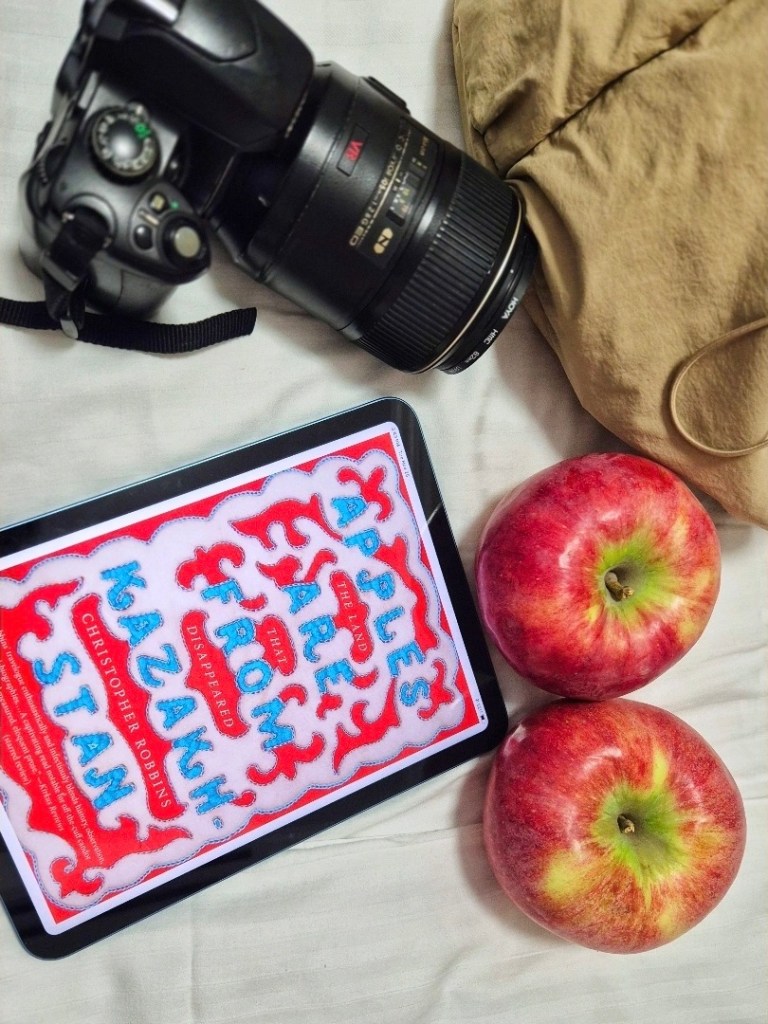
That was me. The girl with a Gogol anthology poking out of a backpack pocket while walking the length of Almaty’s Gogol Street a number of times, earning her more than 20,000 steps a day; 

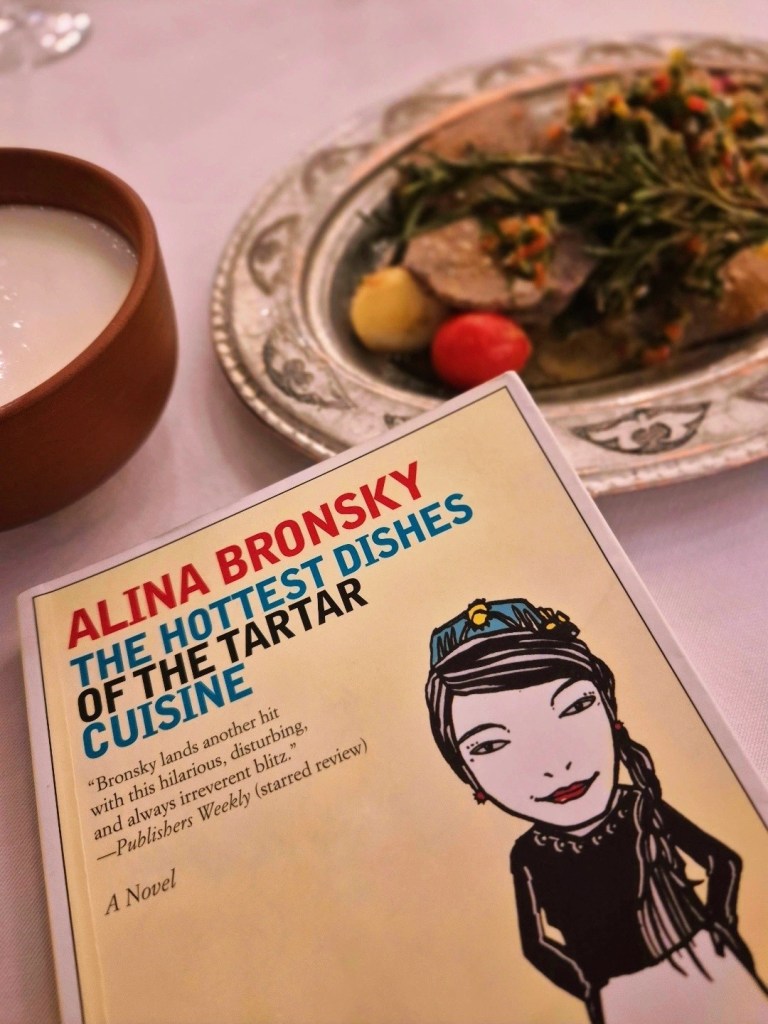
who paired her first Kazakh meal of horse meat and fermented camel’s milk with Alina Bronsky’s insane but unexpectedly touching Hottest Dishes of the Tartar Cuisine;

who carefully savored the nuances in every Kazakh story from Amanat (Women’s Writing from Kazakhstan) on every fermata between adventures, and upon completion, discovered that it would be one of her favorite collections of short stories;

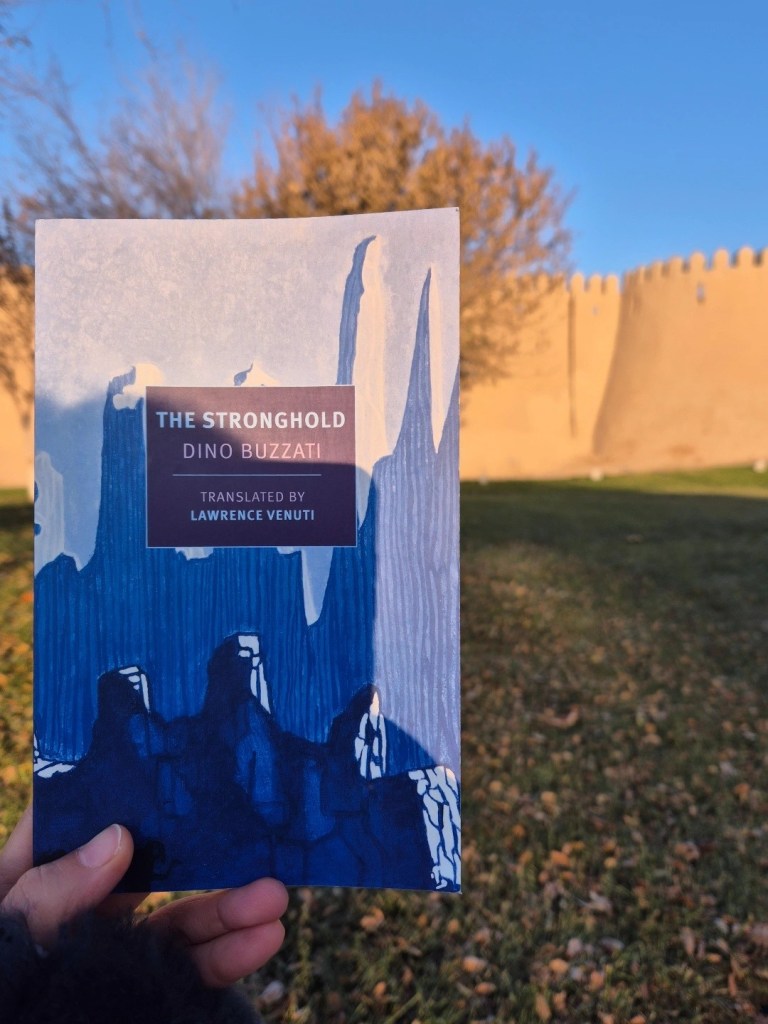
the girl who brought Buzzati’s The Stronghold (aka The Tartar Steppe) to a stronghold in a Tartar steppe, and who realized that Buzzati would have been happy with her for taking a cue from his novel and living a life contrary to that of Drogo’s;

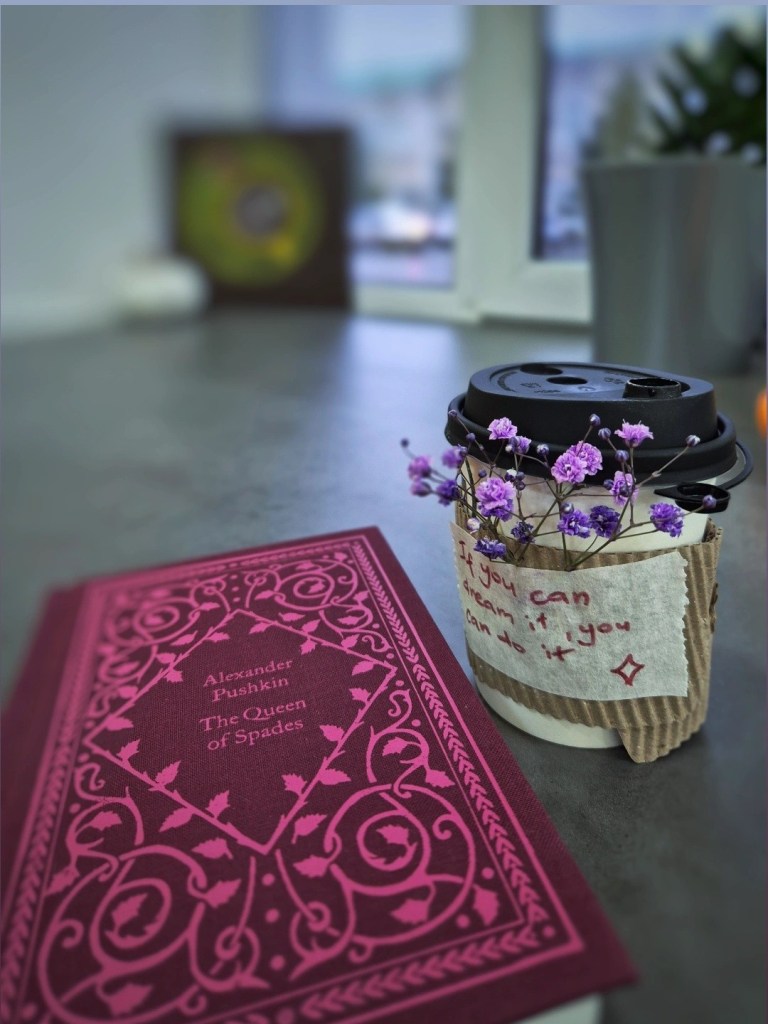
the girl who felt like a queen when she received a cute note in English with tiny flowers from a barista in Uralsk, and a free pass at the Pushkin Museum by reading and bringing The Queen of Spades with her;

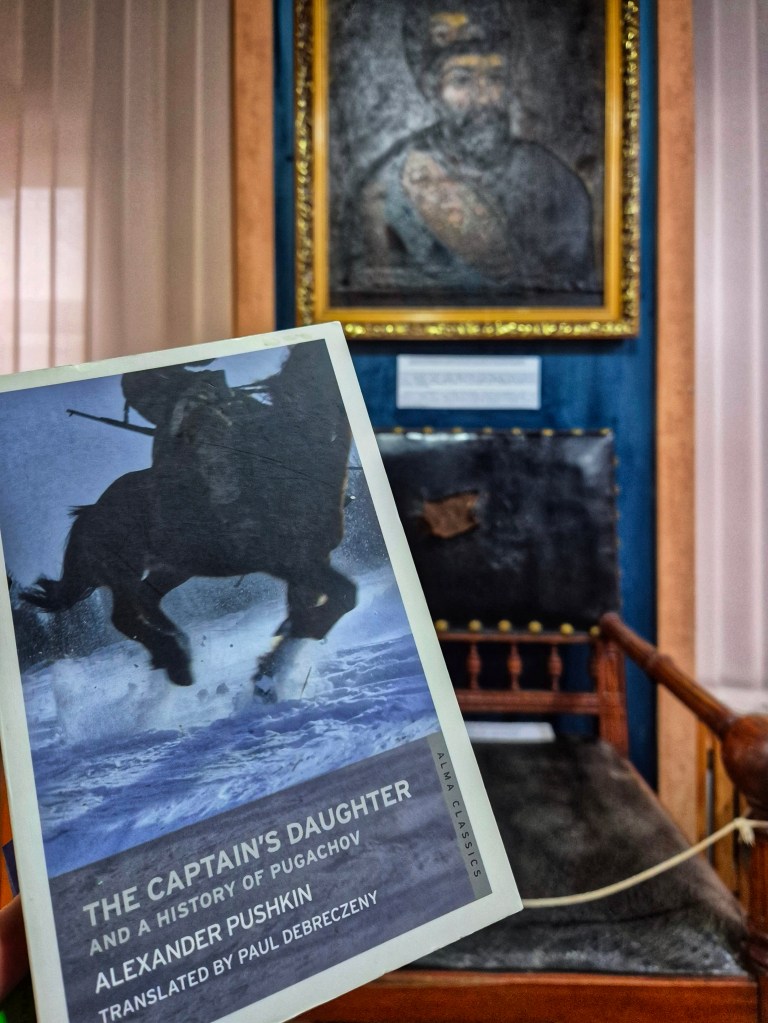
who learned about Pugachov’s Rebellion through Pushkin before knocking on Pugachov’s door;

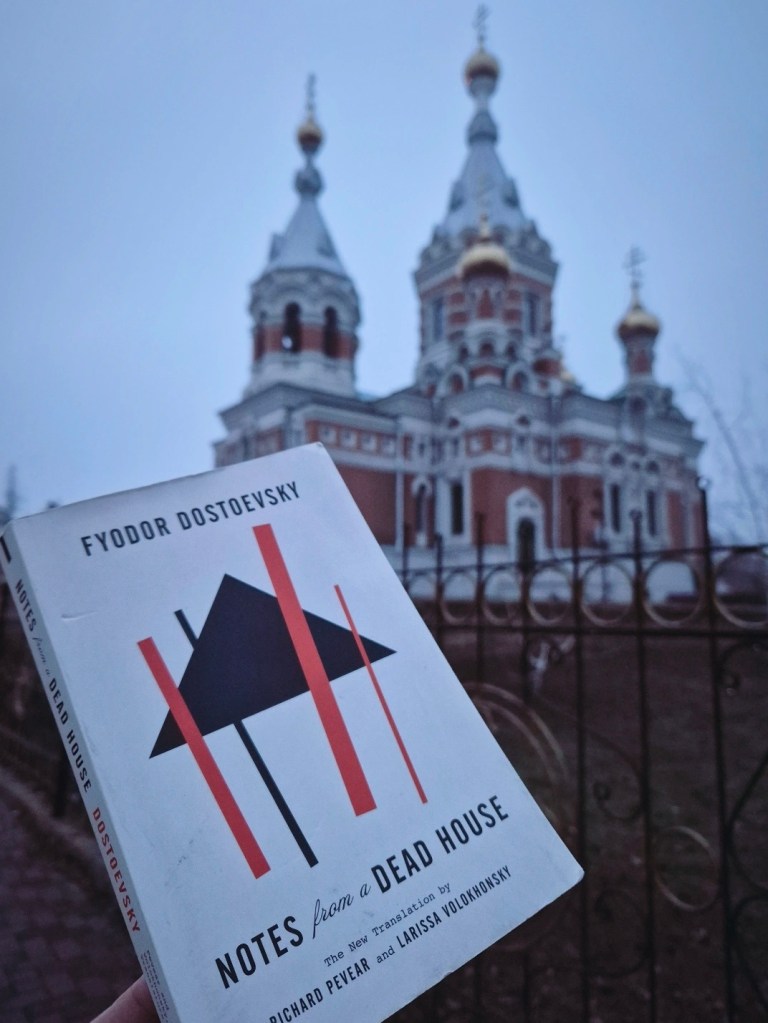
who reunited Dostoevsky’s Notes from a Dead House with Kazakhstan simply because it’s where he started writing the notes;

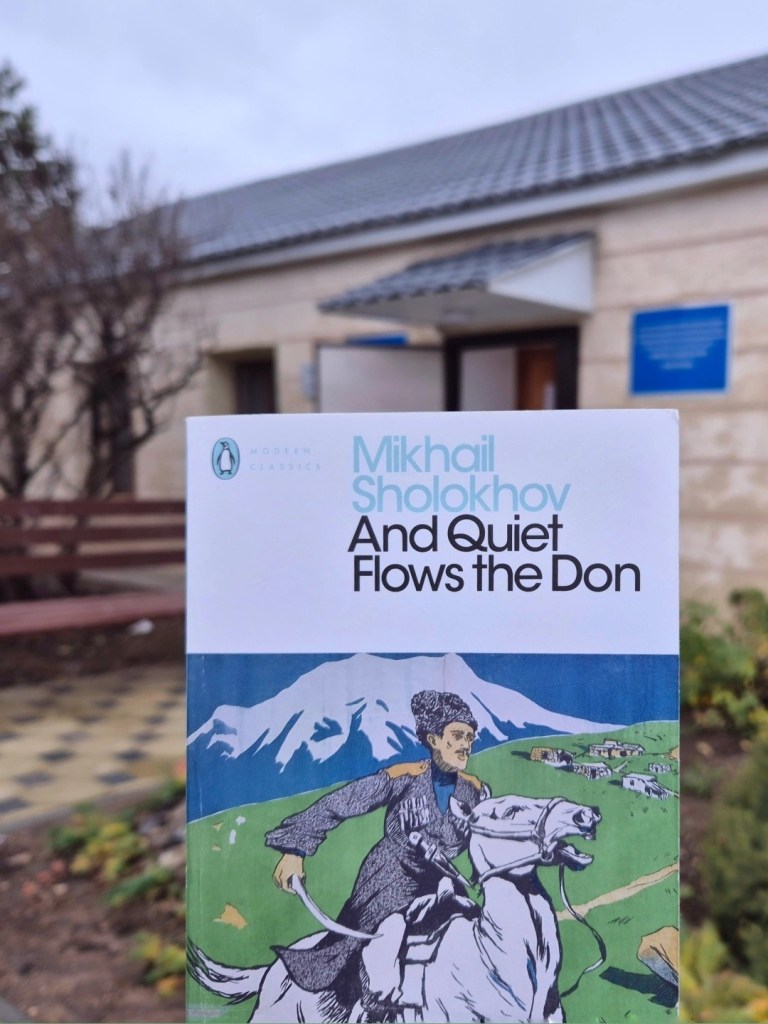
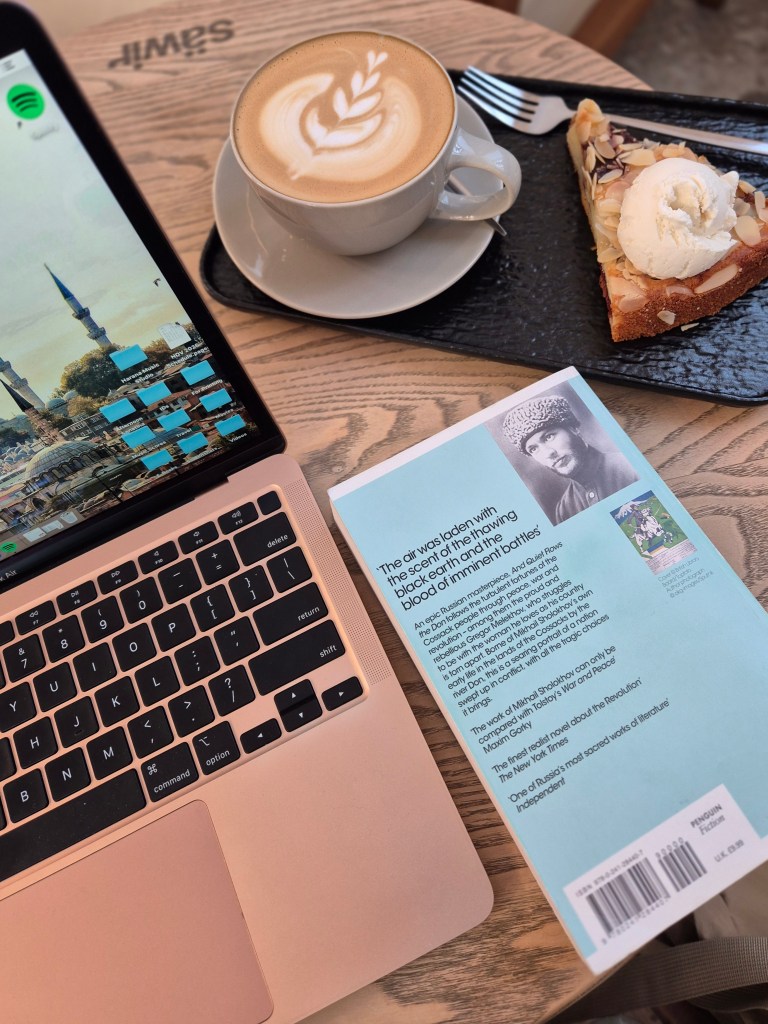
the girl who wished she flowed, but instead, lumbered through Sholokhov’s epic “And Quiet Flows the Don,” and being devastated by it, could only take the hefty book to the house where Sholokhov learned that he was awarded the Nobel and play a plaintive melody on his piano while gazing at his portrait, wanting to ask him so many questions;

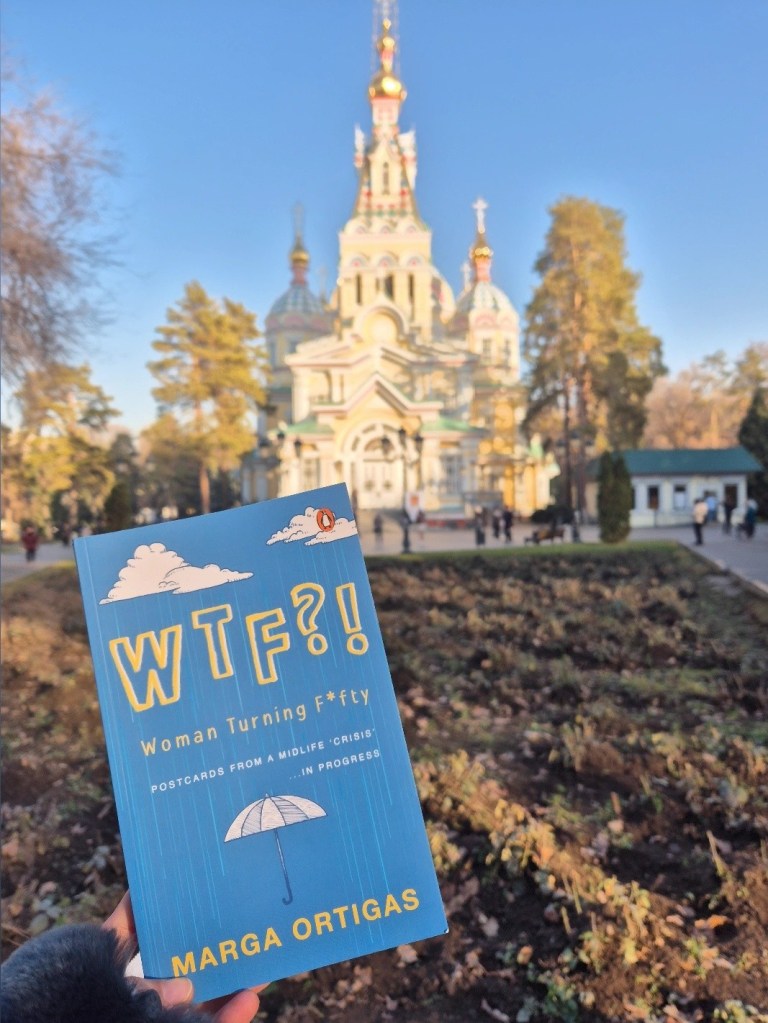
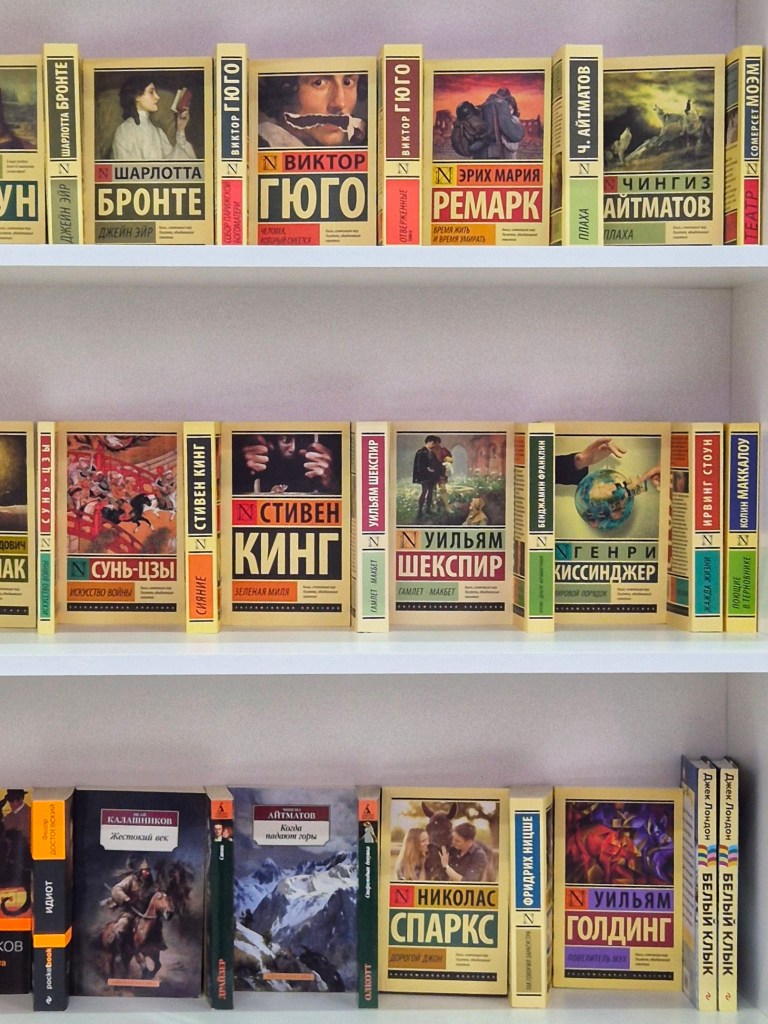
the impractical girl who carried all these books to a trip, thankful that she did because Kazakh bookstores humble the English reader by catering only to the Kazakh and Russian reader;

the girl who agreed with Marga Ortigas who wrote that reading is, “A special gift that showed you how much of the world still lay beyond the safety of your comfort zone”;

the girl who believes that traveling is one way of acting upon that gift. 

The Turkistan Dispatch

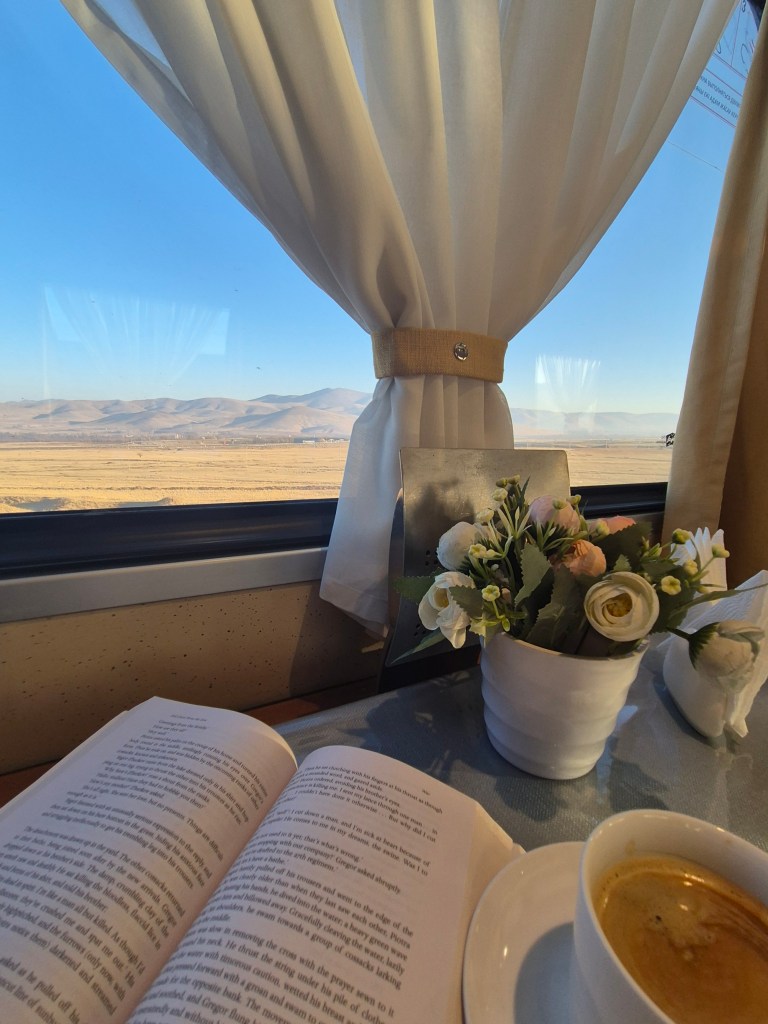
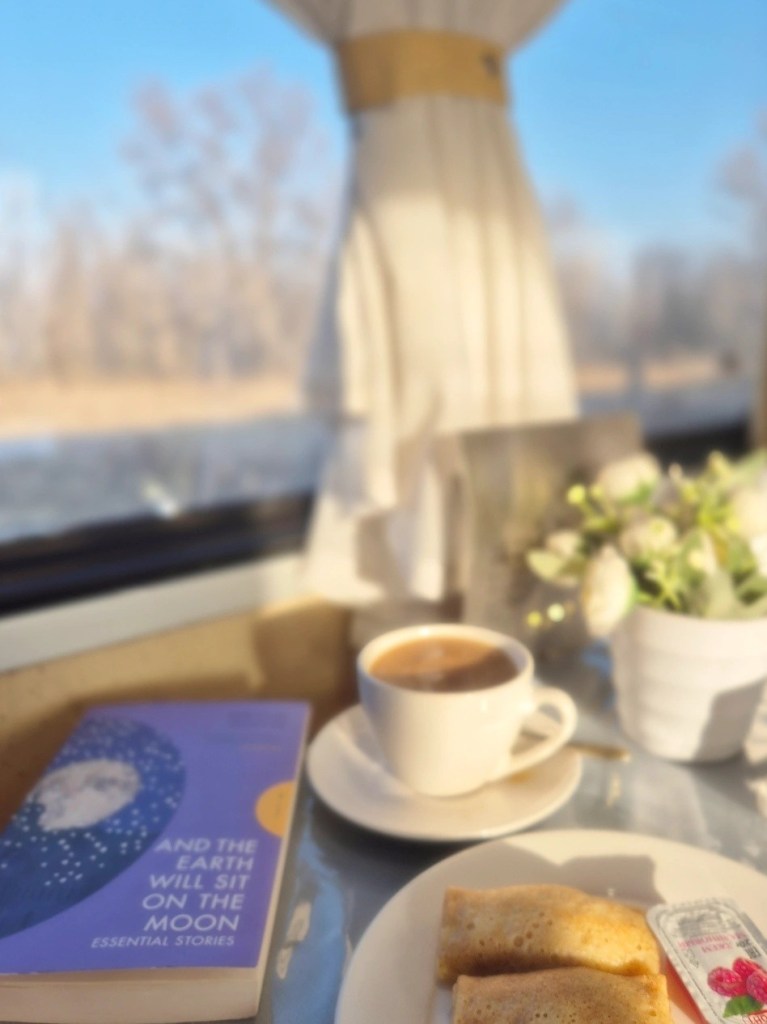
There is nothing like steppeland sunrise and snow-capped mountains viewed through a train window to herald one’s entry to the Silk Route.

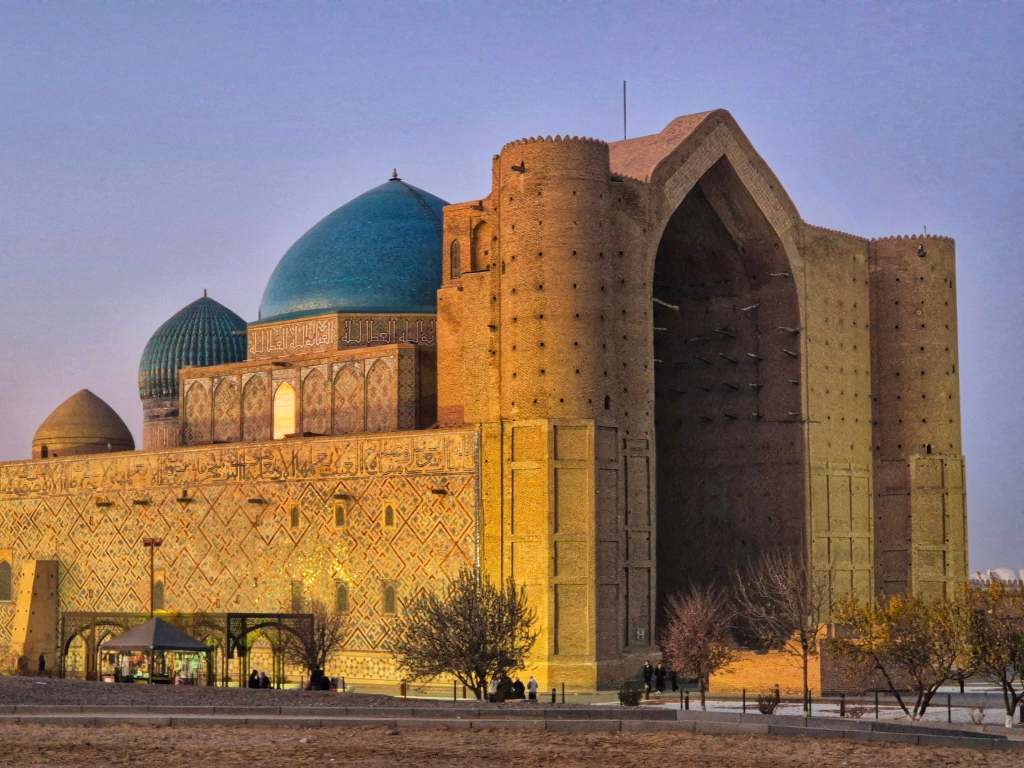
Built on an oasis at the edge of the Kyzylkum Desert, Turkistan was an ancient jewel of culture, trade, and spiritual significance for the Turkic people.

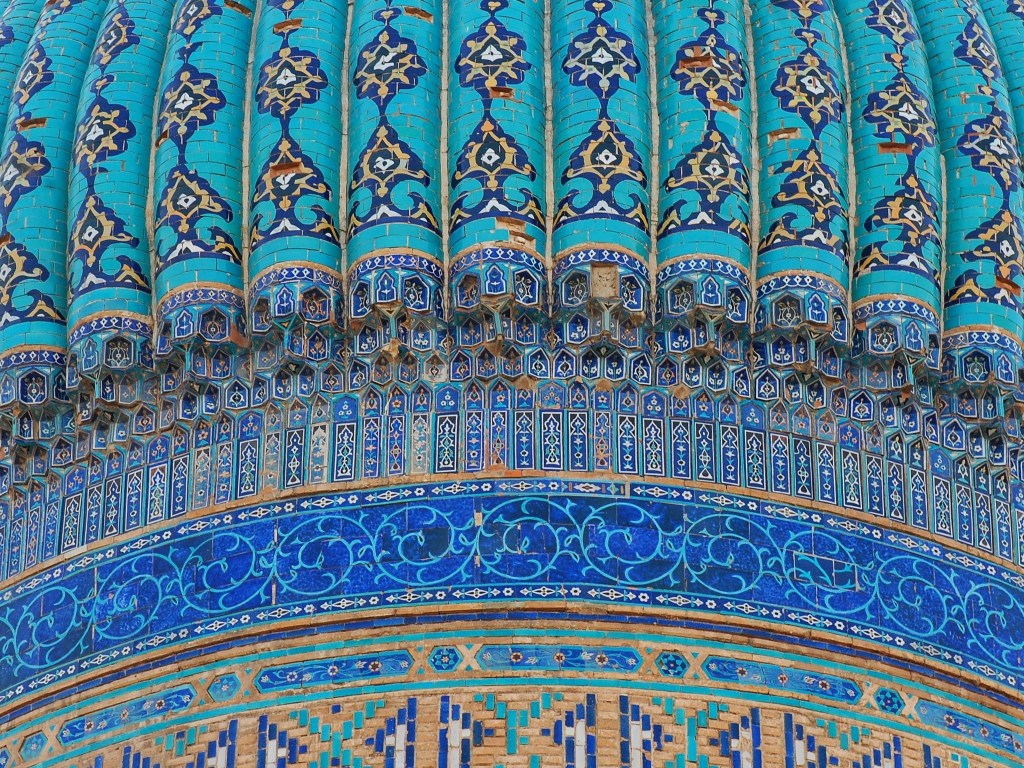
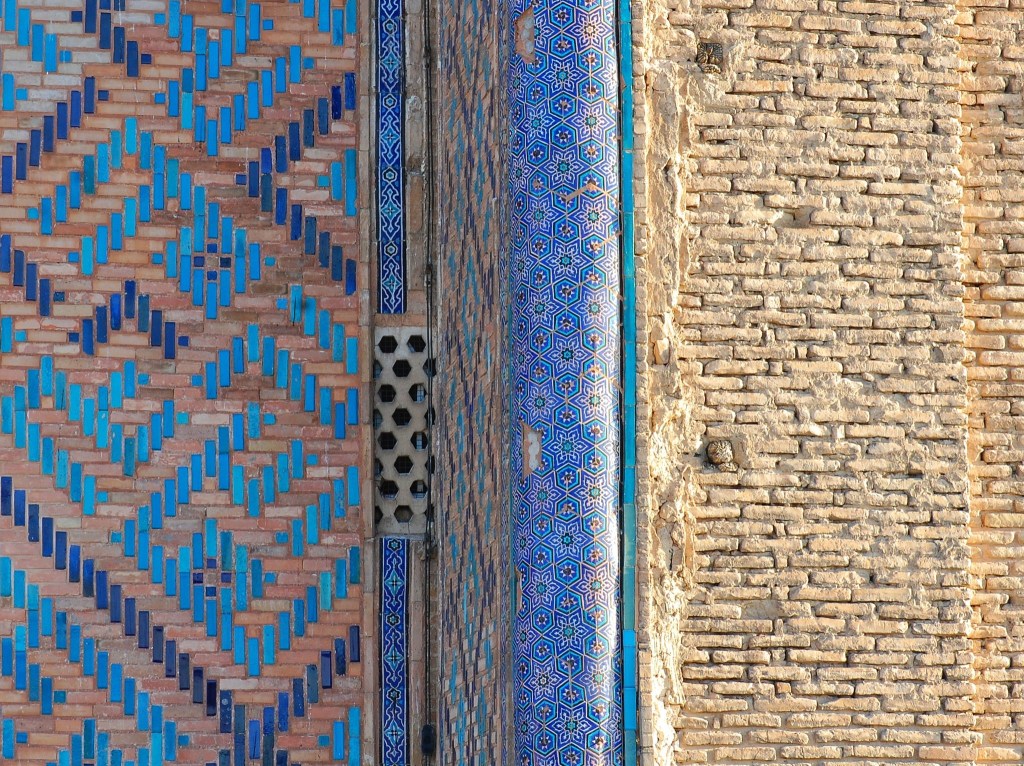
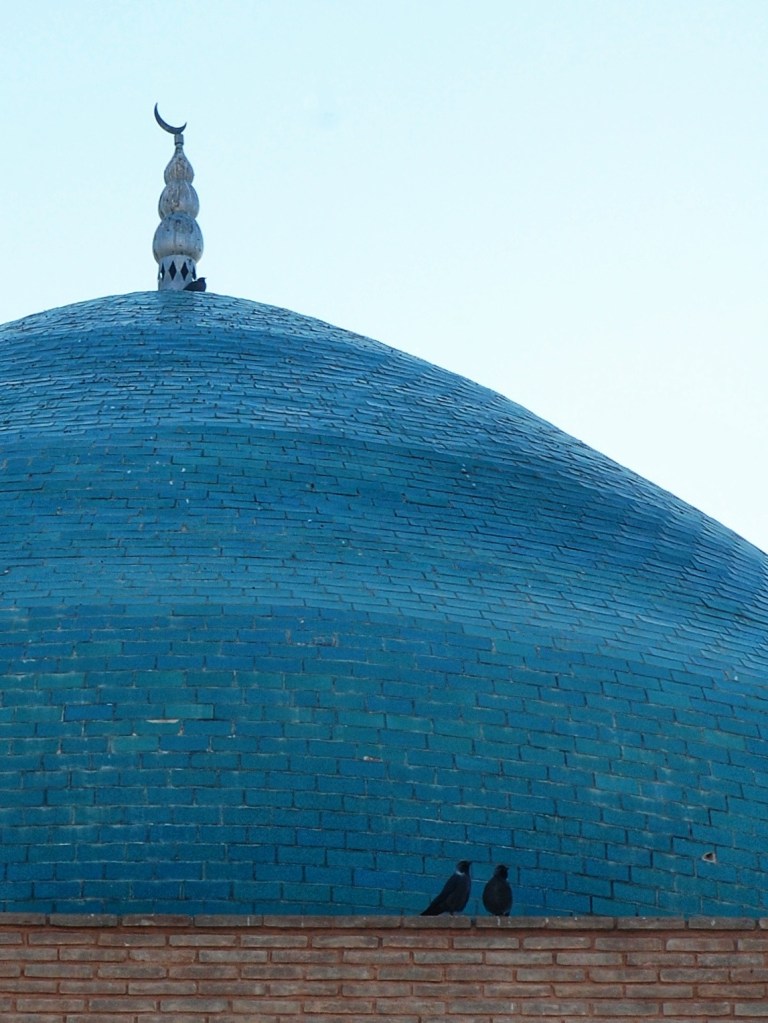
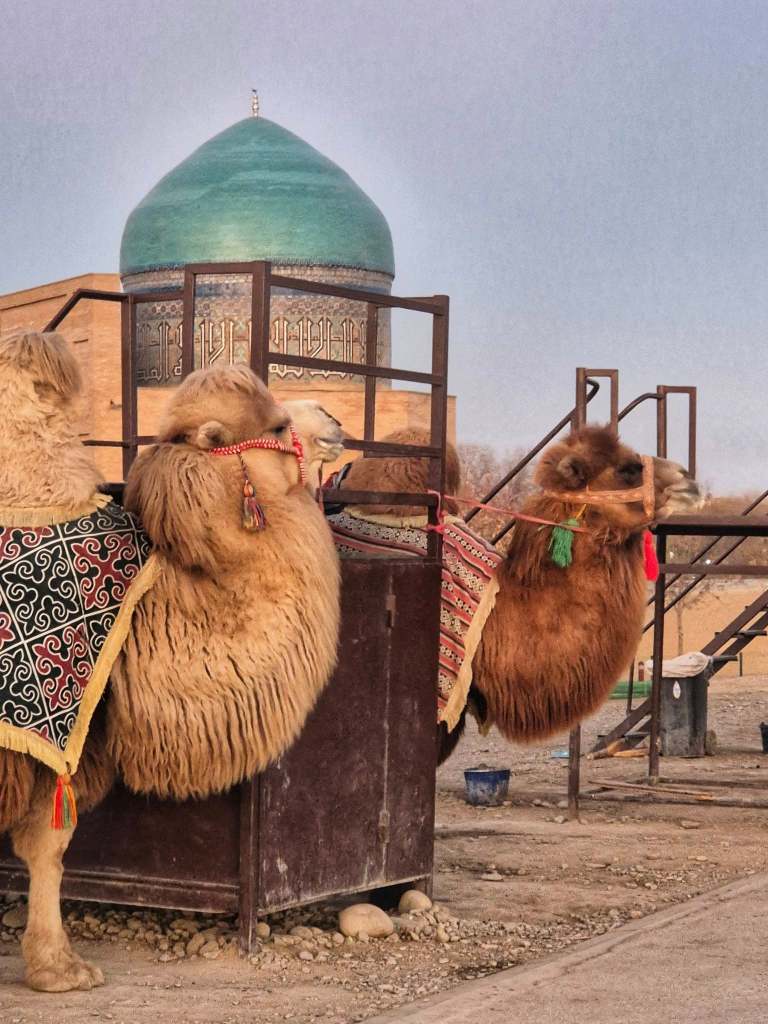
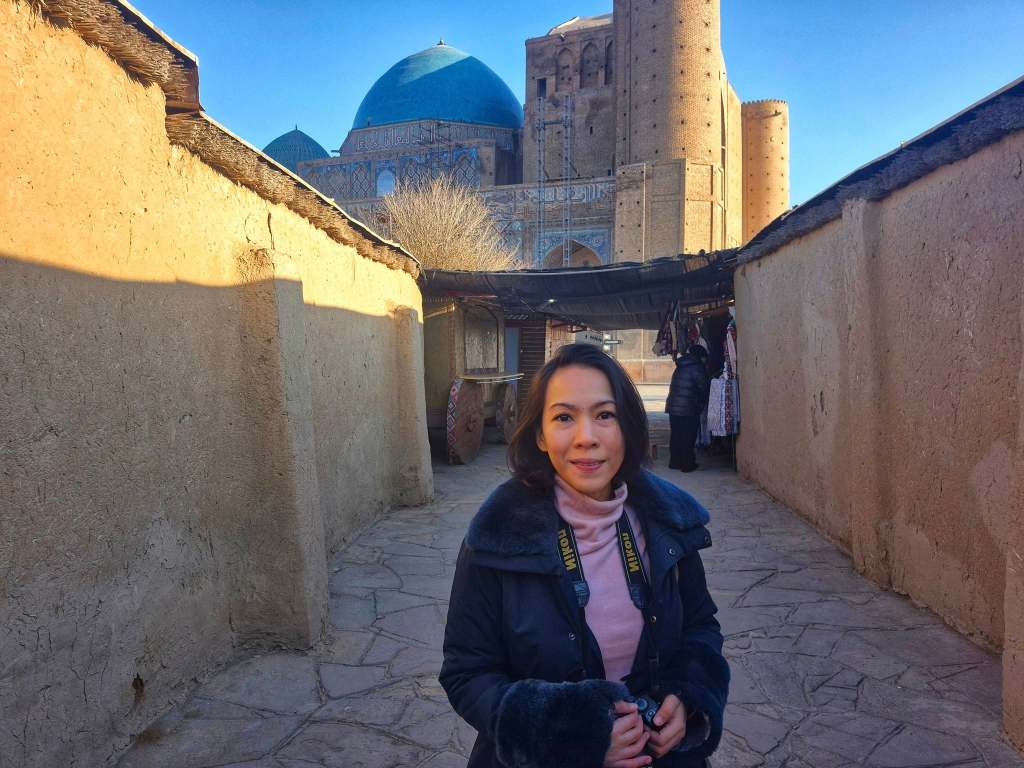
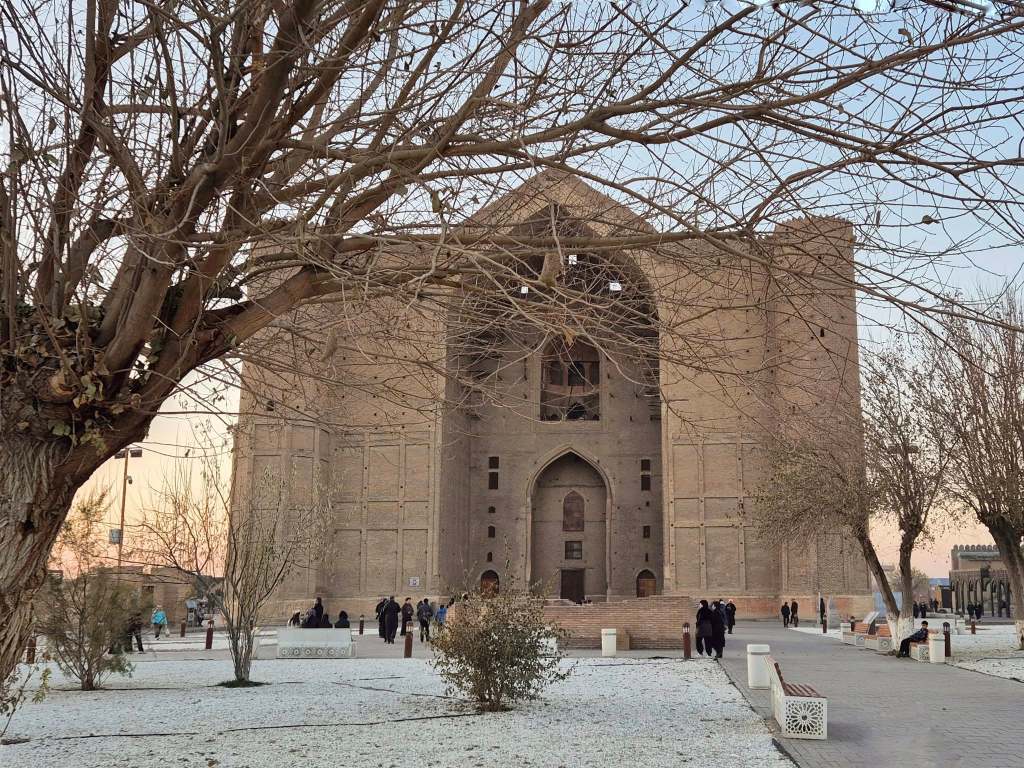
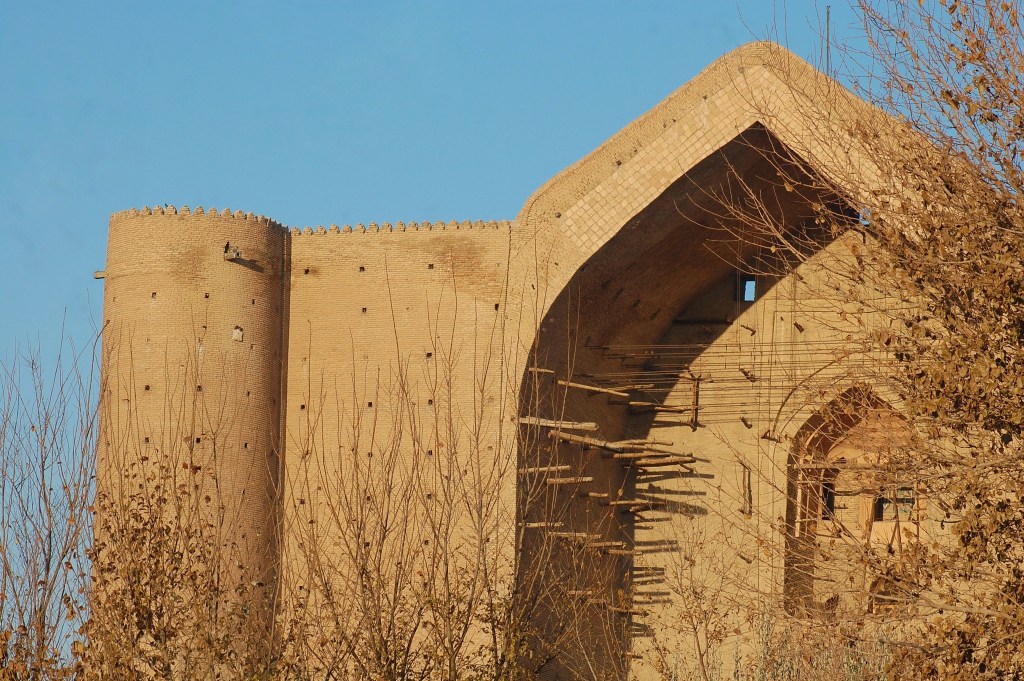
Turkistan shares not only a border with Uzbekistan, but also its Timurid architecture. Its most prominent landmark is a mausoleum commissioned by Timur (Tamerlane) in honor of Khoja Ahmed Yasawi, a poet and Sufi mystic. In the vicinity is a smaller mausoleum devoted to Rabiya Sultan Begum, Timur’s great-granddaughter, and daughter of Ulugh Beg of whom I’ve written and fangirled during my Uzbekistan trip in 2022.

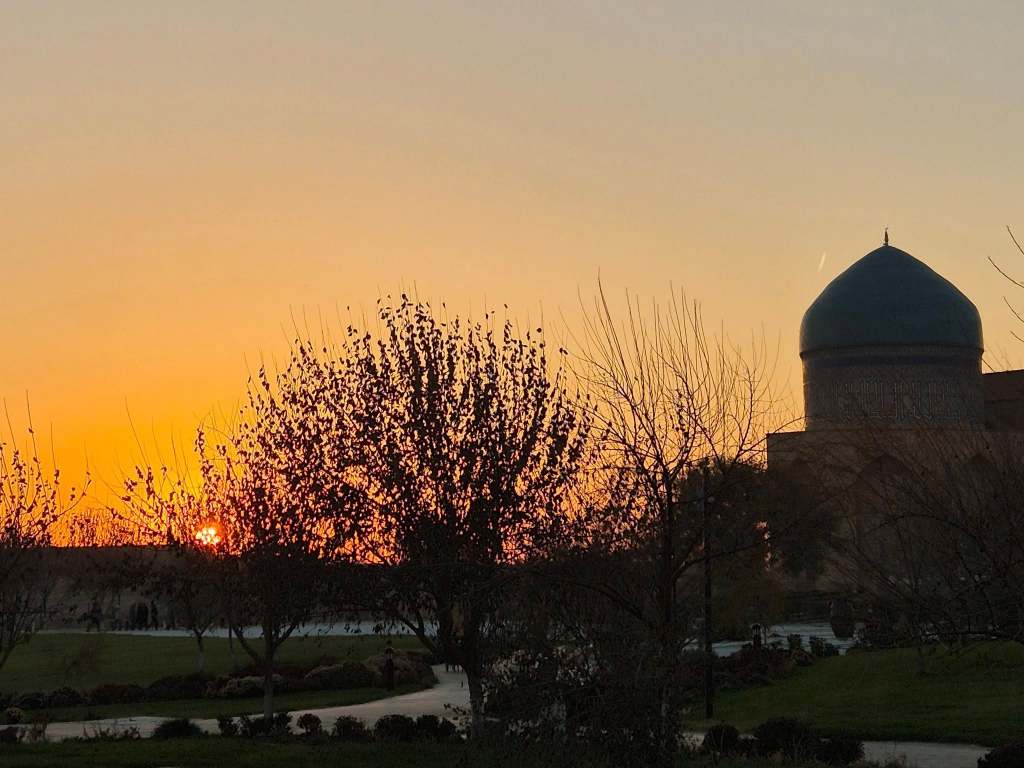
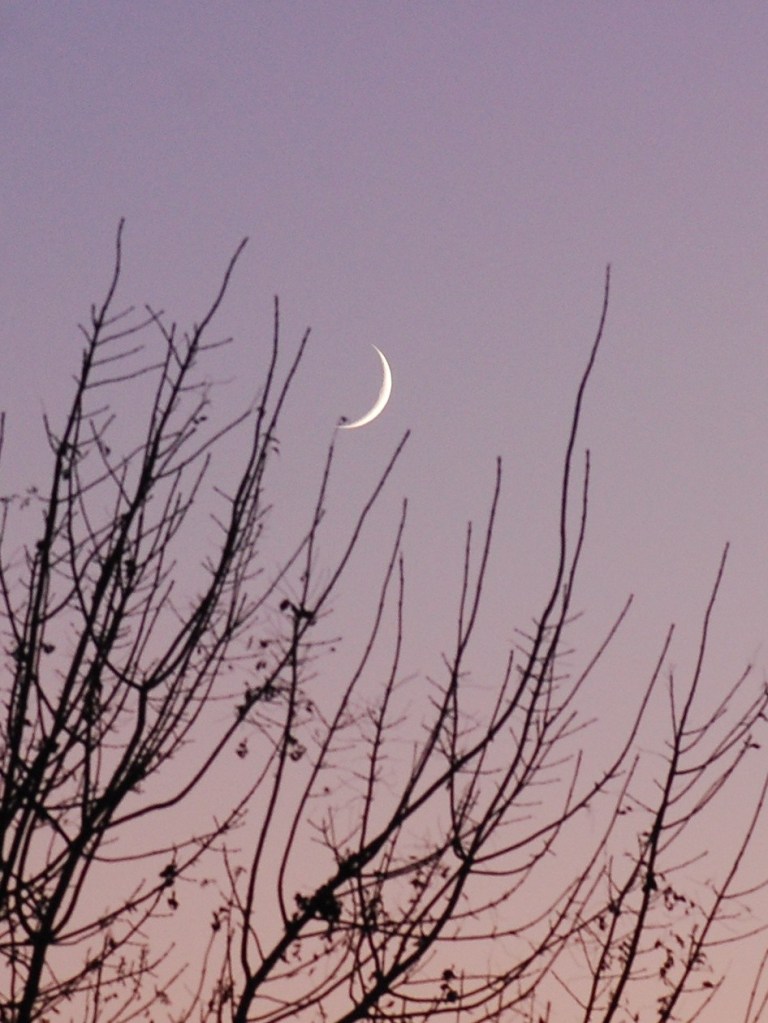
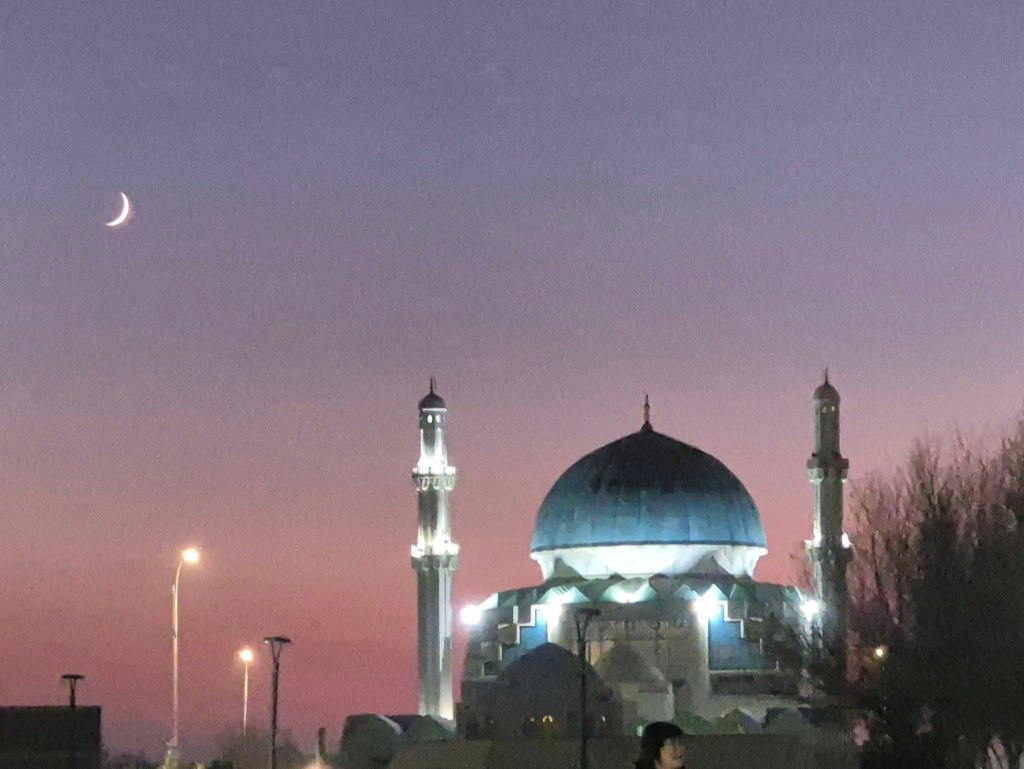
When dusk falls, the call to prayer suffuses the air and rises with the birds while a mystical crescent moon ascends the purple sky to complete the experience.

As I steep myself in this splendor, I also mourn it. The moment I turn my back on it, I am faced with Karavan Saray, a horrible travesty — a new shopping complex constructed in a theme park version of Timurid architecture that feels dystopian. My heart aches for the beauty we cannot keep and the beauty we ruin for the sake of commercial profit.

When I revisited the mausoleums early this morning to see it in pure sunlight, hardly anyone was around save for a pilgrim on his knees, facing the Khoja Ahmed Yasawi Mausoleum, intoning a sincere and almost heart-rending prayer. I think of the pilgrims who once held this site sacred and who continue to do so, who can only accept the truth that the holy place is but external and ephemeral, and that pilgrimage is, after all, a journey to the deepest parts of the self.


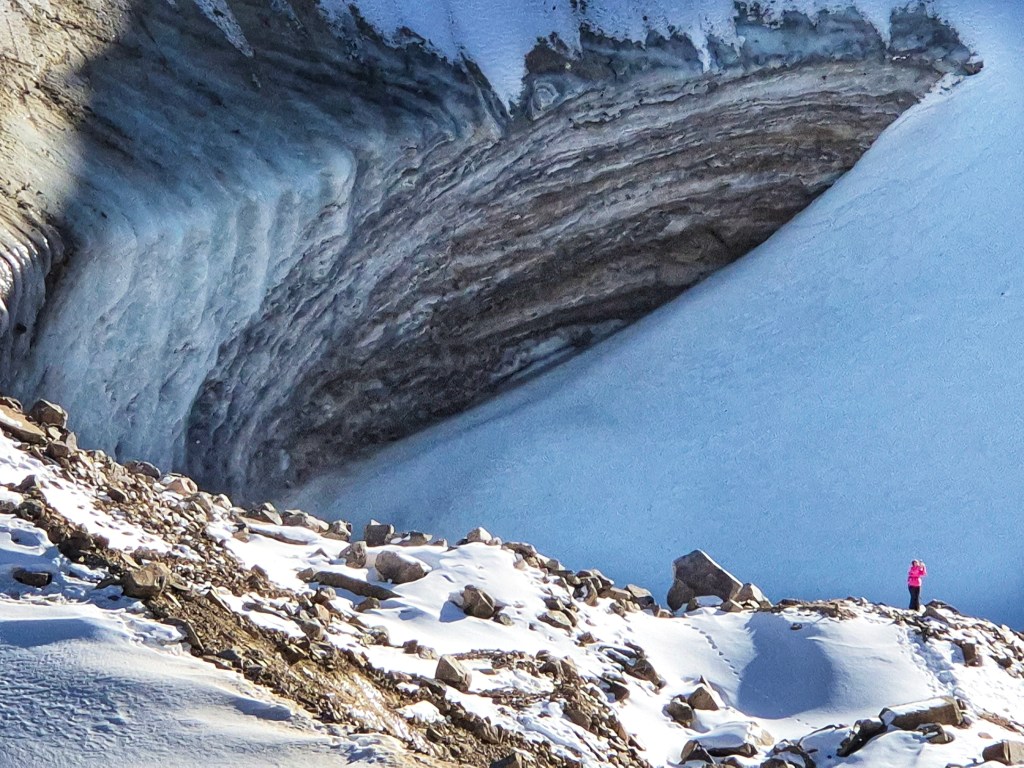
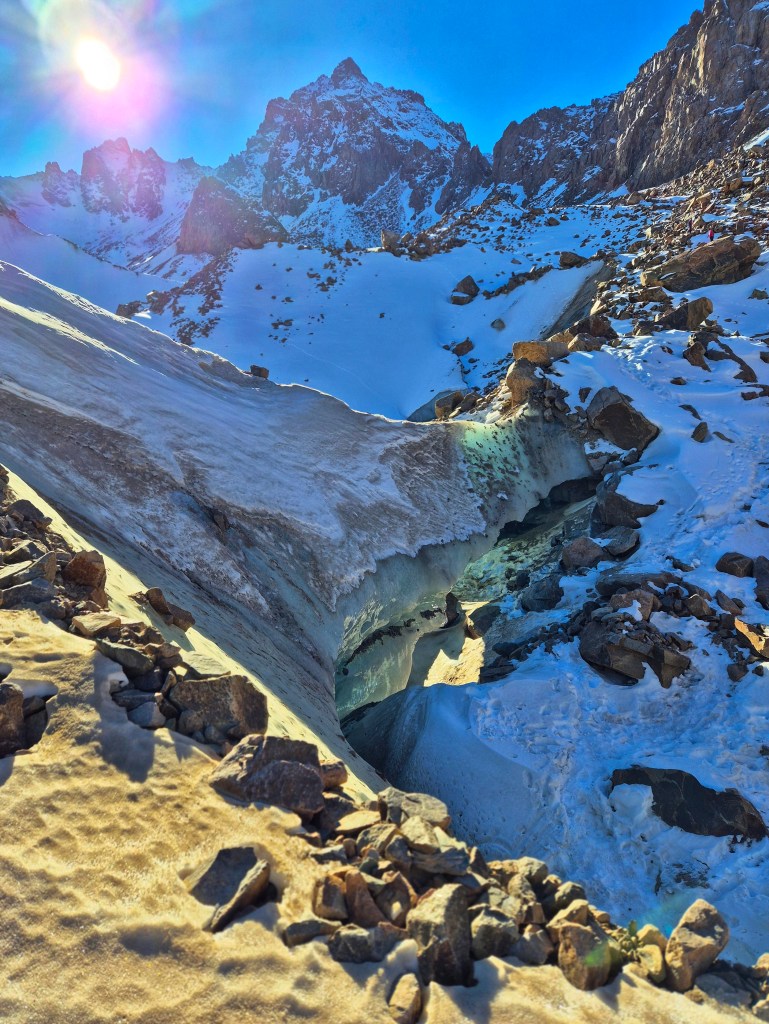
Bogdanovich Glacier and Oktyabrskaya Cave

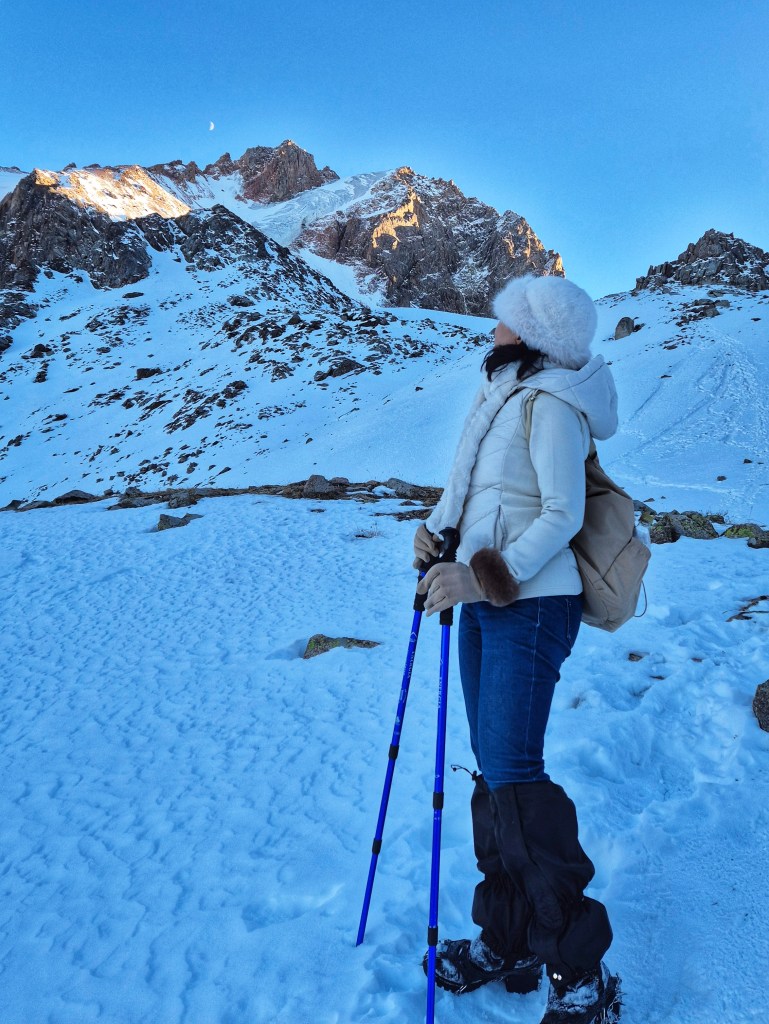
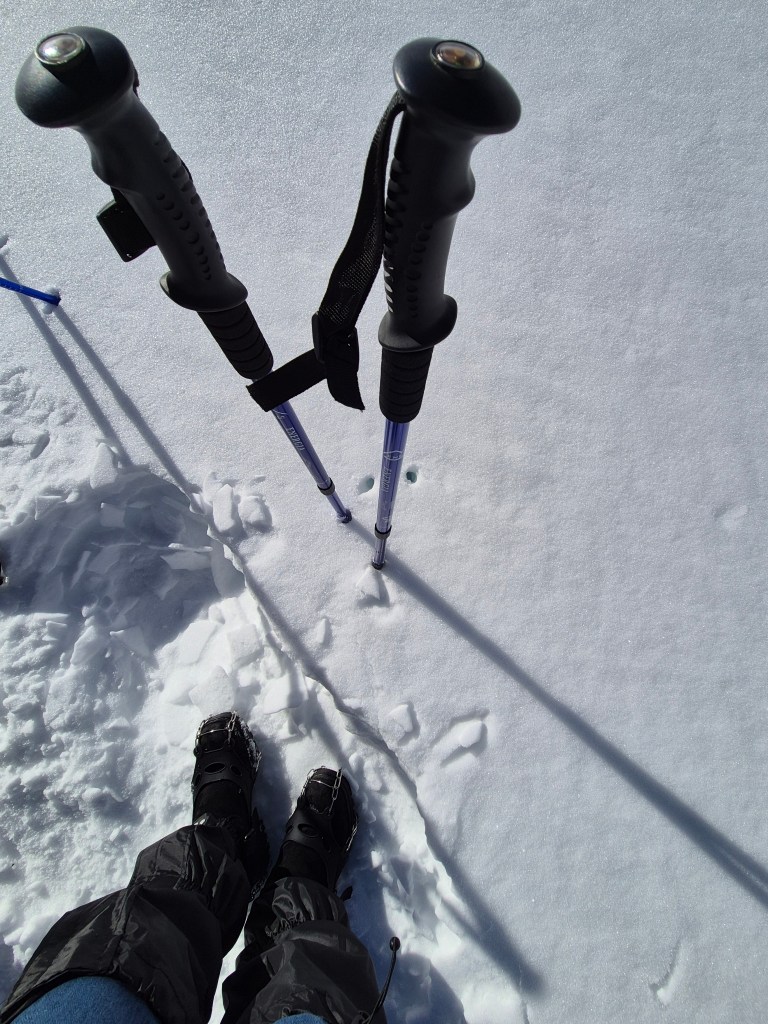
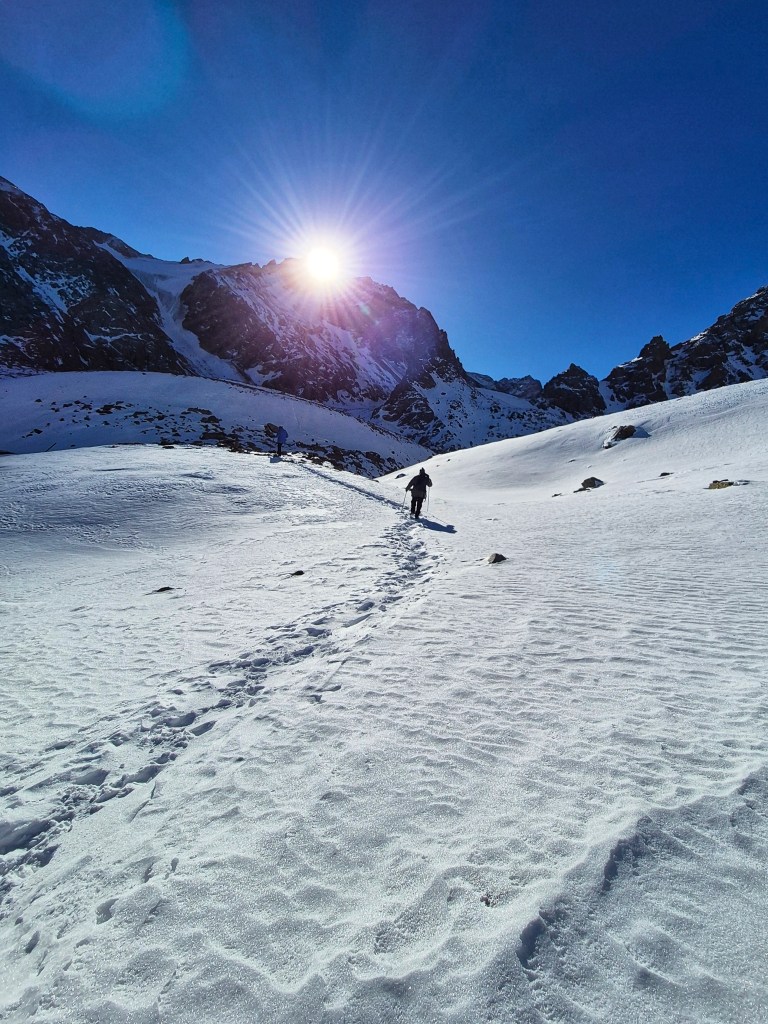
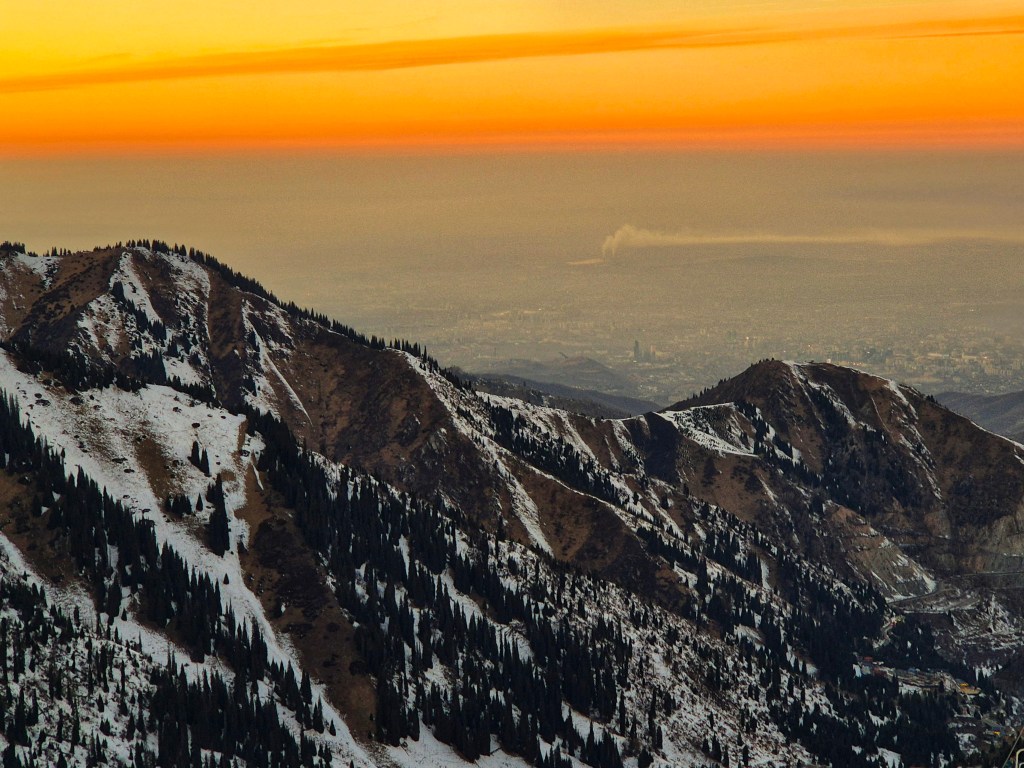
Being aware of having altitude sickness, I don’t know what gave me the audacity to do this ascent to the Ile Alatau Mountains — higher than our Mt. Apo and Mt. Pulag, in negative degrees Celsius, and on the first day of opening season, when other trekkers haven’t carved out clear paths on the snowy heights yet. Under the charm of the waxing crescent moon, all I know is that I had to obey the landscape’s whims and do something I may never get the chance to do again. Such landscapes demand one to make the most of life and revel in it!

I’ll spare you the details of how I slipped, almost passed out twice, missed taking beautiful photos because it wasn’t safe to do so, but oh, it was all so worth it!

To be in the presence of metamorphosing architecture, this frozen confluence of time and nature, seeing rocks stopped in their tracks and suspended in a surreal blue, realizing the impact of these monumental sculptures on the planet; it was something I would never experience by reading books, but it was sheer, powerful poetry.