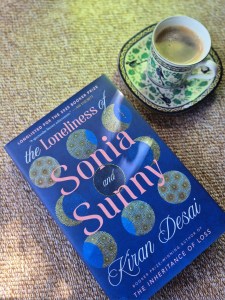
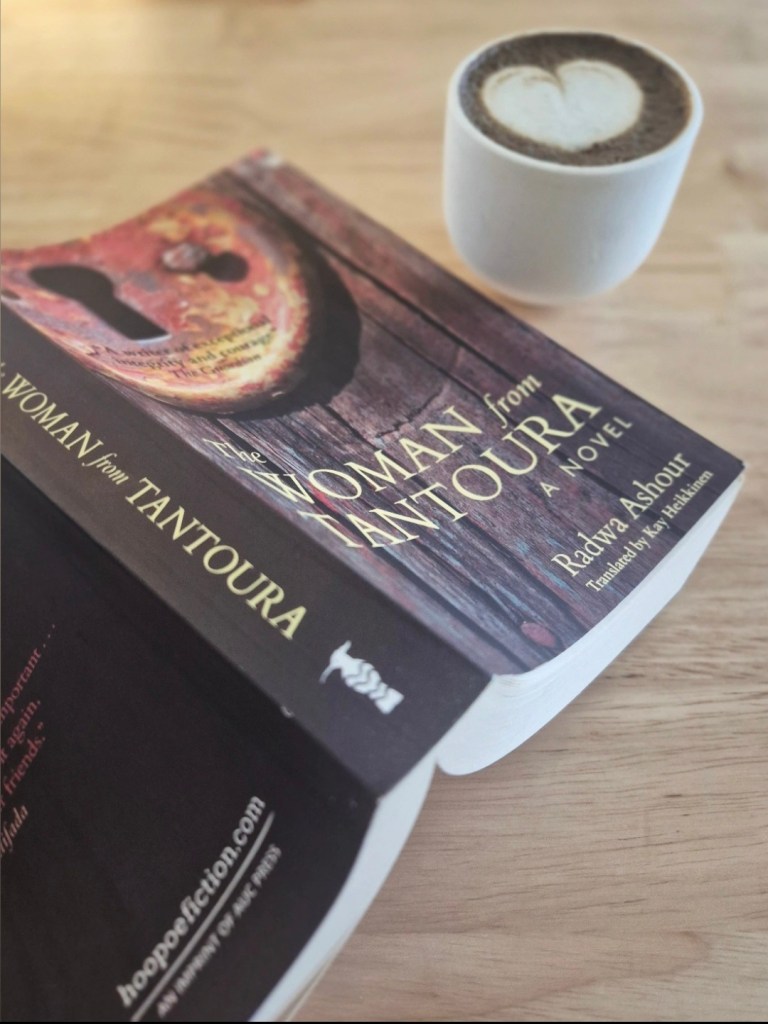
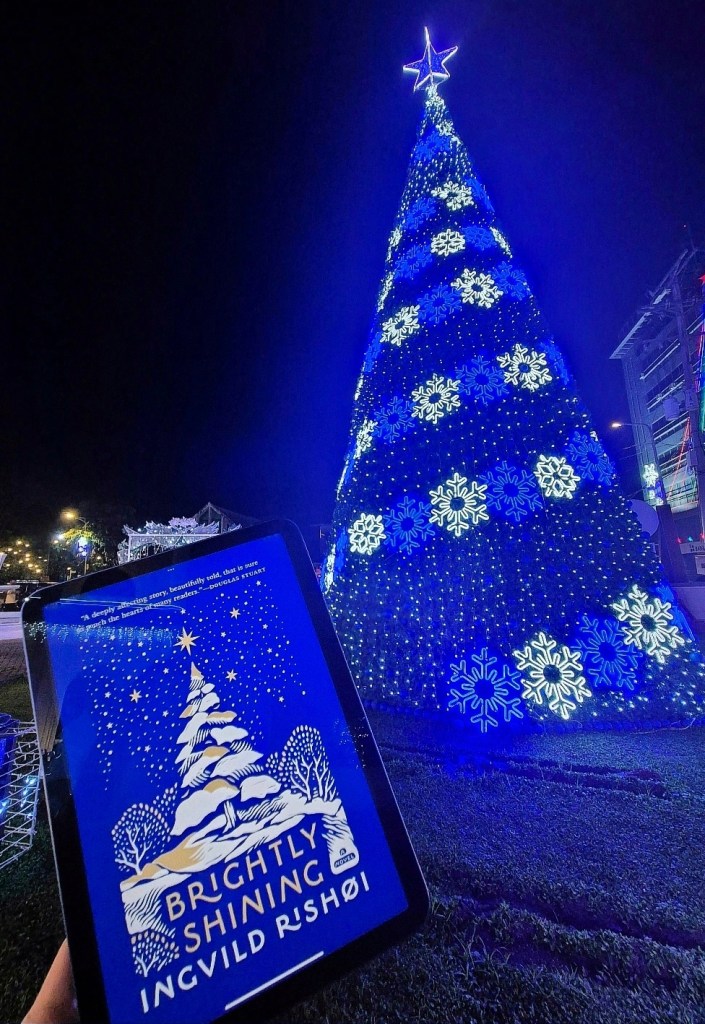
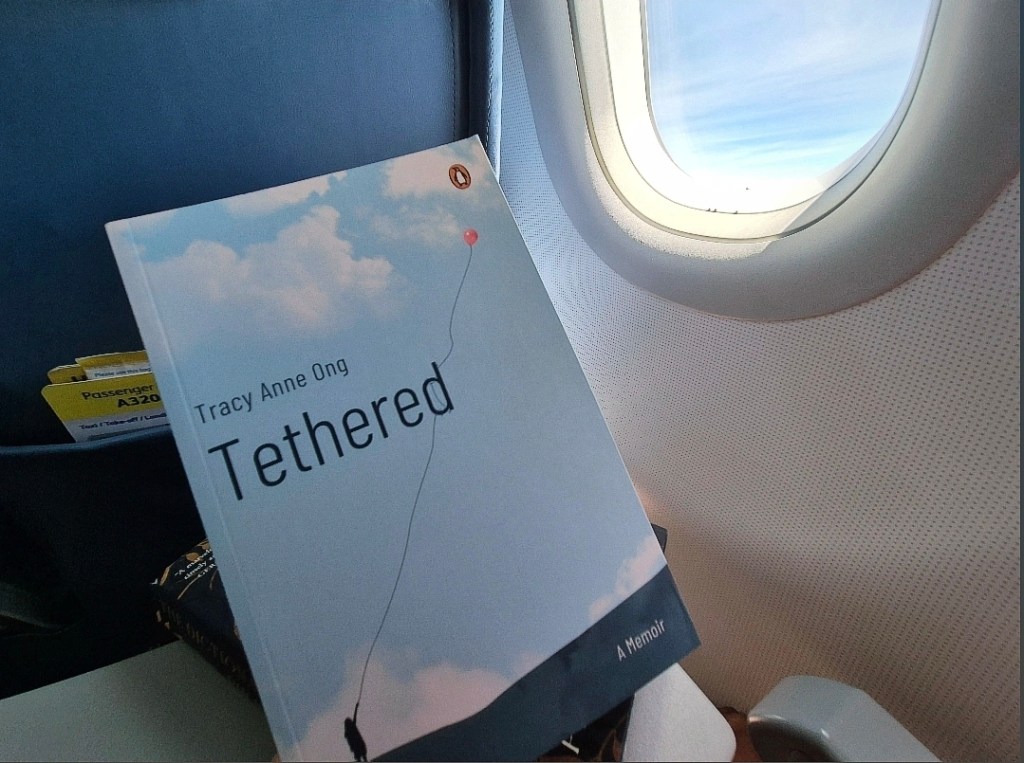
Percival Everett: James

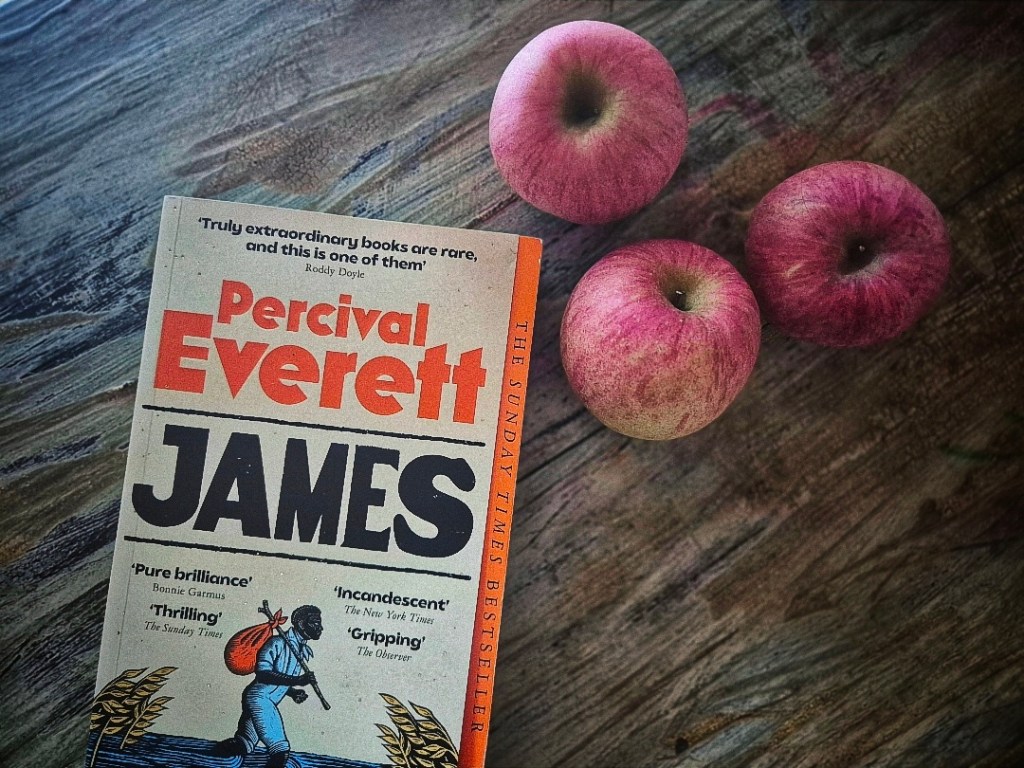
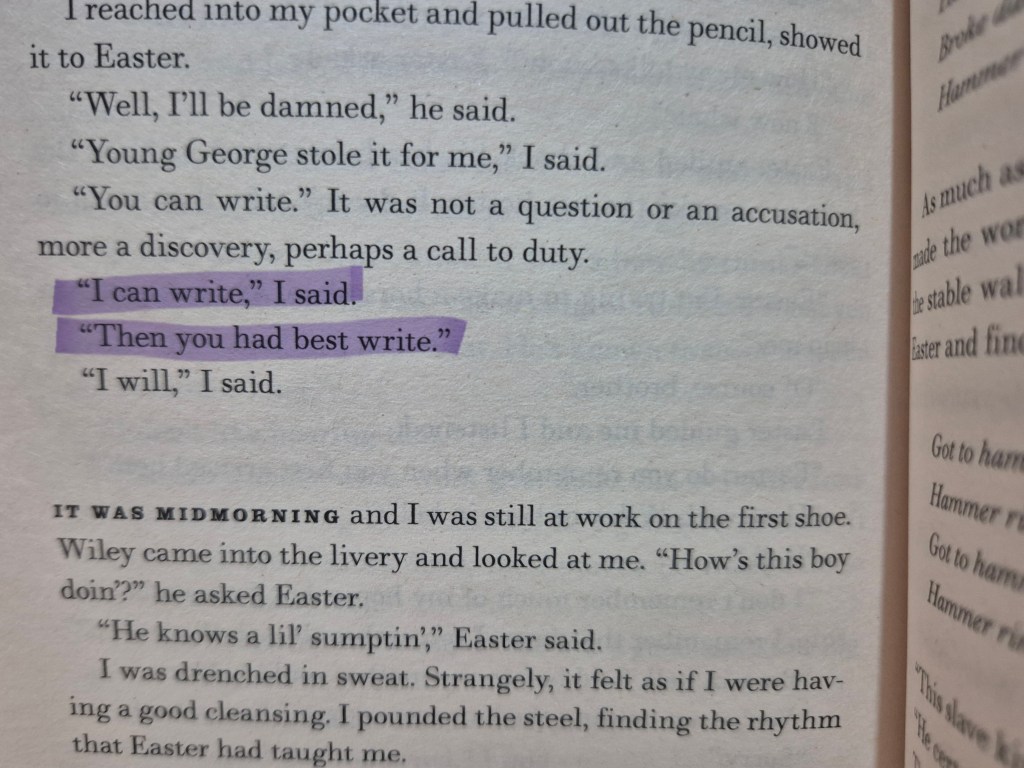
The epitome of a retelling. The kind that does not feel contrived or produced to merely appeal to a woke market, the kind that is not more focused on stripping off anything that might offend a hypersensitive audience whilst taking no thought about artistic quality or literary merit, the kind that does not disrespect the original work but ennobles it instead. The kind that’s necessary.

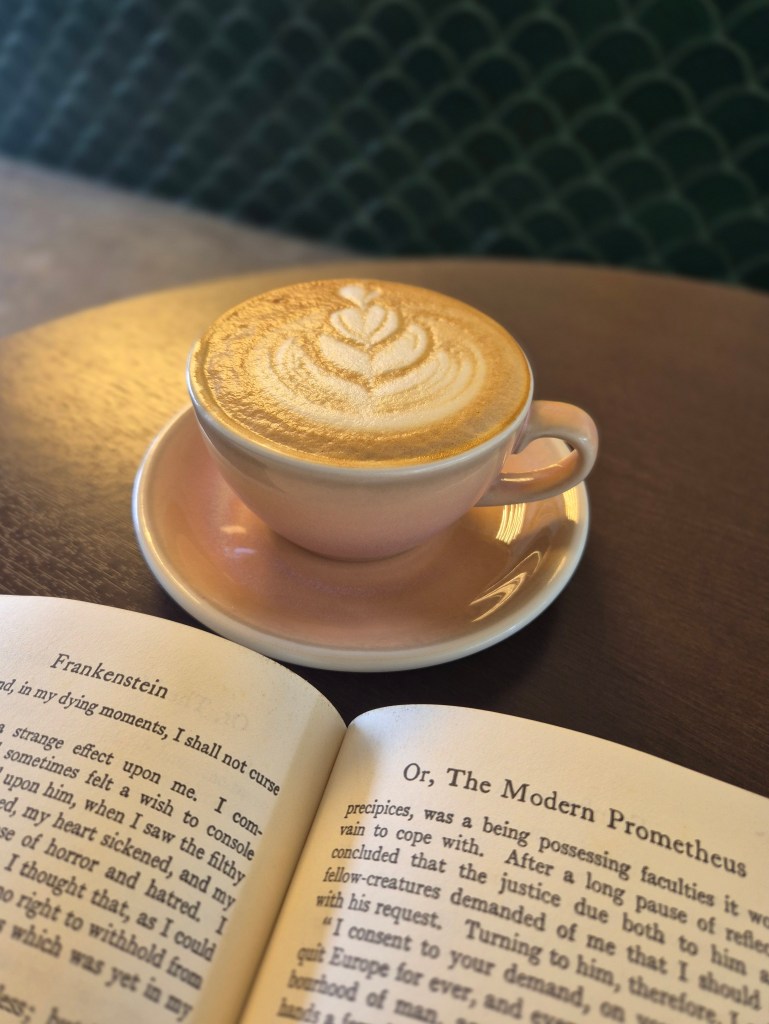
This reader prepared for James by reading the Adventures of Huckleberry Finn; because how can we make the most of a retelling if we don’t know, or have forgotten, what was originally told in the first place? Percival Everett revolutionizes the tale by rewriting Mark Twain’s novel through the perspective of Jim, Huck’s African American companion. Fresh from its antecedent, the contrast between old and new becomes more striking as Everett furthers the adventure by lending it more depth and feeling with layers that contemplate identity, family, sacrifice, the “tidiness of lies” in narratives, and even song lyrics, that justify prejudice.
My initiation to Everett’s work was through his humorous and modern retelling of Medea, For Her Dark Skin. As I delayed the reading of James, thinking that Medea’s story would always be more relevant to a woman, James continued to garner more awards — the National Book Awards, the Booker Prize shortlist, and the Pulitzer Prize for Fiction last month. I had to see why.

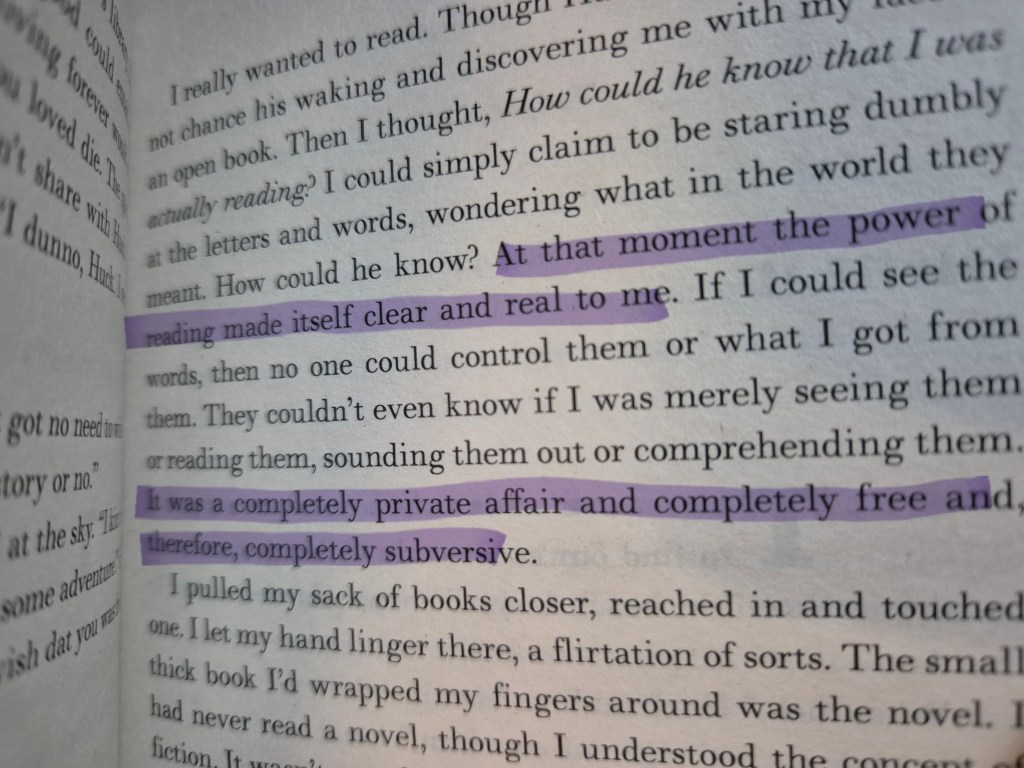
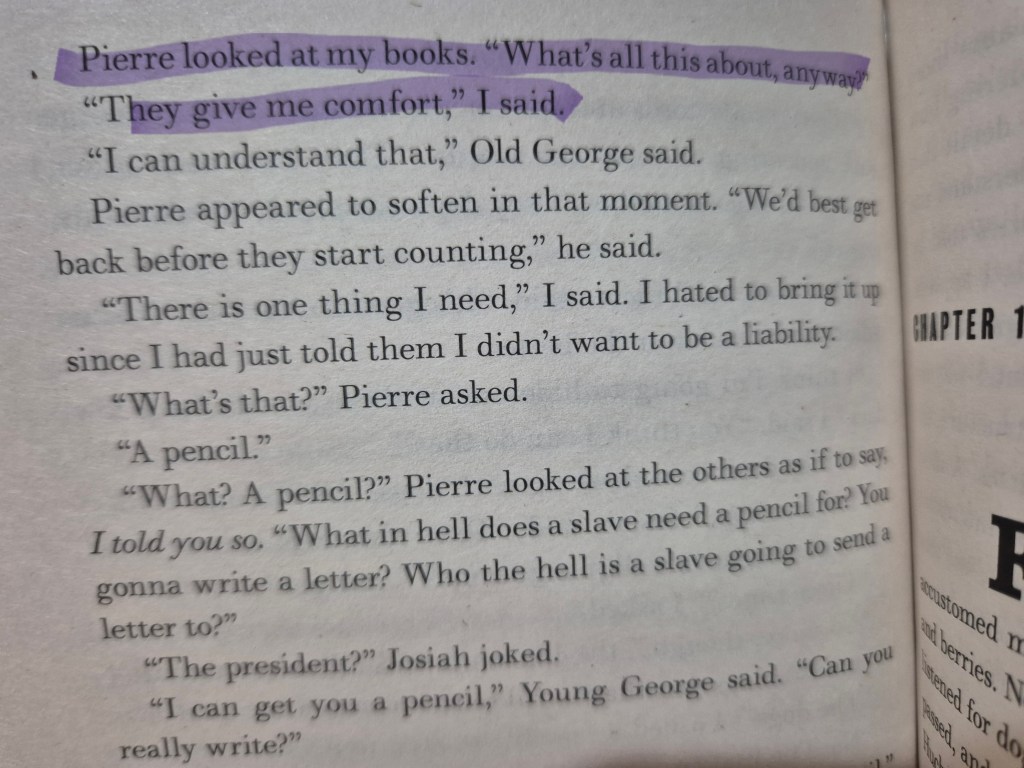
Published amidst another era of book bans that include several works that confront racism in the United States while Hitler’s Mein Kampf remains on the shelves, this book is a timely gift that takes the subject by the horns and transforms Jim’s story into a greater call to educate oneself, to master language, to read, and to write one’s way to freedom.

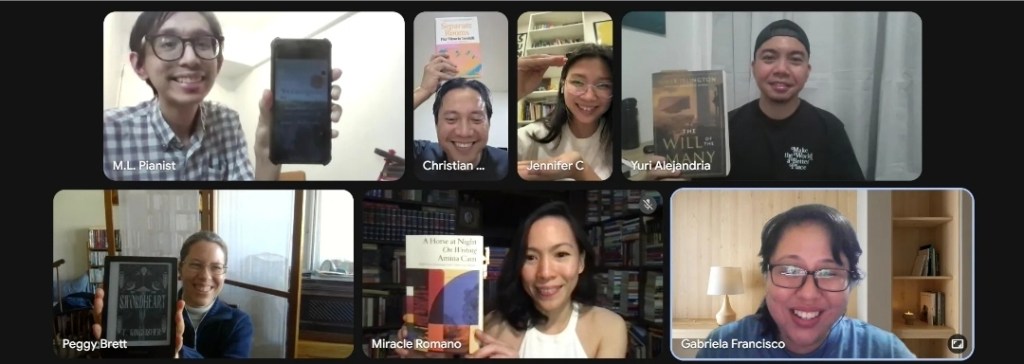
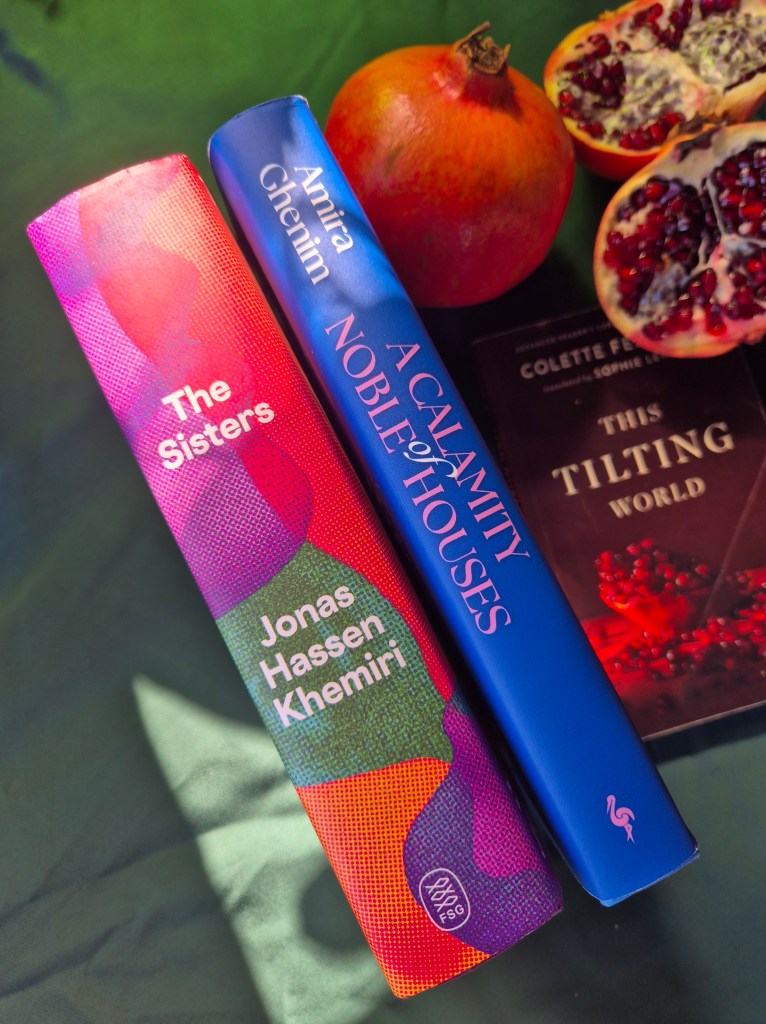
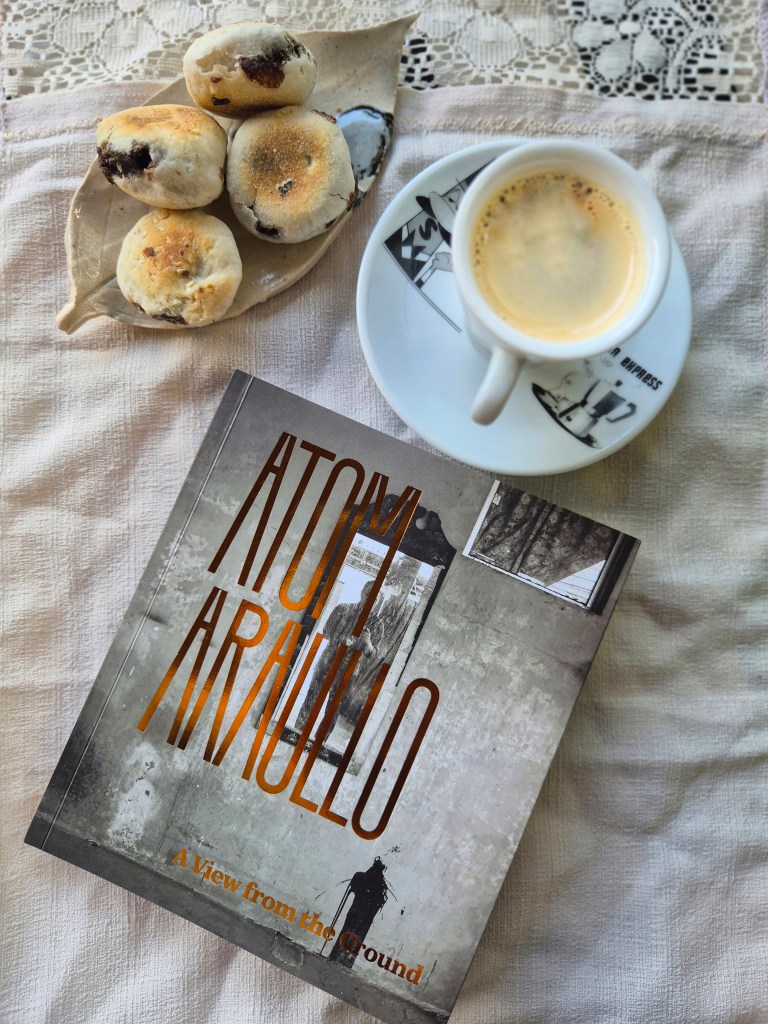
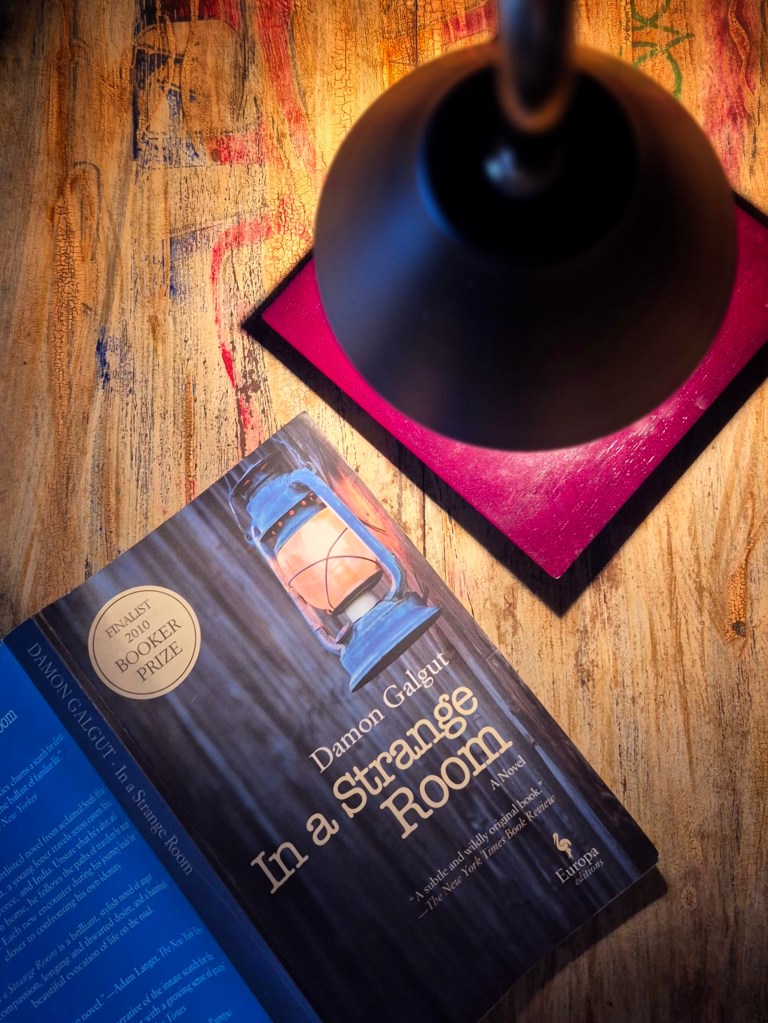
May Books and Friends

On the Calculation of Volume I, Solvej Balle

The perfect day to read this would be on a rainy autumnal day. November 18, to be exact. I read it on a sweltering first of May. But I love how it drew me in calmly and made the temperature bearable. To weave reflective prose with only a tinge of disquieting tension is Solvej Balle’s gift. It is a book for when we read not for the plot but for the language.

Something tells me that this is more than just a story about a specific day that recurs 366 times in the novel but rather a meditation on time and the distance it creates between our relationships with others and with our present and former selves.

If after tonight I’ll wake up to another first of May, I’d still read this… or perhaps, volume two.


There’s No Turning Back, Alba de Céspedes

“Love, like art. It’s there or it’s not.”

Alba is cruel. She tells the truth. This book left the dock before I was able to fully say goodbye. I would have wanted to be with some characters a little bit longer to find out how their lives would continue to unfold. But Alba, after drawing you intimately into both the communal and the separate lives of each girl, shakes off attempts at clinginess and writes with a knife: That is how life is, she seems to say. It moves. It keeps going. And there is no turning back.


On Earth We’re Briefly Gorgeous, Ocean Vuong

“It was beauty, I learned, that we risked ourselves for.”

There are times when you don’t know why you put off purchasing a particular book despite it being recommended by a friend, despite seeing a lot of people post about it, despite seeing it in almost every bookstore. You’ll only know the answer when, years later, you receive a copy as pasalubong from the Book Street in Ho Chi Minh. Books always hold an added value when falling into your hands this way.

But oh, how this book breaks your heart in different ways! Maybe because of how love is shown in its many degrees along with the pain that comes with each kind of love.

“I’m broken in two… In two, it was the only thought I could keep, sitting in my seat, how losing a person could make more of us, the living, makes us two… Into — yes, that’s more like it. Now I’m broken into.”

Something tells me, however, that this is not peak Ocean Vuong yet, that the magnum opus is yet to come: Could it be The Emperor of Gladness? We’ll soon find out.


Concepcion, Albert Samaha

“History ripples into perpetuity. Decisions, actions, mistakes, and triumphs of one day shape the days that follow, setting irreversible paths into the future…”

In Concepcion, Philippine history ceases to be a structured chronology but a fluid tale that merges with the timeline of world history, personal history, and geopolitics. Read full entry here.


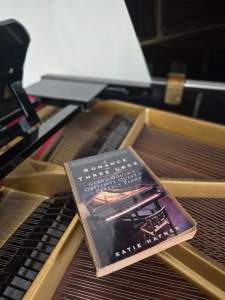
Erik Satie Three Piece SuiteIan Penman

Gymnopedies… Gnossienes… “If you only know these few exquisite morsels, you only know a tiny fraction of Satie…” This book showed me how little I knew of Satie and how I underestimated the role that this composer played in the trajectory of art and music history.

“Dip a toe into the Satie rock pool and you soon discover a cove, a coastline, an entire horizon.” Ian Penman dips his toes, and luckily, takes willing readers along for the ride! Written in an ingenious form in three parts, I am tempted to assert that there couldn’t be a more fitting way of writing about one such as Satie.


The Adventures of Huckleberry FinnMark Twain

Because how can we make the most of a retelling if we don’t know, or have forgotten, what was originally told in the first place? Yes, you guessed right. This reader is prepping for Percival Everett’s James!


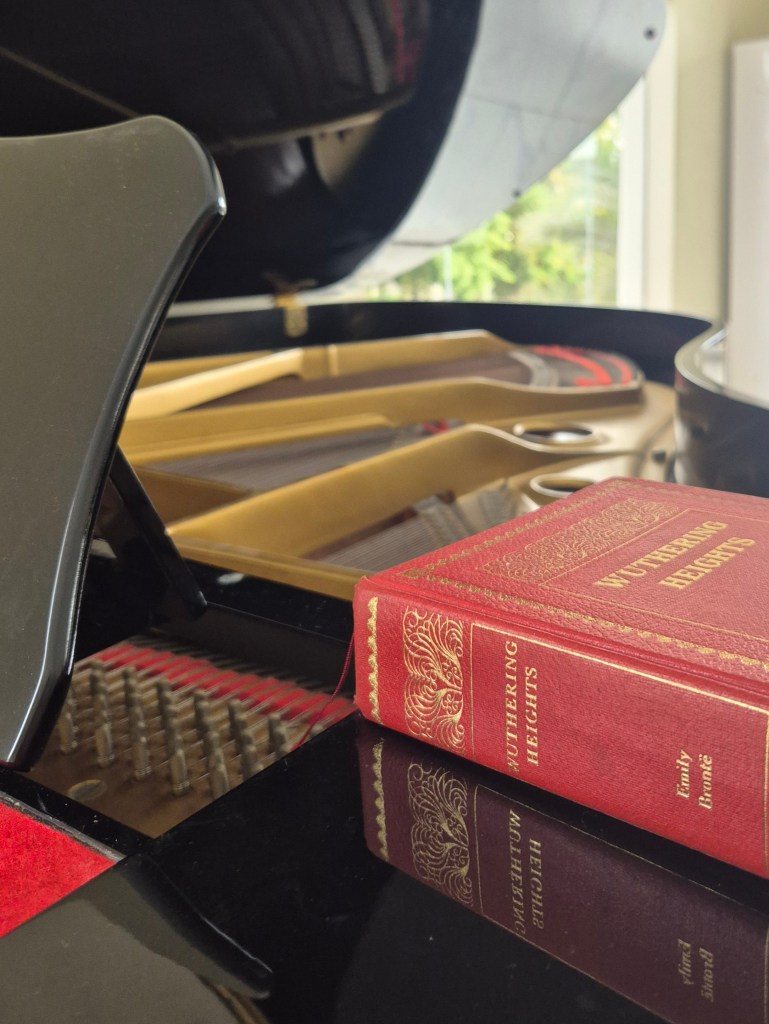
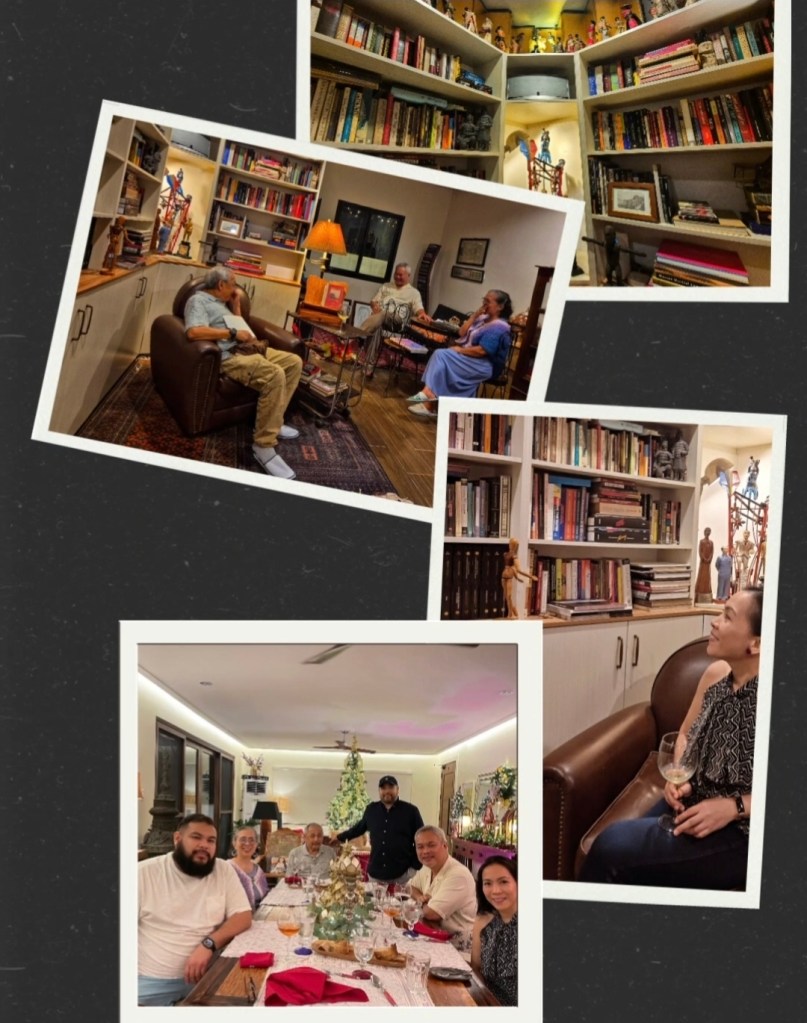
How I managed to find time to read in May was a miracle. What a hurricane, the past few weeks! It threw all sorts of things at me, but it threw some of the best things my way, too: My very own grand piano, the younger brother’s short but sweet homecoming, friends who travelled far just to visit — reading friends to boot! And while books may have appeared to have taken a backseat, they’ve only enriched these moments and this entire experience called living. 

“That’s why I began to write… Because the paper remembers. And there may be healing in sentences.” Dear Solvej Balle, that’s why we read.


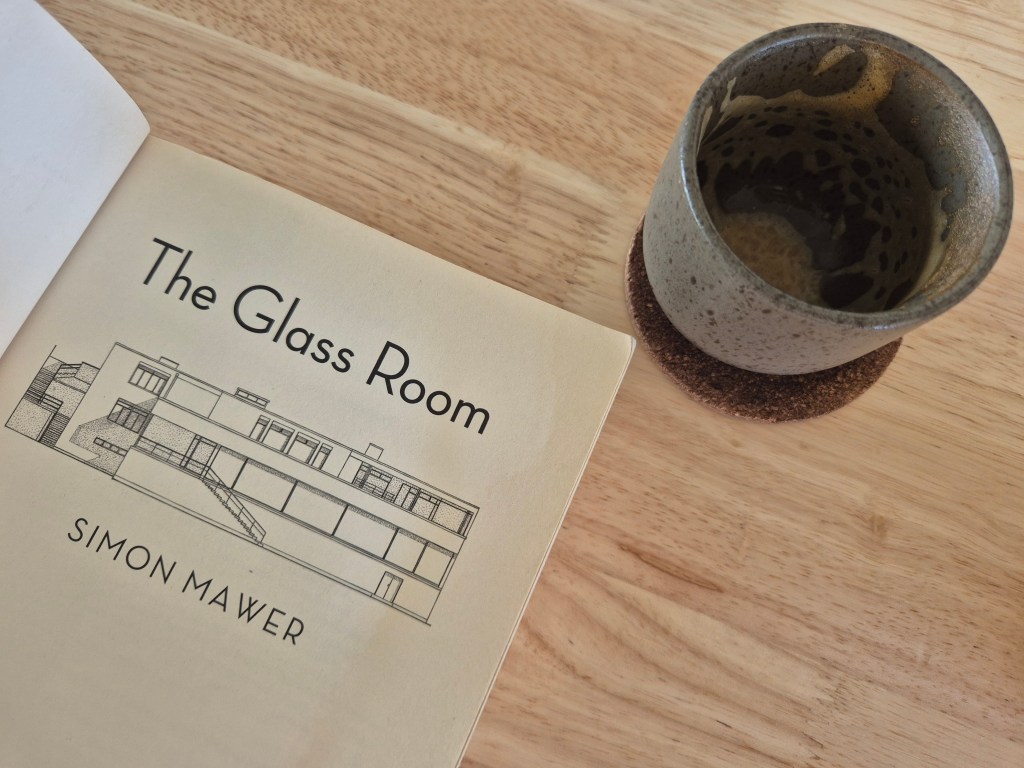
Simon Mawer: The Glass Room

“There was, however, a catch. There is always a catch, in stories as in life.”


The verdict: I could have easily stopped reading this because of the unashamed and irritating amorality of the characters. But Simon Mawer knows how to tell a story and wrap you around his finger.

It’s true what readers who occasionally dabble in cinema are saying: The Glass Room > The Brutalist. I wouldn’t be surprised if the latter admitted to taking inspiration from the former. The twisted parallels are there: Among other details, Modern man’s spiritual aloofness, characters who worship at the altar of their ego, and the pretentiousness that seems to be an essential quality of the zeitgeist.

The Glass Room, but not the ‘room’ of English, expresses the author. Rather, the Teutonic ‘raum’ with a broader sense of space. The novel correspondingly hints at architecture while maintaining a broader sense of architecture by concerning itself beyond the architect and the building, and taking into account the lives that inhabit a particular space. Similarly, it is an acknowledgment of how one cannot write about the Modernist shift in architecture without conveying how it is an entire geopolitical and cultural movement.

While glass seems to reflect not the transparency but rather the fragility of human relationships and ideologies, in its un-clichéd way, this novel concedes that it is architecture that outlives and bears witness to it all.


“The Glass Room remained indifferent… Below it, lapping up to the foot of the garden, were the rough tides of those political years, while the Landauer House stood beached on the shore above the tidemark…” — The Glass Room, 2009

“…but my buildings were devised to endure such erosion of the Danube’s shoreline.” — The Brutalist, 2024


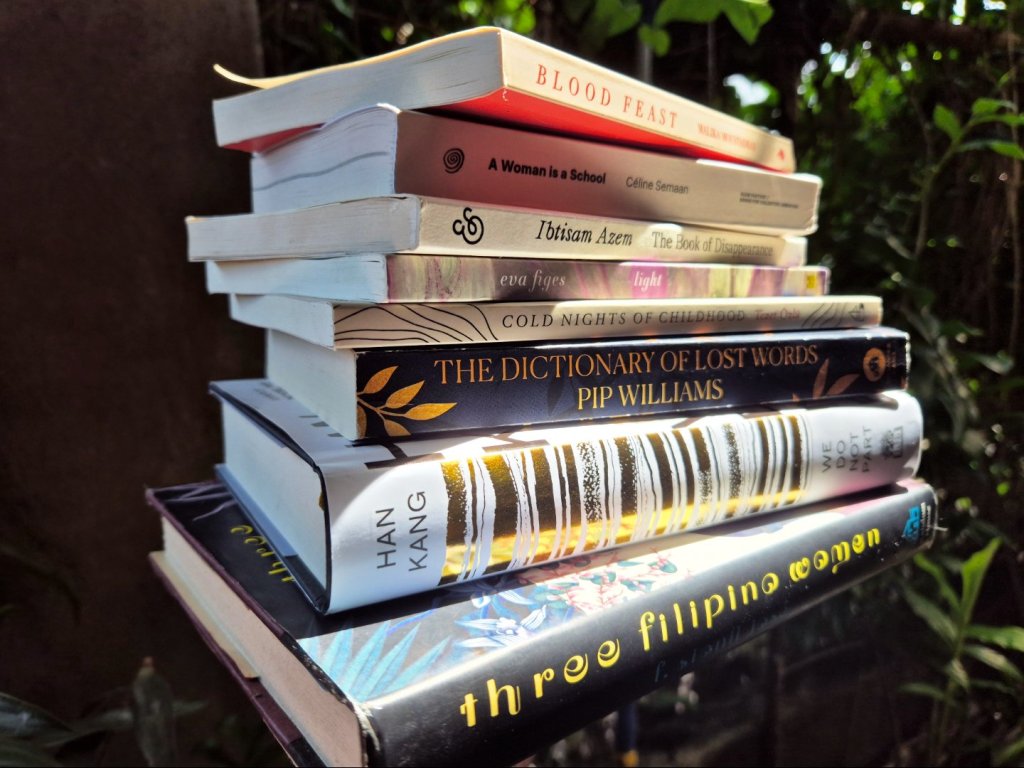
Women’s Month Summary


Blood Feast, Malika Moustadraf

Malika Moustadraf is Morocco’s answer to Egypt’s Nawal el Saadawi whose depictions of how women are viewed and treated are unflinching. But Malika has a distinct style that draws the reader right into a scene, into the midst and into the cracks of such a society, sometimes forcing us to look through the eyes of the scoundrels themselves. I daresay she is the more masterful fiction writer. Fiction, as we know, is just a tool to reveal the rawest of truths. Read full entry here.


A Woman is a School, Celine Semaan

Even though this one did not exceed my expectations, it has its merits. I love how she writes of art as “the ultimate act of giving.” It may be enlightening to someone younger who is reading about the effects of colonialism for the first time, but readers may find more substantial memoirs and more informative books on Lebanon and Lebanese culture, and better books that encourage attentiveness to social justice.


The Dictionary of Lost Words, Pip Williams

An exceedingly apt book for Women’s Month that would also make a splendid companion read to Simon Winchester’s The Professor and the Madman. It is this one that left my heart with a tender aching.

“Never forget that… Words are our tools of resurrection.”


The Book of Disappearance, Ibtisam Azem

In another Palestinian masterpiece, Adania Shibli’s Minor Detail, the entire book is a bullet in motion that hits you with a staggering force on the very last page. There is an abrupt and brutal finality. There is no closure in Ibtisam Azem’s The Book of Disappearance. It ends without a concluding cadence and leaves the reader suspended in an unsettling limbo. But that does not imply that this book pales in comparison. Perhaps we are given a nanoscopic glimpse of what it feels like to be Palestinian. Read full entry here.


We Do Not Part, Han Kang

“Extermination was the goal. Exterminate what? The reds.” But Jeju’s inhabitants were not all reds, and yet it was easier for the military to operate by decimating the population. For nearly fifty years after the massacre, it was a crime punishable by law for a South Korean to mention the event. A huge percentage of the thousands that perished were innocent.

“Collateral damage.” That’s what they call it. Now where have I heard that term recently? Read full entry here.


Cold Nights of Childhood, Tezer Ozlu

Bursts of beauty in the prose amidst a stream of surreal disclosures from a woman grappling with mental illness and electroshock therapy. But it is ultimately a sad and disturbing portrayal of a particular societal context and its effect on the psyche, framed affectionately by Aysegul Savas’ introduction and Maureen Freely’s translator’s note. Read full entry here.


Light: Monet at Giverny, Eva Figes

An impressionist painting in book form with the most elegant feminism I have ever read.

“I’m sitting at the restaurant reading. Some books take me to worlds far greater and more tender than real life.” This line was lifted from Tezer Ozlu. She could have been referring to this book. Amidst the cacophony of social media and political rants, my mind is thankful to have been transported and softened by such a beautiful, beautiful book!


Three Filipino Women, F. Sionil Jose

This reader’s Women’s Month has usually been reserved for reading women authors, but an exception had to be made for this. Curious as to how a man would paint a portrait of the Filipino woman, I soon realized that this is more portrait of Philippine politics than it is of the Filipino woman. It is a dismal but virtuosic depiction. Three women: A politician, a prostitute, and a student activist. Maybe parable, maybe allegory, maybe both. Beyond death, F. Sionil Jose reminds me, once again, that he was the closest thing the Filipinos had to a Nobel laureate in literature.


Robert Graves: I, Claudius

In the heat of the 2022 election season, I read two of literature’s Roman Empire trinity: Marguerite Yourcenar’s Memoirs of Hadrian and John Williams’ Augustus. It was, perhaps, a subconscious response to how my nation’s “history” was being crafted to suit narratives while facts were being doubted and ridiculed.

The novels led me to plead that if we dare to question history, we need also the courage to question our motives and ask ourselves what kind of people our convictions empower. That we have the son of the dictator as president is proof that my plea was futile.

As political temperatures rise once again, simply because the very same people who refused to listen to history are stewing in the consequence of their choices, I found myself drawn to Robert Graves’ I, Claudius.

Writers are discouraged to begin any piece of writing with “I”. It’s clever how this book pretends to break that rule with its title and then proceeds to construct the story, not of one man, but of an empire. While I prefer the elegant prose of Hadrian and favor the compassion with which Augustus treats its subjects, especially the women, Claudius completes the trinity with its wit and brilliant insight into the inner workings of politics, power, and the process of writing history.


“…there are two ways of writing history: one is to persuade men to virtue and the other is to compel men to truth… and perhaps they are not irreconcilable.”


I, Claudius renders many books inconsequential and makes a reader wonder why they beat around the bush before undertaking it. The OG Game of Thrones but better, if Robert Graves will allow me such language.

Reading about corrupt rulers draining the treasury, entertaining the masses with shallow amusements and feeding them with false narratives, and all the political maneuvering and violence tells me that we have not come very far. The only difference is that, at a time when the Roman Empire transitioned from representative democracy to centralized imperial authority, the people were not to blame for electing crooks. 

Ha-Joon Chang: Edible Economics

Because ’tis the season… to be eating! Edible Economics was a suitable appetizer for this reader who did not want to bite off more than she could chew on a seemingly daunting topic. And because ’tis also the season when most of us have so much on our plates — figuratively and literally — these bite-size treats from Ha-Joon Chang whet the appetite but keep it from being too overwhelmed. The book’s intent is simple: To make the topic more palatable so the reader may “eat” economics better in the future.

As soon as I closed this book, I could already imagine those who would criticize this for not providing enough solutions, or for not being meaty enough. Perhaps it is, for those who are seasoned in the field. But I don’t think it was written for them. This is definitely not a textbook. (Thank heavens!) It is a starter from which I learned a lot.

While we feed our souls with the company of those we love, and feed our bellies with the season’s treats, it’s never a bad idea to feed the mind with books, and with something one knows little about but which has massive consequences on our lives and the world we live in. So… bon appetite and happy holidays!

Five Indian Forts

Although the stories about these places are just as intriguing and twisted as Game of Thrones, what may look like promotional shots for season two of House of the Dragon, are photos of five out of approximately a thousand forts in India that are triumphs of strategy and engineering.

Amber Fort: The most picturesque. Jaigarh: Where one will find what used to be the largest cannon in the world, and along with Amber Fort and Nahargarh, has the best views overlooking the city of Jaipur and the sunset. Chittorgarh: The largest living fort in Asia, and where I was congratulated for being named “Mira” and being a musician, as Chittor residents are devotees of the mystic musician, Meera, or Mirabai. Agra Fort: The only Mughal fort among these, commanding a majestic view of the Taj Mahal, standing since 1530 and is still being used by the Indian Army up to this day!


Benjamin Labatut: The MANIAC

Robert Downey Jr. as Lewis Strauss appeared in my mind’s eye when I encountered the lines about Strauss being the person John von Neumann was speaking to on the telephone when the latter collapsed and was subsequently diagnosed with cancer; the person by von Neumann’s bedside as he lay dying; and the person who delivered von Neumann’s eulogy at the Princeton Cemetery.

It was Cillian Murphy as J. Robert Oppenheimer that I imagined when he was quoted as saying, “With the creation of the atom bomb physicists have known sin, and this is a knowledge which they cannot lose”; and when he was mentioned opposing the building of the hydrogen bomb through the MANIAC (Mathematical Analyzer, Numerical Integrator and Computer) — The MANIAC, whose chief architect was von Neumann.

The movie, Oppenheimer, and its characters are still fresh in our minds. But who is John von Neumann? And why doesn’t he figure in the film when these people were his contemporaries and colleagues, and when he played such a huge role in the Manhattan Project, aside from being credited for calculating the optimal height for the detonation of the bombs over Hiroshima and Nagasaki?

The second question can be answered by various speculations. Benjamin Labatut answers the first: He was the smartest human being of the 20th century.

“The cleverest man in the world… a genius, a very great genius,” according to Albert Einstein. The back cover sums up von Neumann as, “…the individual who birthed the modern computer, laid down the mathematical foundations of quantum mechanics, written the equations for the implosion of the atomic bomb, fathered the Theory of Games and Economic Behavior, heralded the arrival of digital life, self-reproducing machines, artificial intelligence, and the technological singularity…”

Labatut, rockstar that he is, goes beyond what we can find in Wikipedia; simplifies alien quantum talk into plain language; constructs a complex and eerie portrait of a flawed superhuman through the different lenses of von Neumann’s peers, rivals, friends, and family; and charts the seemingly unstoppable advancement of AI.

The book highlights the irony of what comes hand in hand with technological progress, how the rise of the computer was tied to and hastened by the nuclear arms race: “Just think about this for a second: the most creative and the most destructive of human inventions arose at exactly the same time. So much of the high-tech world we live in today, with its conquest of space and extraordinary advances in biology and medicine, were spurred on by one man’s monomania and the need to develop electronic computers to calculate whether an H-bomb could be built or not.”

In the first chapter we find an account of Austrian physicist Paul Ehrenfest waiting for the train and heading to his suicide, and it makes for a strong allegory for the shared fate of humanity and technology: “…even though he could not hear it, could not feel its faint rumbling in the distance, he still knew that it would come, there was no stopping it, in fact it had just arrived, he could see it rolling slowly into the platform, smoke billowing all around him as the whistle shrieked, but even then he still had time to turn back…and walk away, he still had time, and yet he stood, machinelike, propelled by a force he neither recognized nor understood, and took five steps with his legs as stiff as an automaton’s, to board the wagon and take his place among the rest.”

By reading this book, one can see why it was important for Labatut to write it: The portrait of John von Neumann is the portrait for, and of, our age.

Who needs science fiction when reality is this chilling?

Susan Sontag: At the Same Time

Reading on Women’s Month is something I look forward to each year. There’s simply nothing like communing with some of the fiercest minds in literature for an entire month!

I’m glad to have kicked off with Hurricane Clarice and Hanne Ørstavik, but this month’s reading goals are not too unrealistic: One Sontag essay a day (although I will definitely squeeze in what I can). I cannot fully express how much her words feed me so profoundly.


“…literature was a criticism of one’s own reality, in the light of a better standard.” — From The World As India

“Literature can train, and exercise, our ability to weep for those who are not us or ours. Who would we be if we could not sympathize with those who are not us or ours? Who would we be if we could not forget ourselves, at least some of the time? Who would we be if we could not learn? Become something other than we are?” — From Literature is Freedom

“To have access to literature, world literature, was to escape the prison of national vanity, of philistinism, of compulsory provincialism… Literature was the passport to enter a larger life; that is, the zone of freedom. Literature was freedom. Especially in a time which the values of reading and inwardness are so strenuously challenged, literature is freedom.” From Literature is Freedom

 “And one of the resources we have for helping us to make sense of our lives, and make choices, and propose and accept standards for ourselves, is our experiences of singular authoritative voices, not our own, which make up that great body of work that educates the heart and the feelings and teaches us to be in the world, that embodies and defends the glories of language: namely, literature. From At the Same Time: The Novelist and Moral Reasoning

 “The writer’s first job is not to have opinions but to tell the truth… and refuse to be an accomplice of lies and misinformation. Literature is the house of nuance and contrariness against the voices of simplification… the job of the writer is to make us see the world as it is, full of many different claims and parts and experiences.” From The Conscience of Words

“A writer is first of all a reader. From The World As India

“The capacity to be overwhelmed by the beautiful is astonishingly sturdy and survives amidst the harshest distractions.”  — From An Argument About Beauty


Andre Aciman: Letters of Transit

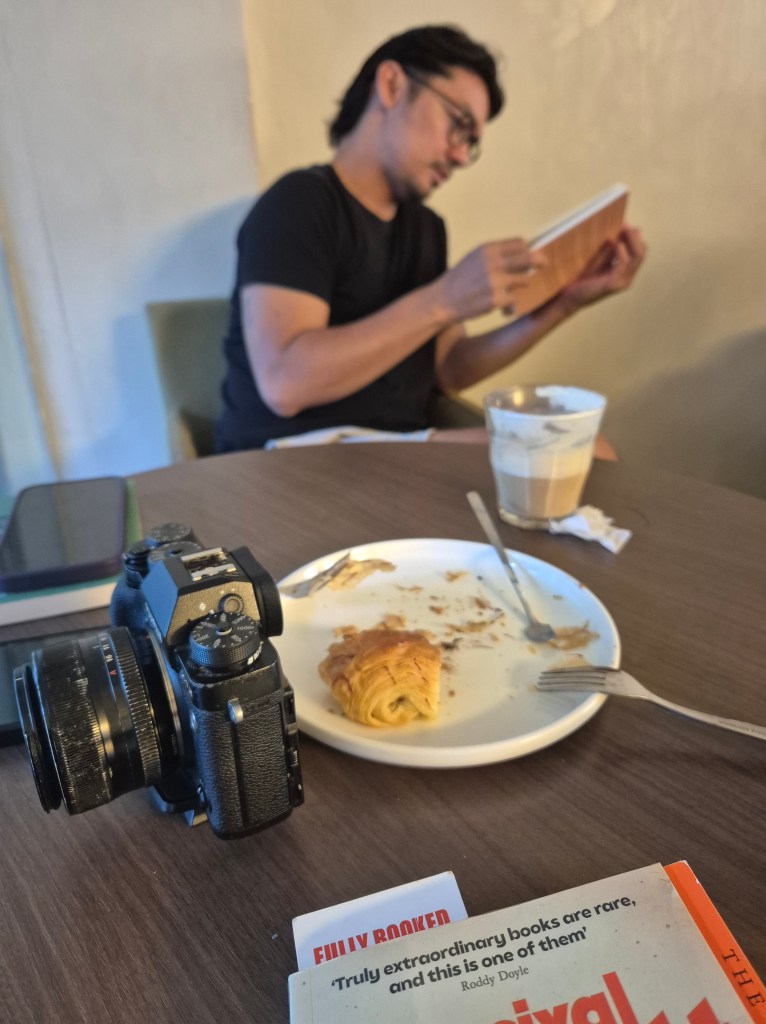
No, that’s not Aciman on the photo. Haha That’s the BFF having a reading session with me at midnight in Cebu.

It’s only now that I’ve noticed how often I’ve opted to travel with André Aciman. On a brief trip to Cebu last week, I took this anthology with me, mainly for the Edward W. Said essay. (Is there a more relevant writer to read these days?) 

But as soon as I opened this slim volume at the airport’s pre-departure area, I found myself falling in love with Andre Aciman’s lines once again.

“Does a place become one’s home because this is where one read the greatest number of books about other places?” He ponders.

Cebu sports a different look and feel each time I visit. My trips to this city have dwindled down to once-a-year. To think I used to spend months there for work and music-related projects. 

But to paraphrase Aciman who wrote, “…even if I don’t disappear from a place, a place disappears from me,” I would write this of Cebu: “Even if I disappear from a place, a place never disappears from me.”

It is, of course, because of the people that I still consider it one of the capital cities of my life. Second to Dipolog, Cebu is where I read the greatest number of books about other places; and though it often seems unrecognizable these days, it is home for the aforementioned reasons of books and people.