December in Books

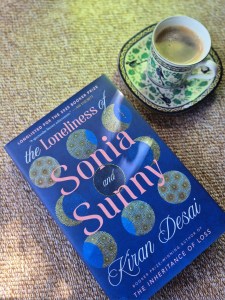
“Sonia’s heart was a Hopper painting.” The title is blunt about Sonia and Sunny’s loneliness, but it’s this Hopper line that makes one grasp how lonely: A profound loneliness that has something to do with a vulnerable and fluctuating selfhood, an abstract loneliness that is tied to urban and modern life, an existential loneliness craving real connection that cannot be quenched by mere companionship. Lonesomeness was Edward Hopper’s leitmotif, and Kiran Desai weaves this theme into an unfolding raga… Read full entry here.

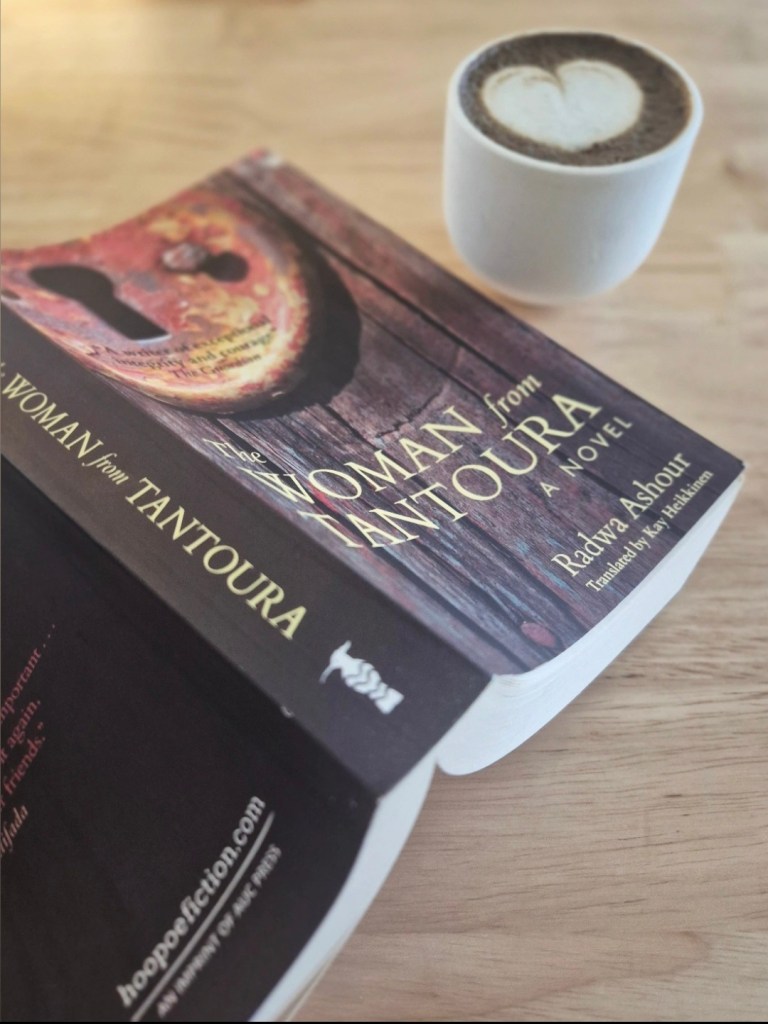
The Woman from Tantoura was my pick for #ReadPalestine week. Radwa Ashour’s best work, if you ask me. Started 2025 with Edward Said and ended it with something a bit less intellectually demanding, albeit informative and genuinely affecting. Why #ReadPalestine? Until we know enough to be able to call a spade a spade.

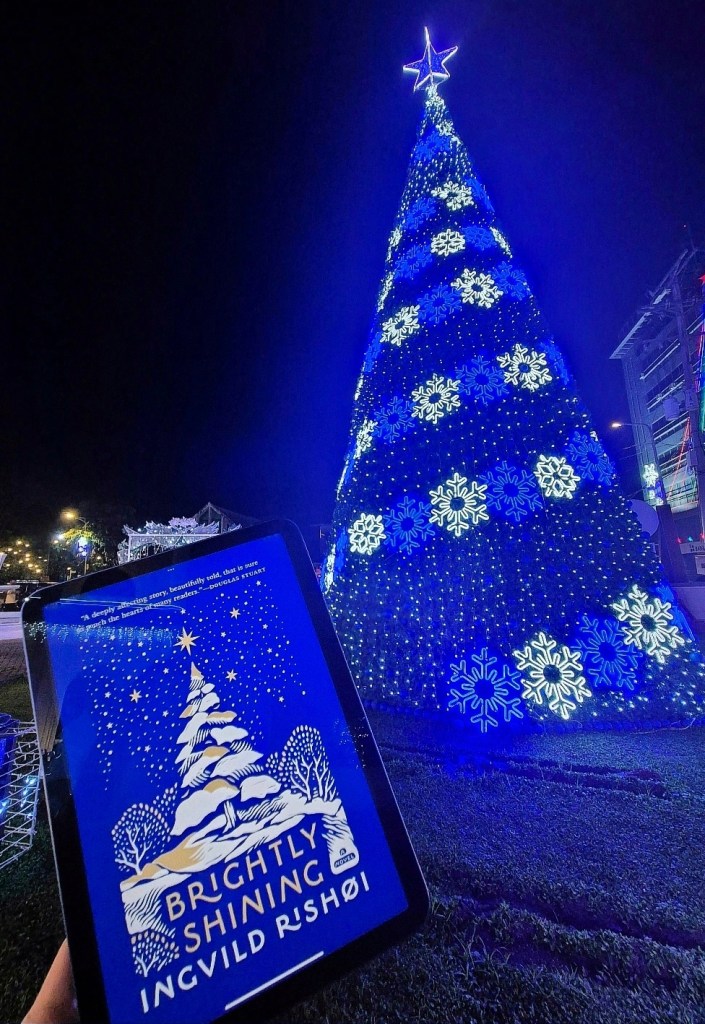
Brightly Shining by was my hope for a more festive read, and my first Dua Lipa recommendation. Surprisingly, all three books touch on immigrant life, and two have Filipino minor characters. But this one broke my heart.
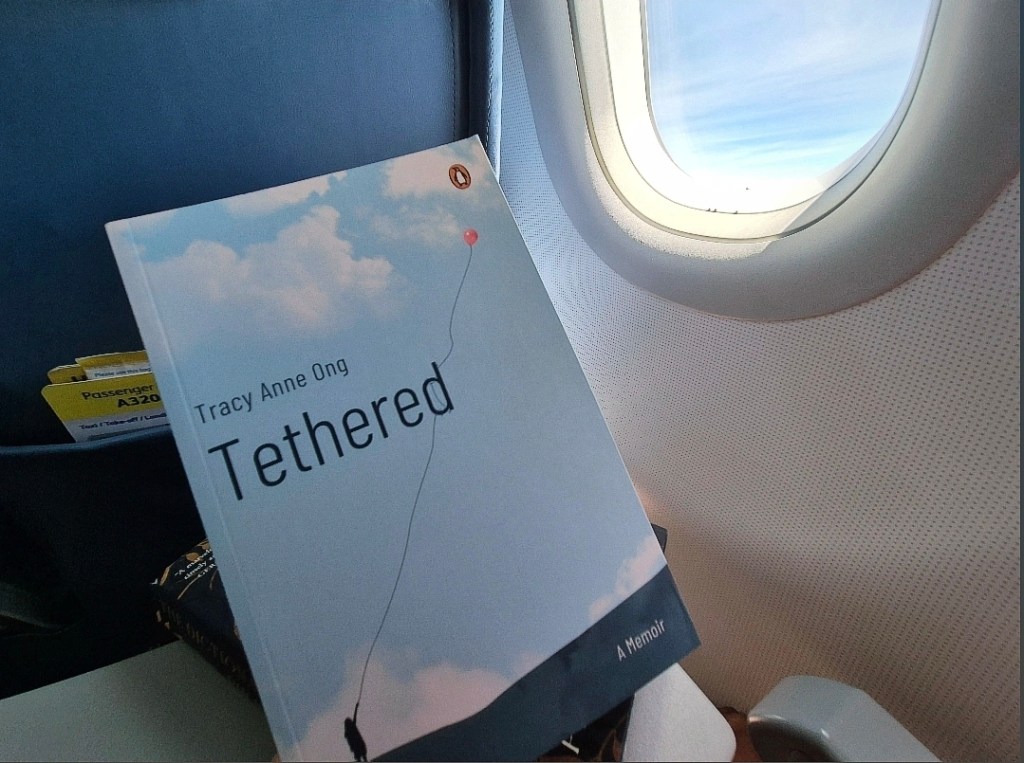
It makes me extra grateful to have been able to squeeze in Tethered on the last day of 2025. Not because it helped me achieve my goal of reading at least one Filipino author a month, but primarily because this book is a gift. Grace is a multifaceted word, but even when I contemplate its various meanings, this book still embodies all of its definitions. Read full entry here.

That’s my December in books. The 2025 reading wrap-up will have to wait. It’s a wonder I was able to read at all with all the season’s bustle while caring for a loved one who was ill for most of the month, leaving me to (wo)man the fort. But we said goodbye to 2025 on a healthier and happier note. Gave and received bookish presents. Attended the last Ex Libris session of the year and felt revitalized. BFF paid us an impromptu visit: We attended a Rizal Day literary event and said goodbye to the old year / welcomed the new year reading quietly… and it was precious.

Wishing all my reading friends a happy new reading year! 

Tracy Anne Ong: Tethered

Grace is a multifaceted word, but even when I contemplate its various meanings, this book still embodies all of its definitions.

The parcel containing Tethered arrived many months ago as I was on my way out to the airport, and I gladly welcomed an additional book in my carry-on luggage.

Dear Mira,

I hope this book transports you to where you need to be.

Tracy

An apt dedication for a book-butterfly. I turned to the sky and the clouds framed by the plane window, and smiled at the perceptive mind behind the message. A page turn revealed a Rabindranath Tagore quote about a violin string that could only be free to sing once bound to the violin. Even the epigraph felt personal, and I paused to ponder its deeper meaning.

Soon enough, the plane landed in the capital. The urban bustle was not conducive to the stillness and attention that this book required, seeing that the initial passages already felt like the beginnings of an intimate conversation with a friend. Thus, it was tucked away and saved for the reading environment it deserved.

Months passed, dozens of other books were read. But just as I was starting to see the light at the end of a mentally and physically exhausting three-week tunnel when a loved one fell ill, this book seemed to beckon. And sure enough, it transported me to a place where I needed to be — a place of faith and gratitude, and I cannot think of a better place to be. What a gift, this book.

Tethered is grace exemplified, the same way Tracy is grace personified. I’ve only exchanged a few messages with her through Blithe Books, but even electronic messages cannot dilute the light in her soul that shines through her words. Imagine an entire book of it!

This is described as an account of a remarkable journey of recovery from a brainstem stroke that attacked all bodily functions and left only the mind to operate; but more than that, it is a beautiful note of gratitude for life, and a celebration of the mind and the spirit. The author’s optimism is apparent, but as one reads on, one realizes that it is not optimism but faith. 

For the believer, faith is the thing that both tethers and liberates. Only when the strings are bound to a violin can they be free, for the first time, to sing.

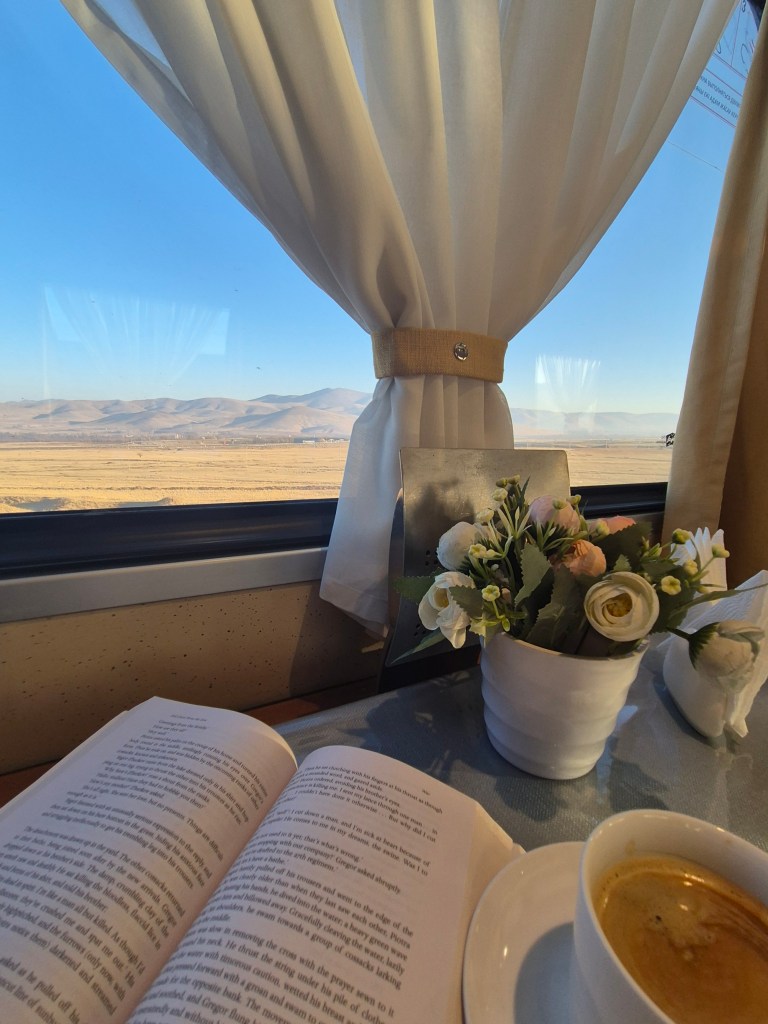
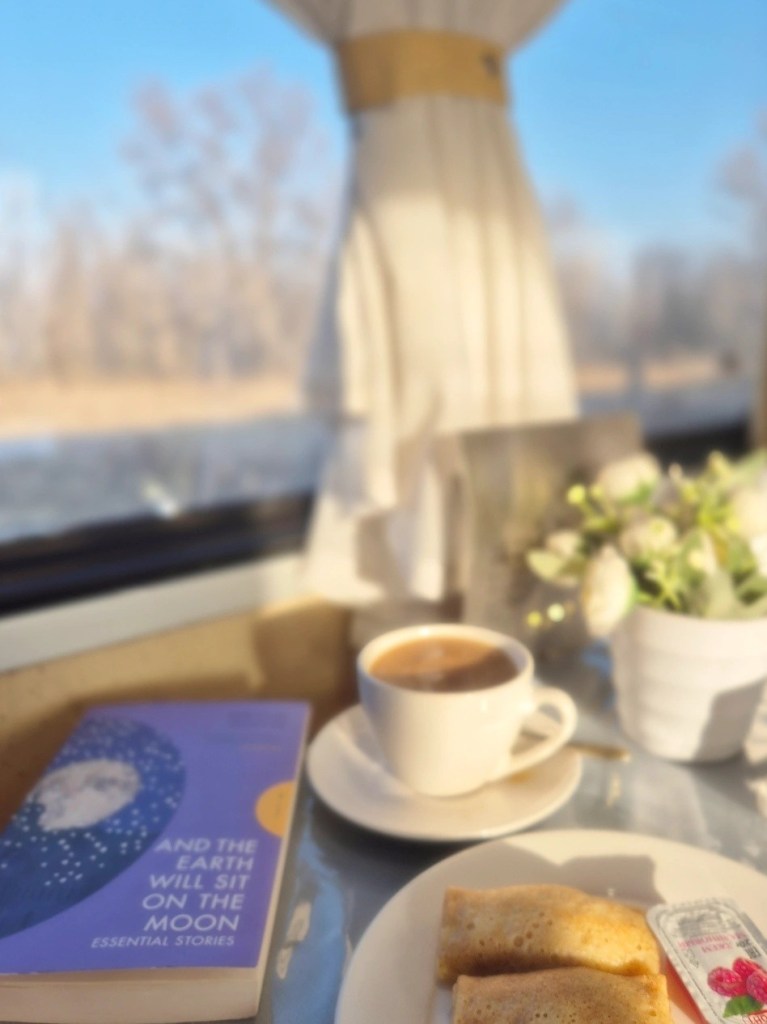
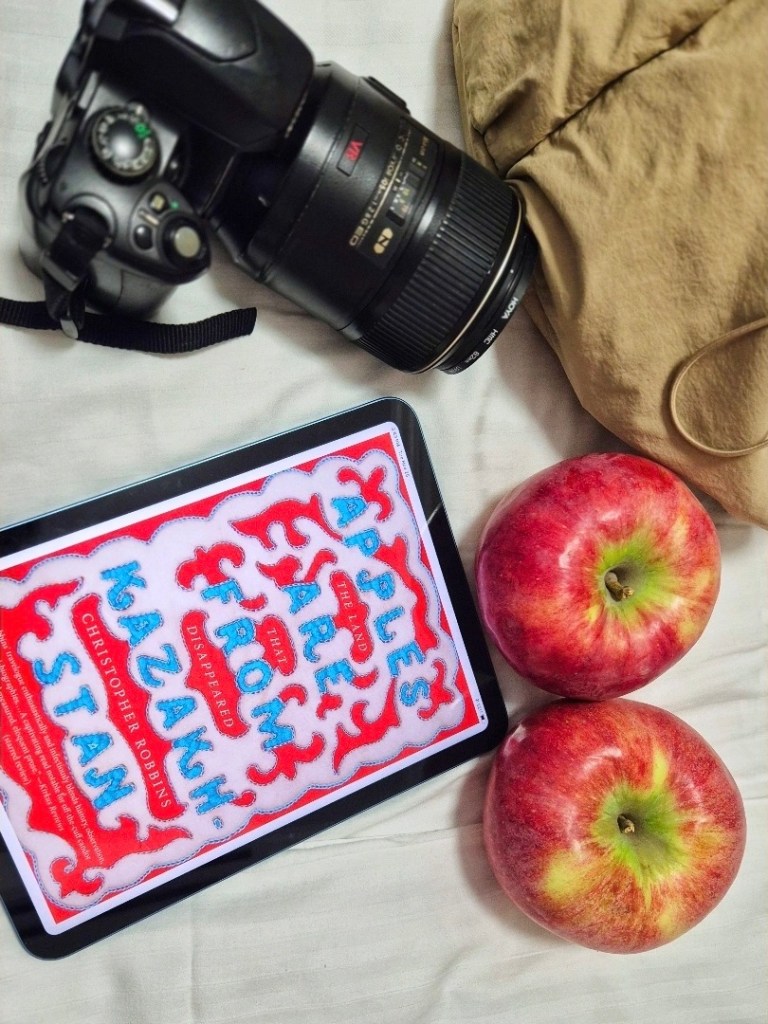
A Reading Girl in Kazakhstan

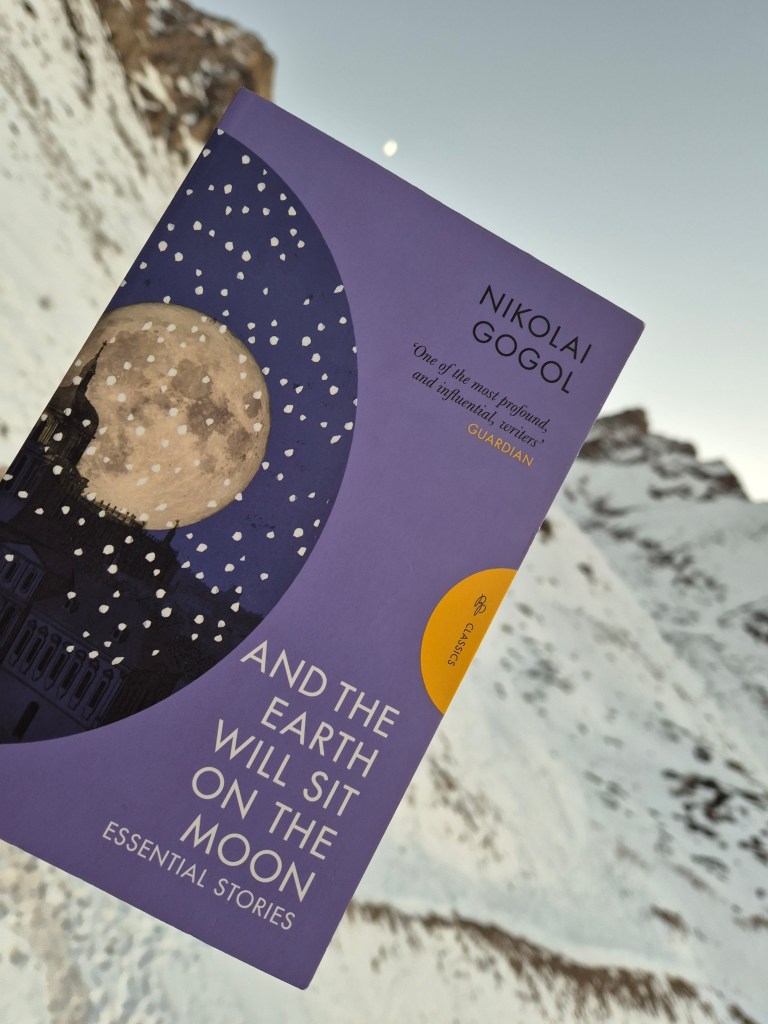
That was me. The girl with a Gogol anthology poking out of a backpack pocket while walking the length of Almaty’s Gogol Street a number of times, earning her more than 20,000 steps a day; 

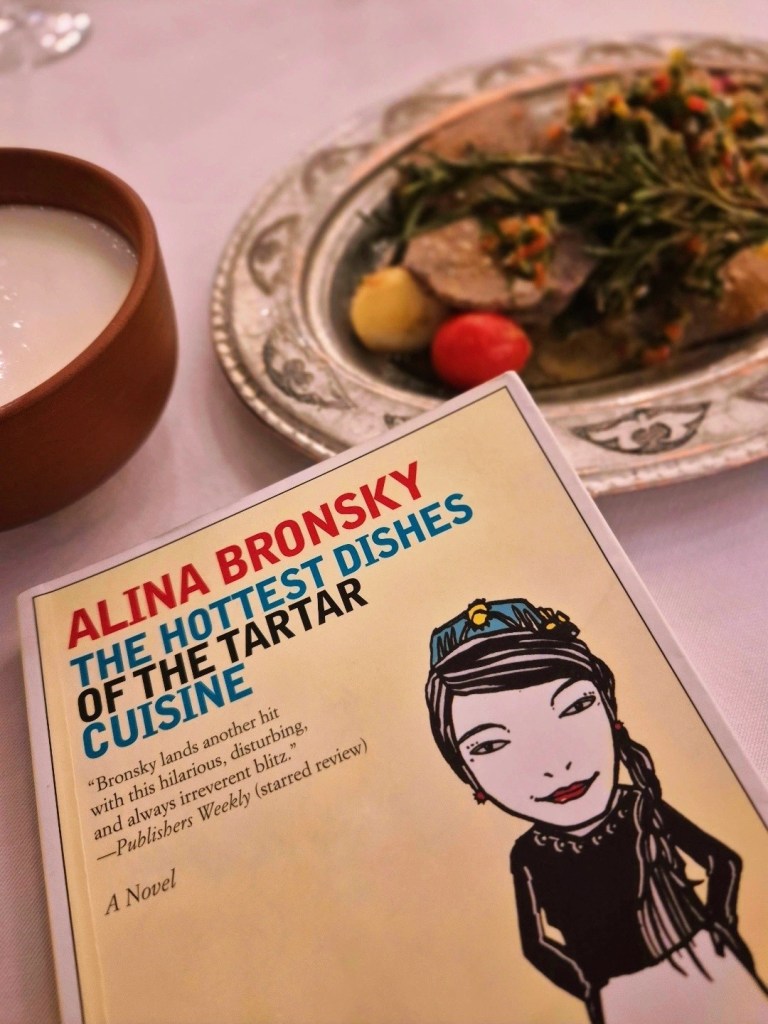
who paired her first Kazakh meal of horse meat and fermented camel’s milk with Alina Bronsky’s insane but unexpectedly touching Hottest Dishes of the Tartar Cuisine;

who carefully savored the nuances in every Kazakh story from Amanat (Women’s Writing from Kazakhstan) on every fermata between adventures, and upon completion, discovered that it would be one of her favorite collections of short stories;

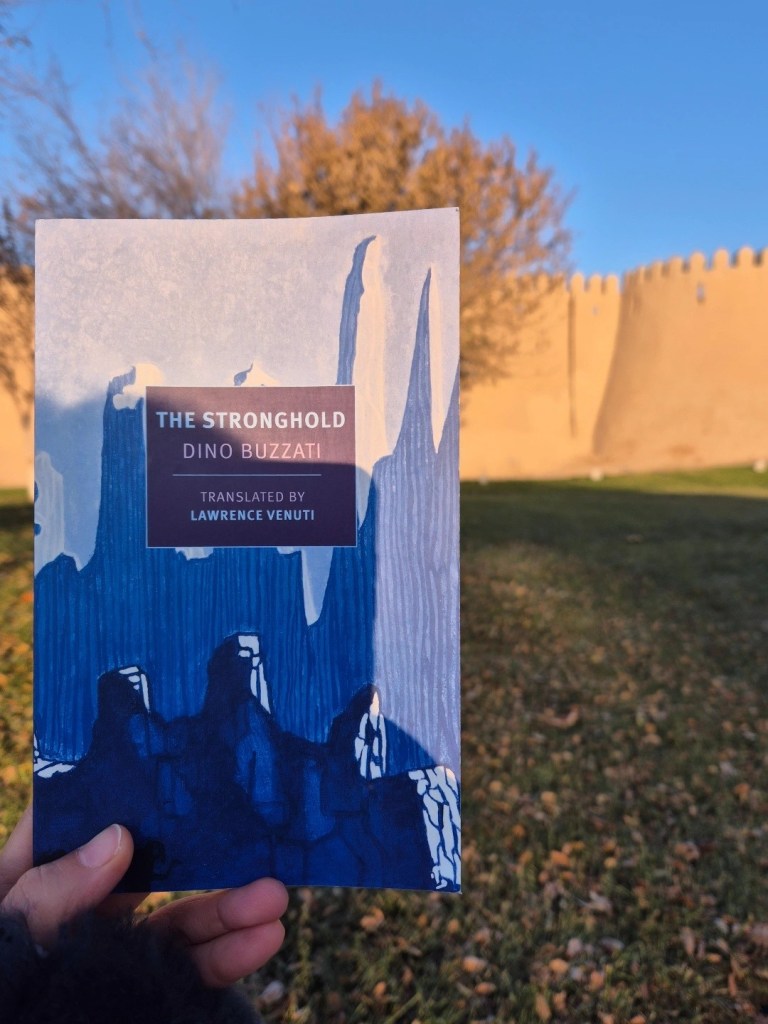
the girl who brought Buzzati’s The Stronghold (aka The Tartar Steppe) to a stronghold in a Tartar steppe, and who realized that Buzzati would have been happy with her for taking a cue from his novel and living a life contrary to that of Drogo’s;

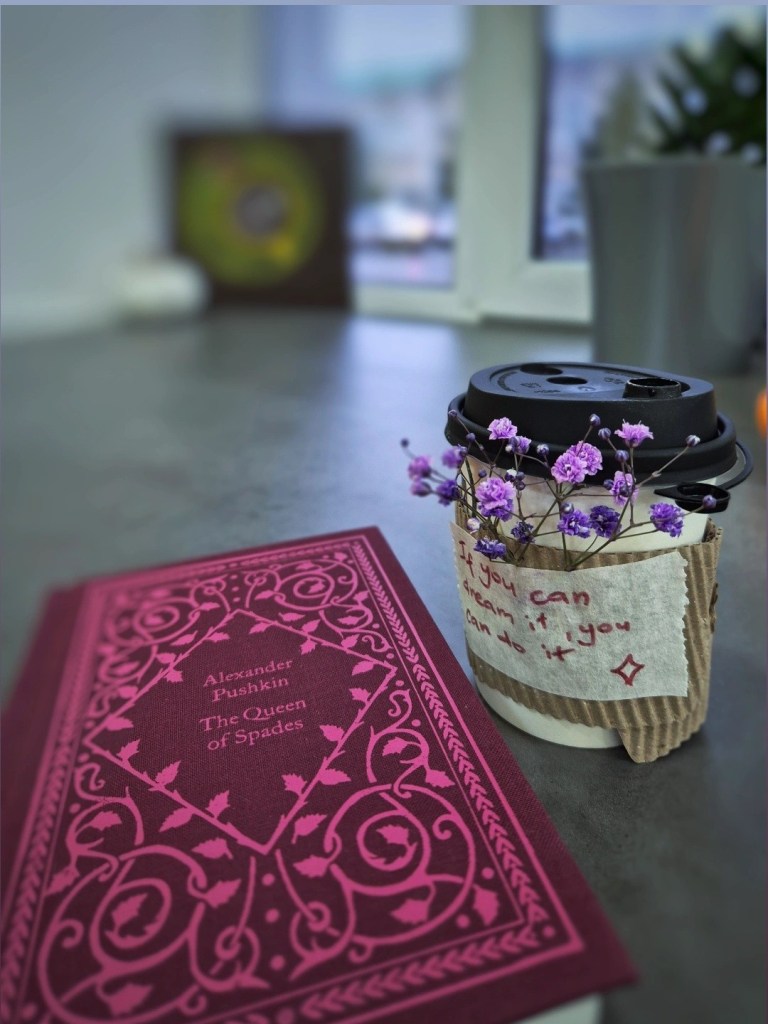
the girl who felt like a queen when she received a cute note in English with tiny flowers from a barista in Uralsk, and a free pass at the Pushkin Museum by reading and bringing The Queen of Spades with her;

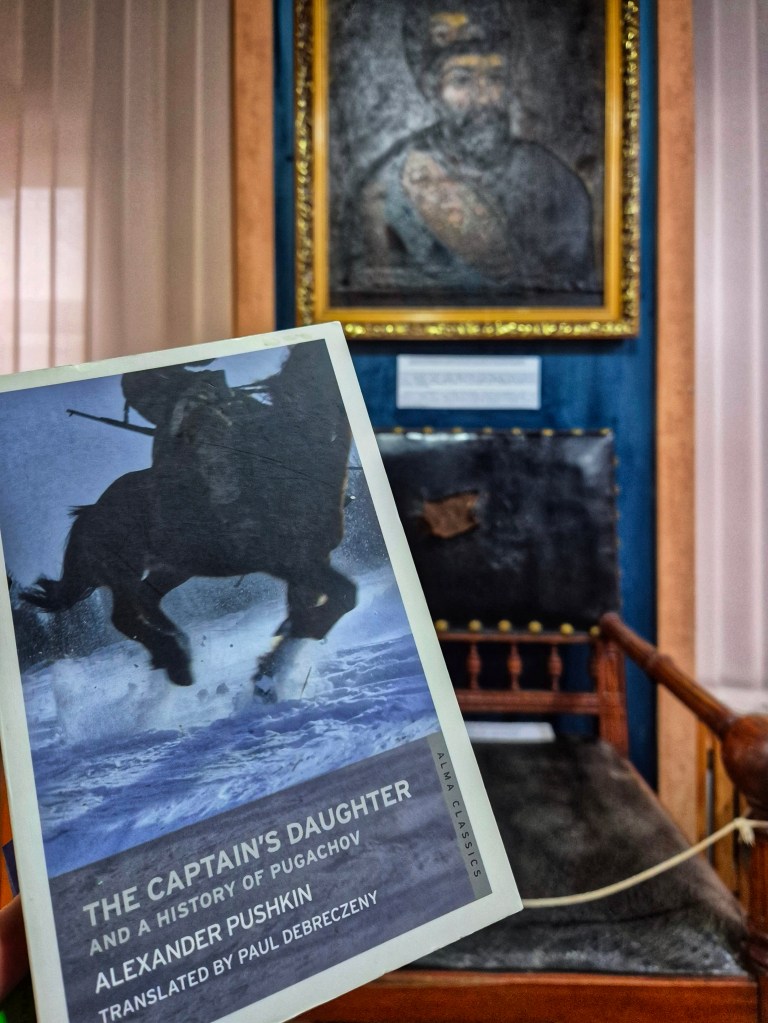
who learned about Pugachov’s Rebellion through Pushkin before knocking on Pugachov’s door;

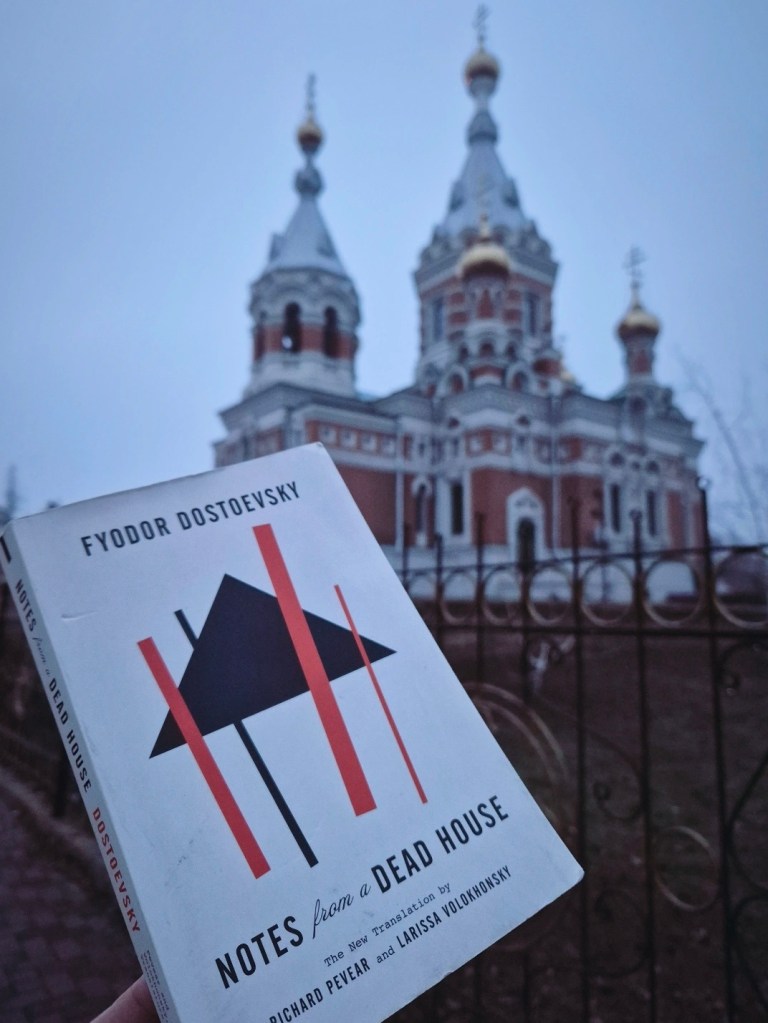
who reunited Dostoevsky’s Notes from a Dead House with Kazakhstan simply because it’s where he started writing the notes;

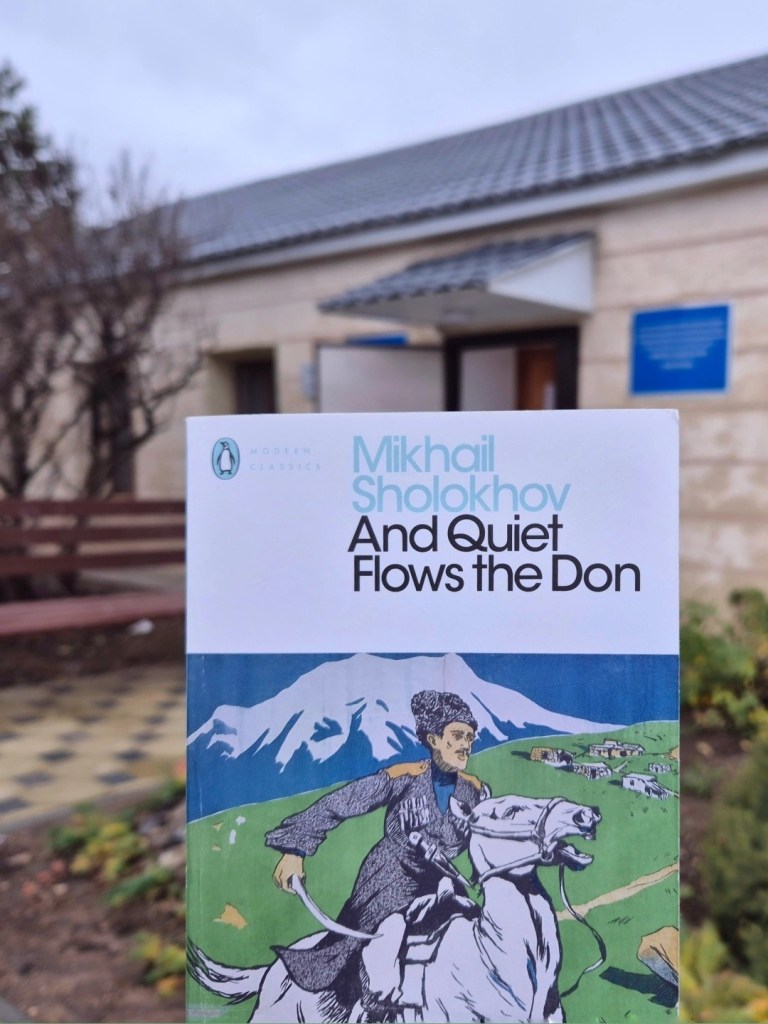
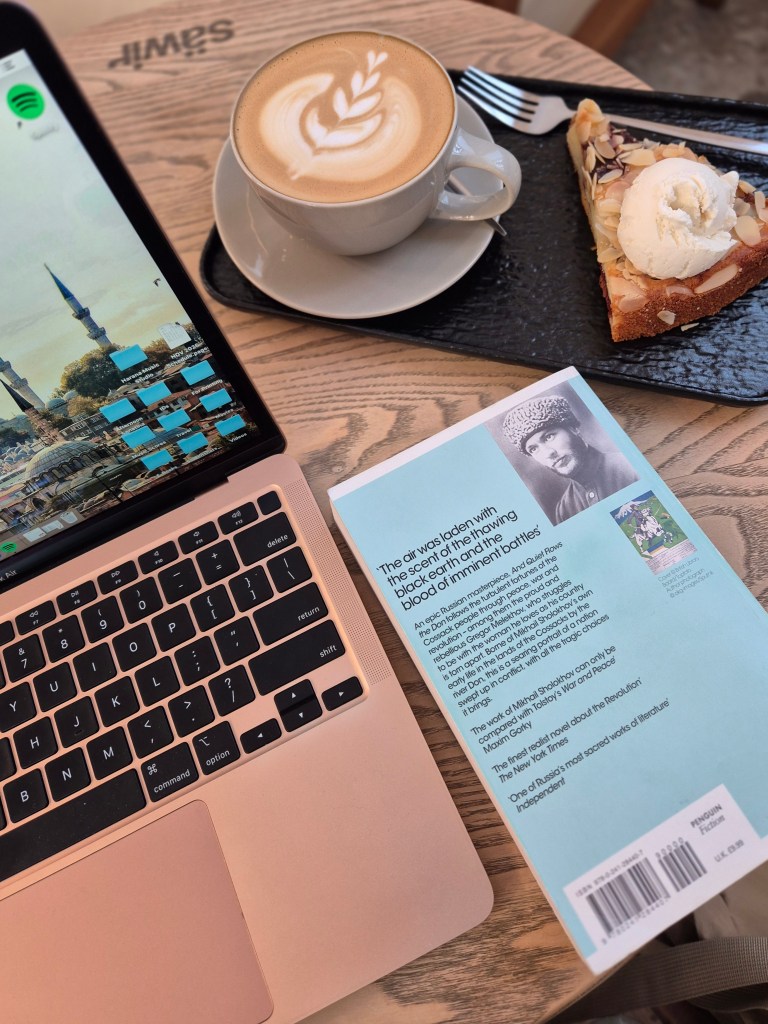
the girl who wished she flowed, but instead, lumbered through Sholokhov’s epic “And Quiet Flows the Don,” and being devastated by it, could only take the hefty book to the house where Sholokhov learned that he was awarded the Nobel and play a plaintive melody on his piano while gazing at his portrait, wanting to ask him so many questions;

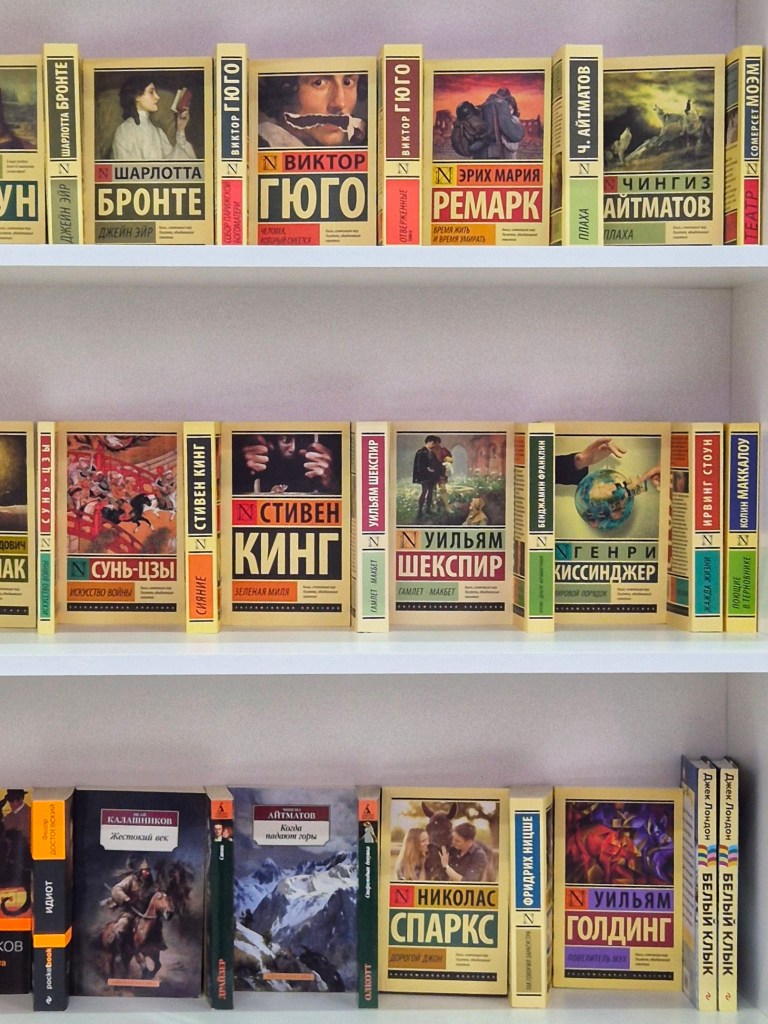
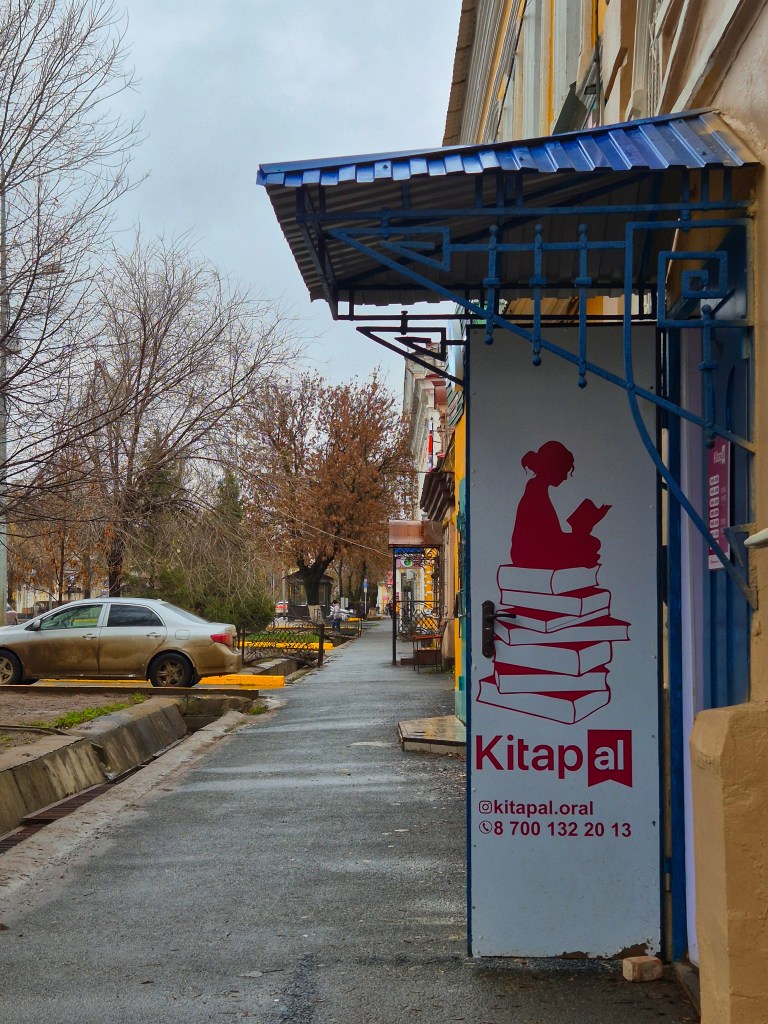
the impractical girl who carried all these books to a trip, thankful that she did because Kazakh bookstores humble the English reader by catering only to the Kazakh and Russian reader;

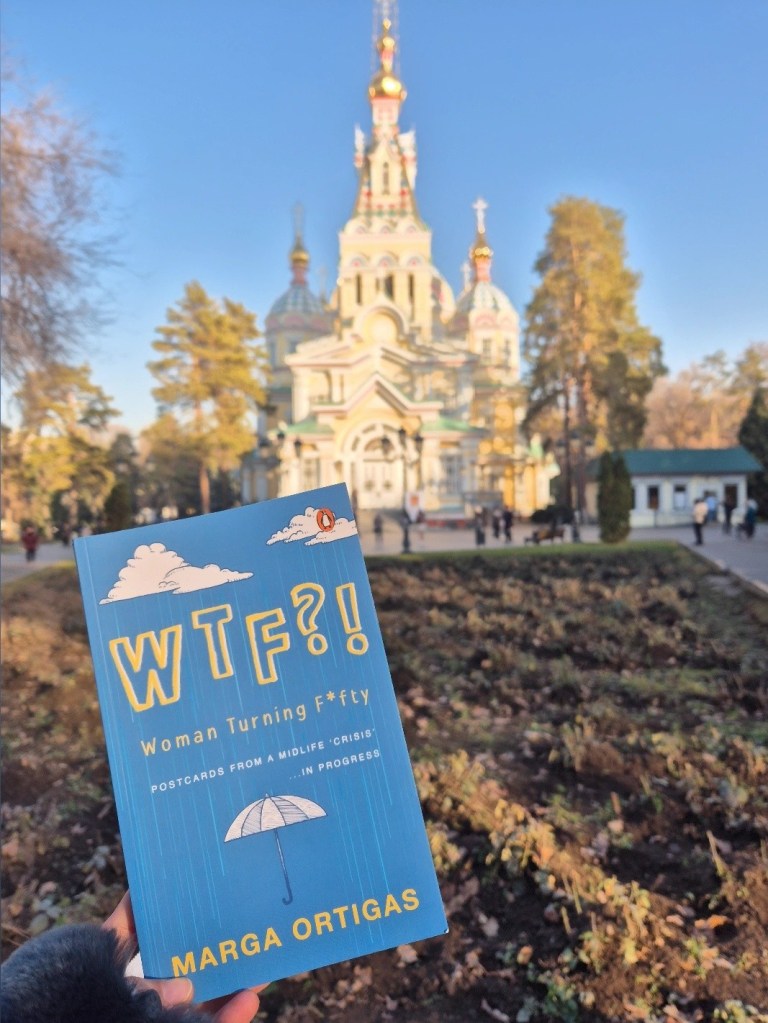
the girl who agreed with Marga Ortigas who wrote that reading is, “A special gift that showed you how much of the world still lay beyond the safety of your comfort zone”;

the girl who believes that traveling is one way of acting upon that gift. 

Helen Wolff: Background for Love

“What do you think I should do now?”
“You should read a good book for a change.”

“At my death, burn or throw away unread,” wrote Helen Wolff on the envelope in which the manuscript was found in 2007. Being a revered editor and publisher of literary giants such as Italo Calvino, Umberto Eco, and Gunter Grass, among many others, she probably judged her own writings with more exacting standards and deemed Background for Love unfit for publication.

After all, it is a perfectly imperfect novella. We can find fault with the characters and their decisions if we want to. Nothing grand or earth-shattering happens here. It is a story of a young girl wrestling between the desire for independence and the man she loves. And most of us have been there, and may or may not have ended up acting wisely. But you see, some of the most authentic writings are those unfit for publication, simply because life is flawed and will not live up to a lot of ideals.

What made me relish the pages so easily — aside from the cat she named Colette after the writer, aside from the picturesque beauty of Saint-Tropez as a backdrop, and the bittersweet awareness that darkness would soon descend on the sunlit Europe of this story — was the authenticity and intimacy of Wolff’s writing. It makes me wish she had written more, and one can only wistfully imagine the triumph of what she would have considered fit for publication!

But we can only be grateful for how this little gem did not perish into oblivion. As rain begins to steal into the sunny days in my part of the world, this book made me lean back, put my feet up… and whisked me toward the sunlight. 

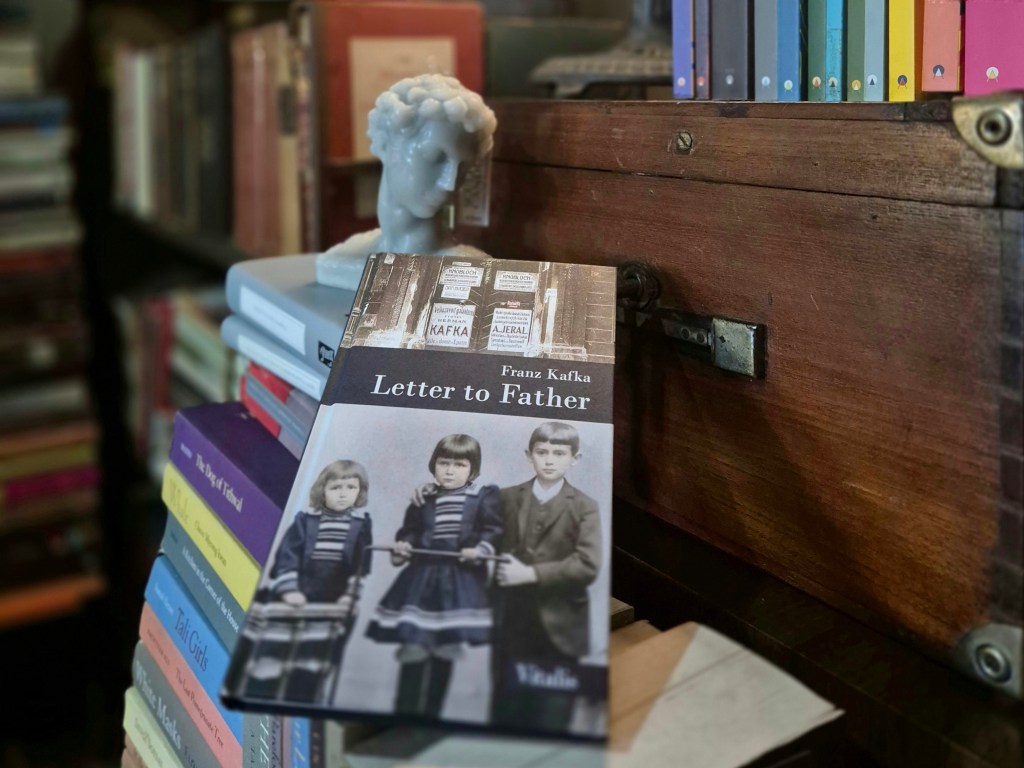
Franz Kafka: Letter to Father

“Franz Kafka was Prague and Prague was Franz Kafka,” wrote Johannes Urzidil. 

But by the time I was able to travel to Prague in 2018, the Kafka House where the author was born, which is a few meters away from the Old Town Square, had already closed for reconstruction, and my own Kafkaesque experiences of the city kept me from buying a Kafka book as a preferred souvenir. 

What a delightful surprise to receive “Letter to Father” as pasalubong from family friends who just got back from a trip to Europe a few weeks ago!

This publication by Vitalis is exquisite as it reveals Kafka’s lesser-known side as a graphic artist by featuring Kafka’s drawings in this famous indictment of his father. 

Although it is a painful book to read, and it took me longer to finish it than I would normally a text of this length, it is nonetheless a revealing and important part of the author’s body of work. It is probably the Kafka work that has affected me the most. One line especially stood out: “My writing was all about you, all I did there was lament what I couldn’t lament at your breast.”

Intercepted by his mother for obvious reasons, the letter sadly never reached the father. And here I am, heartbroken over the fact that these words have struck the hearts of millions who have read it over a hundred years after its writing, but forever lost to the eyes that were meant to read them. 

Elif Shafak: Black Milk

This is my ninth book by Elif Shafak, and I admit that I sometimes have qualms with her metaphors. Here, she personifies each of her personalities into tiny little women that argue among themselves and with whom she convenes, and it is comical at times. But this may have been necessary to lighten the mood, otherwise it would have been too weighty to read, especially for a woman. Besides, Shafak must always have her whimsy despite the gravity of her topics.

The best parts for me are the contemplations on the lives of other literary women and their differing views on motherhood; from Virginia Woolf, Simone de Beauvoir, Doris Lessing, Jane Austen, Anais Nin, Countess Sophia Andreevna Tolstoy, Louisa May Alcott, to Sylvia Plath of whom Elif Shafak writes so beautifully — “She was the mother to not only two children but to a thousand poems.”

All these women who either struggled or dealt with, longed for, or resisted motherhood. 

“After all, as even the smallest glimpse into the lives of women writers — East and West, past and present — keenly shows, every case is different. There is no single formula for motherhood and writing that suits us all. Instead, there are many paths on the literary journey, all leading to the same destination, each equally valuable. Just as every writer learns to develop his or her own unique style and is yet inspired by the works of others, as women, as human beings, we all elaborate our personal answers to universal questions and needs, heartened by one another’s courage.”

This book was closed with a lump in my throat. At times it felt like it was attacking me, and sometimes it felt like it comforted me. But it is a gift that came to me at the right time in my life.

Disclaimer: I am not with child. Haha! But being of a certain age, my many selves are warring against each other about the things discussed in this book. Summed up, it is mainly a witness to a journey of being at peace with all of who you are, including the conflicting voices in your head.

On the other hand, we see that maintaining a healthy sense of democracy among our many selves cannot be achieved without putting in the necessary work.