A Reading Girl in Kazakhstan

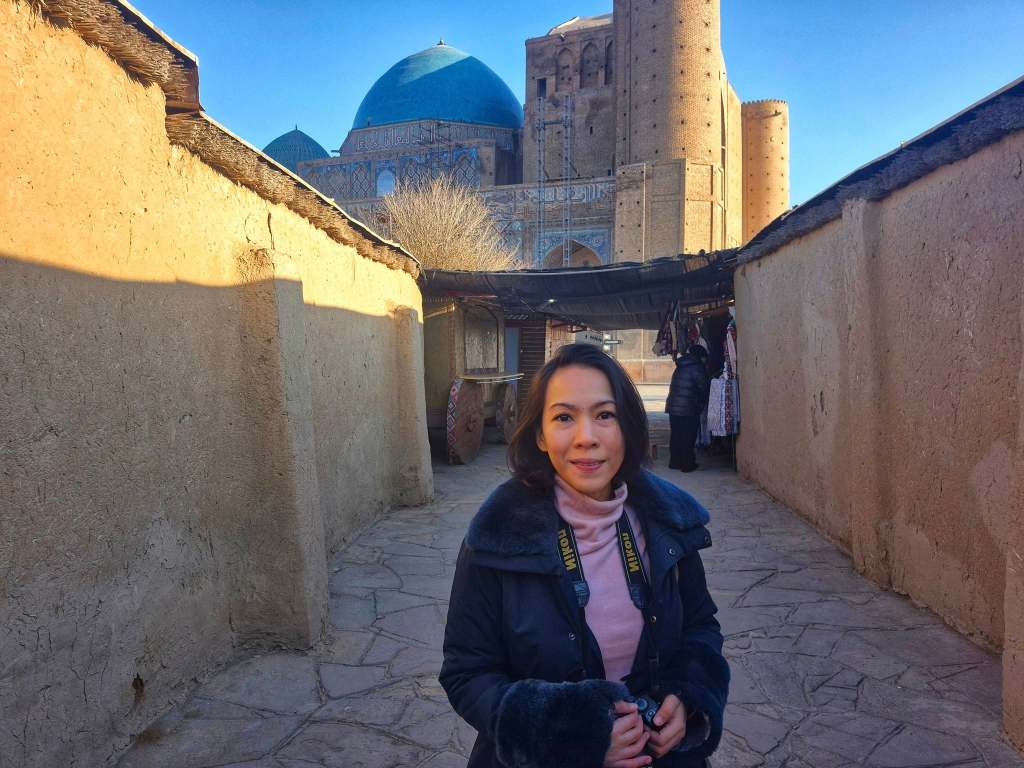
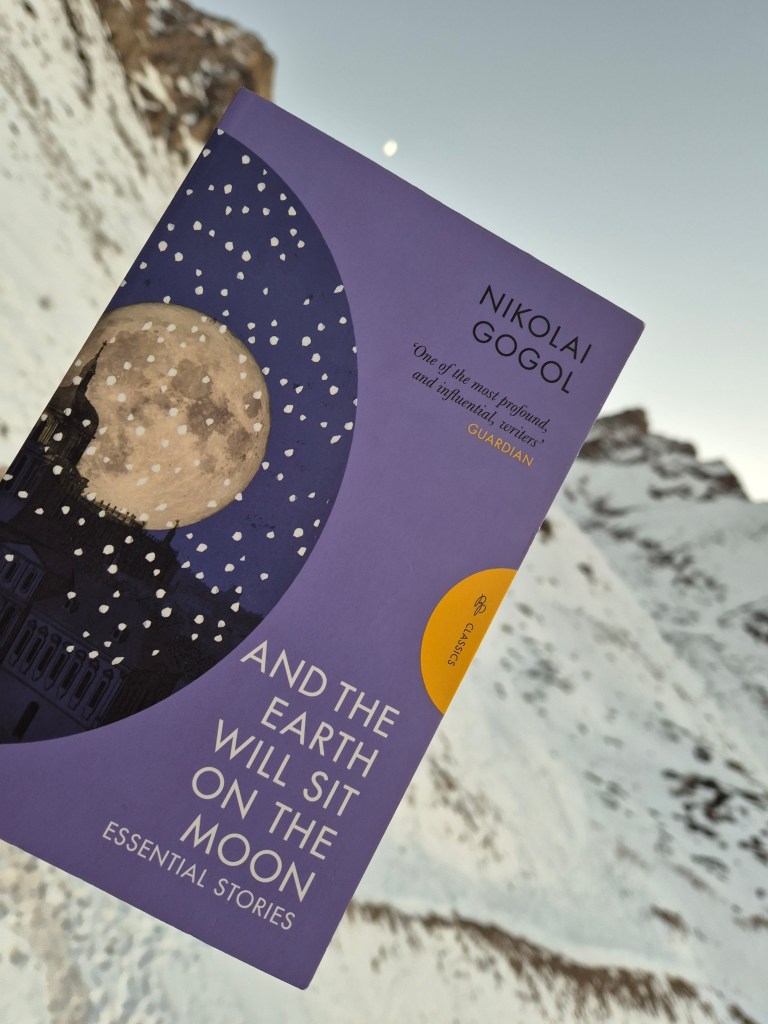
That was me. The girl with a Gogol anthology poking out of a backpack pocket while walking the length of Almaty’s Gogol Street a number of times, earning her more than 20,000 steps a day; 

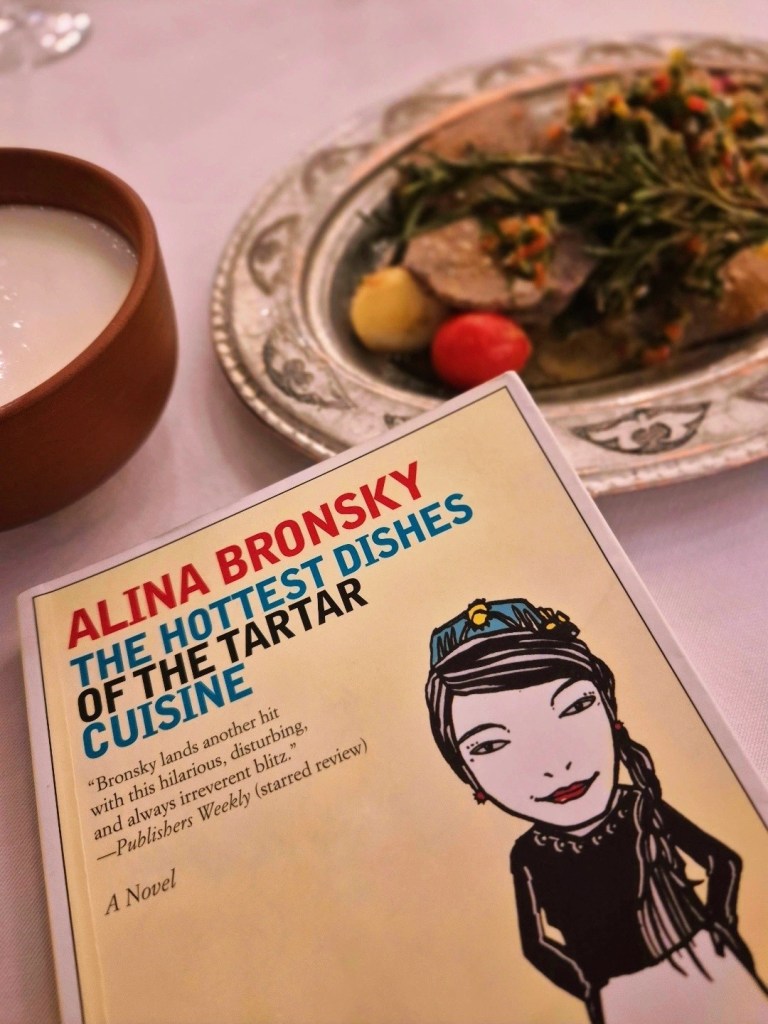
who paired her first Kazakh meal of horse meat and fermented camel’s milk with Alina Bronsky’s insane but unexpectedly touching Hottest Dishes of the Tartar Cuisine;

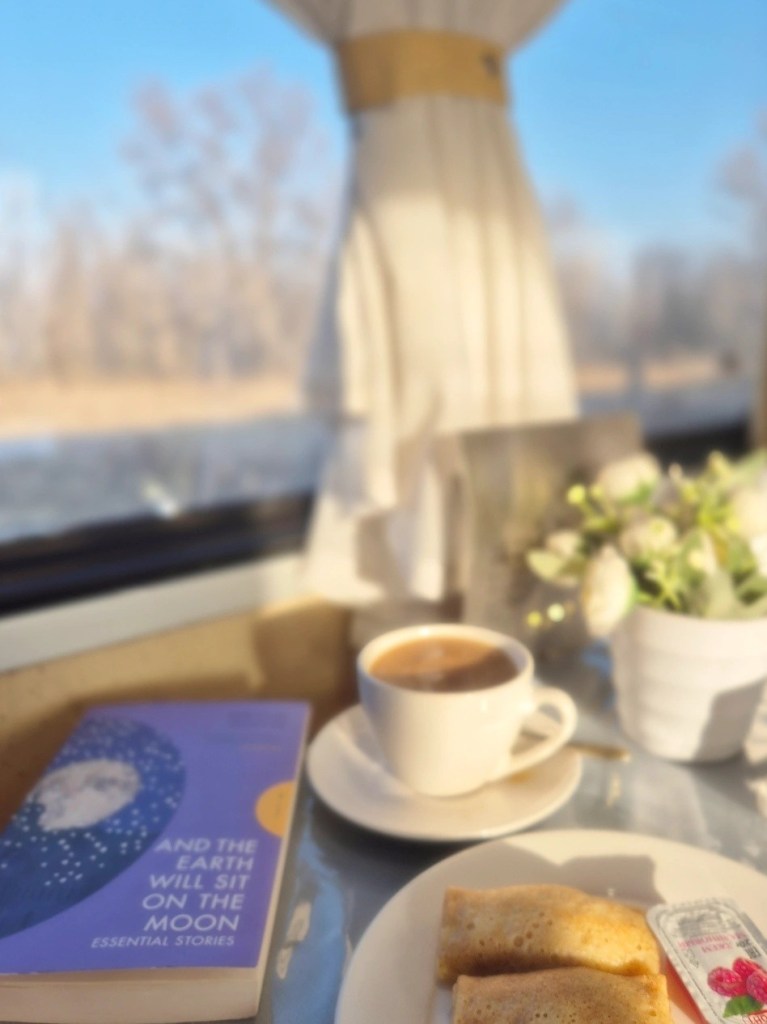
who carefully savored the nuances in every Kazakh story from Amanat (Women’s Writing from Kazakhstan) on every fermata between adventures, and upon completion, discovered that it would be one of her favorite collections of short stories;
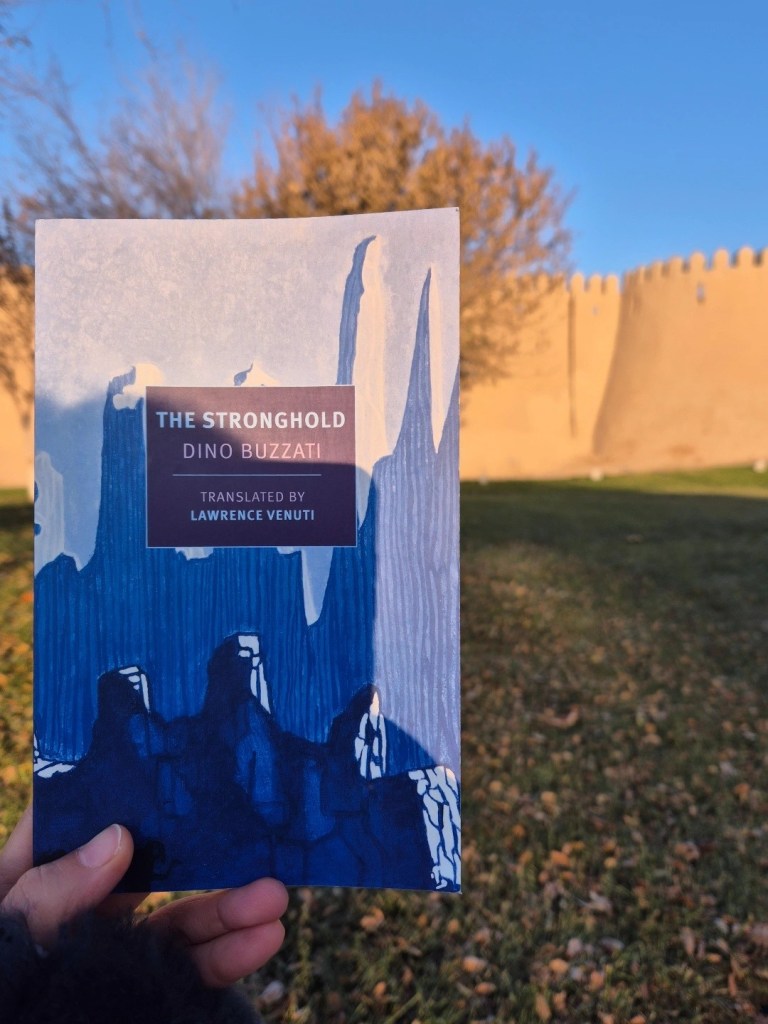
the girl who brought Buzzati’s The Stronghold (aka The Tartar Steppe) to a stronghold in a Tartar steppe, and who realized that Buzzati would have been happy with her for taking a cue from his novel and living a life contrary to that of Drogo’s;

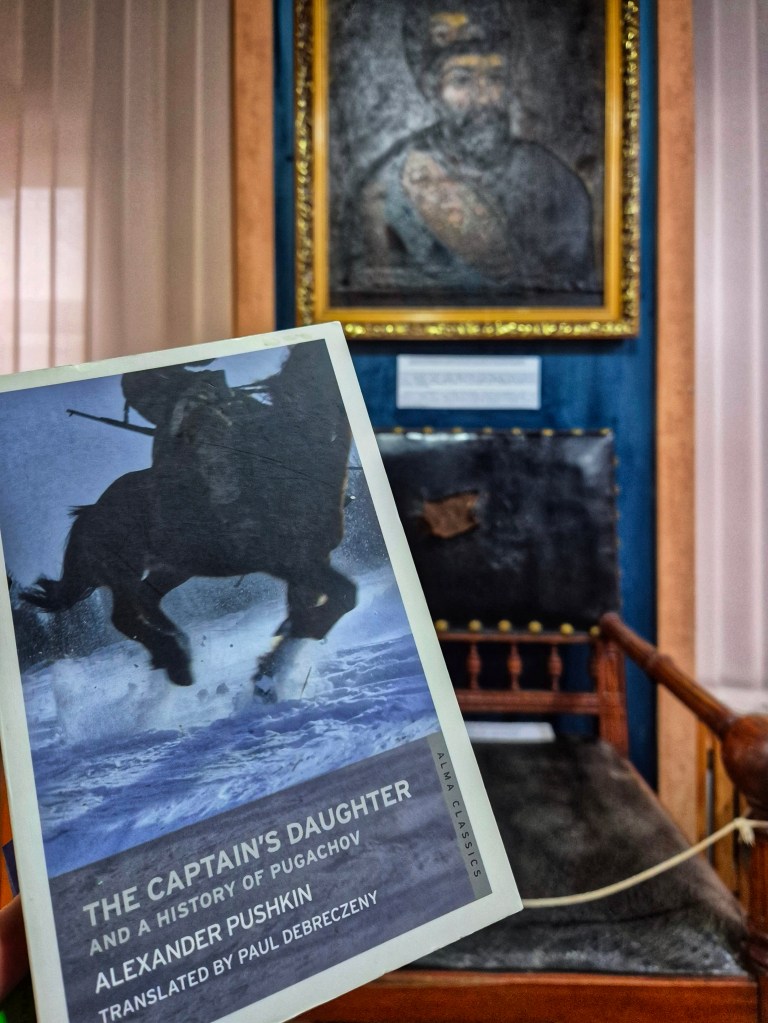
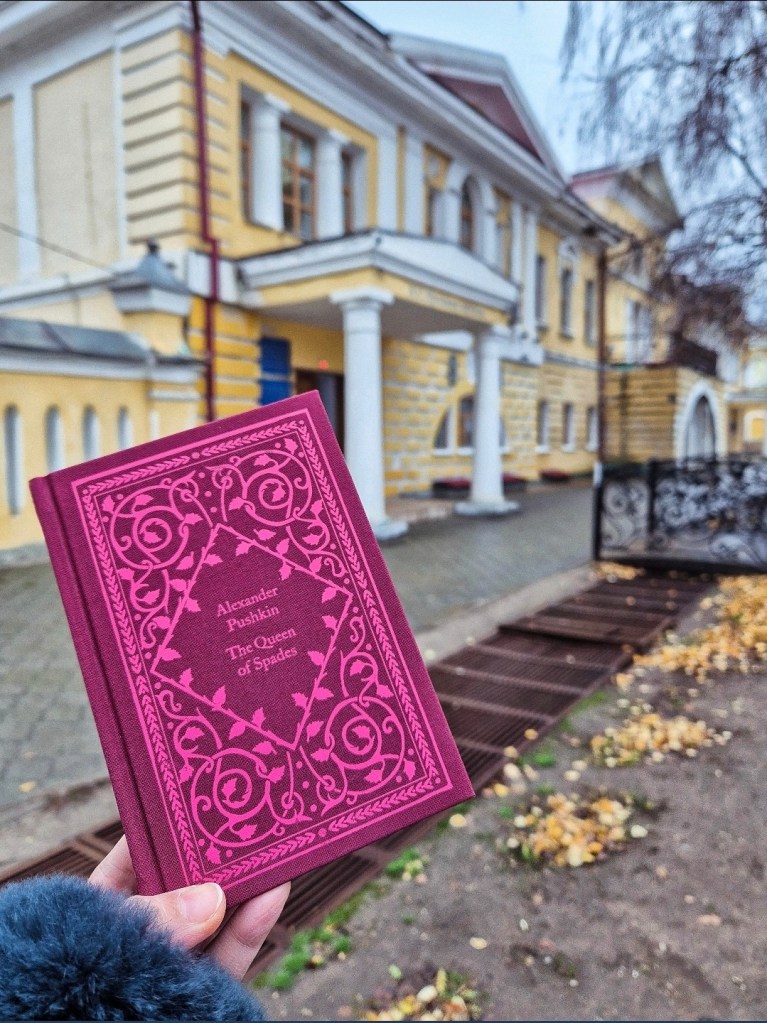
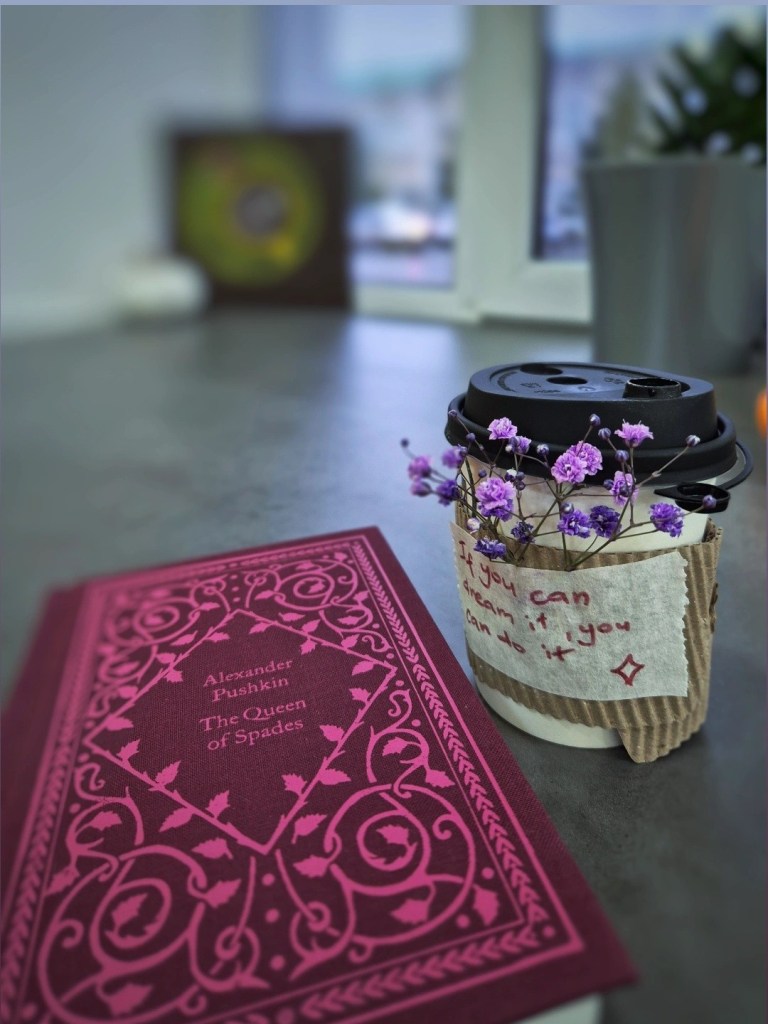
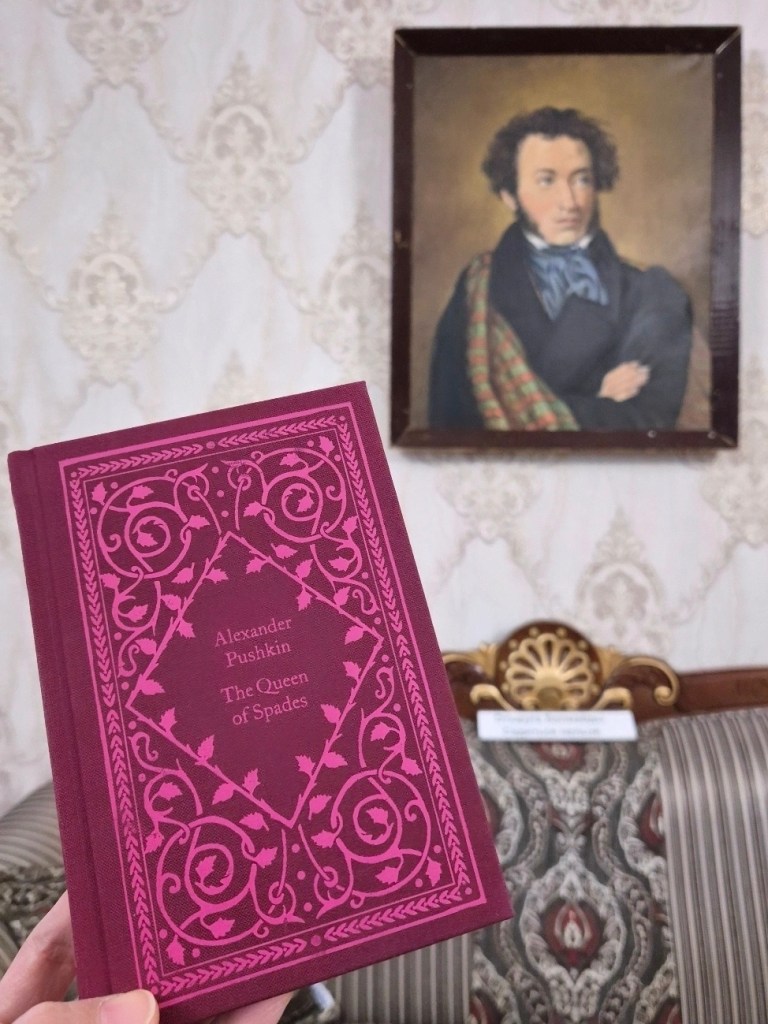
the girl who felt like a queen when she received a cute note in English with tiny flowers from a barista in Uralsk, and a free pass at the Pushkin Museum by reading and bringing The Queen of Spades with her;

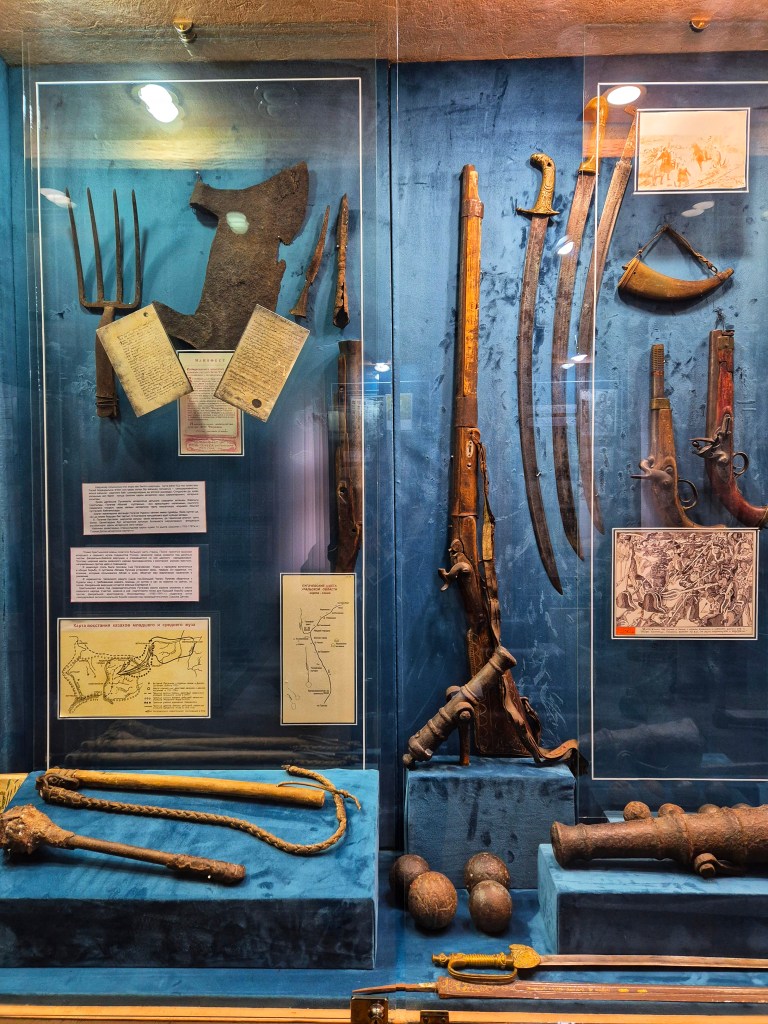
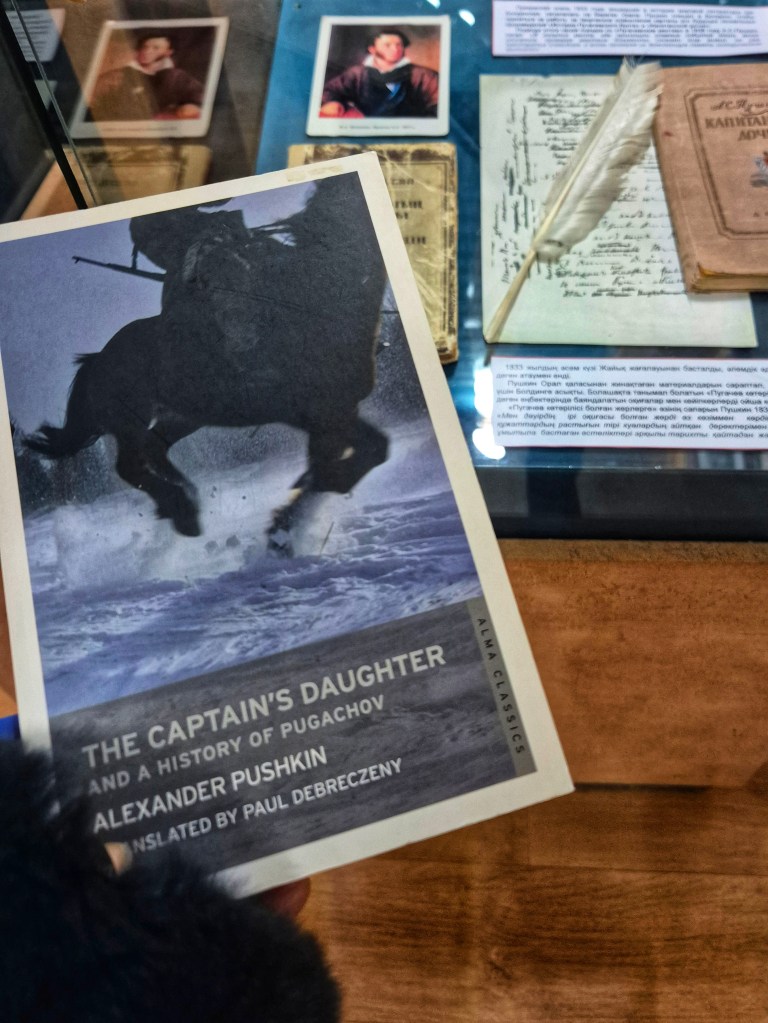
who learned about Pugachov’s Rebellion through Pushkin before knocking on Pugachov’s door;
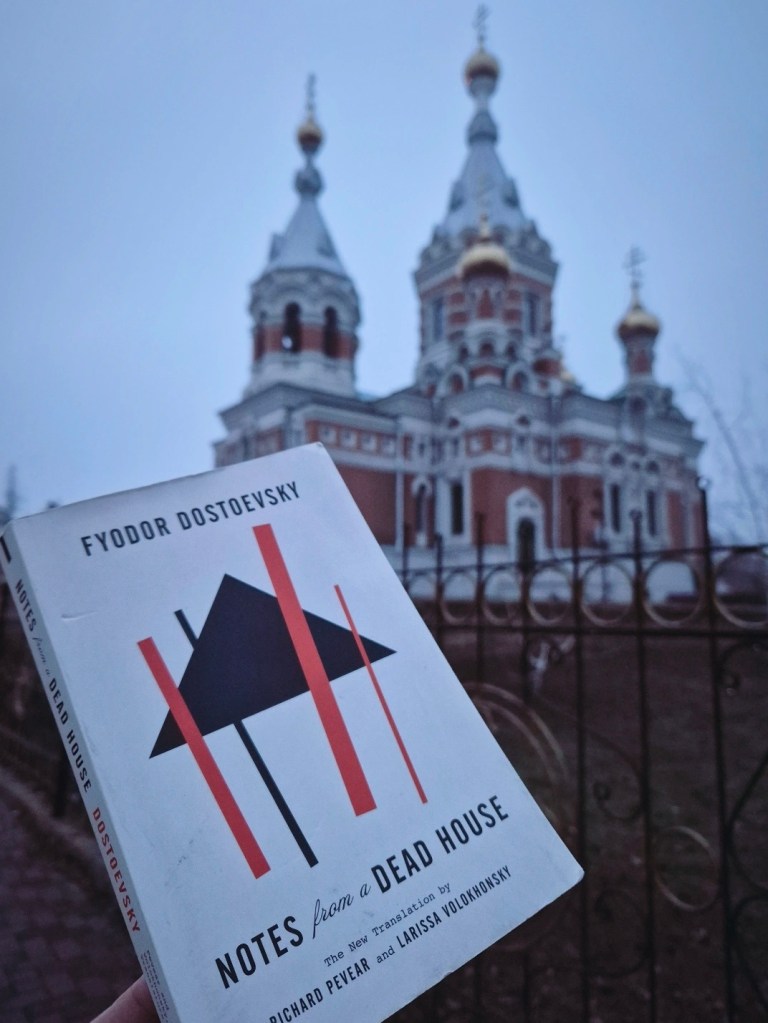
who reunited Dostoevsky’s Notes from a Dead House with Kazakhstan simply because it’s where he started writing the notes;

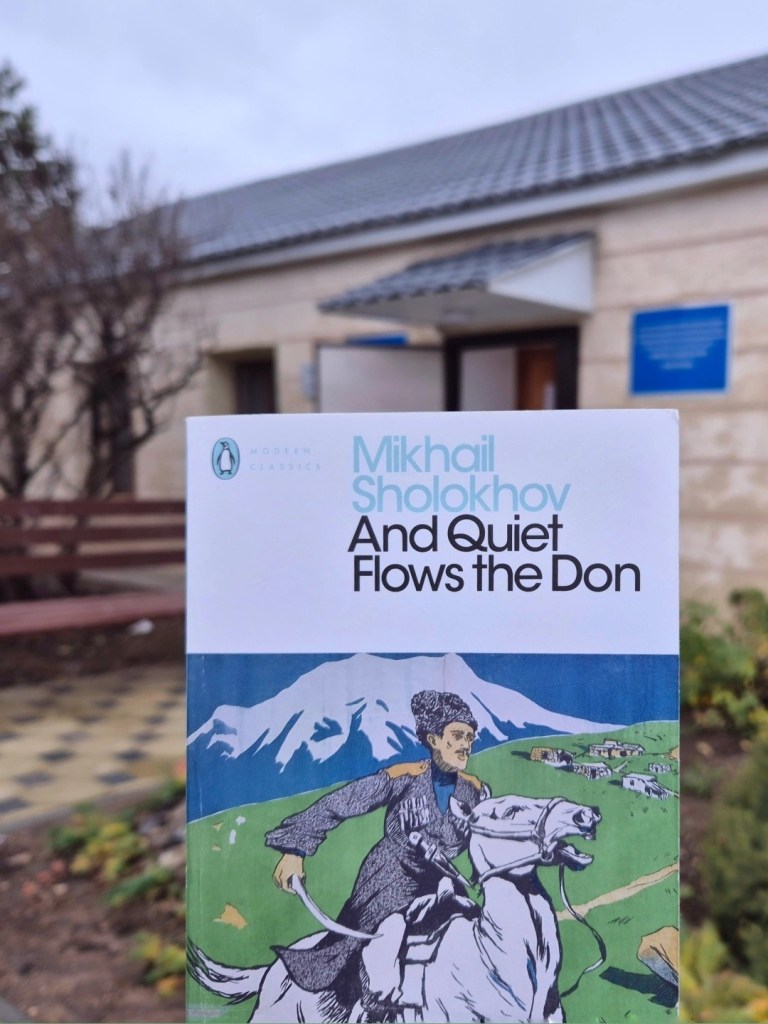
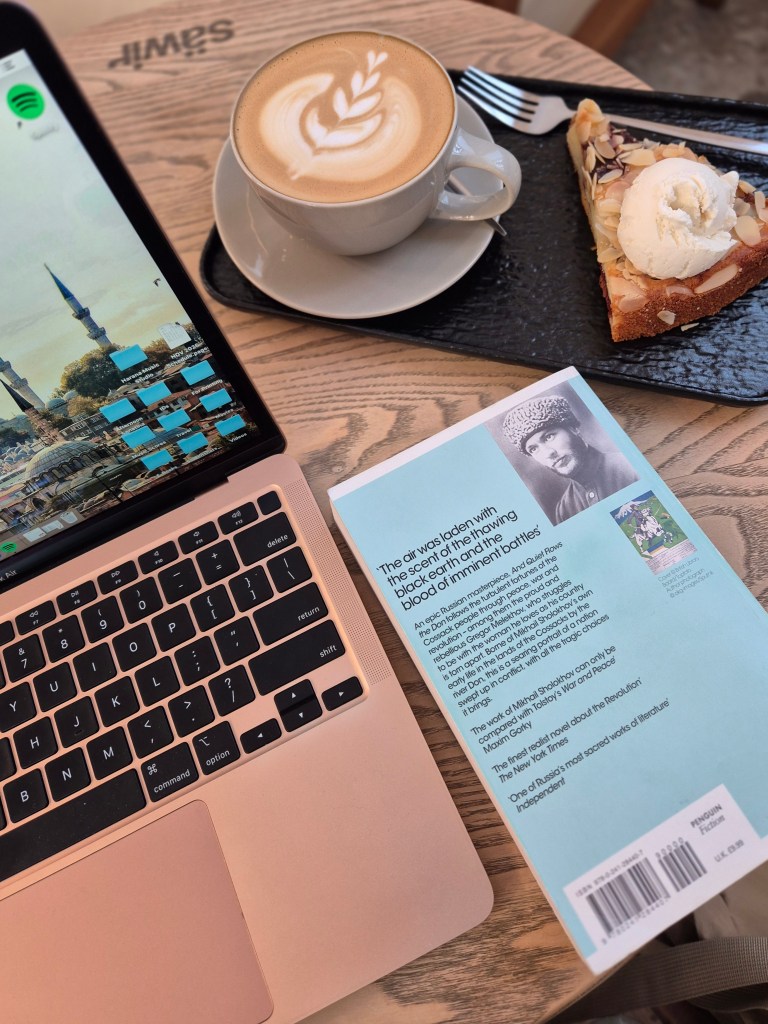
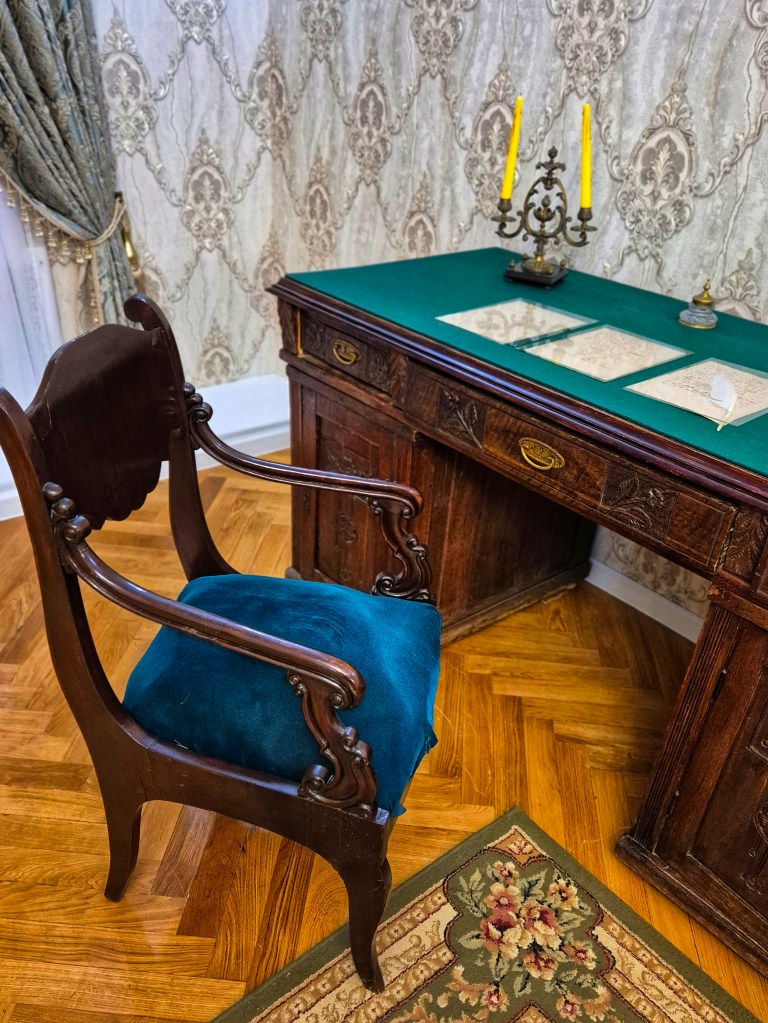
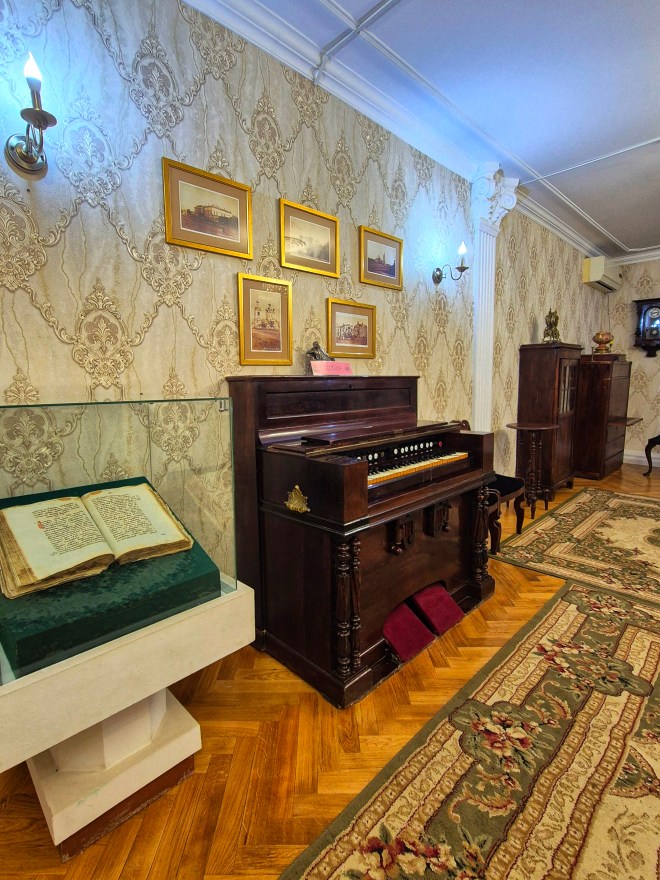
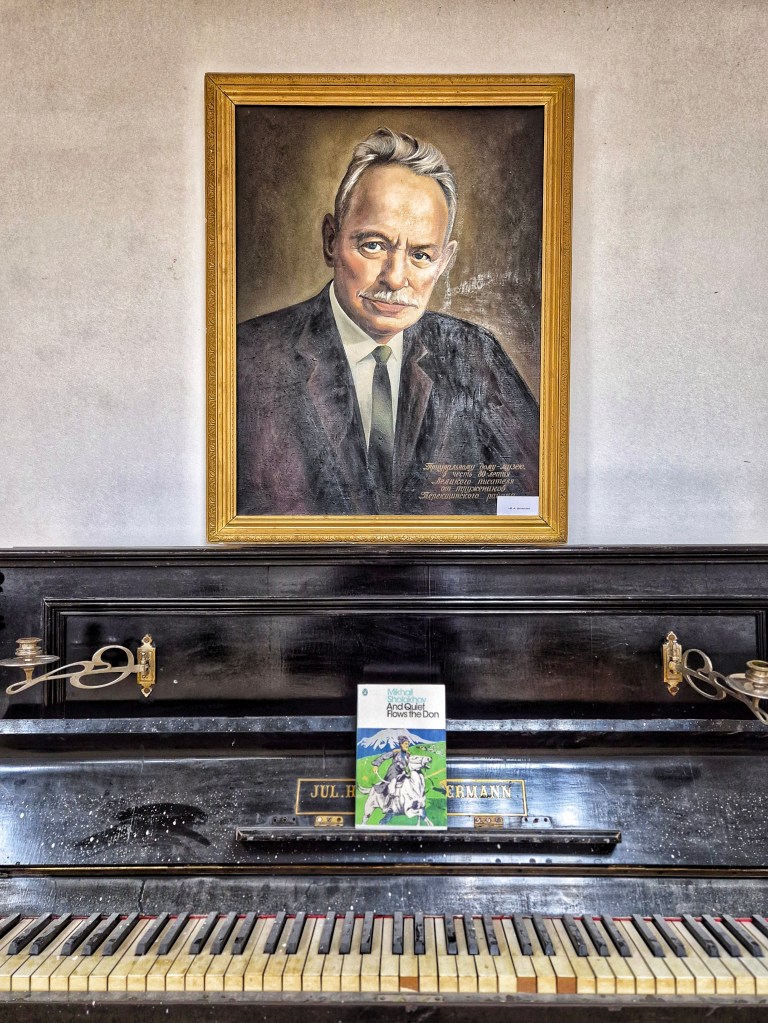
the girl who wished she flowed, but instead, lumbered through Sholokhov’s epic “And Quiet Flows the Don,” and being devastated by it, could only take the hefty book to the house where Sholokhov learned that he was awarded the Nobel and play a plaintive melody on his piano while gazing at his portrait, wanting to ask him so many questions;

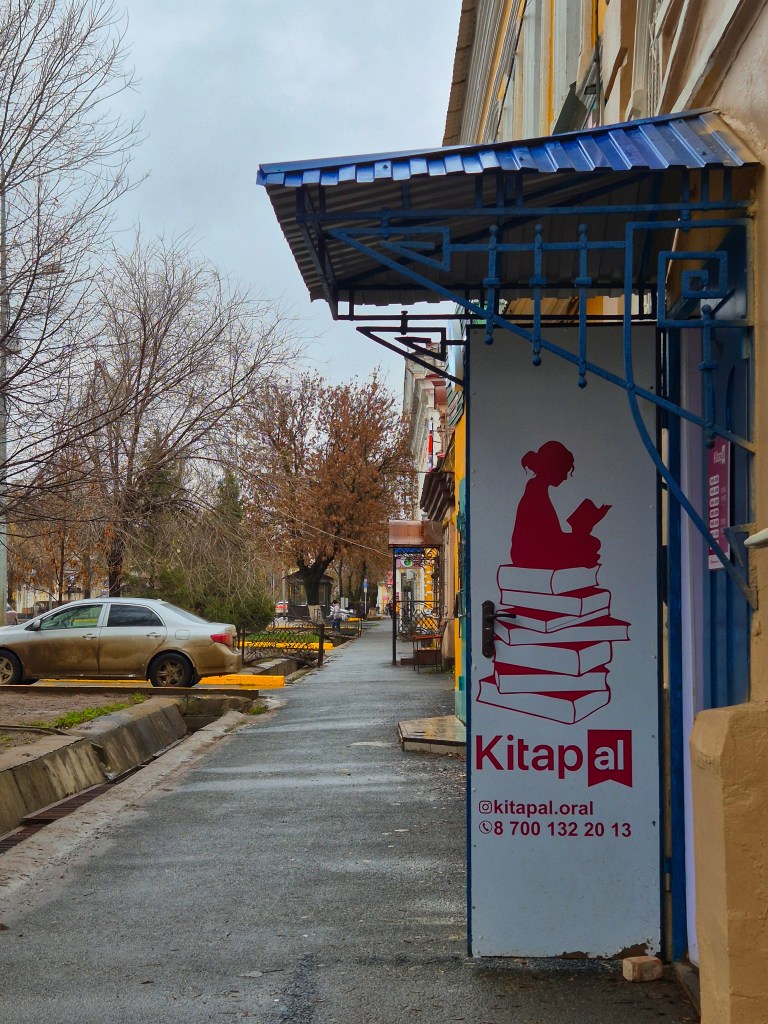
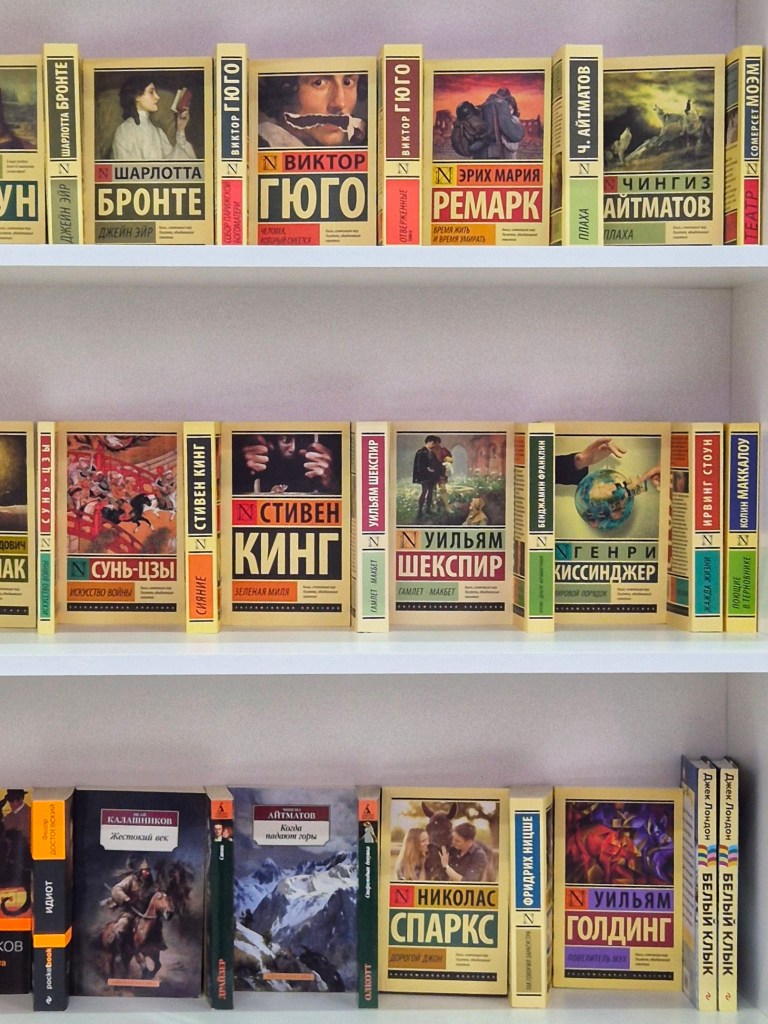
the impractical girl who carried all these books to a trip, thankful that she did because Kazakh bookstores humble the English reader by catering only to the Kazakh and Russian reader;
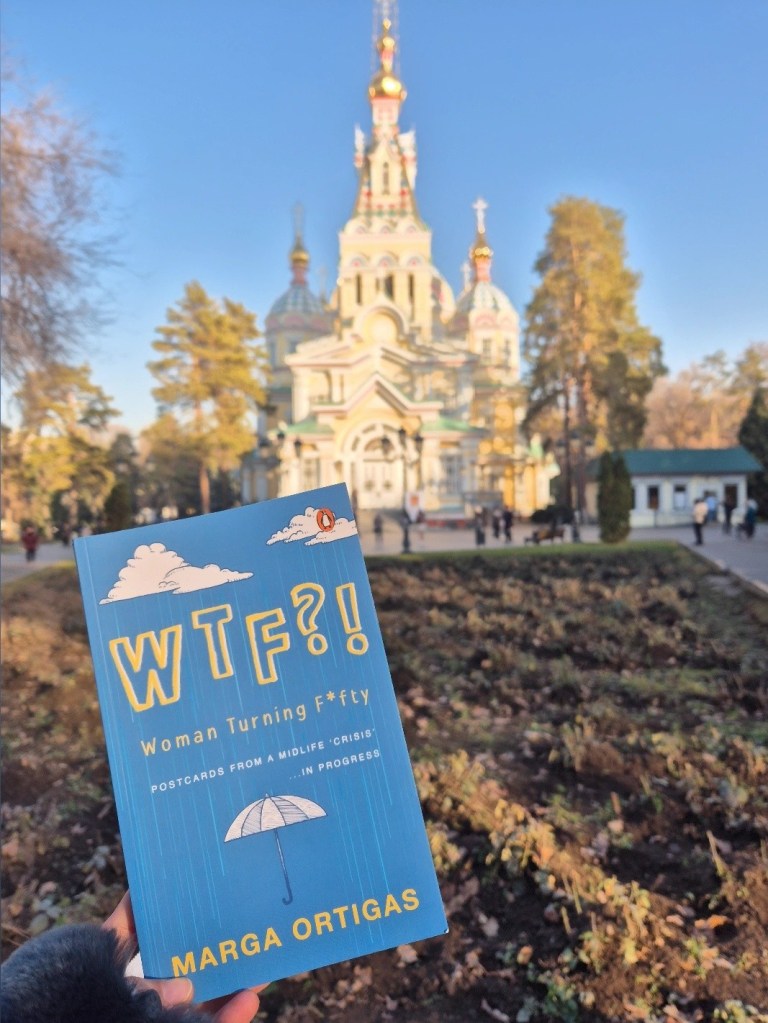
the girl who agreed with Marga Ortigas who wrote that reading is, “A special gift that showed you how much of the world still lay beyond the safety of your comfort zone”;

the girl who believes that traveling is one way of acting upon that gift. 
The Turkistan Dispatch

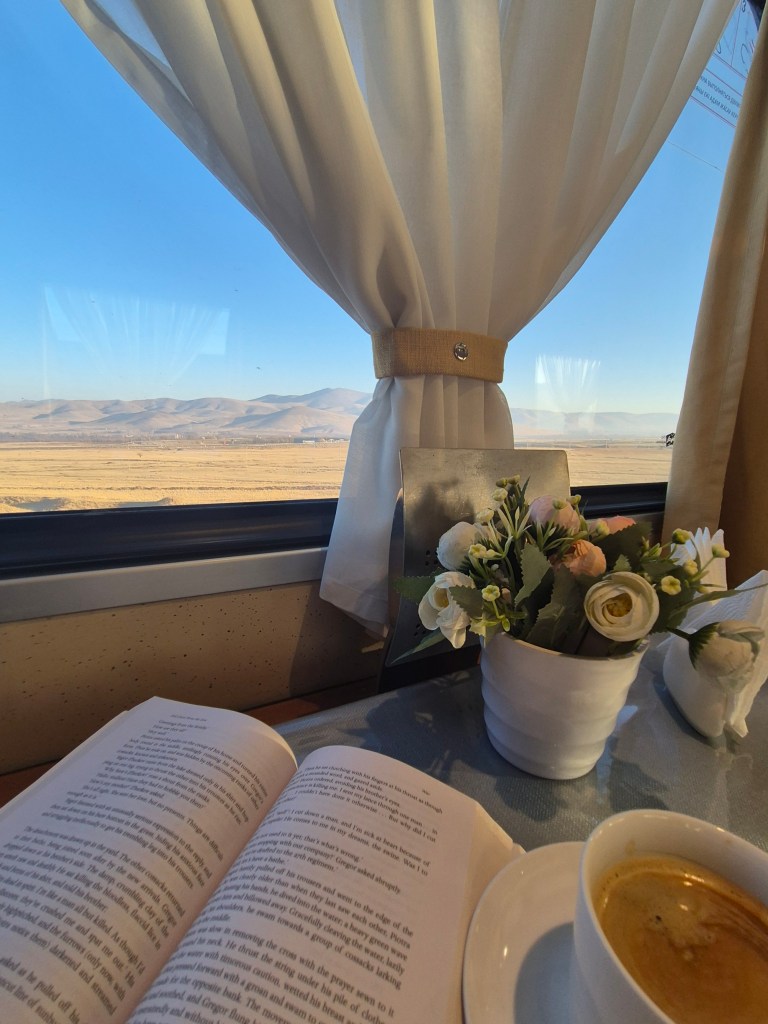
There is nothing like steppeland sunrise and snow-capped mountains viewed through a train window to herald one’s entry to the Silk Route.

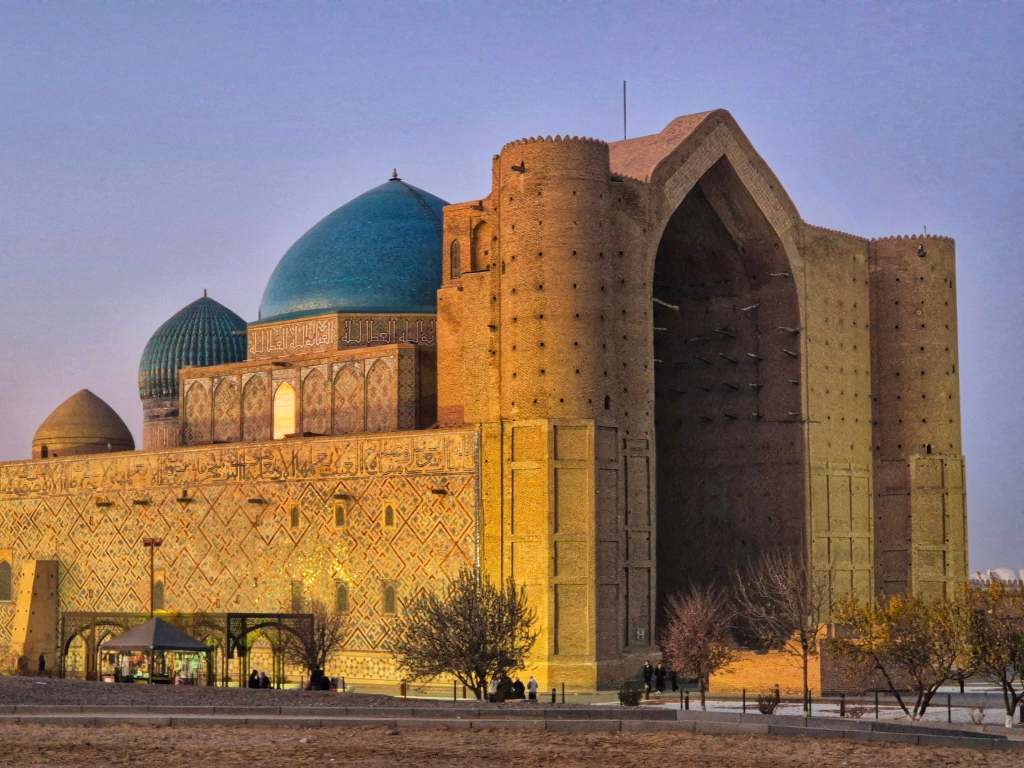
Built on an oasis at the edge of the Kyzylkum Desert, Turkistan was an ancient jewel of culture, trade, and spiritual significance for the Turkic people.

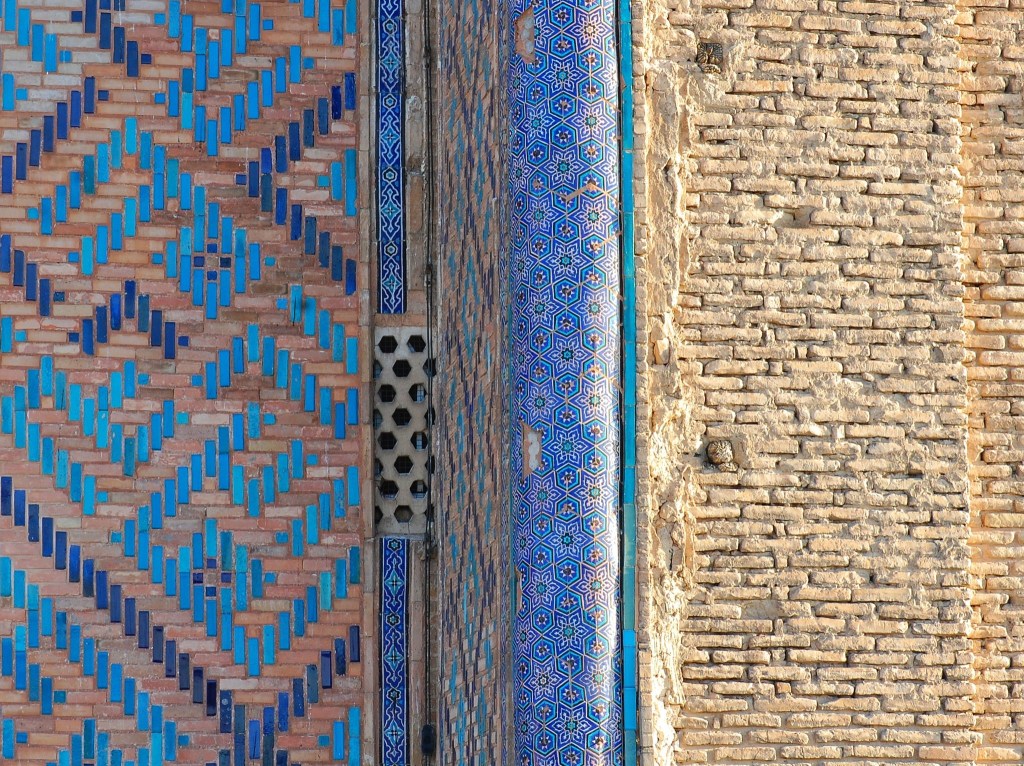
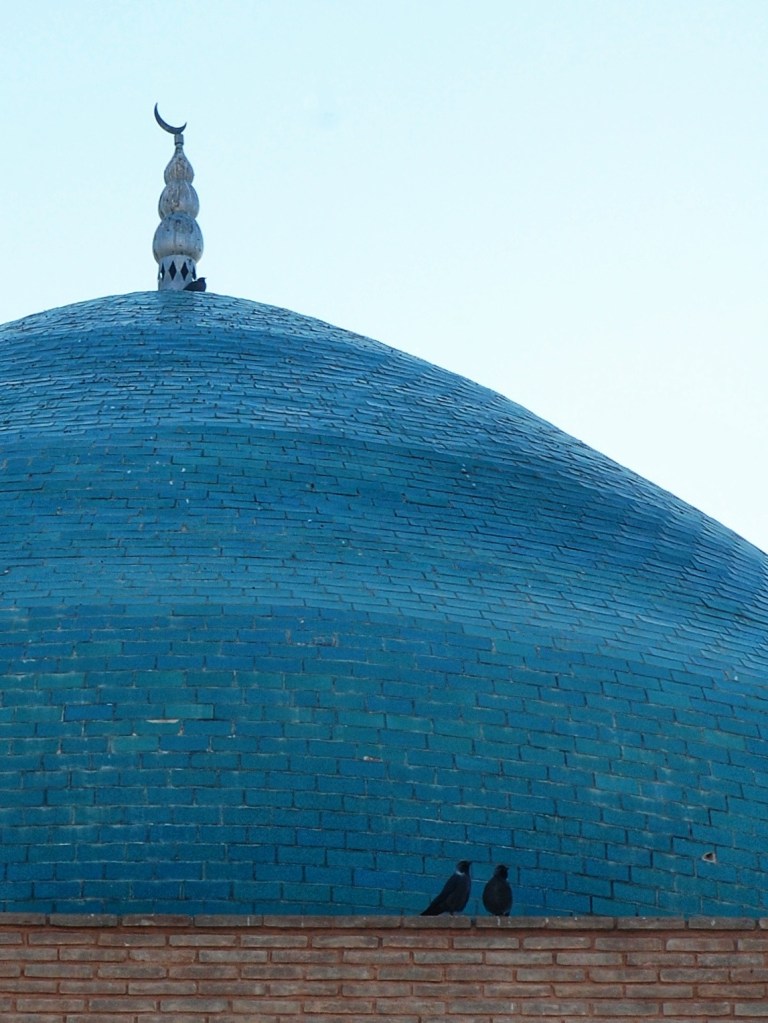
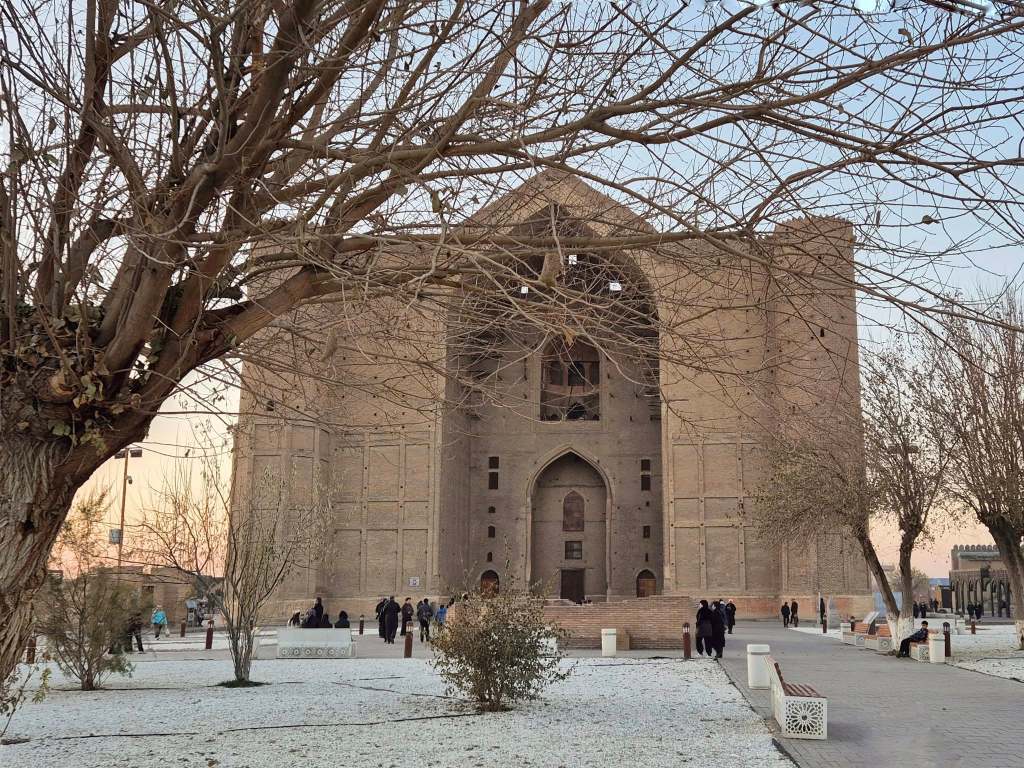
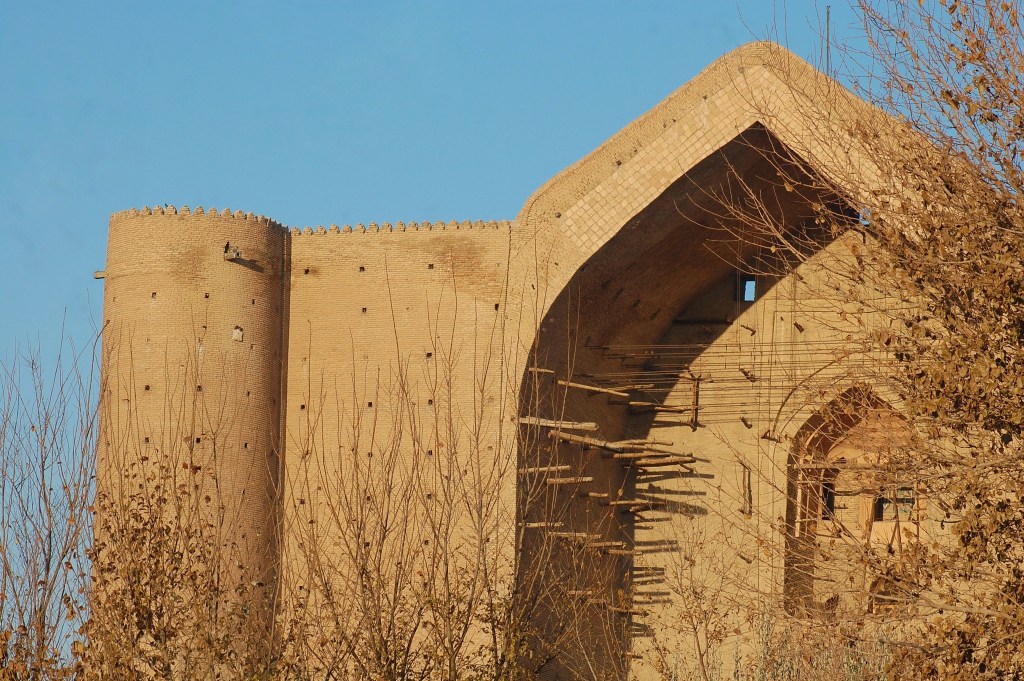
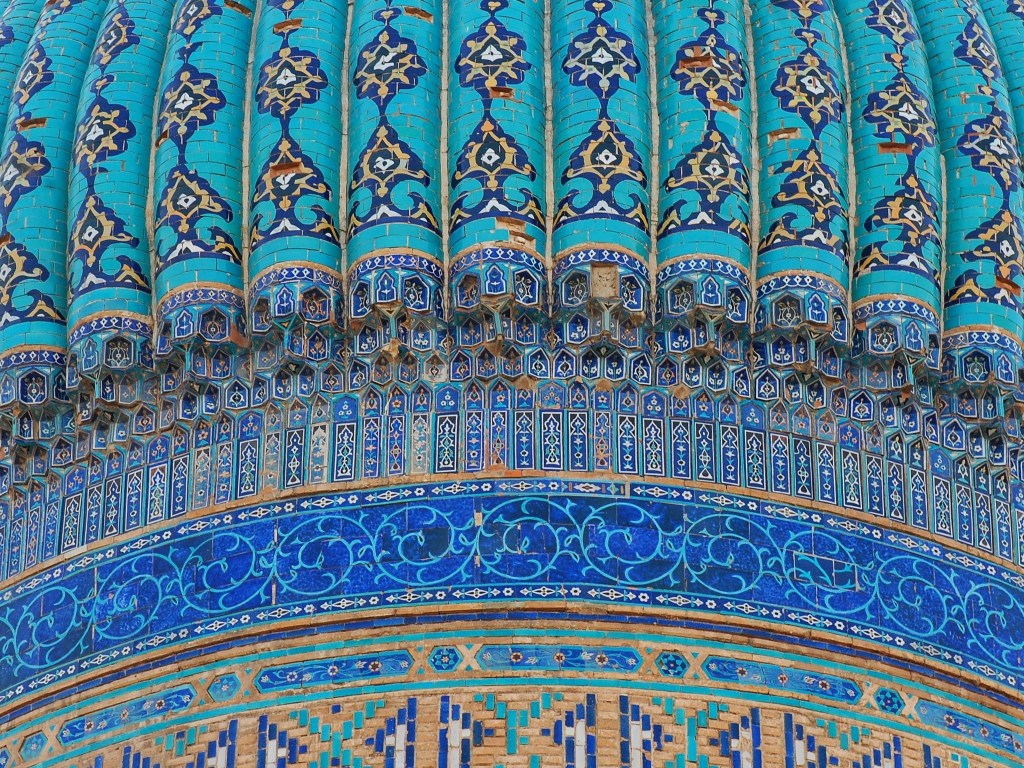
Turkistan shares not only a border with Uzbekistan, but also its Timurid architecture. Its most prominent landmark is a mausoleum commissioned by Timur (Tamerlane) in honor of Khoja Ahmed Yasawi, a poet and Sufi mystic. In the vicinity is a smaller mausoleum devoted to Rabiya Sultan Begum, Timur’s great-granddaughter, and daughter of Ulugh Beg of whom I’ve written and fangirled during my Uzbekistan trip in 2022.

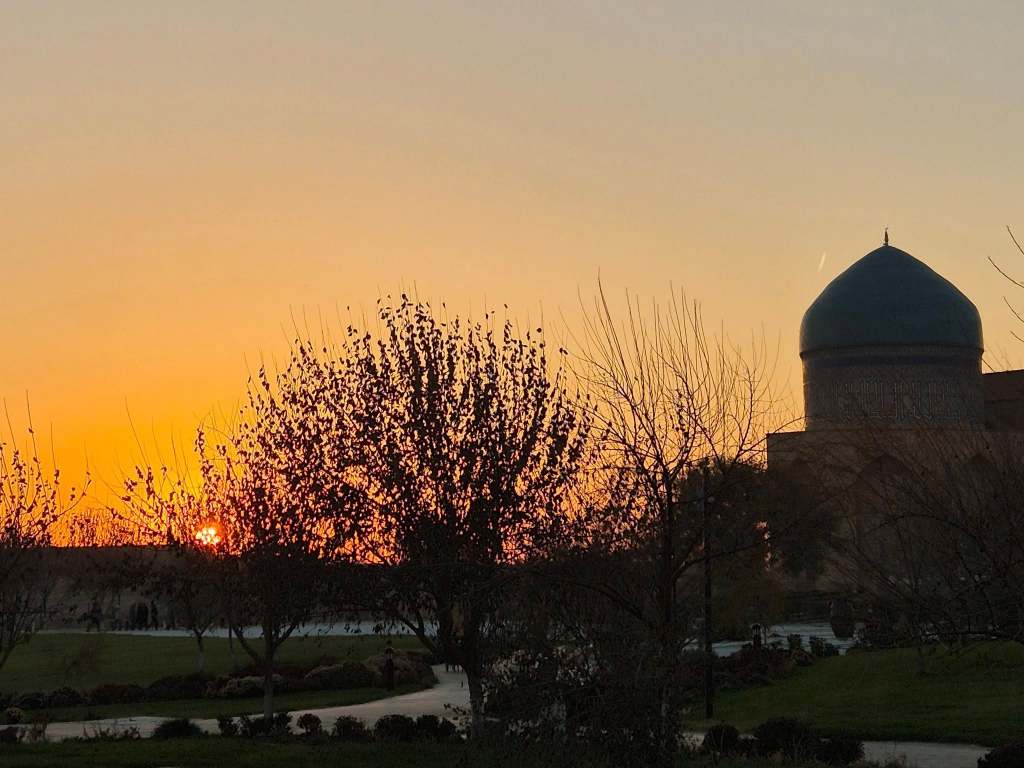
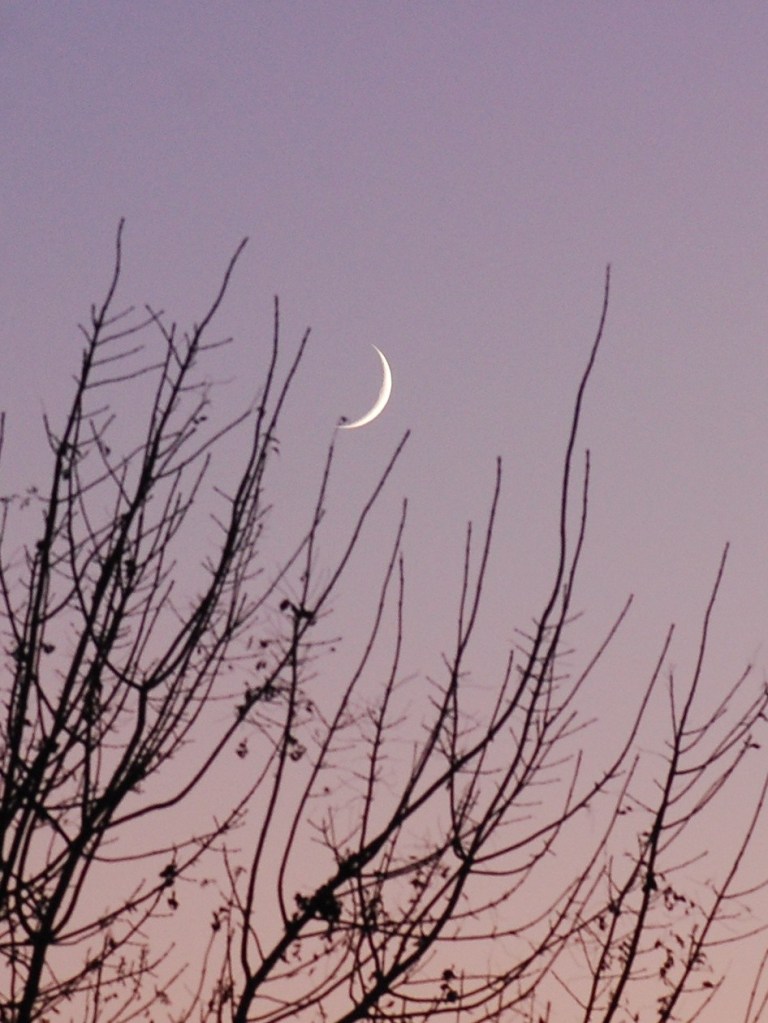
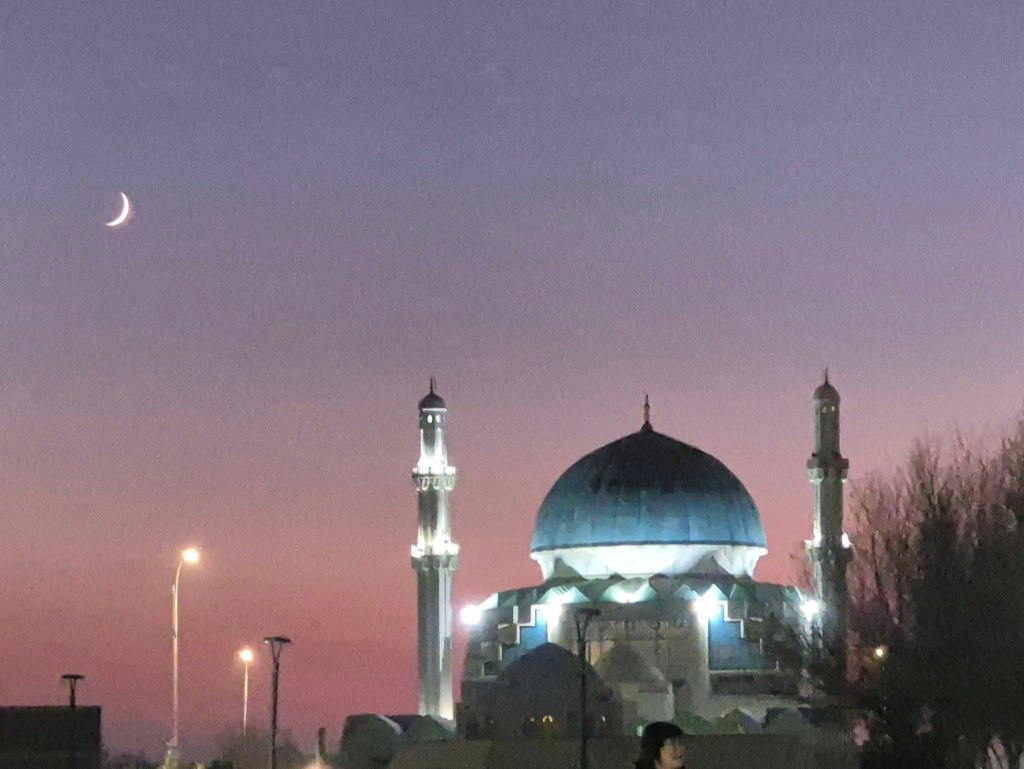
When dusk falls, the call to prayer suffuses the air and rises with the birds while a mystical crescent moon ascends the purple sky to complete the experience.

As I steep myself in this splendor, I also mourn it. The moment I turn my back on it, I am faced with Karavan Saray, a horrible travesty — a new shopping complex constructed in a theme park version of Timurid architecture that feels dystopian. My heart aches for the beauty we cannot keep and the beauty we ruin for the sake of commercial profit.
When I revisited the mausoleums early this morning to see it in pure sunlight, hardly anyone was around save for a pilgrim on his knees, facing the Khoja Ahmed Yasawi Mausoleum, intoning a sincere and almost heart-rending prayer. I think of the pilgrims who once held this site sacred and who continue to do so, who can only accept the truth that the holy place is but external and ephemeral, and that pilgrimage is, after all, a journey to the deepest parts of the self.

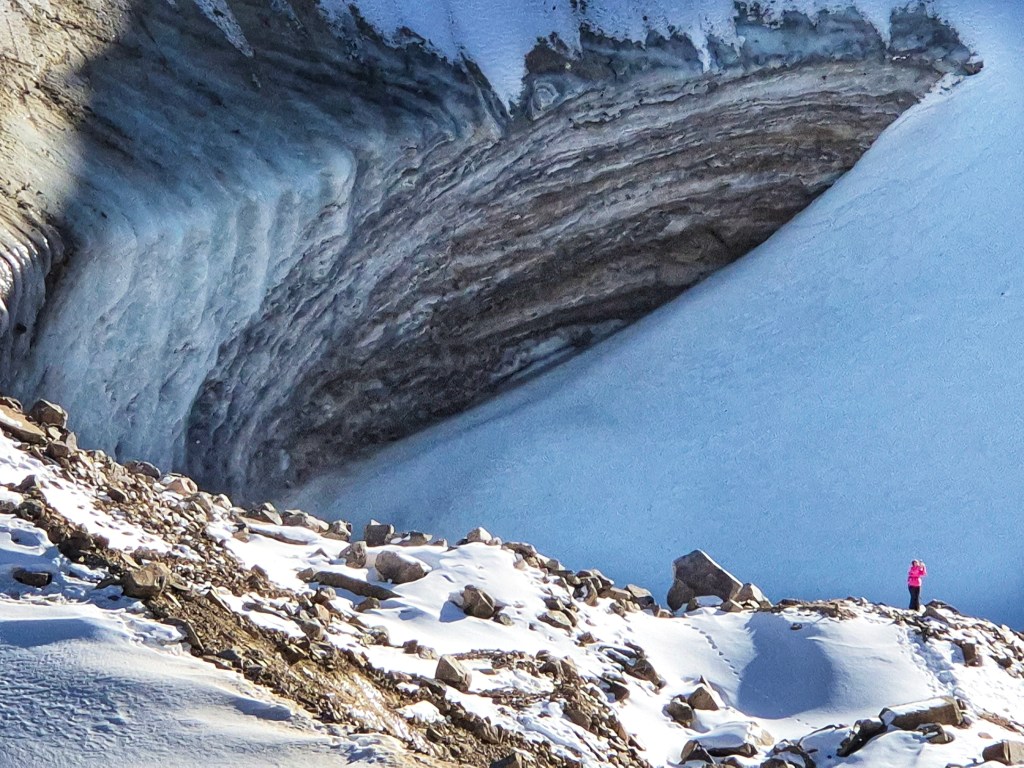
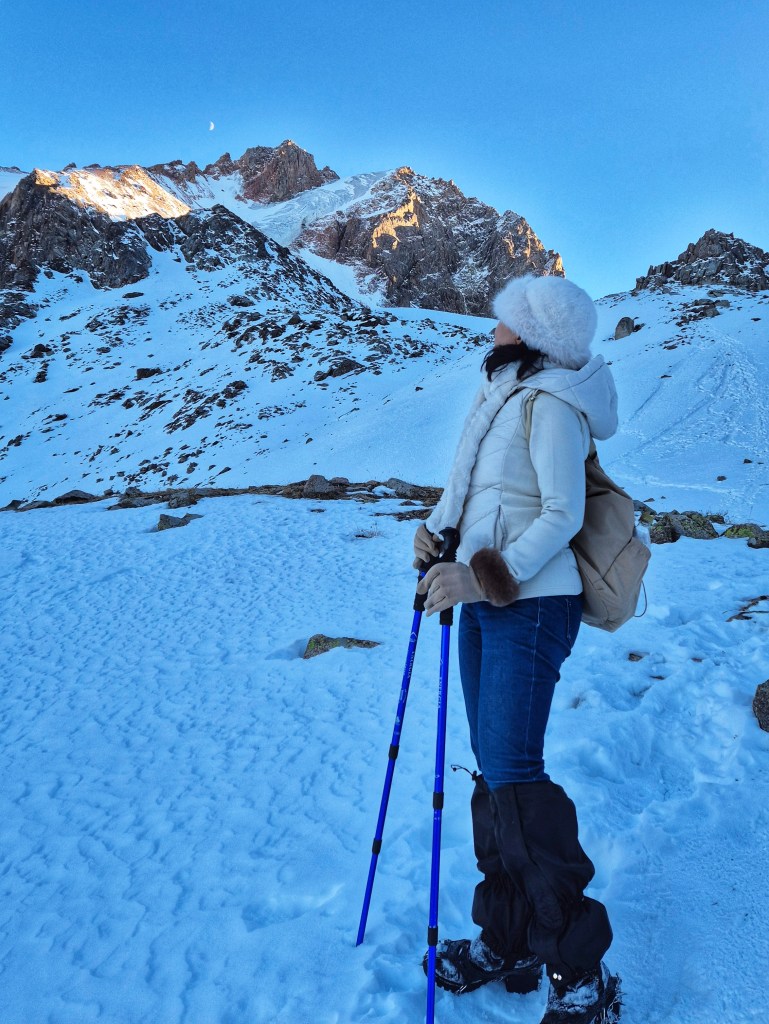
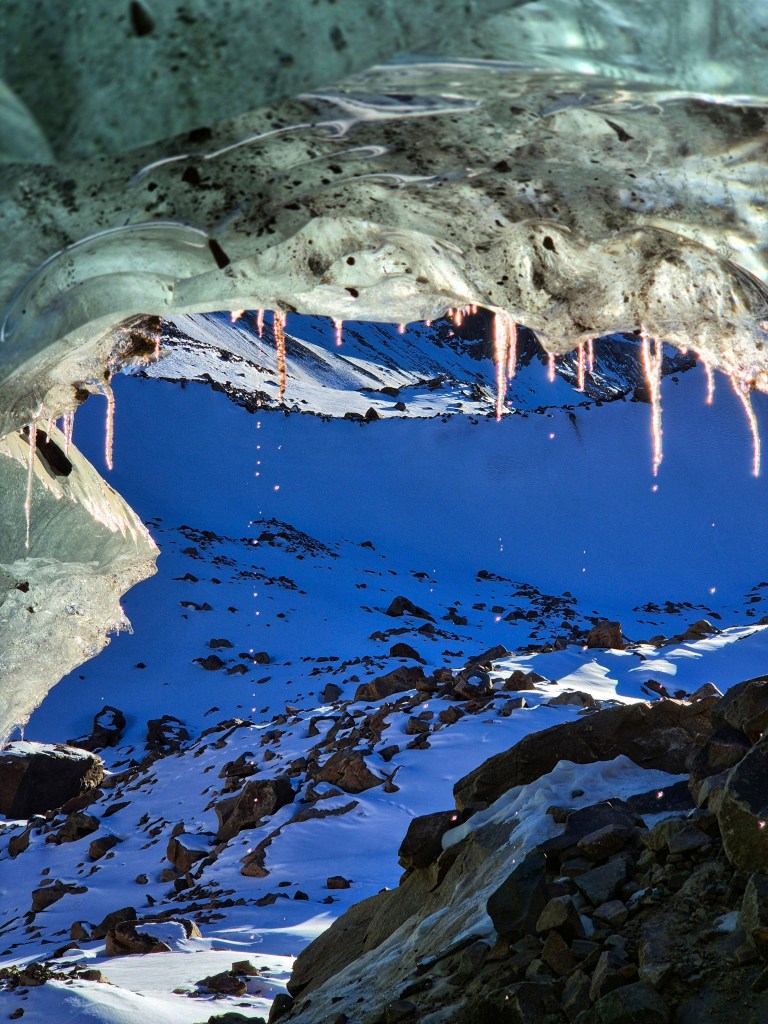
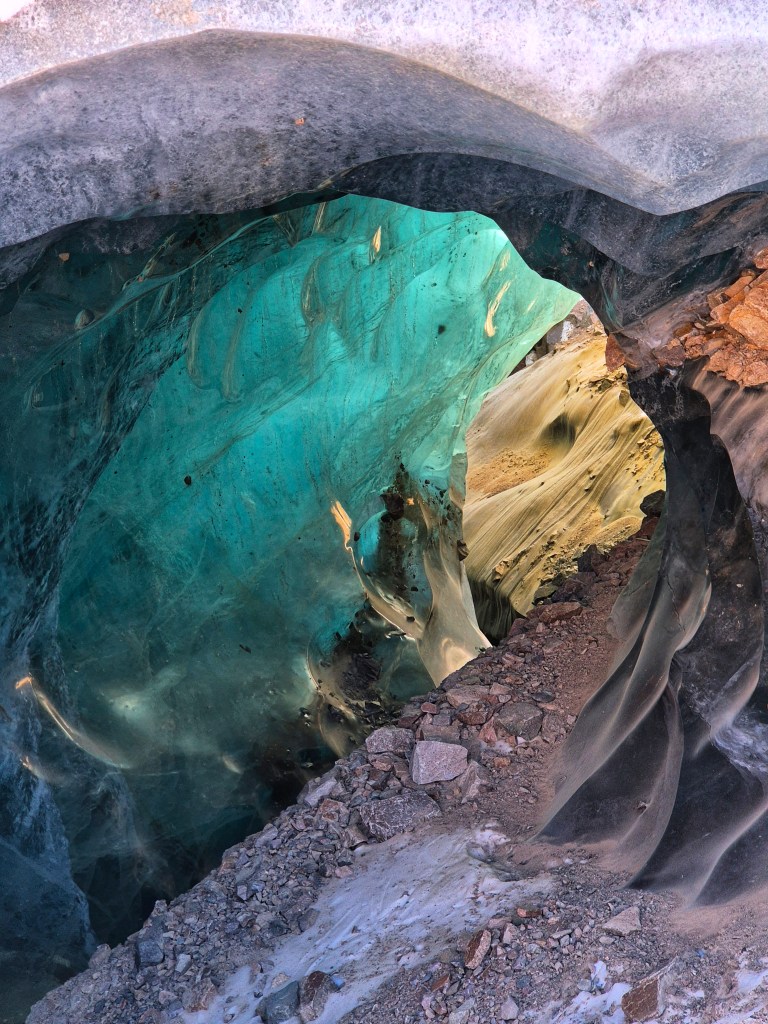
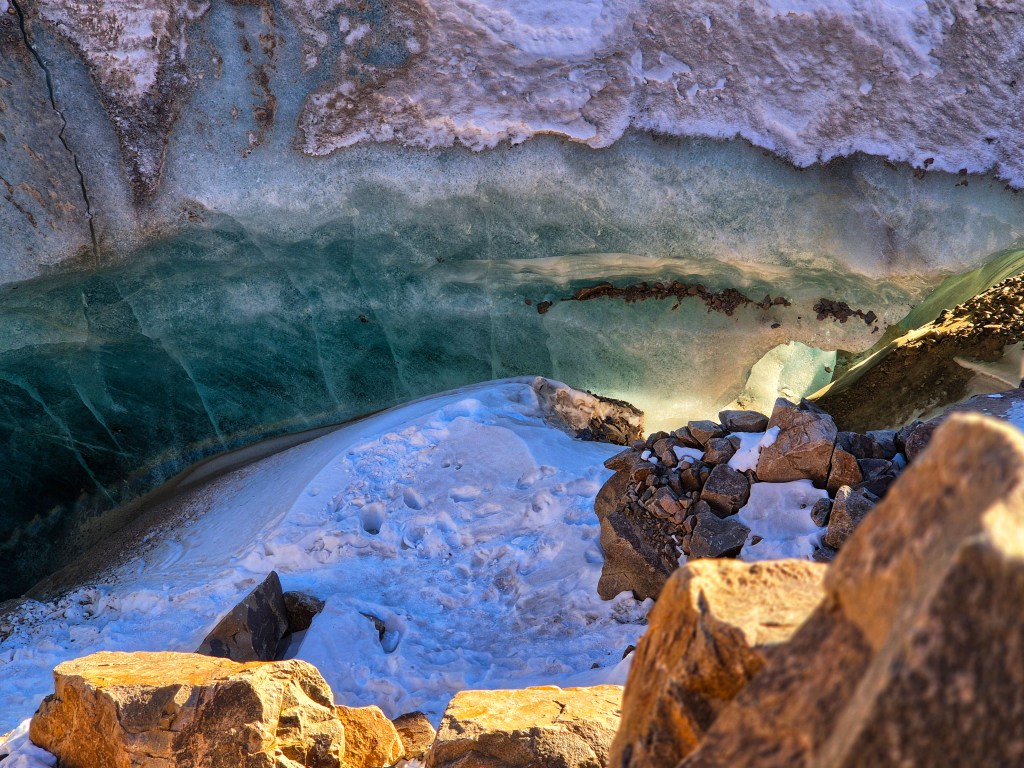
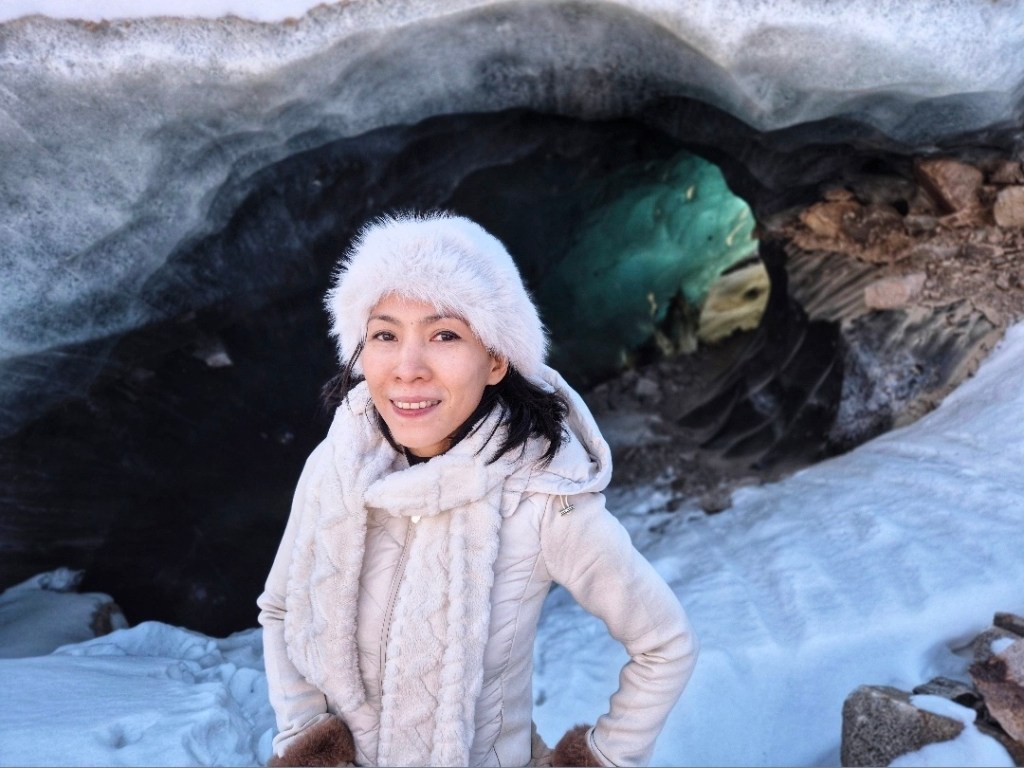
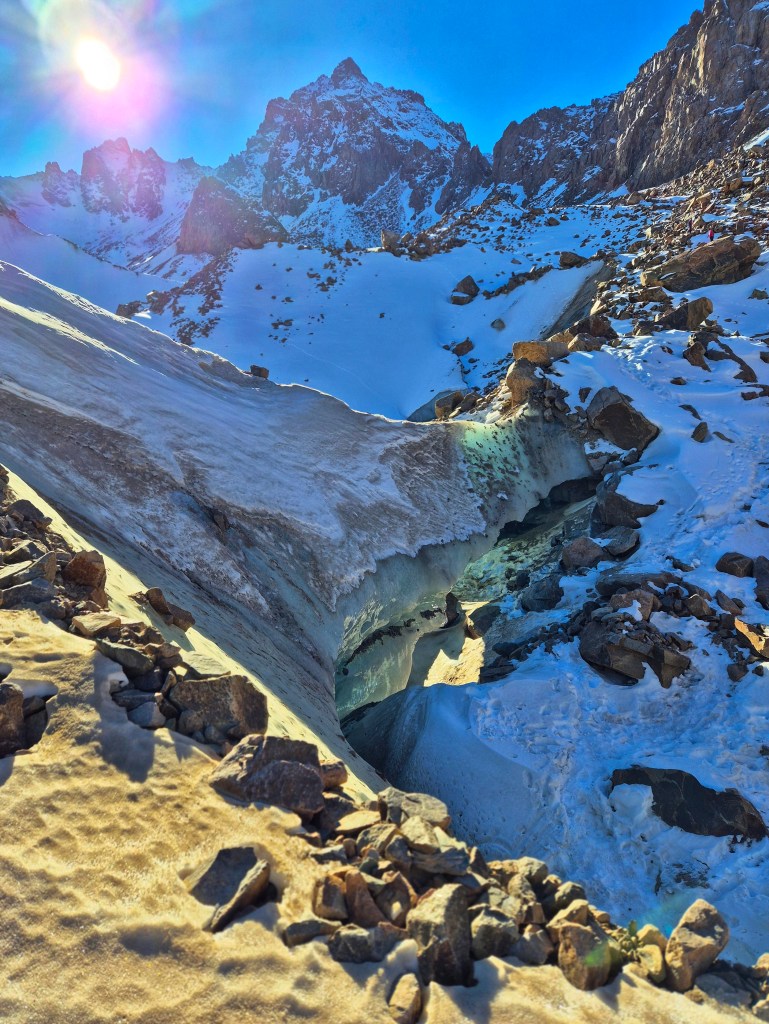
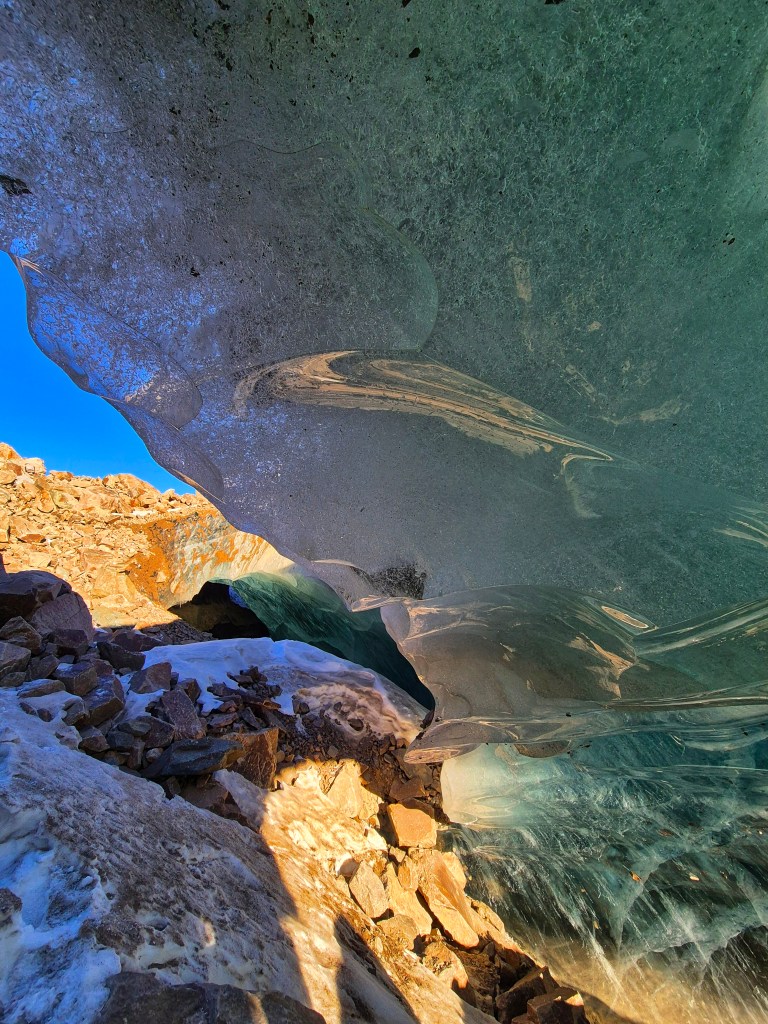
Bogdanovich Glacier and Oktyabrskaya Cave

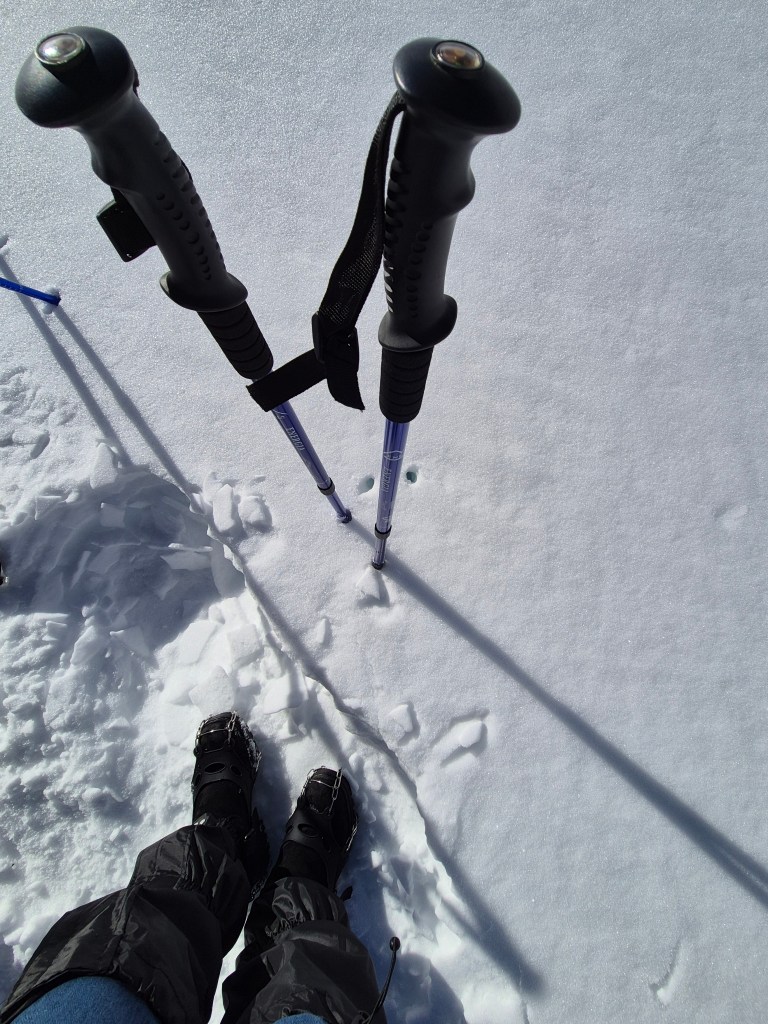
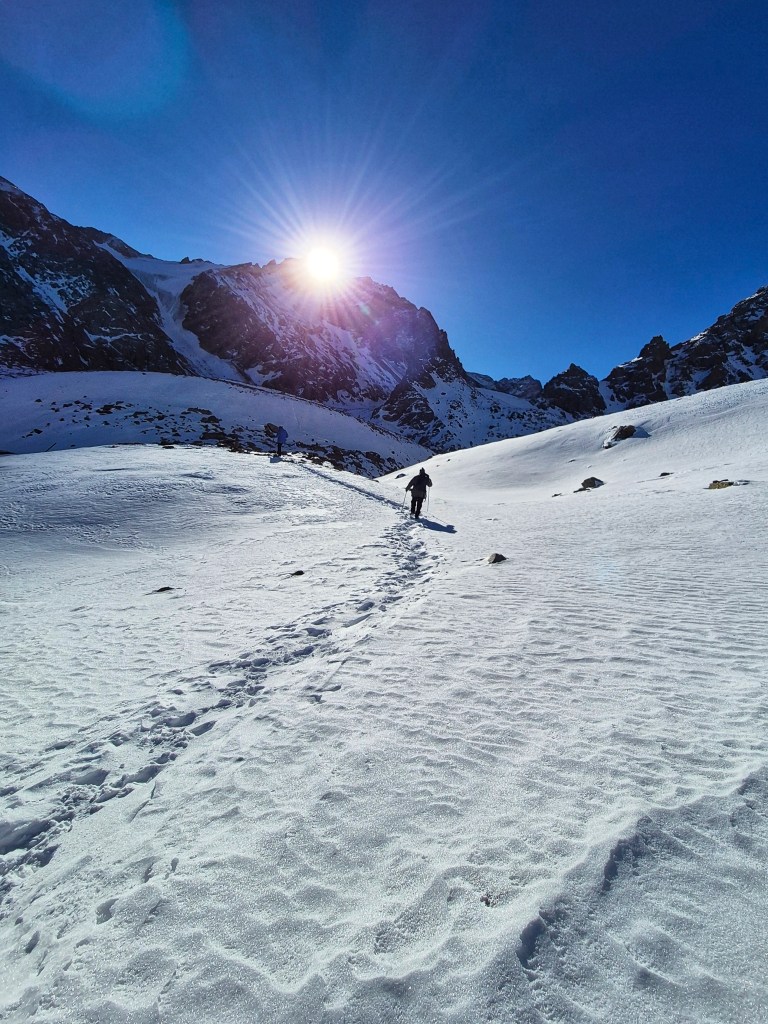
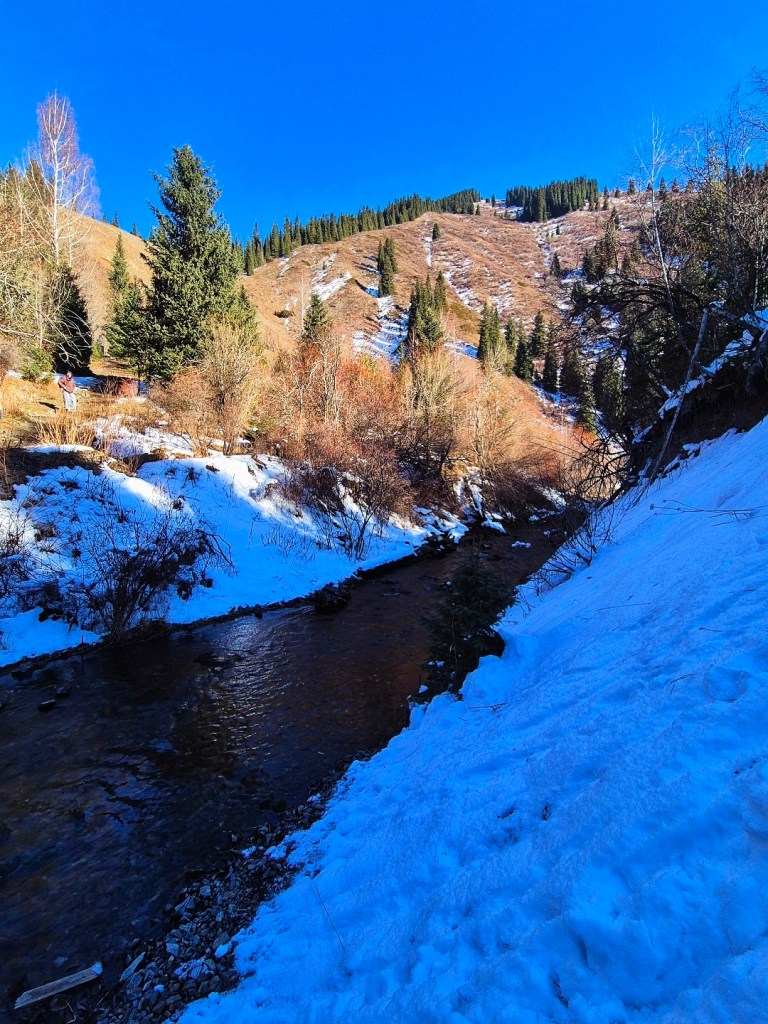
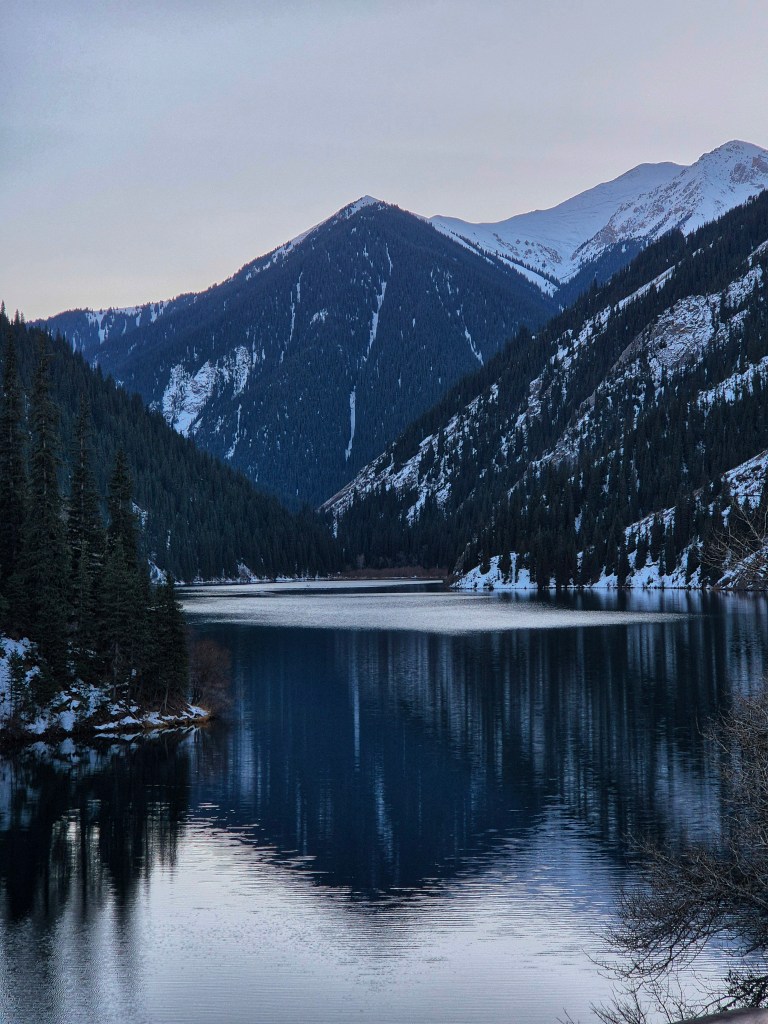
Being aware of having altitude sickness, I don’t know what gave me the audacity to do this ascent to the Ile Alatau Mountains — higher than our Mt. Apo and Mt. Pulag, in negative degrees Celsius, and on the first day of opening season, when other trekkers haven’t carved out clear paths on the snowy heights yet. Under the charm of the waxing crescent moon, all I know is that I had to obey the landscape’s whims and do something I may never get the chance to do again. Such landscapes demand one to make the most of life and revel in it!

I’ll spare you the details of how I slipped, almost passed out twice, missed taking beautiful photos because it wasn’t safe to do so, but oh, it was all so worth it!

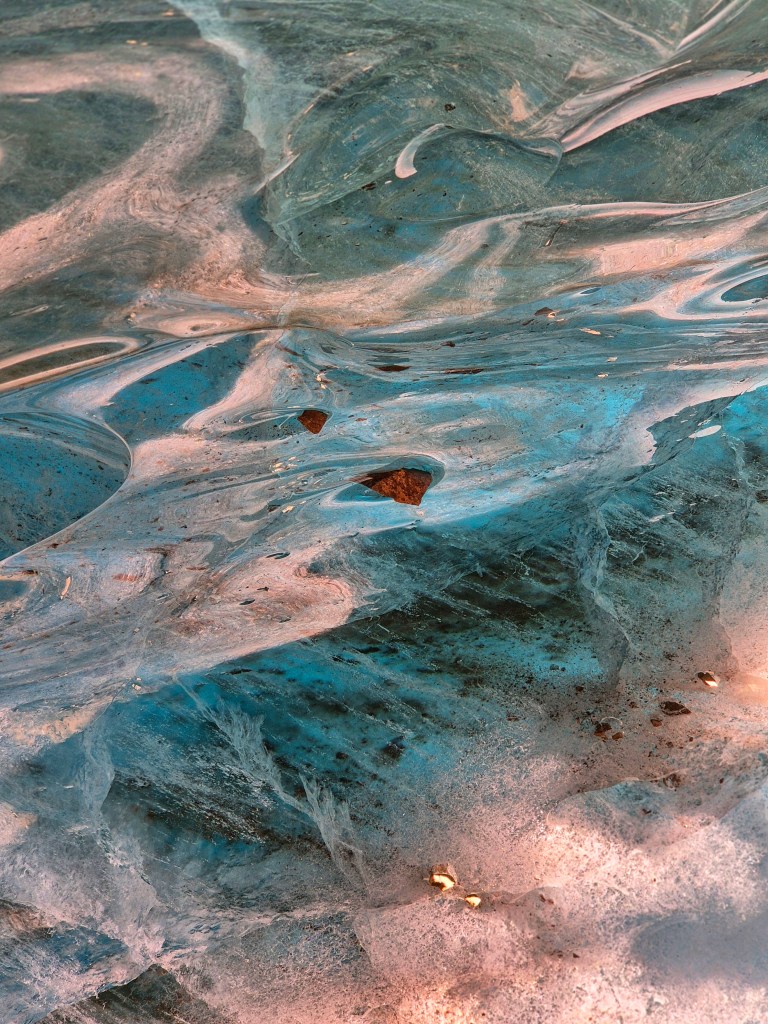
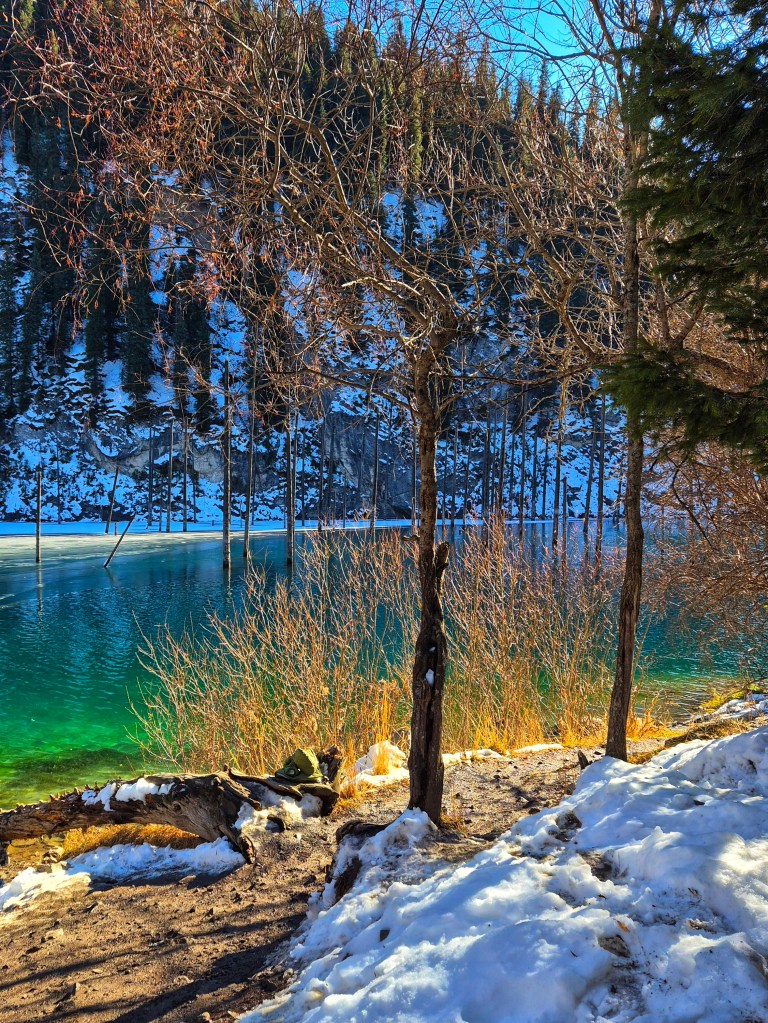
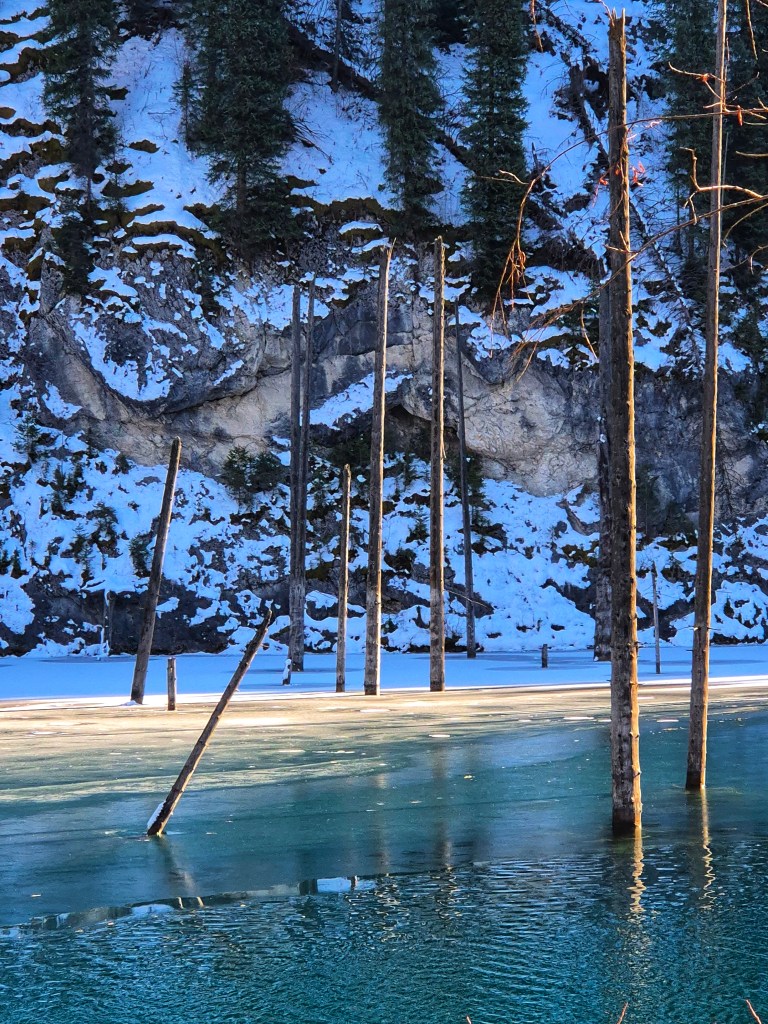
To be in the presence of metamorphosing architecture, this frozen confluence of time and nature, seeing rocks stopped in their tracks and suspended in a surreal blue, realizing the impact of these monumental sculptures on the planet; it was something I would never experience by reading books, but it was sheer, powerful poetry.

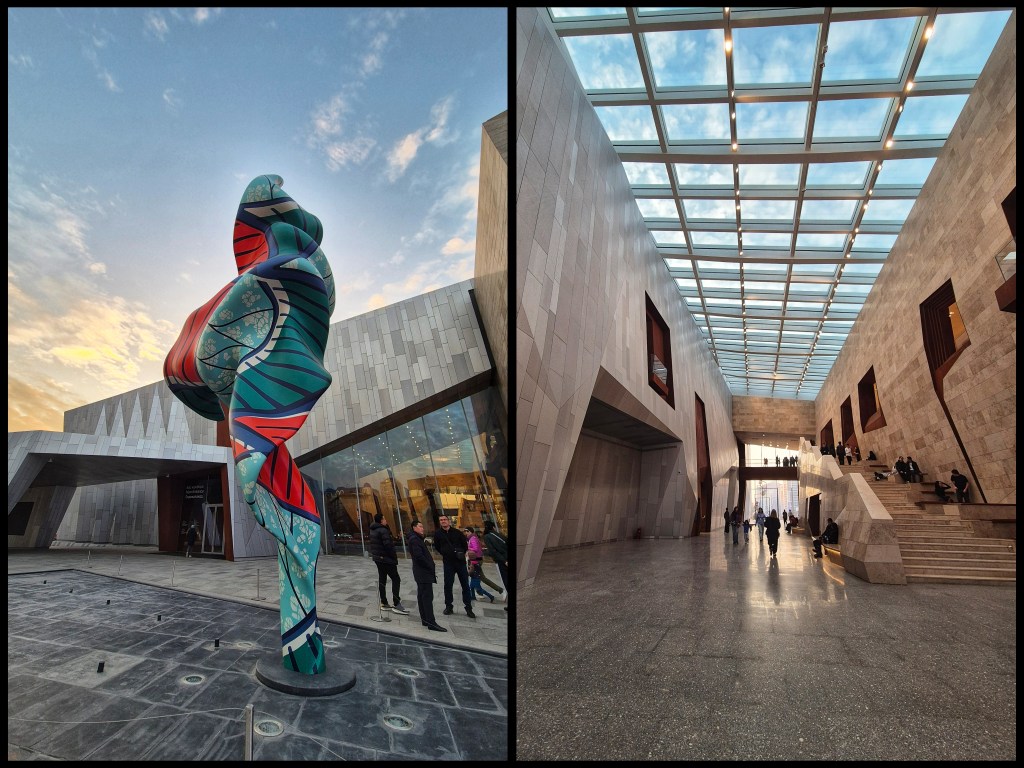
Almaty Museum of Modern Arts

Aside from the usual arrogance of the Western eye, there is a movie to blame for painting Kazakhstan as a poor and backward country. I agree with author Christopher Robbins when he wrote that the joke of this particular movie, “Depends on an audience’s absolute ignorance of Kazakhstan and its culture.” While poverty is, indeed, present here, it is also important to remember that this nation ranks 12th in the world in terms of oil reserves, and on top of that, coal, copper, uranium, platinum, and gold.

Because two weeks is not enough to see this vast country, I have even decided to skip Astana, the capital, because it looks too modern and filthy rich. Haha!

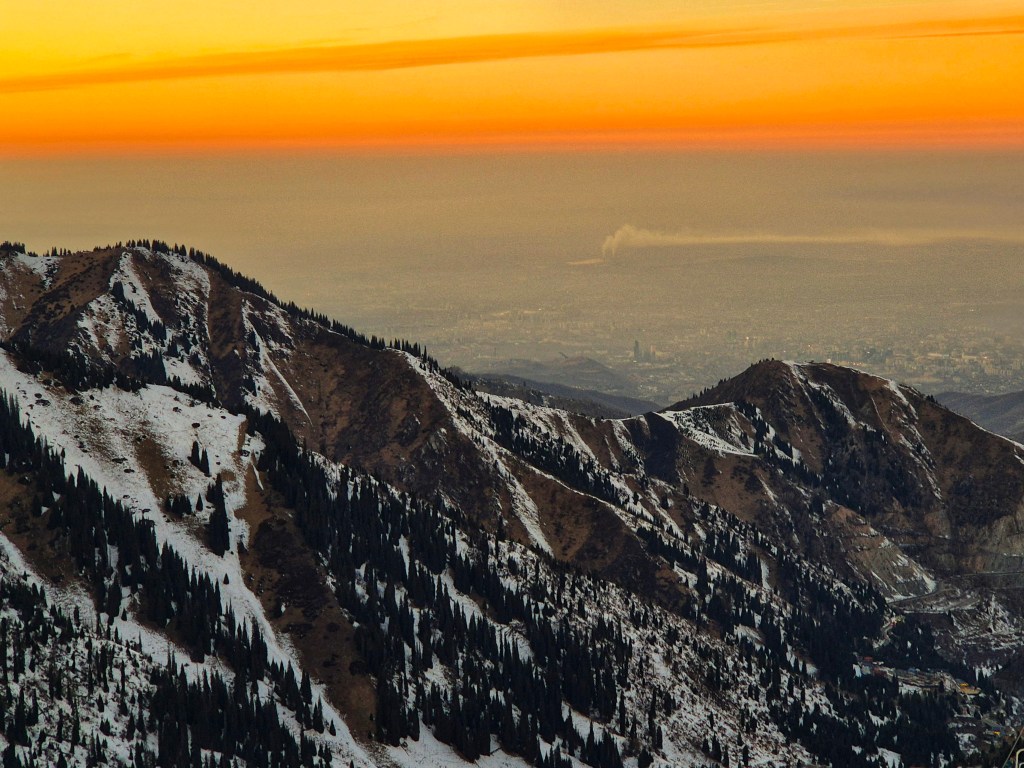
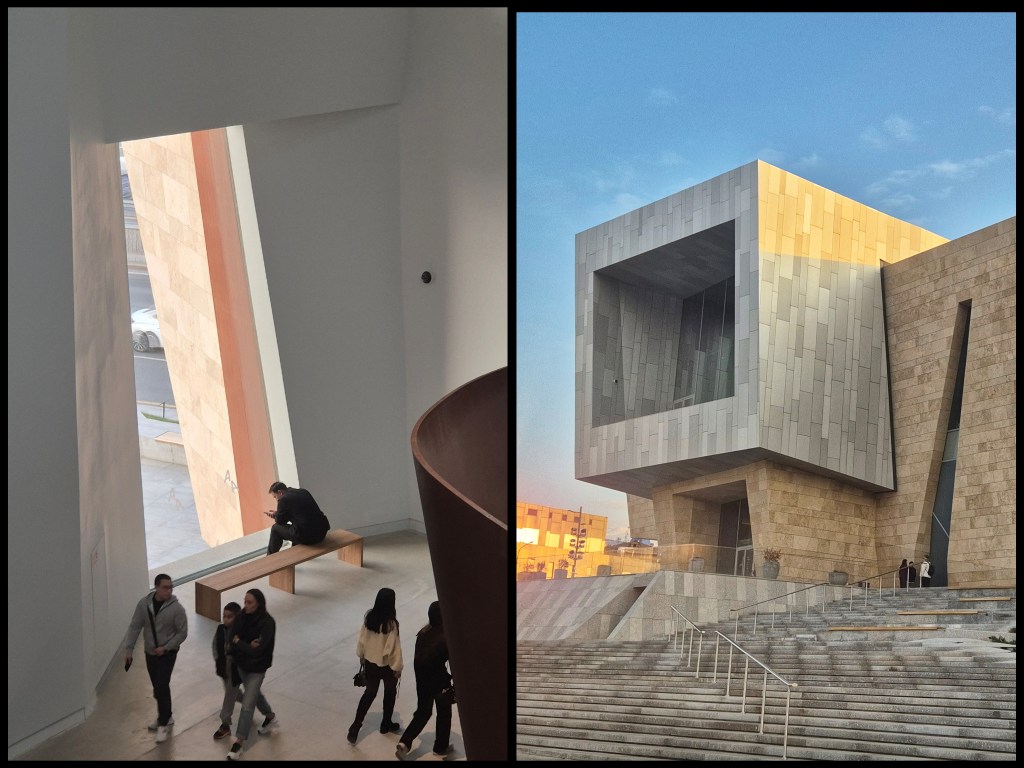
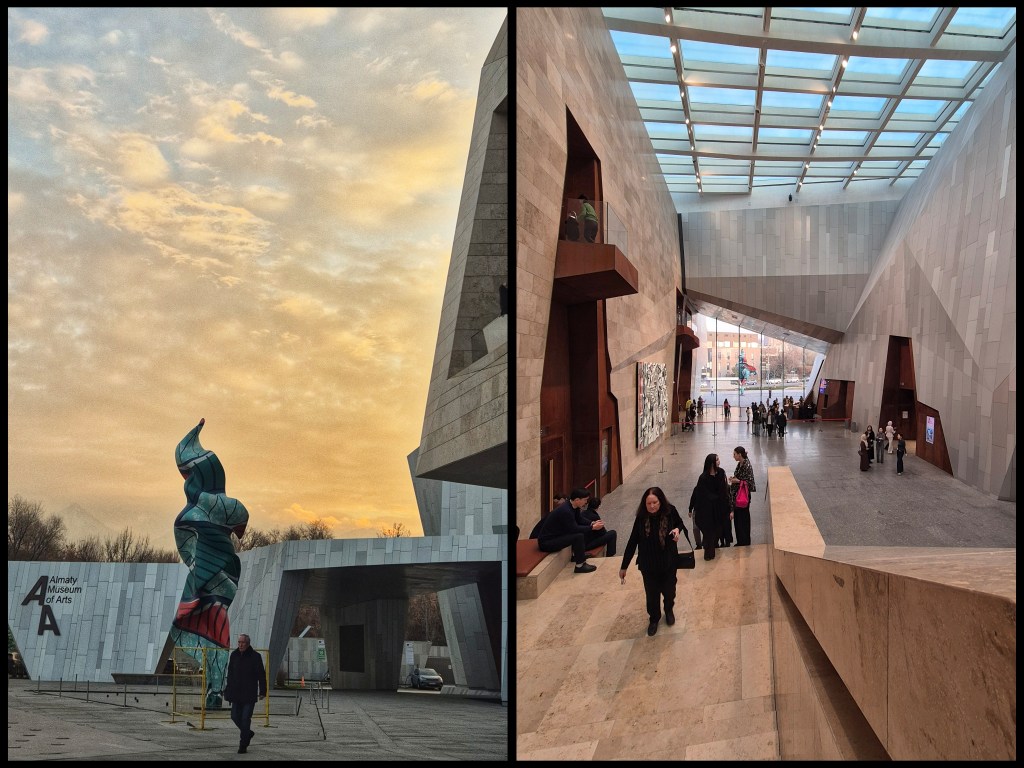
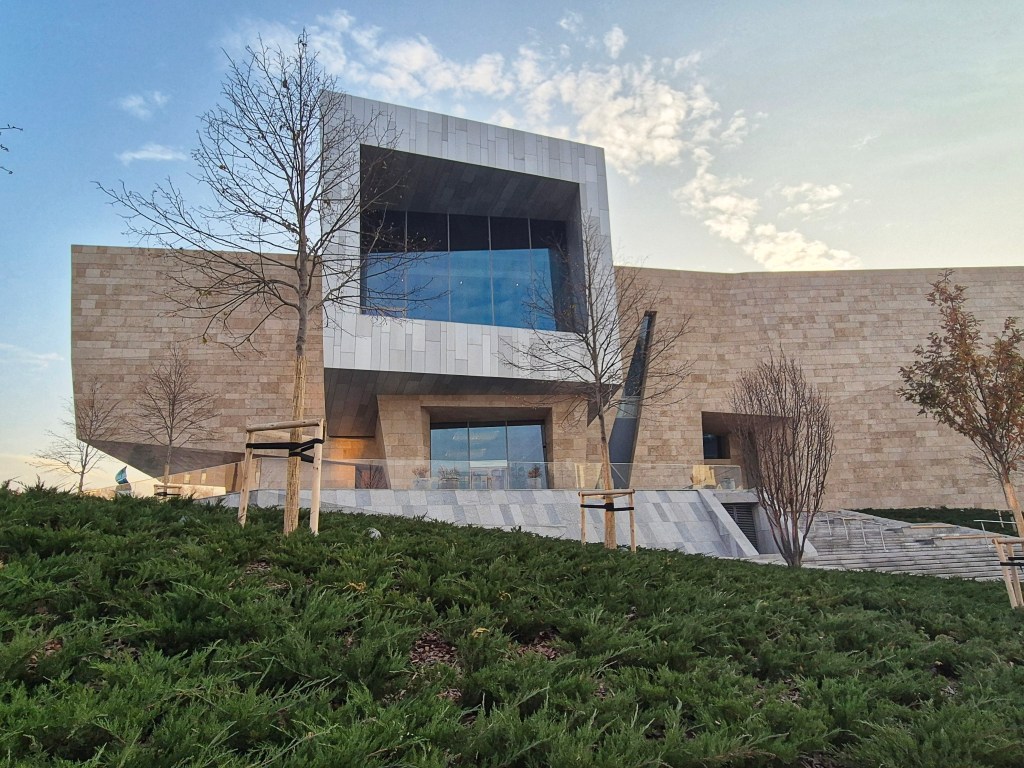
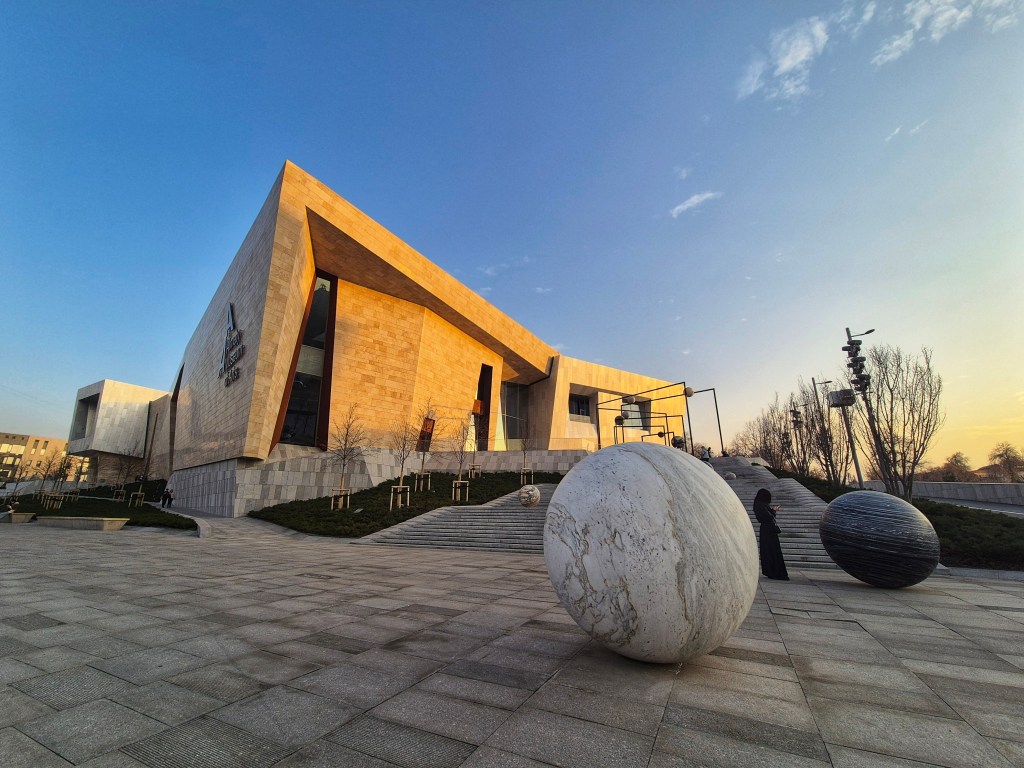
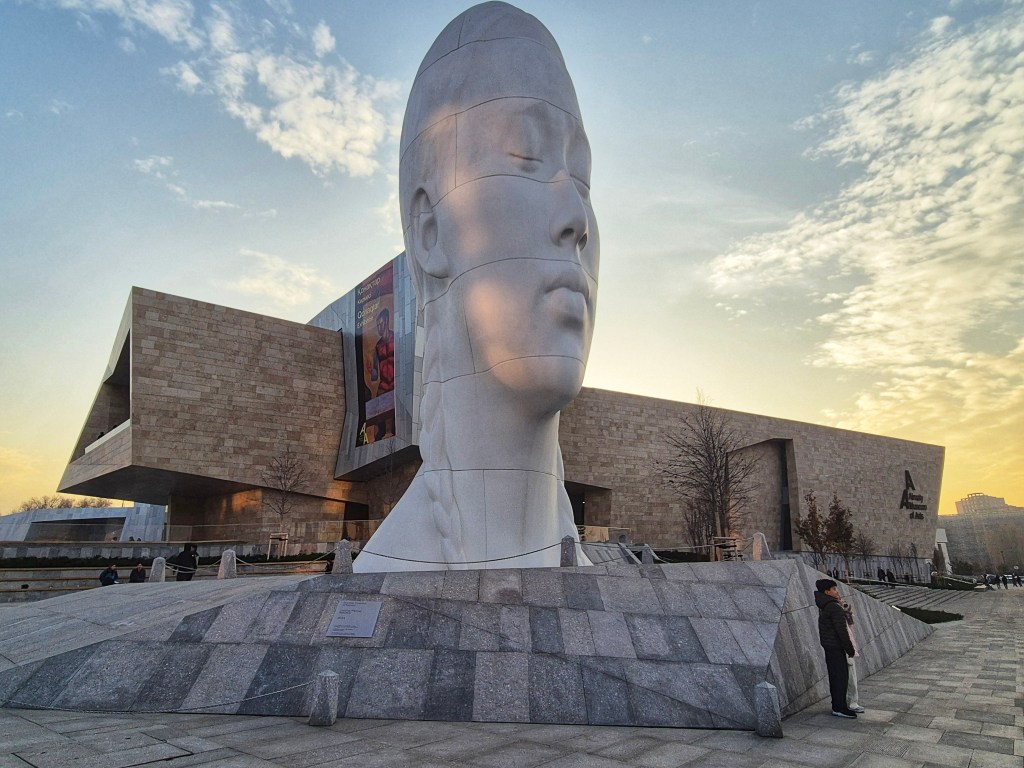
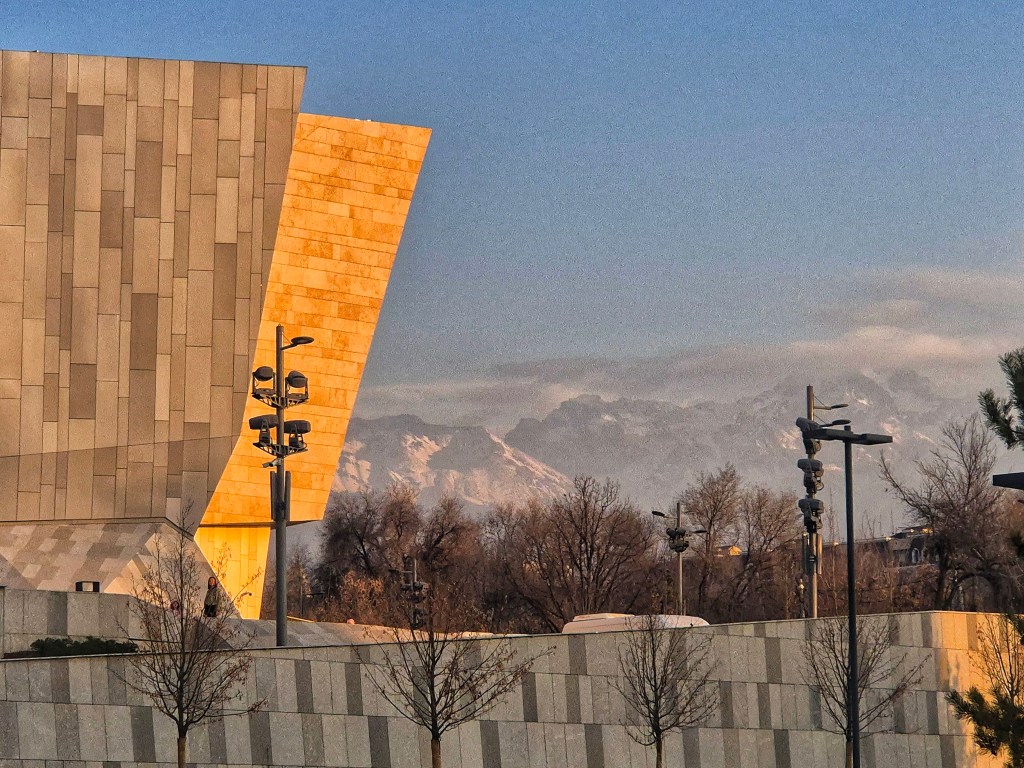
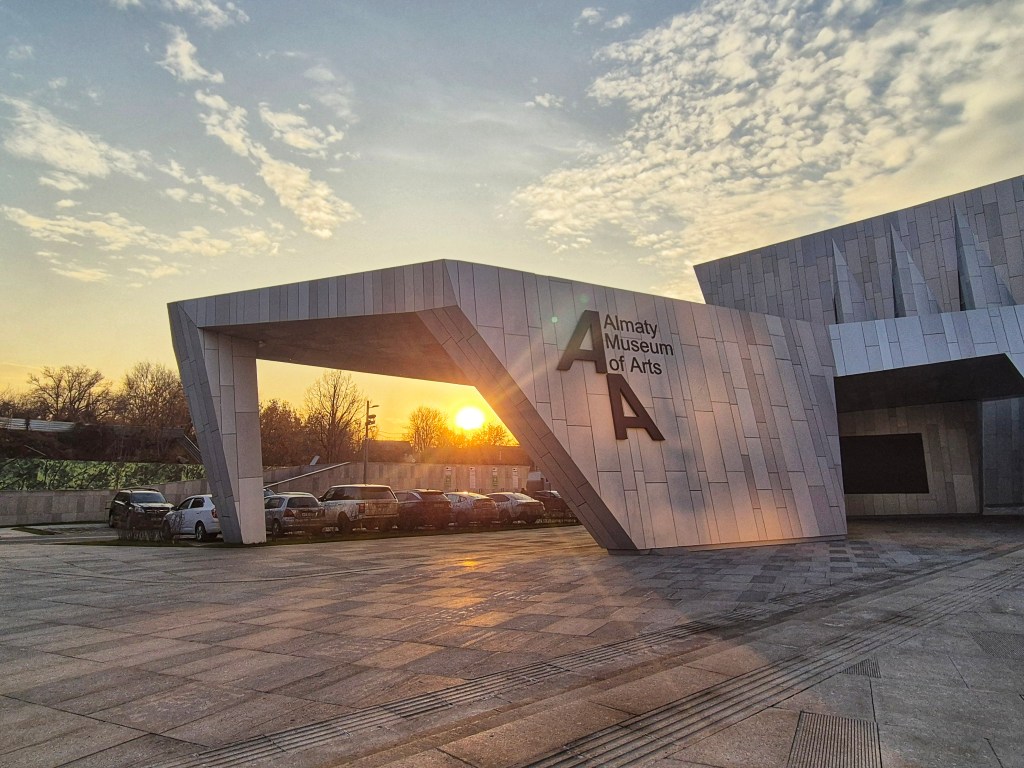
I don’t know much about how economies really work, and I only usually see things through the artistic lens, but I’ve somehow always thought that a country’s prosperity can be reflected in the state of its museums. Seeing the Almaty Museum of Arts, with the Tien Shan mountains as its backdrop reinforced this idea.

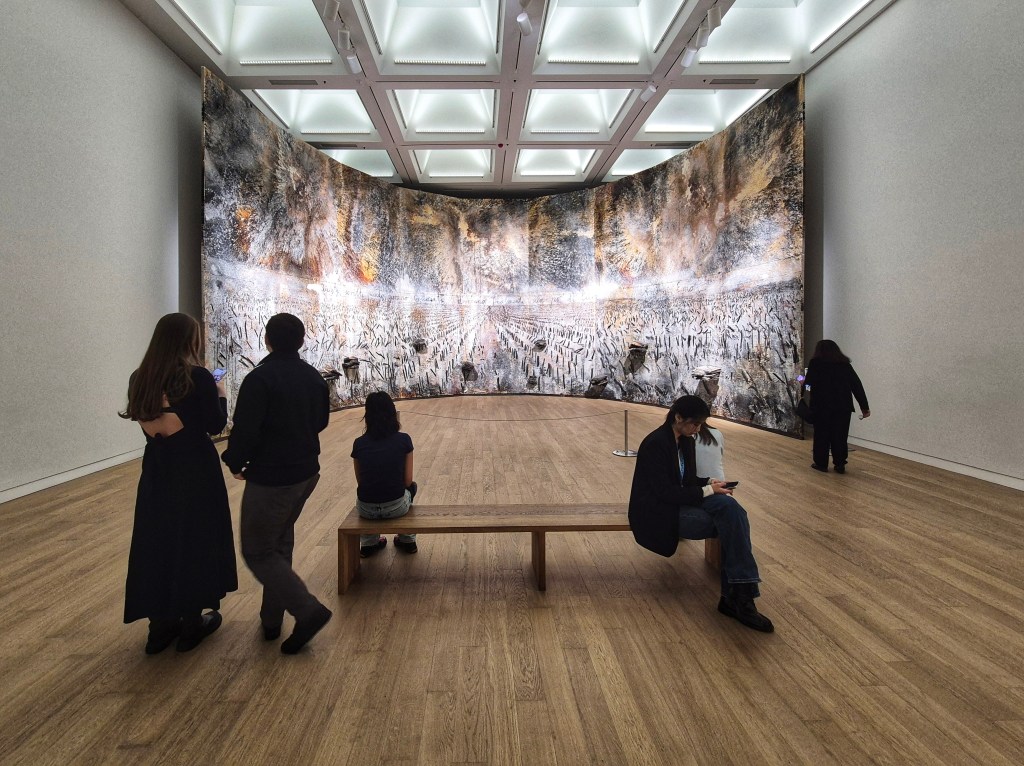
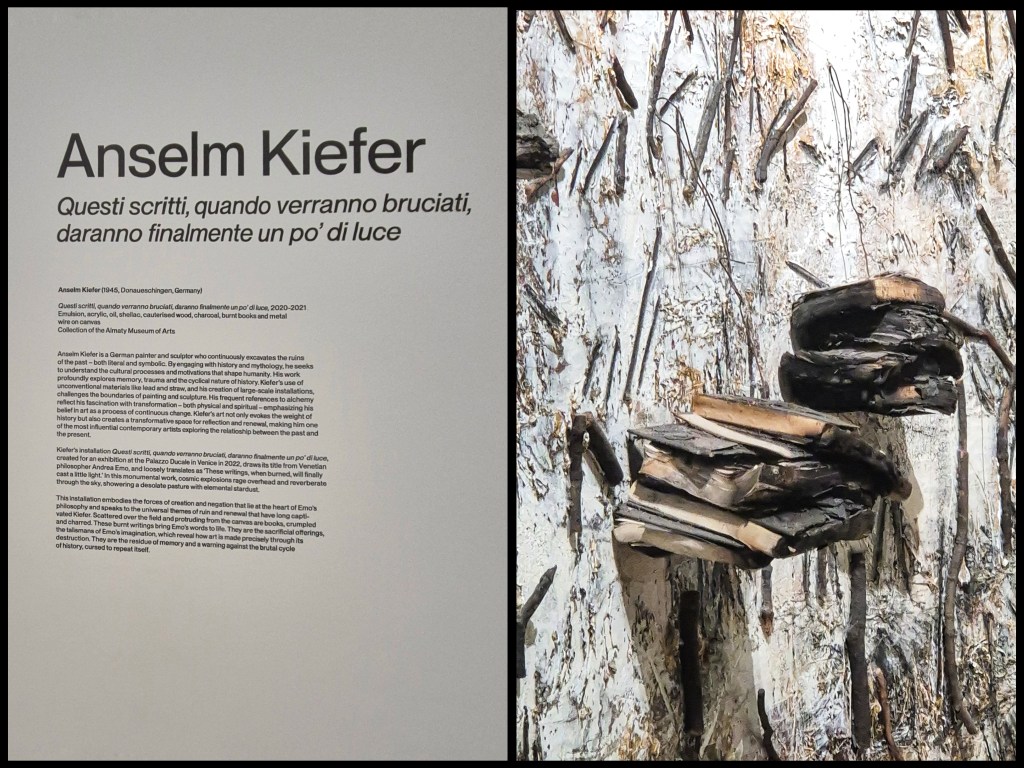
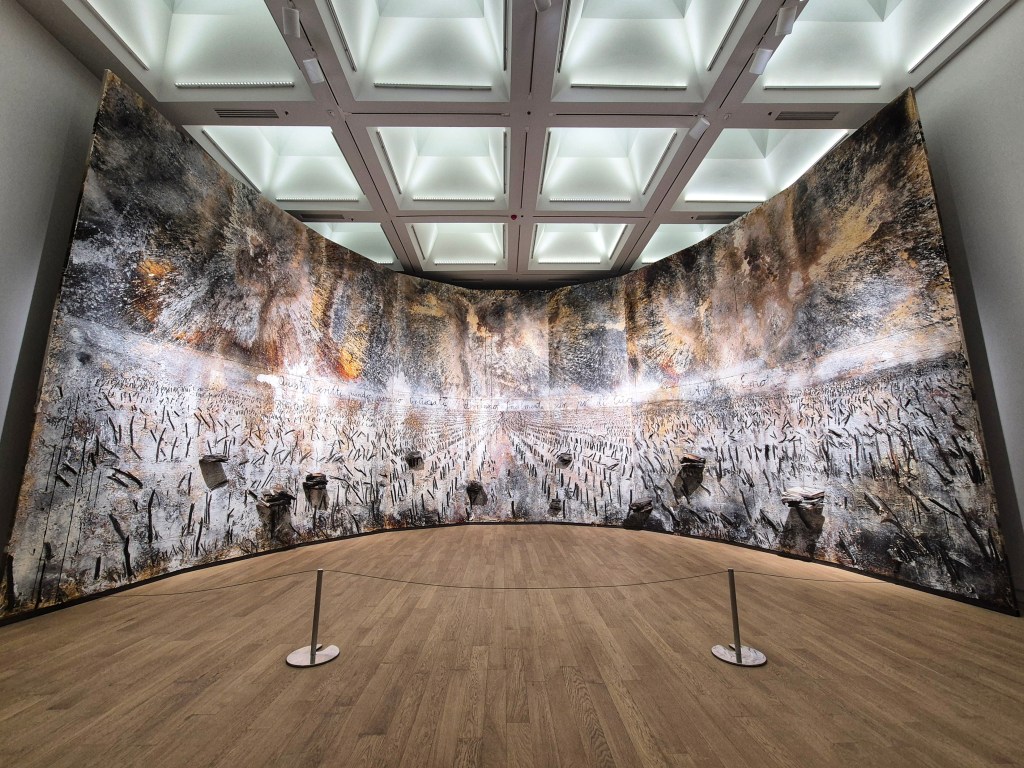
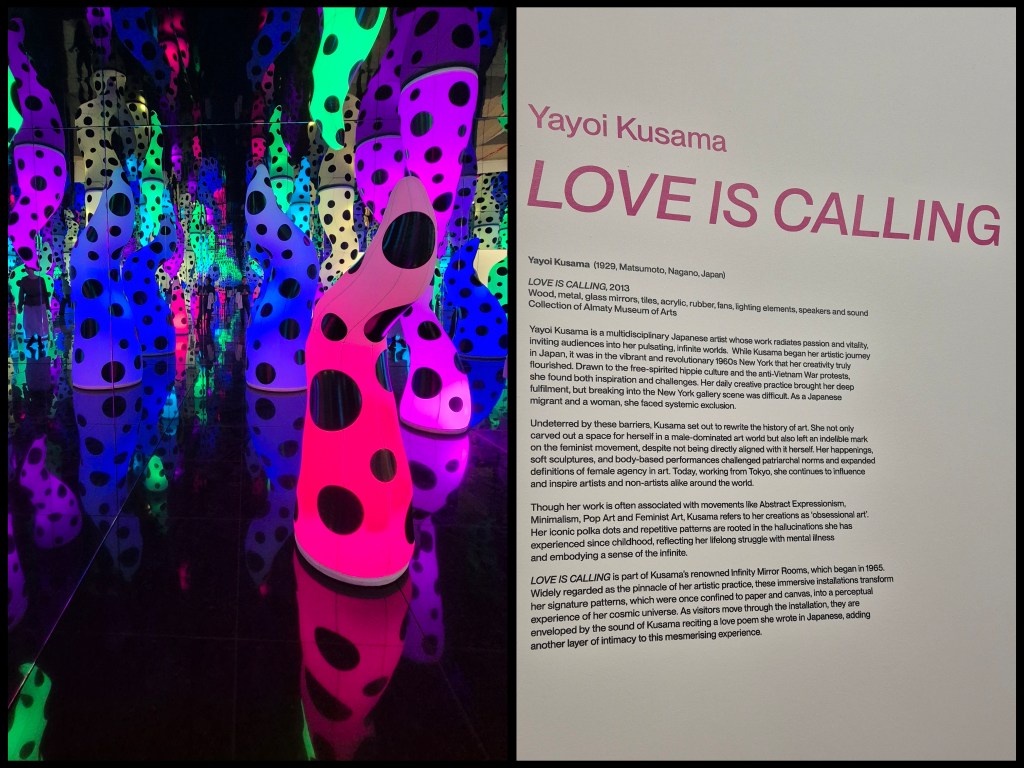
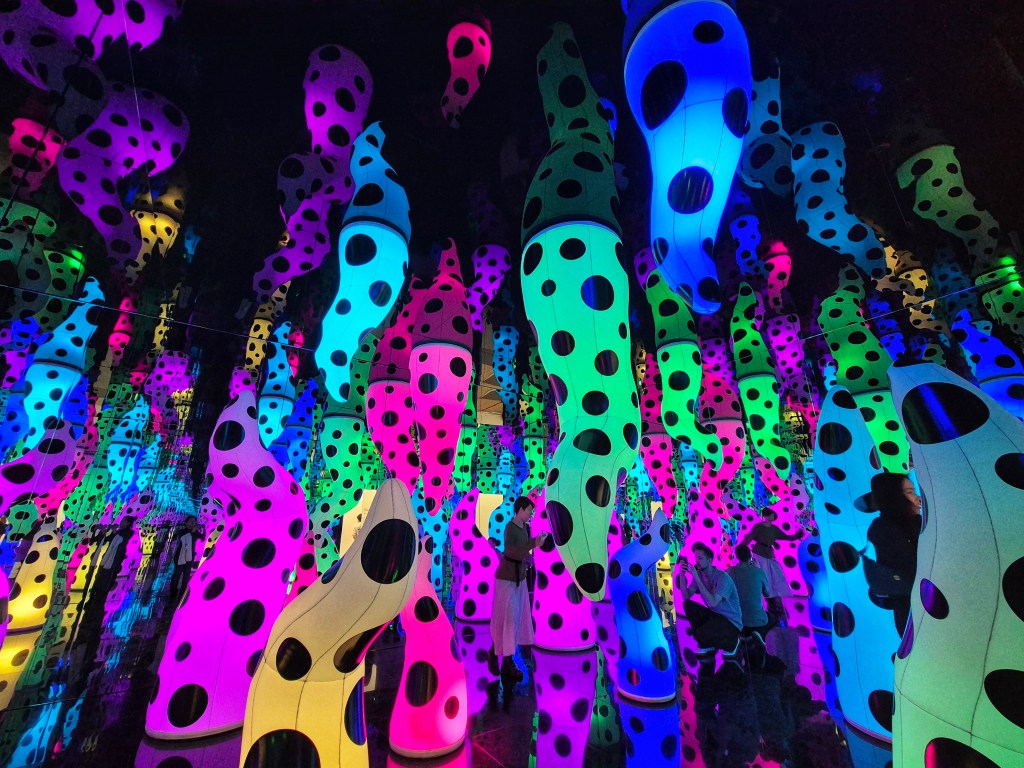
The building is impressive in itself, designed as two interlocking structures, one made of limestone (to represent the mountains) and the other of aluminum (to represent the city). To my surprise, there was an ongoing Yayoi Kusama installation; a photo exhibit by Almagul Menlibayeva whose works remind me so much of my best friend Franz’s creativity; and a huge piece by Anselm Kiefer — “Questi scritti, quando verranno bruciati, daranno finalmente un po’ di luce” (These writings, when burned, will finally cast a little light) — that affected me most of all.

If the Almaty Museum of Arts cannot change the image of Kazakhstan that Borat impressed on anyone’s mind, I don’t know what will. But it should, shouldn’t it?

November 26, 2025 – Zenkov’s Almaty

ZENKOV CATHEDRAL / MUSEUM OF FOLK MUSICAL INSTRUMENTS

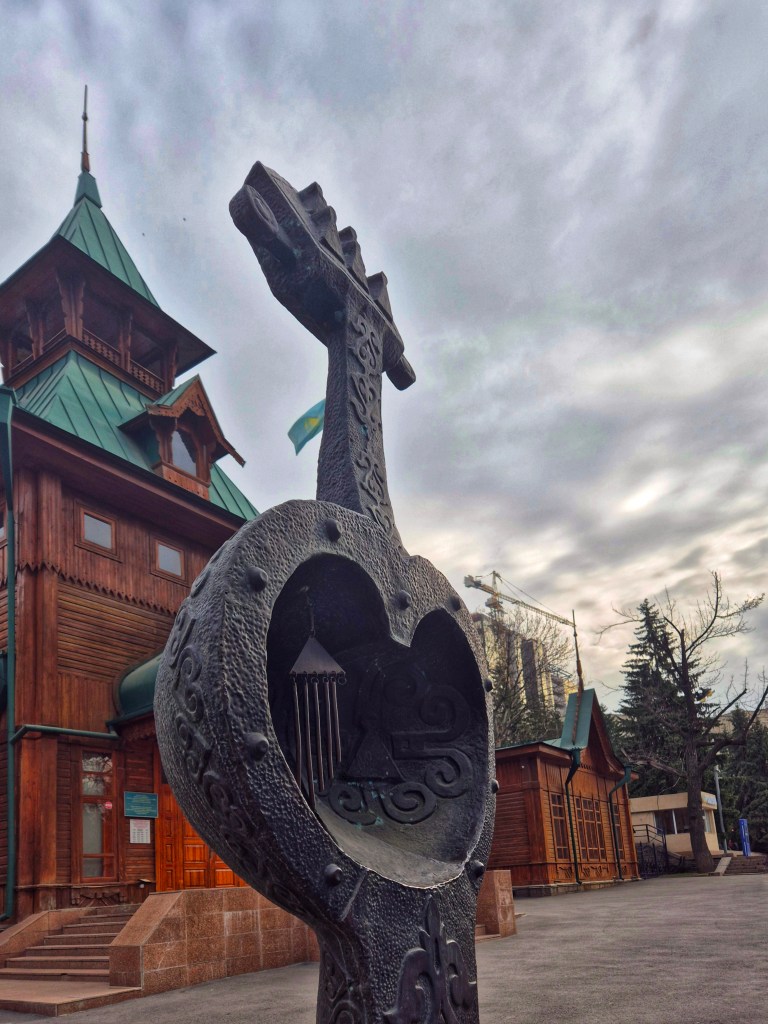
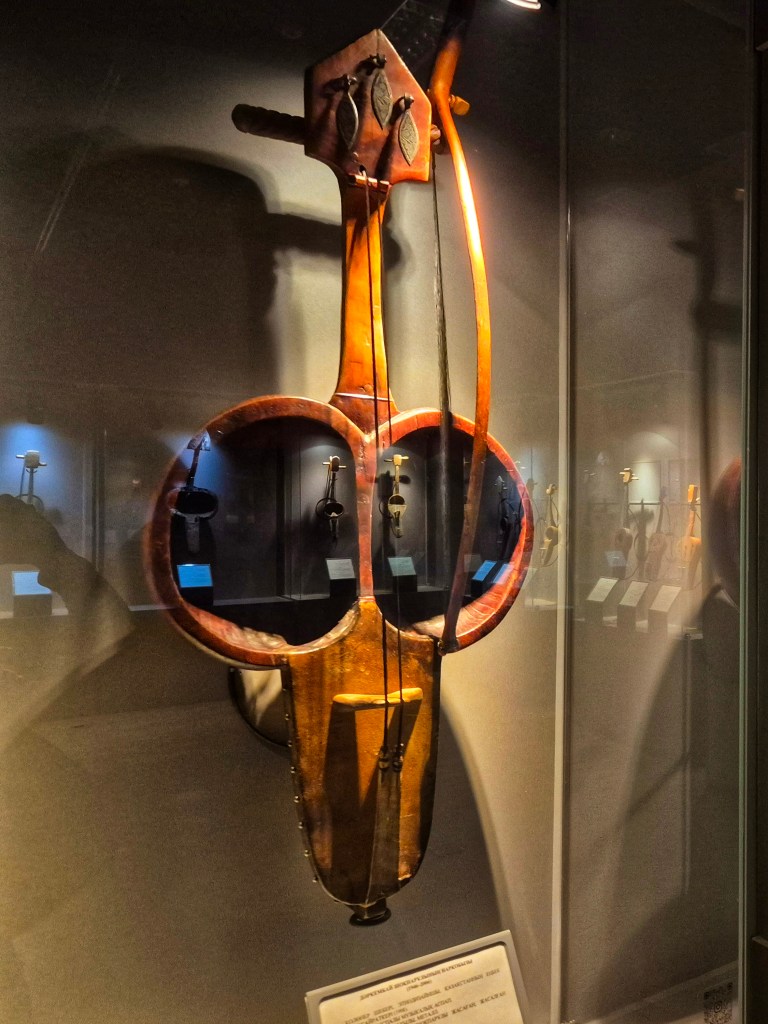
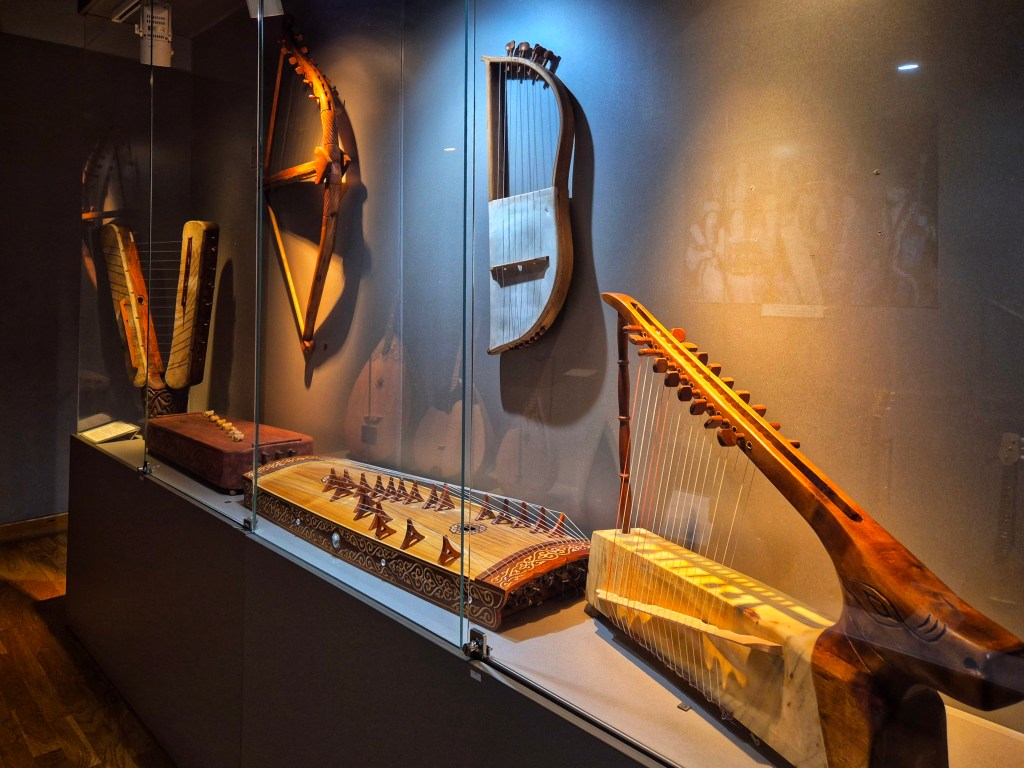
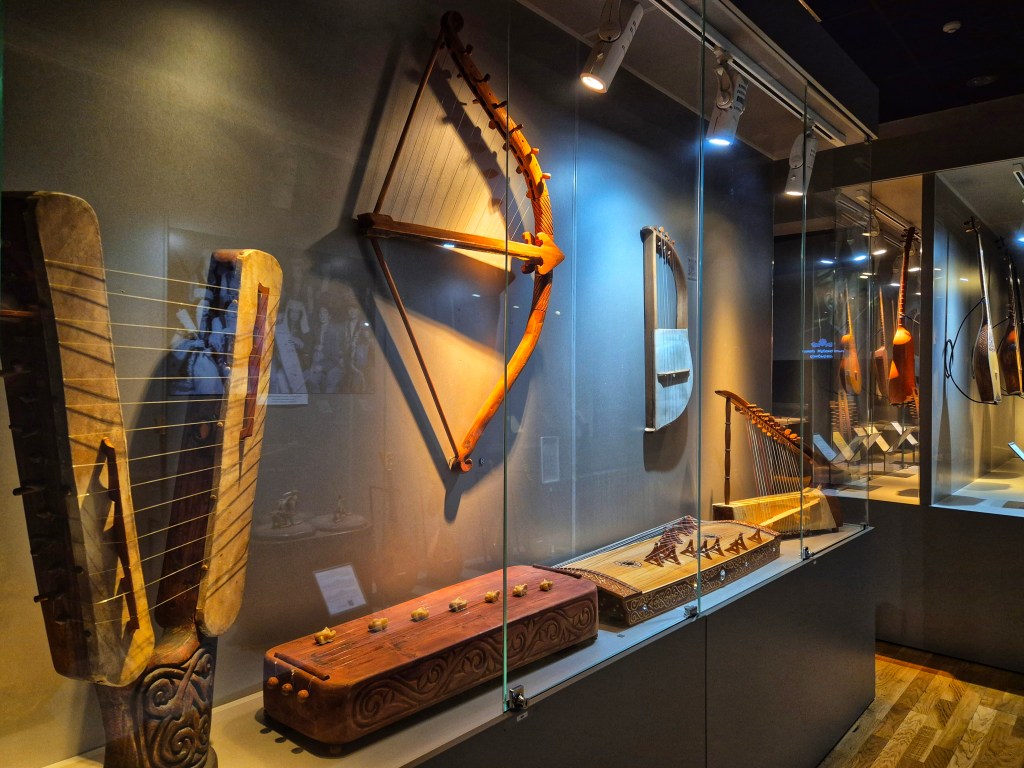
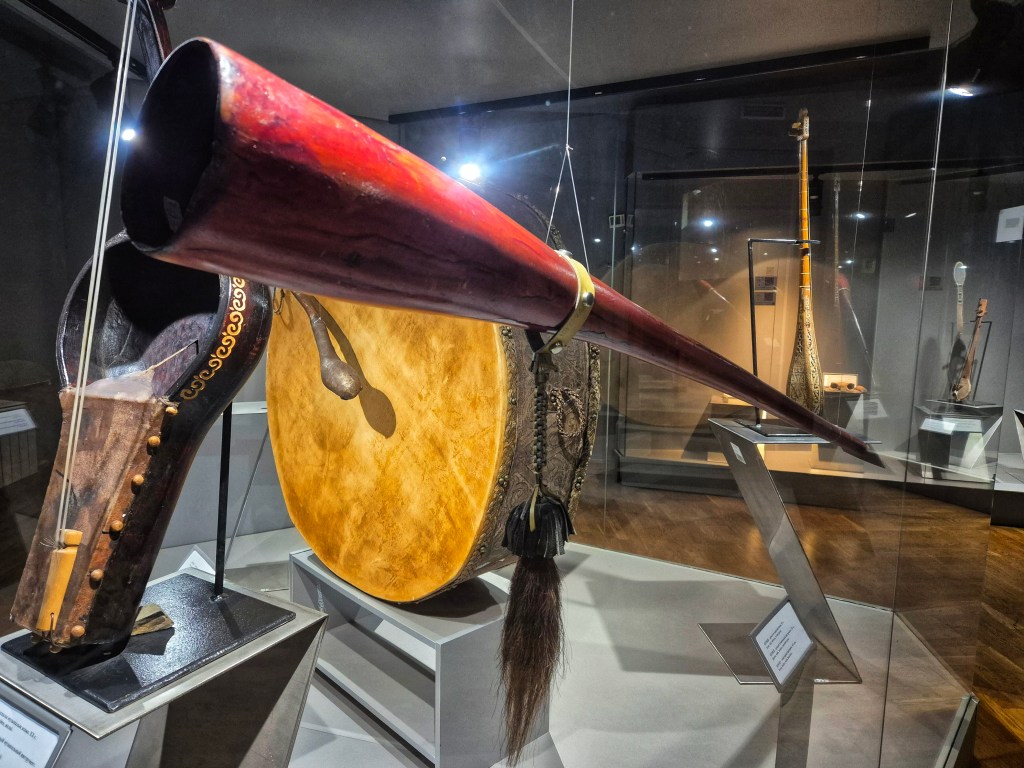
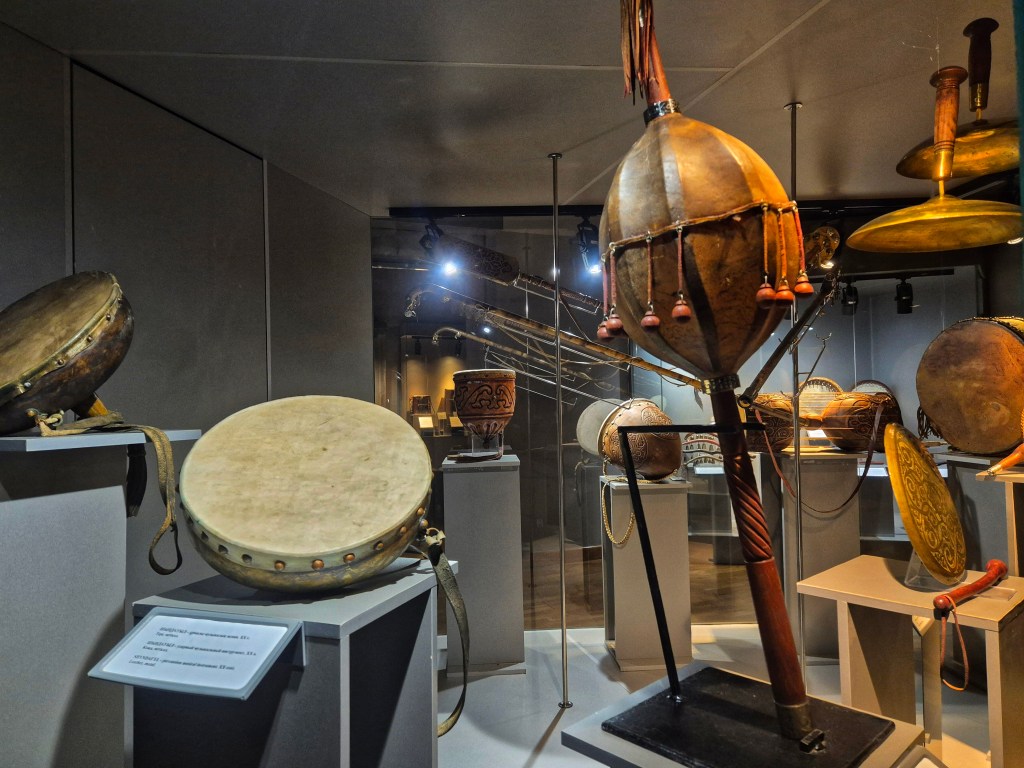
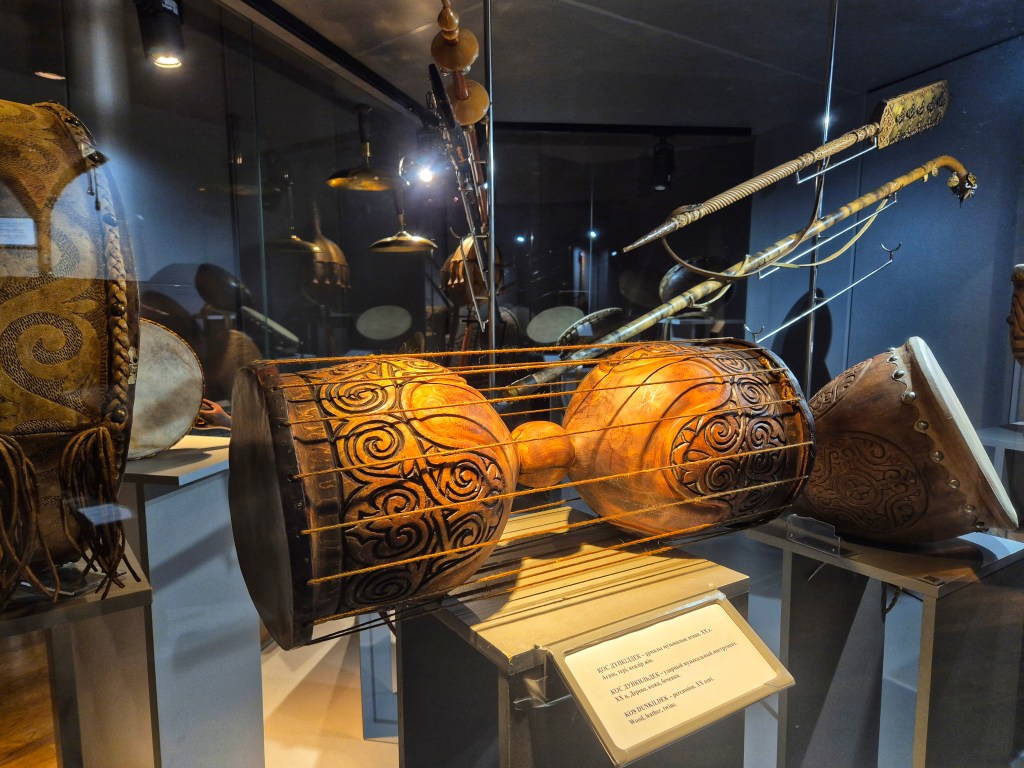
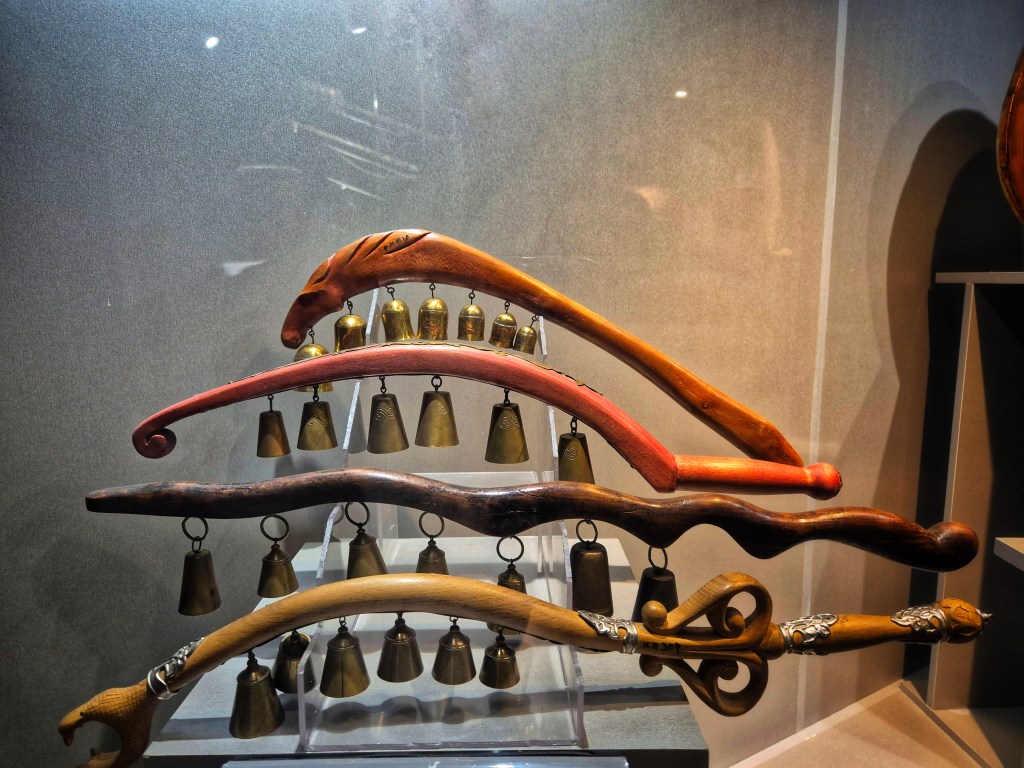
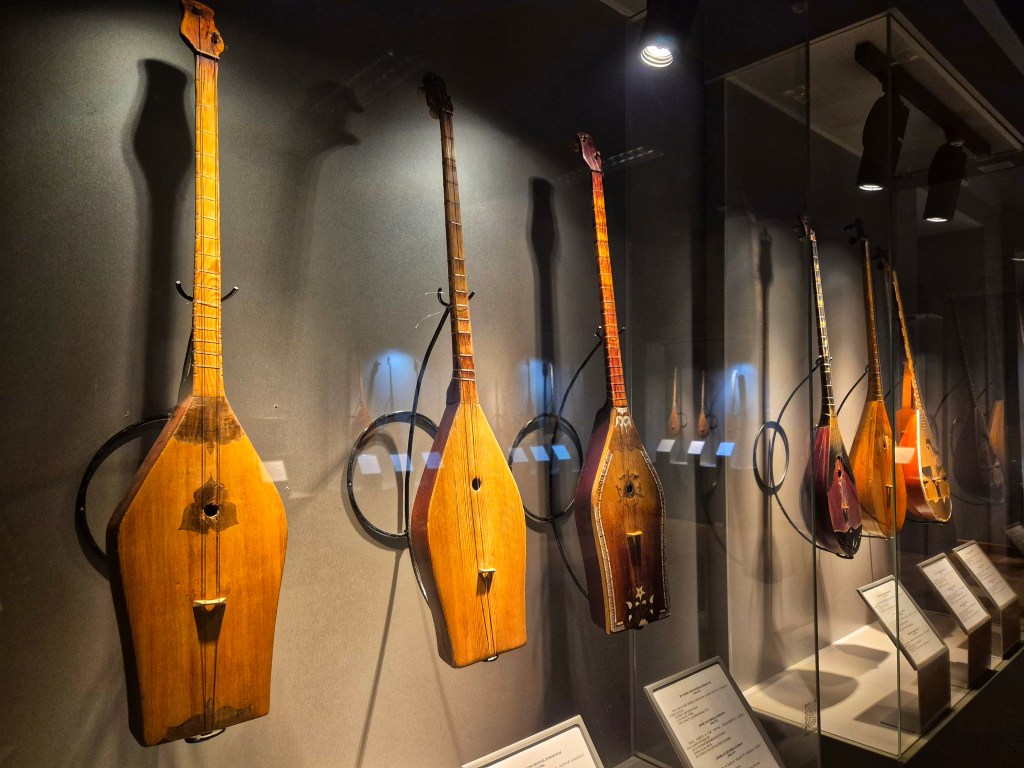
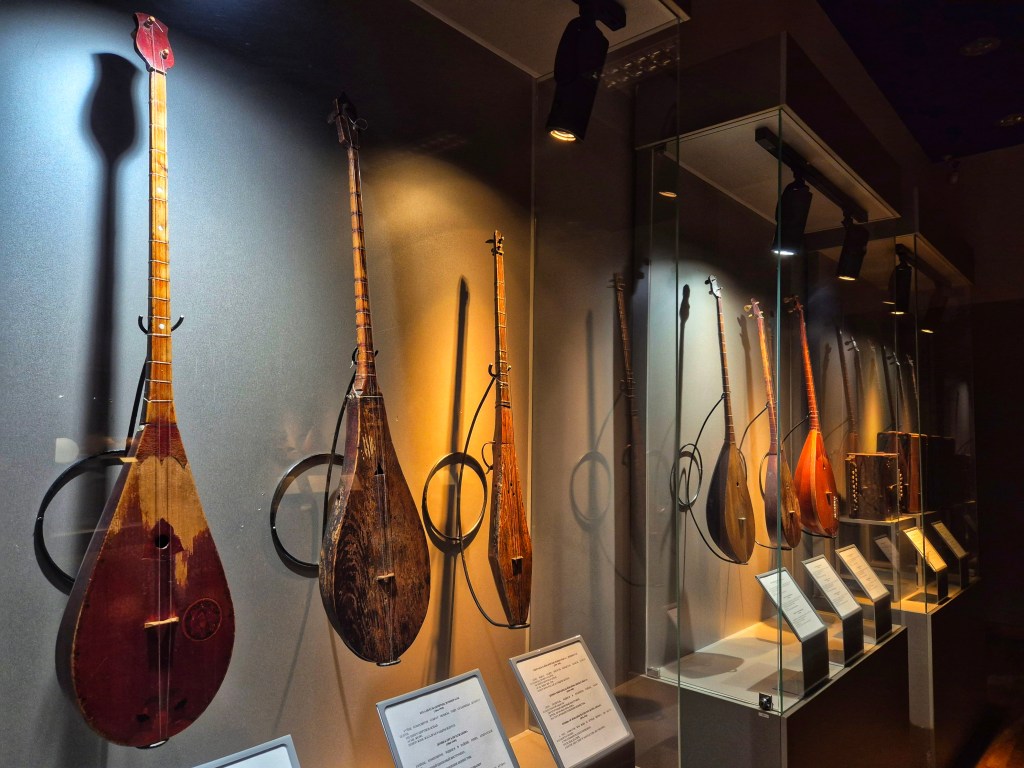
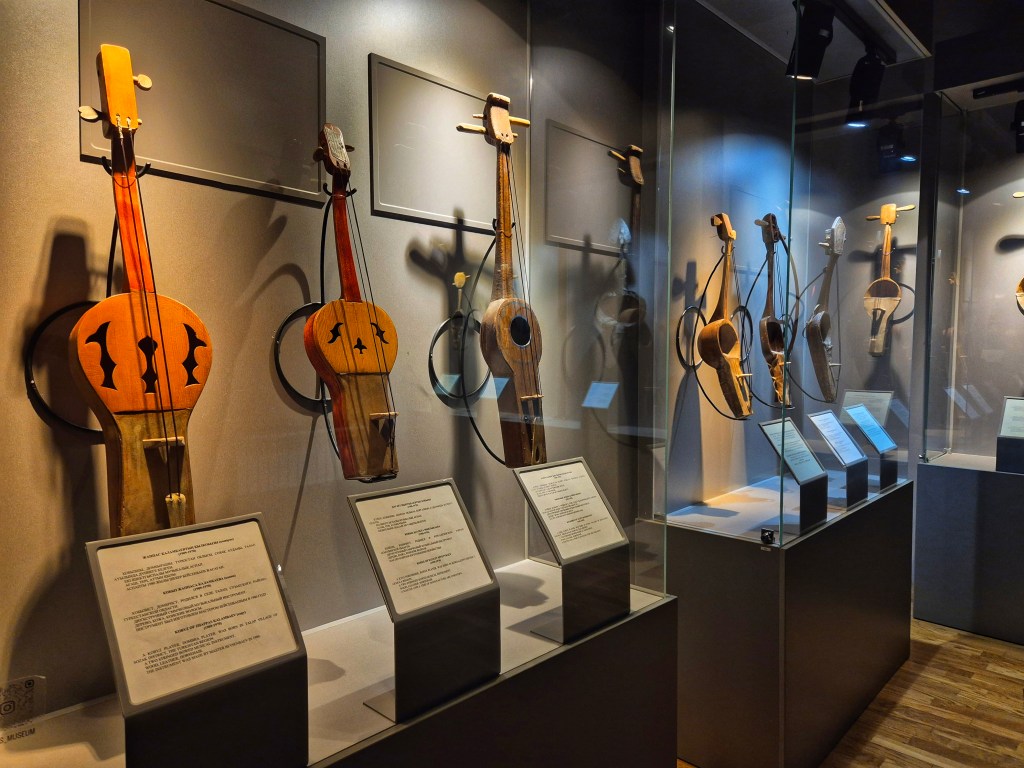
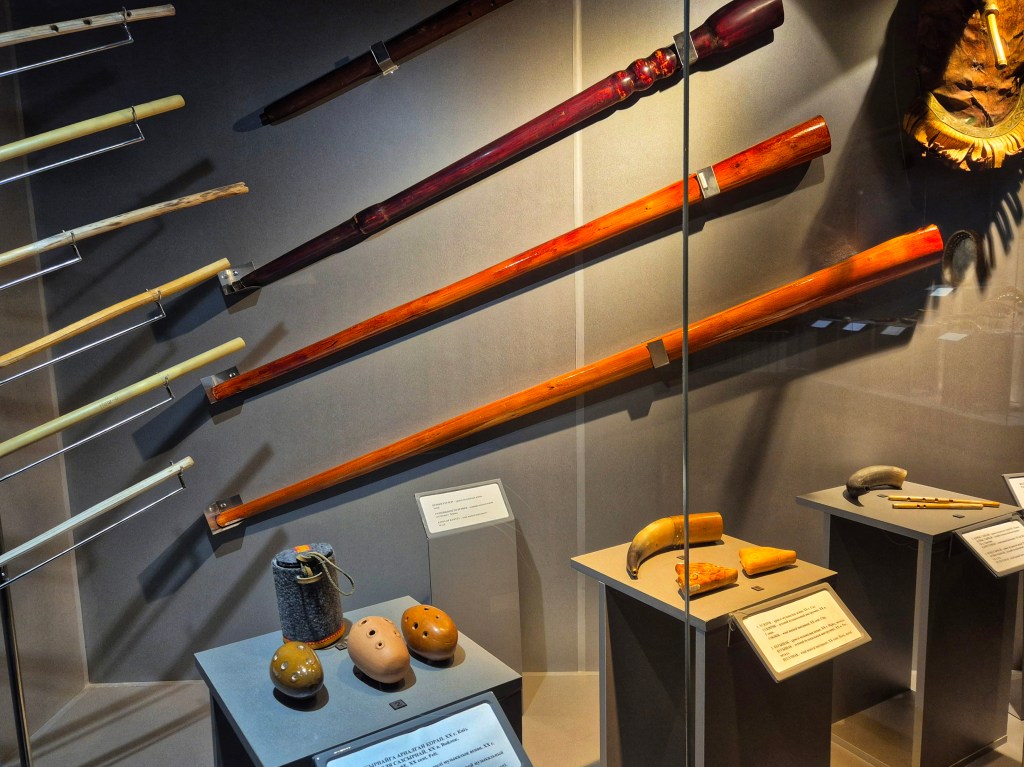
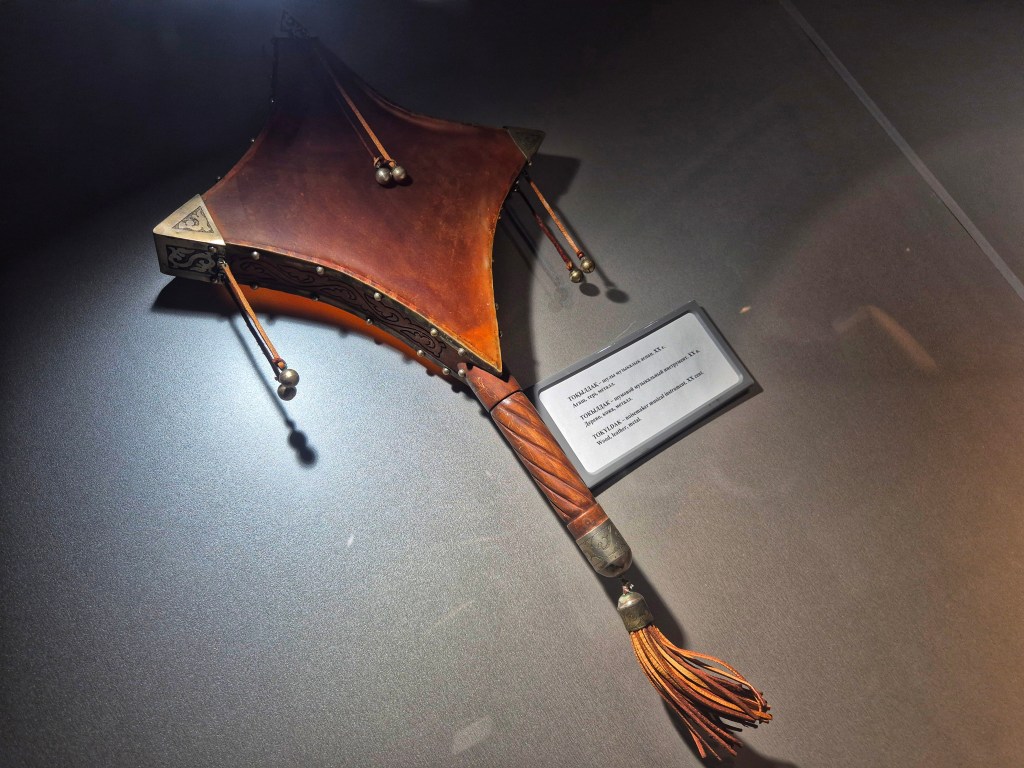
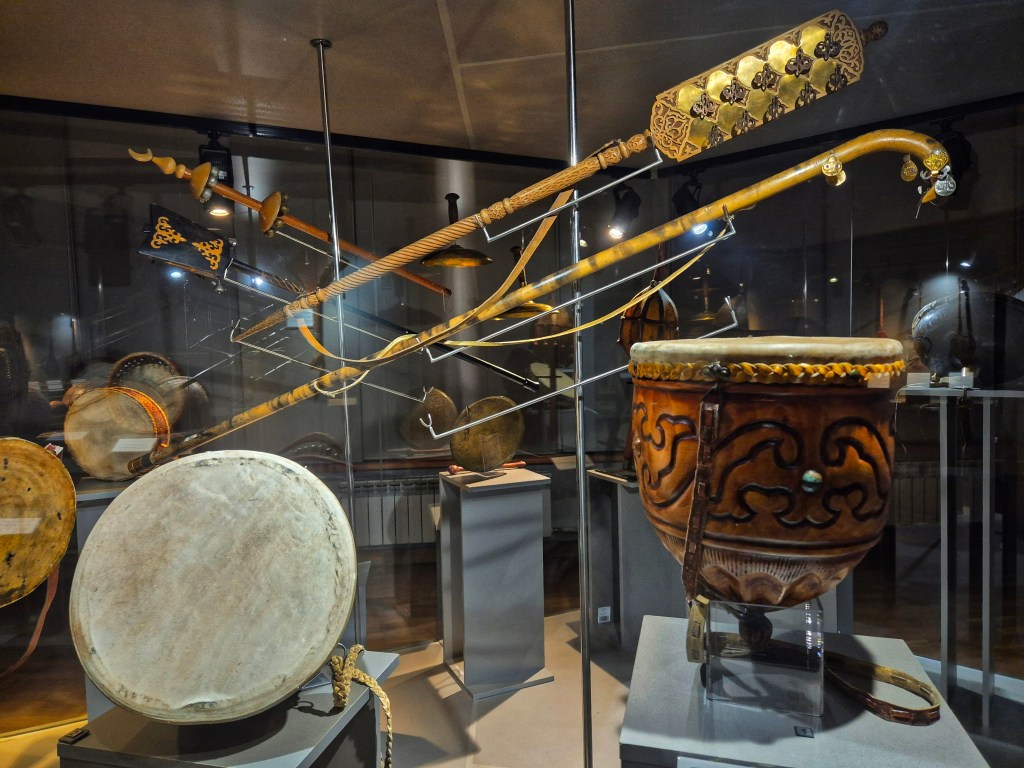
Through my acquaintance with Kazakh literature, I learned of a detail in Turkic mythology of how a musical instrument was believed to be a branch of the Tree of Life, and how this branch was to be bestowed upon a chosen one, shaman or musician. It’s beautiful how this story articulates how much their culture values music, to the point of associating music and musicians with what is most sacred to them.

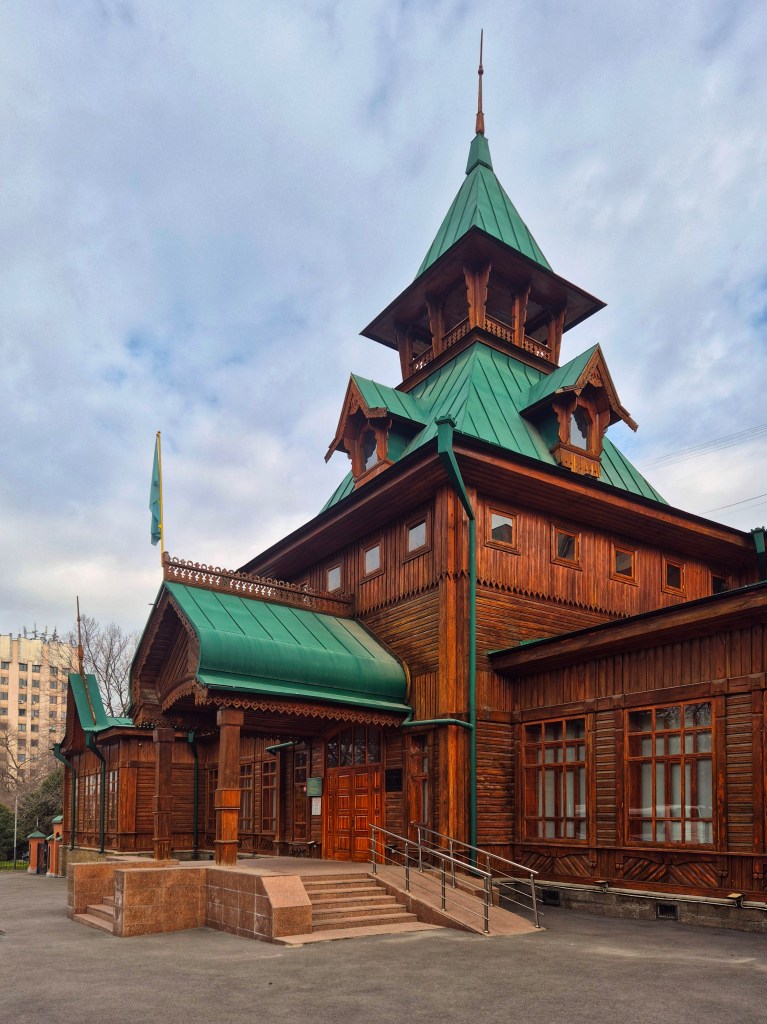
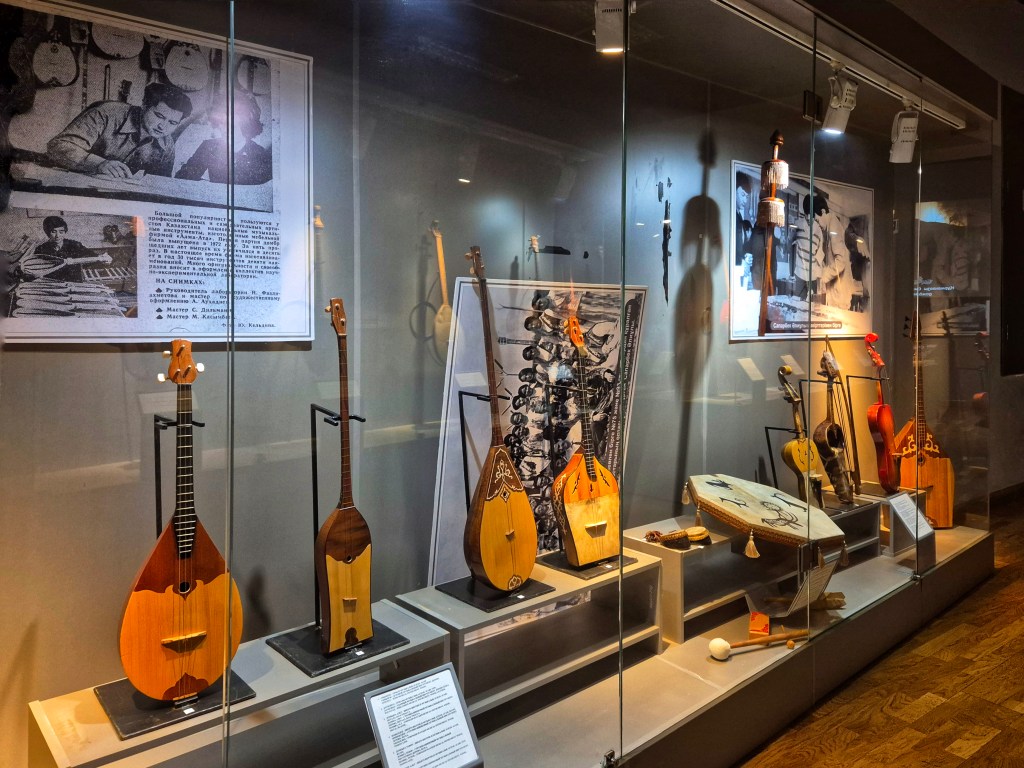
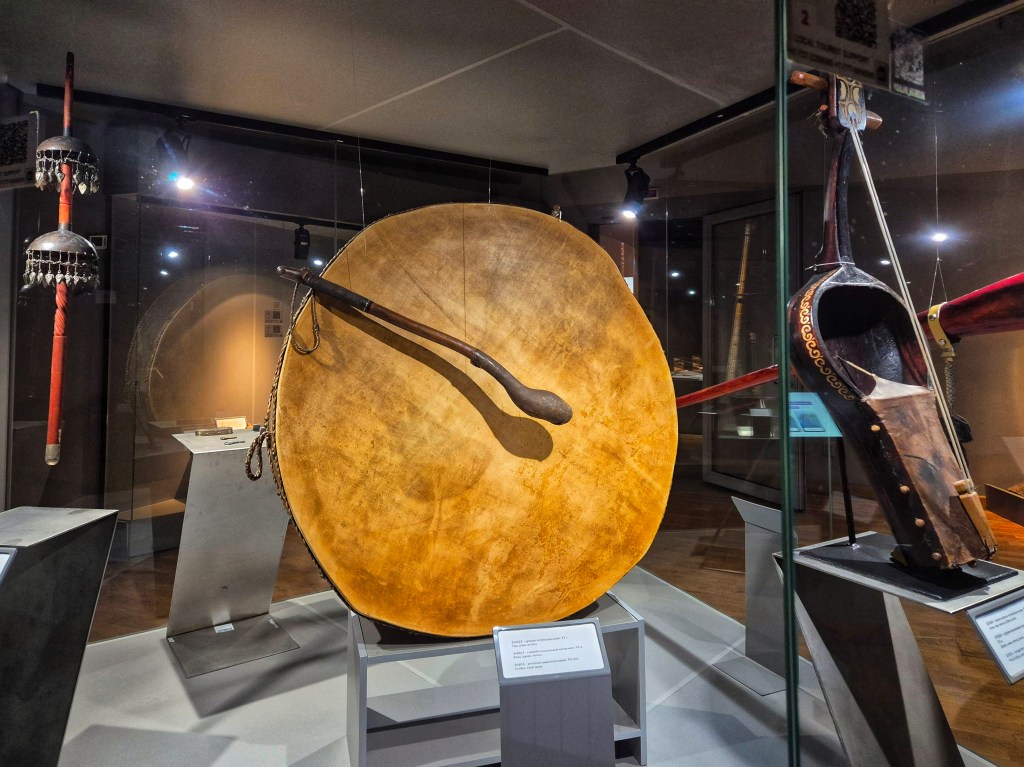
Because of this, it did not come as a surprise when I heard about the Kazakh Museum of Folk Musical Instruments in Almaty. There were stringed, wind, and percussion instruments that had been owned by their most famous musicians throughout history, some looked like they could double as weapons. There were new ones, but there were also instruments that bore battle scars, which I considered to be the most beautiful in the collection. I found myself alone with this wonderful curation of musical instruments that I had never seen before, and as their music played through the museum’s sound system, filling the eight different rooms with emotion and spirit, I felt transported.

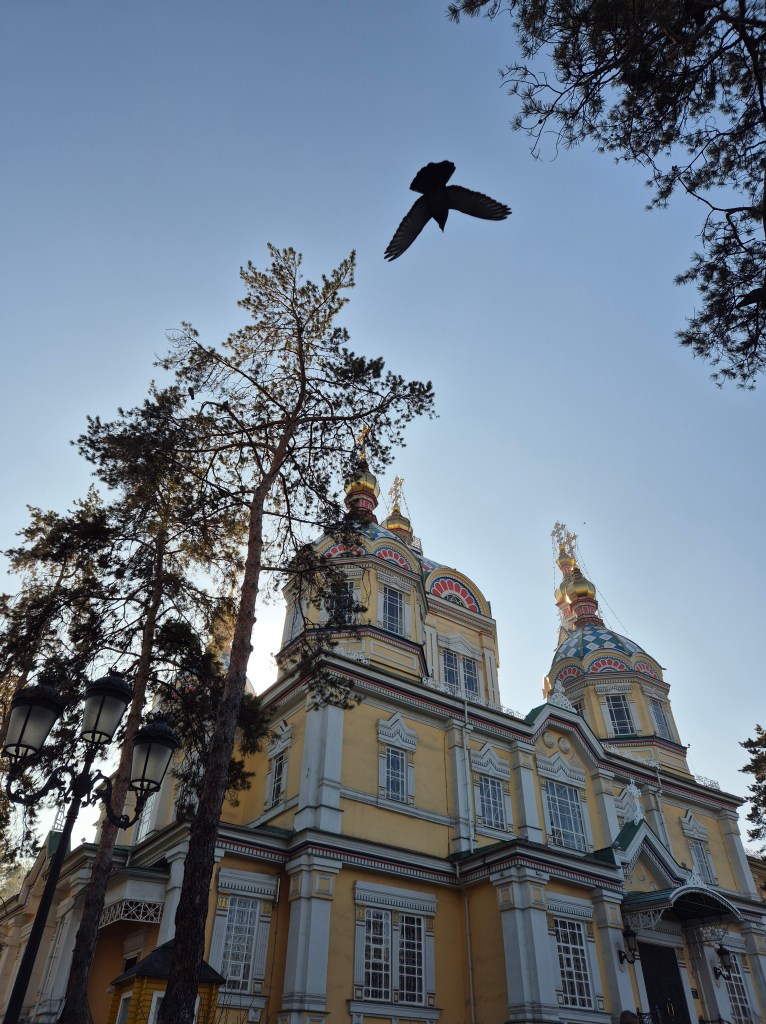
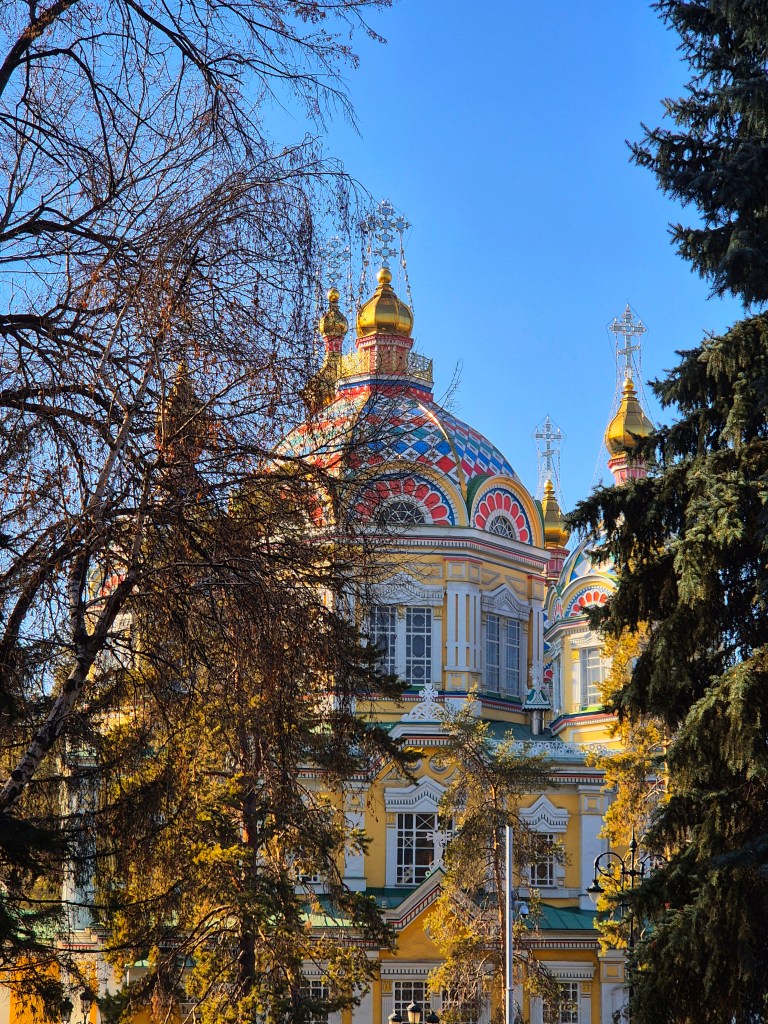
But this museum is little-known, and usually bypassed by many who go straight to Almaty’s most famous landmark — the Zenkov Cathedral (that ornate Orthodox Church built entirely of wood that miraculously withstood the great 1911 earthquake that devastated most of Almaty). What most people don’t know is that Andrei Zenkov, the architect of the iconic cathedral, also designed the museum building in 1908.

After immersing myself in the museum, I walked to Zenkov Cathedral and honestly did not know what to make of such a colorful edifice. But looking back at the history of this place around the time these two buildings were constructed, I realize that it must have taken a certain amount of courage to create something with such vibrant colors and a hint of whimsy. Now I look at both buildings as works of defiance and resolute joy.

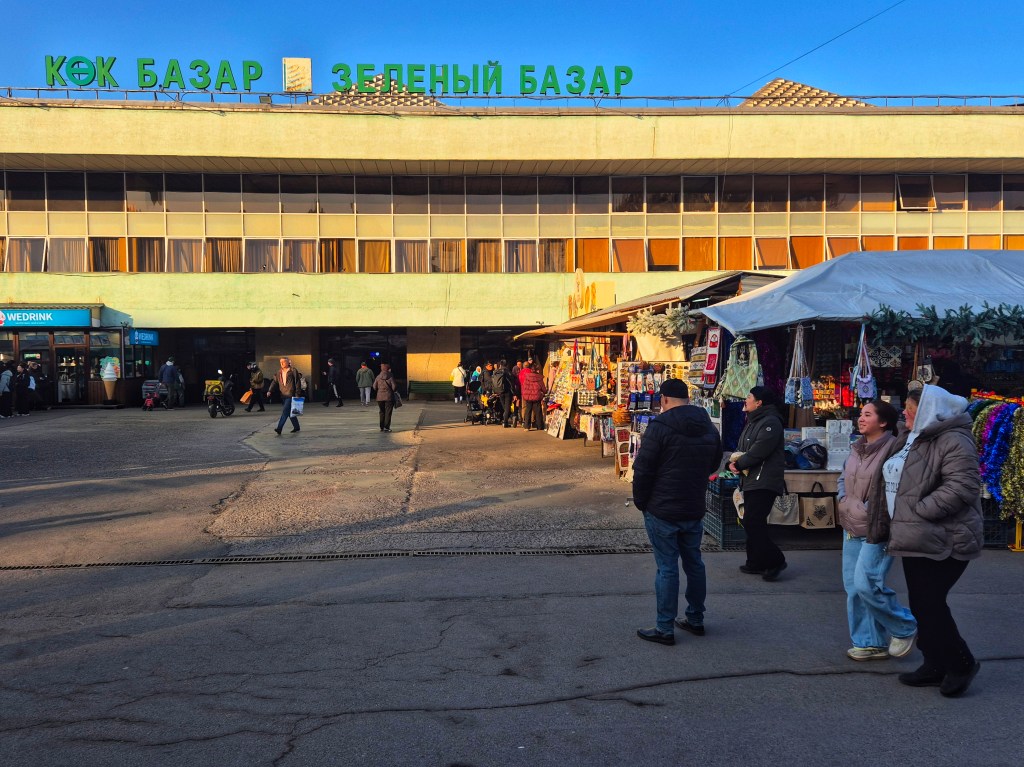
November 25, 2025  – Green Bazaar, Almaty

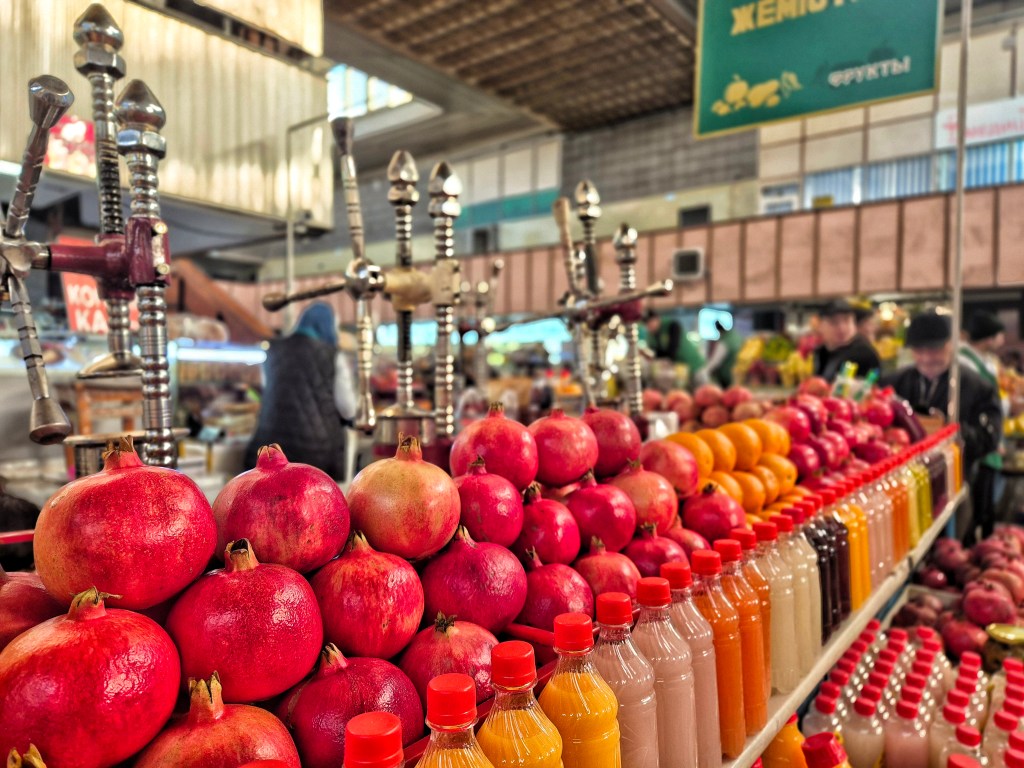
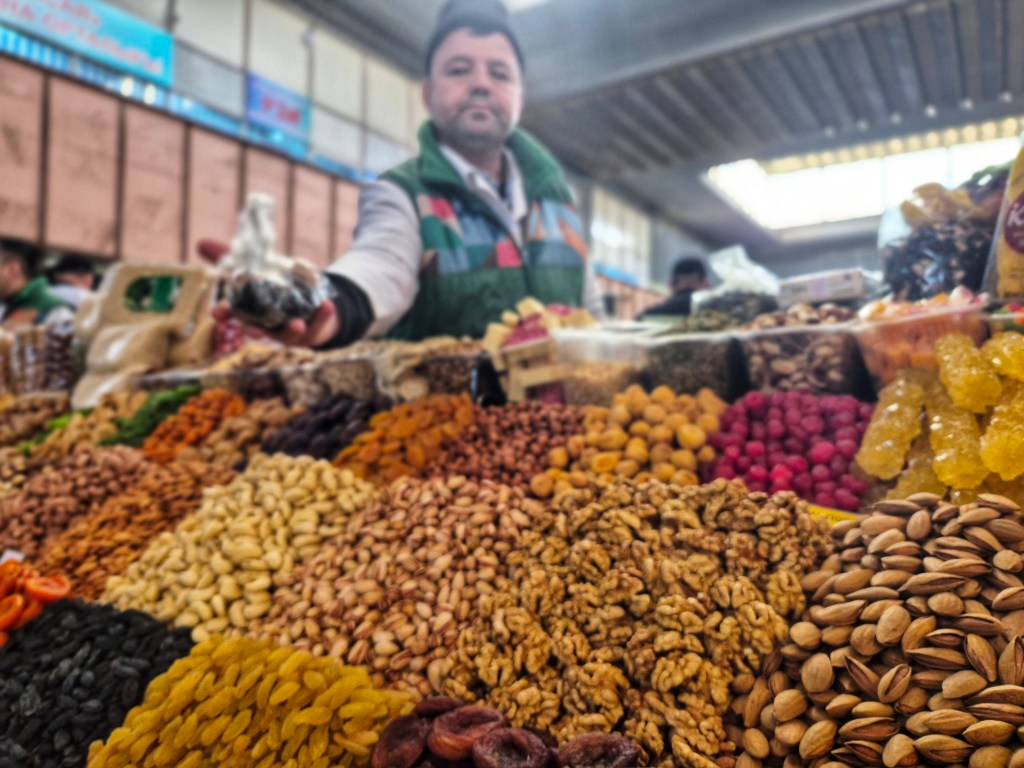
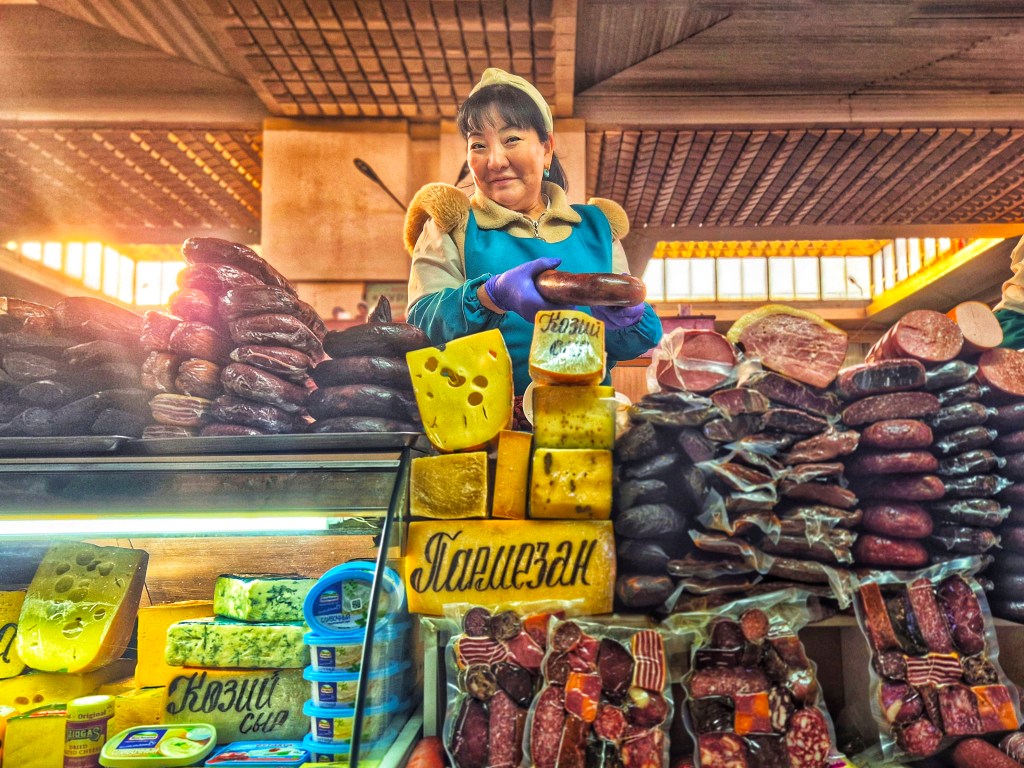
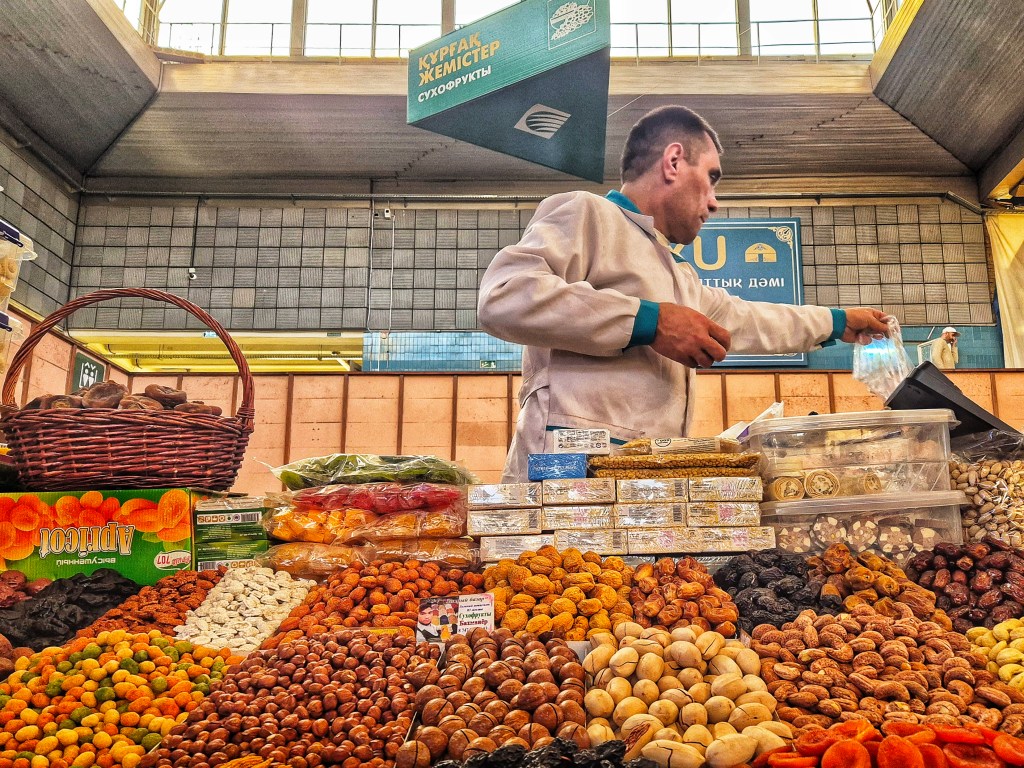
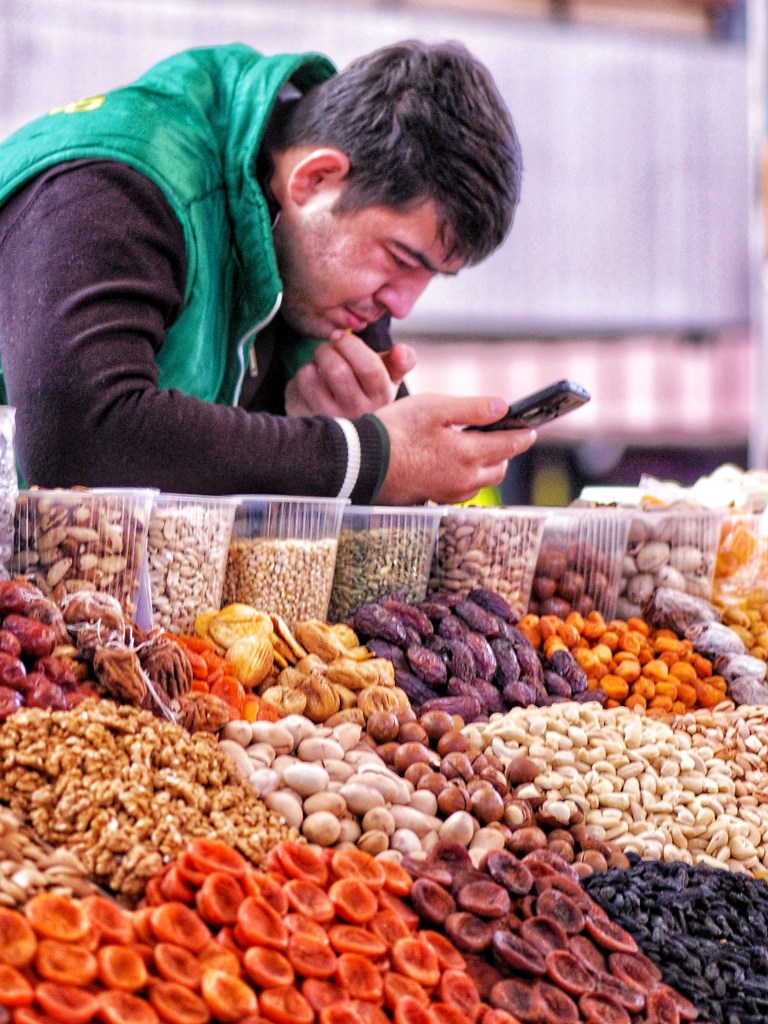
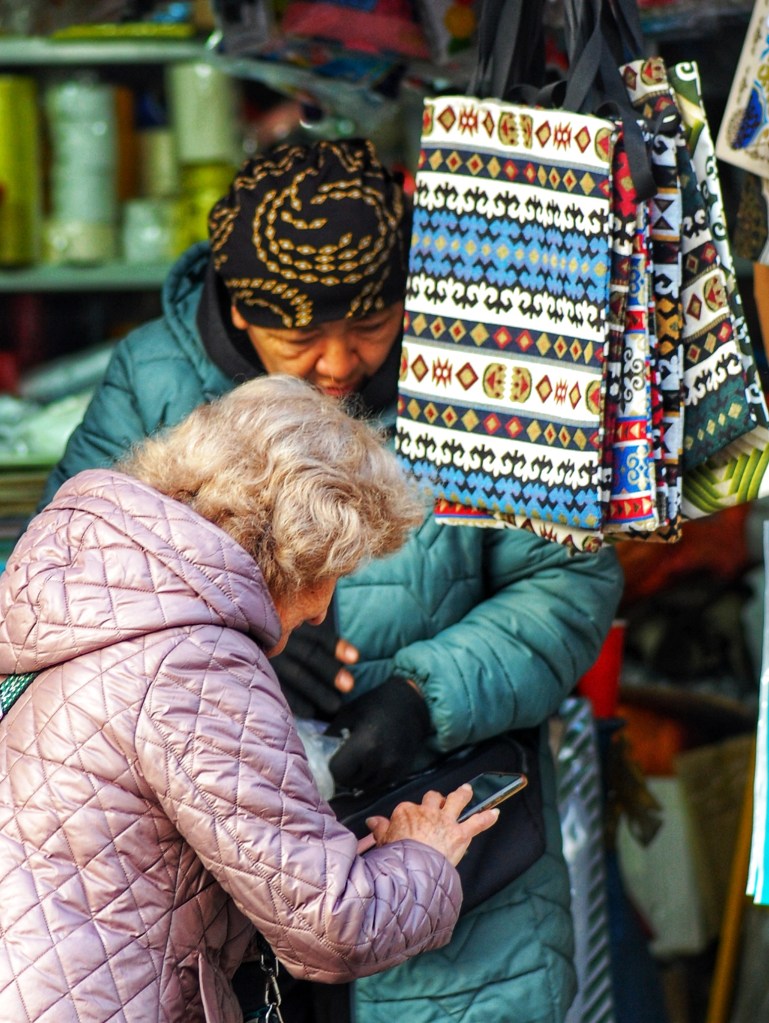
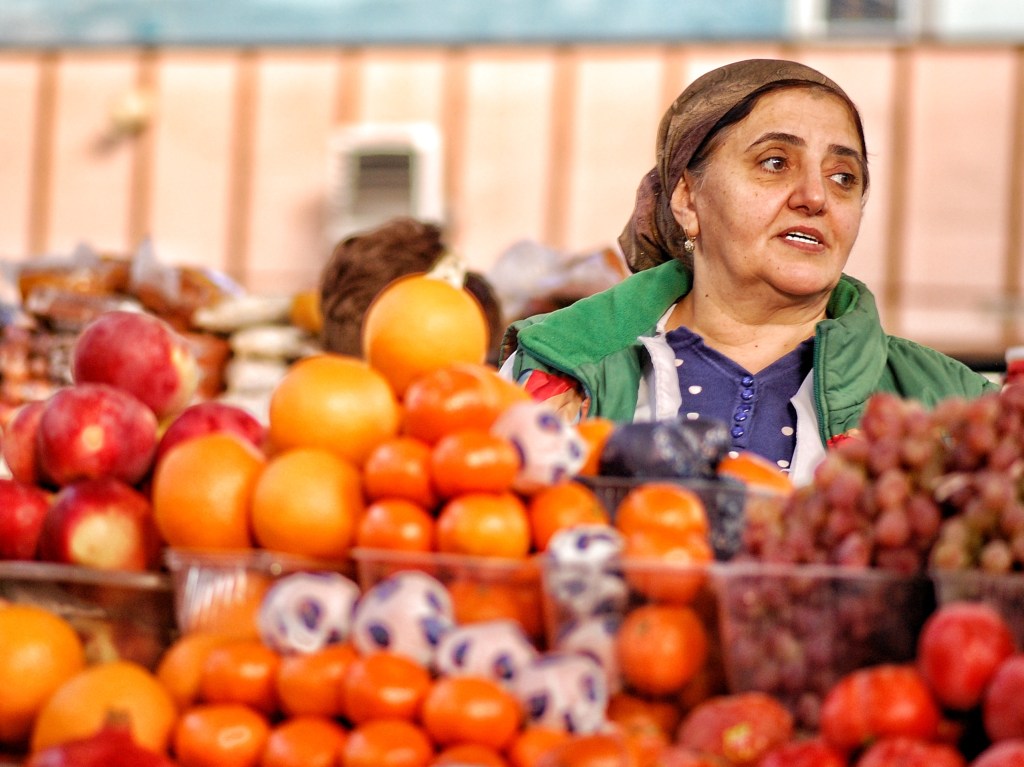
Circling back to Almaty and exploring the many facets of what is the largest city in Kazakhstan. Although it was once a stopover on the Silk Road, the Soviets have left a more tangible influence on the city. If there’s a place in Almaty that still bears echoes of the Silk Road, it would have to be the Green Bazaar.

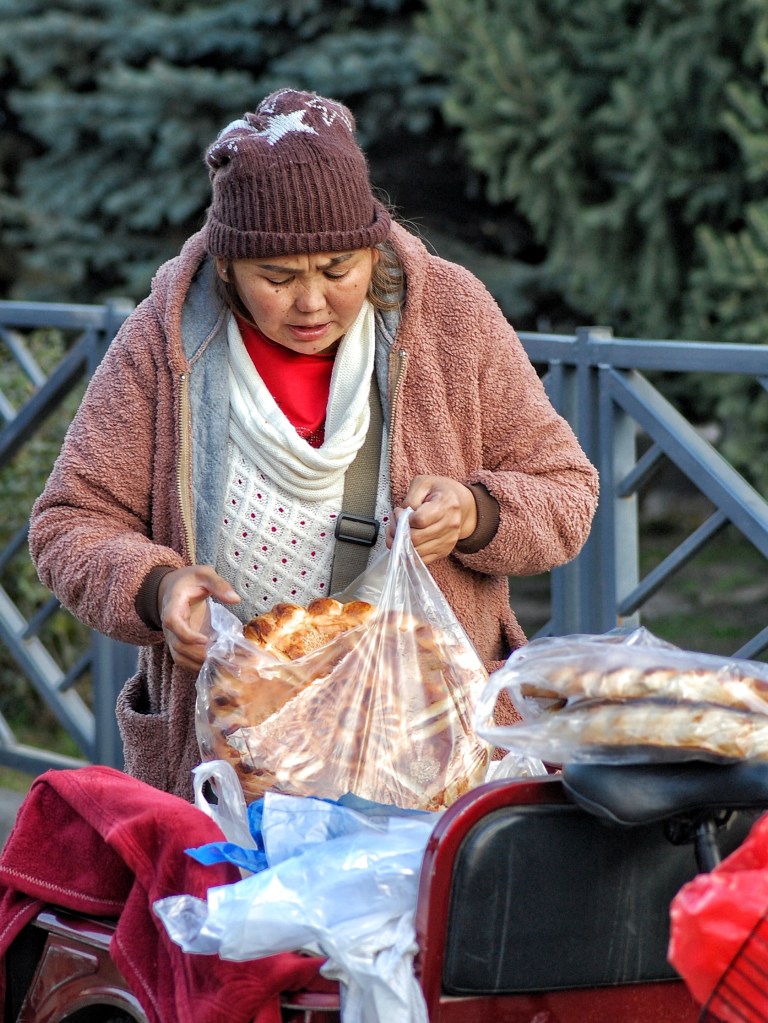
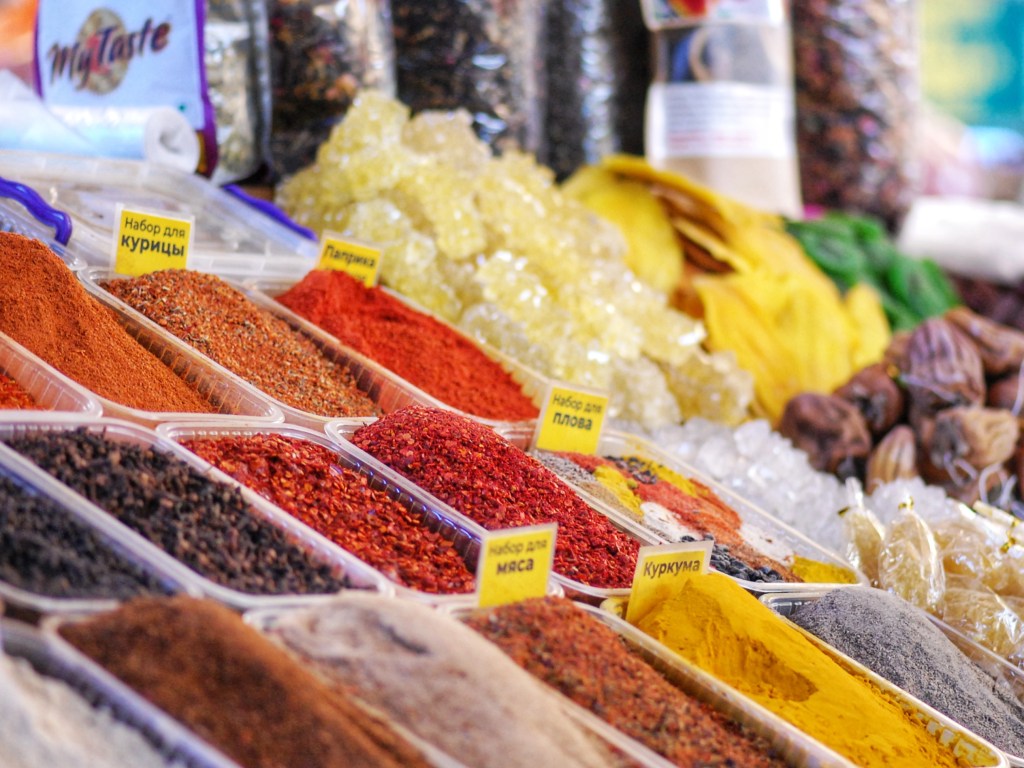
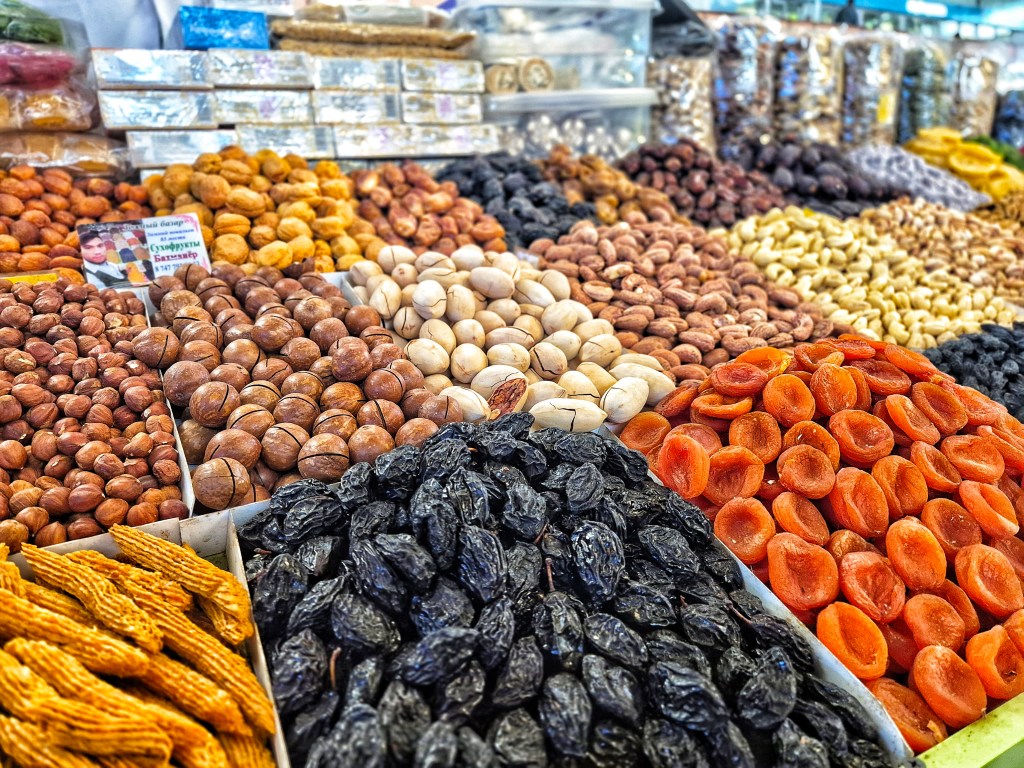
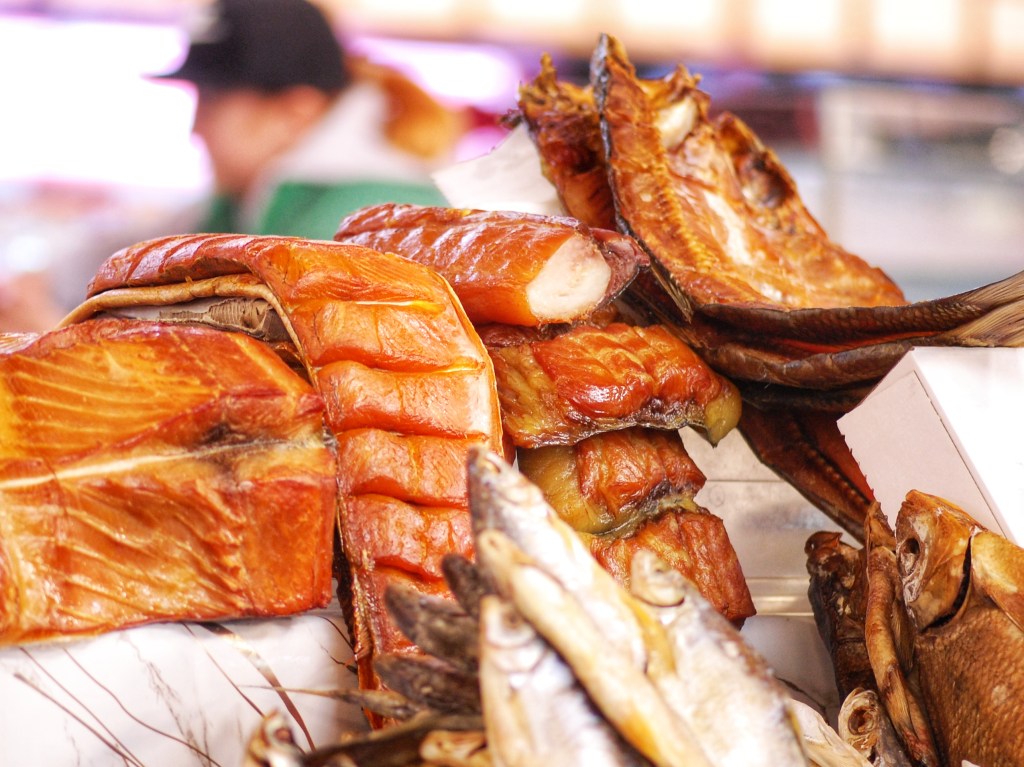
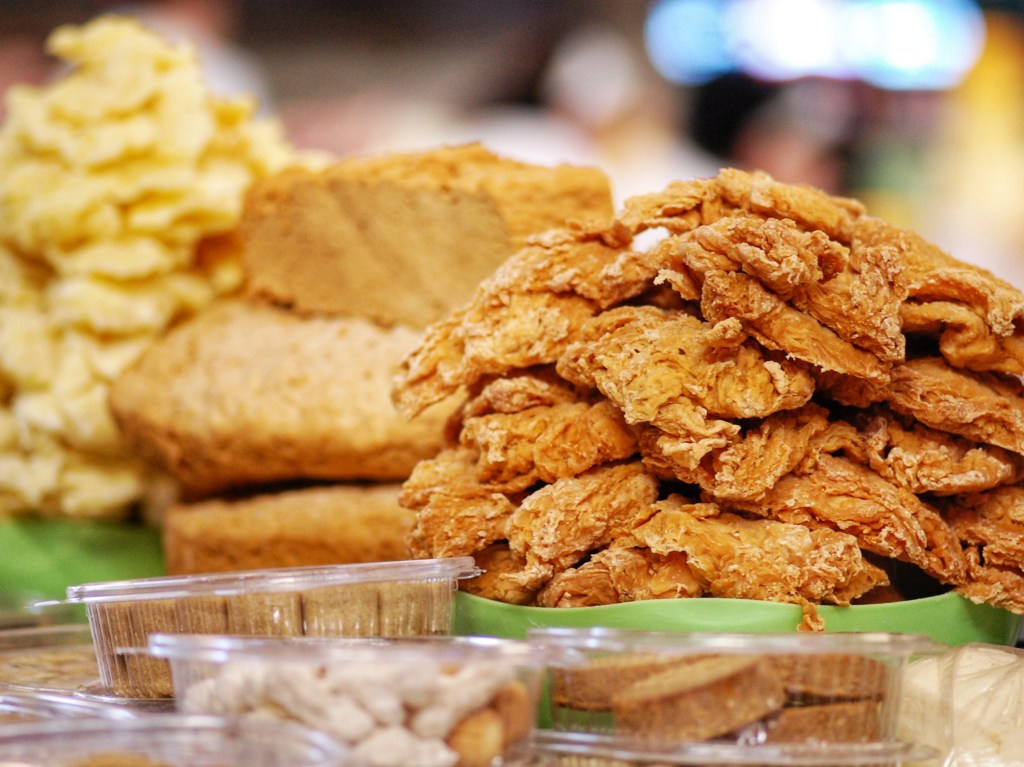
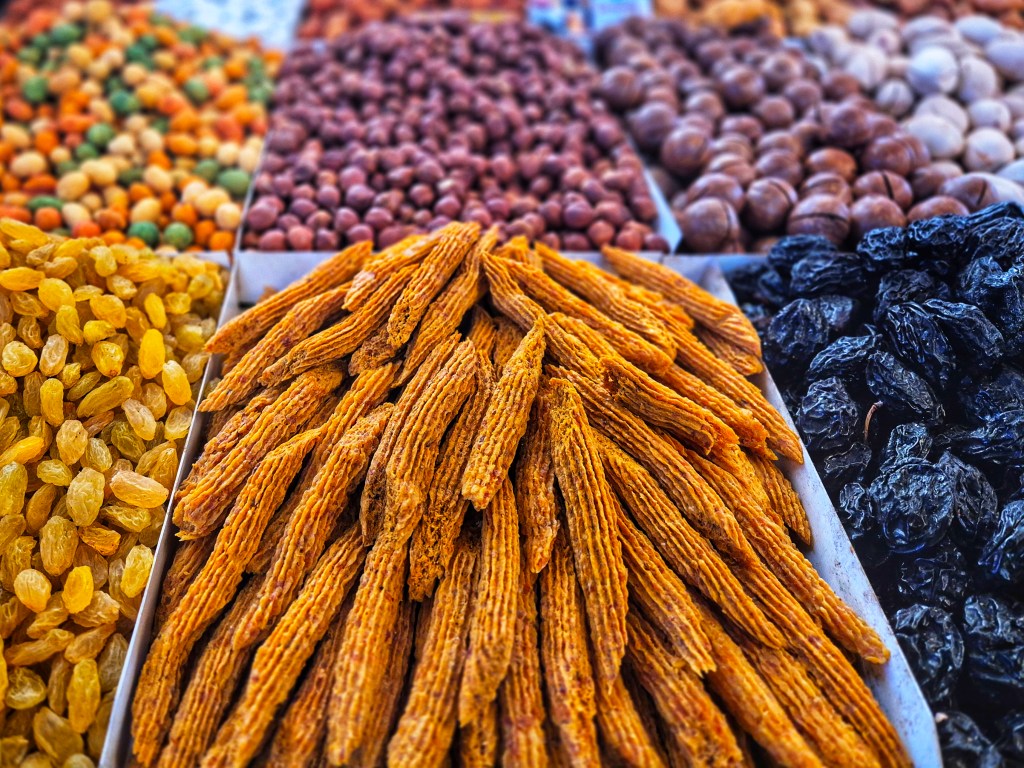
Dried persimmons from China, candied apricots from Afghanistan, camel dairy products, horse meat, the same spices that nations have gone to war for, and teas that have coursed through the veins of the famed routes for centuries, fresh pomegranate juice stands overflowing with incomparable fuchsia… It’s all there!

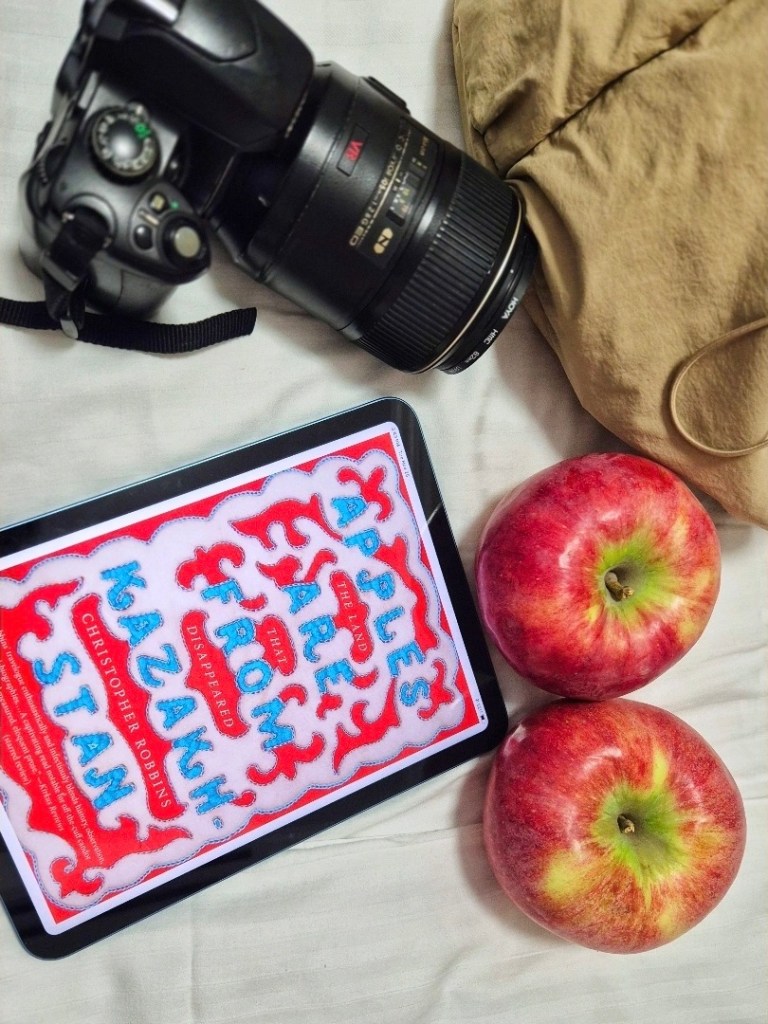
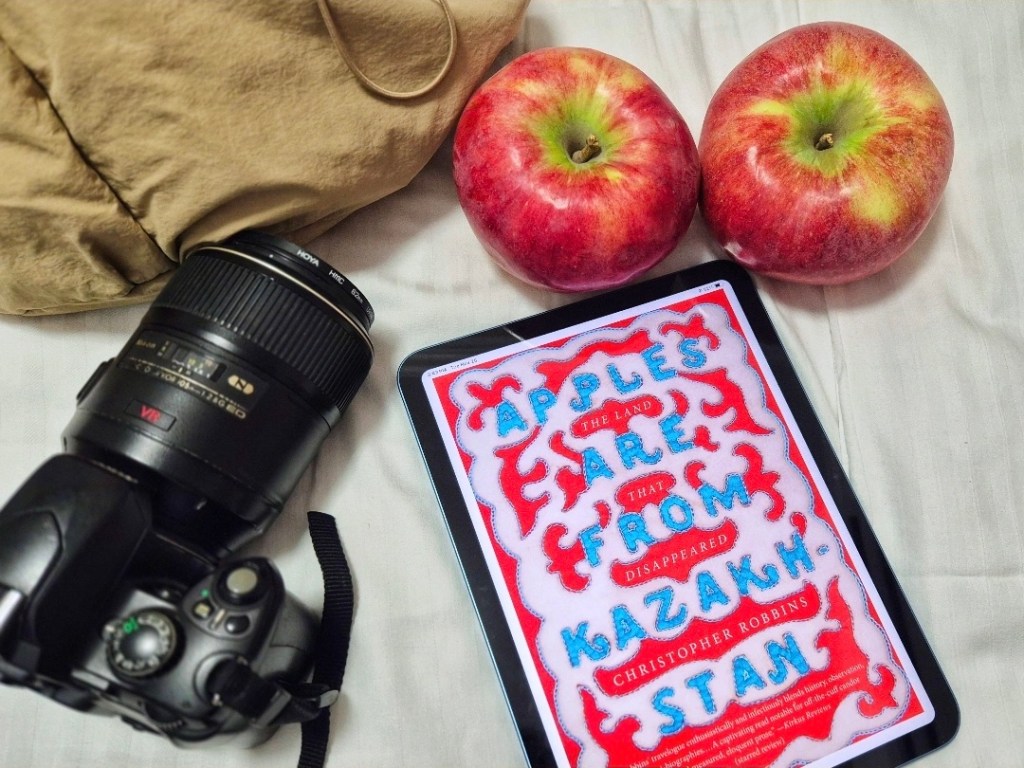
But I went to the Green Bazaar for the apples. No, not because of my regular detox diets. Almaty, formerly Alma-ata, means “Father of Apples.” Apples are from Kazakhstan. Its seeds travelled along the Silk Route and eventually reached the West through the Romans, who discovered them in Syria after a few thousand years.

The Kazakh apple is a little bit more sour than the apples I’m used to, but I’m happy to report that I am very much awake! Luckily, my first bite did not put me to sleep. Heaven forbid I’d have to wait for true love’s kiss to wake me up!

November 17, 2025 – The Snow in Almaty

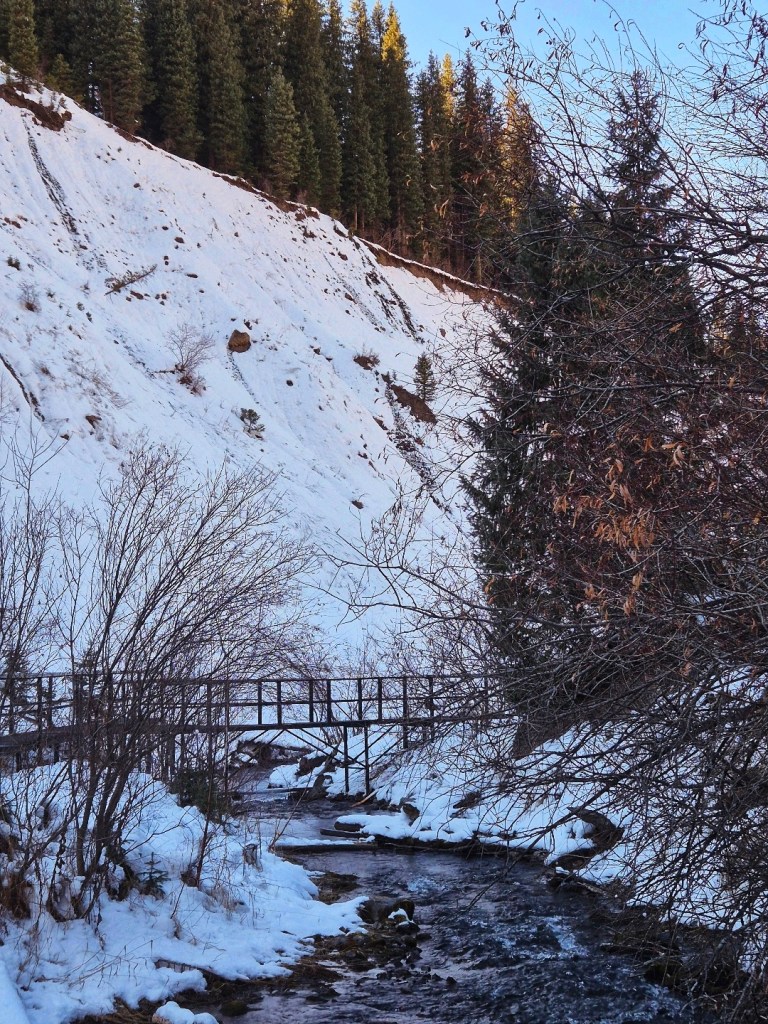
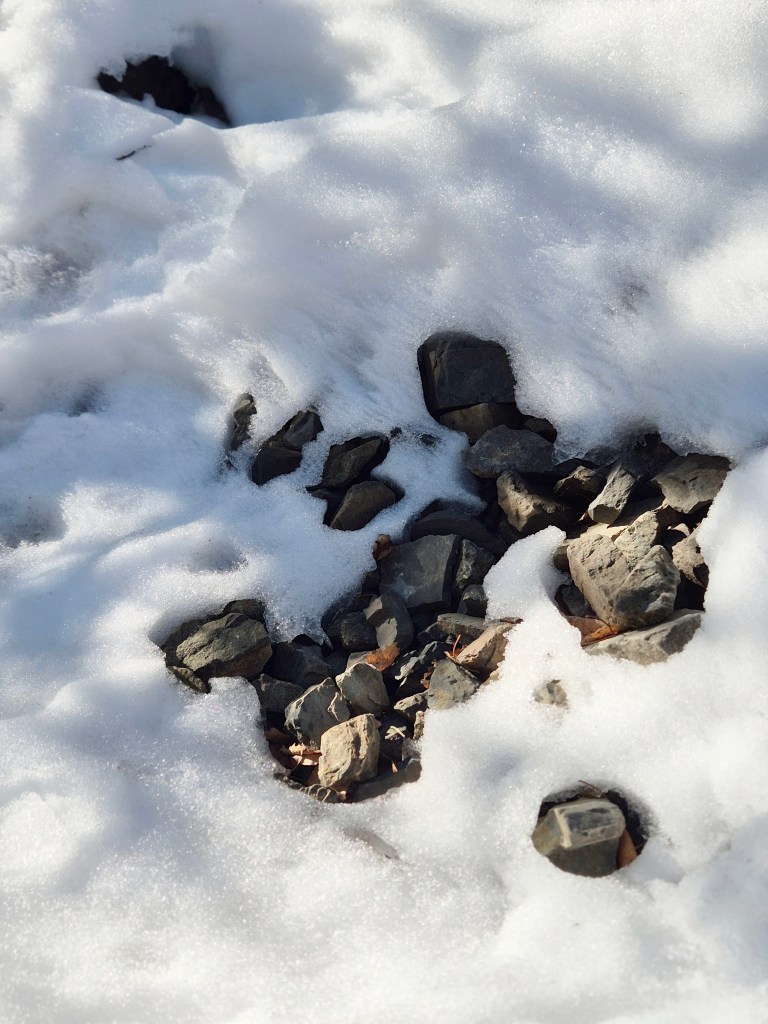
A fine thing in Almaty, Trotsky’s wife Natalya wrote, was “the snow — white, clean, and dry.” After his exile in Kazakhstan, he would only move farther and farther away from the motherland and never return. And yet, the couple would recall their sojourn here fondly.

Underneath this landscape hushed by snow are dark, startling, and forgotten histories. May the traveller always seek to know what gives its beauty depth.

November 21, 2025  – Uralsk: Pushkin, Pugachev, Sholokhov Museums

The Pushkin Museum was my first stop, but no matter how the attendant and I tried to communicate regarding the entrance fee (signal was weak, Google Translate wouldn’t load), she would laughingly start with another stream of Russian, and I would answer in English. After a few minutes of the futile but funny exchange, she suddenly stopped when she saw me holding a Pushkin book. “Ah!!!” She nodded in recognition, gestured at the book with approval, waved me away, and signaled for me to enter without paying. (Kids, it’s true what they say: Books open doors for you! Haha)

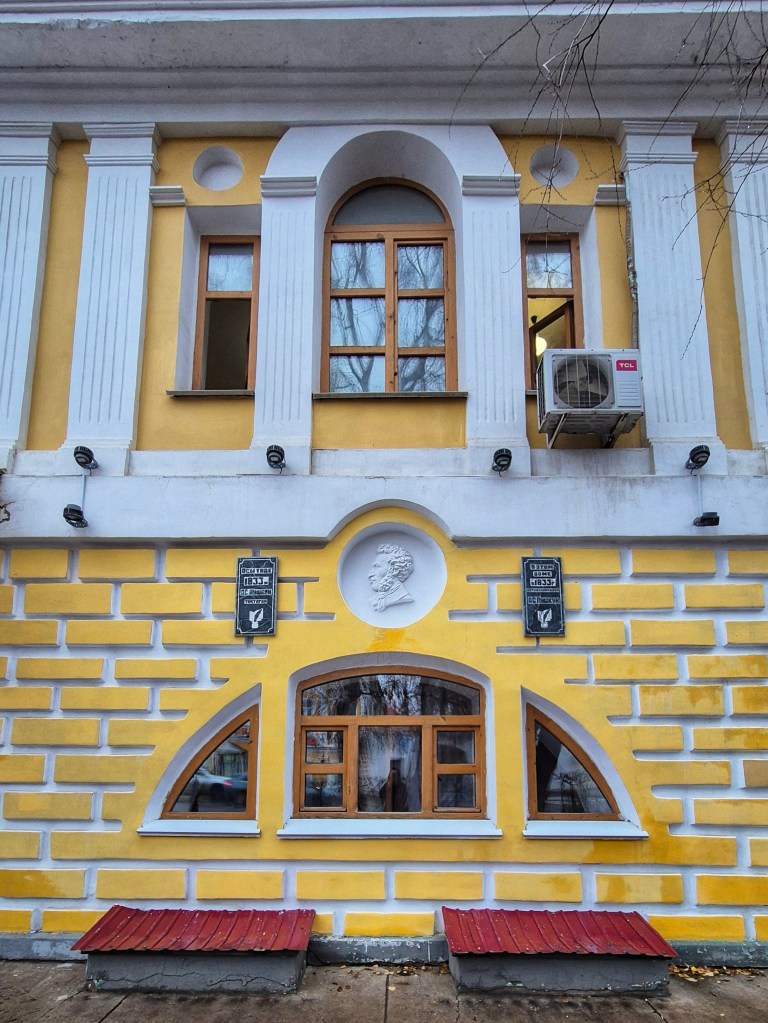
Pushkin came to Uralsk in 1833 to do research and prepare for two significant works, The History of the Pugachev Rebellion and The Captain’s Daughter. The residence of the Cossack leader that hosted him now houses the Pushkin Museum.

Pugachev was a Cossack during the reign of Catherine the Great who led the largest peasant revolt in the history of the Russian Empire. Needless to say, the well-preserved Pugachev House Museum was my second stop.

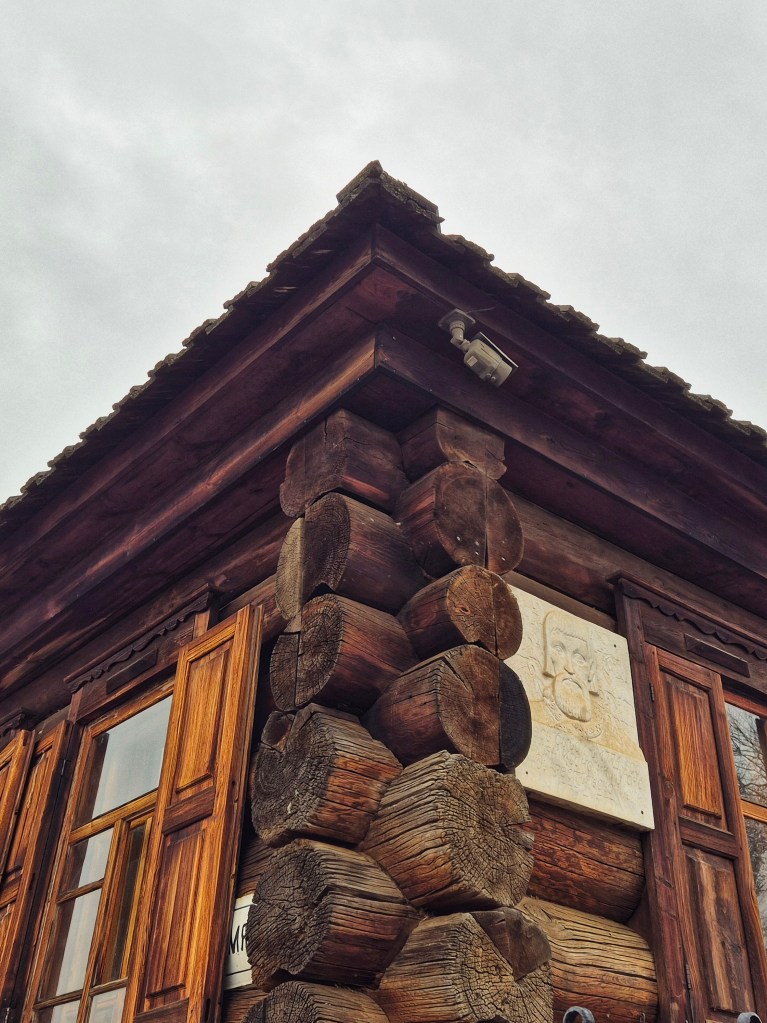
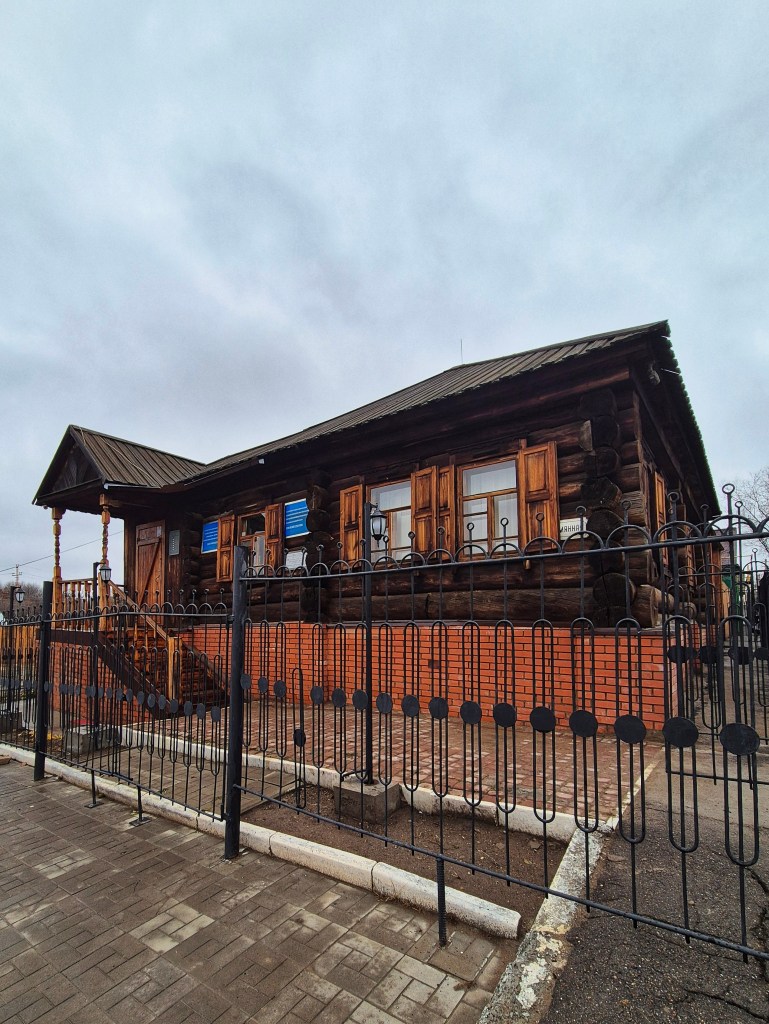
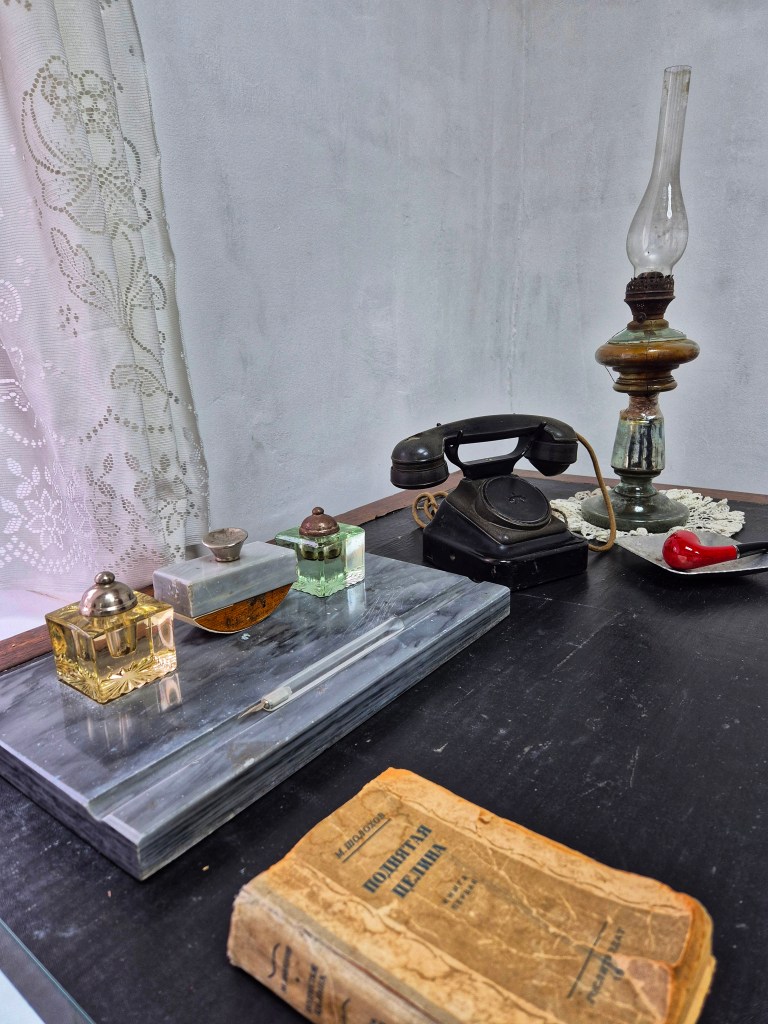
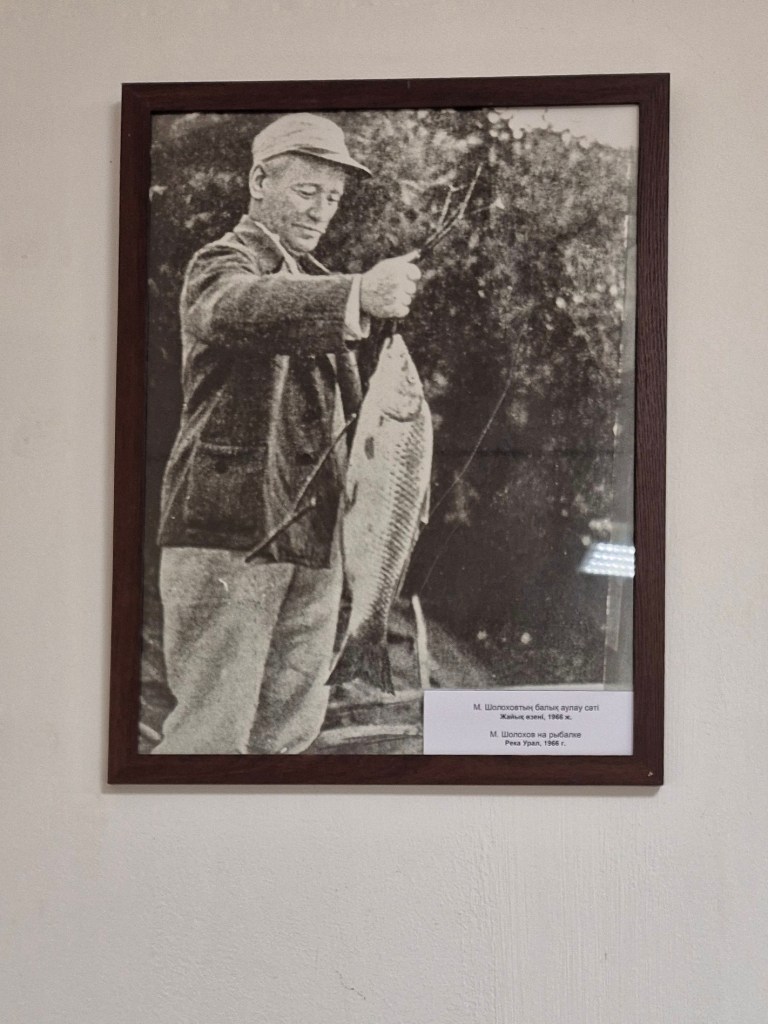
Finally, the Sholokhov Museum in the village of Dariinsk, close to the Russian border — so close that the driver had to make sure I had my passport with me in case we encountered border patrol. This is where Sholokhov and his family spent the wartime years. It was also where Sholokhov received news that he was awarded the Nobel Prize in Literature.

It felt surreal being allowed to sit at his desk and play a Rachmaninoff passage on the broken piano.

There are a few things to note regarding museums in Uralsk: The captions are all in Russian; I was the only guest in the three museums that I visited; the museum attendants do not speak English, but they are all genuinely kind and warm, and try their best to communicate; these establishments remind you that one of the things that make Russian Literature great is that, whether political, spiritual, or existential, they stand for things that are eternally relevant. 

November 20, 2025 – Kazakhstan and Dostoevsky

It’s been over a decade since my last Dostoevsky, and I’m glad this month’s travel destination prompted me to pick him up again and pointed to this lesser-known work, one which is ironically seen as the start of his forceful return to literature, which Turgenev compared to Dante’s Inferno, and which Tolstoy thought to be his most outstanding piece.

I began reading this on November 11 (Dostoevksy’s birthday) and finished reading it on November 16 (my birthday). Dostoevsky may not be the most popular choice for a birthday read, but I maintain that, despite the horrors described in his novels, his works are ultimately about spiritual redemption. Dark, yes, but also, glorious. Besides, birthdays are existential!

Notes from a Dead House is a harrowing account of prison life that is not without Russian dark humor. If not for the fictional character’s crime, most of it is autobiographical as Dostoevsky writes from his experiences as a political prisoner in Siberia. The passage that will remain embedded in my mind, is the part where the main character is finally allowed to acquire books after seven years of being prohibited from reading and owning any! Isn’t that the worst kind of punishment, especially for someone like Dostoevsky?! One can only imagine the quenching that ensued!

Dostoevsky being Dostoevsky provoked the powers that be by putting up a printing press and publishing a letter that offended the Orthodox Church and Imperial Russia, and was arrested for participating in a secret socialist society. In 1849, he was sentenced to hard labor. His sentence was revised to four years in Siberia, followed by four years of military service in Kazakhstan.

It was here in Kazakhstan where he served as a private, ripe with experience and brimming with ideas and plans for writing. Nearing the end of his sentence, he started writing Notes from a Dead House.

As a playful juxtaposition, in the background is the Orthodox Cathedral of Christ the Savior in Uralsk. Its foundation stone was laid by Tsarevich Nicholas, who would later become Tsar Nicholas II, the last tsar of the Russian Empire.

Kazakhstan is not globally known as a place of literary significance, but I hope to dust off a bit of snow from that reputation.