December in Books

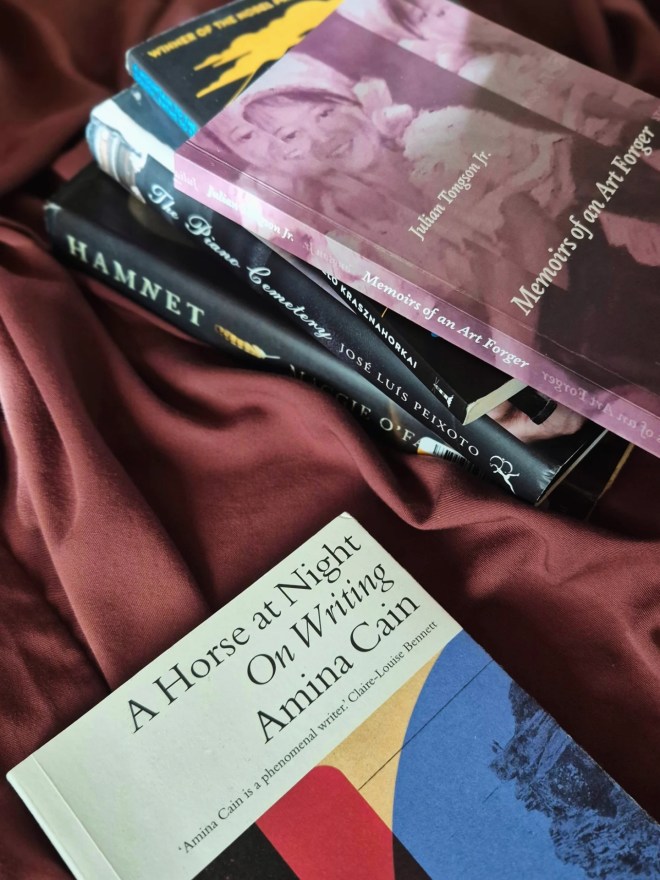
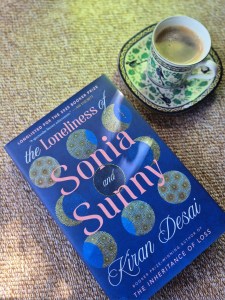
“Sonia’s heart was a Hopper painting.” The title is blunt about Sonia and Sunny’s loneliness, but it’s this Hopper line that makes one grasp how lonely: A profound loneliness that has something to do with a vulnerable and fluctuating selfhood, an abstract loneliness that is tied to urban and modern life, an existential loneliness craving real connection that cannot be quenched by mere companionship. Lonesomeness was Edward Hopper’s leitmotif, and Kiran Desai weaves this theme into an unfolding raga… Read full entry here.
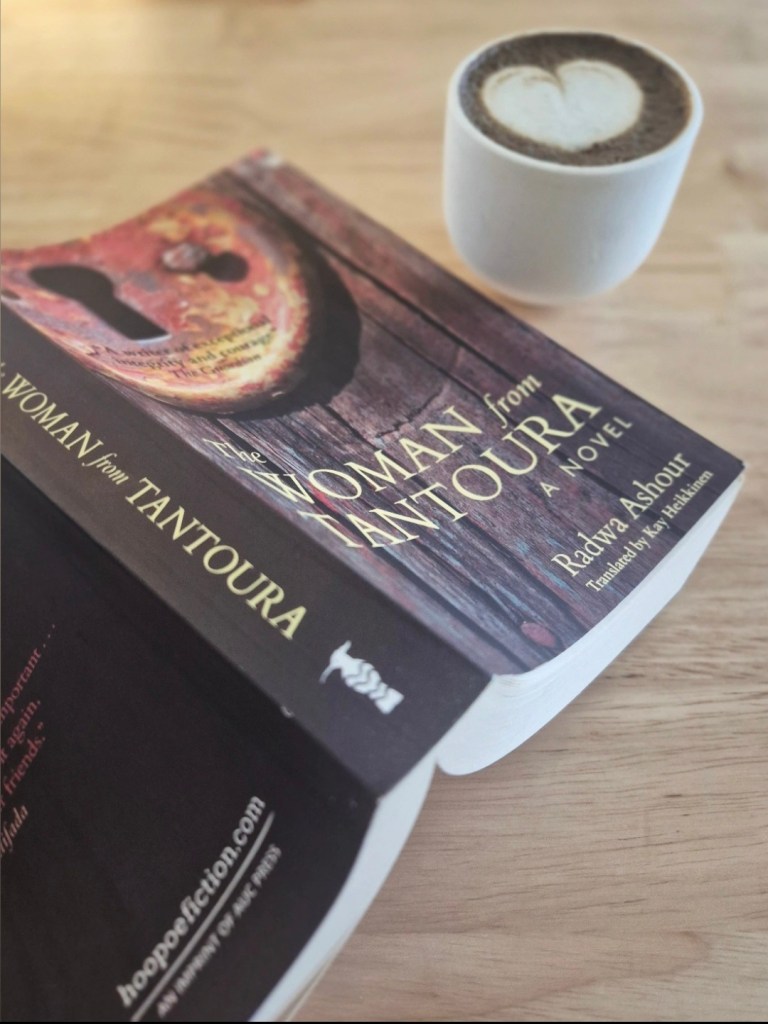
The Woman from Tantoura was my pick for #ReadPalestine week. Radwa Ashour’s best work, if you ask me. Started 2025 with Edward Said and ended it with something a bit less intellectually demanding, albeit informative and genuinely affecting. Why #ReadPalestine? Until we know enough to be able to call a spade a spade.

Brightly Shining by was my hope for a more festive read, and my first Dua Lipa recommendation. Surprisingly, all three books touch on immigrant life, and two have Filipino minor characters. But this one broke my heart.

It makes me extra grateful to have been able to squeeze in Tethered on the last day of 2025. Not because it helped me achieve my goal of reading at least one Filipino author a month, but primarily because this book is a gift. Grace is a multifaceted word, but even when I contemplate its various meanings, this book still embodies all of its definitions. Read full entry here.

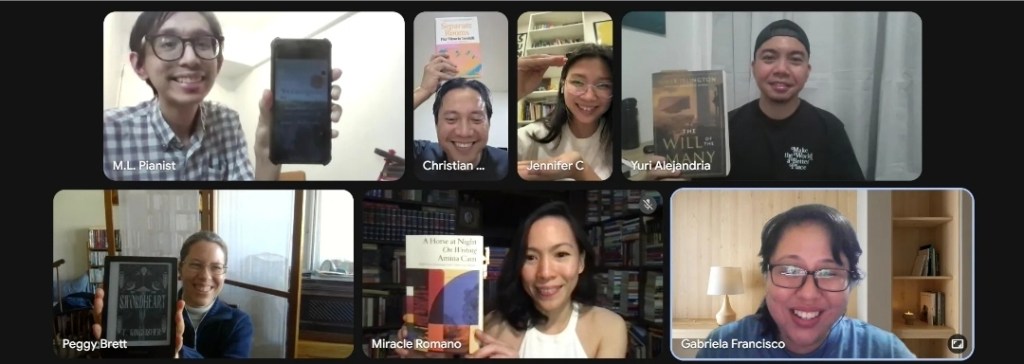
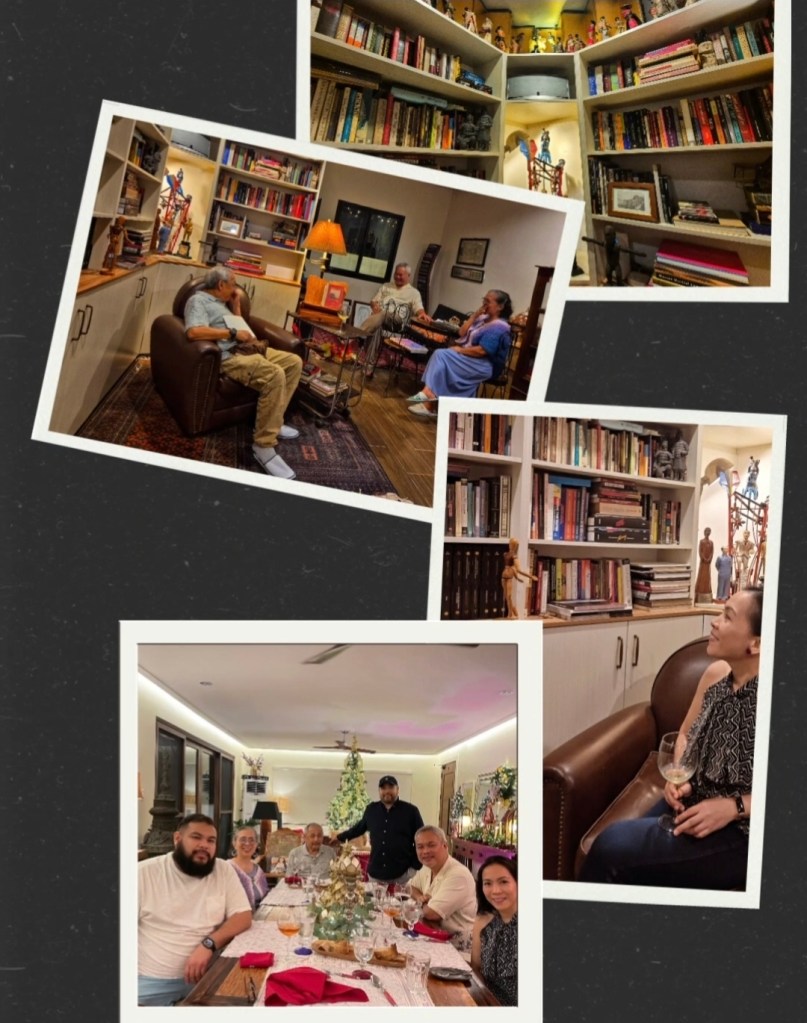
That’s my December in books. The 2025 reading wrap-up will have to wait. It’s a wonder I was able to read at all with all the season’s bustle while caring for a loved one who was ill for most of the month, leaving me to (wo)man the fort. But we said goodbye to 2025 on a healthier and happier note. Gave and received bookish presents. Attended the last Ex Libris session of the year and felt revitalized. BFF paid us an impromptu visit: We attended a Rizal Day literary event and said goodbye to the old year / welcomed the new year reading quietly… and it was precious.

Wishing all my reading friends a happy new reading year! 

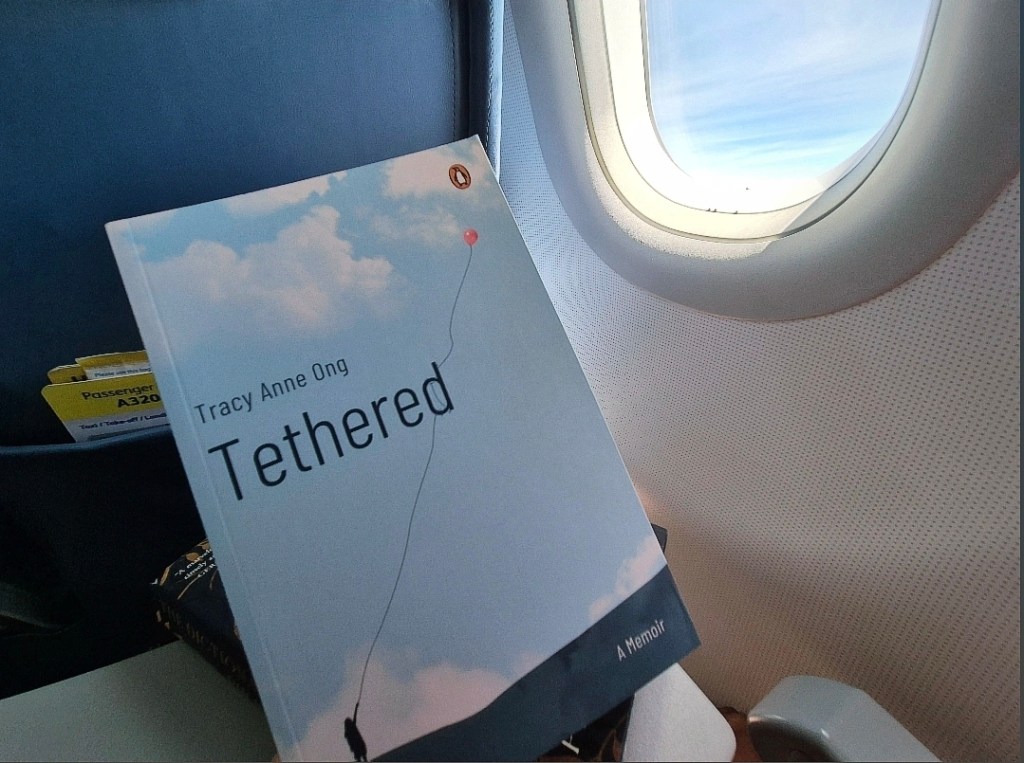
Tracy Anne Ong: Tethered

Grace is a multifaceted word, but even when I contemplate its various meanings, this book still embodies all of its definitions.

The parcel containing Tethered arrived many months ago as I was on my way out to the airport, and I gladly welcomed an additional book in my carry-on luggage.

Dear Mira,

I hope this book transports you to where you need to be.

Tracy

An apt dedication for a book-butterfly. I turned to the sky and the clouds framed by the plane window, and smiled at the perceptive mind behind the message. A page turn revealed a Rabindranath Tagore quote about a violin string that could only be free to sing once bound to the violin. Even the epigraph felt personal, and I paused to ponder its deeper meaning.

Soon enough, the plane landed in the capital. The urban bustle was not conducive to the stillness and attention that this book required, seeing that the initial passages already felt like the beginnings of an intimate conversation with a friend. Thus, it was tucked away and saved for the reading environment it deserved.

Months passed, dozens of other books were read. But just as I was starting to see the light at the end of a mentally and physically exhausting three-week tunnel when a loved one fell ill, this book seemed to beckon. And sure enough, it transported me to a place where I needed to be — a place of faith and gratitude, and I cannot think of a better place to be. What a gift, this book.

Tethered is grace exemplified, the same way Tracy is grace personified. I’ve only exchanged a few messages with her through Blithe Books, but even electronic messages cannot dilute the light in her soul that shines through her words. Imagine an entire book of it!

This is described as an account of a remarkable journey of recovery from a brainstem stroke that attacked all bodily functions and left only the mind to operate; but more than that, it is a beautiful note of gratitude for life, and a celebration of the mind and the spirit. The author’s optimism is apparent, but as one reads on, one realizes that it is not optimism but faith. 

For the believer, faith is the thing that both tethers and liberates. Only when the strings are bound to a violin can they be free, for the first time, to sing.

Kiran Desai: The Loneliness of Sonia and Sunny

“Sonia’s heart was a Hopper painting.” The title is blunt about Sonia and Sunny’s loneliness, but it’s this Hopper line that makes one grasp how lonely: A profound loneliness that has something to do with a vulnerable and fluctuating selfhood, an abstract loneliness that is tied to urban and modern life, an existential loneliness craving real connection that cannot be quenched by mere companionship.

Lonesomeness was Edward Hopper’s leitmotif, and Kiran Desai weaves this theme into an unfolding raga: at times beautiful, at times disorienting, at times cruel and repulsive, at times disquieting, at times capriciously meandering.

I have no qualms with the length. Although considered massive in proportion to the contemporary reader’s short attention span, I imagine the typeface and the font size would make Tolstoy say, “Hold my vodka.” But the book often offers clues to Desai’s literary and artistic inspirations and subtly discloses why the author found its length necessary: “How many millions of observations and moments it had taken to compose this book!” Sonia thought about Anna Karenina.

It is not, however, “an unmitigated joy to read” as Khaled Hosseini claims in a blurb. Reading about Sonia’s toxic relationship with Ilan, the narcissistic artist, was nauseating to the point of causing an unpleasant physical reaction that made me want to give up one-third through the book. Although aghast, it was accompanied by the awe of how much the author fathoms an artist’s relationship with darkness. There is no question about this being a work of art, but I will admit that I hoped to love and enjoy this more than I did.

While Sonia and Sunny failed to endear me to them, I was drawn to Sonia’s mother, who kept company with books and understood that there are worse things than loneliness, and Sunny’s father, who desired to break free from the cycle of corruption in the family for the sake of his son, believing that to be honorable is to be free. While I was concerned that portrayals of men beyond the main characters would perpetuate stereotypes of Indian men, it was Desai’s keen eye for psychological and cultural detail, and her vast insight into the plight of the immigrant, that made me continue reading.

To paraphrase a memorable line from the novel: I knew when I saw this book that the story would not be simple. And simple it is not.

November 21, 2025  – Uralsk: Pushkin, Pugachev, Sholokhov Museums

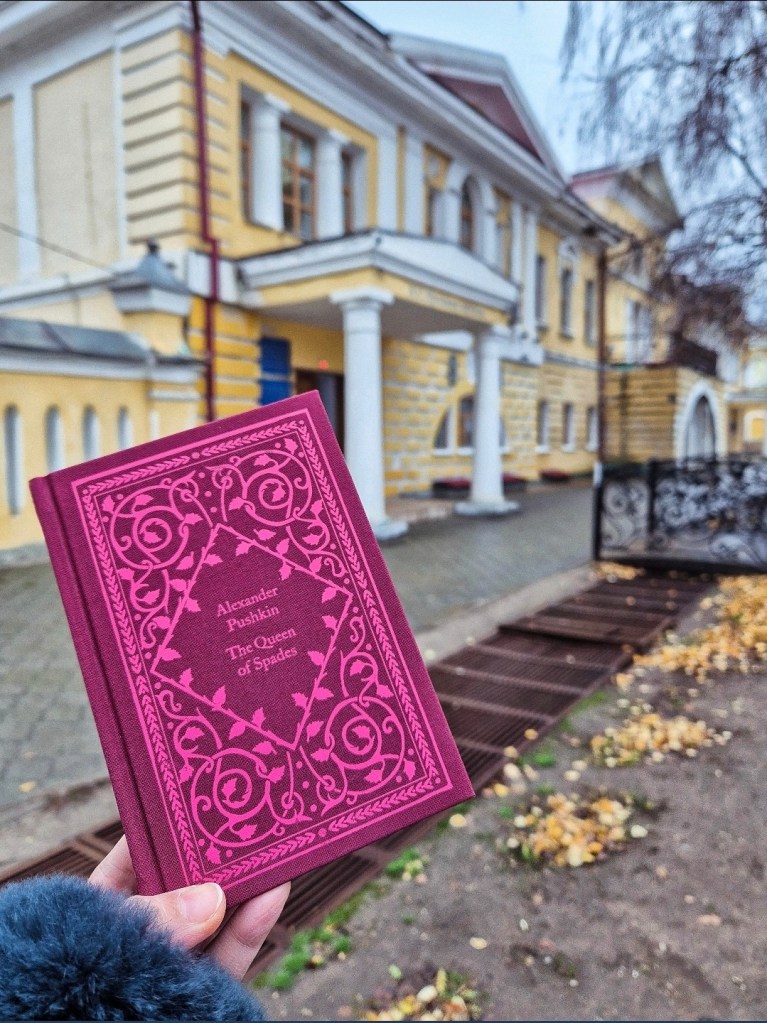
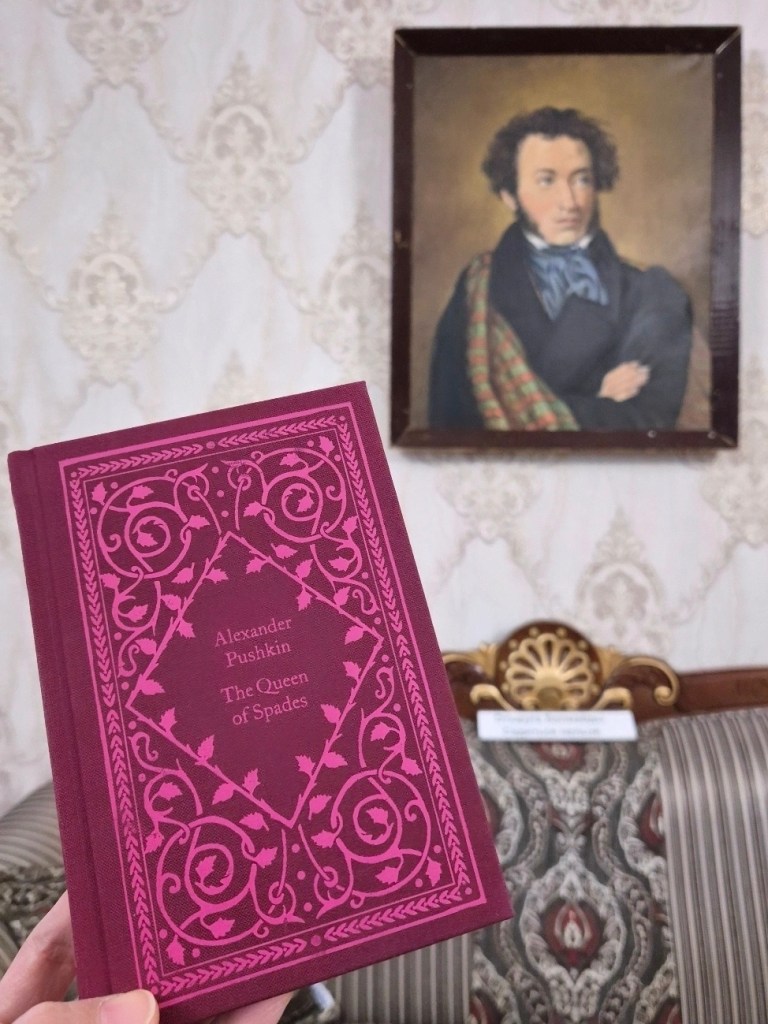
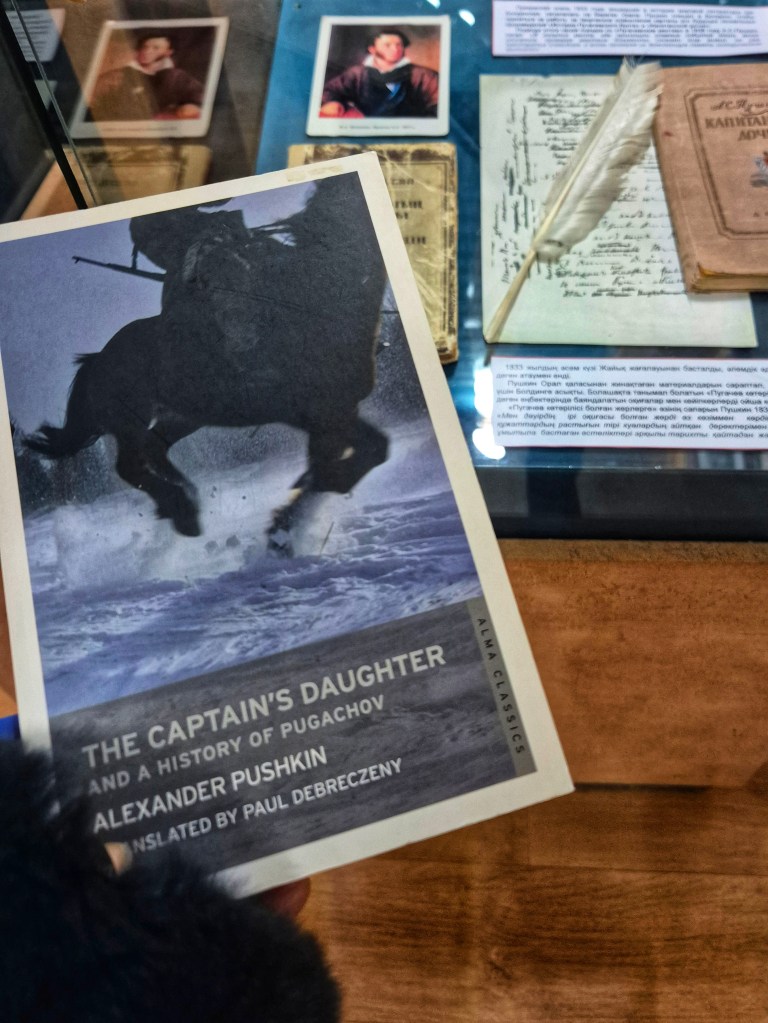
The Pushkin Museum was my first stop, but no matter how the attendant and I tried to communicate regarding the entrance fee (signal was weak, Google Translate wouldn’t load), she would laughingly start with another stream of Russian, and I would answer in English. After a few minutes of the futile but funny exchange, she suddenly stopped when she saw me holding a Pushkin book. “Ah!!!” She nodded in recognition, gestured at the book with approval, waved me away, and signaled for me to enter without paying. (Kids, it’s true what they say: Books open doors for you! Haha)

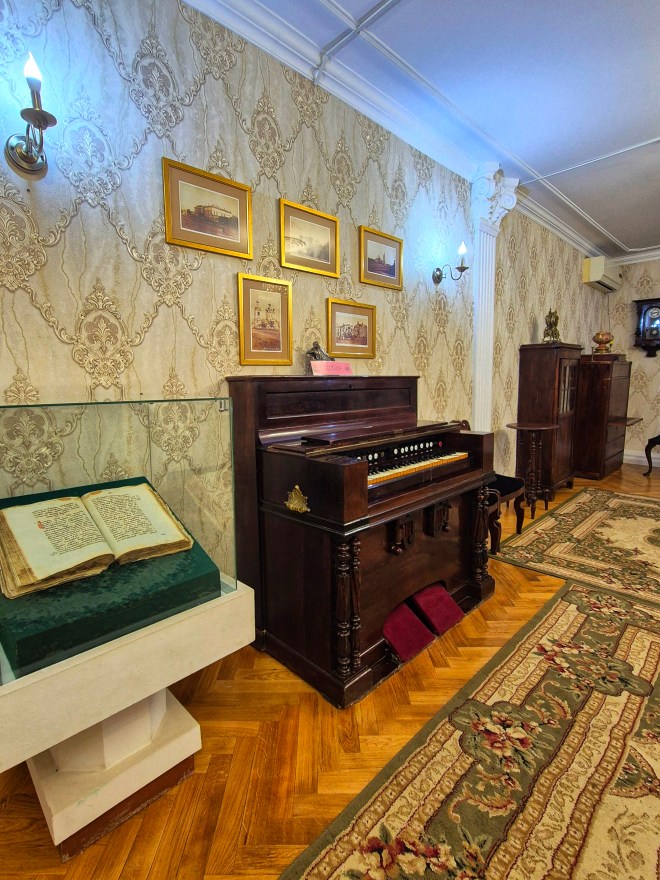
Pushkin came to Uralsk in 1833 to do research and prepare for two significant works, The History of the Pugachev Rebellion and The Captain’s Daughter. The residence of the Cossack leader that hosted him now houses the Pushkin Museum.

Pugachev was a Cossack during the reign of Catherine the Great who led the largest peasant revolt in the history of the Russian Empire. Needless to say, the well-preserved Pugachev House Museum was my second stop.

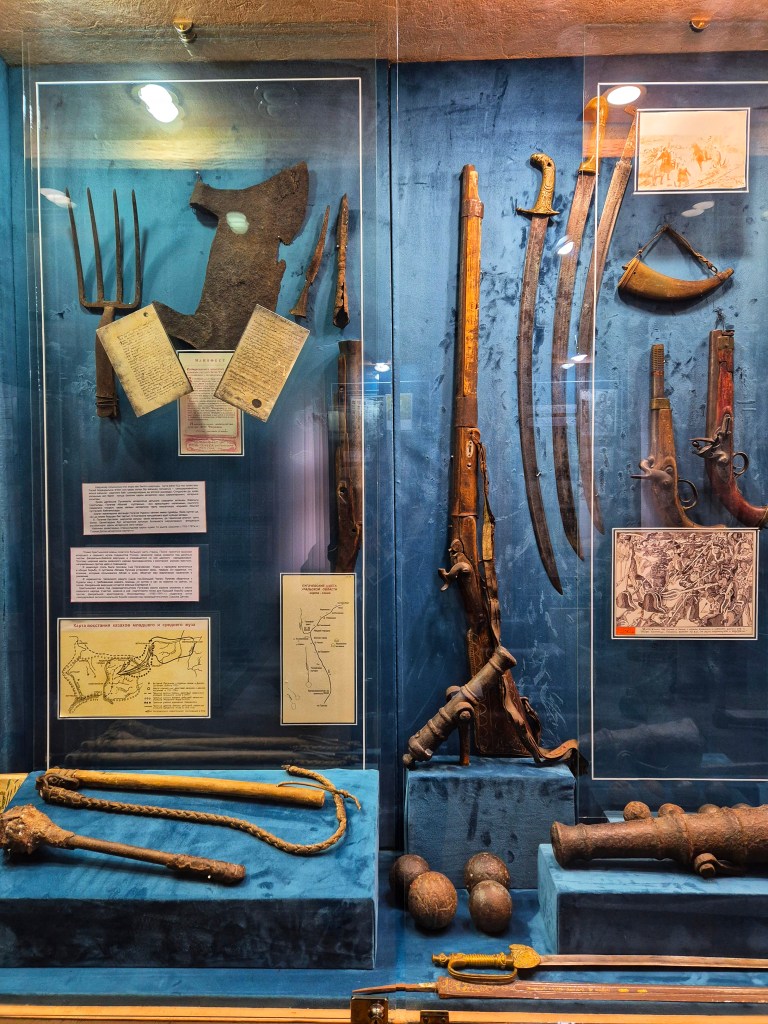
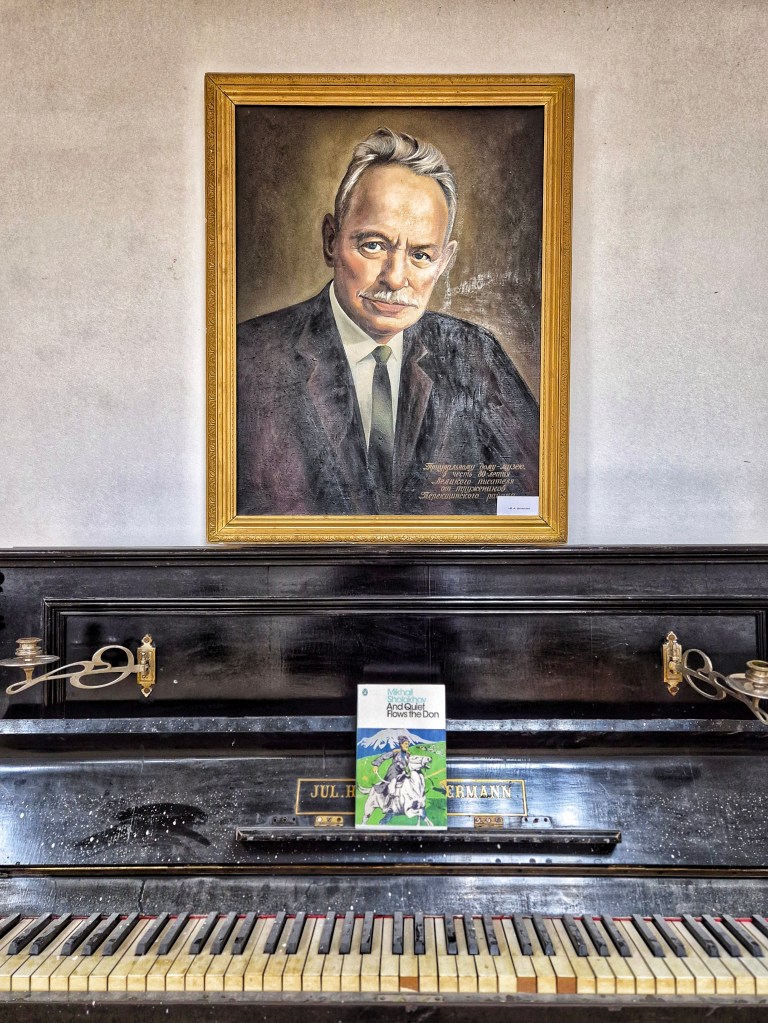
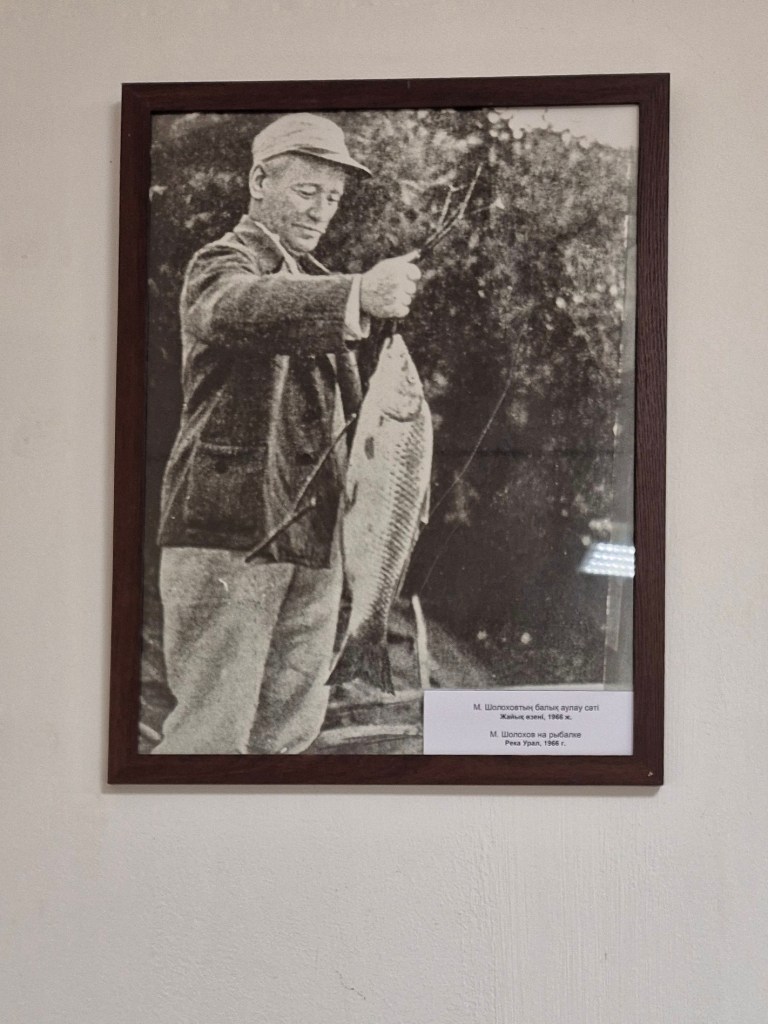
Finally, the Sholokhov Museum in the village of Dariinsk, close to the Russian border — so close that the driver had to make sure I had my passport with me in case we encountered border patrol. This is where Sholokhov and his family spent the wartime years. It was also where Sholokhov received news that he was awarded the Nobel Prize in Literature.

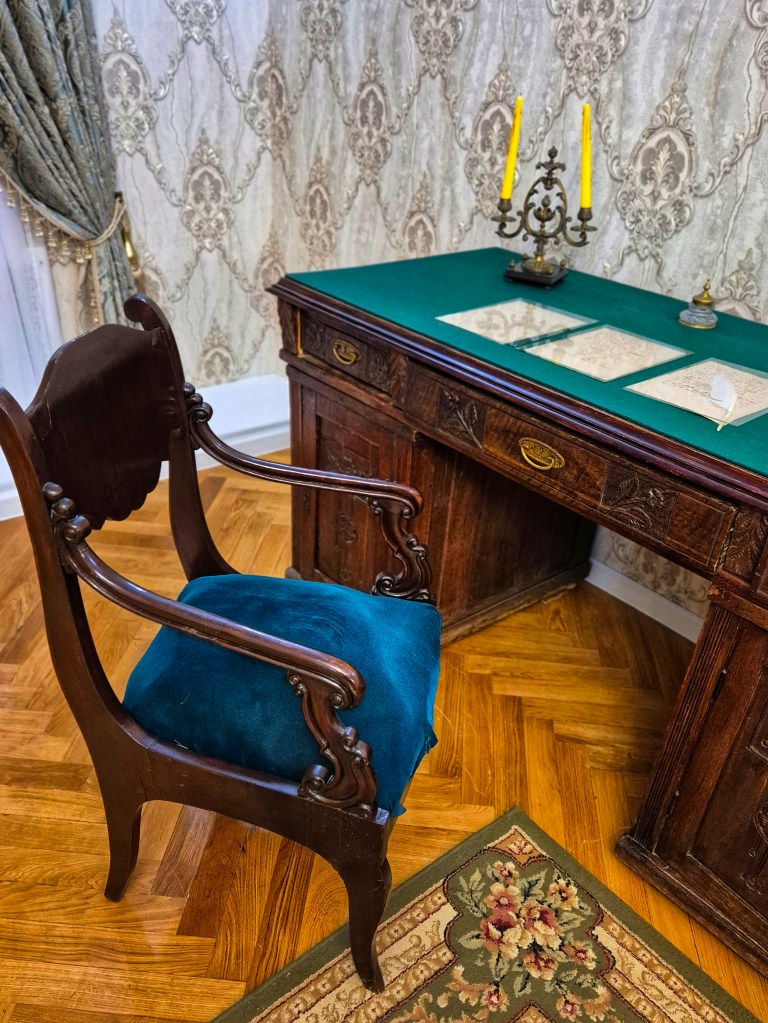
It felt surreal being allowed to sit at his desk and play a Rachmaninoff passage on the broken piano.

There are a few things to note regarding museums in Uralsk: The captions are all in Russian; I was the only guest in the three museums that I visited; the museum attendants do not speak English, but they are all genuinely kind and warm, and try their best to communicate; these establishments remind you that one of the things that make Russian Literature great is that, whether political, spiritual, or existential, they stand for things that are eternally relevant. 

June in Books

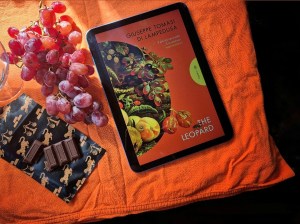
Reading The Leopard is like viewing a portrait of a bygone monarch in a gallery. They mean nothing to you but notice how the brush strokes are skillfully done as it immortalizes a world that no longer exists; you acknowledge that it is important as a record… and then walk away and move on to the next portrait. But you retrace your steps, give it a tender, wistful gaze, and your eyes rest on Bendico, the Prince’s faithful Great Dane; the one detail that truly manages to tug at your emotions and whose fate emphasizes the vicissitudes of life and history.

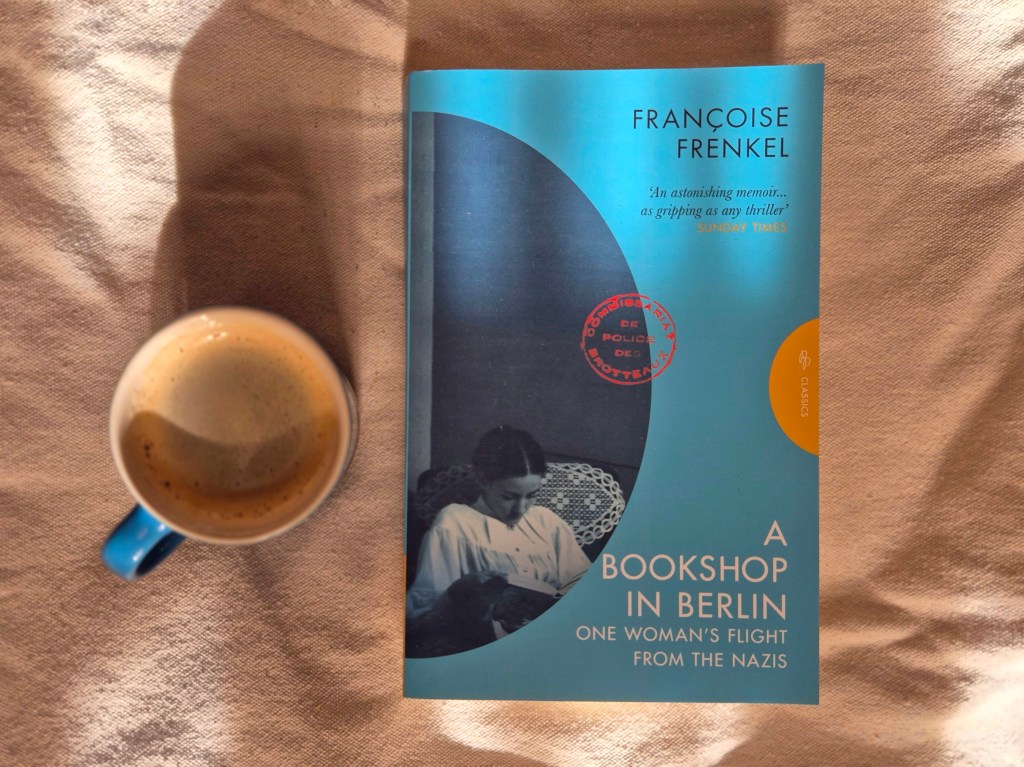
Background for Love allowed me to lean back momentarily, put my feet up, and whisked me toward the sunlight despite the bittersweet awareness that darkness would soon descend on the sunlit Europe of this story. That darkness came for A Bookshop in Berlin, a true account of a bookseller’s incredible escape from Nazi-occupied Europe that eerily mirrors the current state of the world where prejudice and ignorance defy truth and multitudes are easily swayed by propaganda, but where hope also shines through in heroic acts of kindness.

Lawrence Ypil’s poetry served as punctuation marks between these novels. And Alba de Céspedes? The powerhouse that is Alba de Céspedes? She demands a separate post.

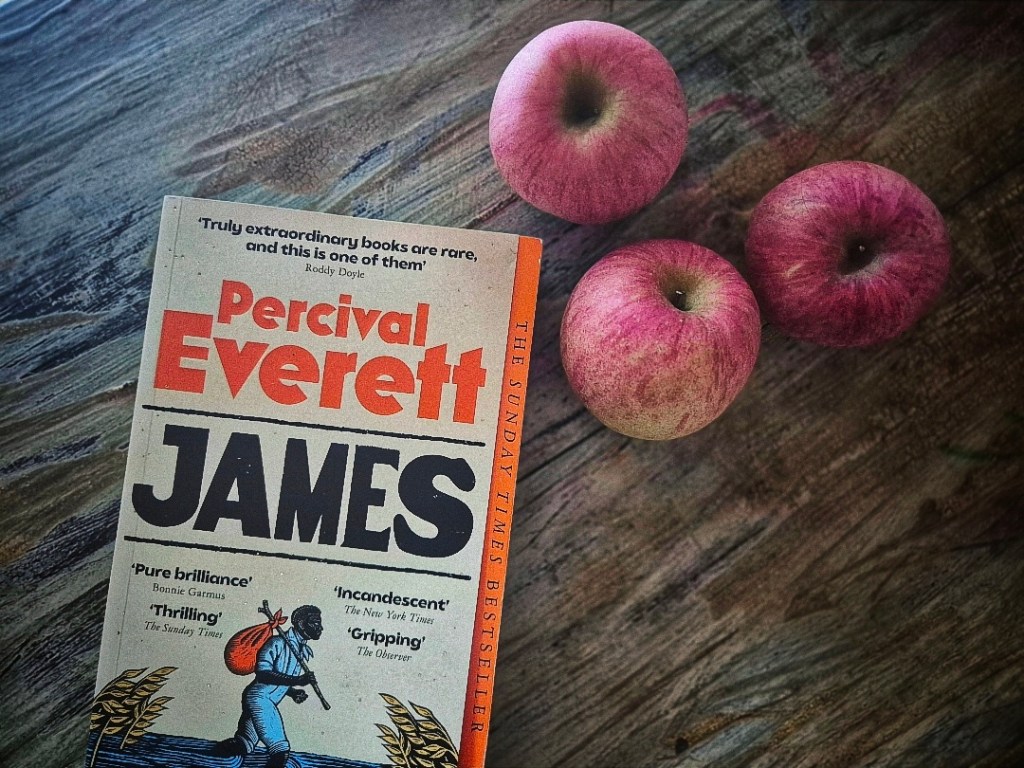
So that was June. It did not leave time or headspace for making concrete reading plans. While it started with that epitome of a retelling which is James, whenever there was a need to retreat in the solace of books, I’d instinctively pick up a volume from a stack of Pushkin Press Classics that hadn’t been assigned places on the shelf yet.

In the month wherein my heaviest schedule clamored to be felt and the risk of a WWIII threatened to make everything inconsequential, it somehow made sense to work harder, to live more, and to continue reading. Wait, is it really July already?

Helen Wolff: Background for Love

“What do you think I should do now?”
“You should read a good book for a change.”

“At my death, burn or throw away unread,” wrote Helen Wolff on the envelope in which the manuscript was found in 2007. Being a revered editor and publisher of literary giants such as Italo Calvino, Umberto Eco, and Gunter Grass, among many others, she probably judged her own writings with more exacting standards and deemed Background for Love unfit for publication.

After all, it is a perfectly imperfect novella. We can find fault with the characters and their decisions if we want to. Nothing grand or earth-shattering happens here. It is a story of a young girl wrestling between the desire for independence and the man she loves. And most of us have been there, and may or may not have ended up acting wisely. But you see, some of the most authentic writings are those unfit for publication, simply because life is flawed and will not live up to a lot of ideals.

What made me relish the pages so easily — aside from the cat she named Colette after the writer, aside from the picturesque beauty of Saint-Tropez as a backdrop, and the bittersweet awareness that darkness would soon descend on the sunlit Europe of this story — was the authenticity and intimacy of Wolff’s writing. It makes me wish she had written more, and one can only wistfully imagine the triumph of what she would have considered fit for publication!

But we can only be grateful for how this little gem did not perish into oblivion. As rain begins to steal into the sunny days in my part of the world, this book made me lean back, put my feet up… and whisked me toward the sunlight. 

Percival Everett: James

The epitome of a retelling. The kind that does not feel contrived or produced to merely appeal to a woke market, the kind that is not more focused on stripping off anything that might offend a hypersensitive audience whilst taking no thought about artistic quality or literary merit, the kind that does not disrespect the original work but ennobles it instead. The kind that’s necessary.

This reader prepared for James by reading the Adventures of Huckleberry Finn; because how can we make the most of a retelling if we don’t know, or have forgotten, what was originally told in the first place? Percival Everett revolutionizes the tale by rewriting Mark Twain’s novel through the perspective of Jim, Huck’s African American companion. Fresh from its antecedent, the contrast between old and new becomes more striking as Everett furthers the adventure by lending it more depth and feeling with layers that contemplate identity, family, sacrifice, the “tidiness of lies” in narratives, and even song lyrics, that justify prejudice.

My initiation to Everett’s work was through his humorous and modern retelling of Medea, For Her Dark Skin. As I delayed the reading of James, thinking that Medea’s story would always be more relevant to a woman, James continued to garner more awards — the National Book Awards, the Booker Prize shortlist, and the Pulitzer Prize for Fiction last month. I had to see why.

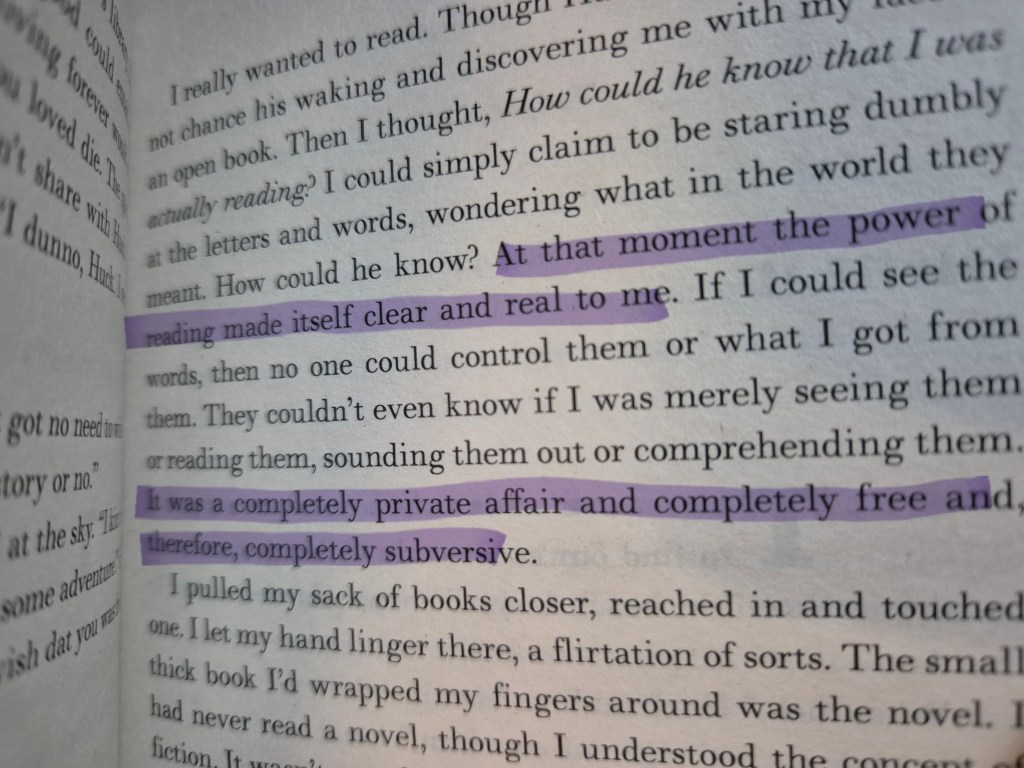
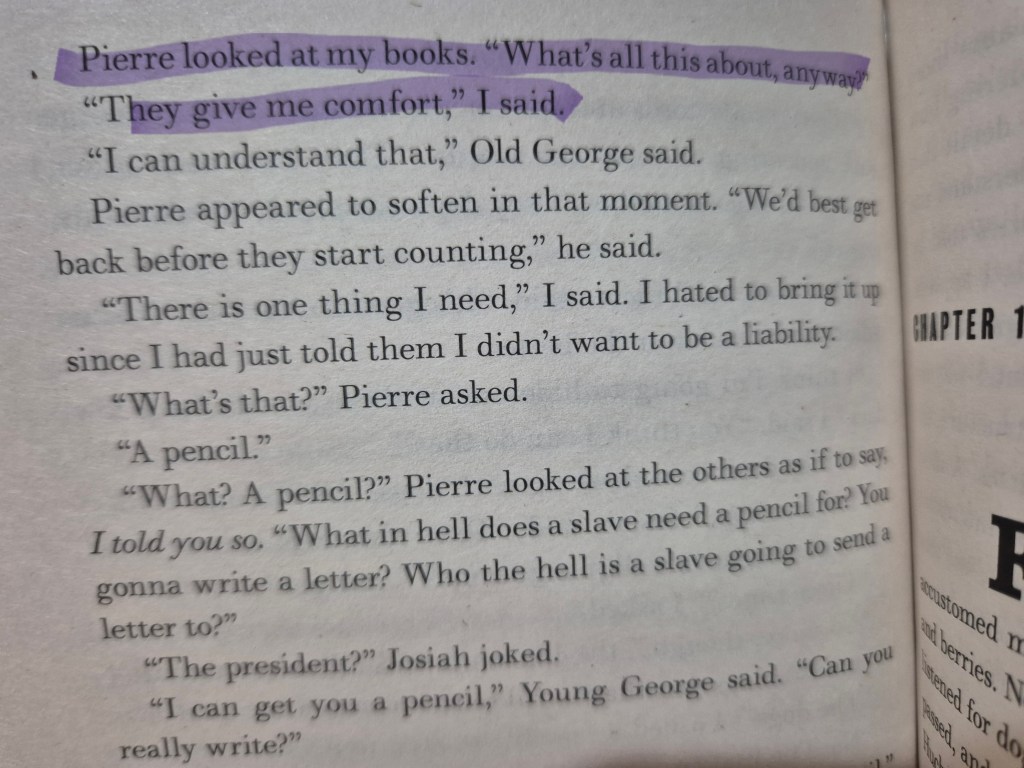
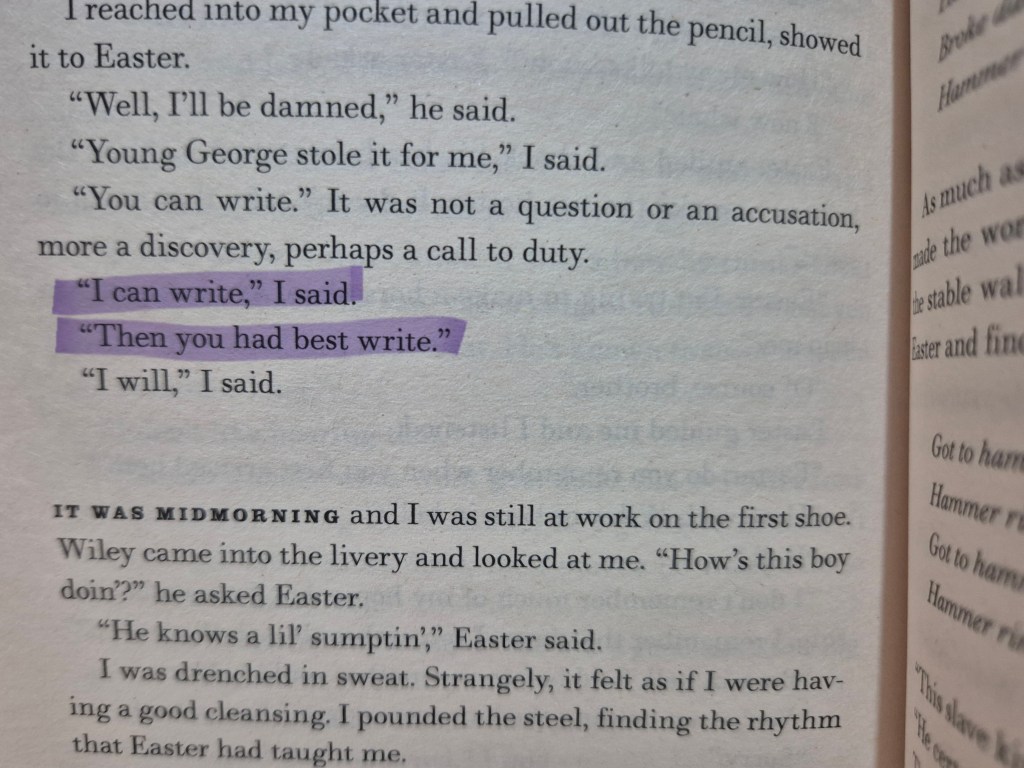
Published amidst another era of book bans that include several works that confront racism in the United States while Hitler’s Mein Kampf remains on the shelves, this book is a timely gift that takes the subject by the horns and transforms Jim’s story into a greater call to educate oneself, to master language, to read, and to write one’s way to freedom.

Olga Tokarczuk: The Empusium

“Wojnicz had noticed that every discussion, whether about democracy, the fifth dimension, the role of religion, socialism, Europe, or modern art, eventually led to women.”


Reading Olga with UP Symphony rehearsing Shostakovich as background.

Mischief. More literary mischief from Olga.

That the first death in the book happens to be of a woman whom our dear Wojnicz mistakes for a servant, when she is in fact the guesthouse proprietor’s wife, is not negligible.

And then, mushrooms. Then the puns in the names: January and August, two characters named after months, months named after a two-faced Roman god and a Roman Caesar; Dr. Semperweiss, because, always white; and it’s not a mere coincidence how the owner of the Guesthouse for Gentlemen where Wojnicz lodges is named Wilhelm “Willi” Opitz (see Opitz syndrome, especially in males); the Tuntschi, definitely a nod to the Sennentuntschi of Alpine folklore involving an ill-treated doll that retaliates; and Empusium, after Empusa, the female shape-shifter of Greek mythology.

The Empusium is Thomas Mann’s The Magic Mountain reframed, they say. Friends who have known me way back from my Thomas Mann reading phase know the story of how I developed a fever while reading the Magic Mountain. (They tried to assuage my sickness by saying that it’s the best state in which to read Thomas Mann. Hah!) Strangely enough, I also got sick a day after I started reading The Empusium. Whether that’s part of Olga’s mischief, I cannot say for sure, but, “The story has a spirit of sickness,” says my mom ominously. 

While Mann’s mountain was an allegory for a sick Europe, Olga’s mountain is glaringly sick with misogyny. In the author’s note, Olga divulges that the chauvinistic passages were paraphrased from the words of history’s famous men, and she names all of them. Why do you think it’s labeled as a “horror story”?