Celebrating 40 in Georgia

To celebrate my 40th in Iran, that was the dream. It was supposed to be Iran.

But life often has a knack of improvising on my dreams. Flights to Iran were suspended as I was about to book tickets; and it wouldn’t have been good for my parents’ hearts had I forced it at this volatile time in history.

Iran chose to remain elusive. Then I was reminded of a line from Ali & Nino: “Surely love is the same in Georgia as in Iran.” Georgia, or Gurjistan, was one of the Persian “stans,” after all, and was under Persian suzerainty for centuries. And surely, if love is, as they say, the same in Georgia as in Iran, then perhaps celebrating 40 in Georgia wouldn’t be too different either? (“But there are protests,” they said. “At least there are no missiles,” I answered.)

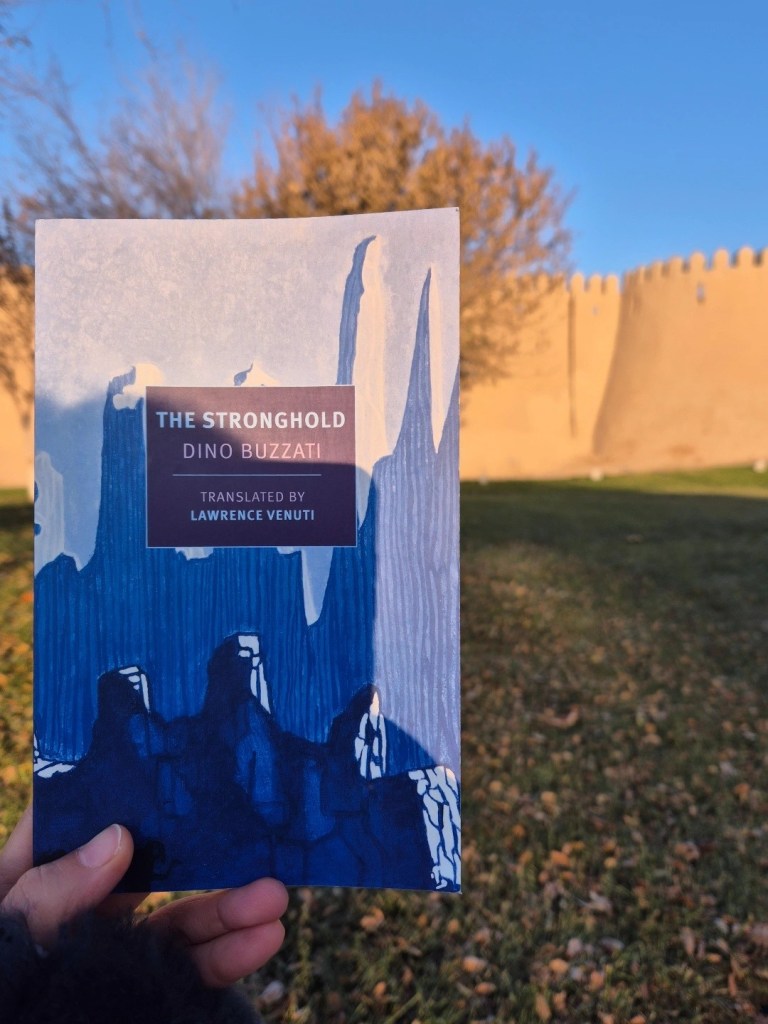
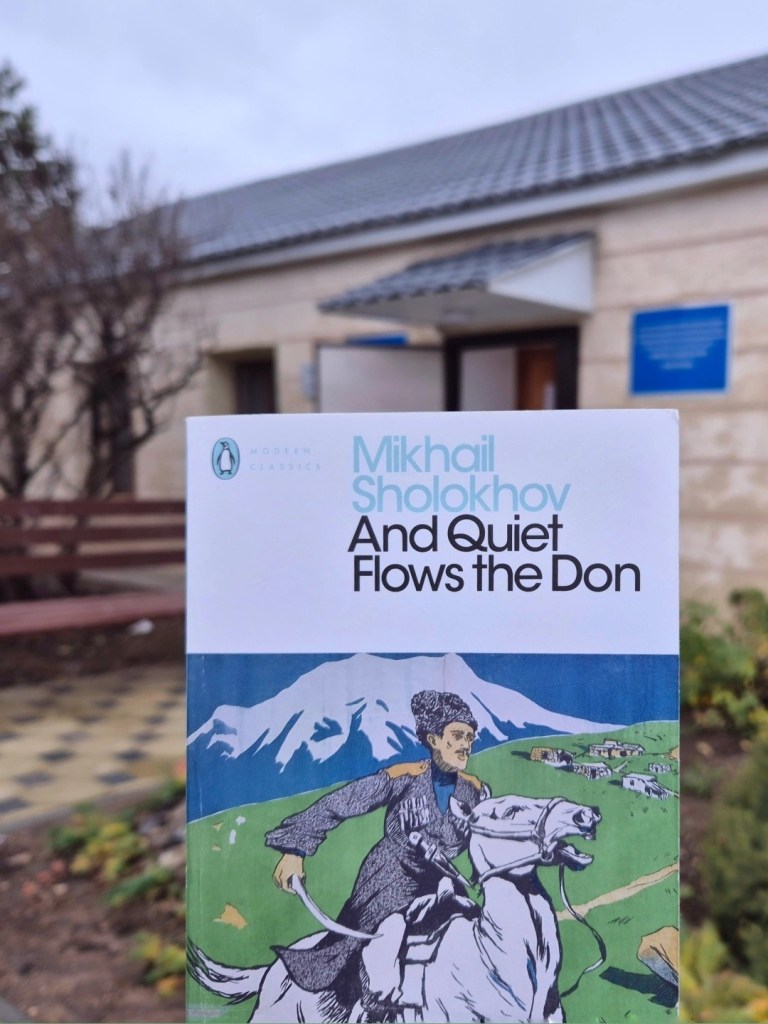
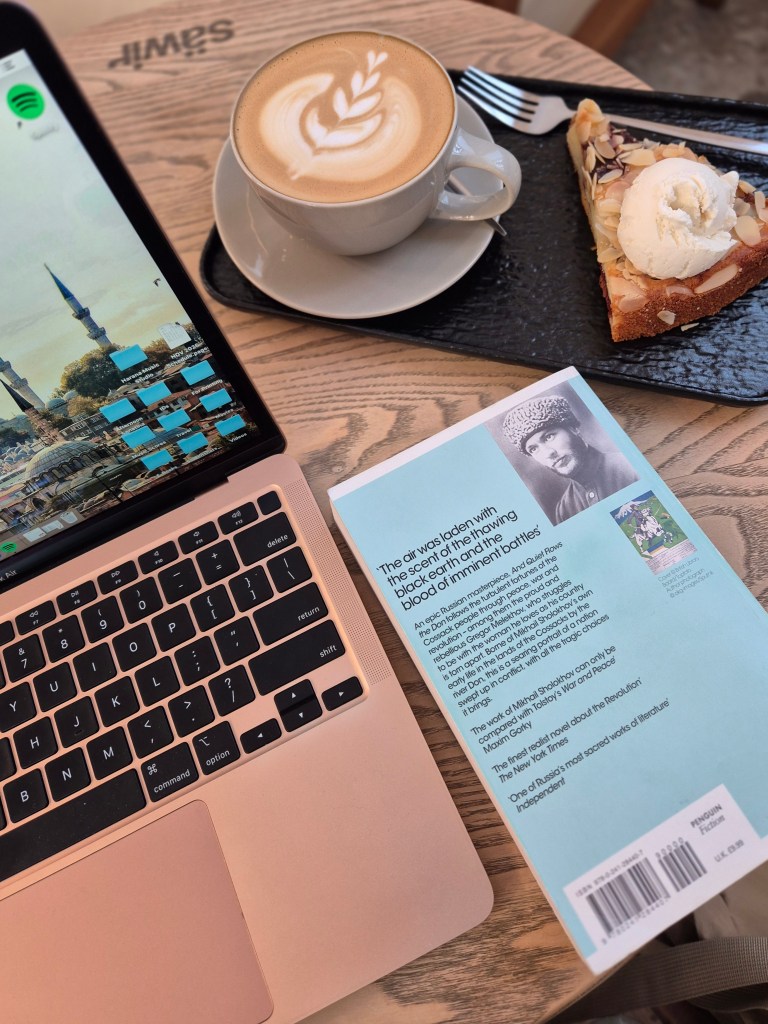
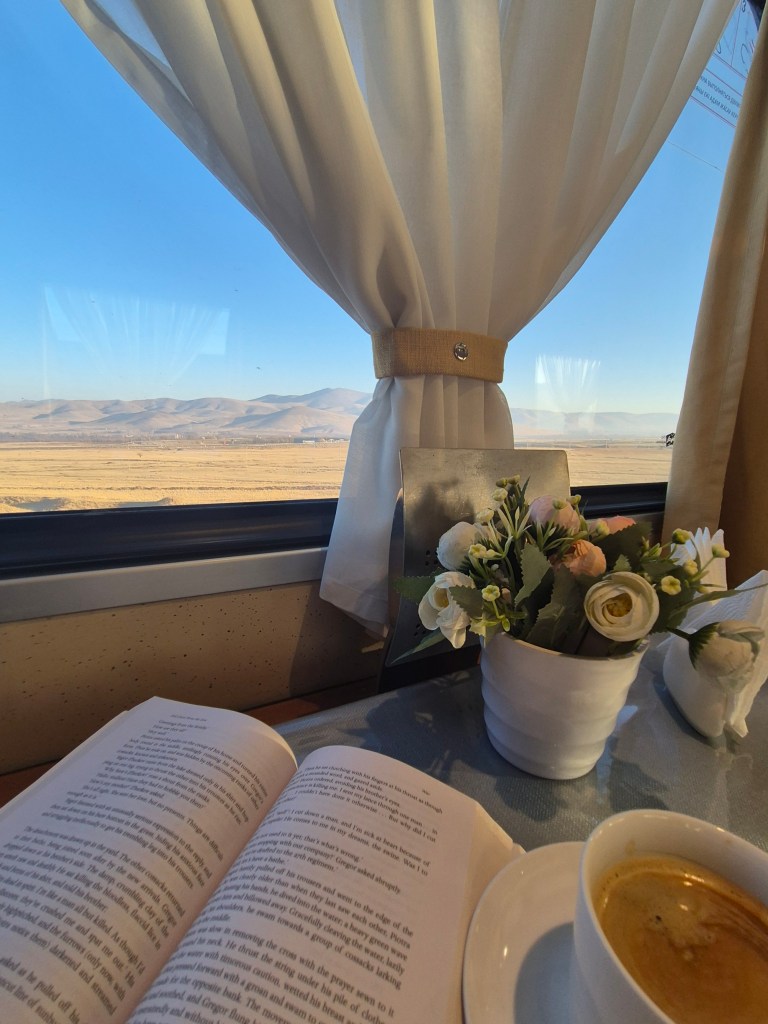
The time had come for Georgia to be lived, aside from being read — for the literature of the Caucasus to be finally given the chance to lend depth and texture to my travels, and to the narrative of my experience.

Little did I know that the flight route from Doha to Tbilisi would fly over Shiraz and Isfahan. As if on cue, there was a sudden otherworldly sunset display through the airplane window just as we flew over Isfahan. Instead of Isfahan’s Eternal Flames, I was given the sun. And through the clouds, I saw traces of Isfahan down below; appearing to reassure me that it would be there waiting until the right time came along.

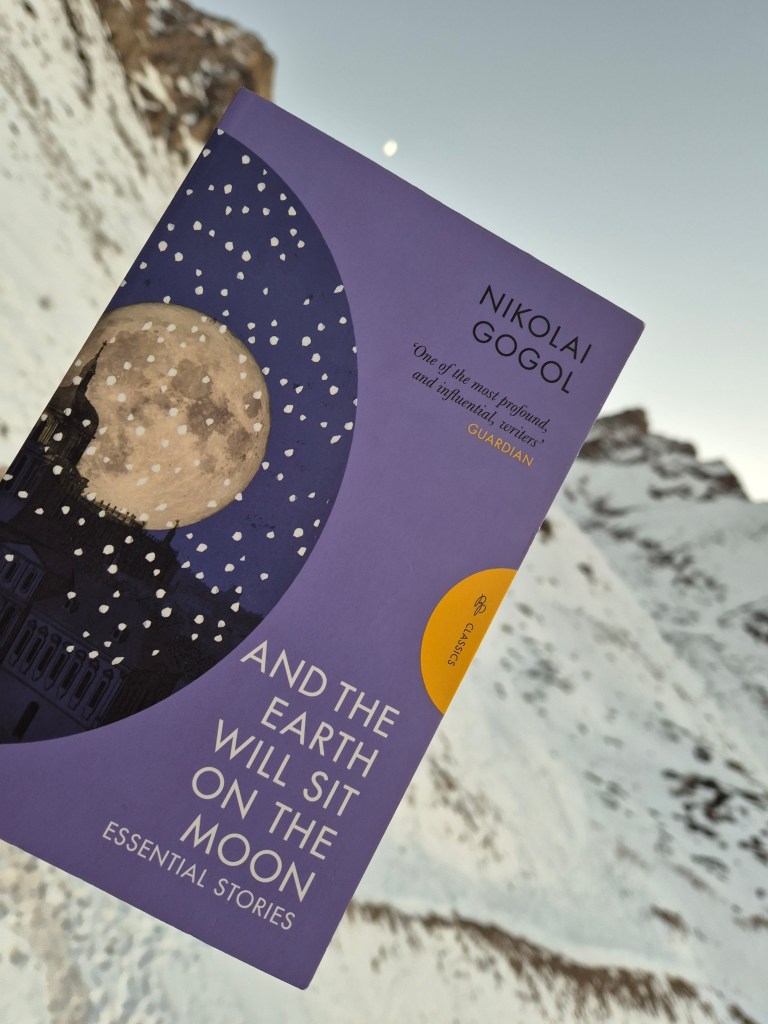
Then a full moon ushered me to Georgia. And I soon learned that Georgia, for a nation so tiny, is a generous country — not just in their wine servings, but in beauty and unforgettable experiences. (Maybe therein lies the advantage of smaller countries: beauty is concentrated, undiluted, and undiffused.) All at once, Georgia felt right.
Hopefully, someday, Iran will feel right, too. But at this particular point in life, Georgia is exactly what I needed. The trip was a gift that I’ll always be grateful for — a melding of deeply beautiful things and non-things, as if traveling knew no other way to be.
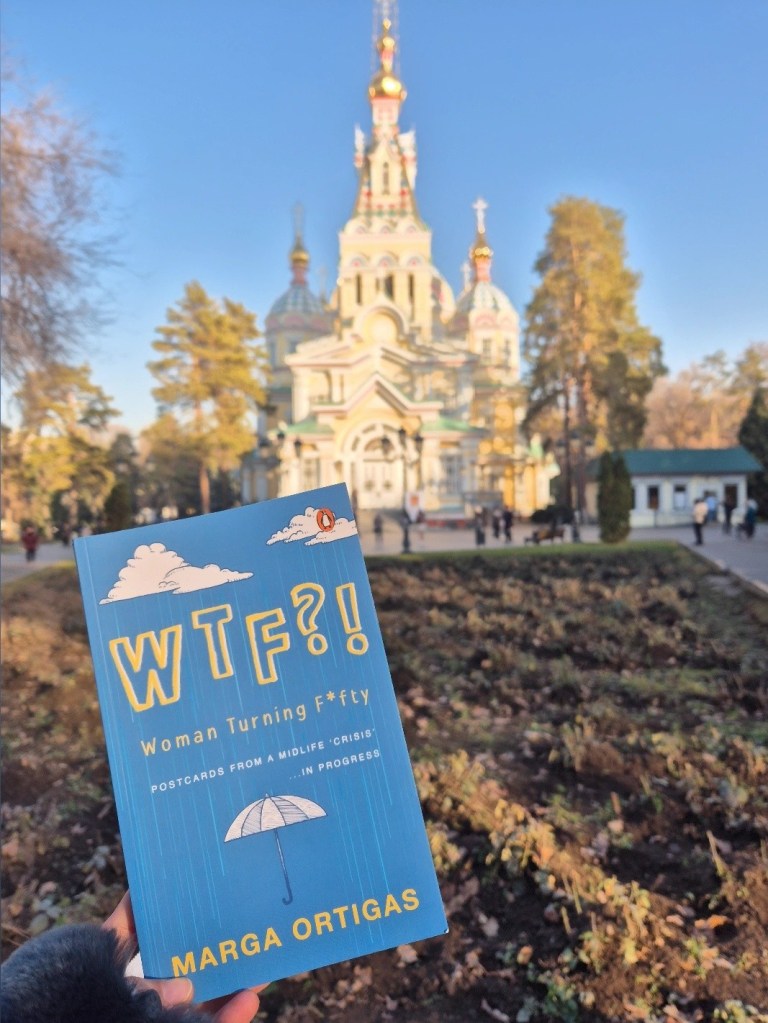
I’ve been asked what being forty feels like. With books (and maybe an occasional glass of wine haha) by my side, forty feels right. 🤍

June 23, 2022 – Khiva, Uzbekistan

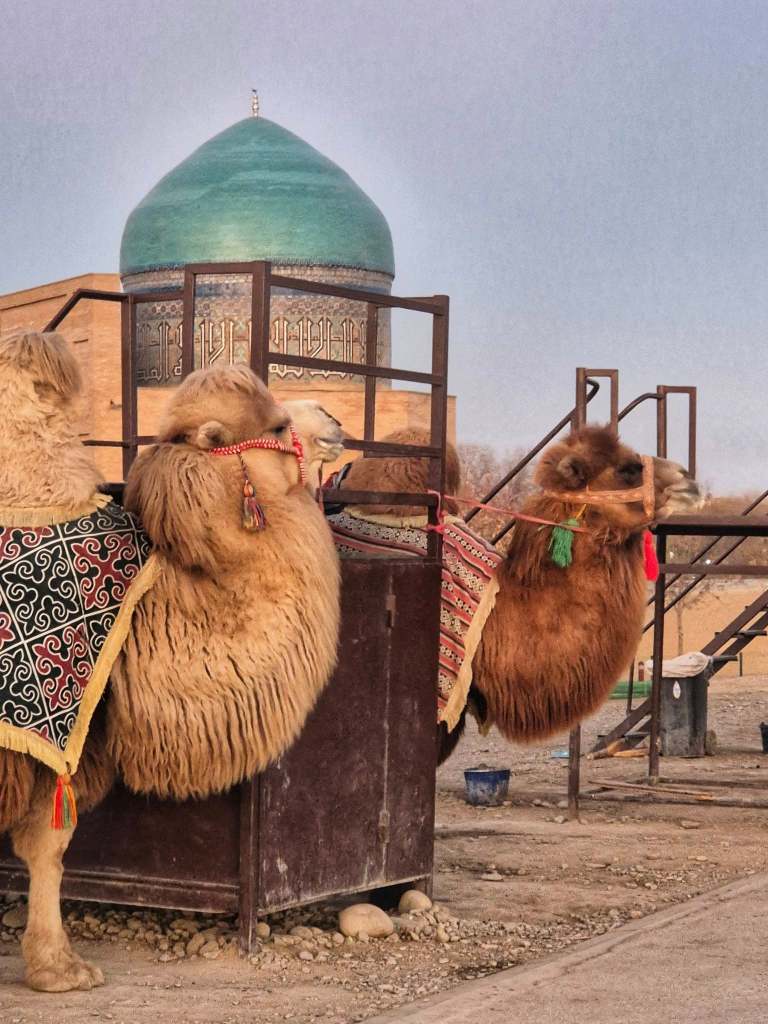
In the alley right below, a child sings in a language both strange and familiar to me. Strange because she sings in the Khorezmcha dialect, familiar because it is music.

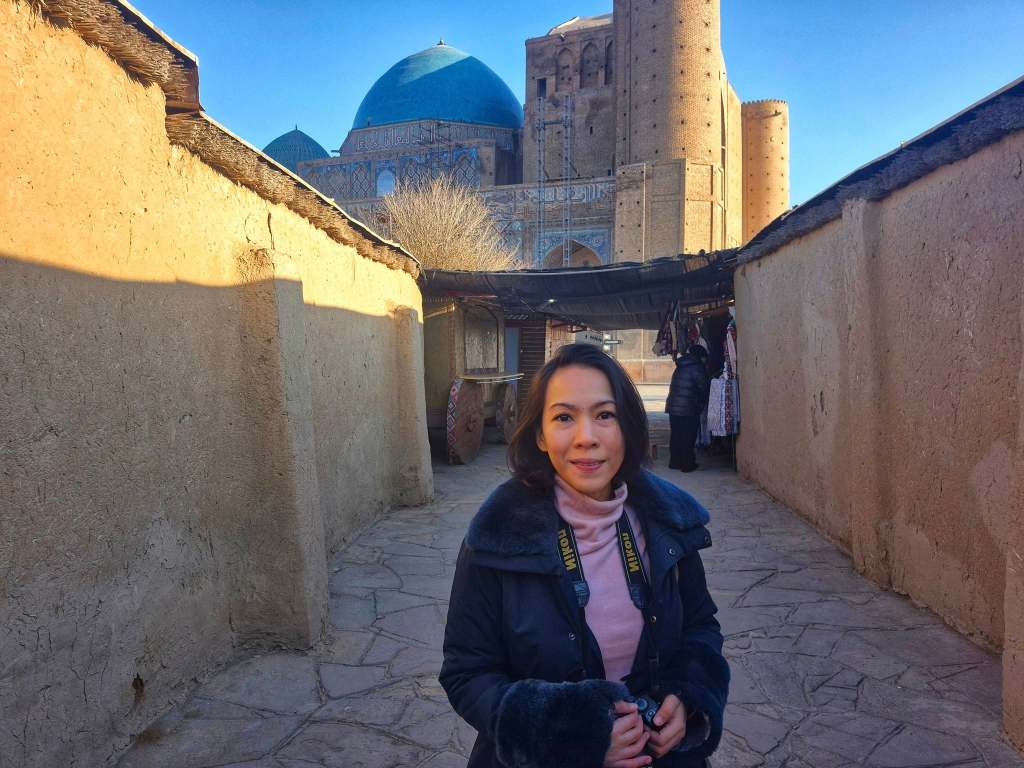
A few meters away from her, women in traditional dress eclipse the child’s voice as they bargain with her mother, a scarf seller. These women are tourists from the other “Stan” nations. They flock the streets by sundown. (Western tourists tend to forego Khiva because it is out of the way. To get here from Bukhara, one has to drive for hours through an expanse of steppeland that seems to stretch to infinity, and the usual tourist would usually opt for another stamp on the passport from another Stan than come to Khiva. I am now closer to Turkmenistan than I am to Bukhara.)

But I also see Khiva changing right before my eyes. I see workers installing LED lights, replacing some crumbling bricks, and fixing the cracks of the old city, making it look new. And although they have the tourist’s best interest in mind, I feel a pinch in my heart. I know Khiva will not look the same in a few months, or weeks… and there is a bittersweetness in realizing that I came just in time — or perhaps, a few centuries late.

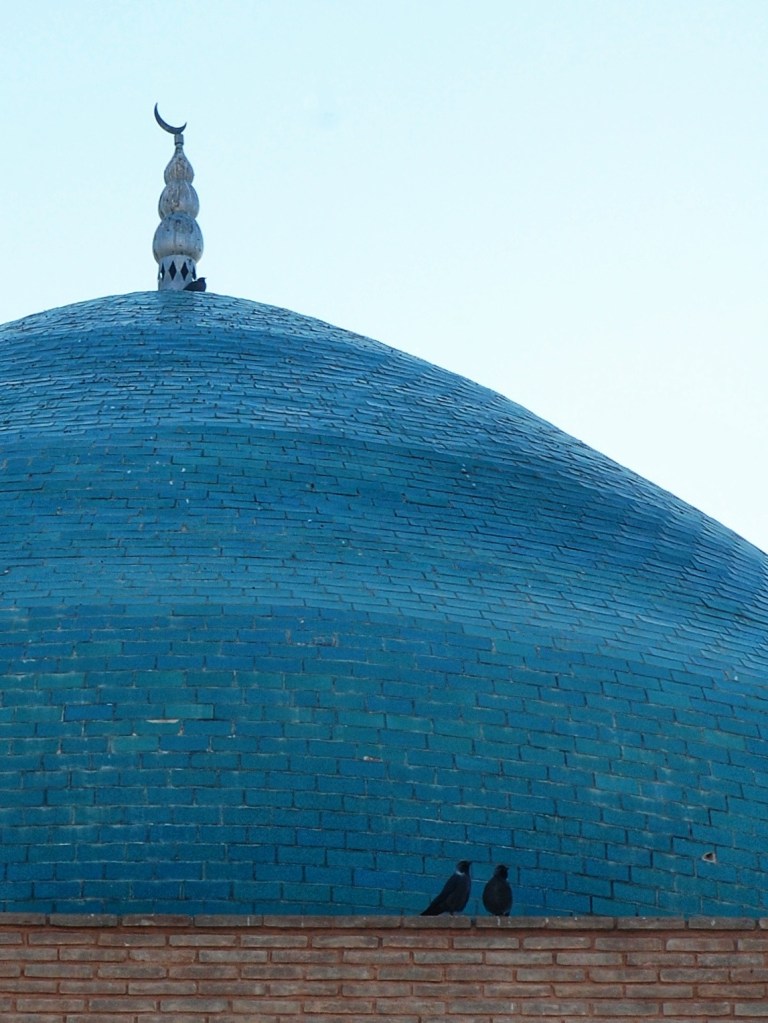
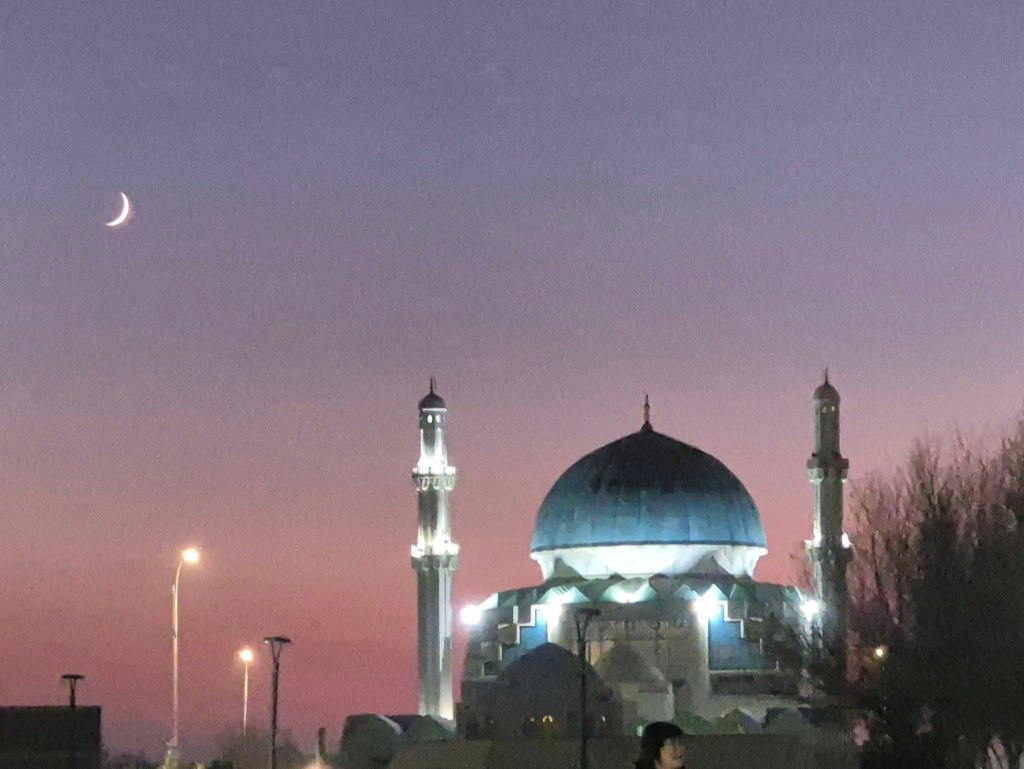
In the distance, the tallest minaret in Central Asia calls my attention, calls to prayer, calls time to stand still, and all falls silent.

Does this balcony right outside my bedroom explain enough why I chose to stay in Khiva longer?

© 2022 MDR
Khiva, Uzbekistan

Peter Frankopan: The Silk Roads

A fascinating overview of the world my mind has been transported to in 2020. Without any intention of underrating the author, I doubt if I would have found this as easy to ingest had I not gone through all the other materials I devoured prior to reading this. The political, religious, and economic landscape already seemed familiar to me by the time I arrived at The Silk Roads.

Aside from agreeing on accounts and facts with the other books I read, and also declaring that it is time we look at history from another perspective; what details the other books chose not to elaborate, this one expounded and vice versa, altogether offering a more detailed and broader picture of history.

In my recent readings, the vastness of how much mainstream history excludes and how it reeks of western bias disturbed me deeply. I felt rather betrayed by history textbooks and it was tempting to shift entirely to an eastern-centric worldview.

But the remarkable thing about seeking to learn more is that it encourages openness, and you ultimately realize that the most wonderful way of viewing the world and history is to study it through not one, not two, but through as many vantage points as possible.

Quoting Peter Frankopan, “There was good reason why the cultures, cities and peoples who lived along the Silk Roads developed and advanced: as they traded and exchanged ideas, they learnt and borrowed from each other, stimulating further advances in philosophy, the sciences, language… As tastes became more sophisticated, so did appetites for information. Alongside increasingly sophisticated tastes came increasingly refined ideas.” History teaches us that this is how cities and cultures thrived, reasoning implies that this is how our minds could flourish.