This was February:
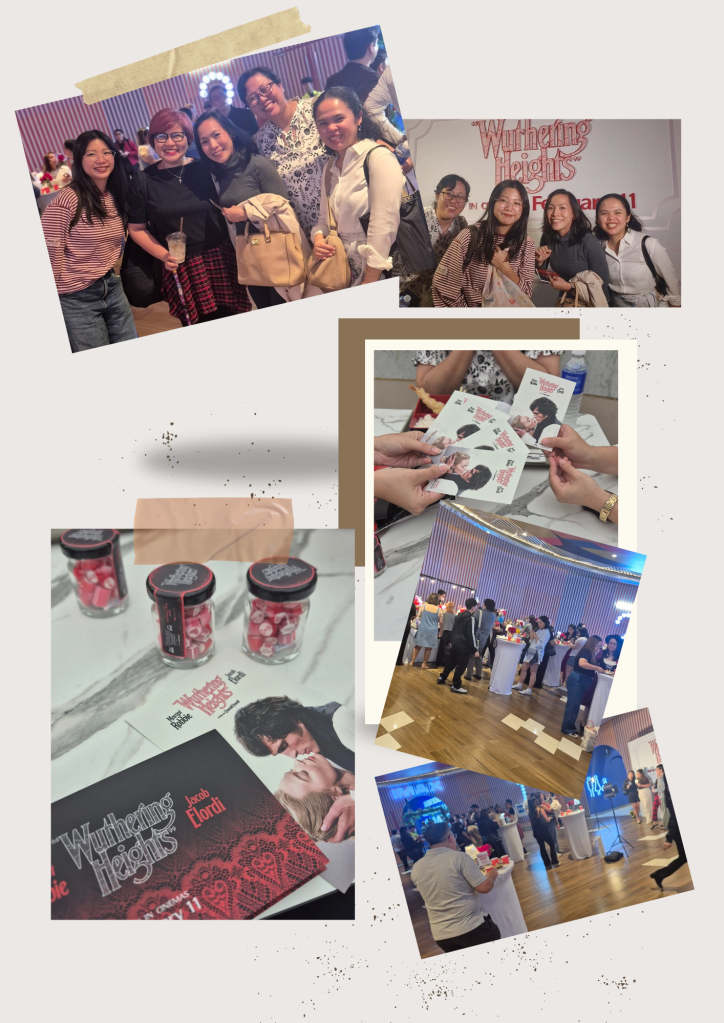
Getting “wuthered” by Jacob Elordi, a shared experience with Ex Libris friends and some of the country’s celebrity book people in a special screening of Wuthering Heights;
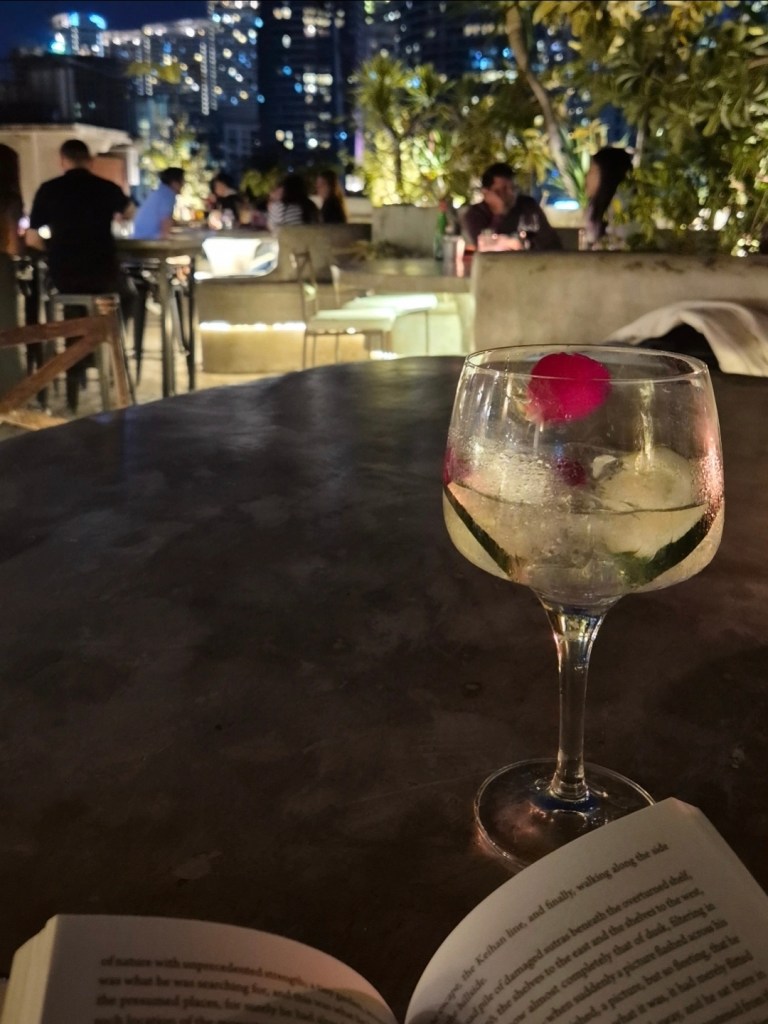

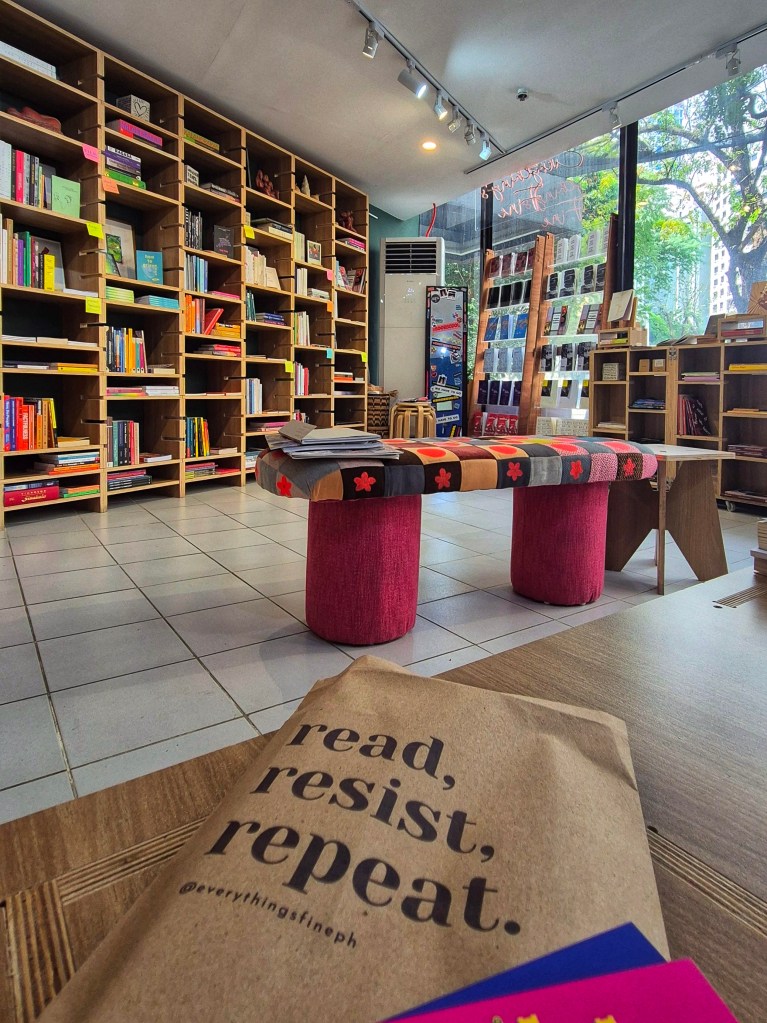
reading, drinking, eating, and book-buying my way through Makati;
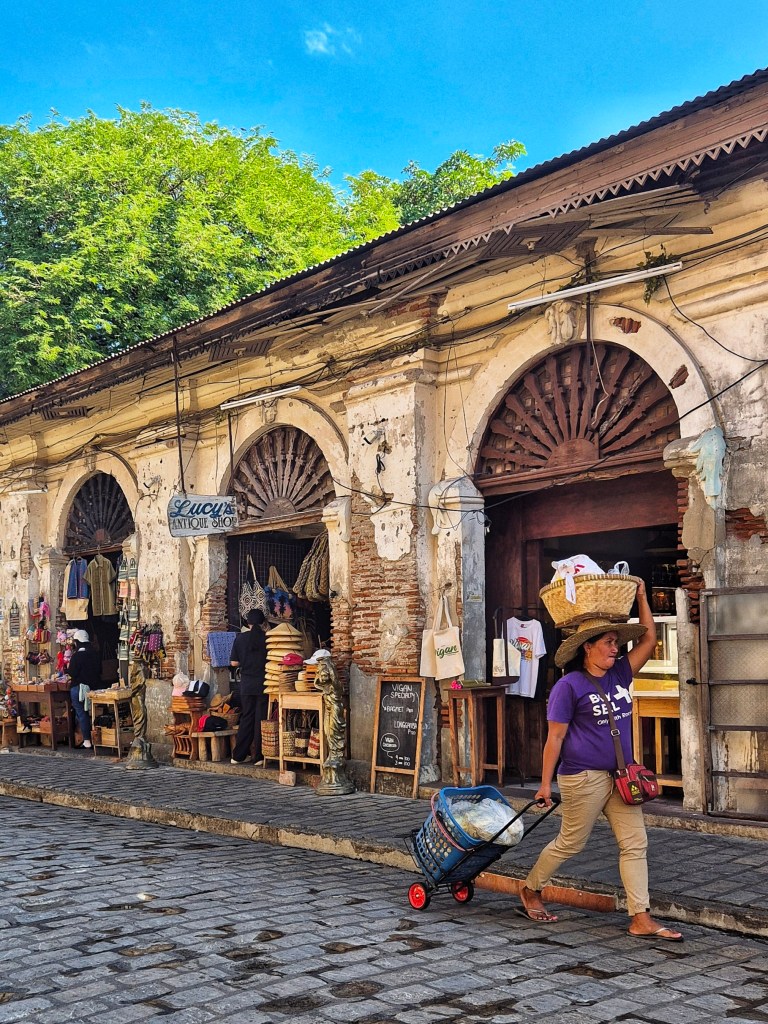
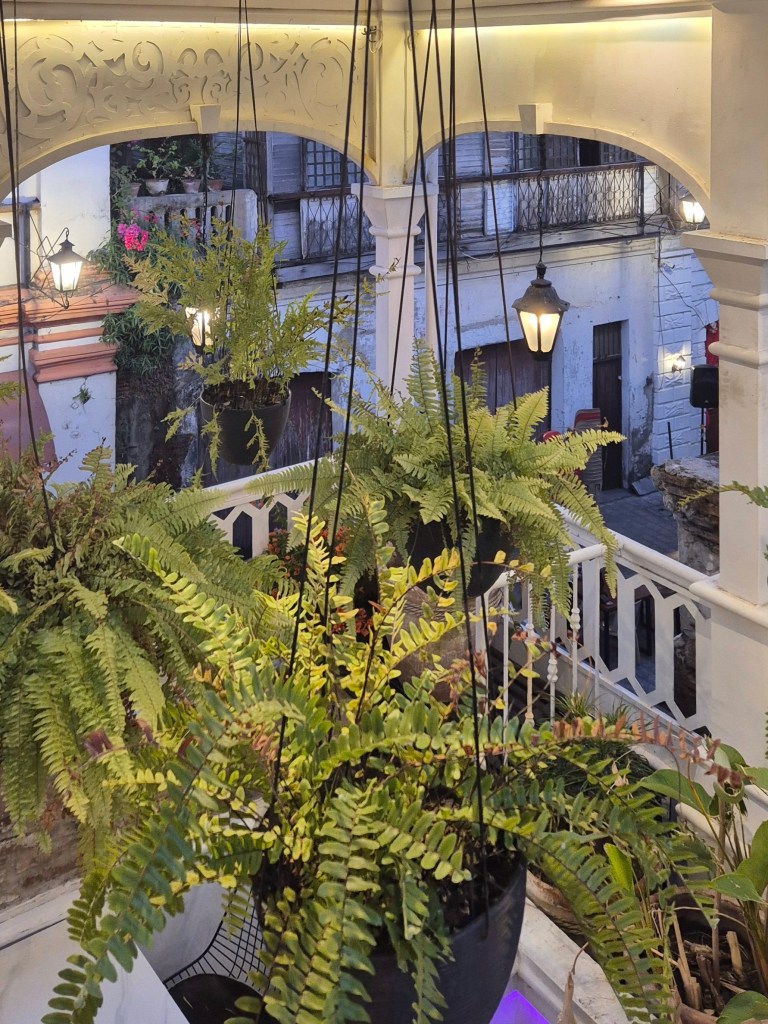
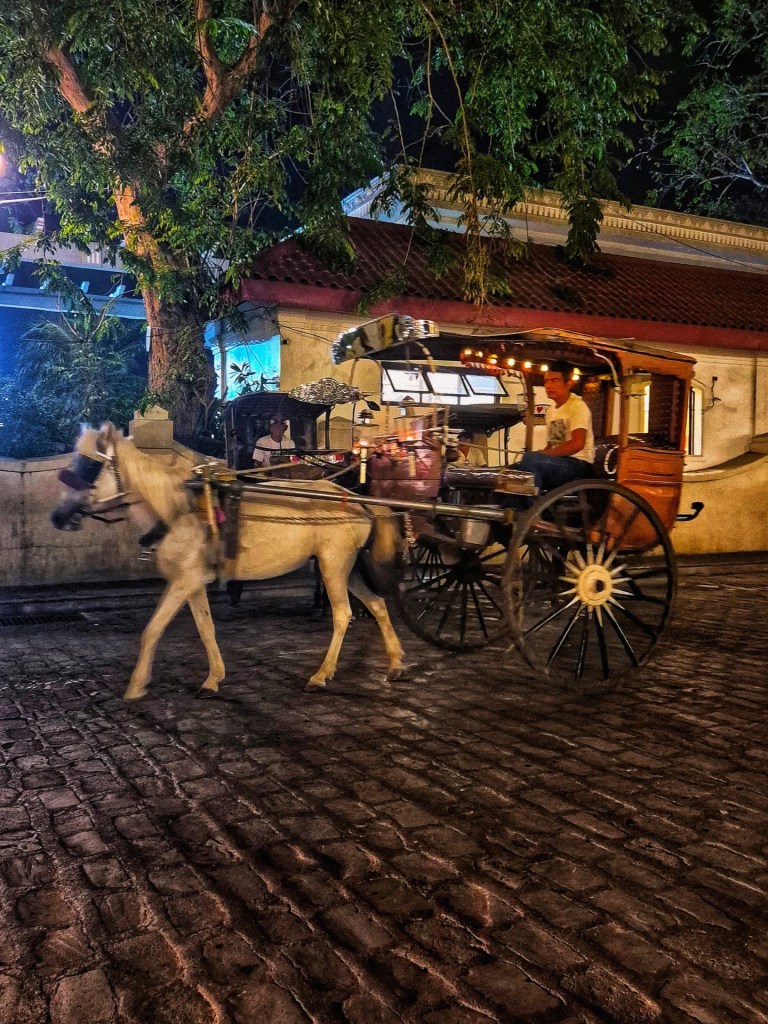
Vigan, whose “heart attack food” often comes up in Memoirs of an Art Forger. The book’s premise, intriguing; the opening passages, captivating; the sociocriticism, on point; the bits on art and architecture, fascinating; yet some elements did not seem to work for me. But kudos on being the only work of fiction I’ve read that mentions the Basi Revolt of 1807, an uprising led by Ilocano peasants against the Spanish monopoly on basi (sugarcane wine) in Ilocos Norte. Visiting Vigan also acquainted me with Leona Florentino, “Mother of Philippine Women’s Literature”. Now there’s a story; and what a family tree!
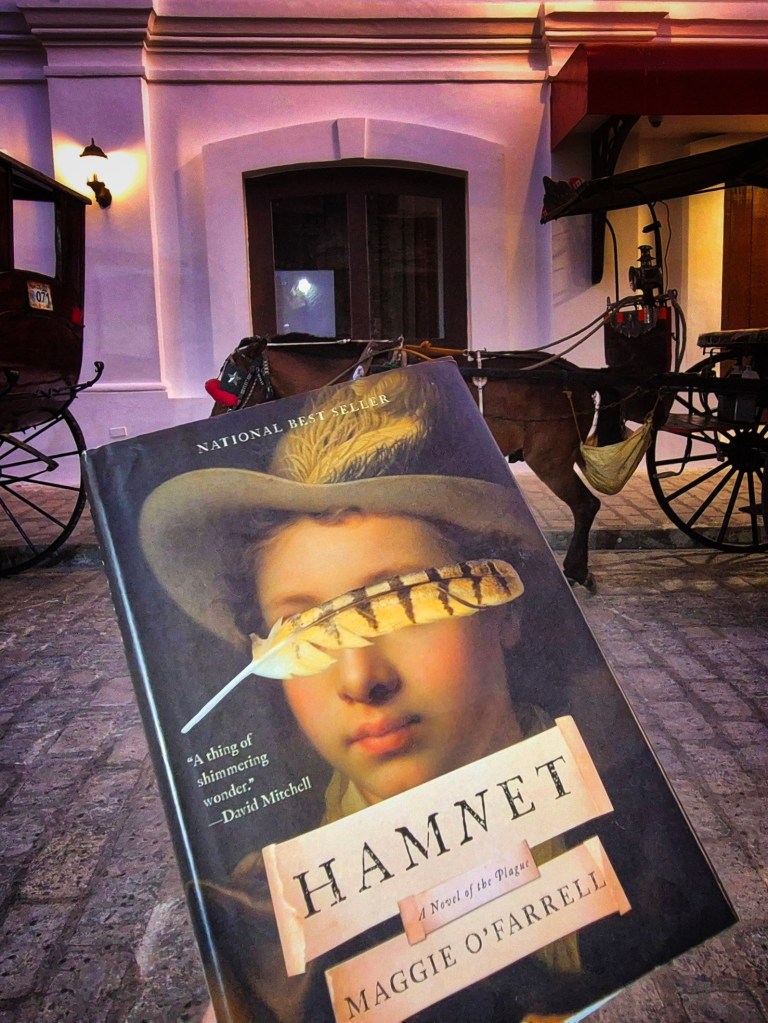
Also, Hamnet, at last. A book I stayed away from because I knew it would be painful. But my ego wouldn’t let me watch the movie without having read it. But now that I’ve read it, I’m asking how I’ll survive the movie. We, readers, are a crazy lot, no?
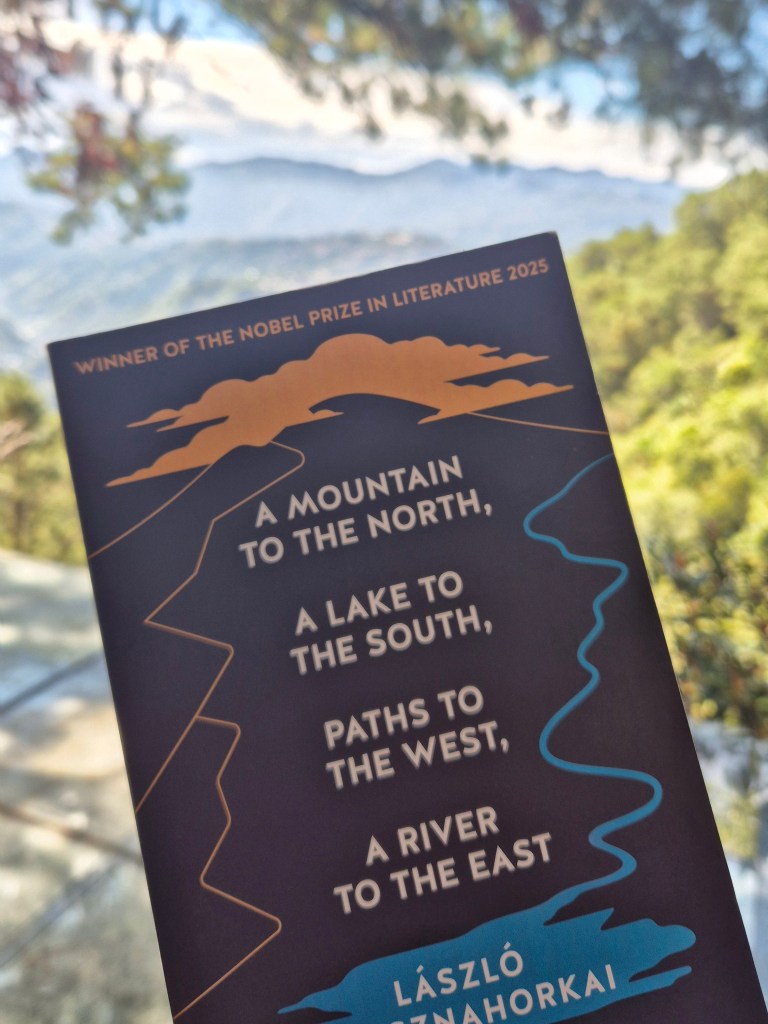
And then, Baguio, a mountain in the north where they put strawberries in everything, and where I read Krasznahorkai’s A Mountain to the North. This one came with a note saying: “Dear Mira, I realize in retrospect that I loved this book the way I love park benches. It is an ode to tranquility, to beauty, and to meaning. With the rush of the years, I am more and more convinced that one only needs these three. To me they are the intertwining gusts from the same cool breeze that commands a pause to take in.” Who needs my review after such an utterly beautiful musing?
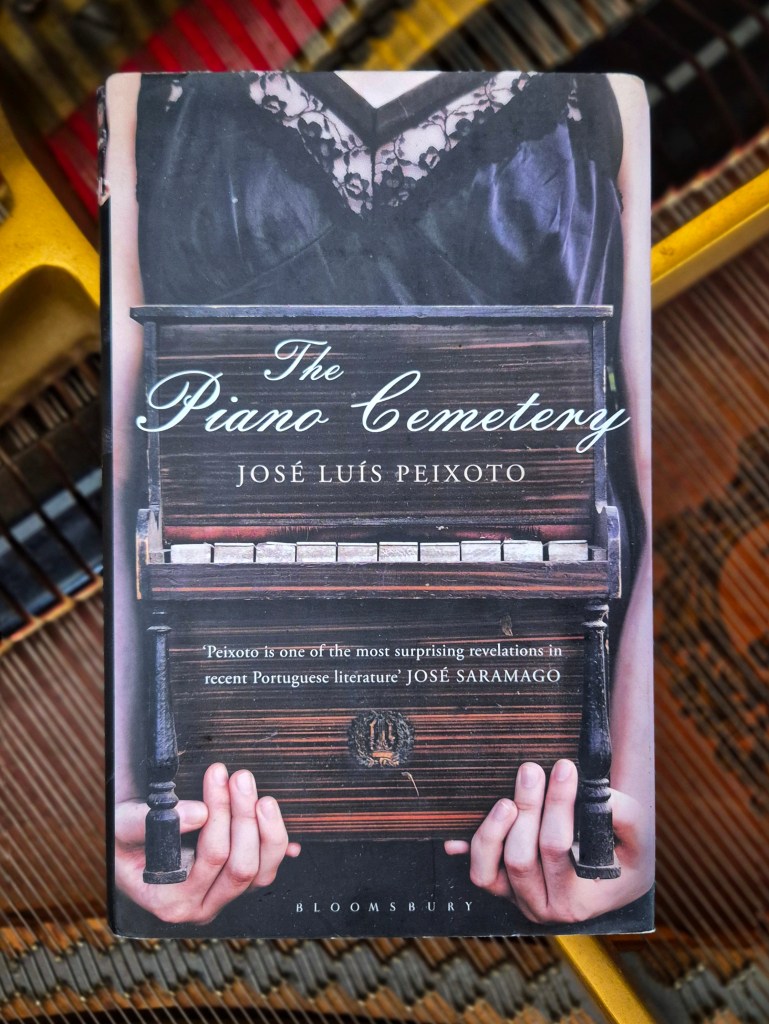
Afterwards, home: Home is… where the bookmail is sent, and where The Piano Cemetery was waiting. If not for the Saramago blurb, I would have ignored this. I’ve found that it’s something I would read on a trip to Lisbon, a book keenly aware of the city’s soundscape.
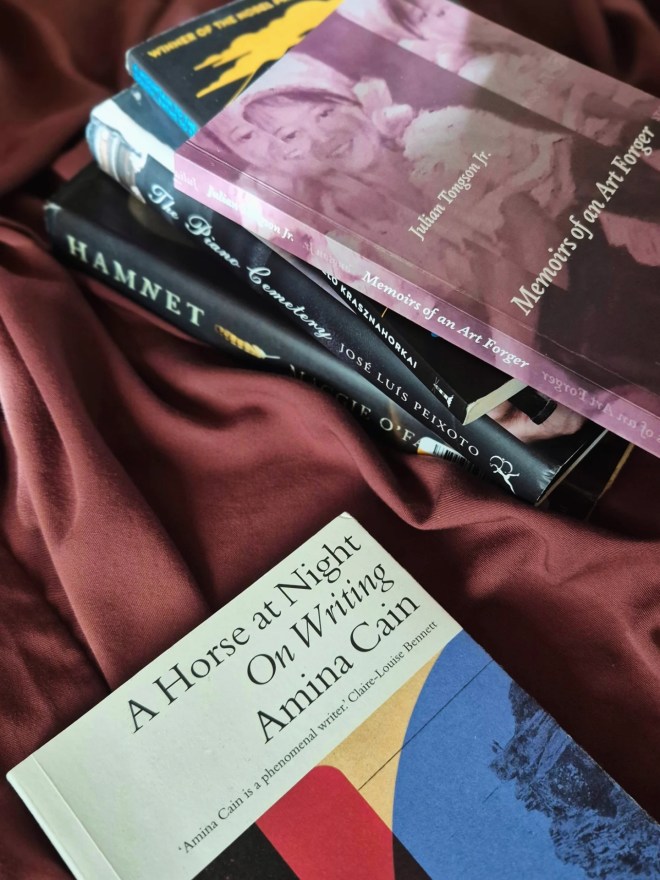
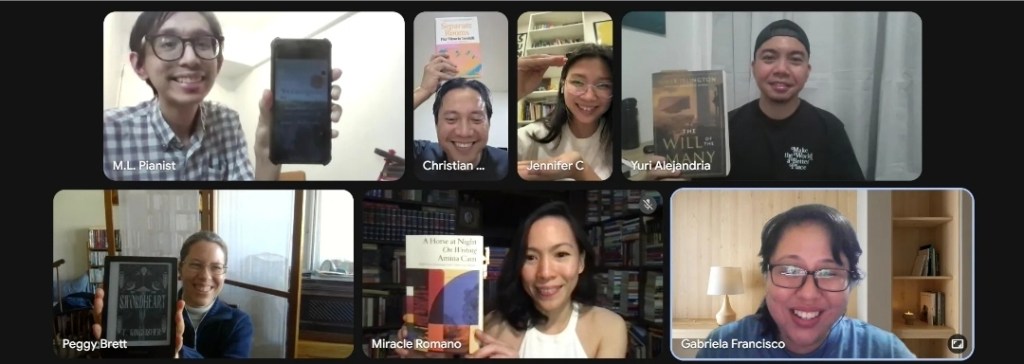
But when asked about what I read this month that talked of love in any form, I answered with Amina Cain’s A Horse at Night. It’s about the love for reading, writing, and hence, the love for freedom. It affirms that reading is where we are most unrestrained. It is where we are most free.






 The Book-Butterfly