Aside from the usual arrogance of the Western eye, there is a movie to blame for painting Kazakhstan as a poor and backward country. I agree with author Christopher Robbins when he wrote that the joke of this particular movie, “Depends on an audience’s absolute ignorance of Kazakhstan and its culture.” While poverty is, indeed, present here, it is also important to remember that this nation ranks 12th in the world in terms of oil reserves, and on top of that, coal, copper, uranium, platinum, and gold.
Because two weeks is not enough to see this vast country, I have even decided to skip Astana, the capital, because it looks too modern and filthy rich. Haha!
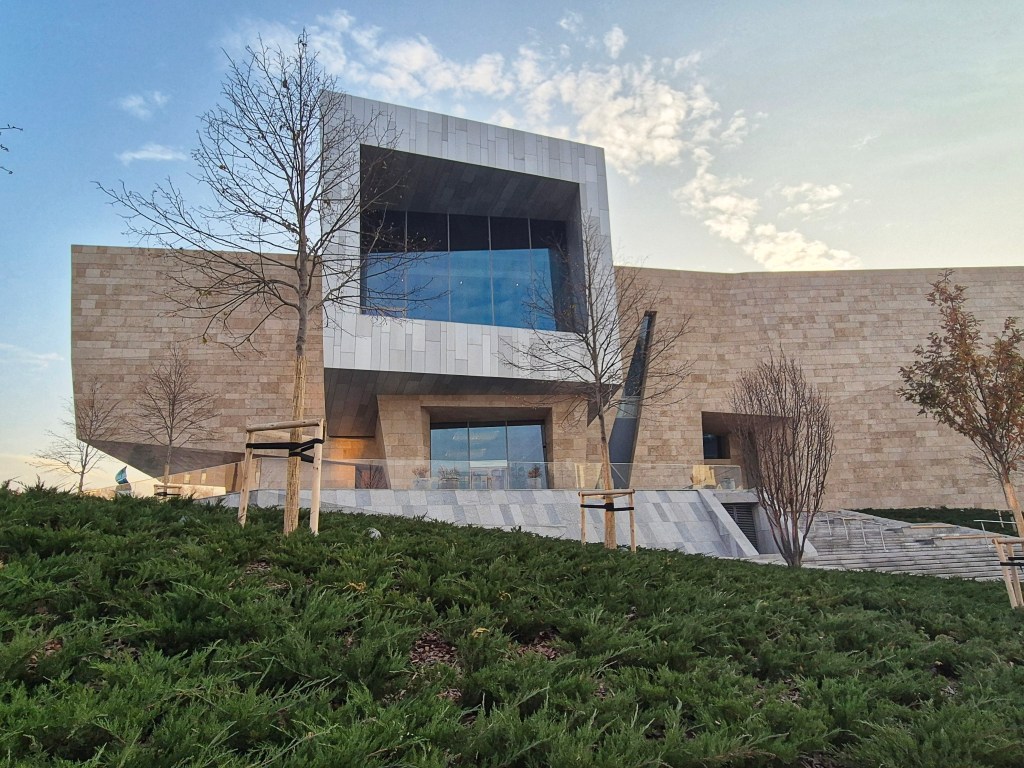
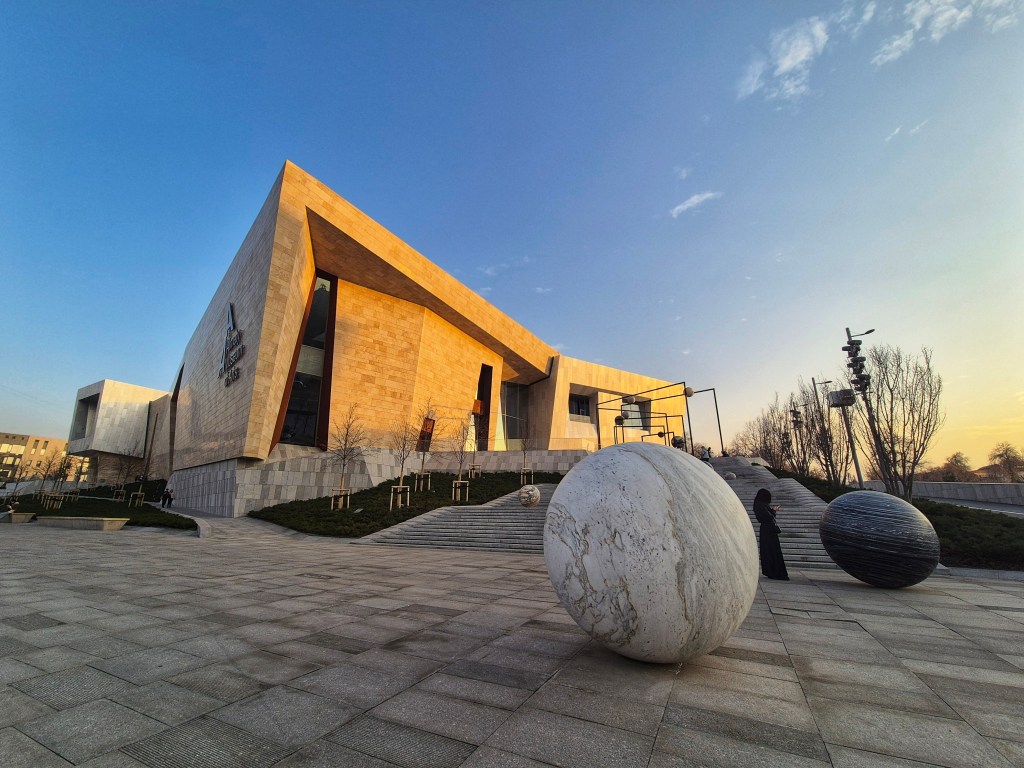

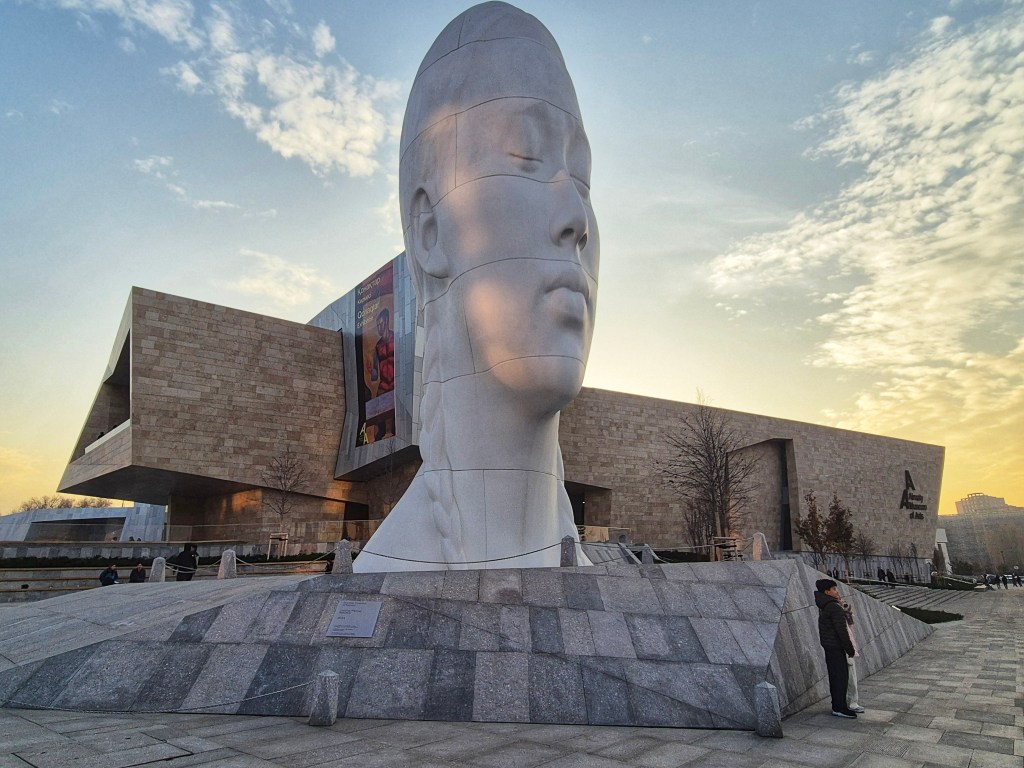
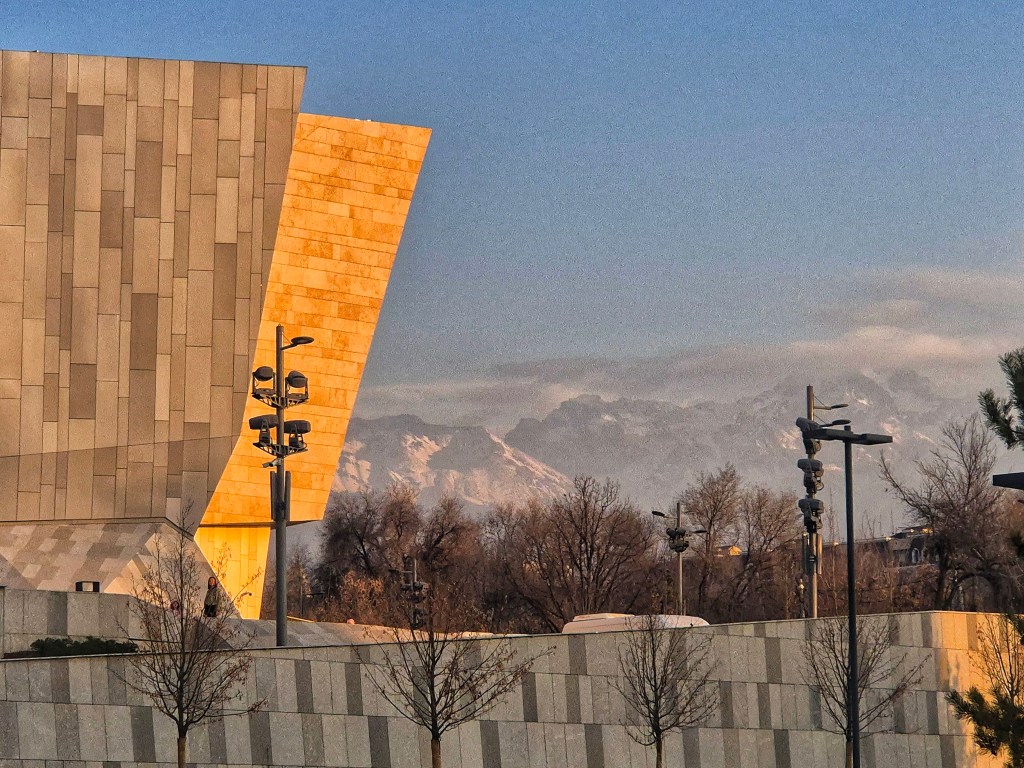
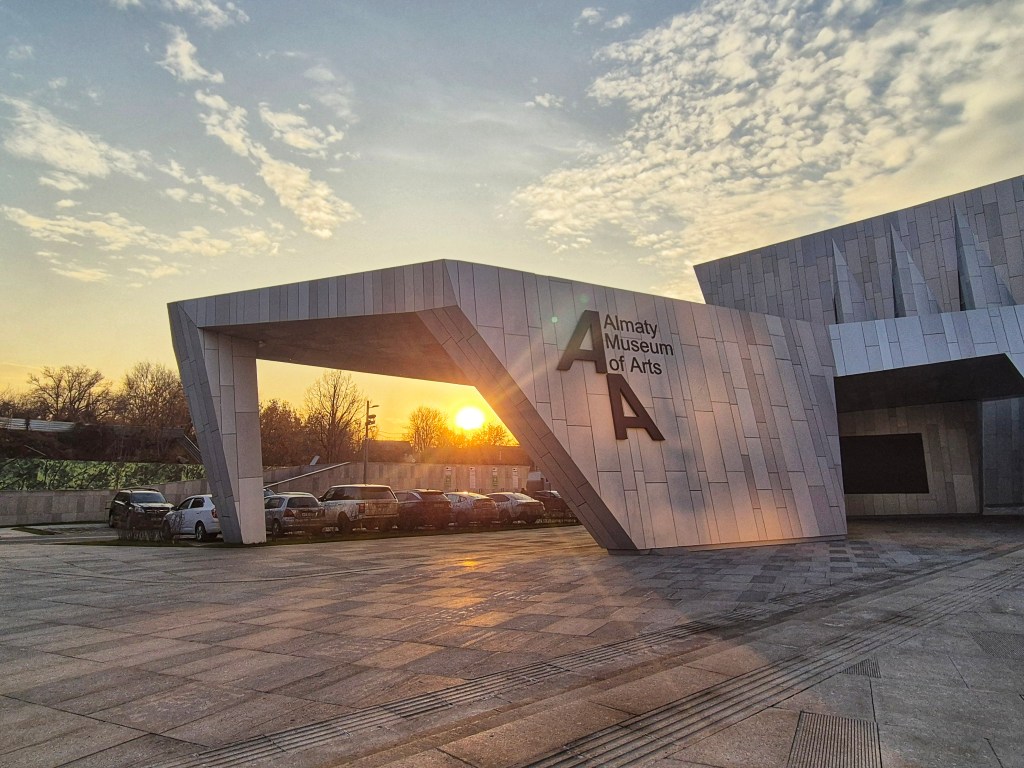
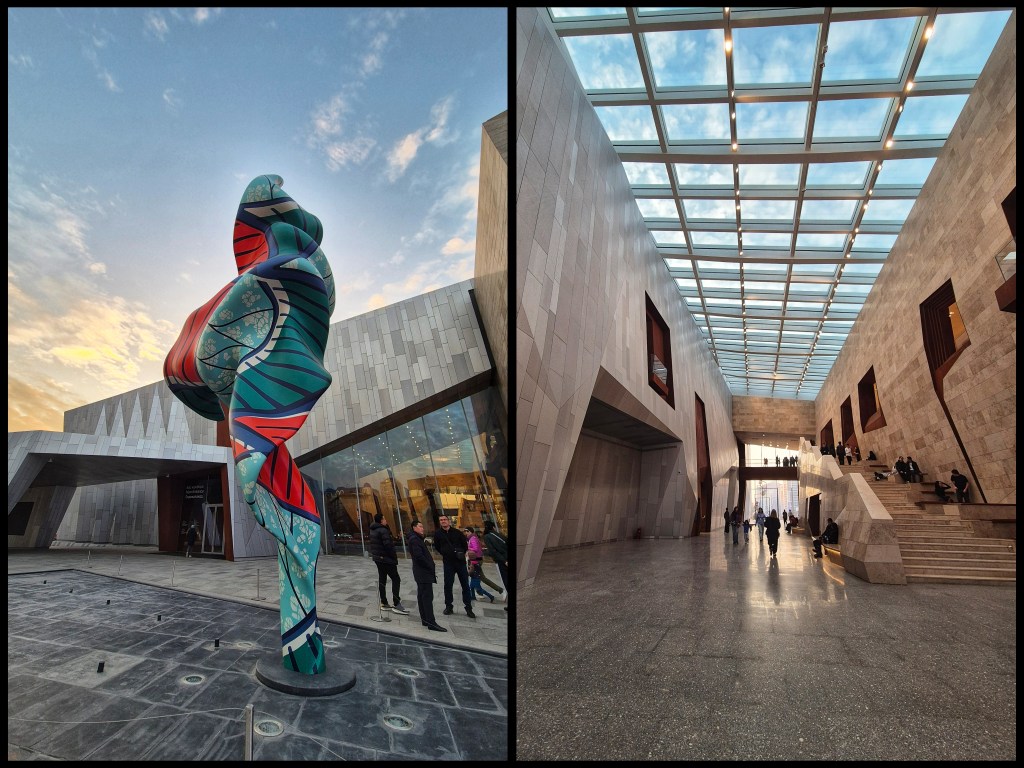
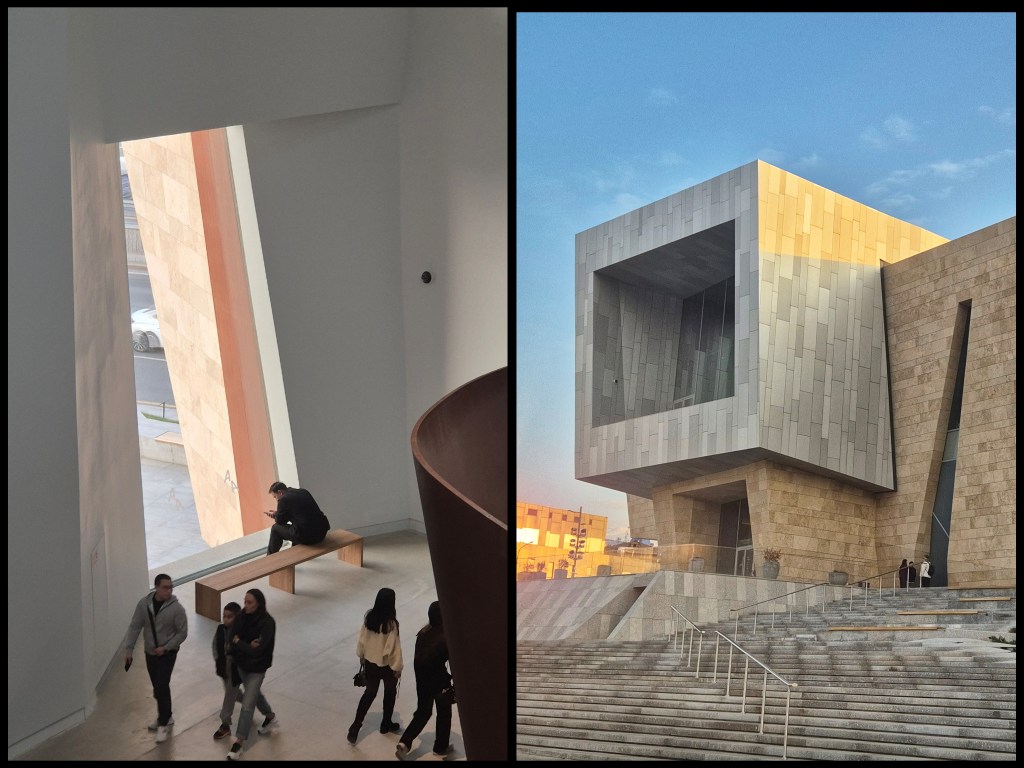
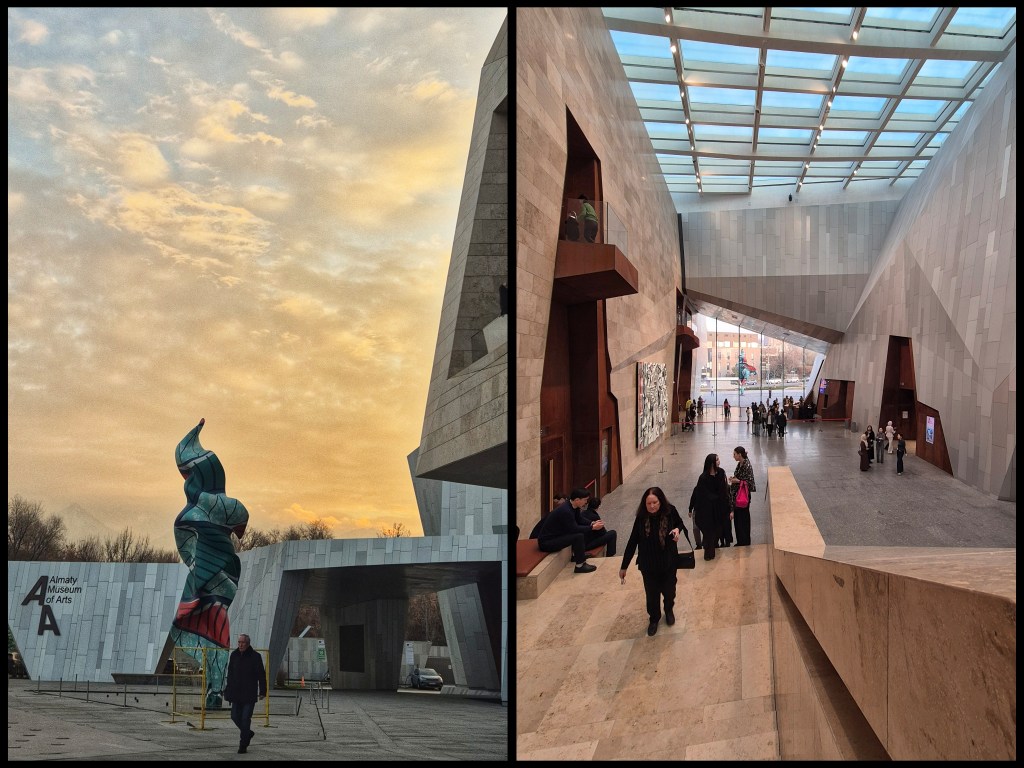
I don’t know much about how economies really work, and I only usually see things through the artistic lens, but I’ve somehow always thought that a country’s prosperity can be reflected in the state of its museums. Seeing the Almaty Museum of Arts, with the Tien Shan mountains as its backdrop reinforced this idea.


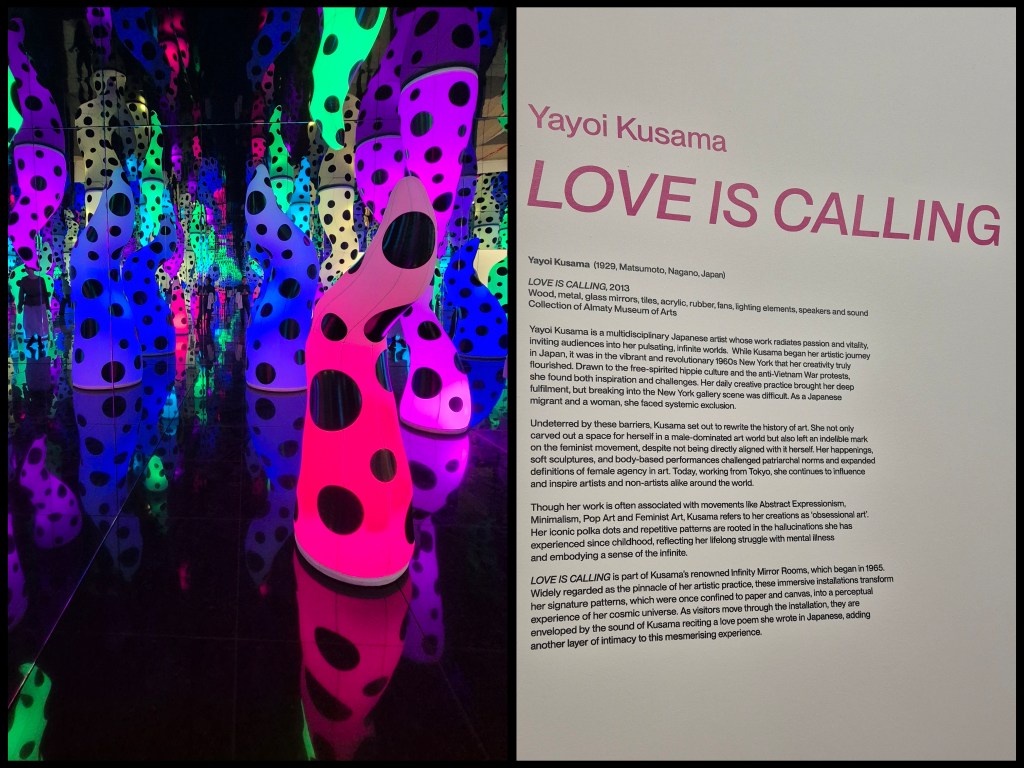
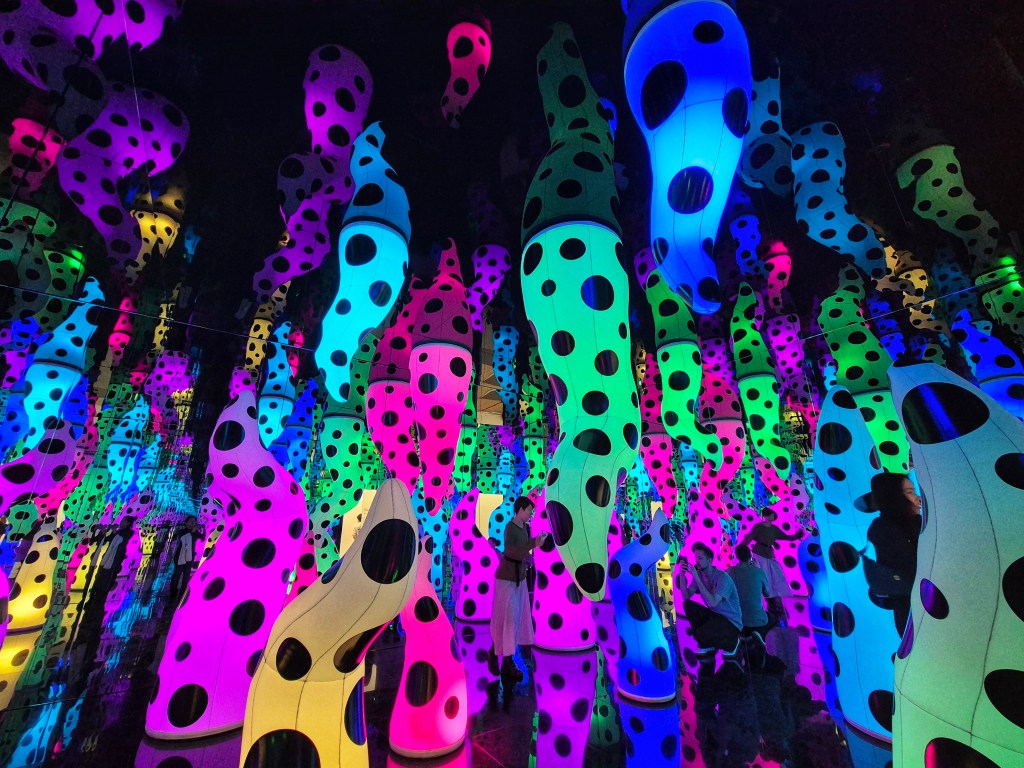
The building is impressive in itself, designed as two interlocking structures, one made of limestone (to represent the mountains) and the other of aluminum (to represent the city). To my surprise, there was an ongoing Yayoi Kusama installation; a photo exhibit by Almagul Menlibayeva whose works remind me so much of my best friend Franz’s creativity; and a huge piece by Anselm Kiefer — “Questi scritti, quando verranno bruciati, daranno finalmente un po’ di luce” (These writings, when burned, will finally cast a little light) — that affected me most of all.
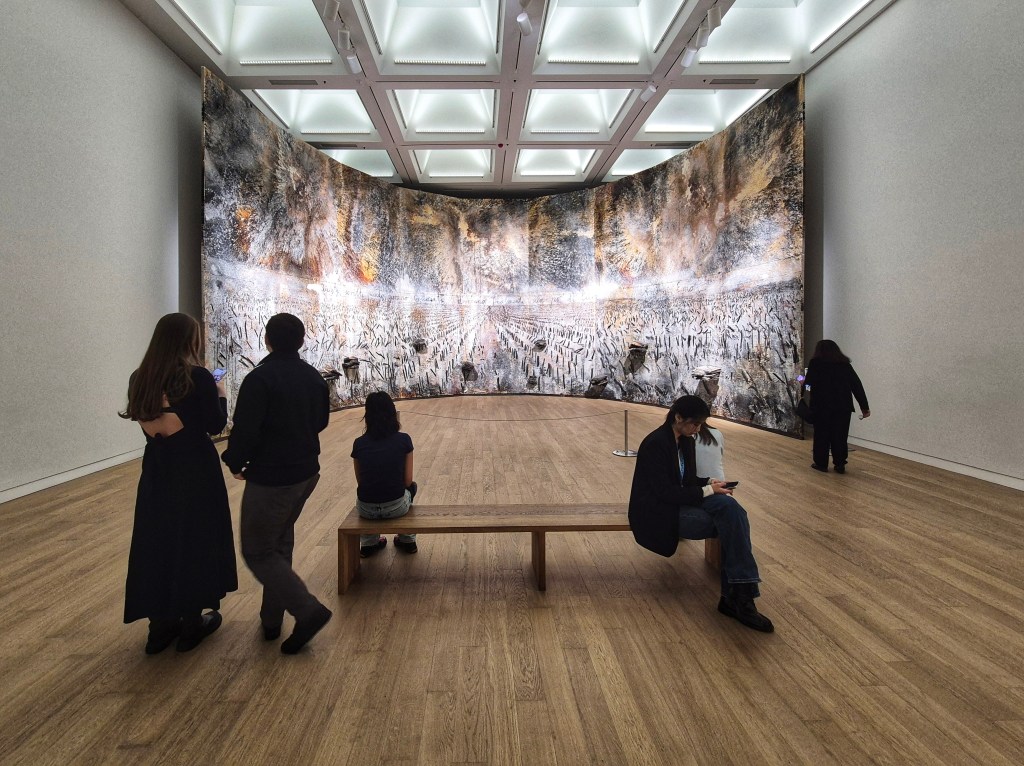
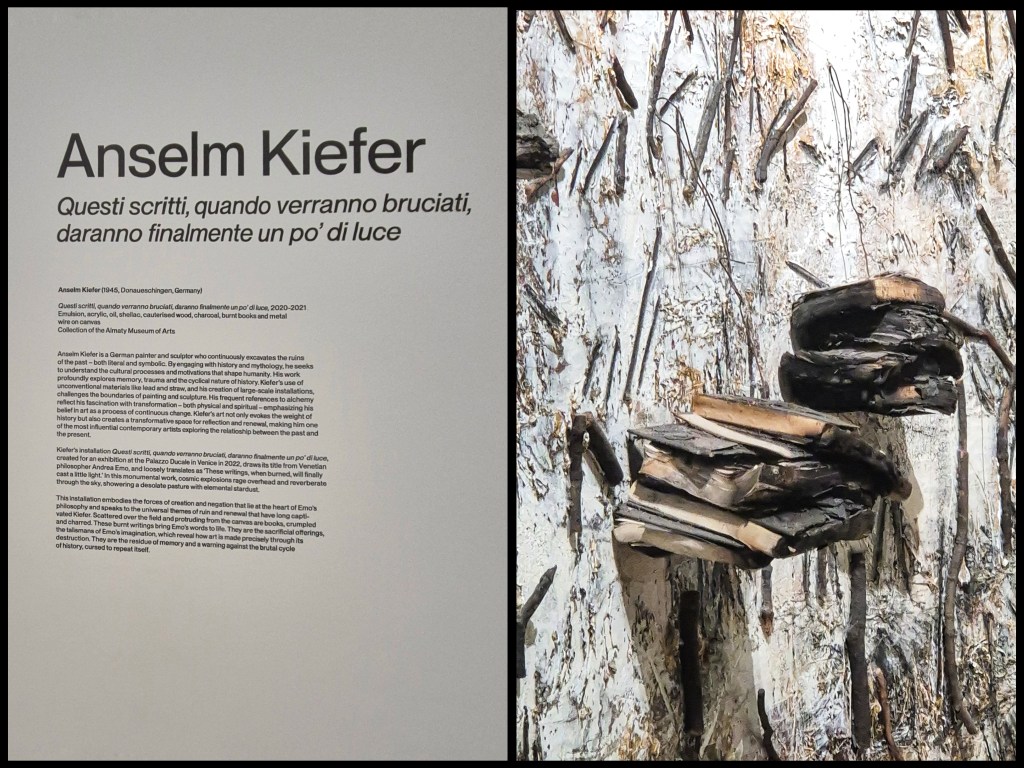
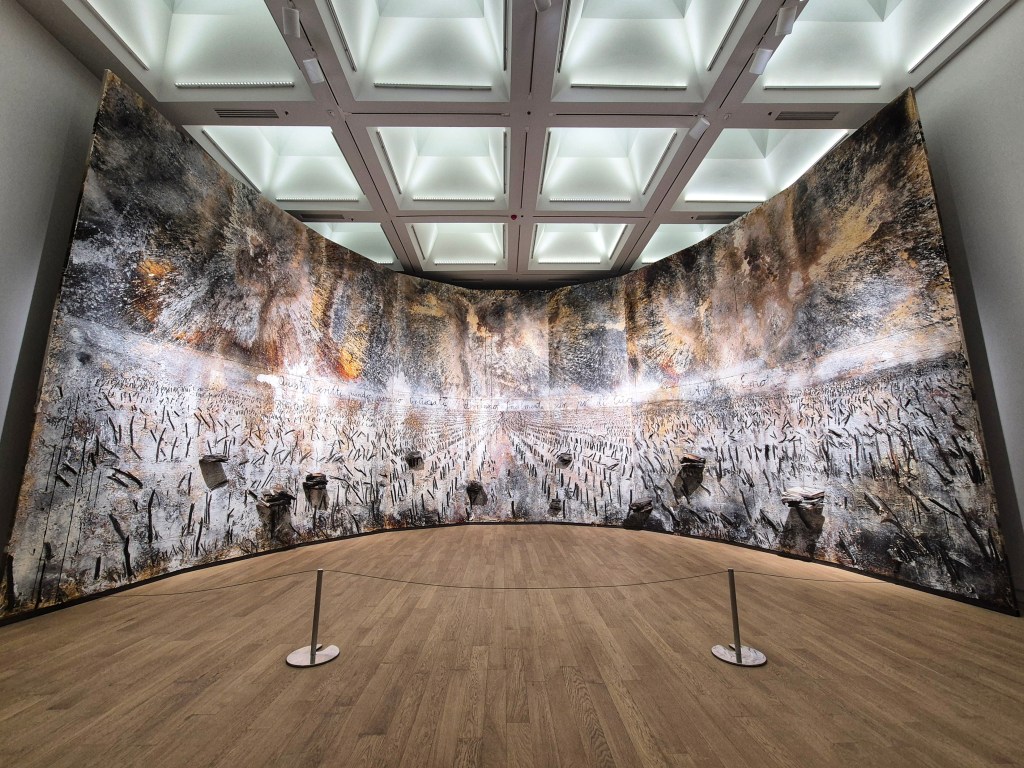
If the Almaty Museum of Arts cannot change the image of Kazakhstan that Borat impressed on anyone’s mind, I don’t know what will. But it should, shouldn’t it?
 The Book-Butterfly