November 22, 2025 – Uralsk, Kazakhstan

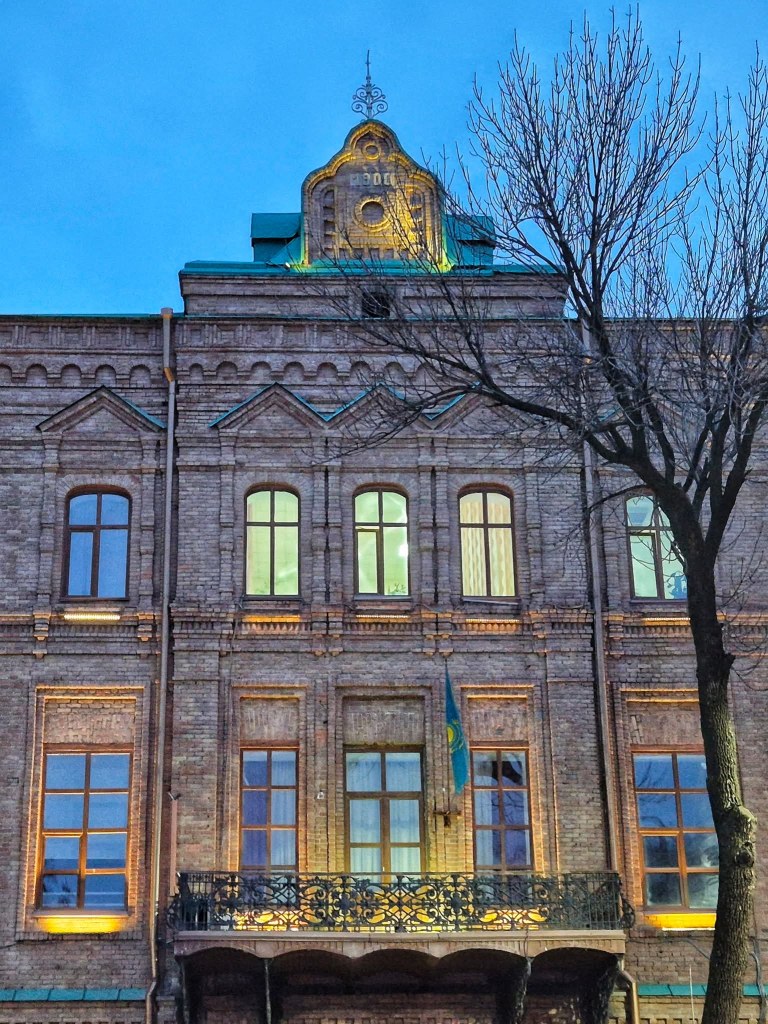
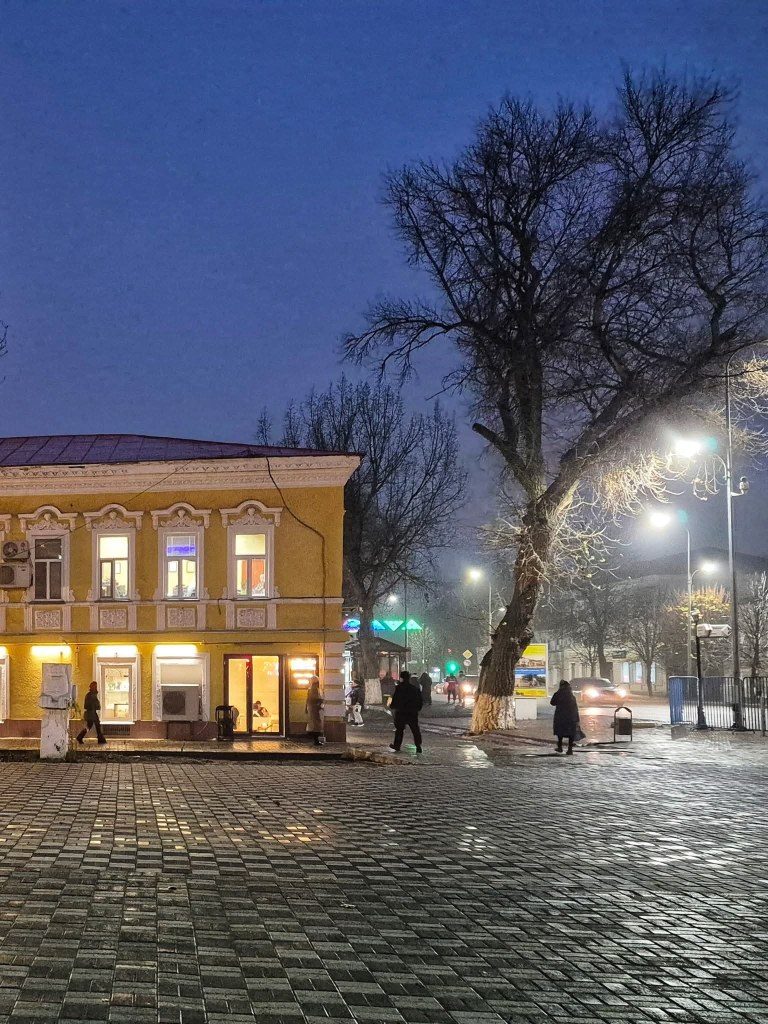
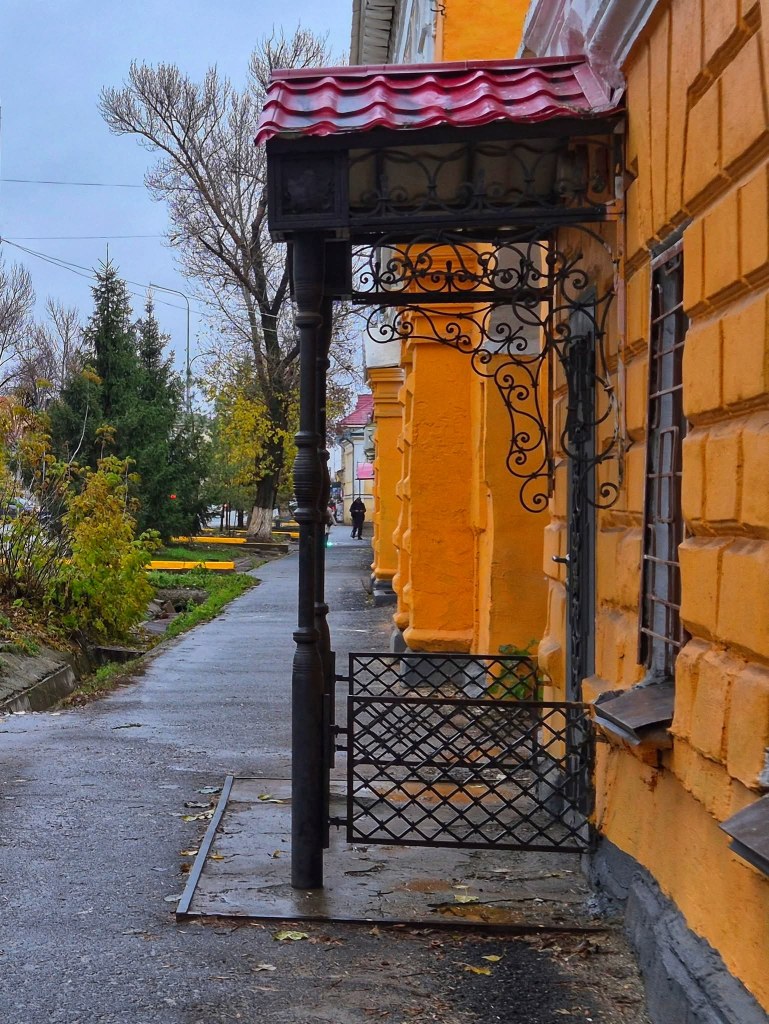
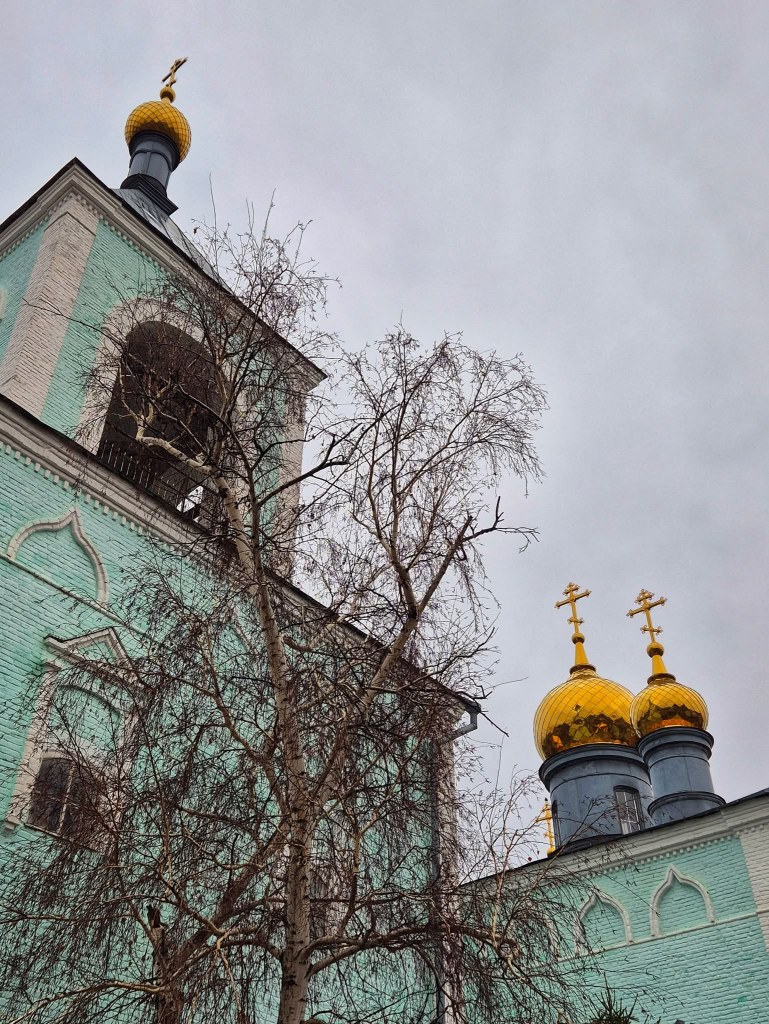
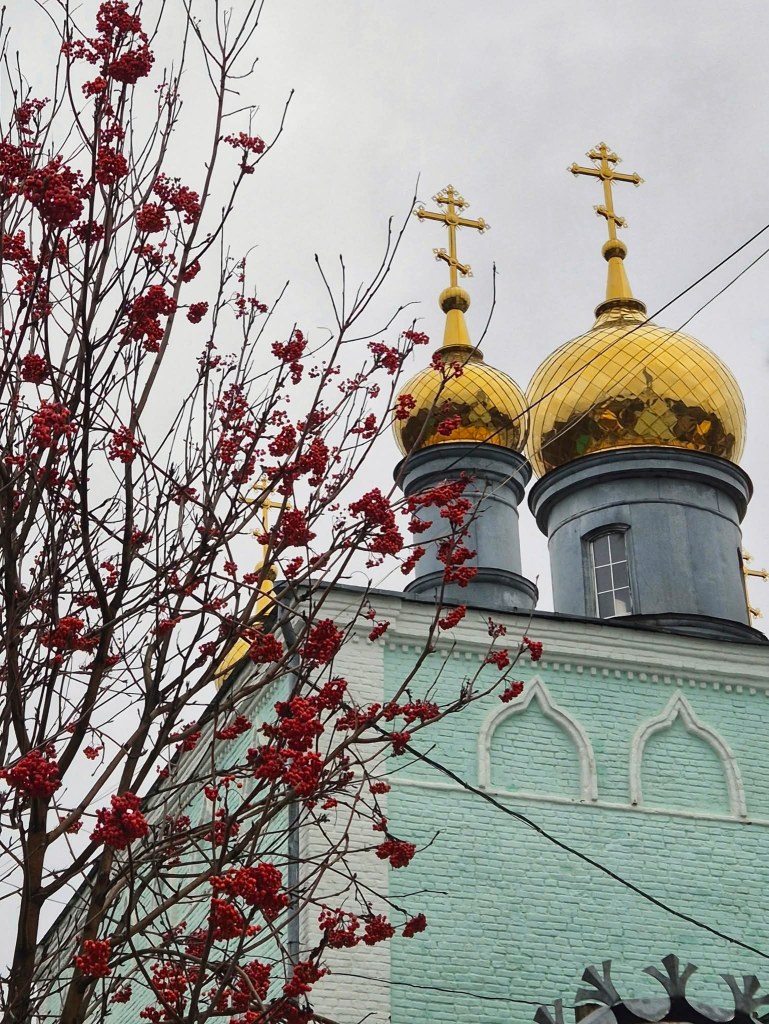
The city is now descending into winter. At 9:00 A.M., the sky is unlit, and even at noon, the sun barely makes its presence felt. But I love strolling around despite the dark and the freezing temperature and seeing the onion domes of Orthodox churches appear through the mist, adorable babushkas wrapped in headscarves who are up before everyone else, and the warm lights emanating from old windows that reveal hidden coffee shops that offer respite from the cold. The baristas do not speak English; hardly anyone does, but they have smiles that translate enough warmth to this strange, shivering girl with a book.
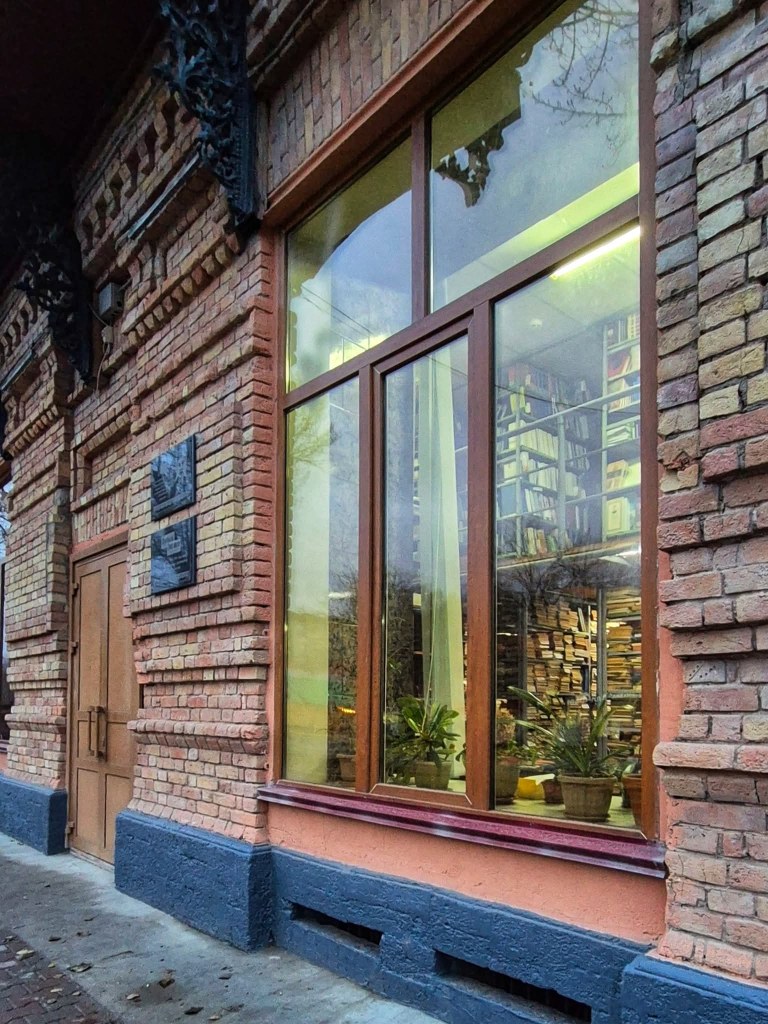
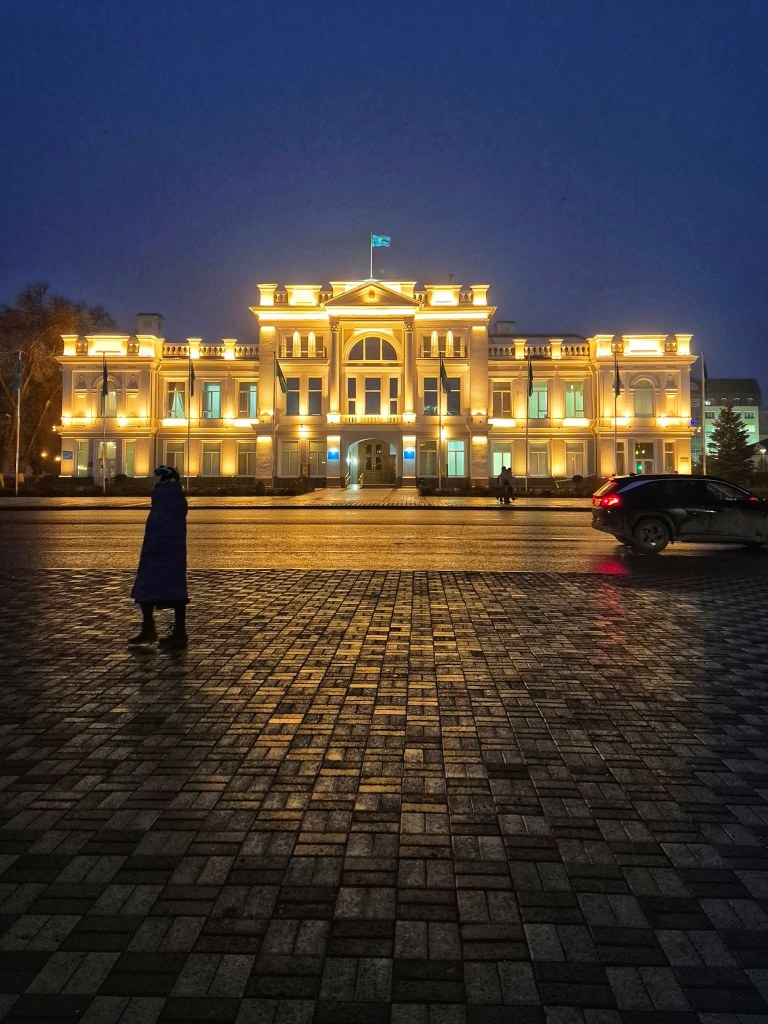
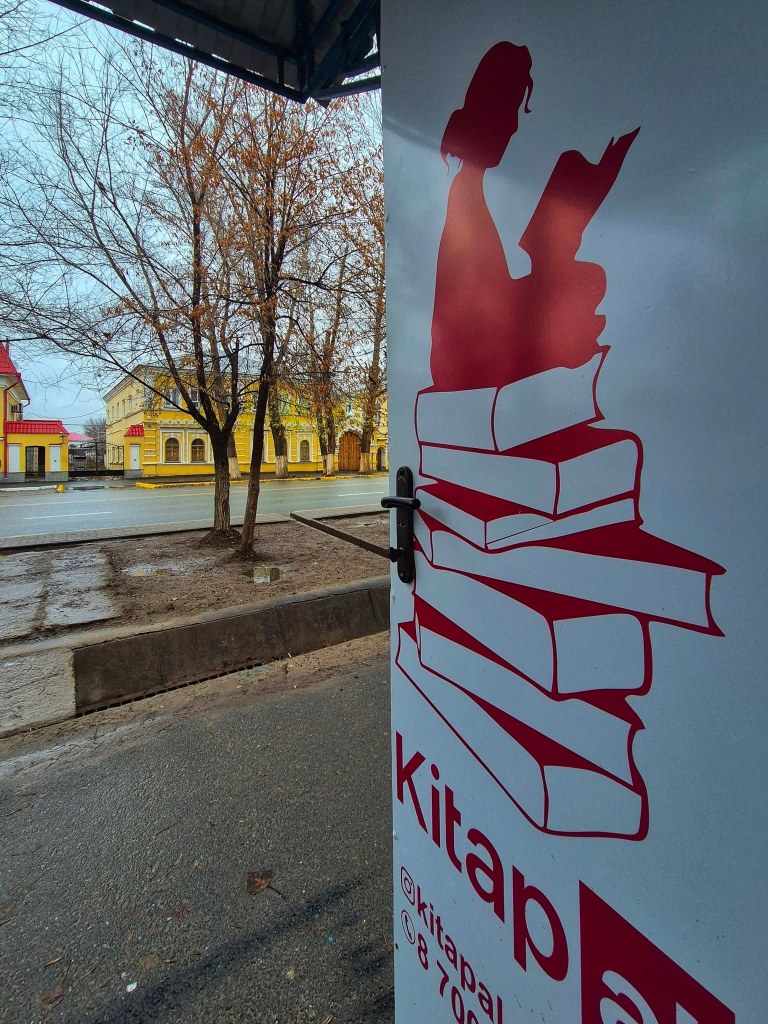
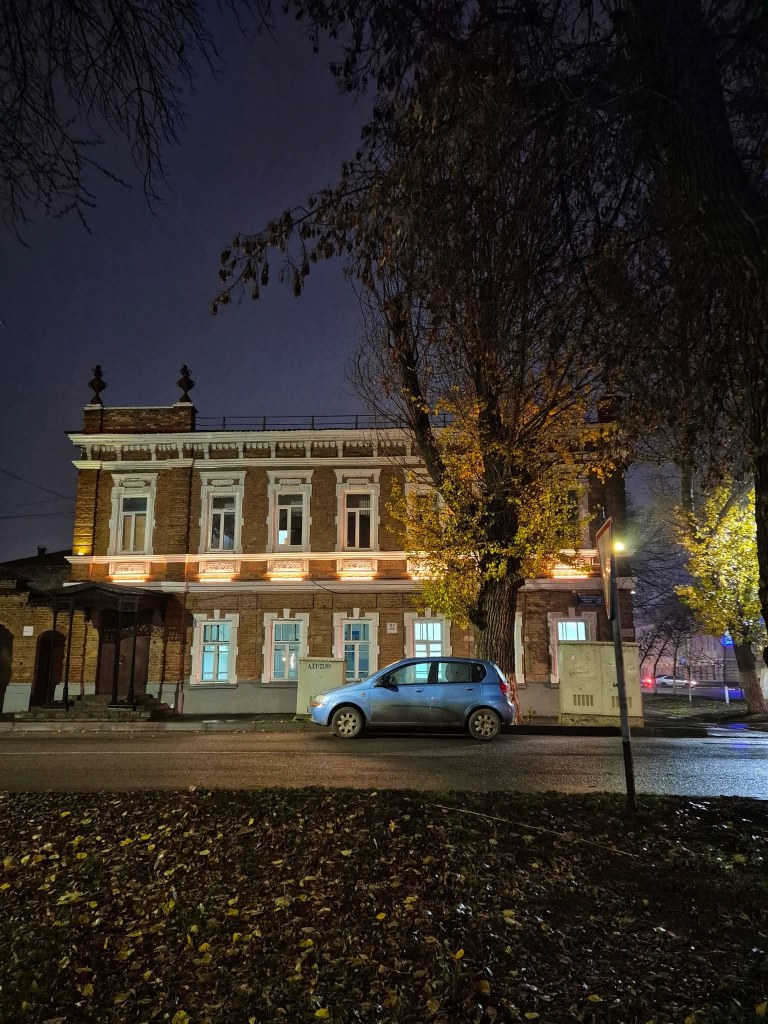
Its side streets and residential areas are pages out of a Gogol story. It is, after all, quite a literary city. It was here that the first and enduring public library in Kazakhstan was established in 1871. Pushkin, Tolstoy, Sholokhov and other literary greats have come to Uralsk and made their mark here. I booked at the Pushkin Hotel, predictably.
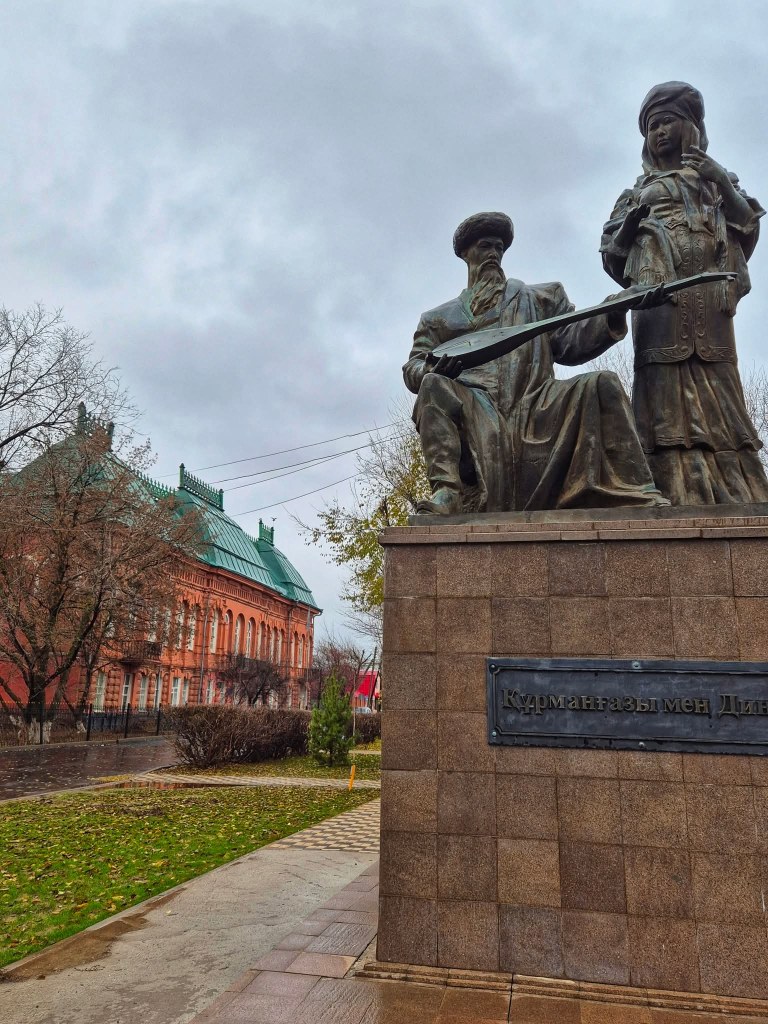
The distance between Almaty and Uralsk is several chapters or a few hundred pages of a Russian novel. For a different perspective: Uralsk is closer to Kiev, Moscow, Warsaw, Vienna, and Helsinki than it is to Almaty. The oldest city in what is now Kazakhstan, Uralsk was founded by Cossacks in 1584 as a border outpost of the Russian Empire.
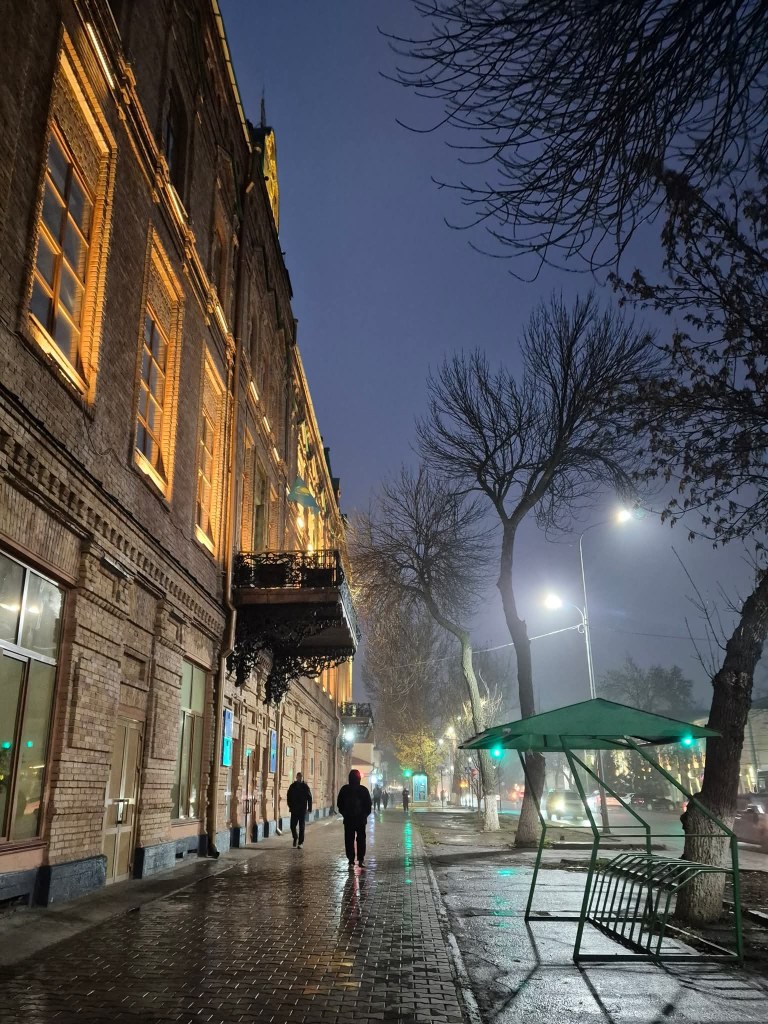
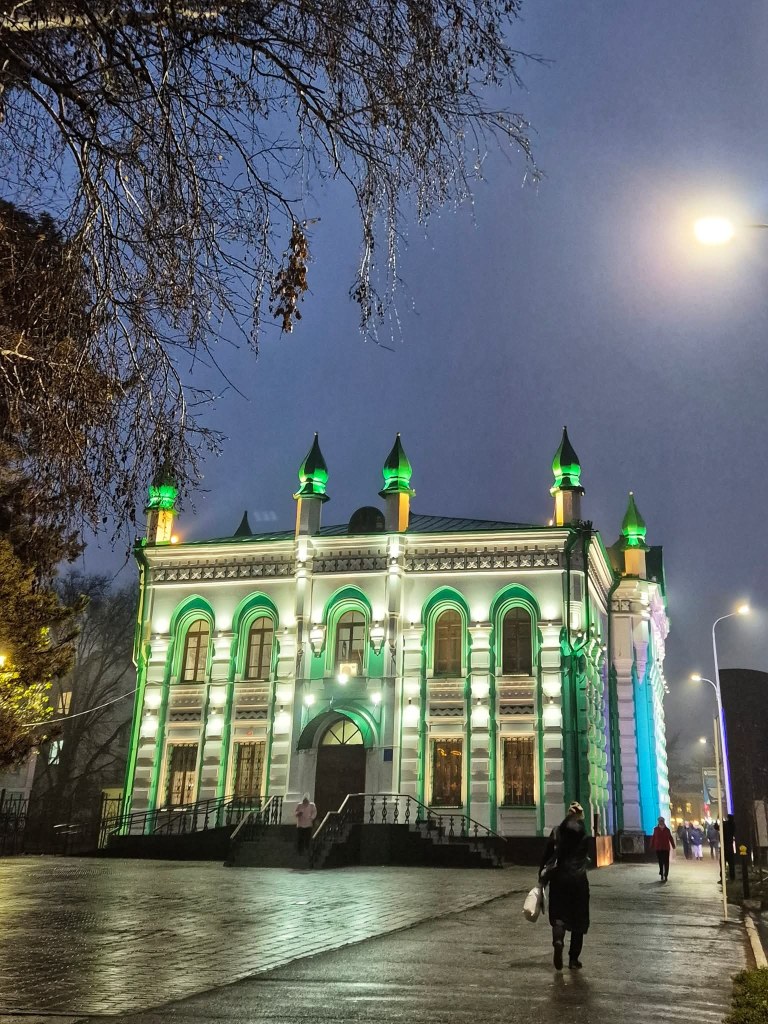
Perched on the European bank of the Ural River, it is geographically within Europe. It is where Central Asia ends, or begins, depending on where you’re coming from. But if you’re coming from a book, as I am, it is where Russian literature comes alive.

November 20, 2025 – Kazakhstan and Dostoevsky

It’s been over a decade since my last Dostoevsky, and I’m glad this month’s travel destination prompted me to pick him up again and pointed to this lesser-known work, one which is ironically seen as the start of his forceful return to literature, which Turgenev compared to Dante’s Inferno, and which Tolstoy thought to be his most outstanding piece.

I began reading this on November 11 (Dostoevksy’s birthday) and finished reading it on November 16 (my birthday). Dostoevsky may not be the most popular choice for a birthday read, but I maintain that, despite the horrors described in his novels, his works are ultimately about spiritual redemption. Dark, yes, but also, glorious. Besides, birthdays are existential!

Notes from a Dead House is a harrowing account of prison life that is not without Russian dark humor. If not for the fictional character’s crime, most of it is autobiographical as Dostoevsky writes from his experiences as a political prisoner in Siberia. The passage that will remain embedded in my mind, is the part where the main character is finally allowed to acquire books after seven years of being prohibited from reading and owning any! Isn’t that the worst kind of punishment, especially for someone like Dostoevsky?! One can only imagine the quenching that ensued!

Dostoevsky being Dostoevsky provoked the powers that be by putting up a printing press and publishing a letter that offended the Orthodox Church and Imperial Russia, and was arrested for participating in a secret socialist society. In 1849, he was sentenced to hard labor. His sentence was revised to four years in Siberia, followed by four years of military service in Kazakhstan.

It was here in Kazakhstan where he served as a private, ripe with experience and brimming with ideas and plans for writing. Nearing the end of his sentence, he started writing Notes from a Dead House.

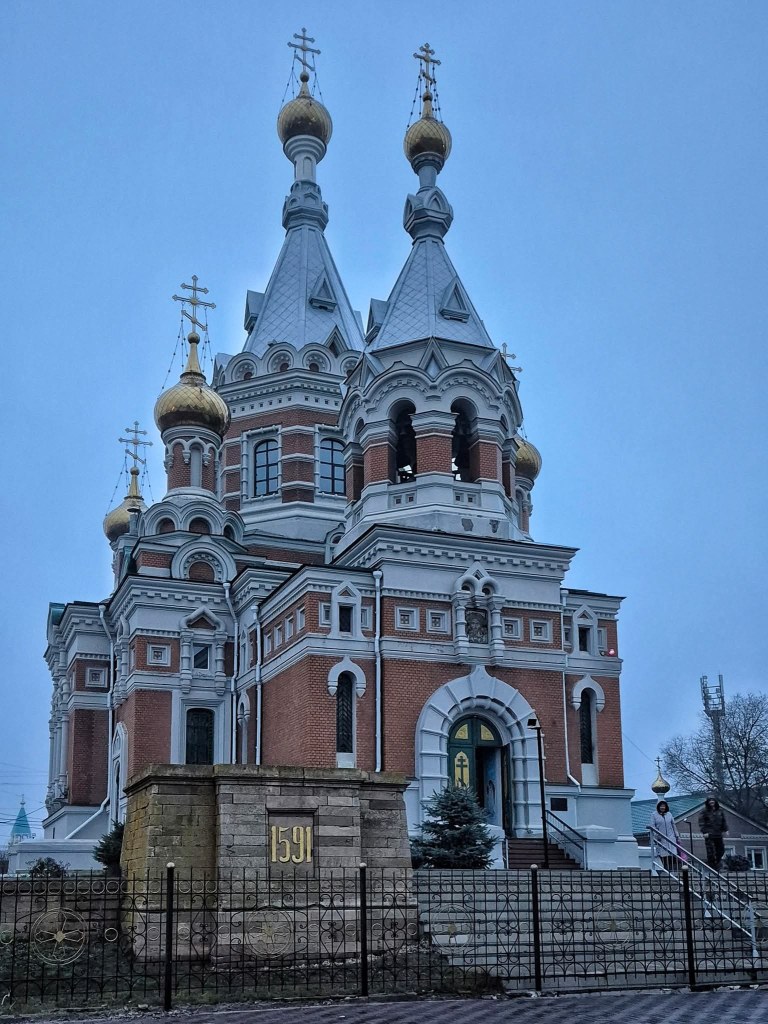
As a playful juxtaposition, in the background is the Orthodox Cathedral of Christ the Savior in Uralsk. Its foundation stone was laid by Tsarevich Nicholas, who would later become Tsar Nicholas II, the last tsar of the Russian Empire.

Kazakhstan is not globally known as a place of literary significance, but I hope to dust off a bit of snow from that reputation.