There is nothing like steppeland sunrise and snow-capped mountains viewed through a train window to herald one’s entry to the Silk Route.
Built on an oasis at the edge of the Kyzylkum Desert, Turkistan was an ancient jewel of culture, trade, and spiritual significance for the Turkic people.
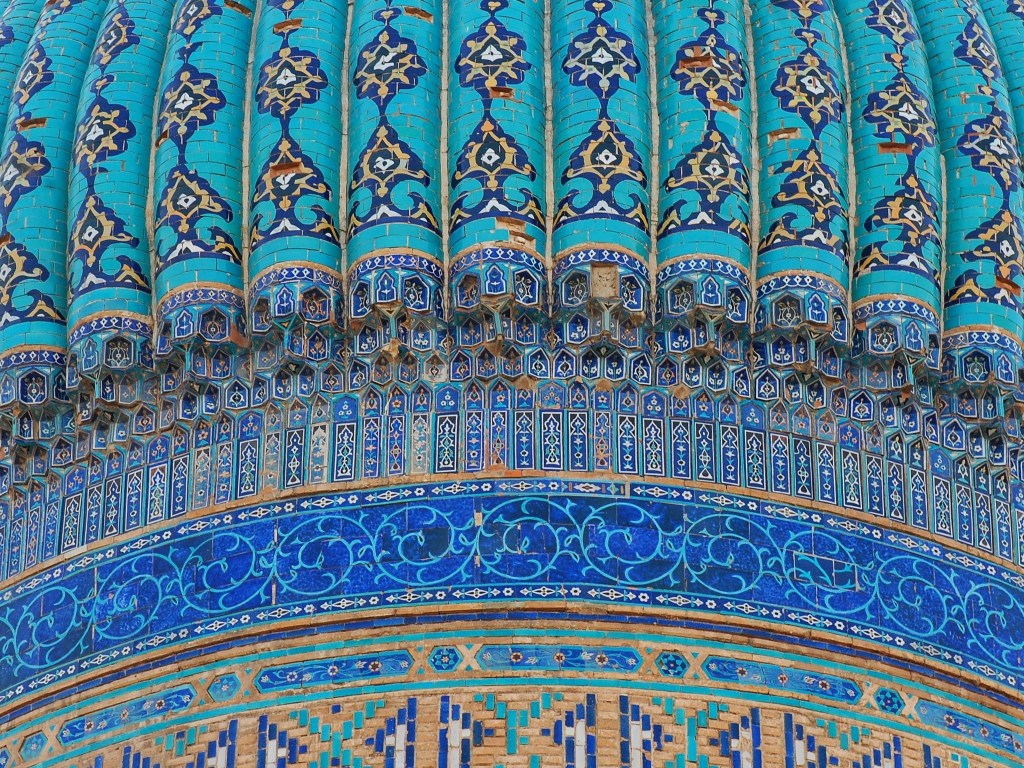
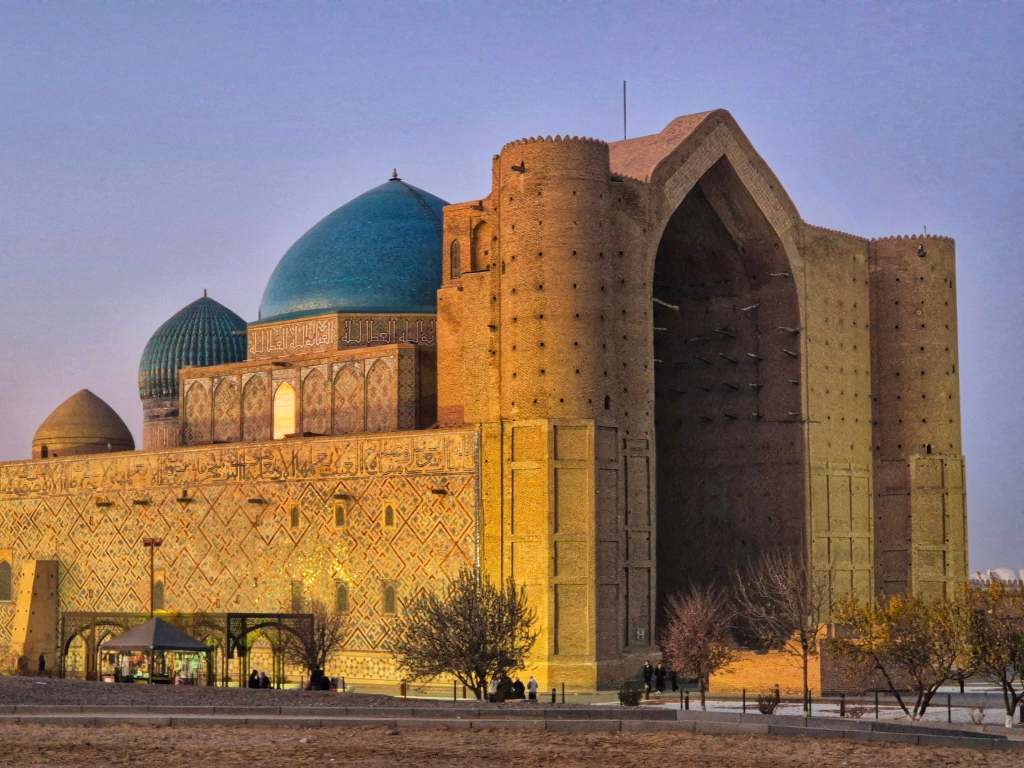
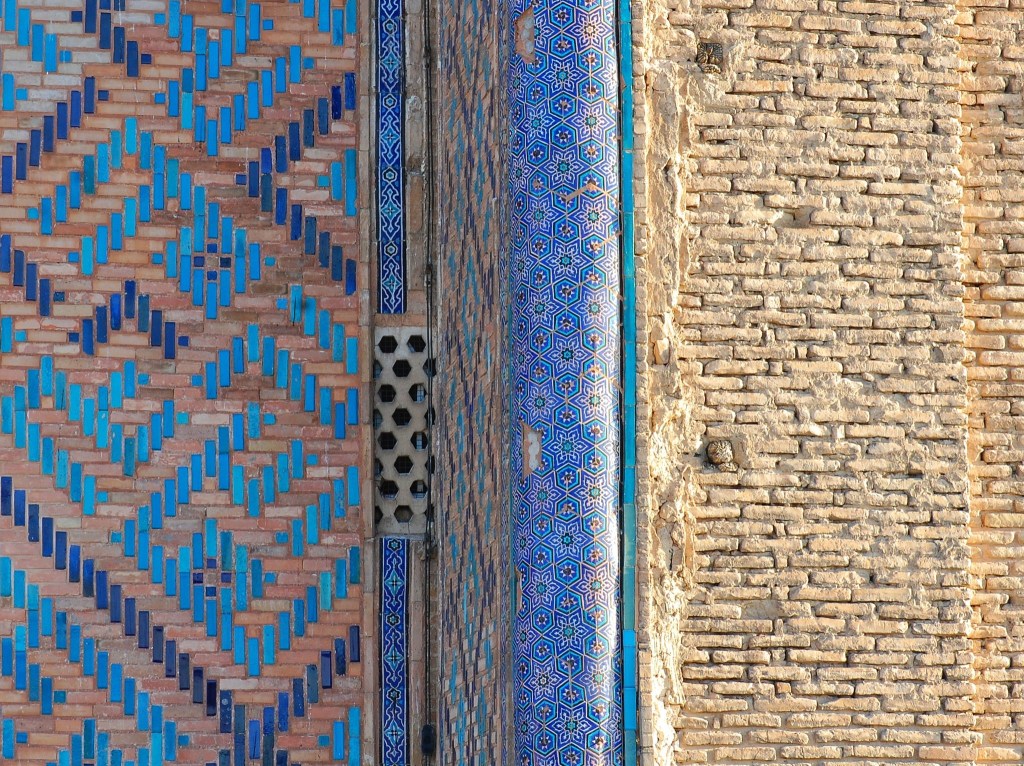

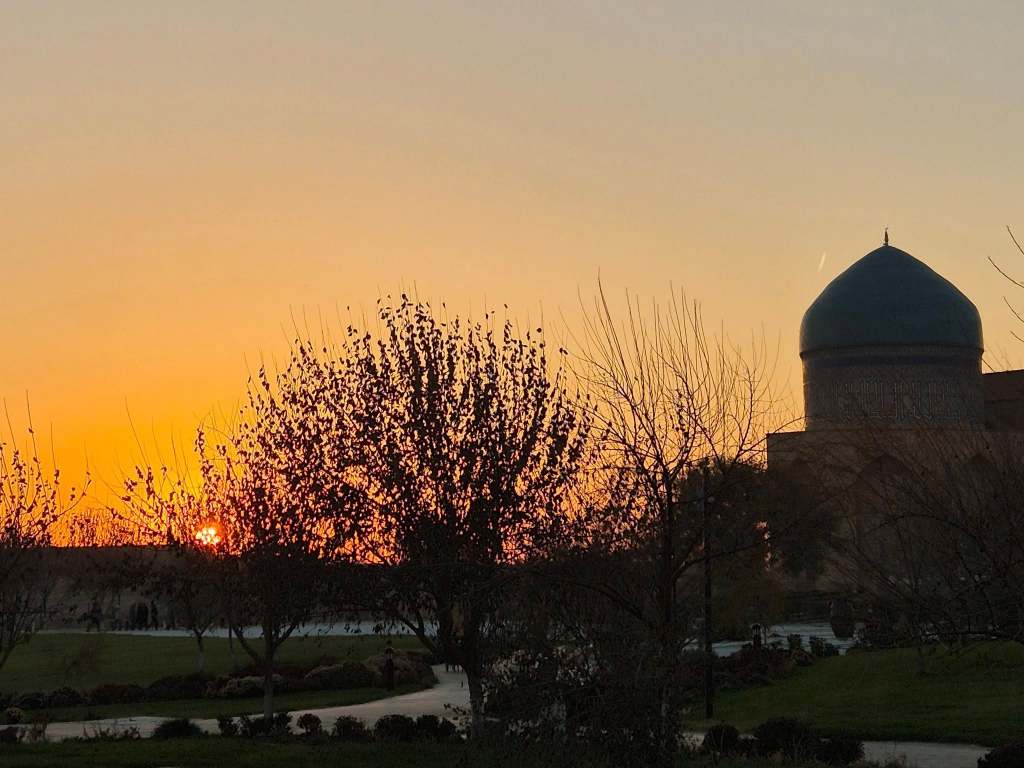
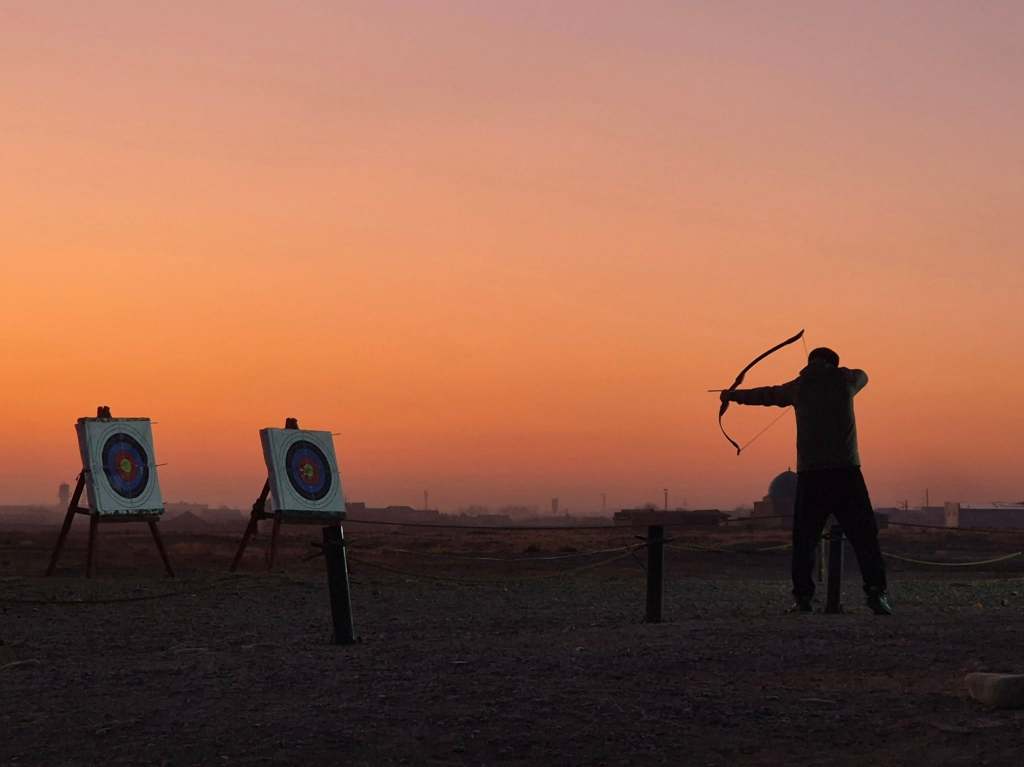
Turkistan shares not only a border with Uzbekistan, but also its Timurid architecture. Its most prominent landmark is a mausoleum commissioned by Timur (Tamerlane) in honor of Khoja Ahmed Yasawi, a poet and Sufi mystic. In the vicinity is a smaller mausoleum devoted to Rabiya Sultan Begum, Timur’s great-granddaughter, and daughter of Ulugh Beg of whom I’ve written and fangirled during my Uzbekistan trip in 2022.
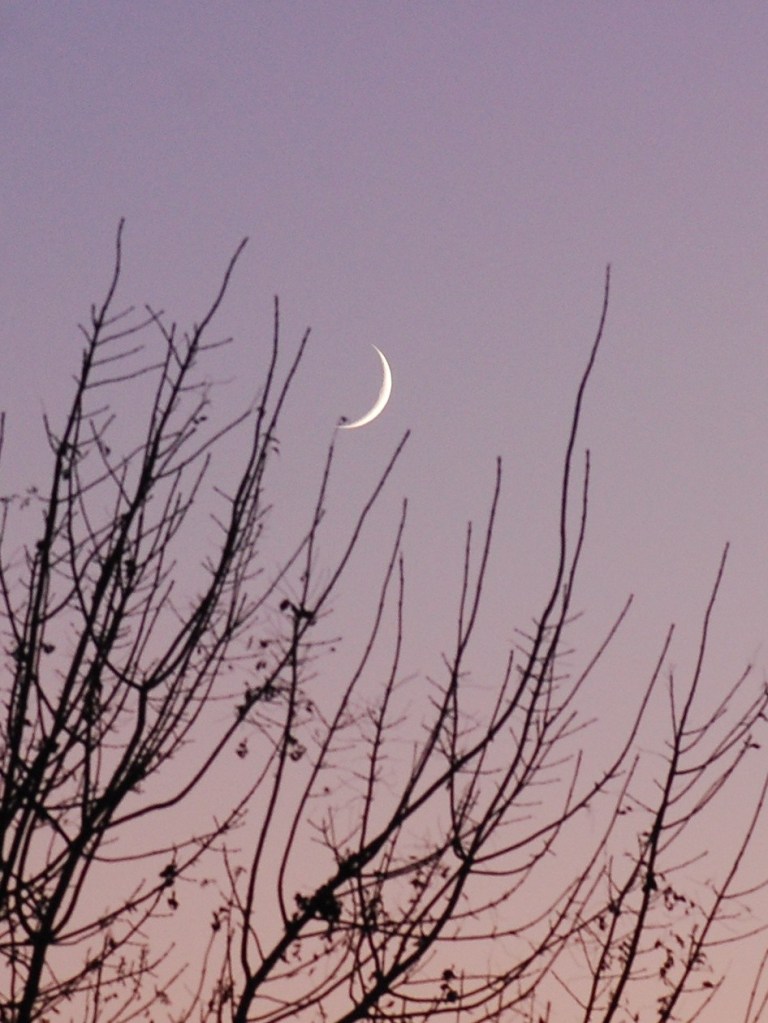
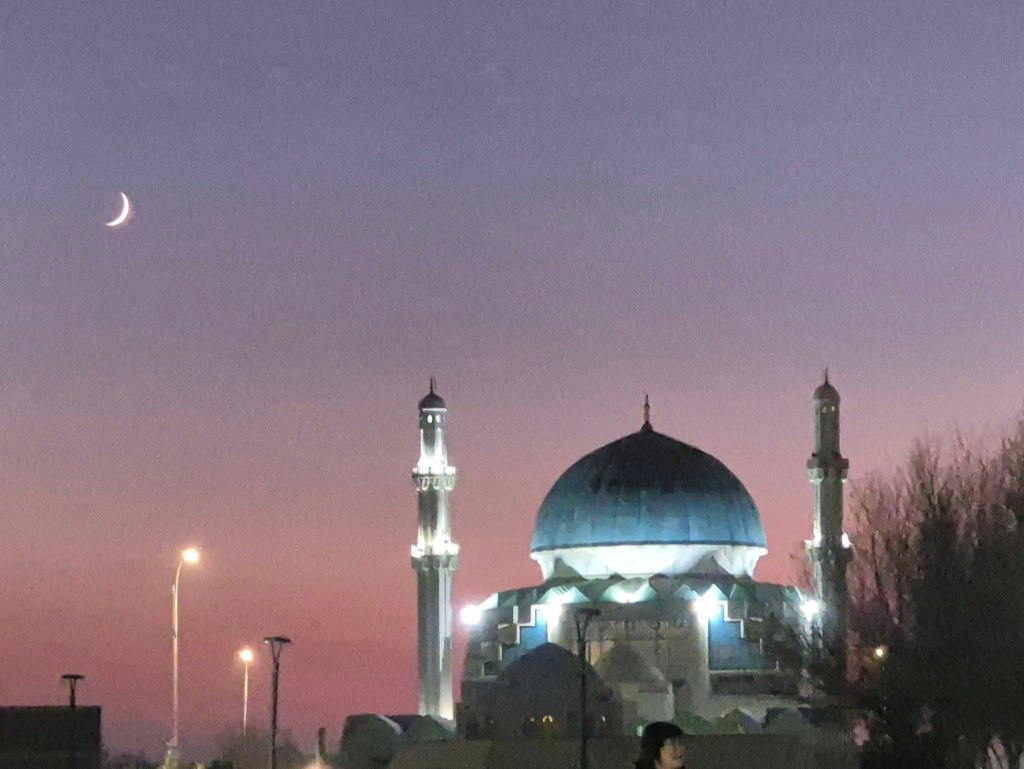
When dusk falls, the call to prayer suffuses the air and rises with the birds while a mystical crescent moon ascends the purple sky to complete the experience.
As I steep myself in this splendor, I also mourn it. The moment I turn my back on it, I am faced with Karavan Saray, a horrible travesty — a new shopping complex constructed in a theme park version of Timurid architecture that feels dystopian. My heart aches for the beauty we cannot keep and the beauty we ruin for the sake of commercial profit.
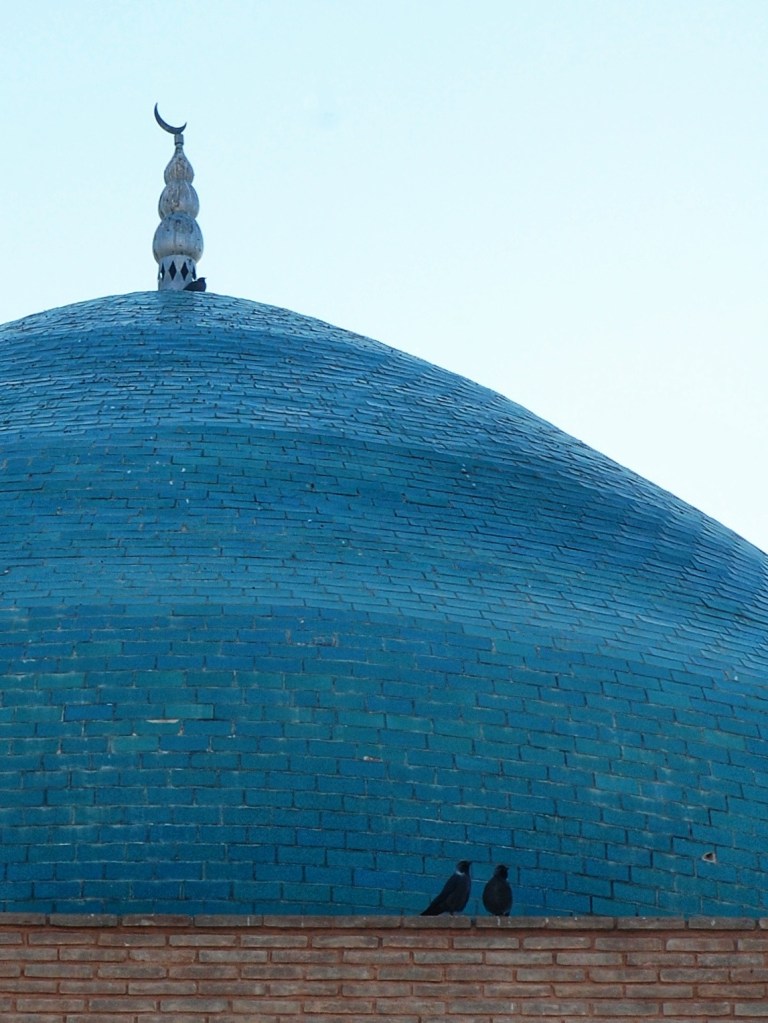
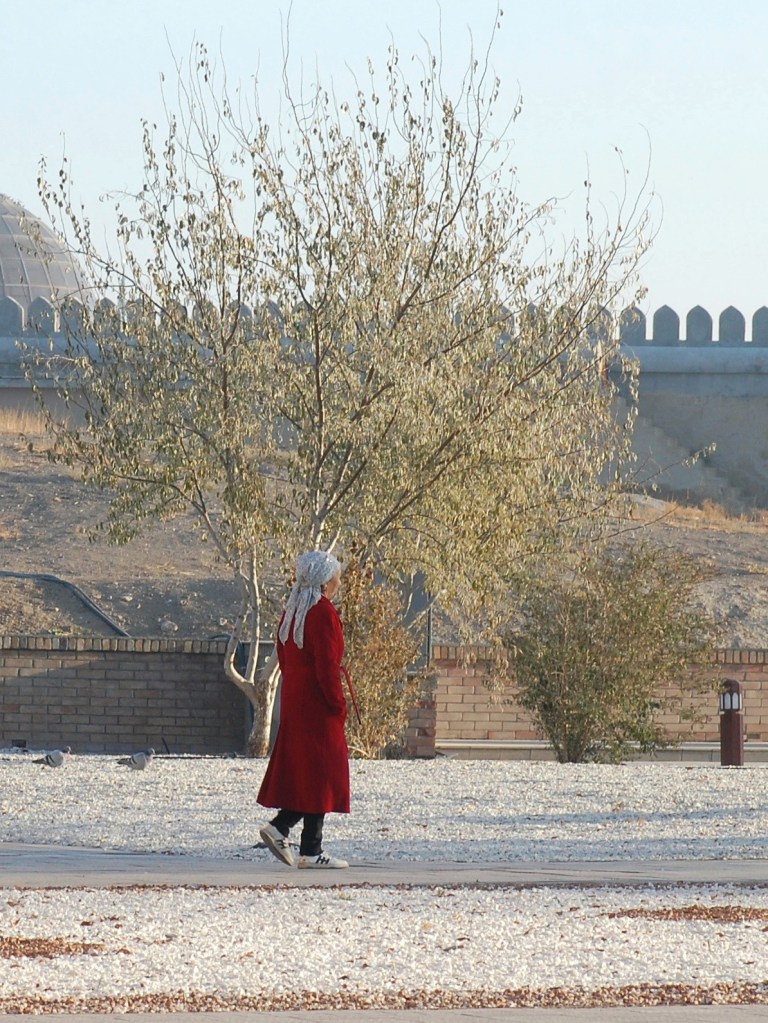
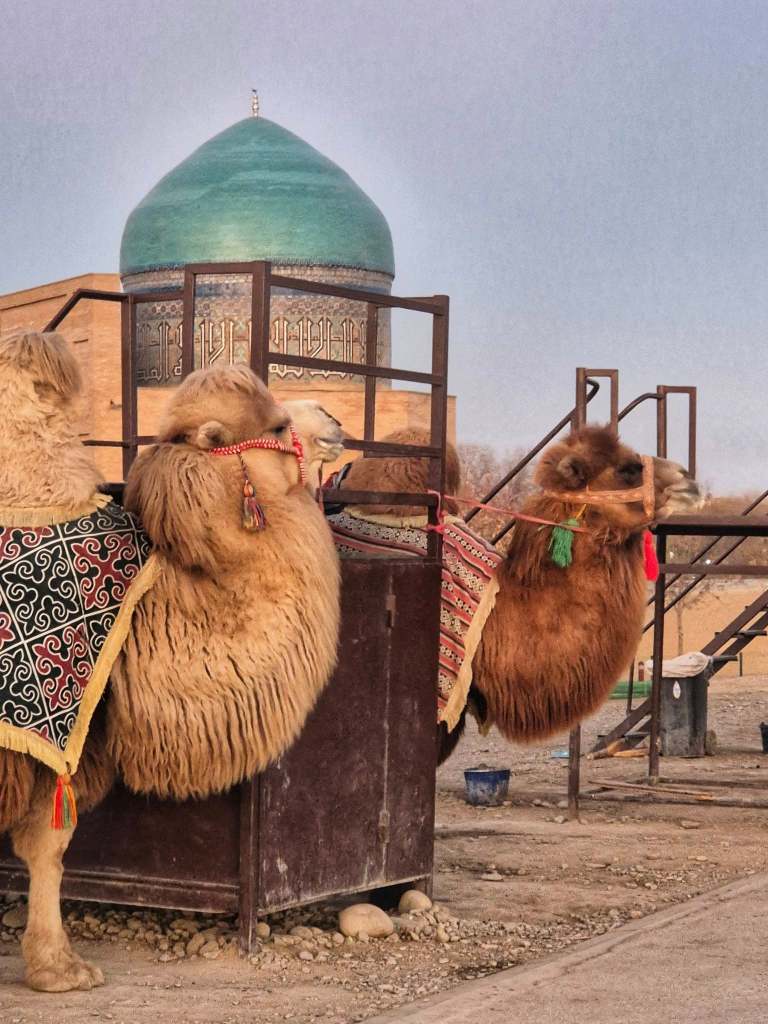
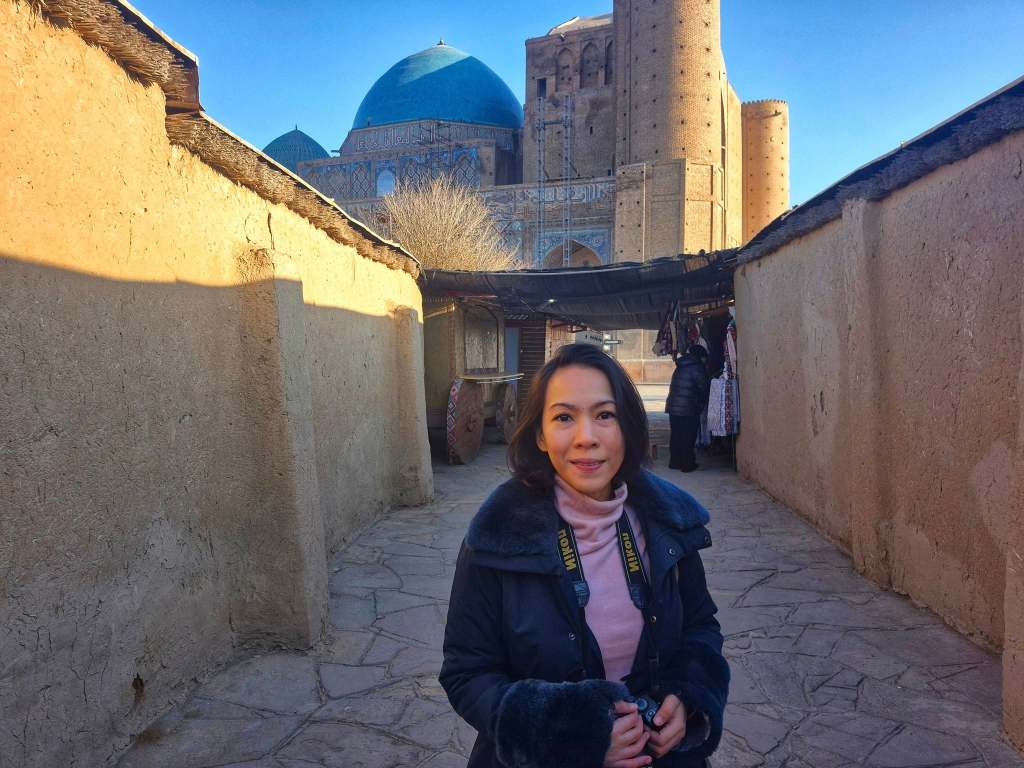
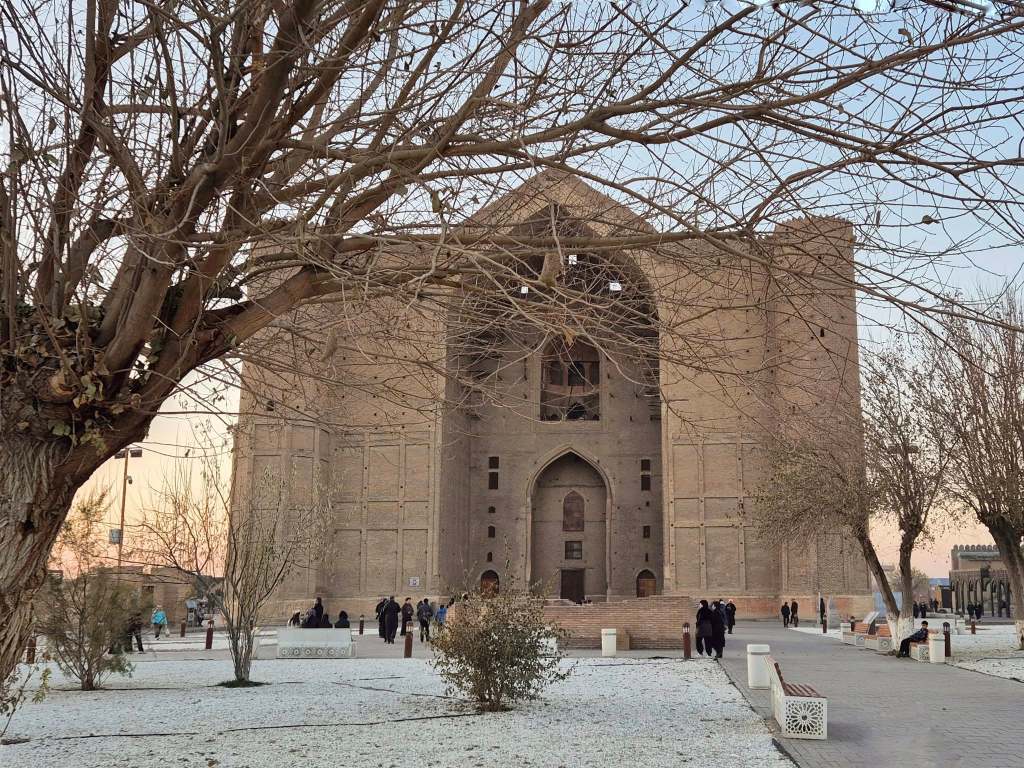
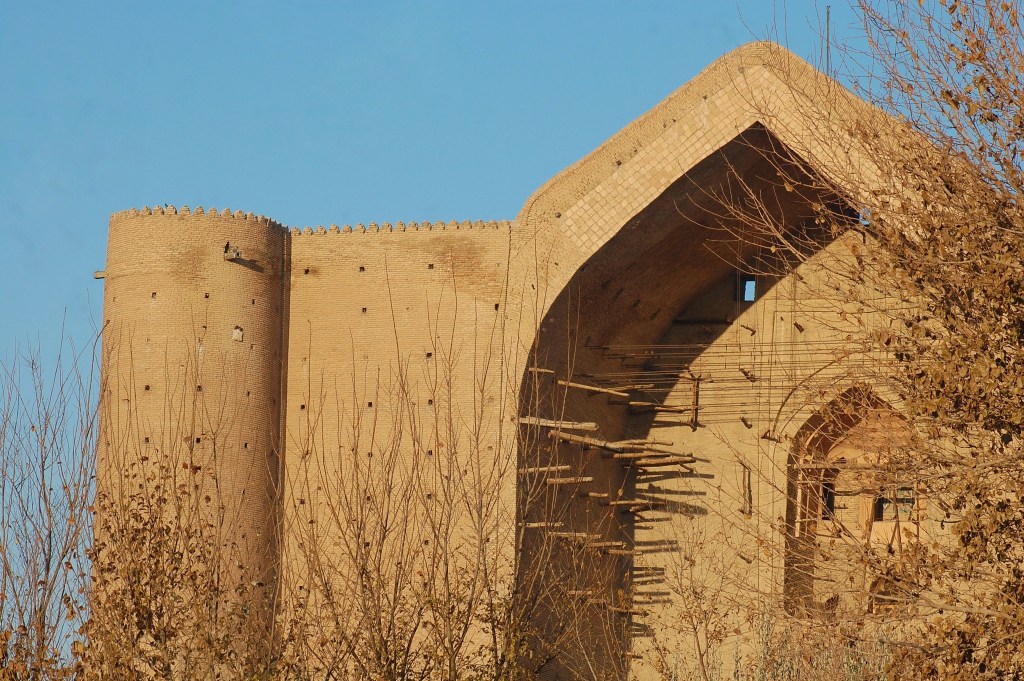
When I revisited the mausoleums early this morning to see it in pure sunlight, hardly anyone was around save for a pilgrim on his knees, facing the Khoja Ahmed Yasawi Mausoleum, intoning a sincere and almost heart-rending prayer. I think of the pilgrims who once held this site sacred and who continue to do so, who can only accept the truth that the holy place is but external and ephemeral, and that pilgrimage is, after all, a journey to the deepest parts of the self.
 The Book-Butterfly