The Turkistan Dispatch

There is nothing like steppeland sunrise and snow-capped mountains viewed through a train window to herald one’s entry to the Silk Route.

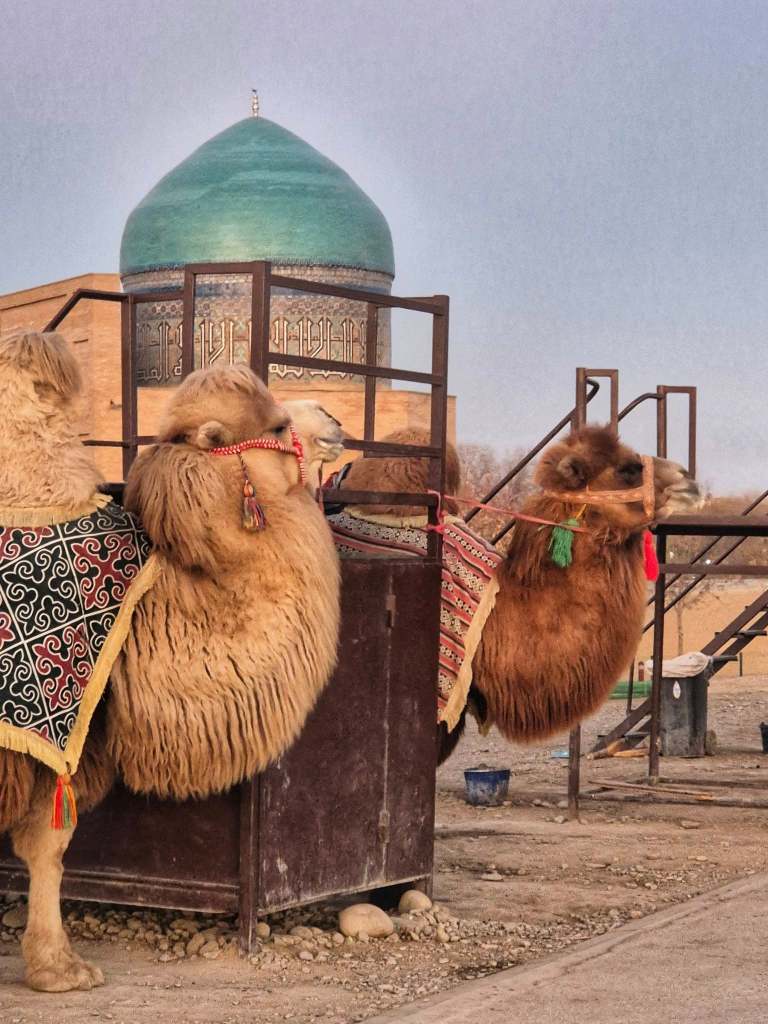
Built on an oasis at the edge of the Kyzylkum Desert, Turkistan was an ancient jewel of culture, trade, and spiritual significance for the Turkic people.
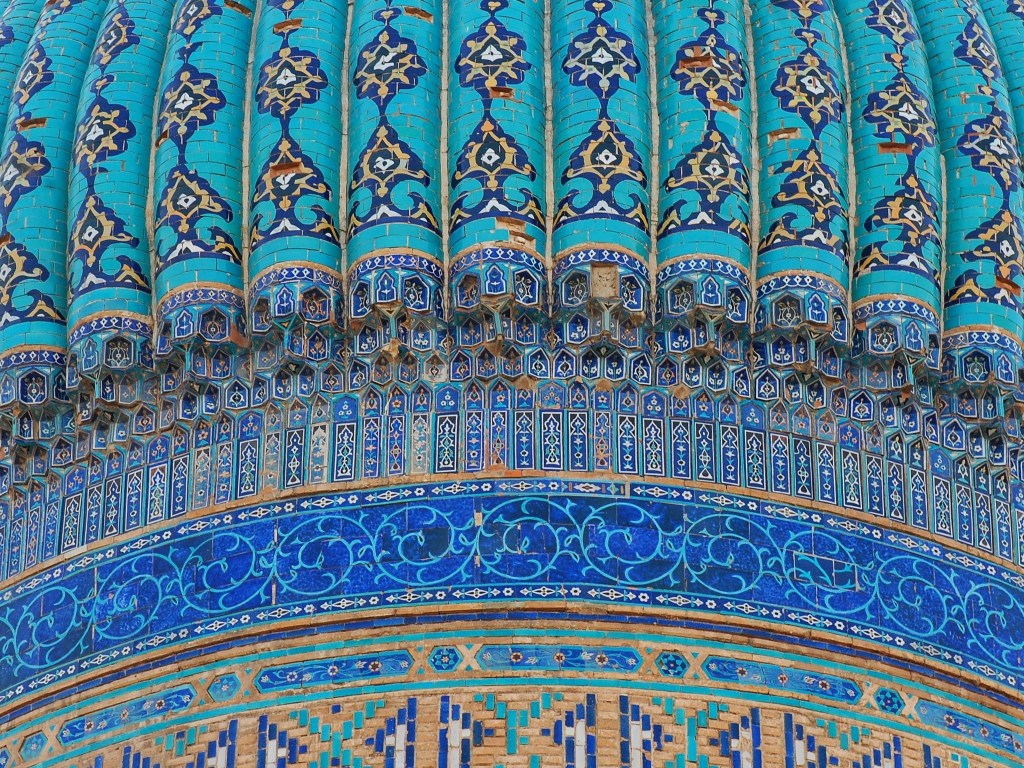
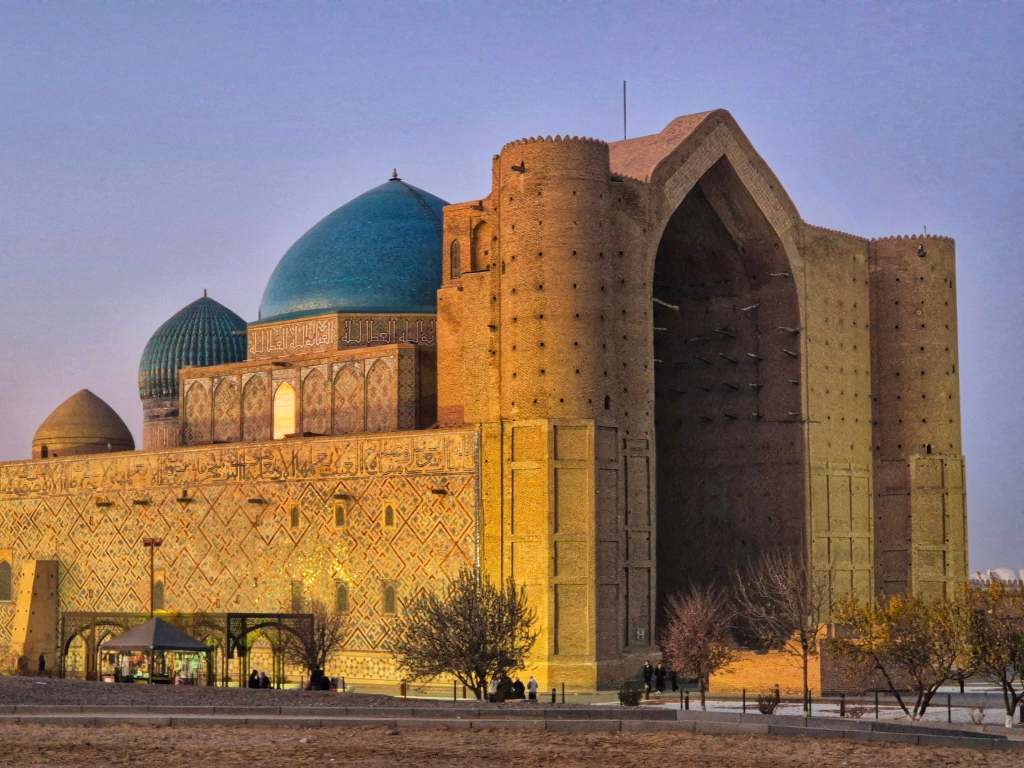
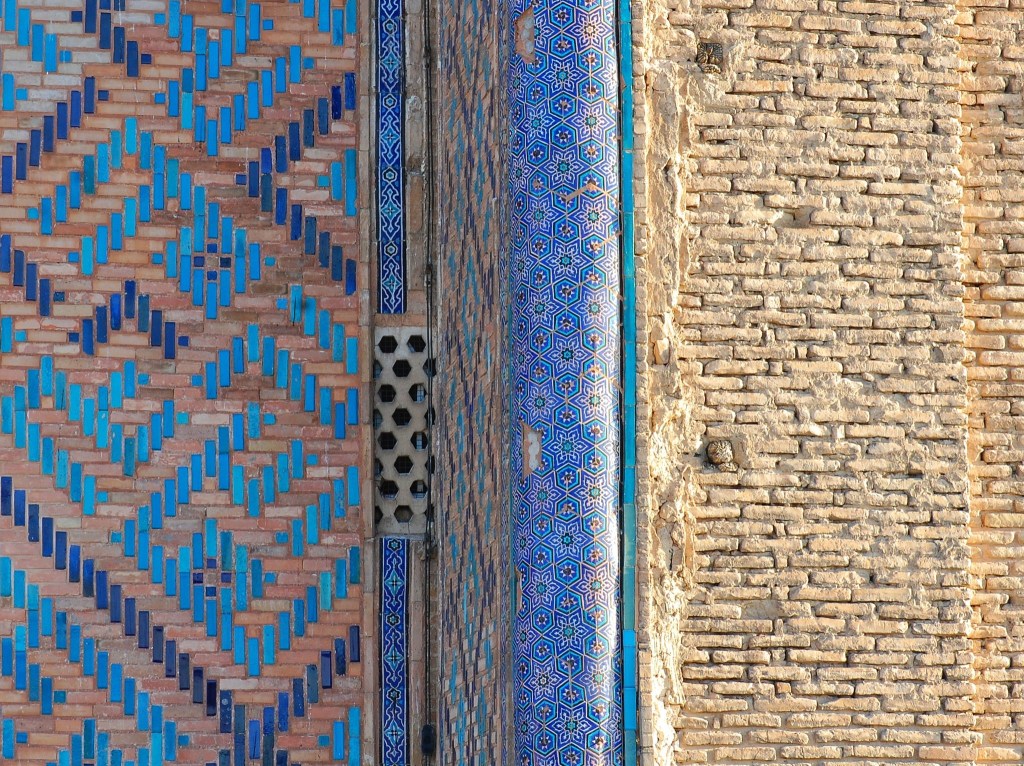
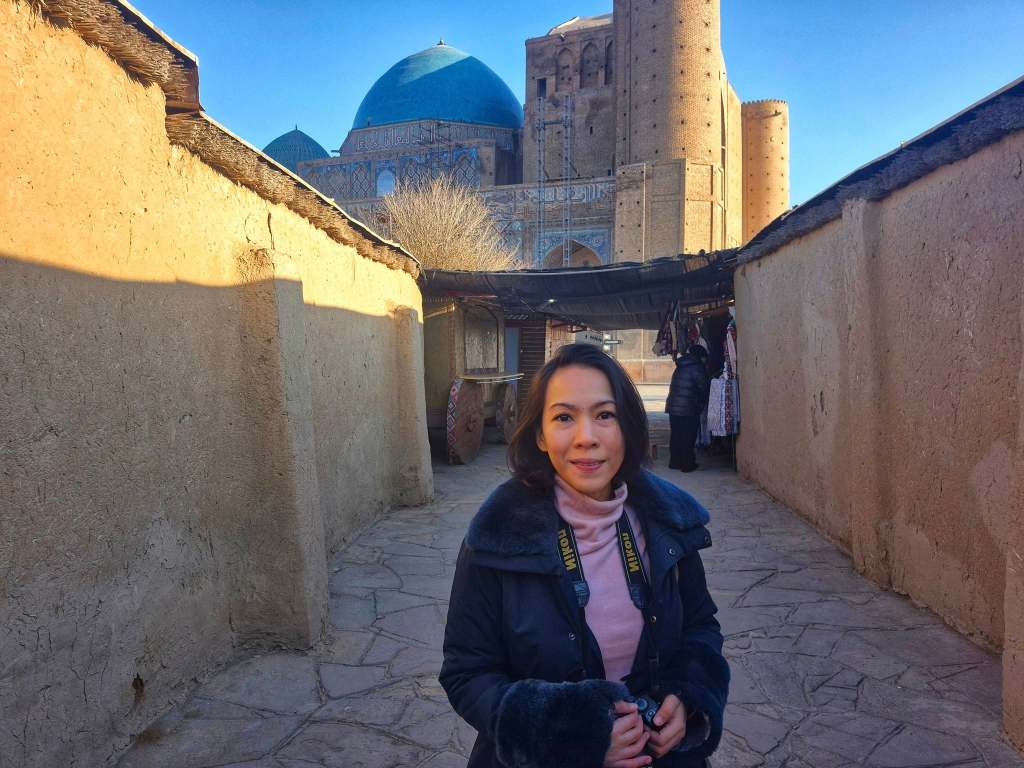
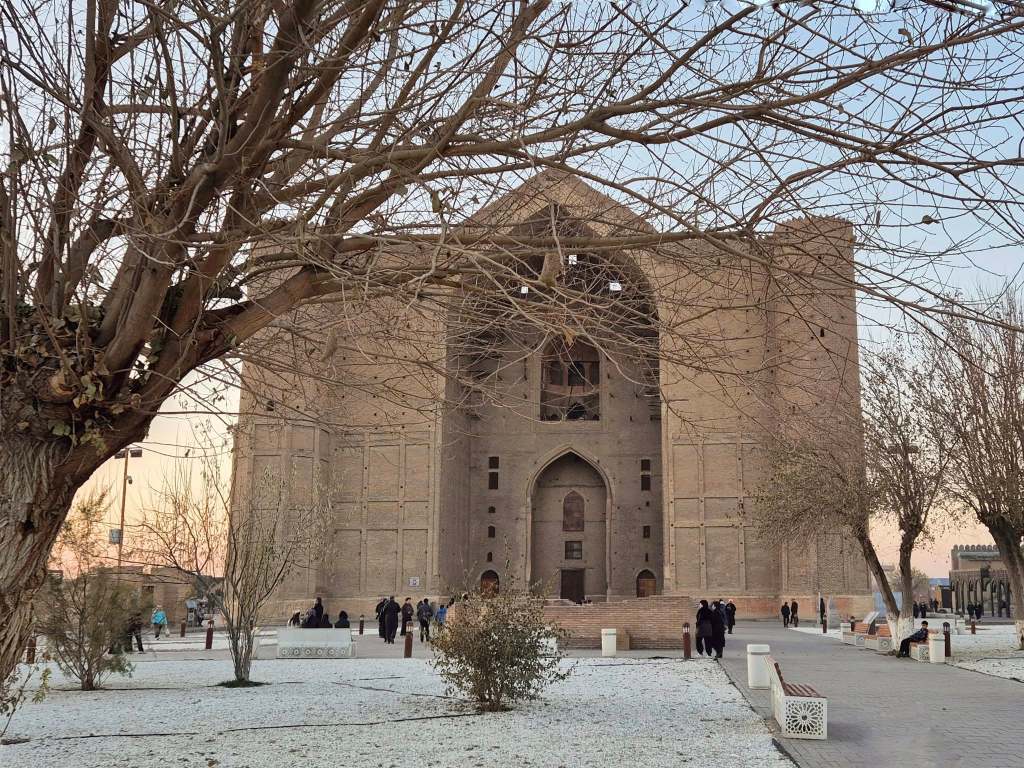
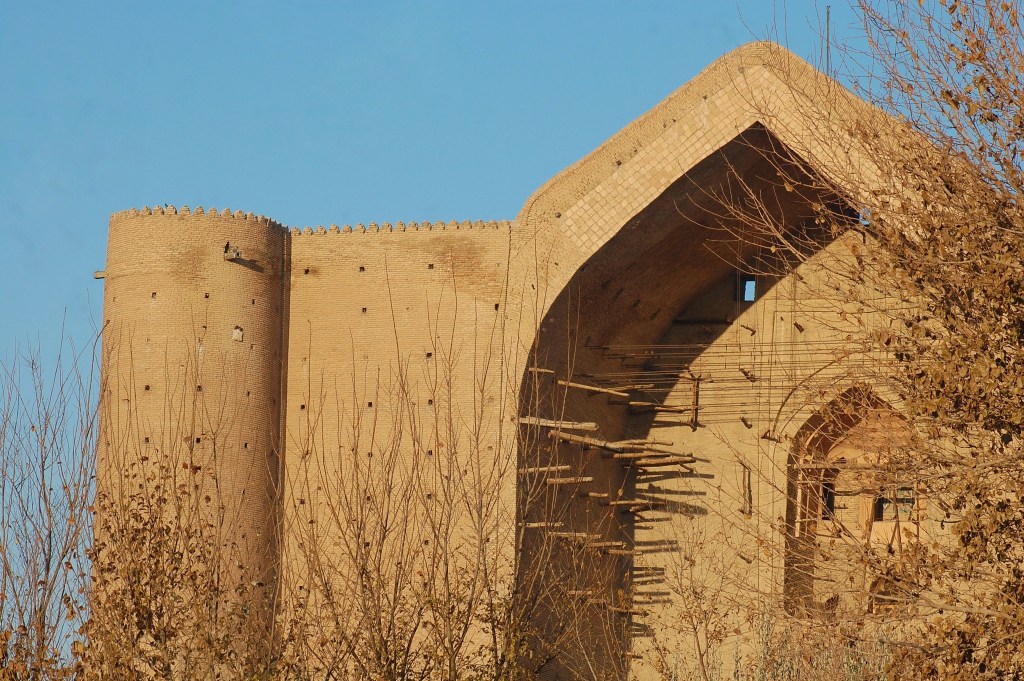
Turkistan shares not only a border with Uzbekistan, but also its Timurid architecture. Its most prominent landmark is a mausoleum commissioned by Timur (Tamerlane) in honor of Khoja Ahmed Yasawi, a poet and Sufi mystic. In the vicinity is a smaller mausoleum devoted to Rabiya Sultan Begum, Timur’s great-granddaughter, and daughter of Ulugh Beg of whom I’ve written and fangirled during my Uzbekistan trip in 2022.

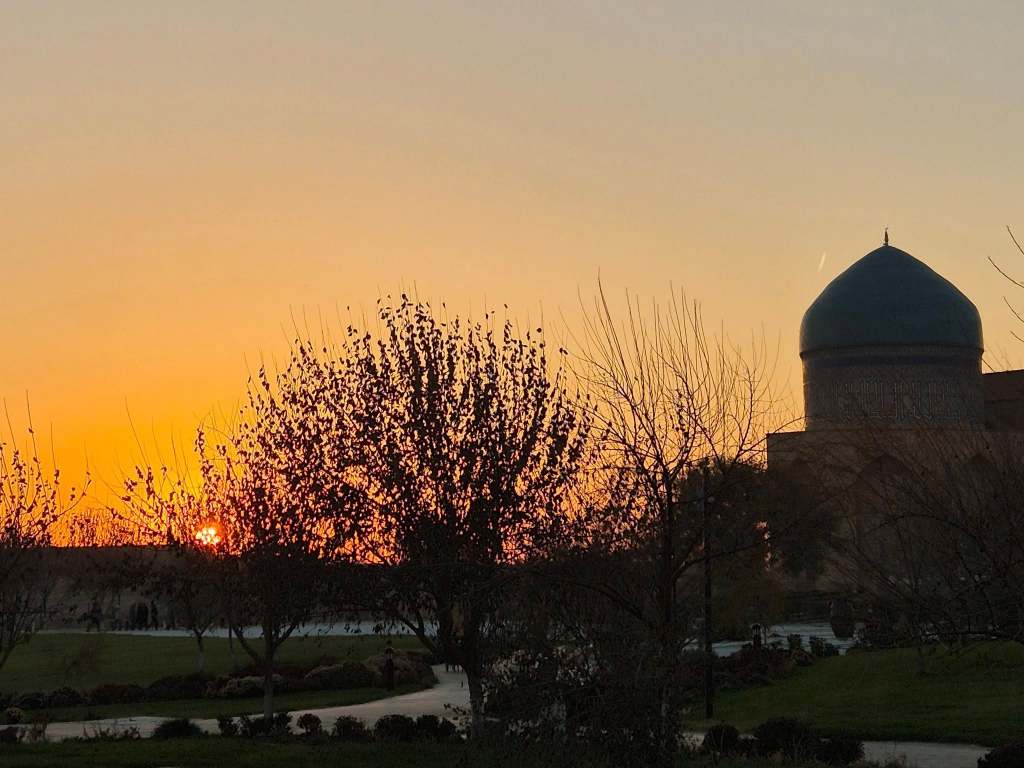
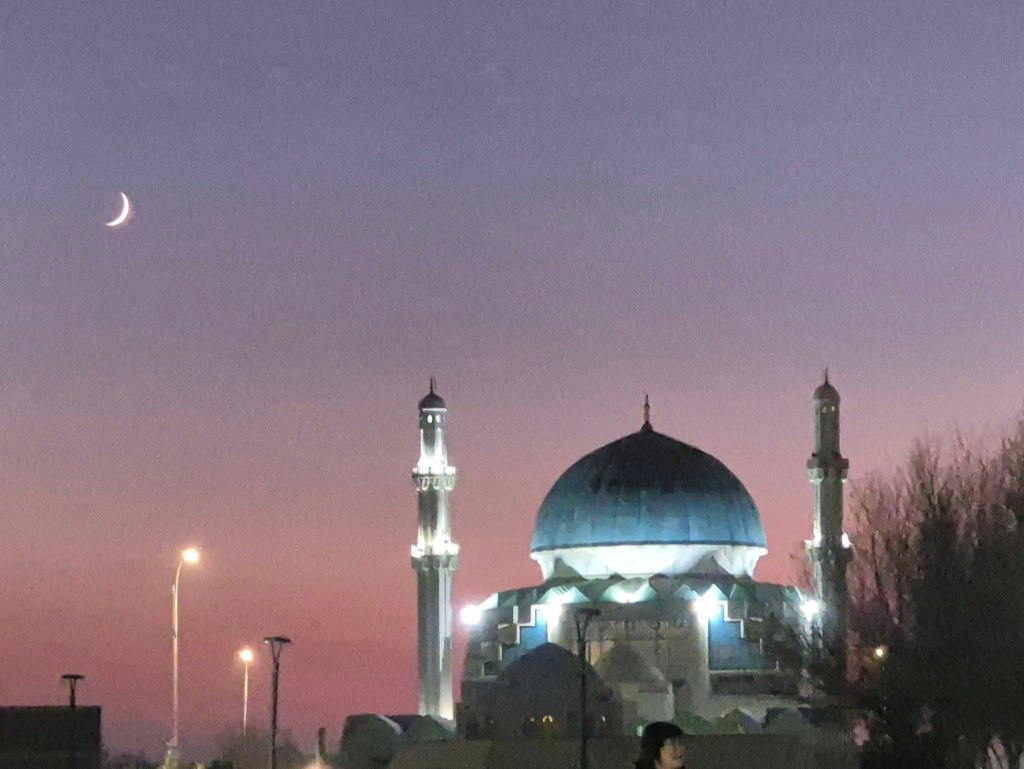
When dusk falls, the call to prayer suffuses the air and rises with the birds while a mystical crescent moon ascends the purple sky to complete the experience.

As I steep myself in this splendor, I also mourn it. The moment I turn my back on it, I am faced with Karavan Saray, a horrible travesty — a new shopping complex constructed in a theme park version of Timurid architecture that feels dystopian. My heart aches for the beauty we cannot keep and the beauty we ruin for the sake of commercial profit.
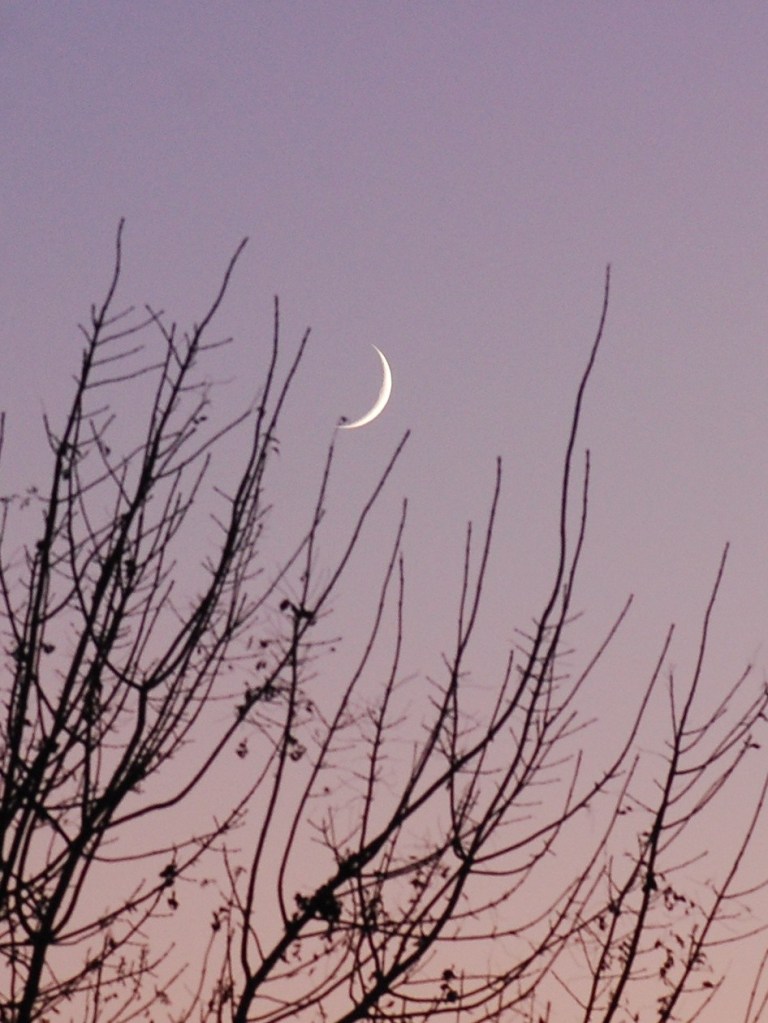
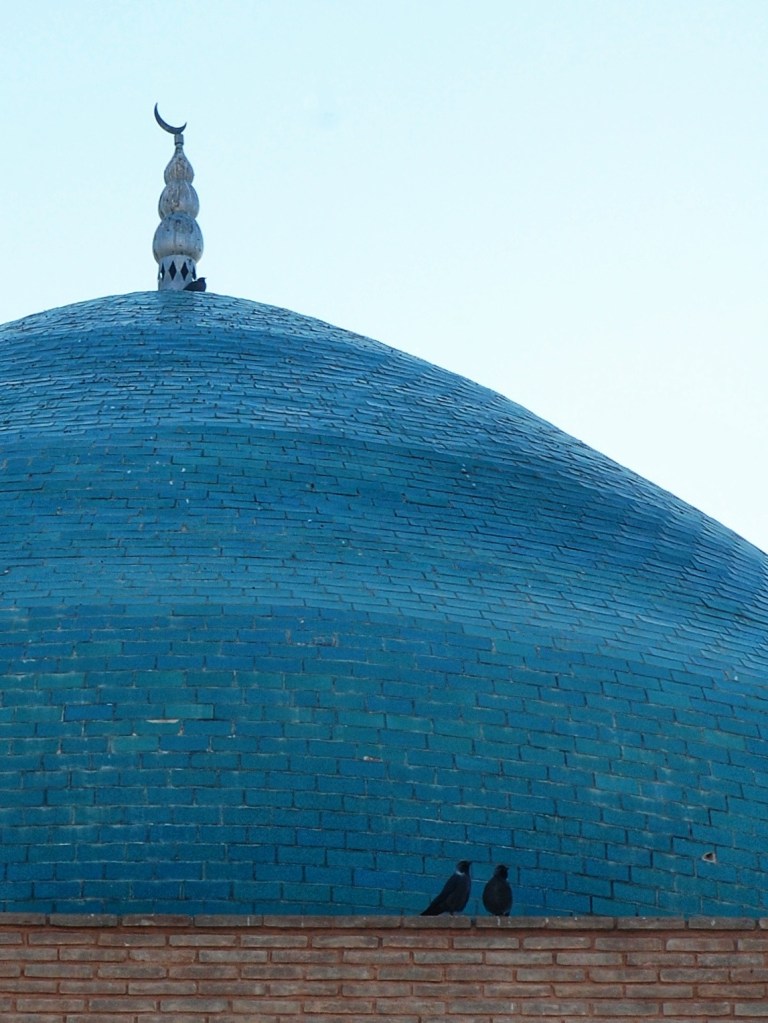
When I revisited the mausoleums early this morning to see it in pure sunlight, hardly anyone was around save for a pilgrim on his knees, facing the Khoja Ahmed Yasawi Mausoleum, intoning a sincere and almost heart-rending prayer. I think of the pilgrims who once held this site sacred and who continue to do so, who can only accept the truth that the holy place is but external and ephemeral, and that pilgrimage is, after all, a journey to the deepest parts of the self.
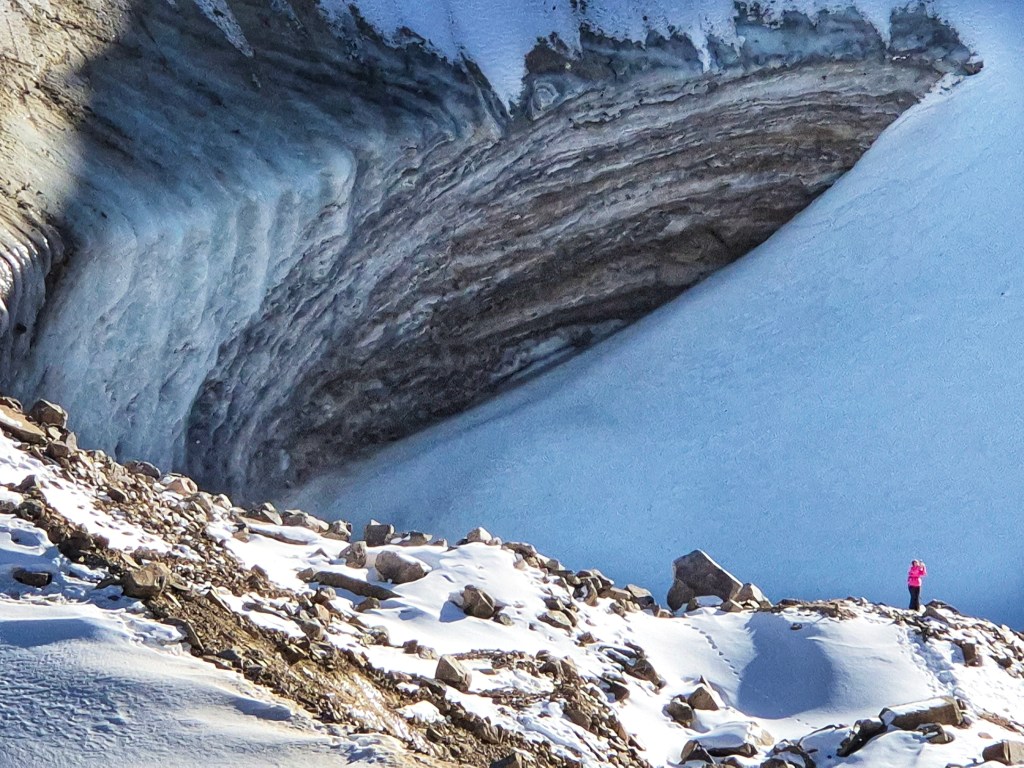
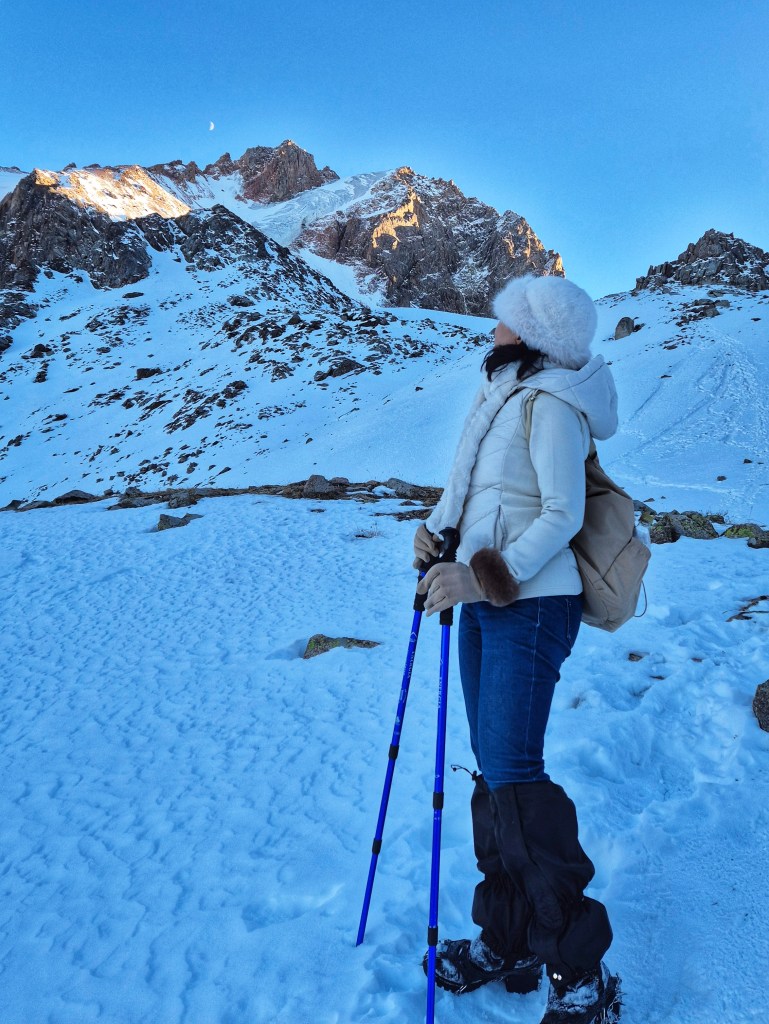
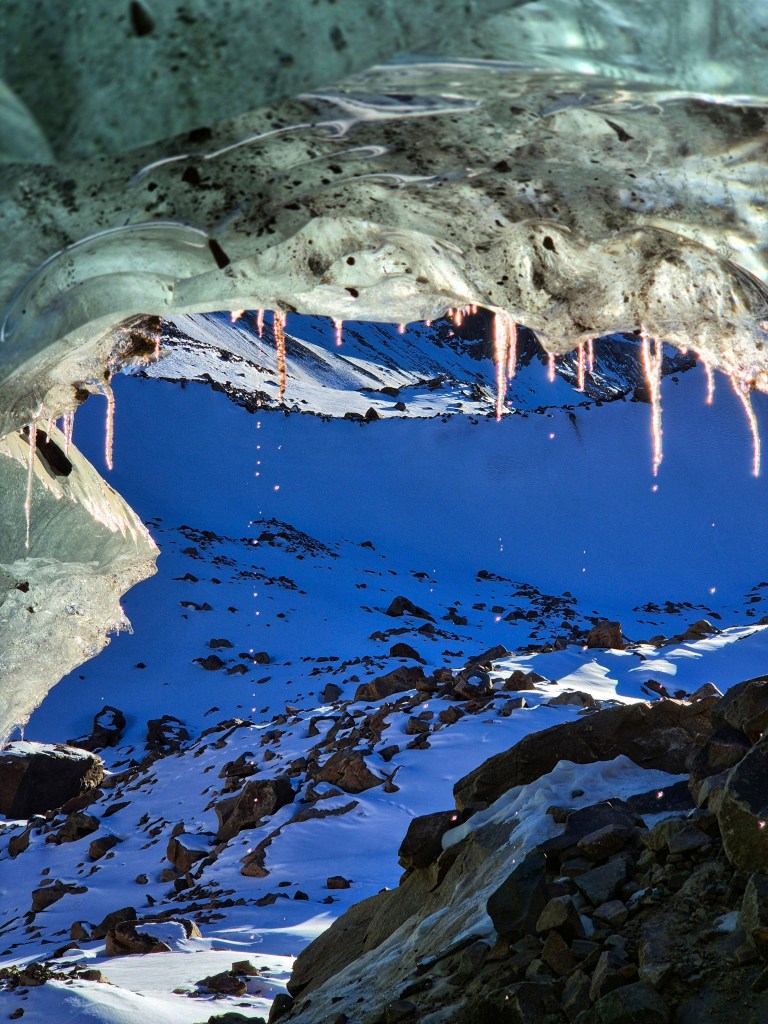
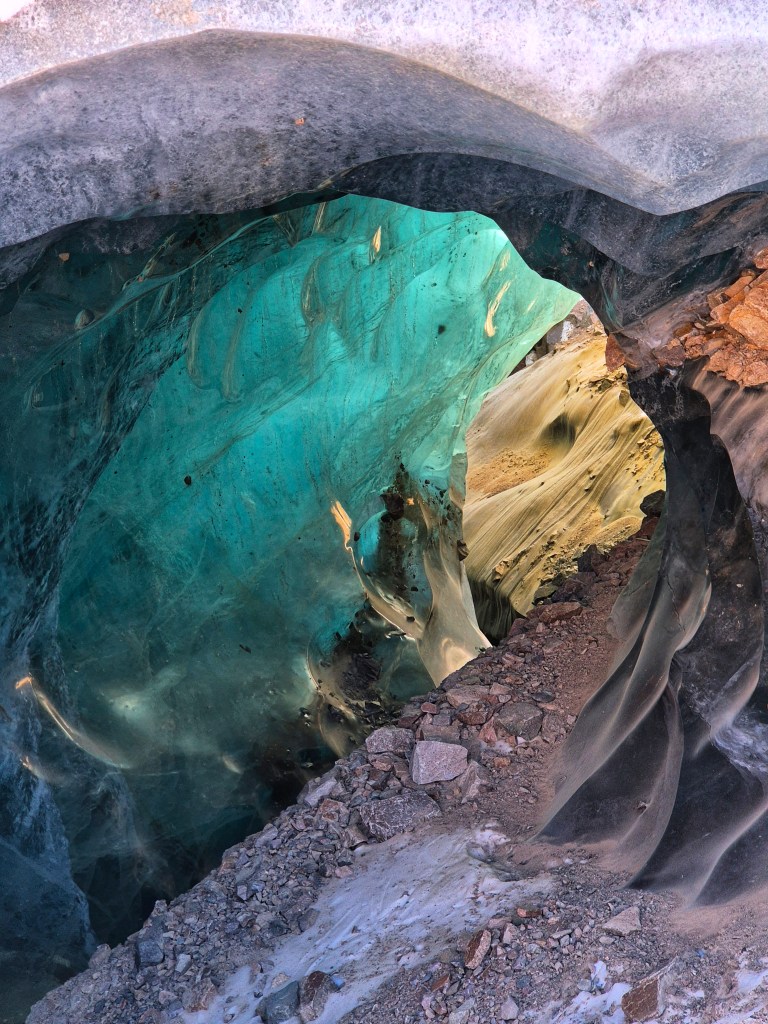
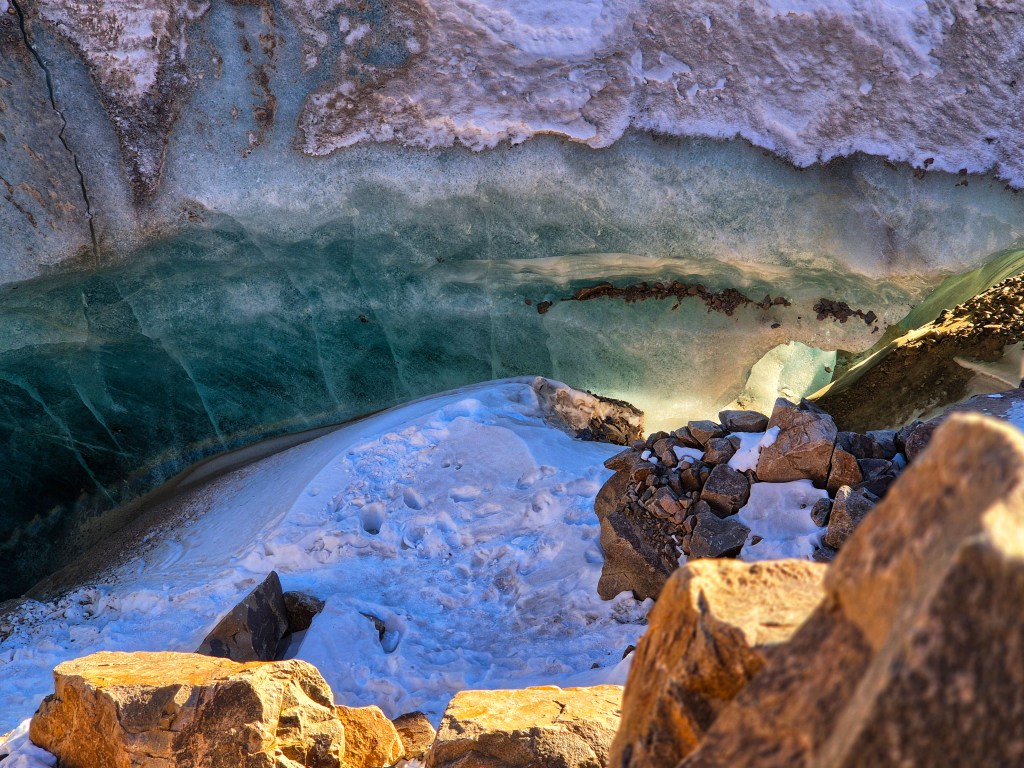
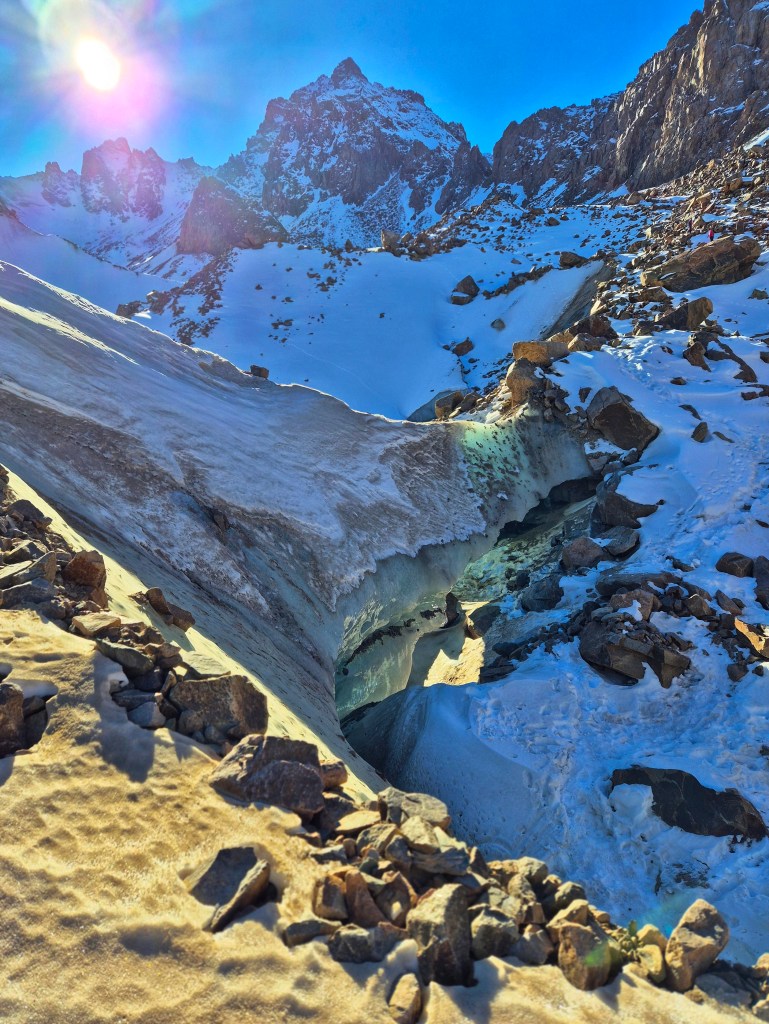
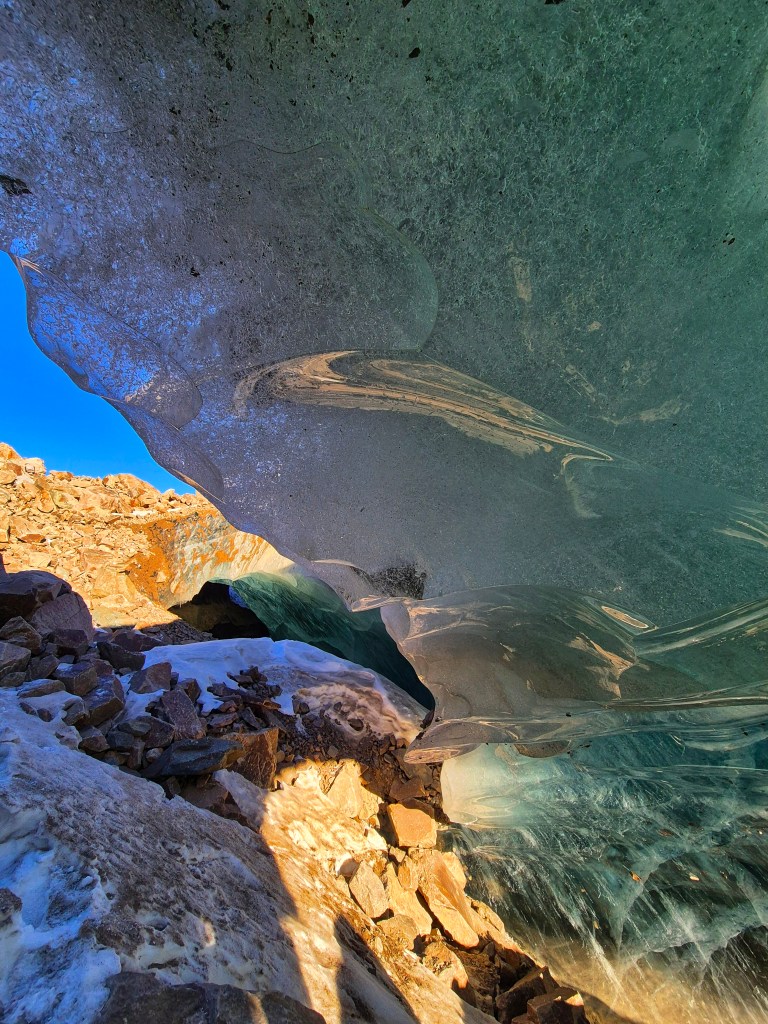
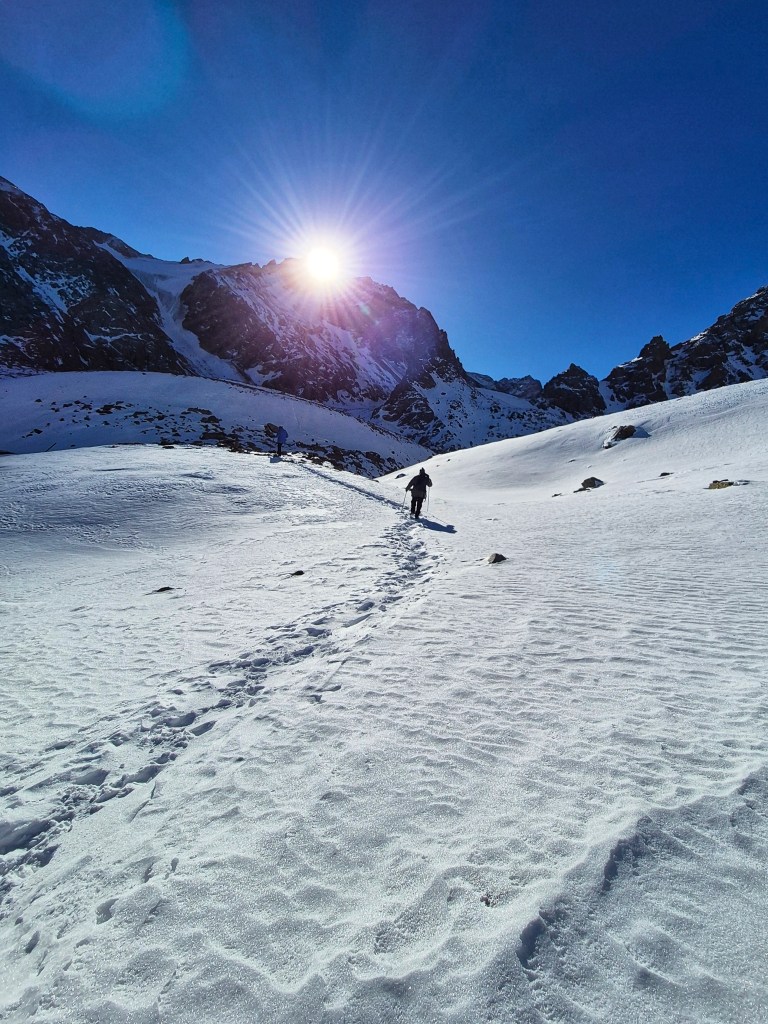
Bogdanovich Glacier and Oktyabrskaya Cave

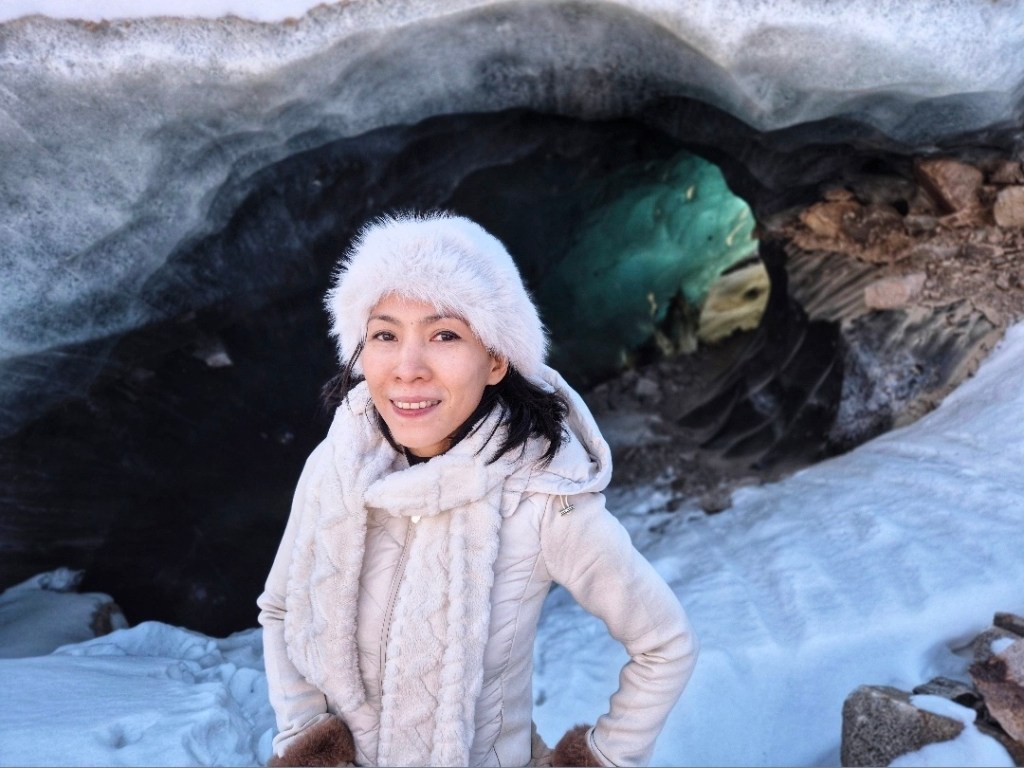
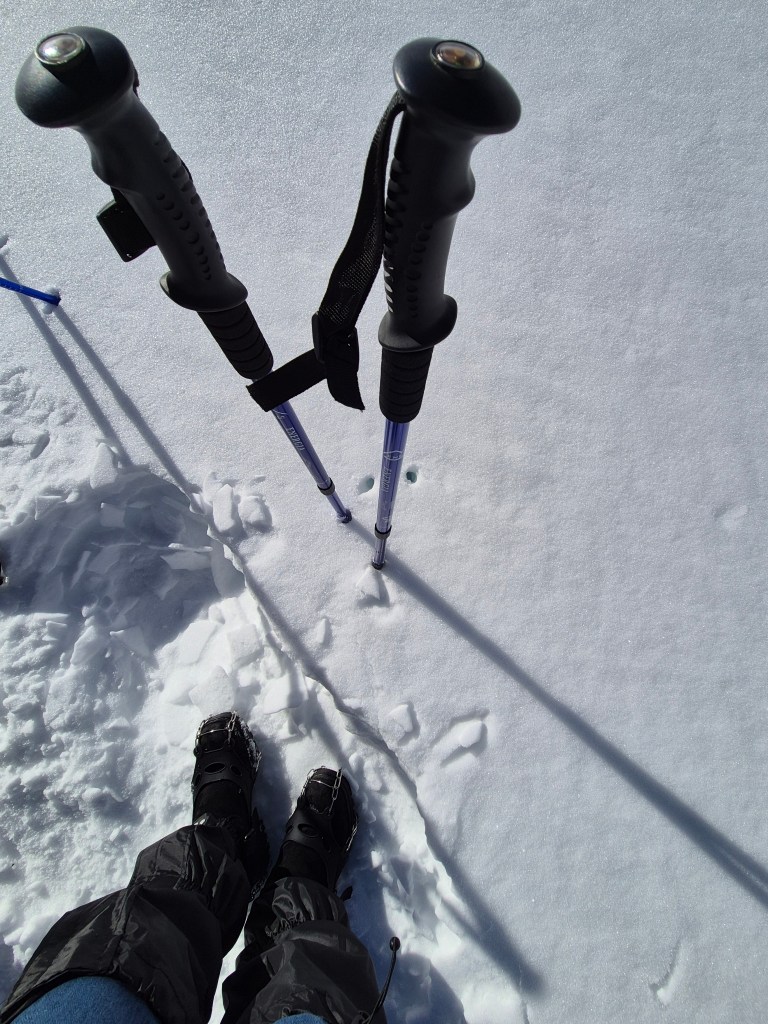
Being aware of having altitude sickness, I don’t know what gave me the audacity to do this ascent to the Ile Alatau Mountains — higher than our Mt. Apo and Mt. Pulag, in negative degrees Celsius, and on the first day of opening season, when other trekkers haven’t carved out clear paths on the snowy heights yet. Under the charm of the waxing crescent moon, all I know is that I had to obey the landscape’s whims and do something I may never get the chance to do again. Such landscapes demand one to make the most of life and revel in it!

I’ll spare you the details of how I slipped, almost passed out twice, missed taking beautiful photos because it wasn’t safe to do so, but oh, it was all so worth it!

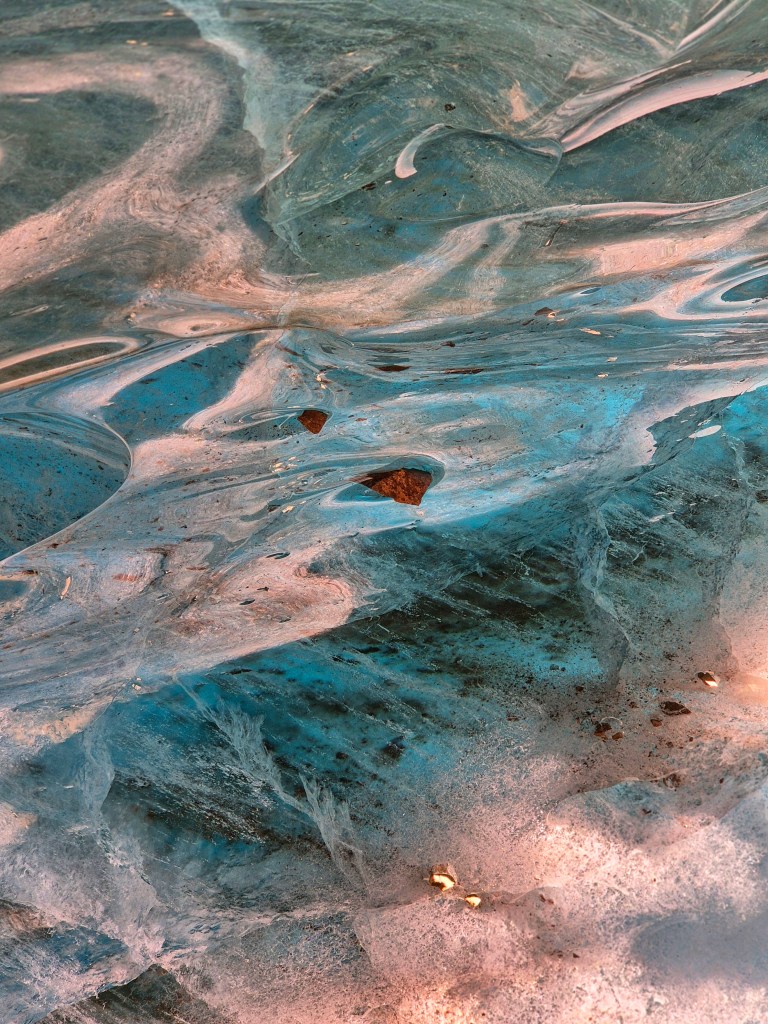
To be in the presence of metamorphosing architecture, this frozen confluence of time and nature, seeing rocks stopped in their tracks and suspended in a surreal blue, realizing the impact of these monumental sculptures on the planet; it was something I would never experience by reading books, but it was sheer, powerful poetry.

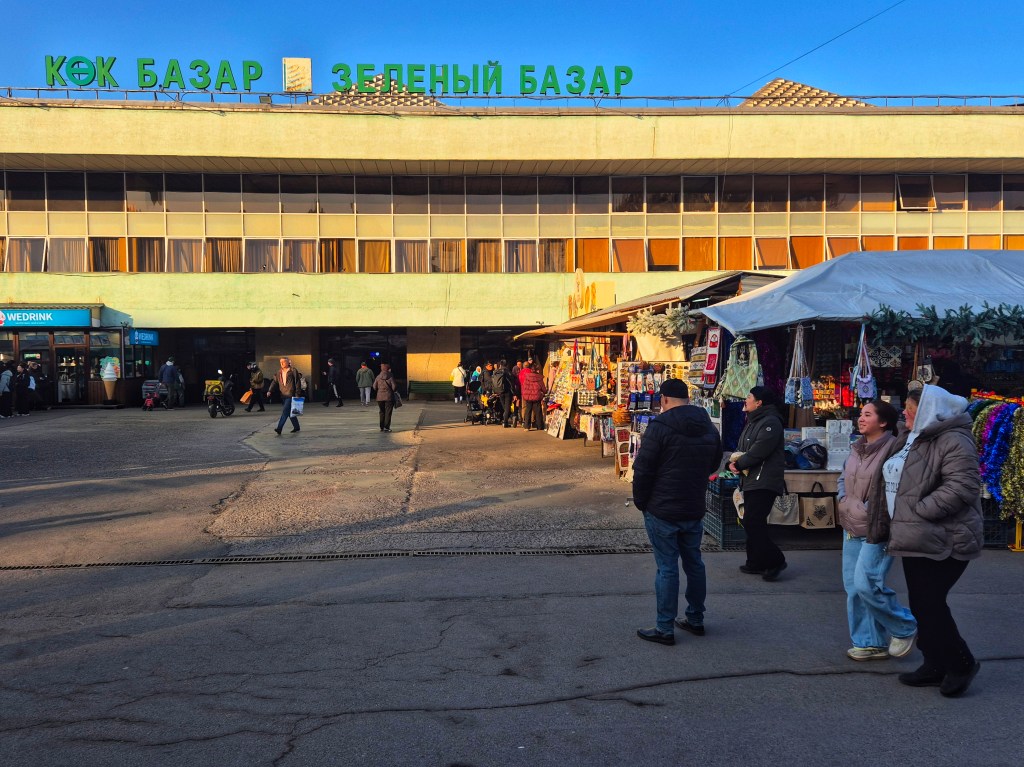
November 25, 2025  – Green Bazaar, Almaty

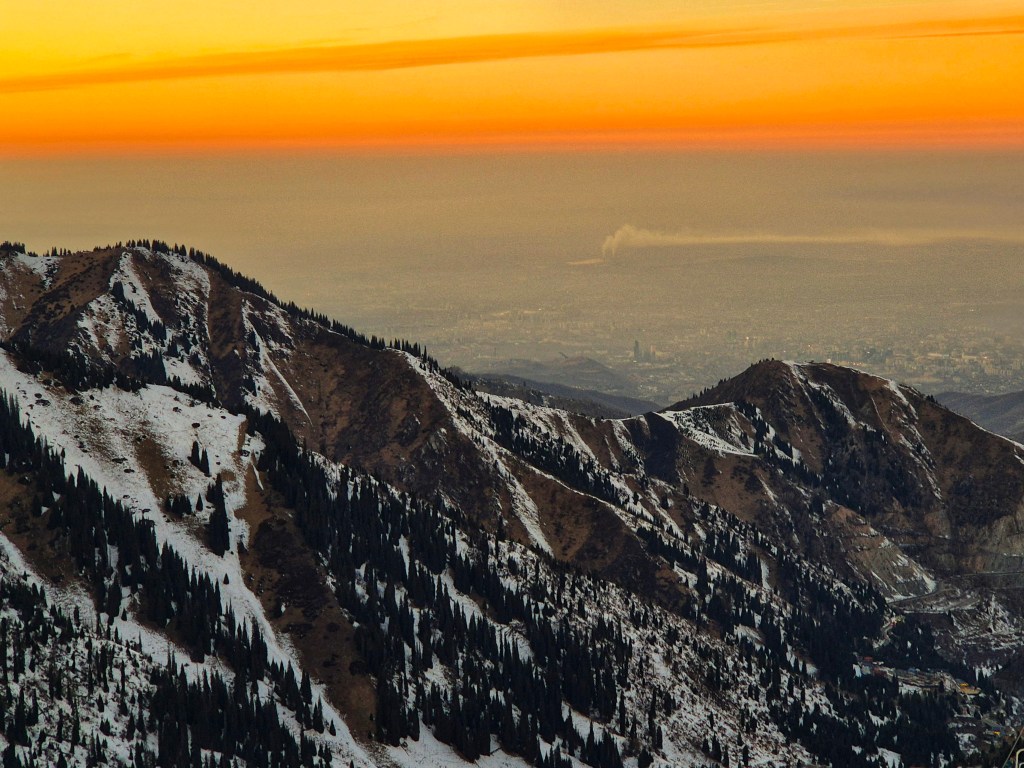
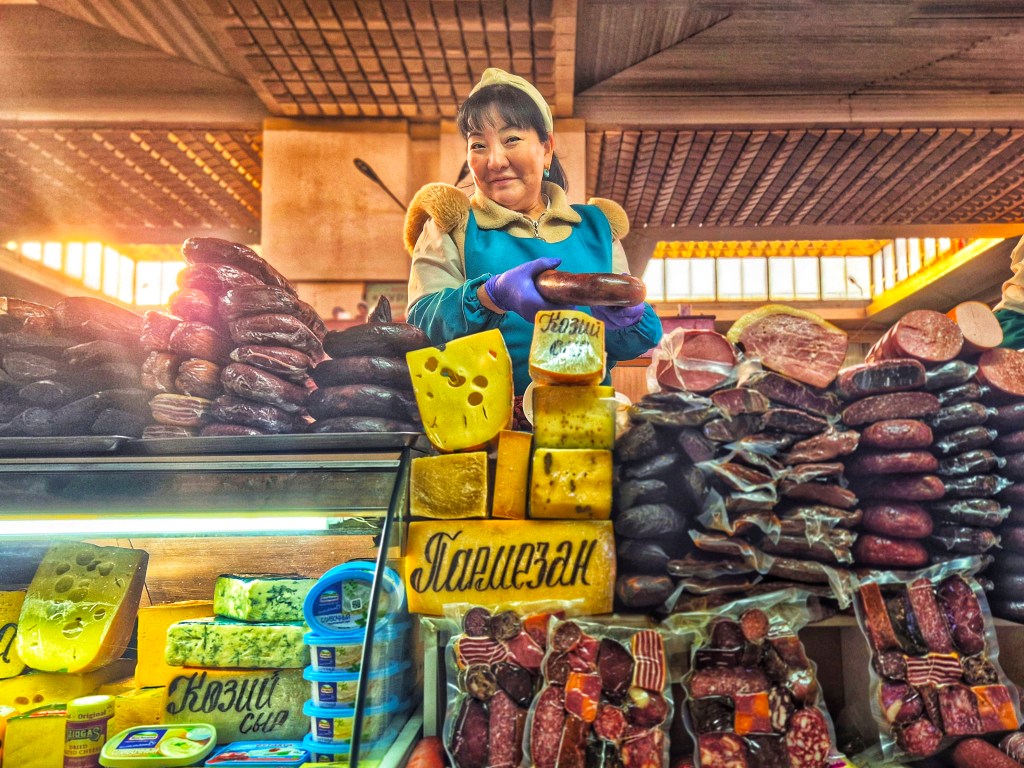
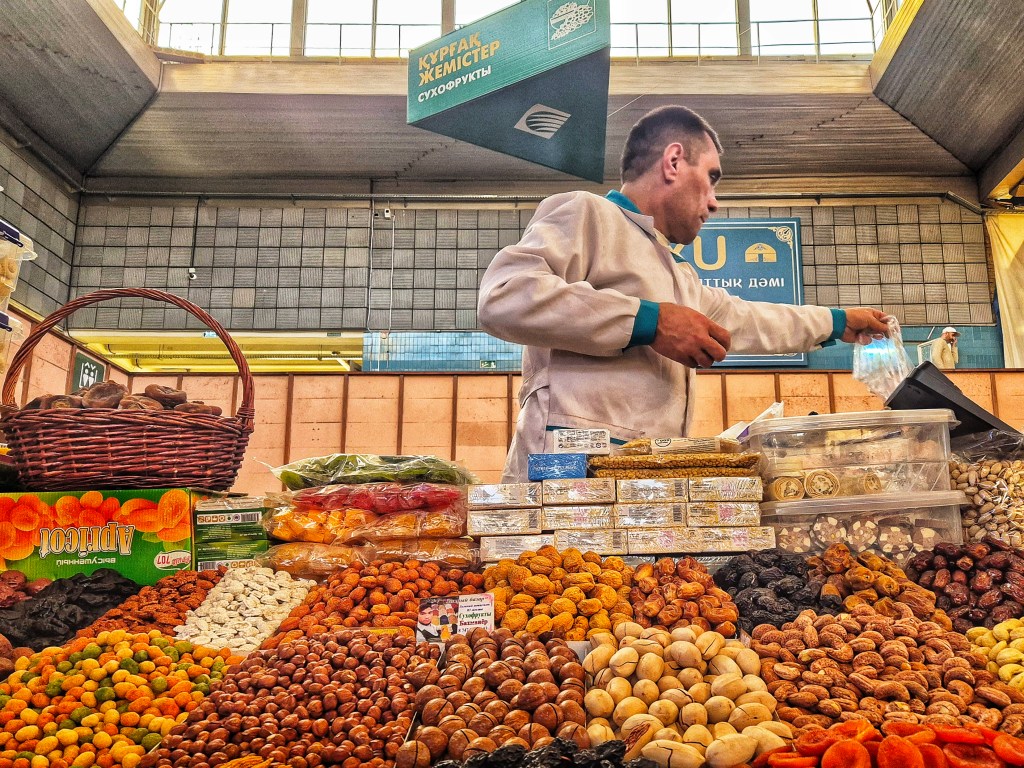
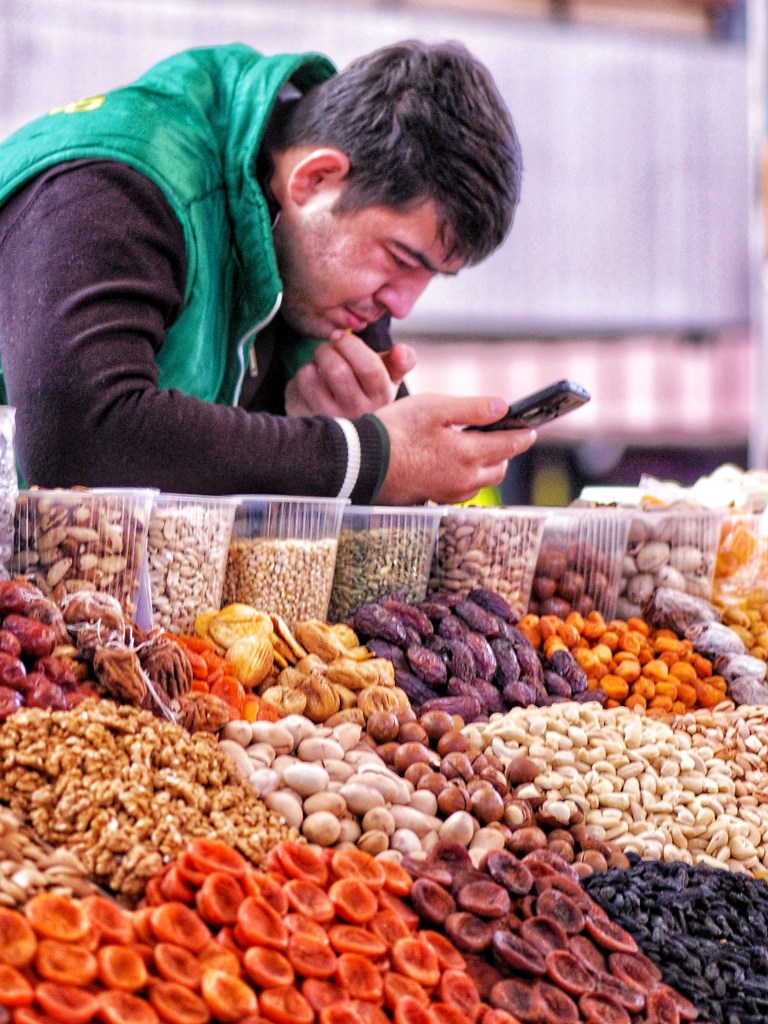
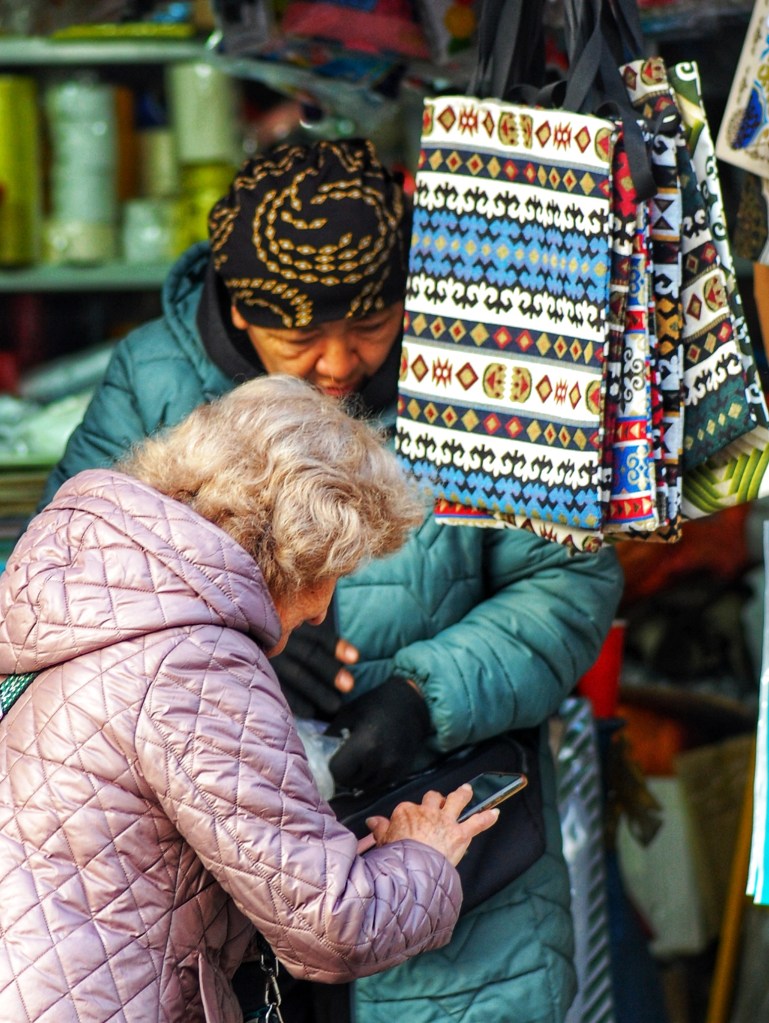
Circling back to Almaty and exploring the many facets of what is the largest city in Kazakhstan. Although it was once a stopover on the Silk Road, the Soviets have left a more tangible influence on the city. If there’s a place in Almaty that still bears echoes of the Silk Road, it would have to be the Green Bazaar.

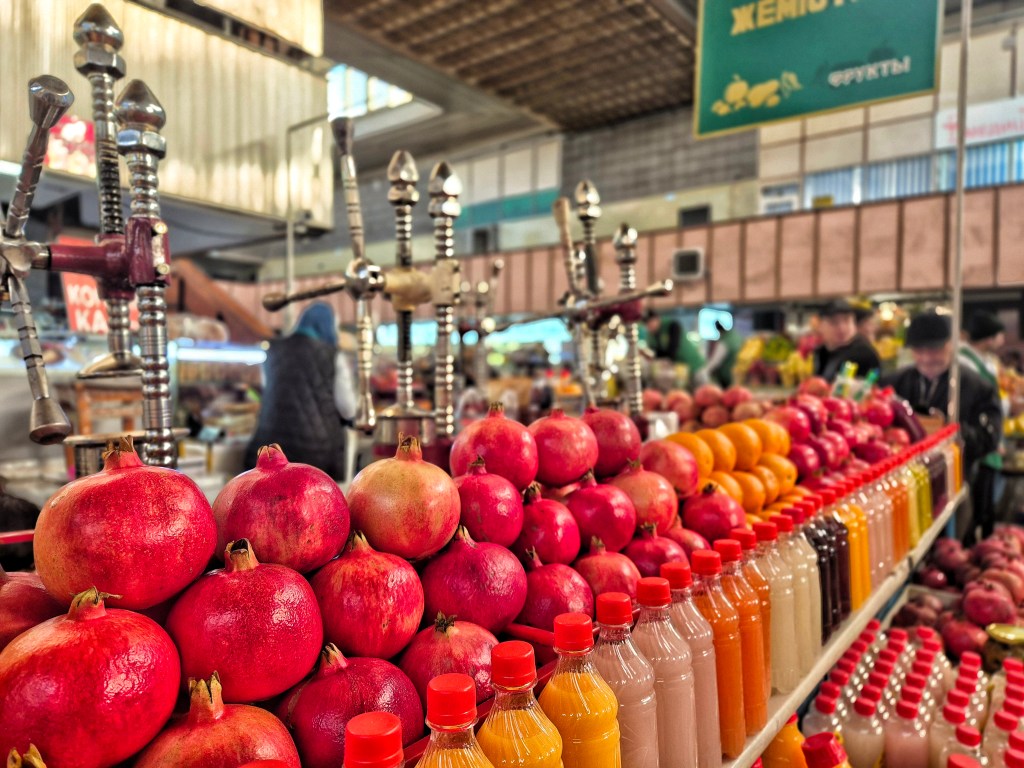
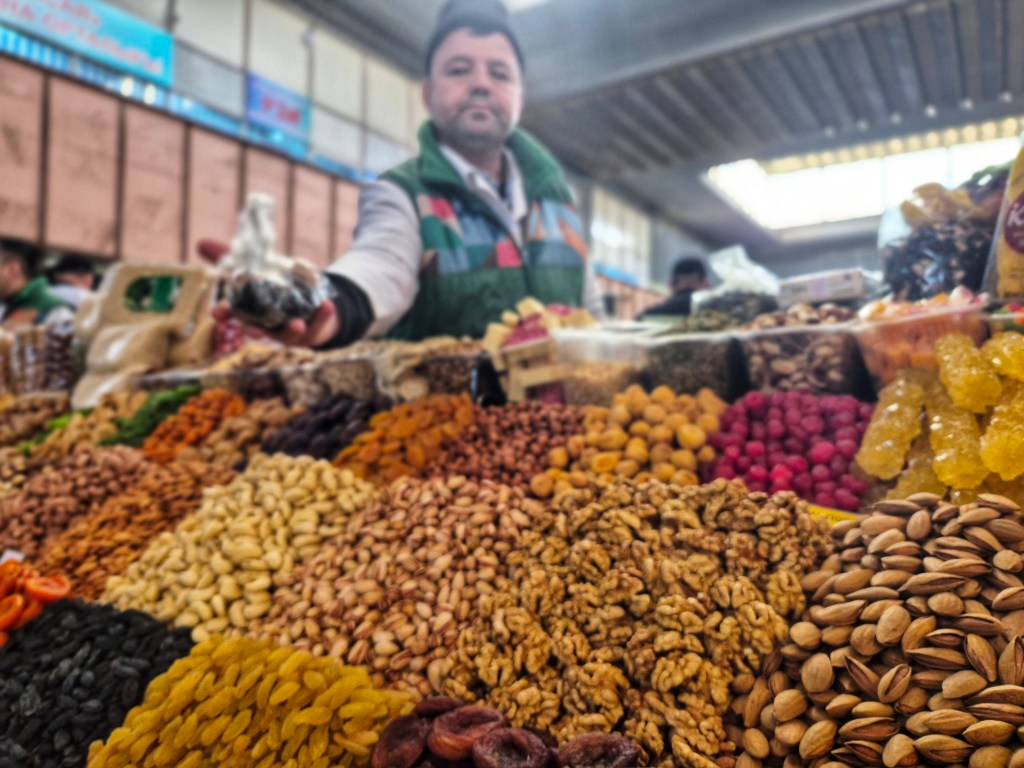
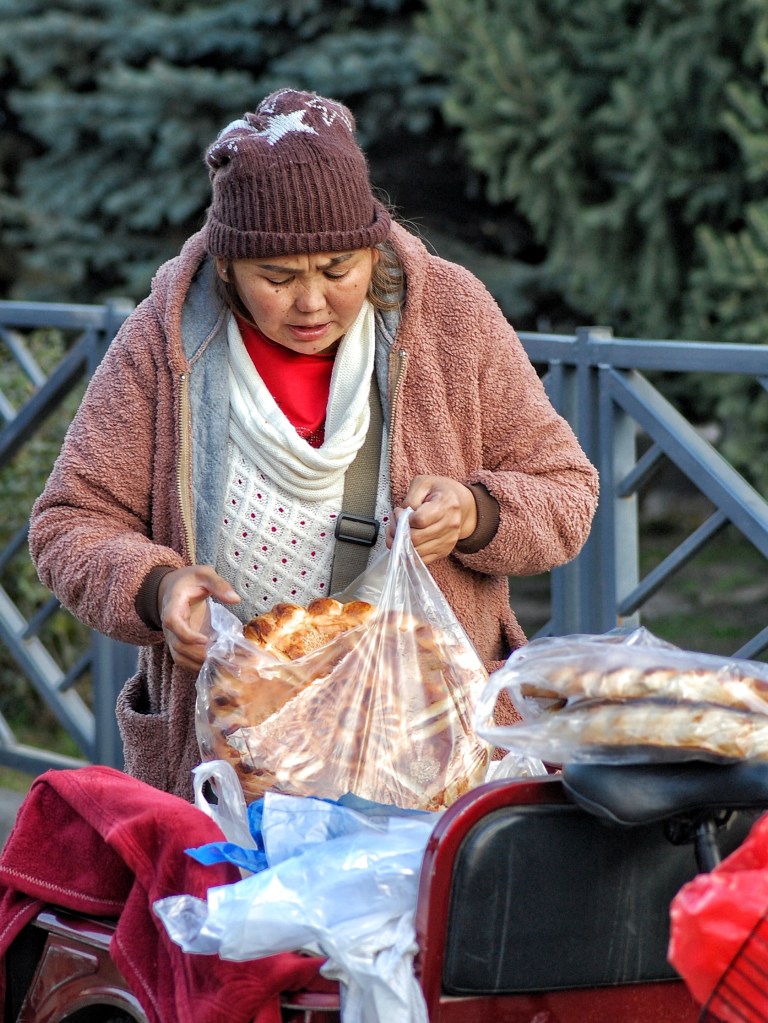
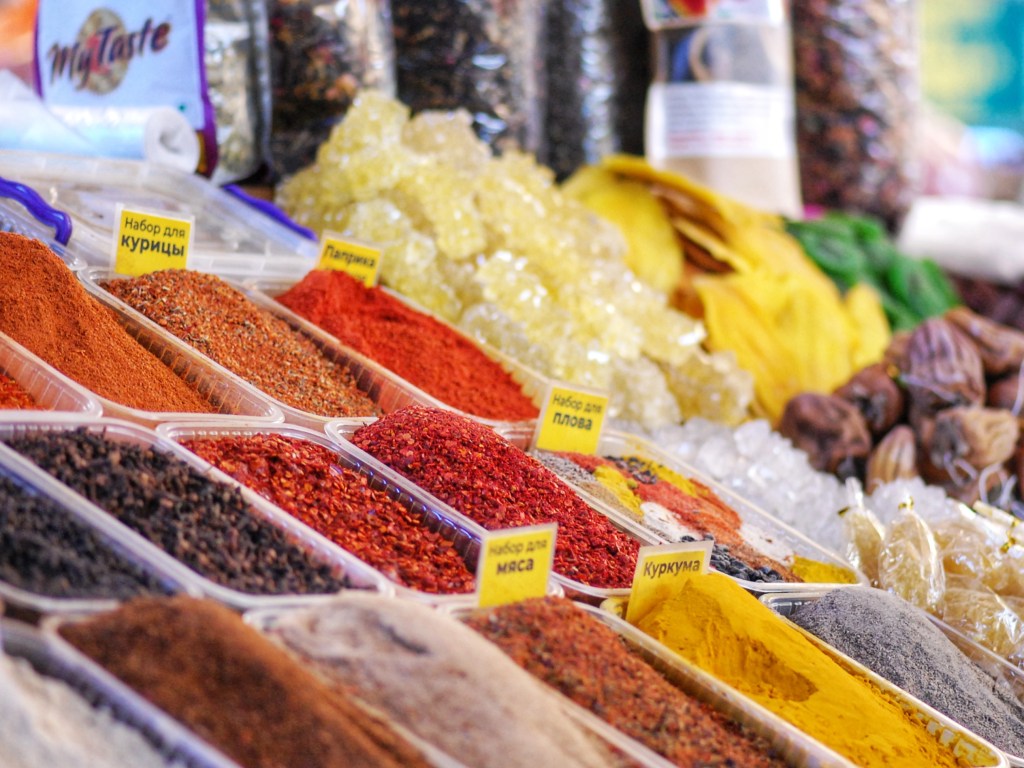
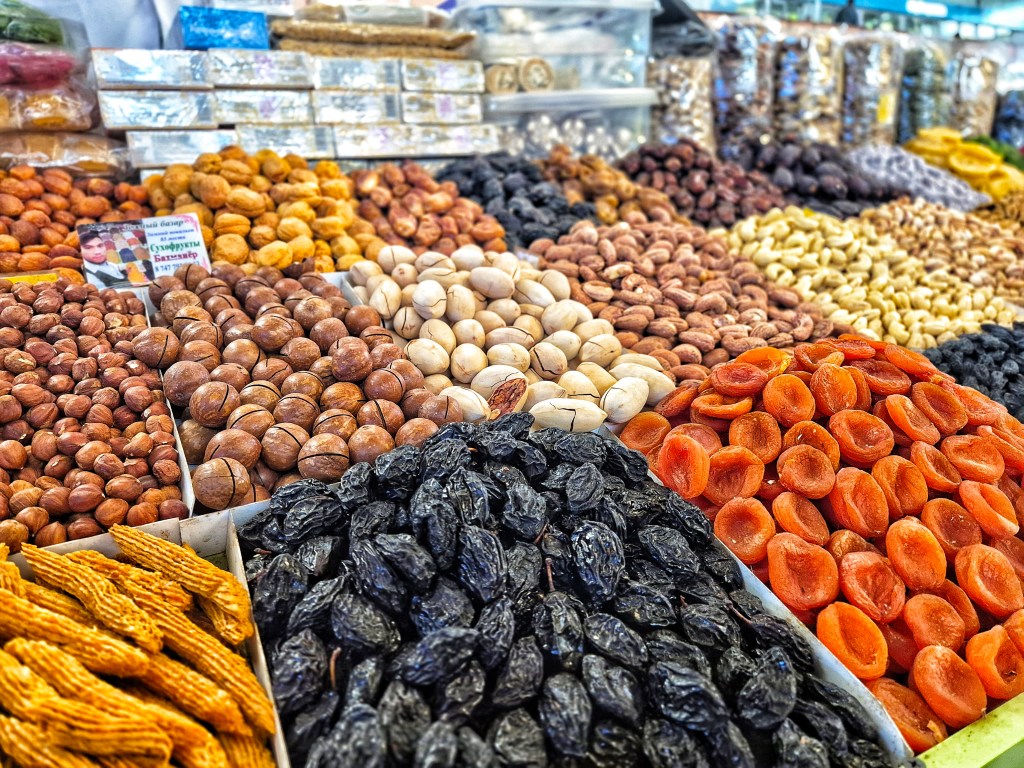
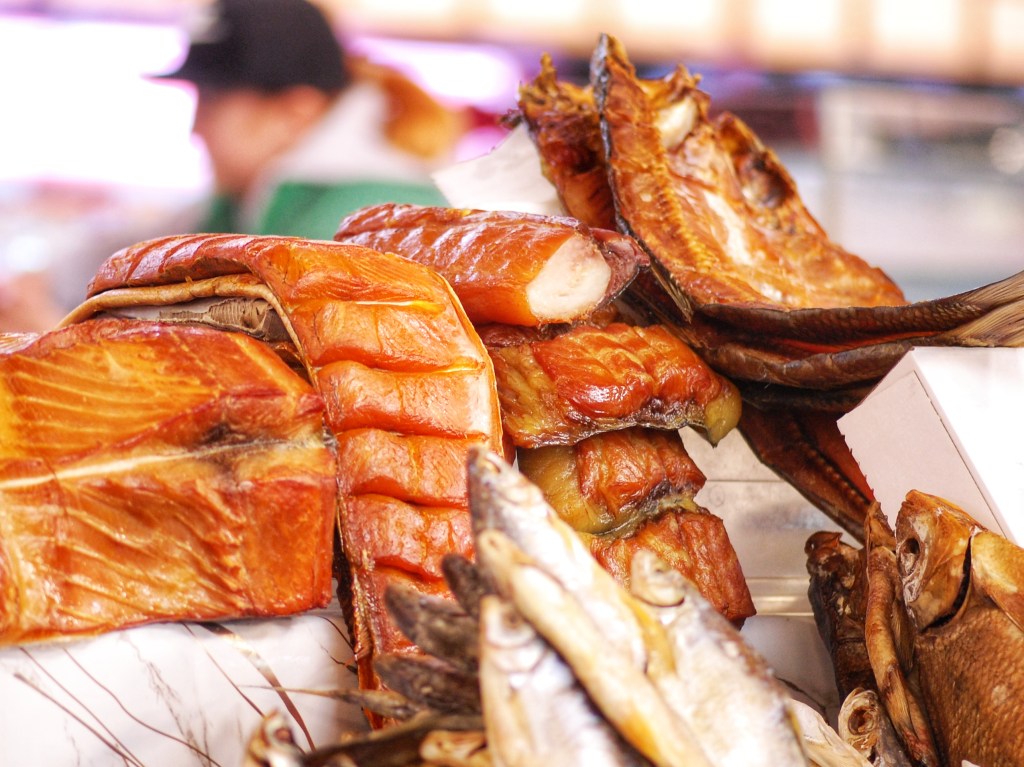
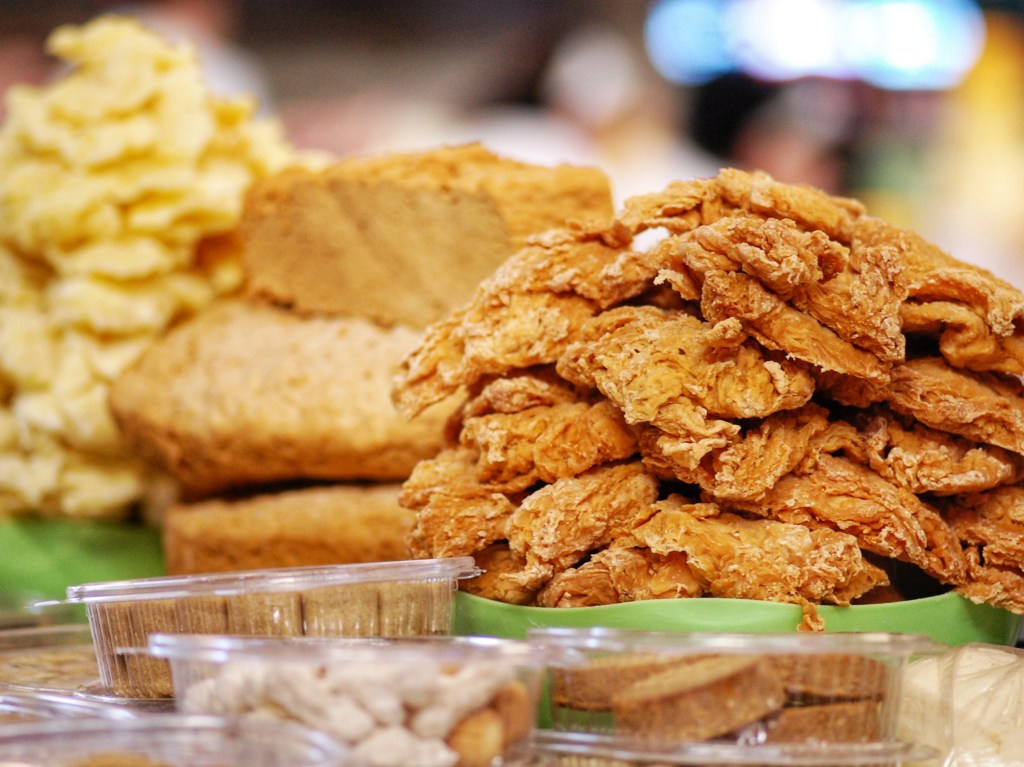
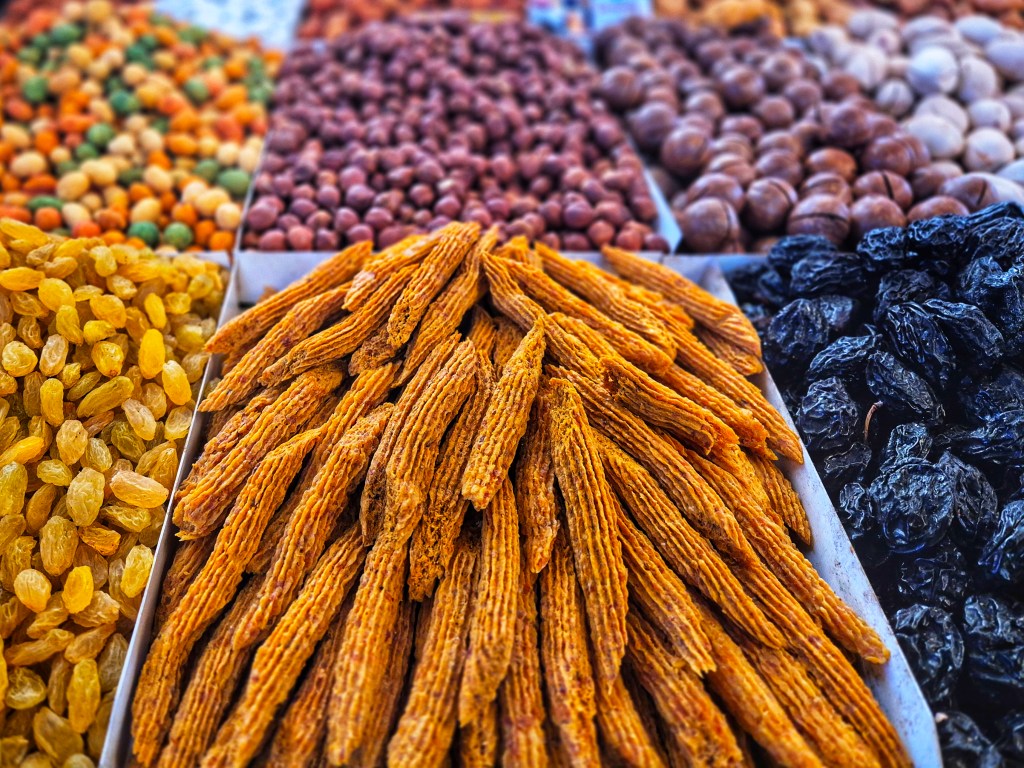
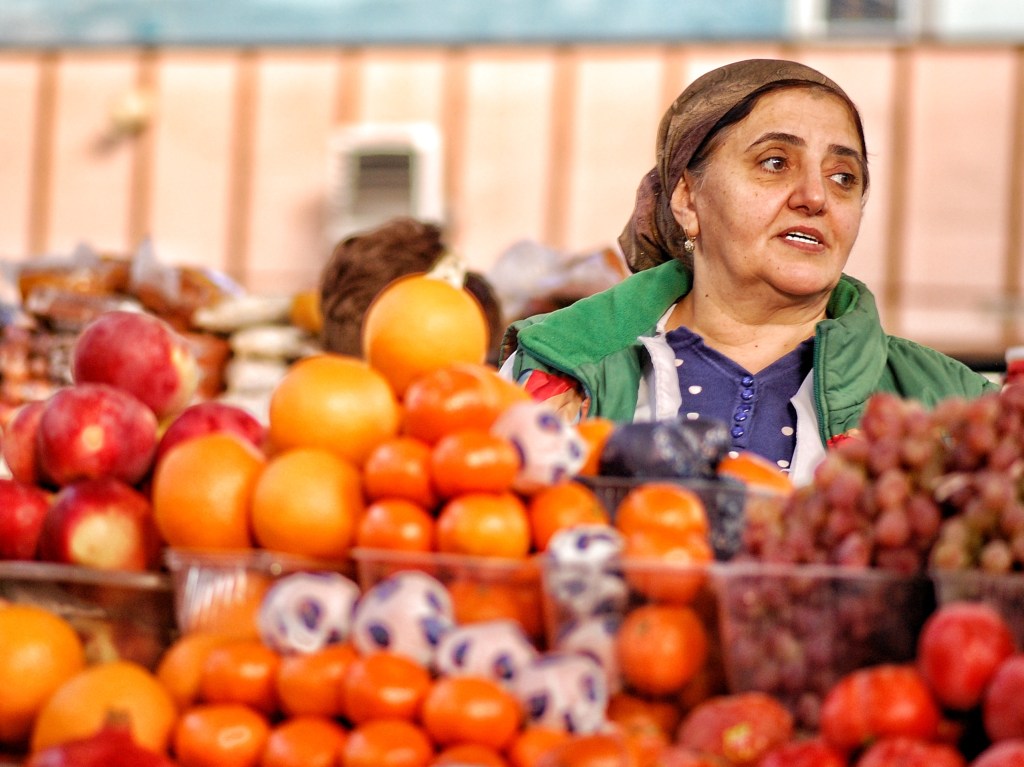
Dried persimmons from China, candied apricots from Afghanistan, camel dairy products, horse meat, the same spices that nations have gone to war for, and teas that have coursed through the veins of the famed routes for centuries, fresh pomegranate juice stands overflowing with incomparable fuchsia… It’s all there!

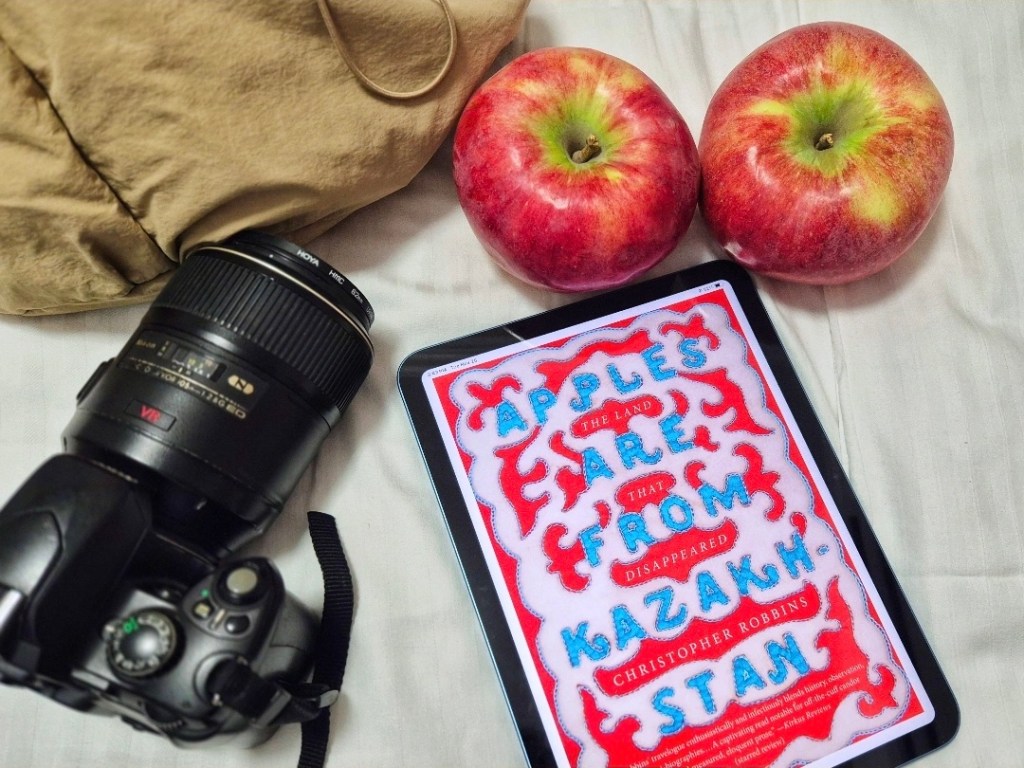
But I went to the Green Bazaar for the apples. No, not because of my regular detox diets. Almaty, formerly Alma-ata, means “Father of Apples.” Apples are from Kazakhstan. Its seeds travelled along the Silk Route and eventually reached the West through the Romans, who discovered them in Syria after a few thousand years.

The Kazakh apple is a little bit more sour than the apples I’m used to, but I’m happy to report that I am very much awake! Luckily, my first bite did not put me to sleep. Heaven forbid I’d have to wait for true love’s kiss to wake me up!

June 23, 2022 – Khiva, Uzbekistan

In the alley right below, a child sings in a language both strange and familiar to me. Strange because she sings in the Khorezmcha dialect, familiar because it is music.

A few meters away from her, women in traditional dress eclipse the child’s voice as they bargain with her mother, a scarf seller. These women are tourists from the other “Stan” nations. They flock the streets by sundown. (Western tourists tend to forego Khiva because it is out of the way. To get here from Bukhara, one has to drive for hours through an expanse of steppeland that seems to stretch to infinity, and the usual tourist would usually opt for another stamp on the passport from another Stan than come to Khiva. I am now closer to Turkmenistan than I am to Bukhara.)

But I also see Khiva changing right before my eyes. I see workers installing LED lights, replacing some crumbling bricks, and fixing the cracks of the old city, making it look new. And although they have the tourist’s best interest in mind, I feel a pinch in my heart. I know Khiva will not look the same in a few months, or weeks… and there is a bittersweetness in realizing that I came just in time — or perhaps, a few centuries late.

In the distance, the tallest minaret in Central Asia calls my attention, calls to prayer, calls time to stand still, and all falls silent.

Does this balcony right outside my bedroom explain enough why I chose to stay in Khiva longer?

© 2022 MDR
Khiva, Uzbekistan