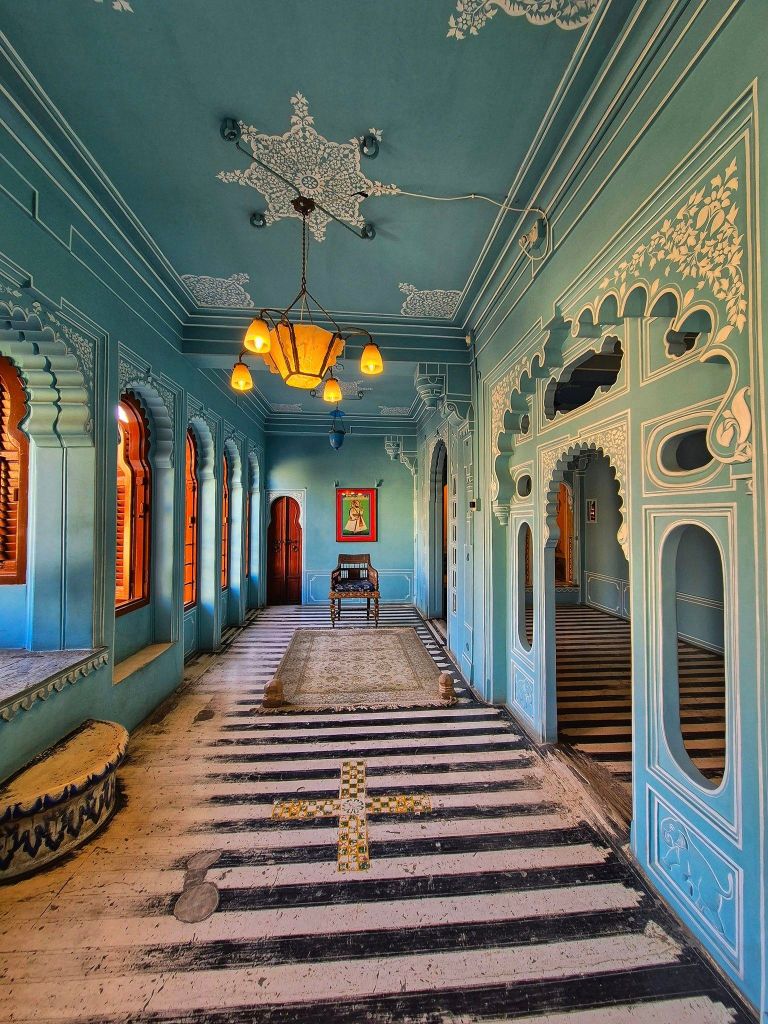
Sheesh Mahal (Mirror Palace) and a passage from Kaveh Akbar’s “Martyr!”

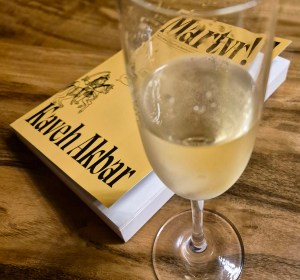
“…Your project reminds me of all the great Persian mirror art… Some centuries ago all these Safavid explorers from Isfahan go to Europe—France, Italy, Belgium—and they see all these gargantuan mirrors all over. Ornate, massive mirrors everywhere in palaces, in the great halls. Building-sized mirrors. They come back and they tell the Shah about them and of course he wants a bunch for himself. So he tells his explorers, his diplomats, to go back to Europe and bring him mirrors, giant mirrors, buy them for any price. And so they do, but of course as they bring these massive mirrors back across the world, they shatter, they fracture into a billion little mirror pieces. Instead of great panes of mirrors, the shah’s architects in Isfahan had all this massively expensive broken mirror glass to work with. And so they begin making these incredible mosaics, shrines, prayer niches… I think about this a lot, Cyrus. These centuries of Persians trying to copy the European vanity, really their self-reflection. How it arrived to us in shards. How we had to look at ourselves in these broken fragments, and how these mirror tiles found themselves in all these mosques, the tilework, these ornate mosaics. How those spaces made the fractured glimpses of ourselves near sacred… it means, in my humble opinion, we got to cubism hundreds of years before Braque or Picasso or any European. That maybe we’ve been training for a long time in sitting in the complicated multiplicities of ourselves, of our natures.” — Kaveh Akbar, Martyr!


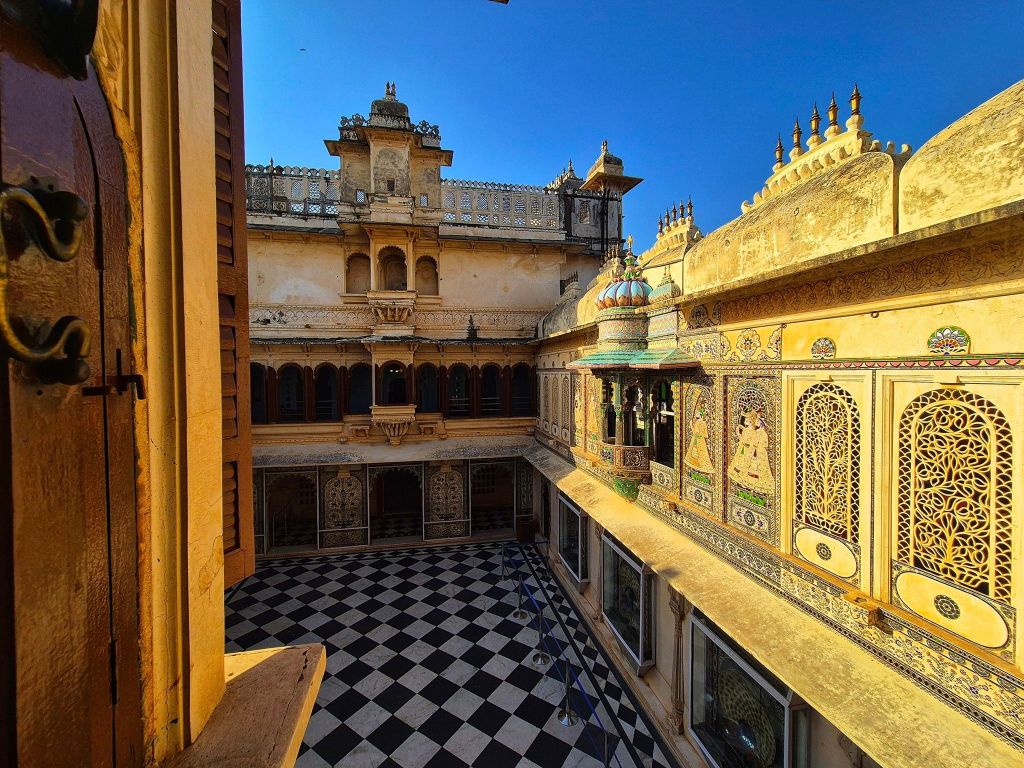
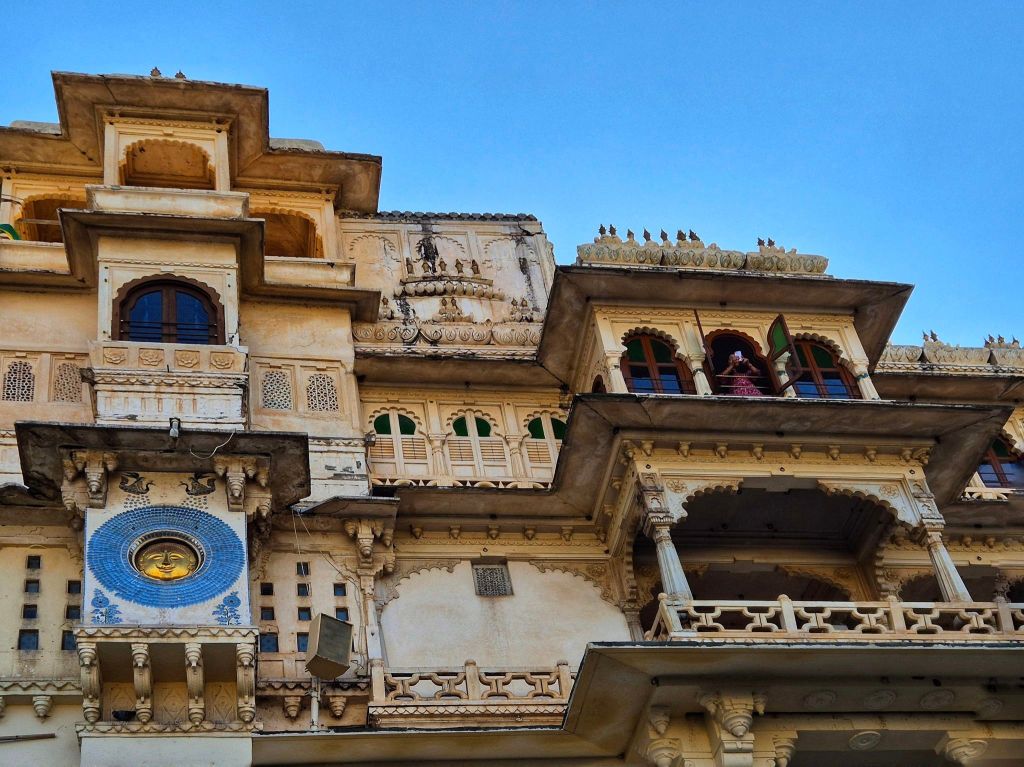
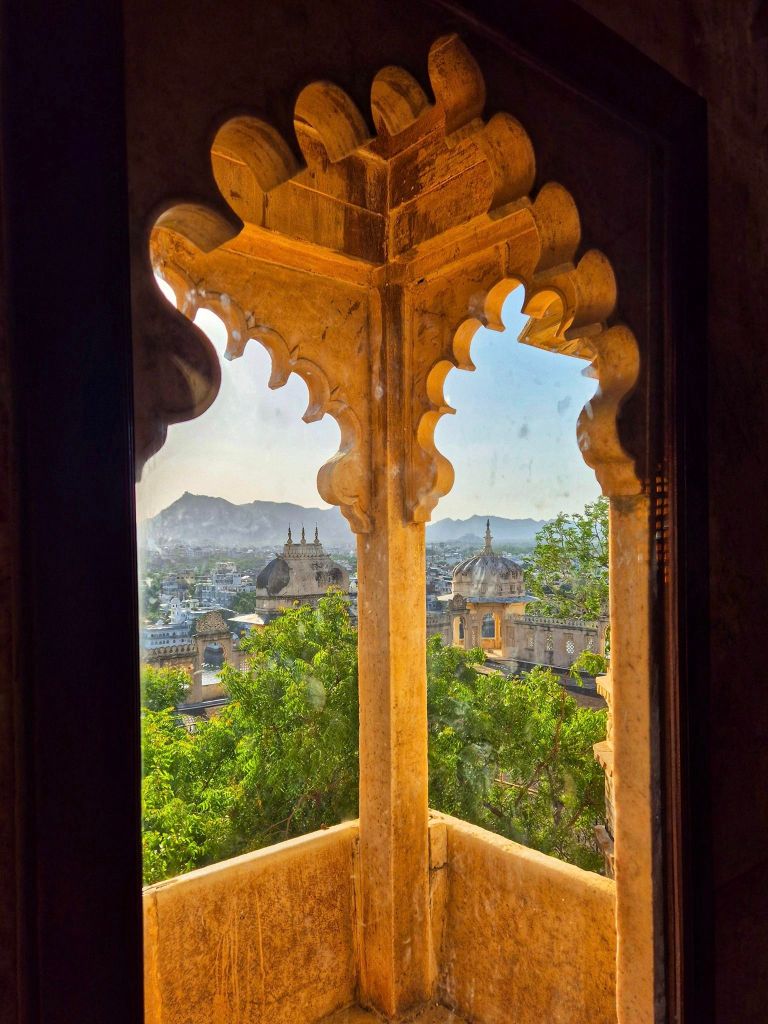
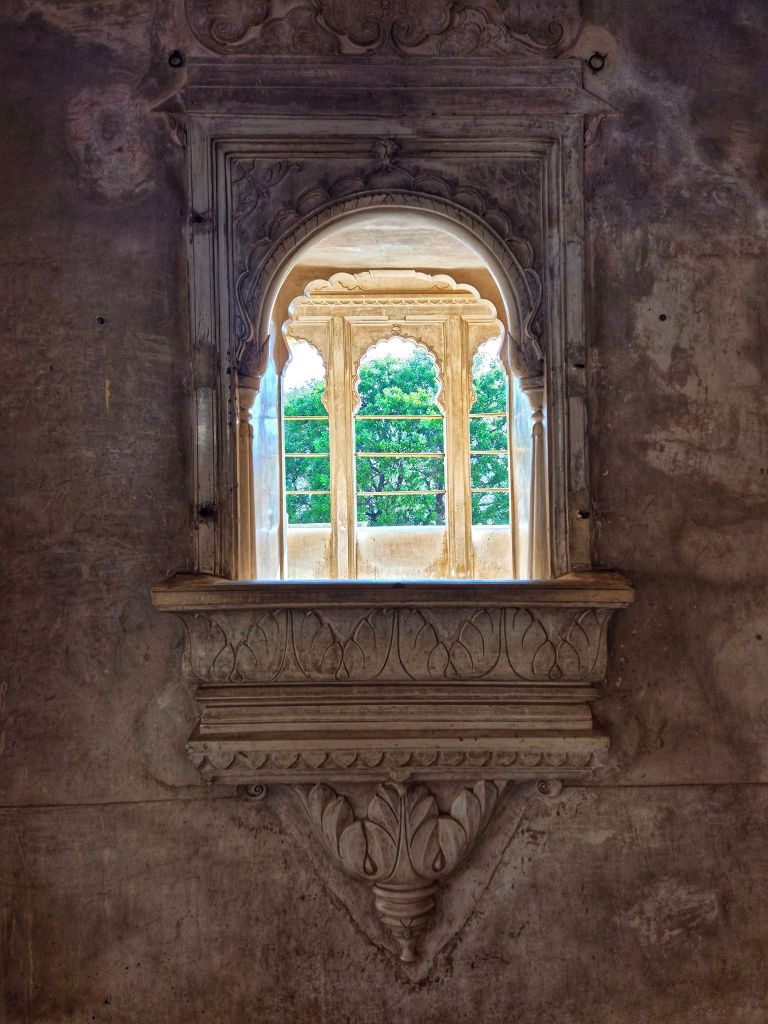
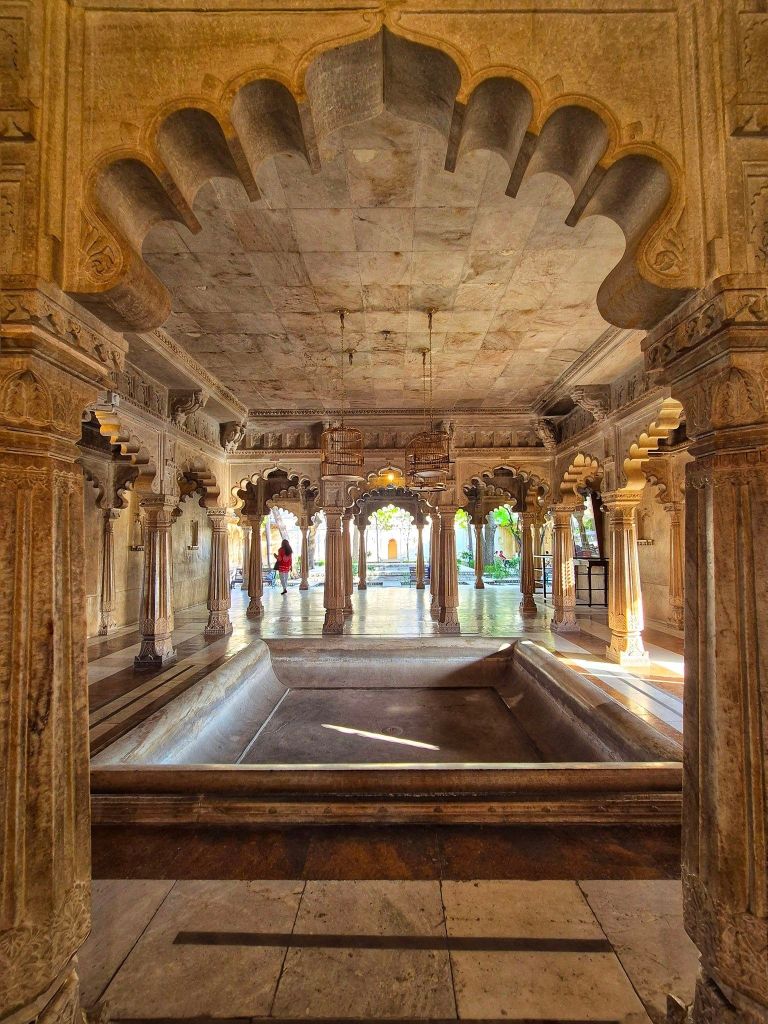
Currently reading Kaveh Akbar’s Martyr! and this passage reminded me of the 16th century Sheesh Mahal (“Mirror Palace”) in Rajasthan, and the photos I still have not uploaded from the India trip.

I have not read historical evidence, but I was told Sheesh Mahal’s mirrors were transported from Belgium by Elephants.

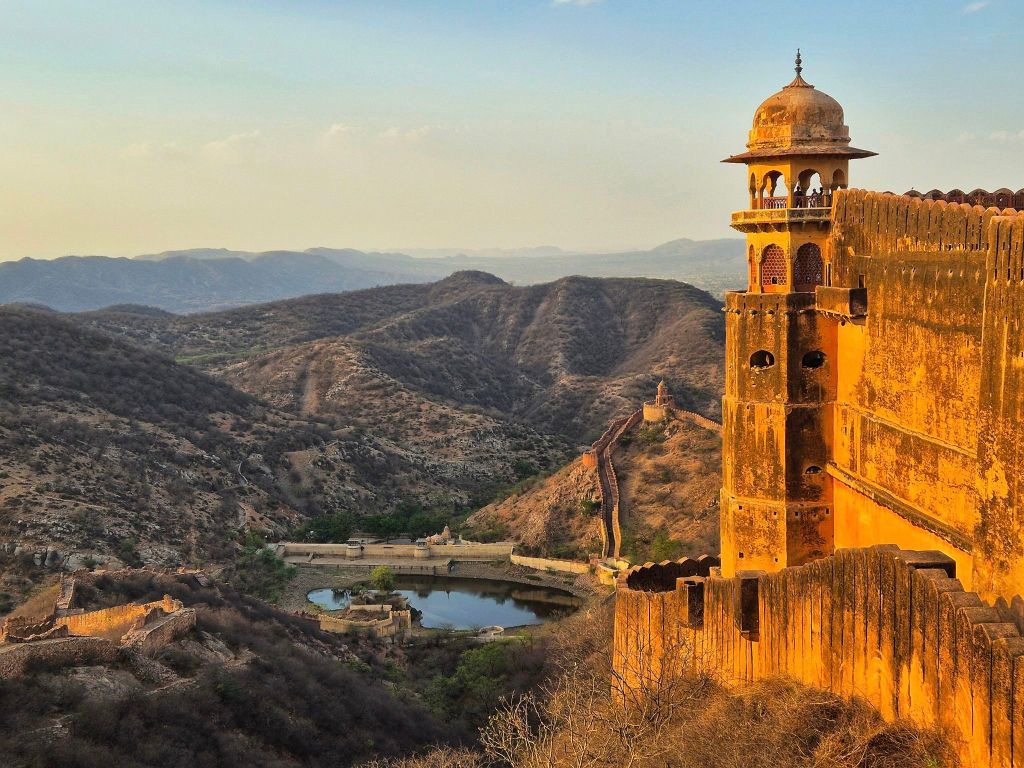
Five Indian Forts

Although the stories about these places are just as intriguing and twisted as Game of Thrones, what may look like promotional shots for season two of House of the Dragon, are photos of five out of approximately a thousand forts in India that are triumphs of strategy and engineering.

Amber Fort: The most picturesque. Jaigarh: Where one will find what used to be the largest cannon in the world, and along with Amber Fort and Nahargarh, has the best views overlooking the city of Jaipur and the sunset. Chittorgarh: The largest living fort in Asia, and where I was congratulated for being named “Mira” and being a musician, as Chittor residents are devotees of the mystic musician, Meera, or Mirabai. Agra Fort: The only Mughal fort among these, commanding a majestic view of the Taj Mahal, standing since 1530 and is still being used by the Indian Army up to this day!


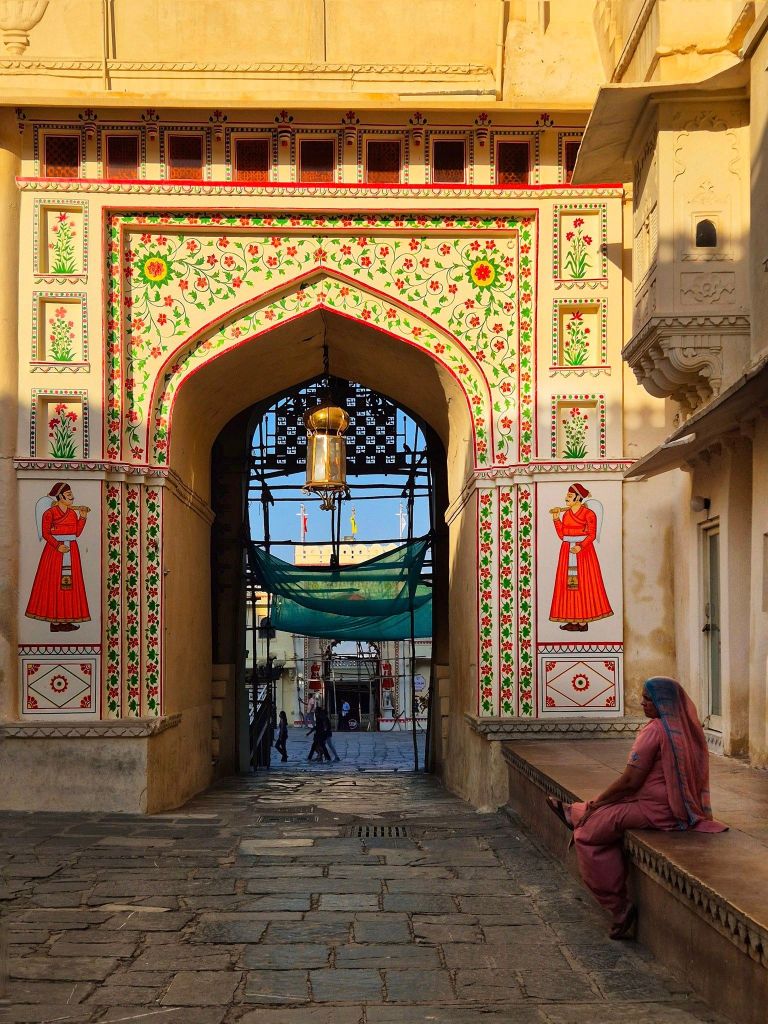
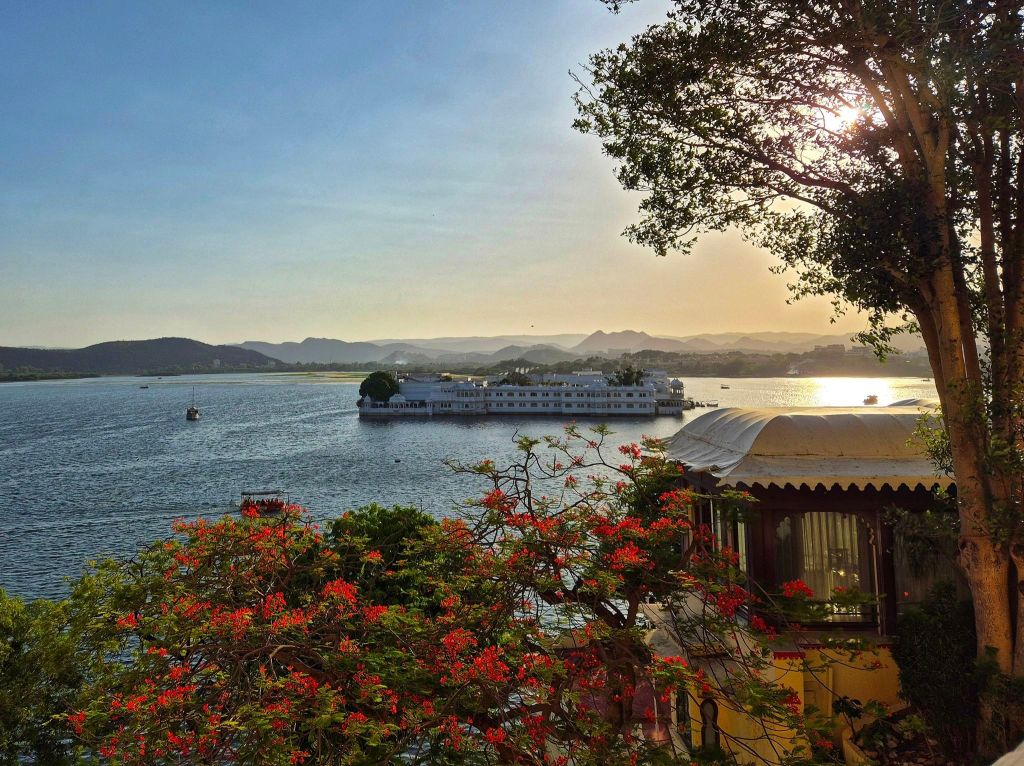
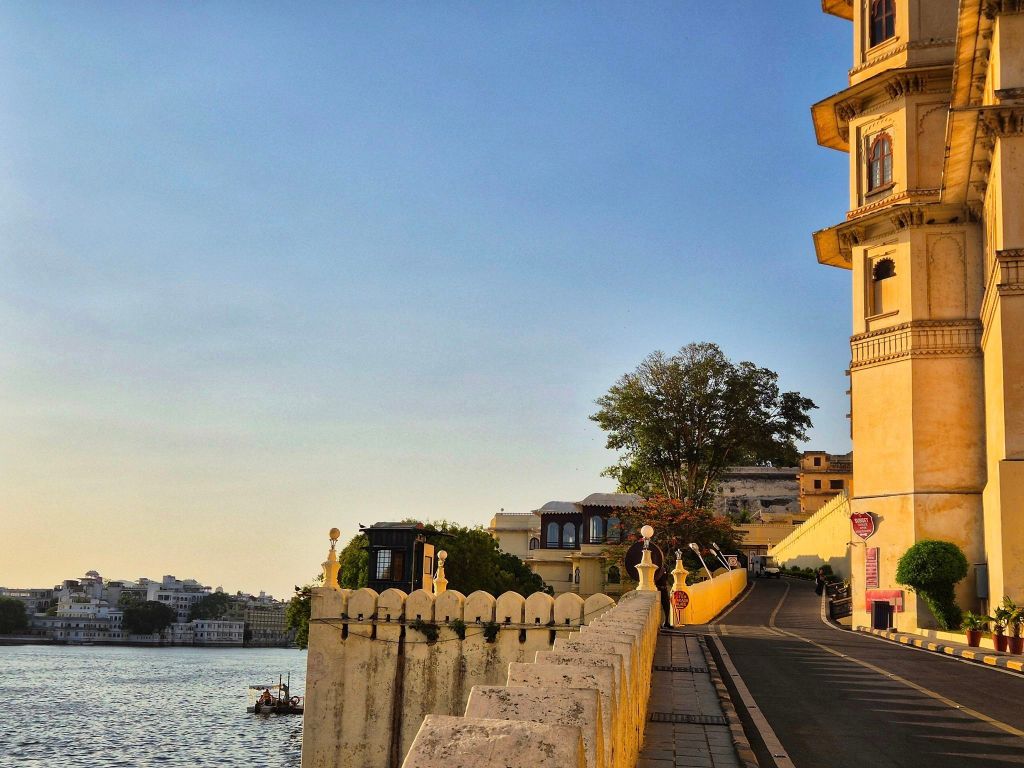
The Lure of Udaipur

Jodhpur is closer to Jaipur, so is Bikaner, and then Jaisalmer would have been accessible from there. These names are not words in my head, but meters of music, rhythm, and mystery that lure me from far away. These are some of the cities in the state of Rajasthan that have been playing in my mind ever since the idea of an India itinerary was formed.

I knew I wouldn’t be able to cover all these cities in one trip with the kind of traveling that I do — the kind that asks me to avoid breezing through them, the kind that urges me to sit still and experience a few sunrises and sunsets in them, the kind that begs me to listen to them. After all, each city has its own music. Each city sounds different. And it is waking up to this kind of music that exhilarates me in my travels.

Udaipur was not in the plan. But when the distance between two places are no longer measured in miles but by a melodic strain one can’t help but follow, you follow.

And now I know how this Mewar kingdom founded in 1559 sounds. It sounds resplendent.

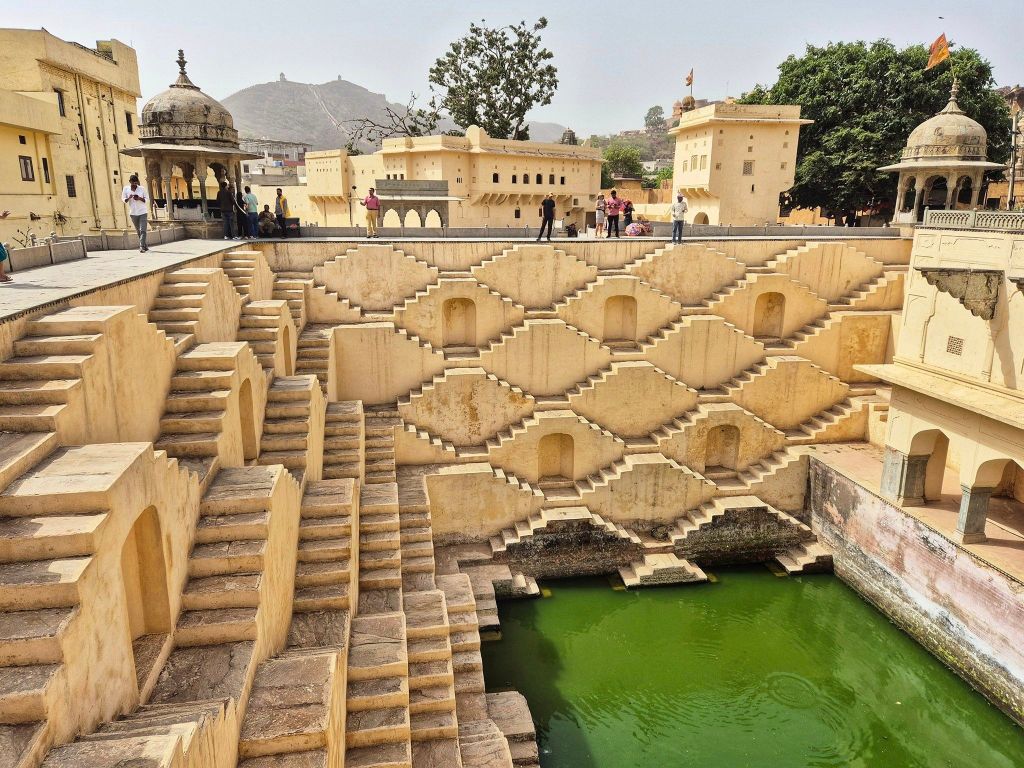
The Stepwells of Rajasthan

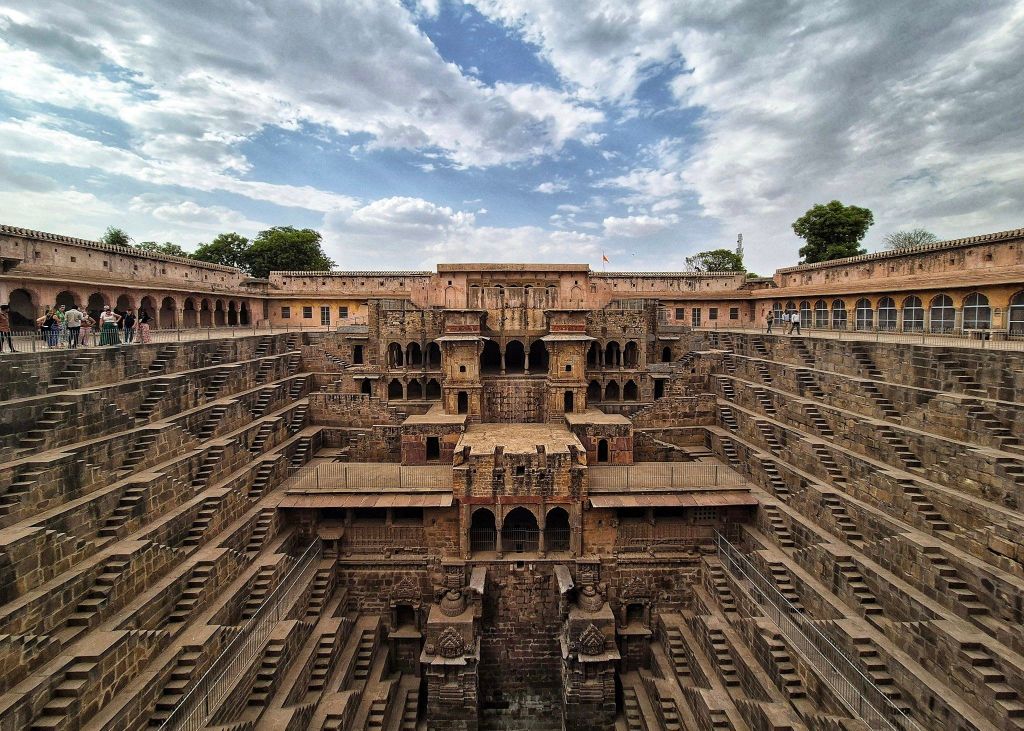
India’s arid regions gave birth to stunning baoris, or stepwells, that were mainly built as cisterns, but also functioned as sites for religious ceremonies, rituals, and cool resting places.

There are approximately two to three thousand ancient stepwells in India, and I’m fortunate enough to have visited two here in the state of Rajasthan: Panna Meena ka Kund, a 16th century picturesque stepwell in Jaipur, beautifully contrasting the more massive Chand Baori in Abhaneri that was built between the 8th and 9th century.

Can there be a better lesson in strength, function, and beauty, than a baori?