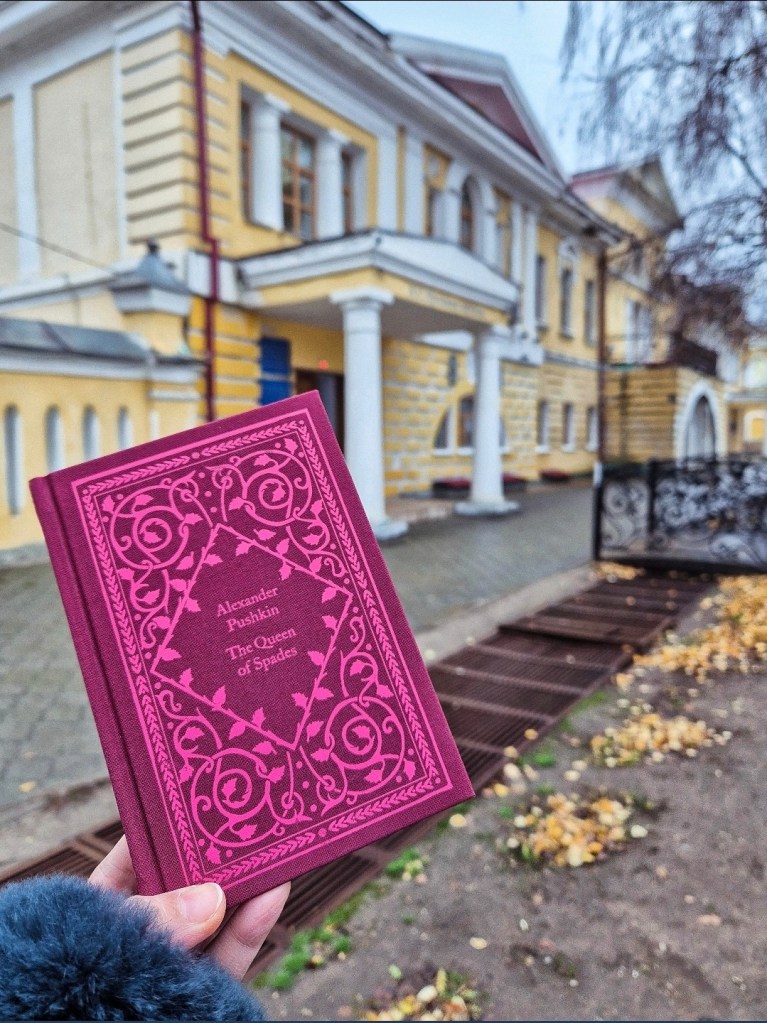
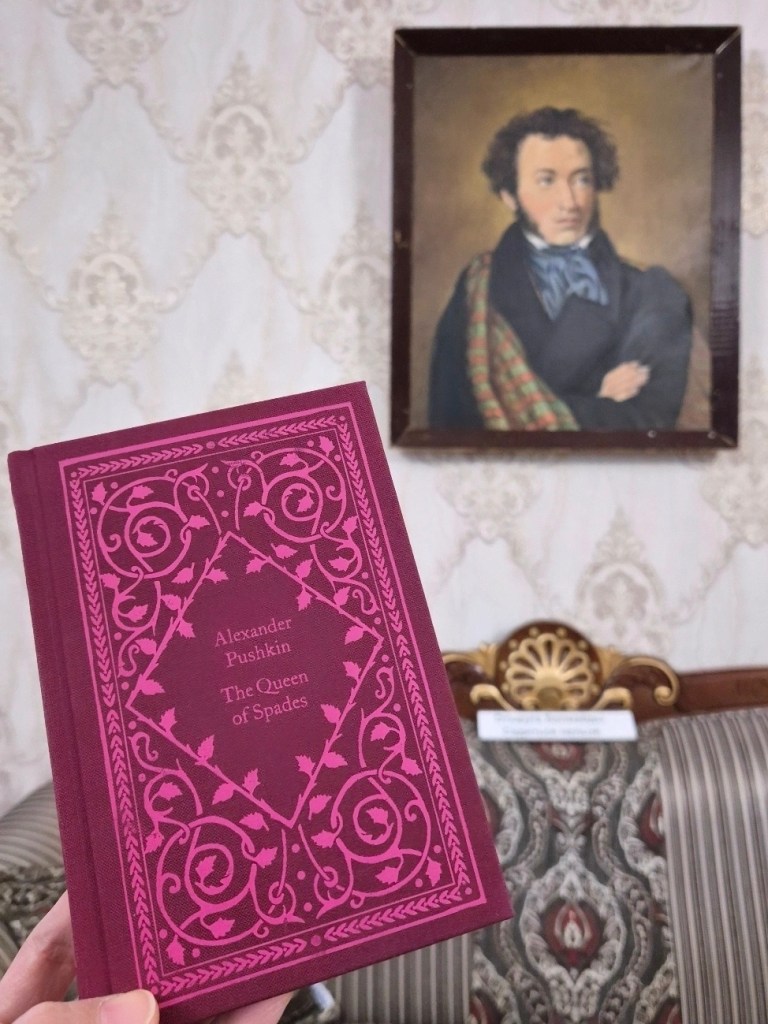
The Pushkin Museum was my first stop, but no matter how the attendant and I tried to communicate regarding the entrance fee (signal was weak, Google Translate wouldn’t load), she would laughingly start with another stream of Russian, and I would answer in English. After a few minutes of the futile but funny exchange, she suddenly stopped when she saw me holding a Pushkin book. “Ah!!!” She nodded in recognition, gestured at the book with approval, waved me away, and signaled for me to enter without paying. (Kids, it’s true what they say: Books open doors for you! Haha)
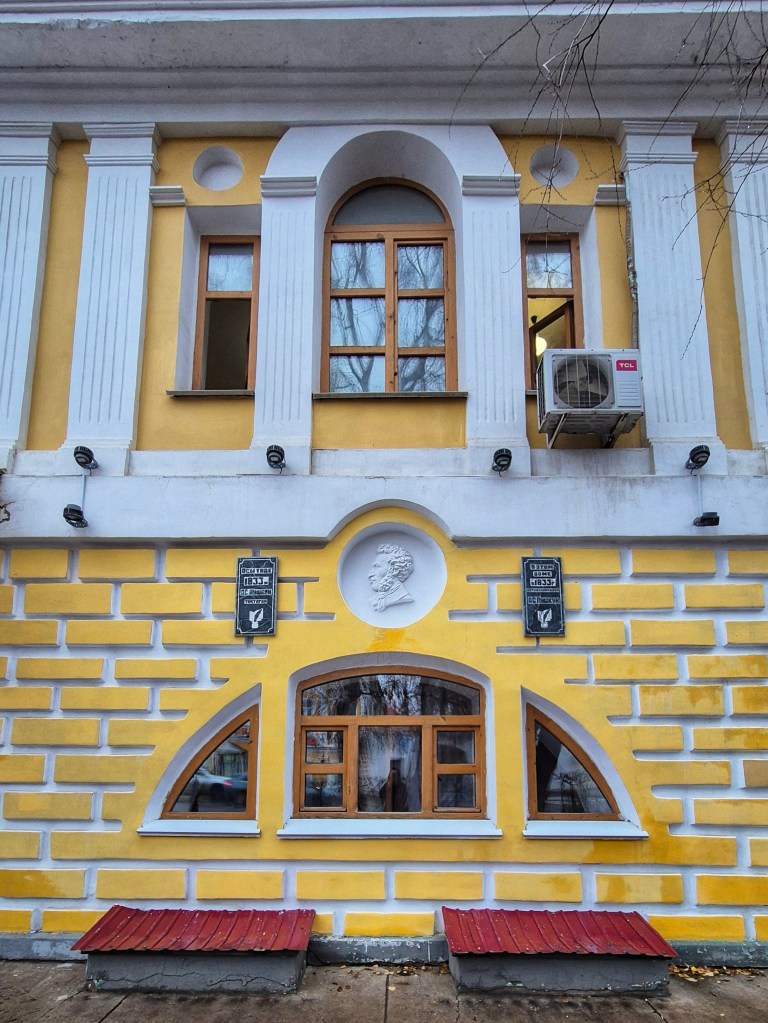
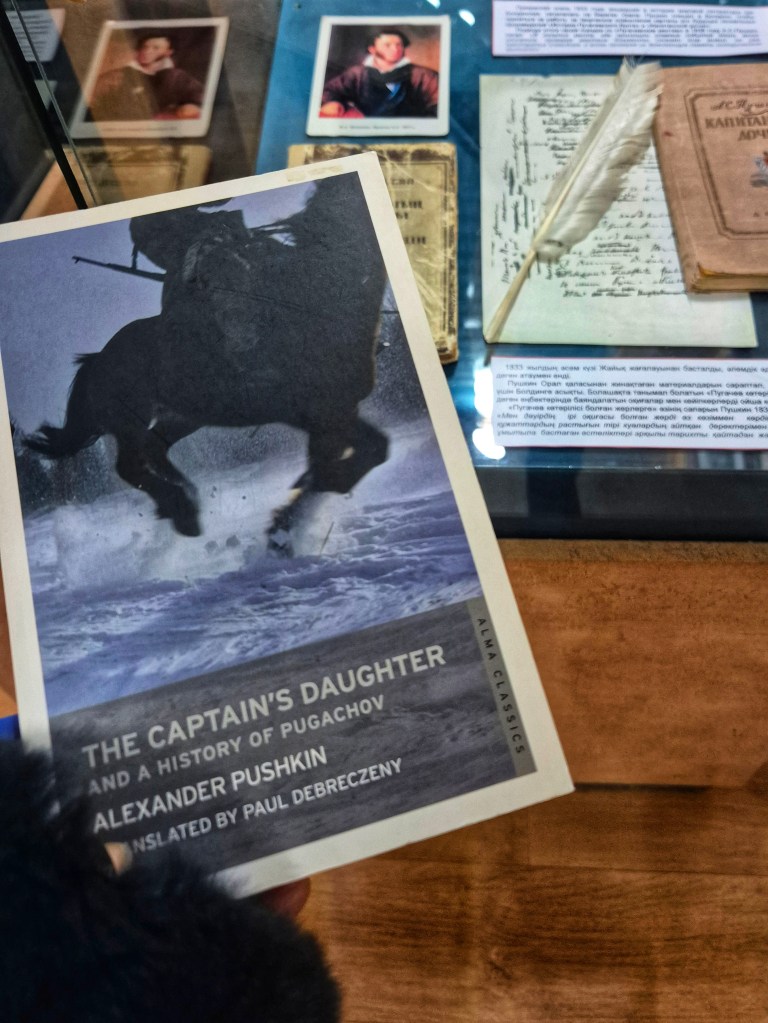
Pushkin came to Uralsk in 1833 to do research and prepare for two significant works, The History of the Pugachev Rebellion and The Captain’s Daughter. The residence of the Cossack leader that hosted him now houses the Pushkin Museum.
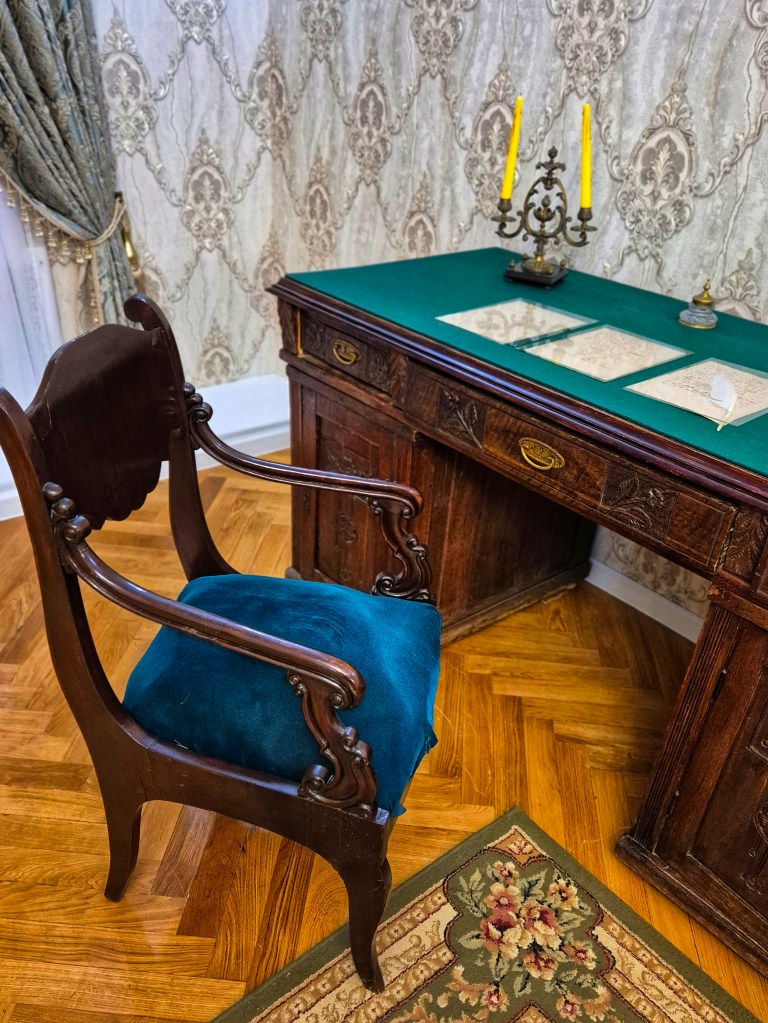
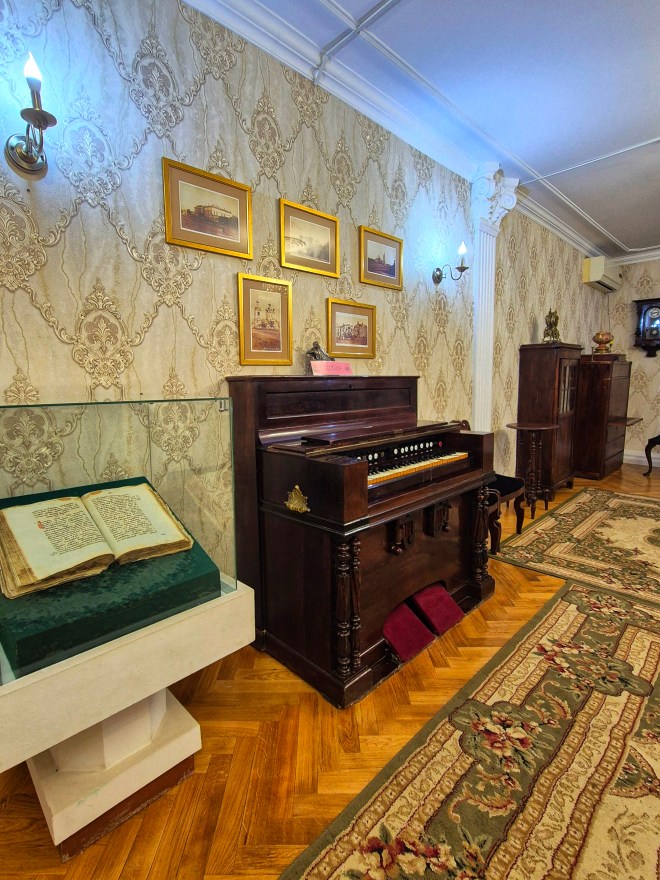
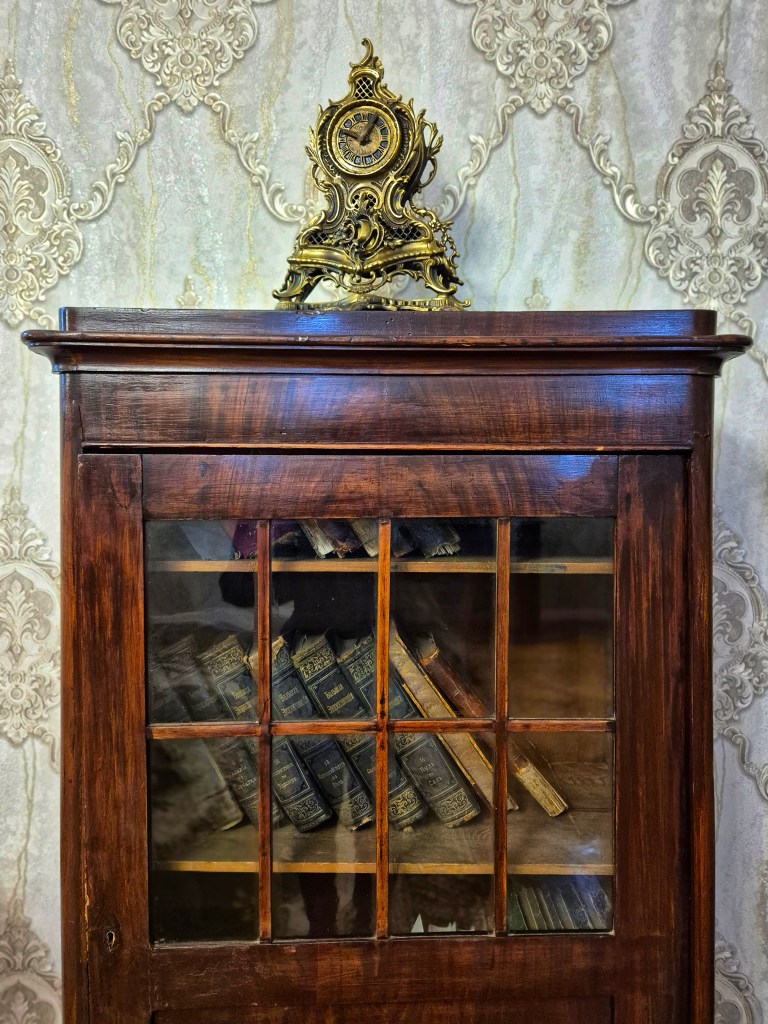
Pugachev was a Cossack during the reign of Catherine the Great who led the largest peasant revolt in the history of the Russian Empire. Needless to say, the well-preserved Pugachev House Museum was my second stop.
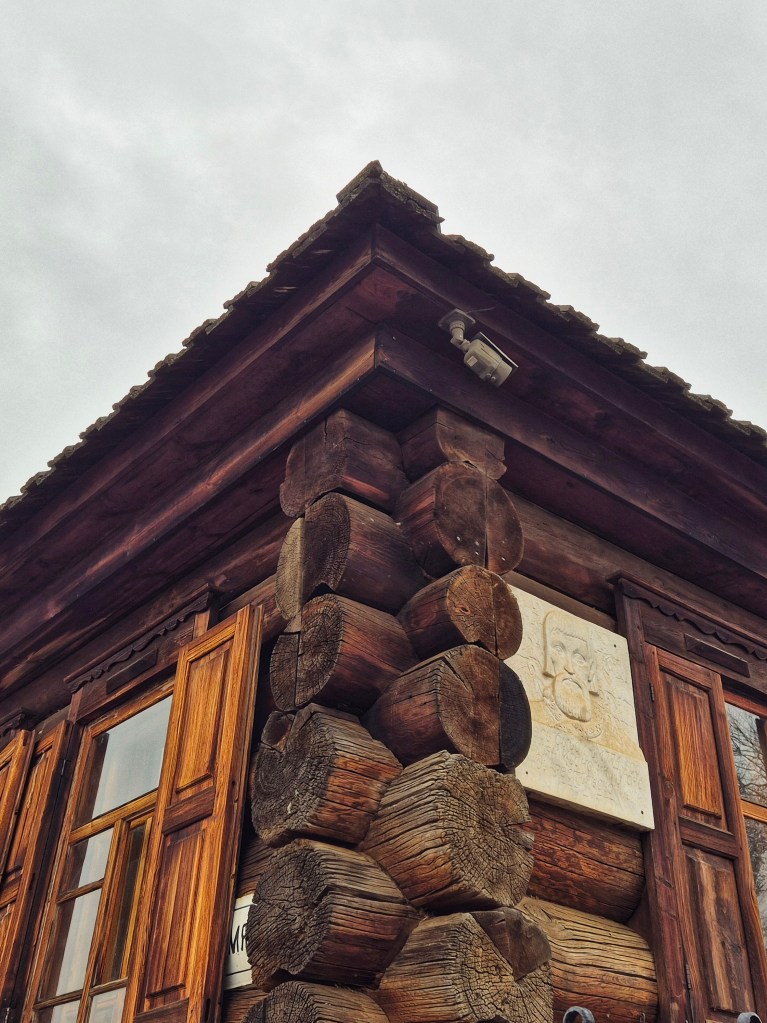
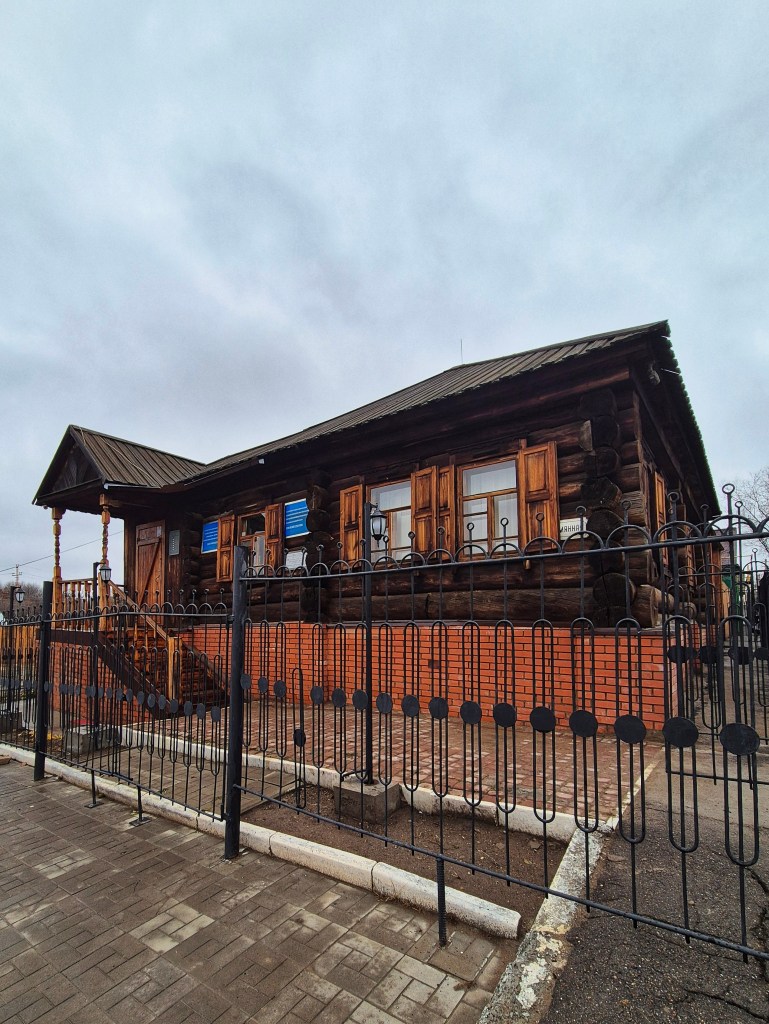
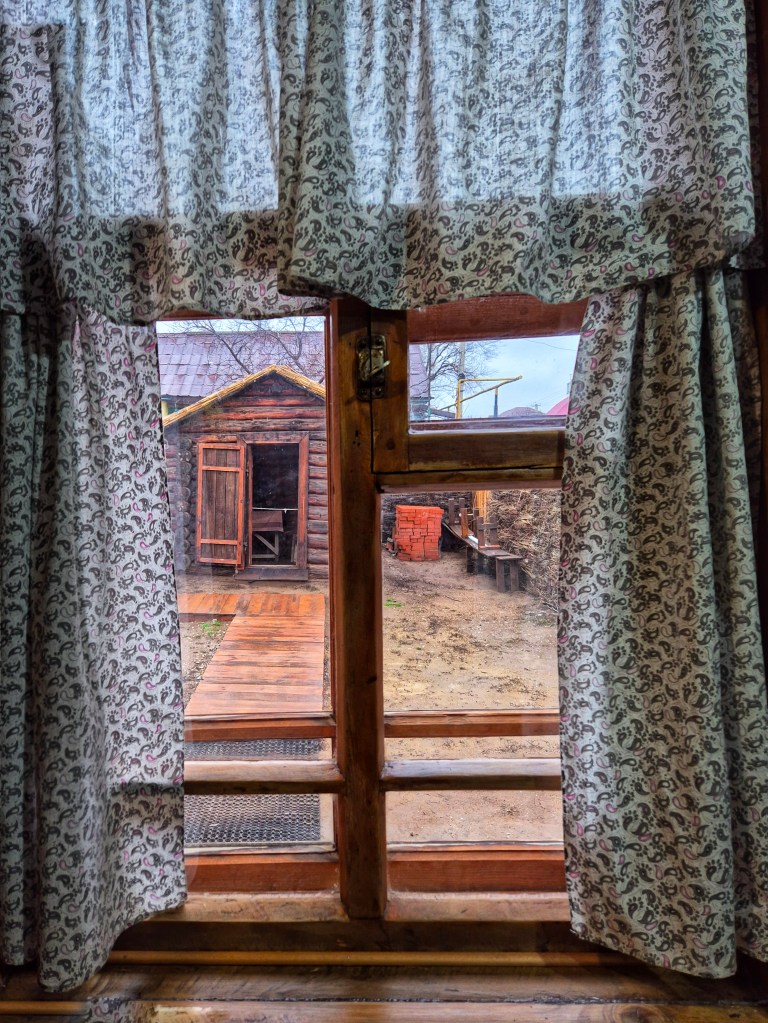
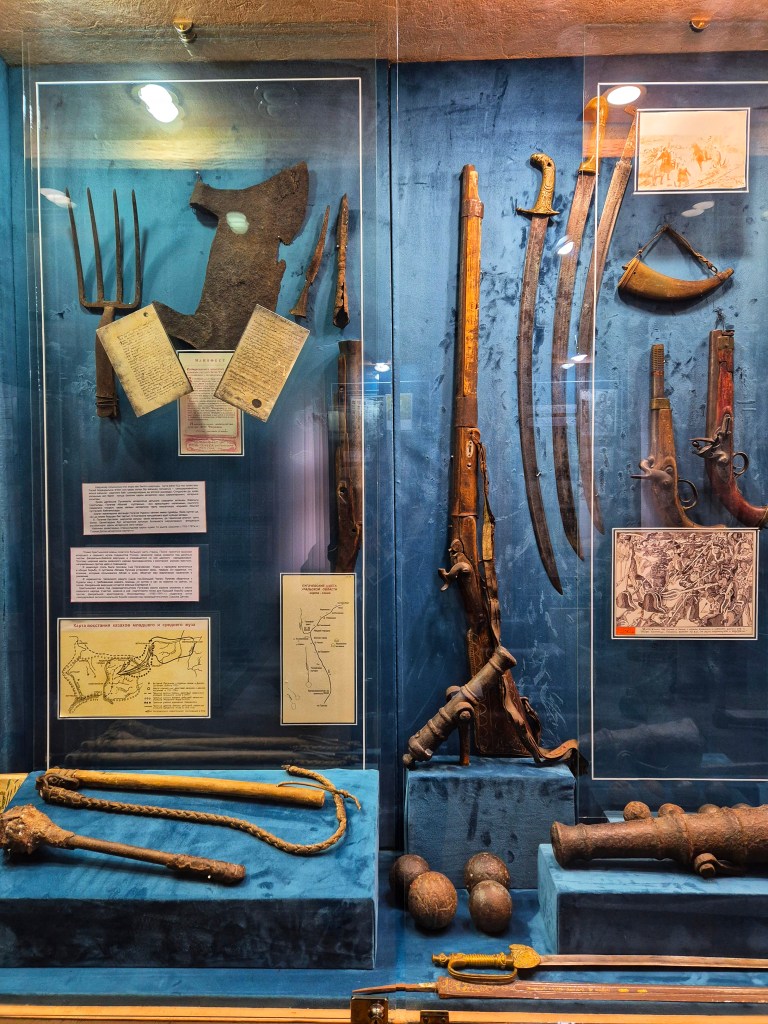
Finally, the Sholokhov Museum in the village of Dariinsk, close to the Russian border — so close that the driver had to make sure I had my passport with me in case we encountered border patrol. This is where Sholokhov and his family spent the wartime years. It was also where Sholokhov received news that he was awarded the Nobel Prize in Literature.
It felt surreal being allowed to sit at his desk and play a Rachmaninoff passage on the broken piano.
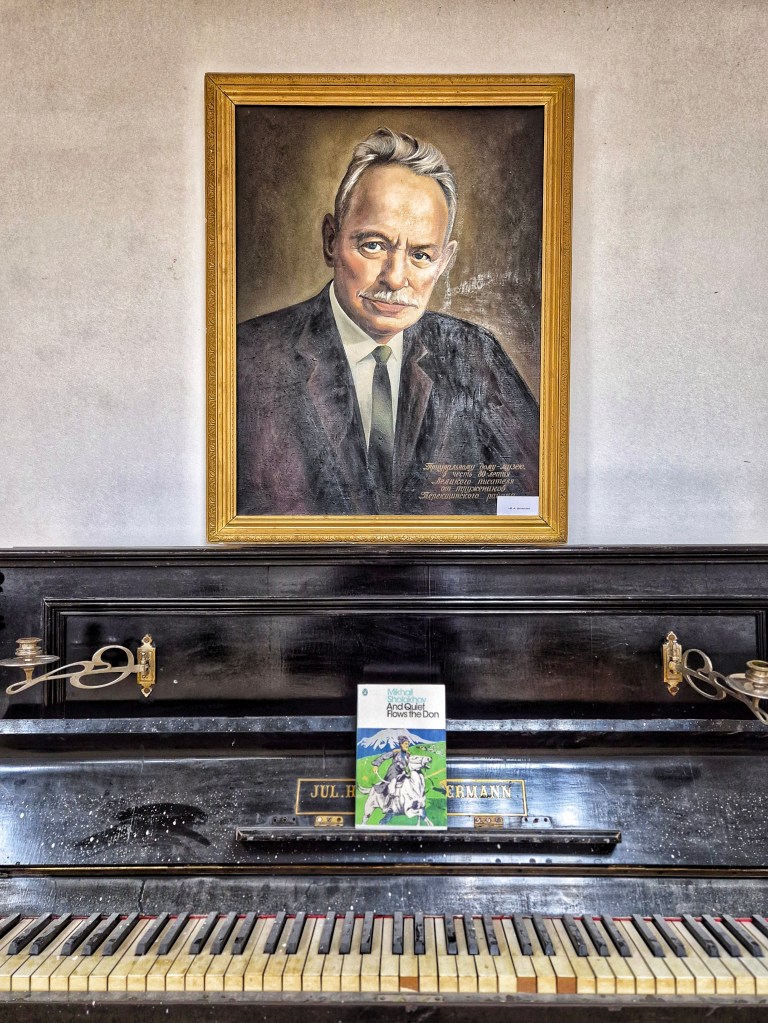
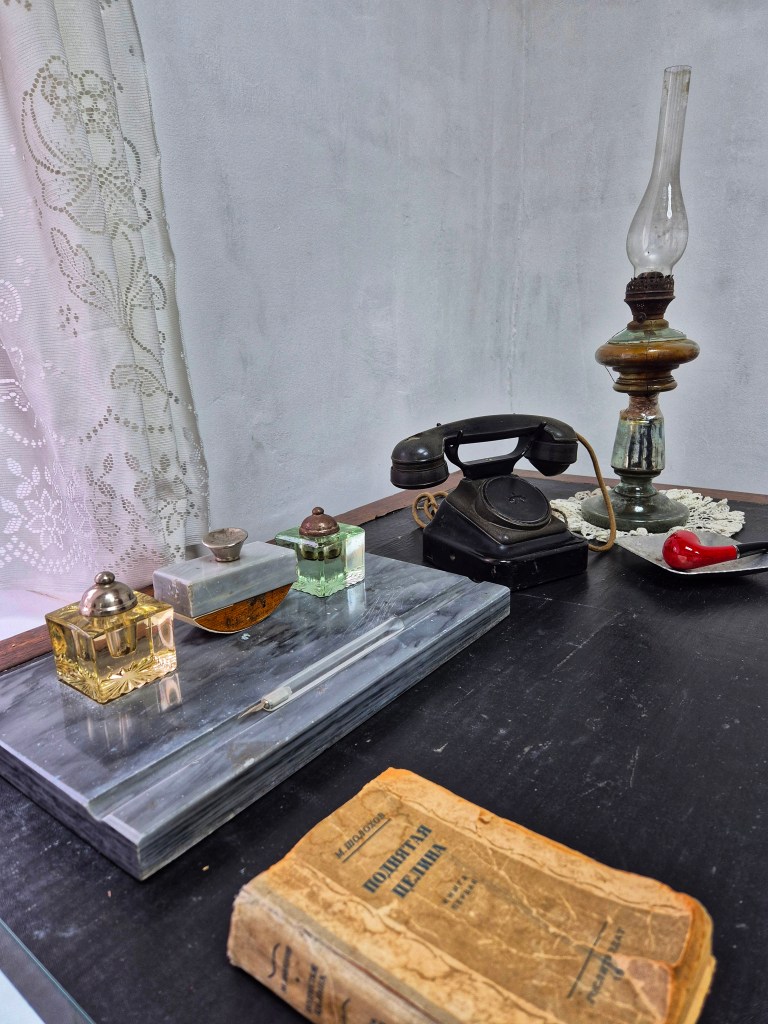
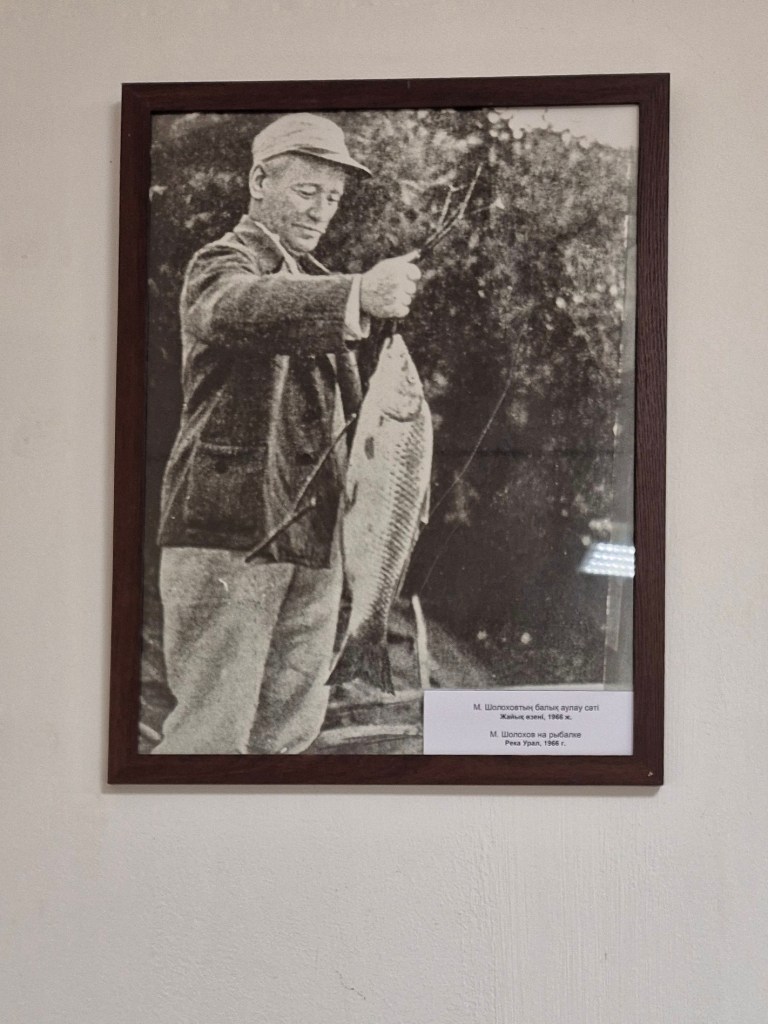
There are a few things to note regarding museums in Uralsk: The captions are all in Russian; I was the only guest in the three museums that I visited; the museum attendants do not speak English, but they are all genuinely kind and warm, and try their best to communicate; these establishments remind you that one of the things that make Russian Literature great is that, whether political, spiritual, or existential, they stand for things that are eternally relevant.
 The Book-Butterfly