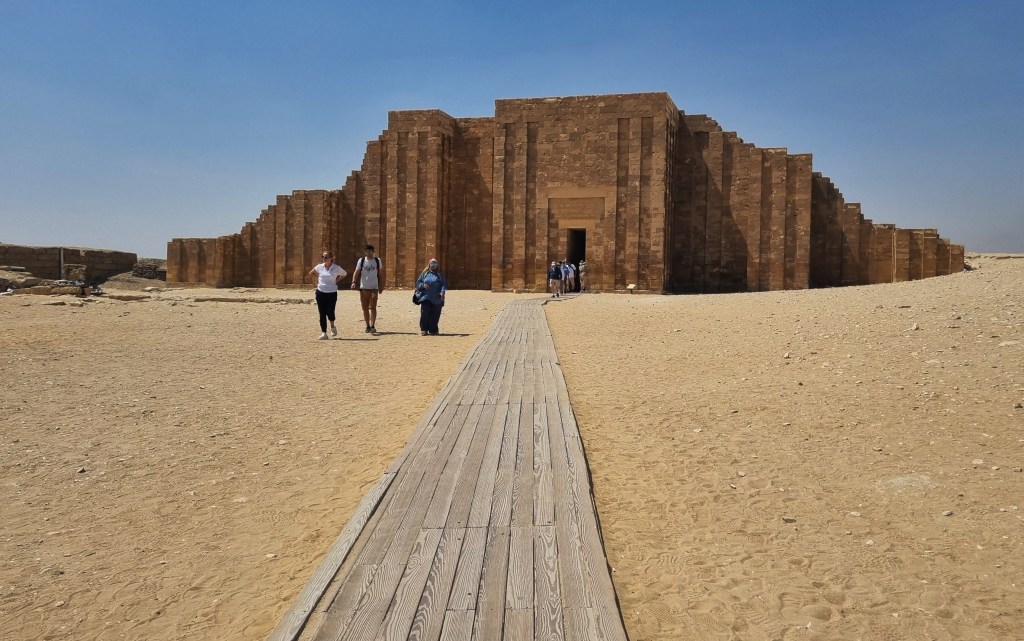
Reviewing the photos that the guide took of me during the Saqqara-Memphis-Giza Plateau Tour, I find that at the Great Sphinx of Giza, there is a photo of me grimacing, another one of me rolling my eyes, and another one of me doing a hair flip. Apparently, he kept clicking while I was lightly arguing with him. He was insisting that I do the touristy pose of kissing the Sphinx. I did not, and this set of hilarious photos that will not do justice to the grandeur of the Sphinx is my punishment for not cooperating.
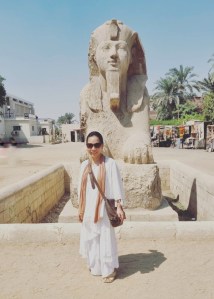
Instead, here is a decent photo of me with the alabaster Sphinx of Memphis. It is so much smaller than the Great Sphinx but it is an elegant and well-preserved remnant of what was once one of the greatest cities of the ancient world. This strategic city at the mouth of the Nile Delta marked the boundary between Upper and Lower Egypt.
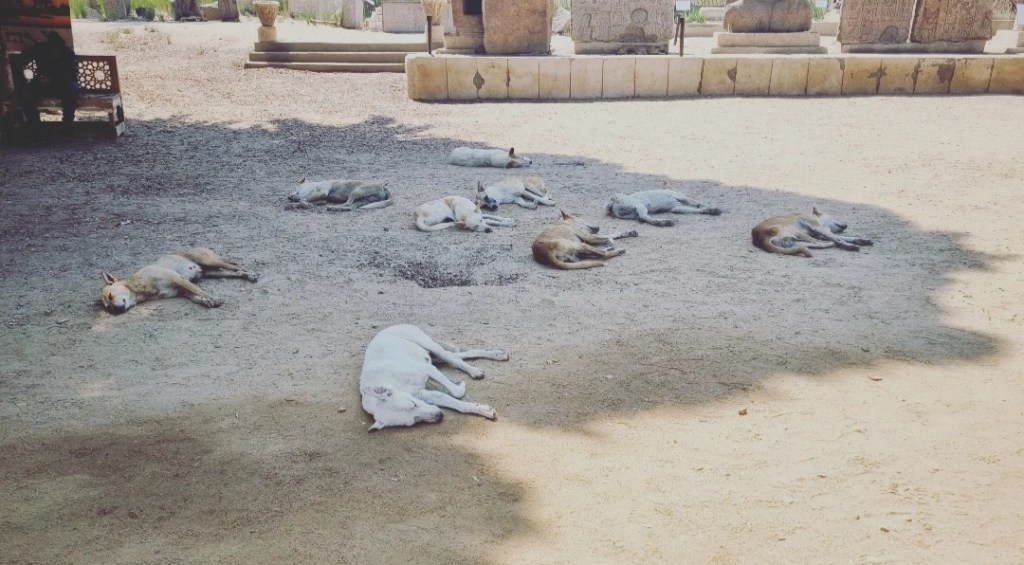
Today, dogs nap lazily under the shade of trees and ruins, seeking shelter from the fierce noonday sun, and very much oblivious to the historical richness of the soil on which they lay.
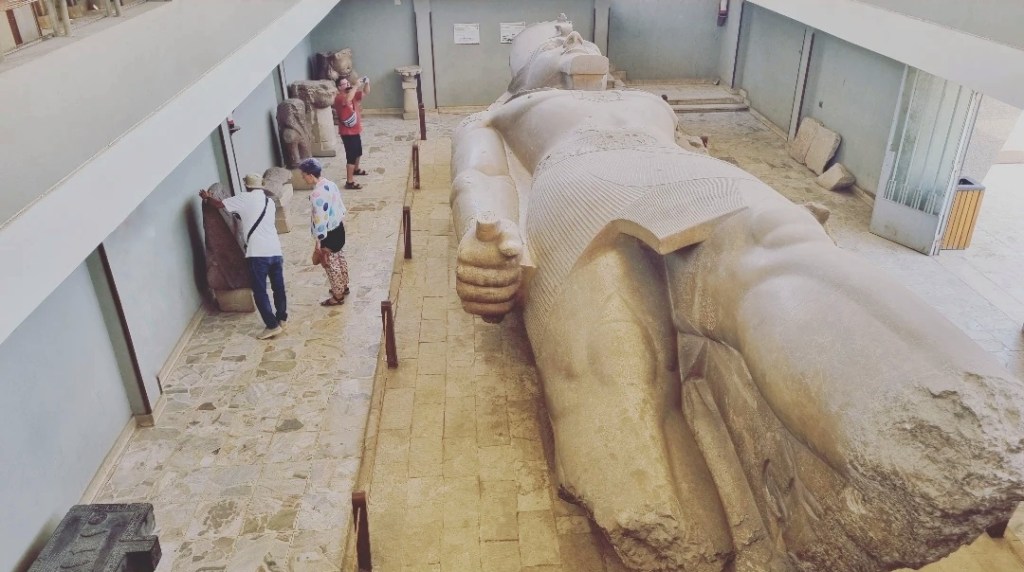
Memphis was believed to be under the protection of the Egyptian god Ptah, the patron of craftsmen. Nothing much is left of the city save some of its artists’ best crafts.
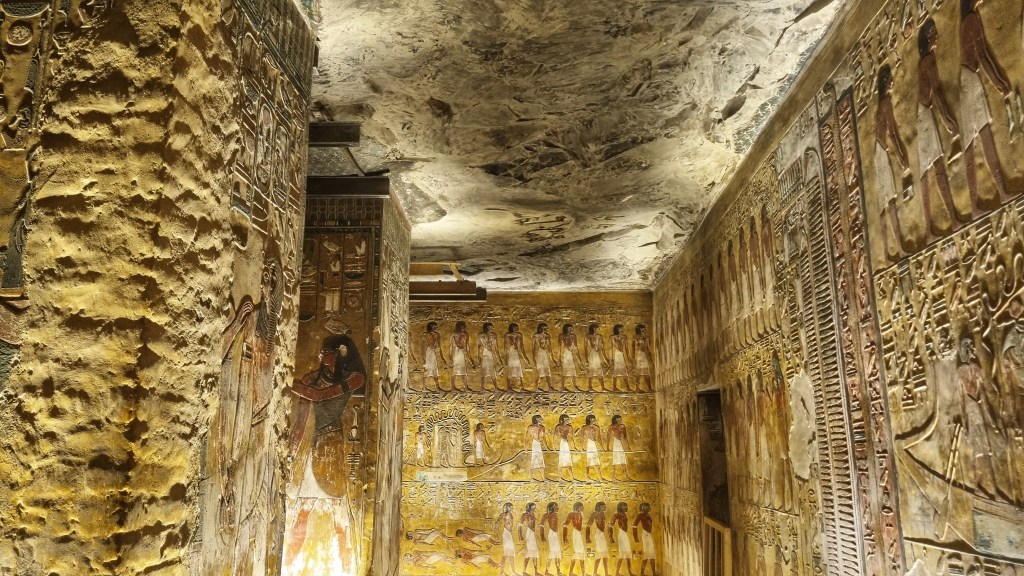
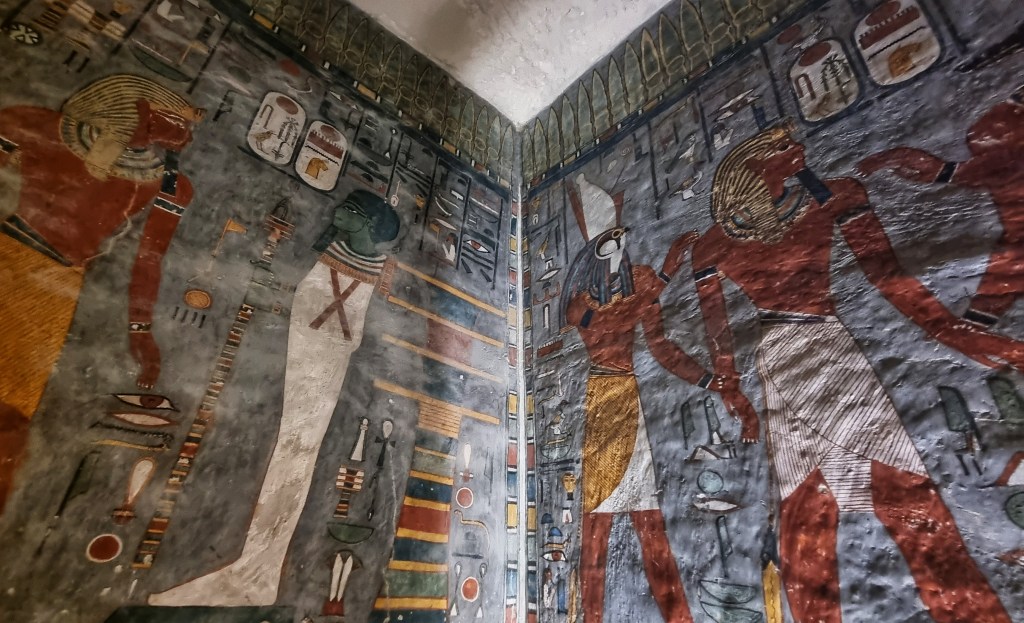
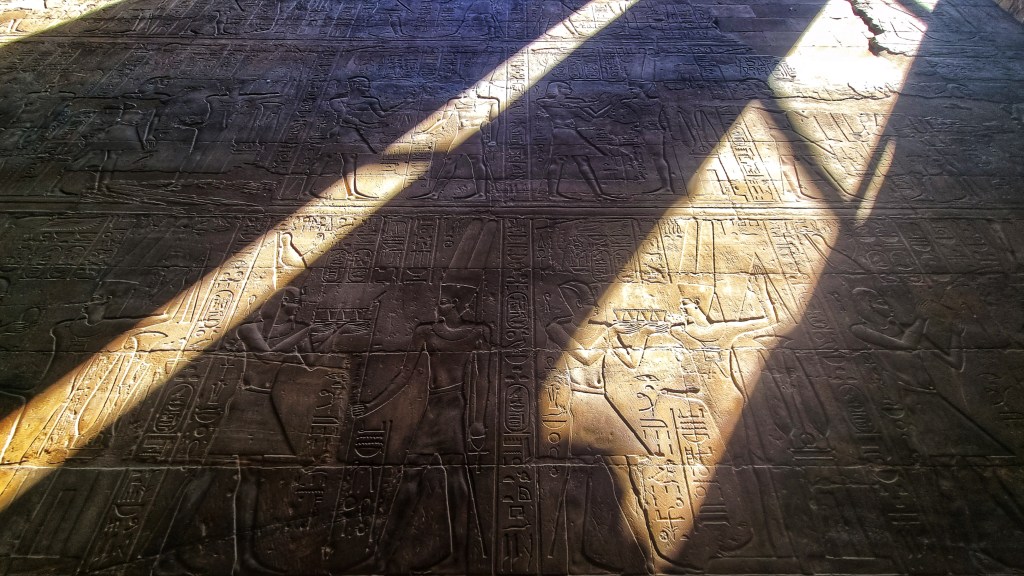
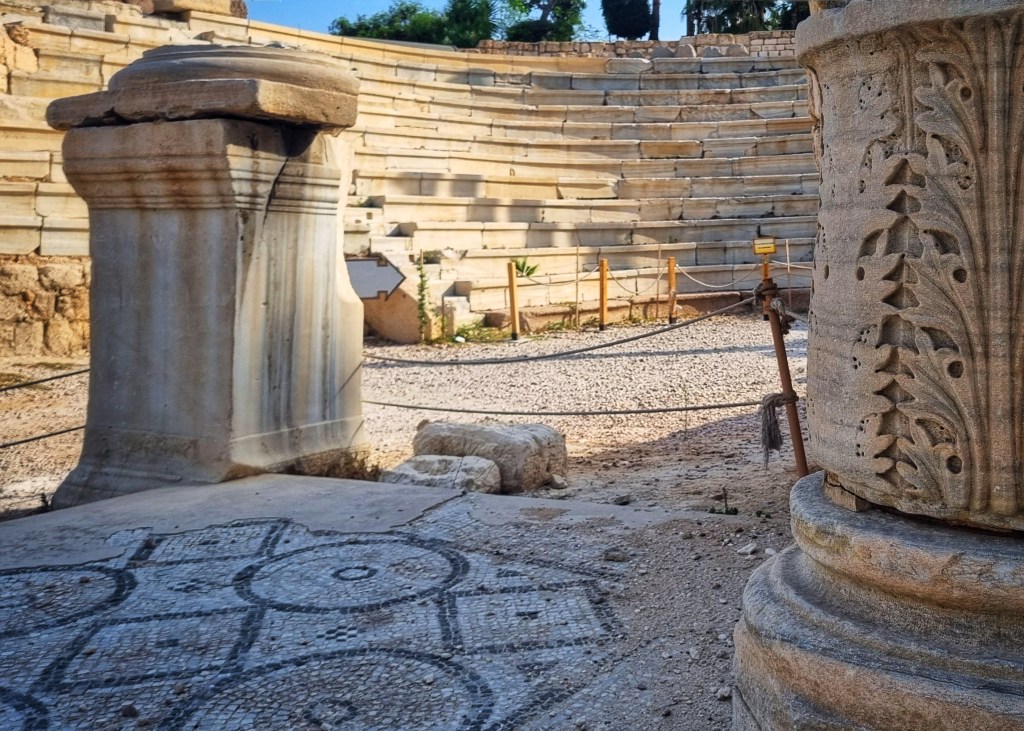
In many places where nothing of political power and might is left, traces of art remain.
The greatest pharaohs knew that they would not live for hundreds or thousands of years in this world; and therefore needed art and architecture… knowing they wouldn’t… and so that they could.






























 The Book-Butterfly