“Georgia is a land that bursts with emotion, flavor, and texture, in people, landscape, food, and — so important — wine.” For the Love of Wine, Alice Feiring

Most of the Georgian words that I’ve brought back home have something to do with wine: Qvevri – the clay vessel used for fermentation (only their brandy and chacha are aged in barrels). Chacha – a cross between brandy and vodka derived from grape which Bourdain nicknamed the “national firewater”. Kantsi – animal horns converted into drinking vessels. Piala – terra cotta wine cup, like the one Mother of Georgia is holding with one hand, a sword on the other. Marani – a winery. Add to that the names of their wines: Kisi, Saperavi, Rkatsiteli, Kindzmarauli, Khvanchkara, etc…. The Georgians taught me well.

Mention “wine tasting” in the Philippines and you’ll come off to many as “pa-sosyal” (bourgeois with a dash of pretentious haha).
Not in Georgia. With approximately 525 indigenous grapes, an 8000-year-old winemaking history, and families producing their own wine, wine is tradition, wine is culture, and wine is part of religion, poetry, and daily life. After being assailed by the Ottomans, by the violence of the Mongols, by the Persians under Shah Abbas II who uprooted their grapevines, or by forced Soviet industrialization that replaced quality artisanship with mass production, natural wine is their symbol of survival. Wine is identity.


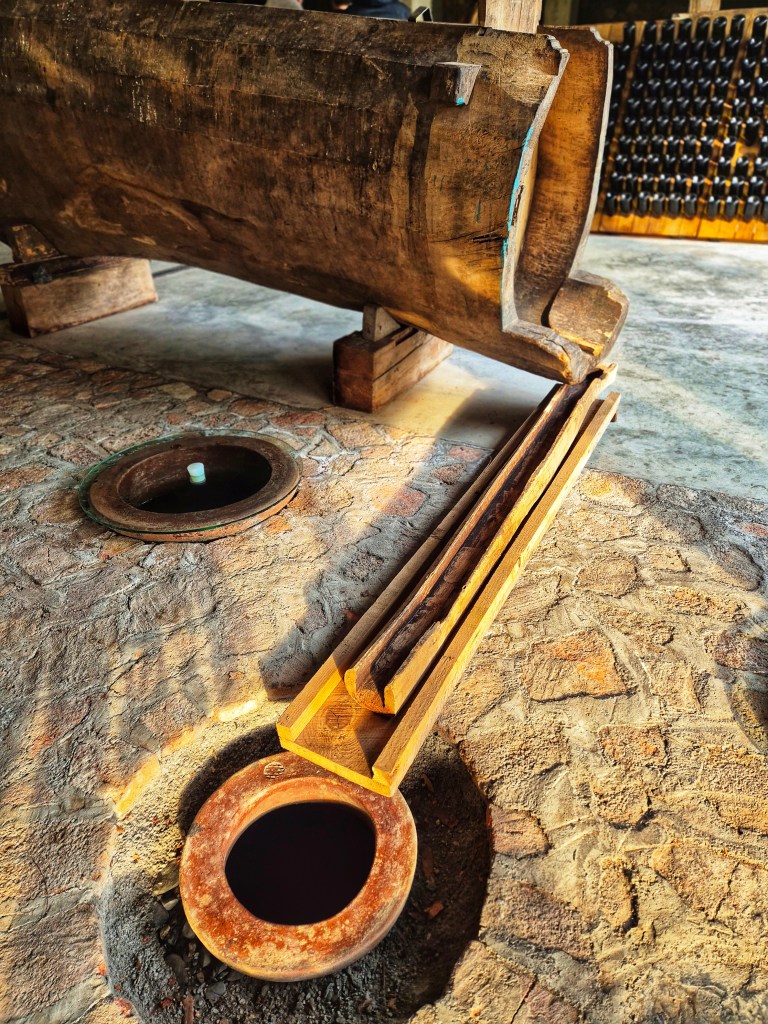


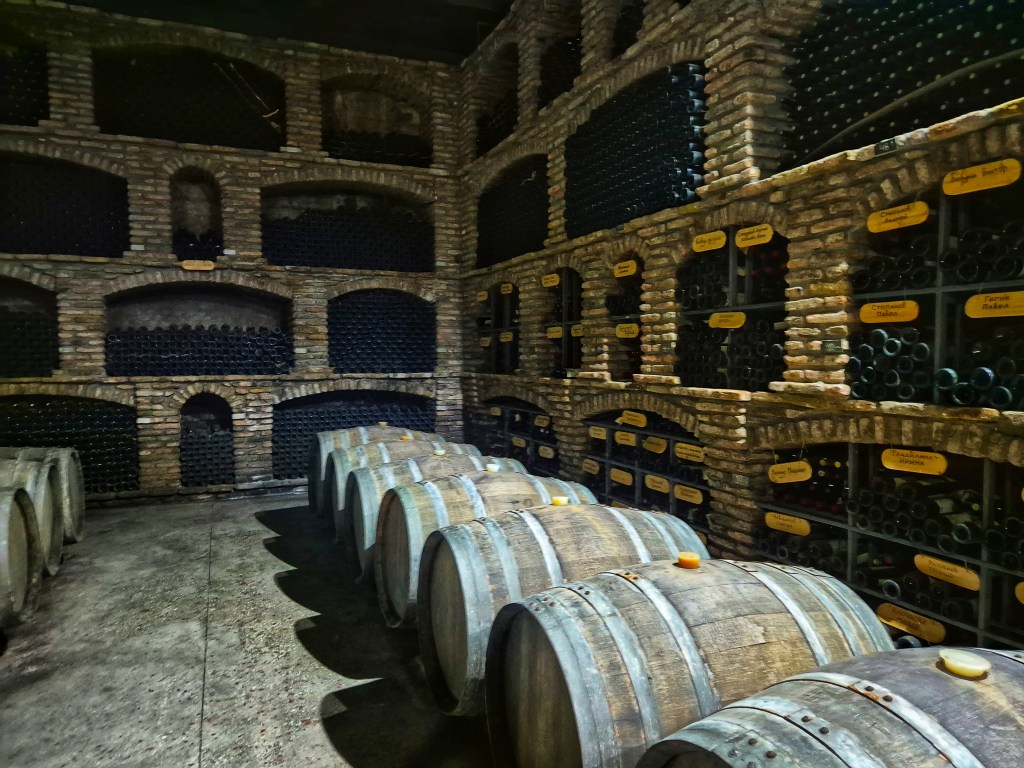


“Wine is an essential thread in the fabric of the country and the people… nowhere in the modern world is there a nation like Georgia, with this concept of wine — a fire coursing through its veins,” writes Alice Feiring. For the Love of Wine: My Odyssey Through the World’s Most Ancient Wine Culture prepared me for, and accompanied me to, a wine-tasting event for almost every day I was in Georgia.
These wine tastings are not like the ones in my country that are only for the privileged. Georgians are willing to let their guests experience this for free if only to convey that in order to understand Georgia and its people, one must understand their wine culture.
Additives are not used and it is illegal to add sweeteners to their qvevri wines, and chemical fertilizers for the vines are denounced. One Georgian vintner was quoted in Feiring’s book saying, “Every inch of my soil is soaked with the blood of my ancestors. This is the strength of the Georgian wine. This is our terroir. What do you use?”
But perhaps the best lesson I’ve learned is that producing the finest wine is also about planting the vines in places where they have to struggle. “If grapes had it too easy, the fruit had less character…”
That adds a profound layer to that adage about aging like fine wine, doesn’t it? It’s a rather fitting lesson to learn on a birthday trip. Fine wine is what survives the struggle. Gaumarjos!

 The Book-Butterfly