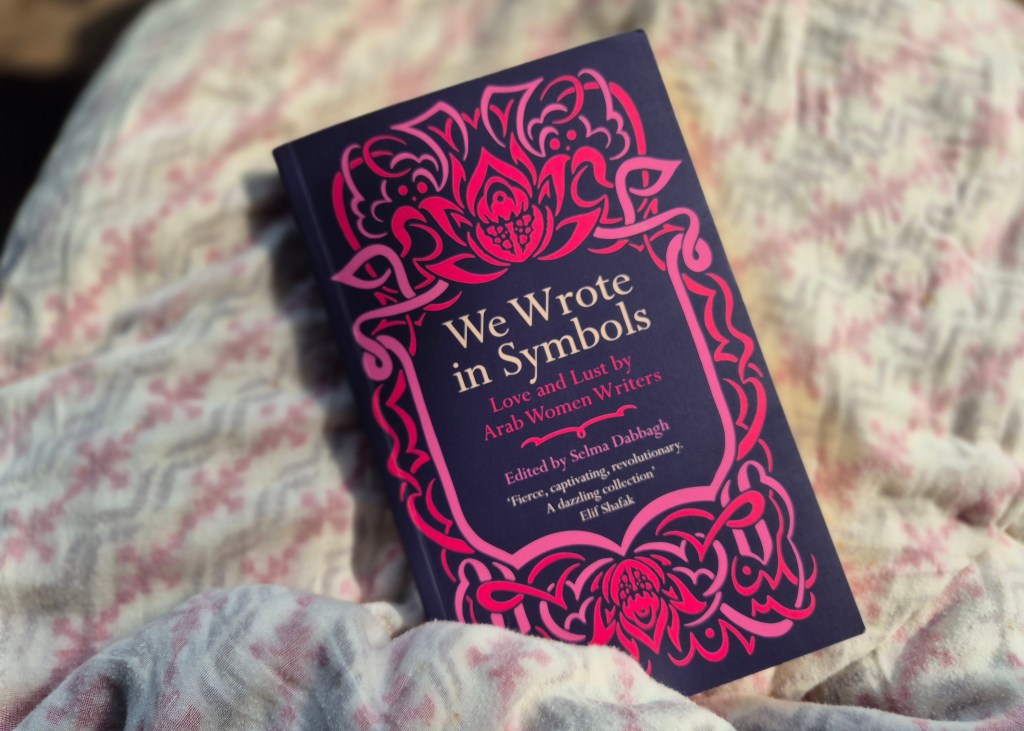
This collection of writings by Arab women turned out to have more erotic passages than I expected, and the conservative reader who cannot appreciate this as an act of defiance against authoritarian patriarchal societies might prefer to stay away.
I value this book as a reminder, as the introduction mentions, of how women were writing in Arabic centuries before women began writing in English; and as a reminder of the treasure troves of Arabic literature that hardly make it into our consciousness simply because they are not on the Western radar.
Poems by Arab women throughout the ages pepper this collection alongside contemporary essays and excerpts from novels, including those by Palestinian authors, Adania Shibli, Suad Amiry, and Naomi Shihab Nye. The translations are no less significant as it has works by Man Booker International Prize awardee, Marilyn Booth, and Ernaux translator, Sophie Lewis.
More than a treasury of sensuality, I see this book as a celebration of women who strive to steer the gaze away from centuries of male perspective, and a celebration of women in translation, but who are translating forceful statements beyond mere words.
What I think will stay with me, however, is a line from Tunisian-French author, Colette Fellous — an imagery of two lovers’ bodies, likened to a closing book.
 The Book-Butterfly